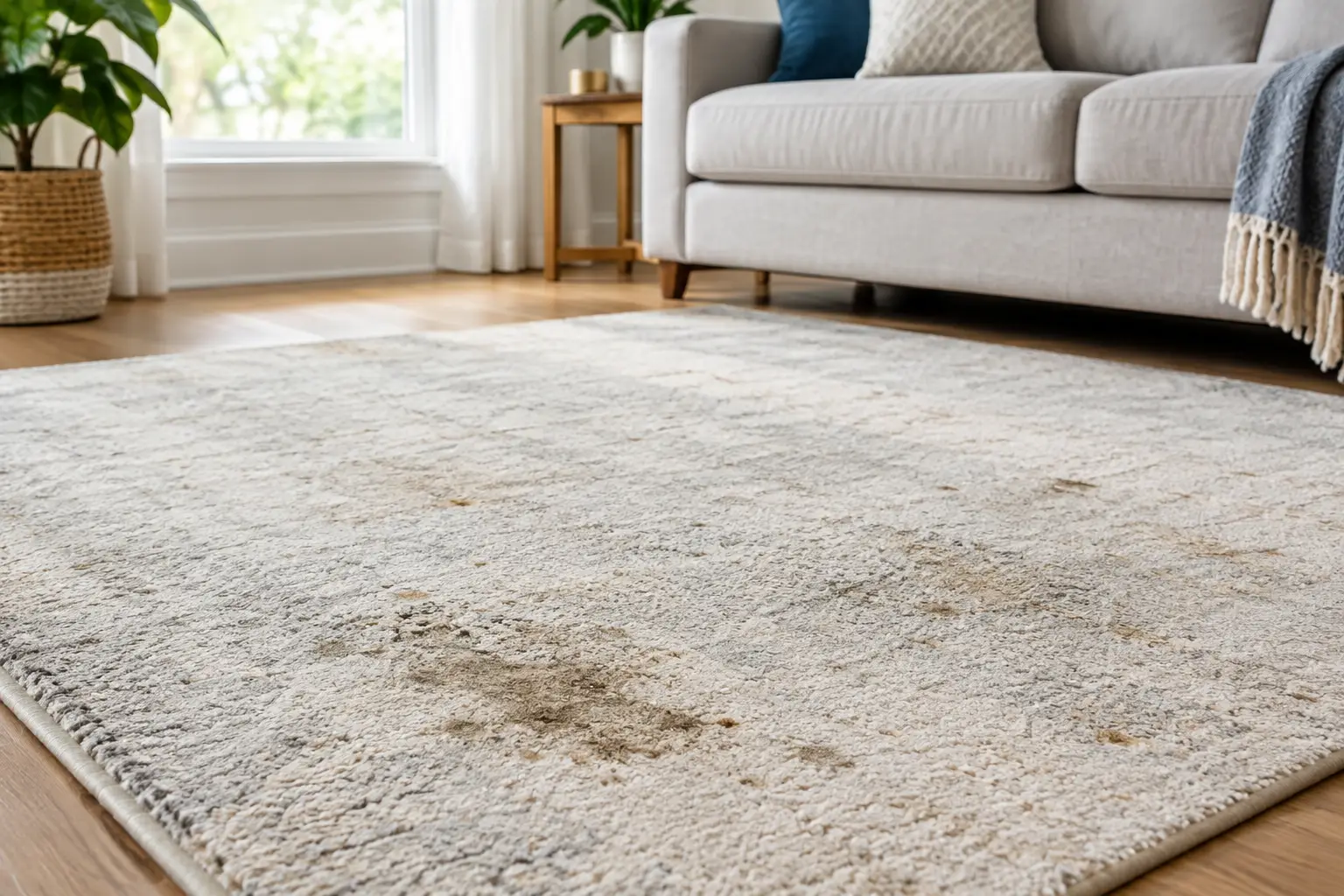
A rug can look presentable from the doorway while holding weeks or months of tracked-in soil deep in its foundation. That is why the most reliable signs rugs need washing are not always obvious stains. In Central Florida homes, humidity, sandy soil, pets, and busy family life can all leave behind contaminants that routine vacuuming cannot remove.
Fine Oriental rugs, wool area rugs, and designer floor coverings deserve more than a quick surface treatment. A professional wash is designed to flush soil from the fibers, address odors at their source, and restore the rug with methods suited to its construction and dyes. Here are the warning signs to watch for before buildup becomes permanent damage.
1. Your Rug Looks Dull or Feels Flat
A rug that has lost its color and texture may not be worn out. Often, it is simply carrying a layer of fine dry soil. Grit settles below the pile, where it blocks light from reflecting off the fibers and makes patterns appear faded or gray.
Run your hand across the surface. If the rug feels stiff, packed down, or less soft than it once did, embedded debris may be the cause. This is particularly common in entryways, hallways, living rooms, and beneath dining tables. Wool fibers can hide substantial soil before a rug begins to look visibly dirty.
Vacuuming helps with loose debris, but it cannot fully remove grit that has settled into the rug’s foundation. Over time, that grit acts like sandpaper as people walk across it, contributing to fiber wear.
2. The Room Has a Persistent Odor
A lingering smell is one of the clearest signs a rug needs washing, especially when the odor seems stronger on humid days. Rugs absorb airborne cooking residue, smoke, body oils, pet dander, and moisture. If a room still smells musty after regular cleaning, the rug may be holding the source.
Pet accidents require special attention. Urine can travel through the face fibers and backing into the foundation of a rug, and sometimes into the rug pad or floor beneath it. Surface spot cleaning may reduce the immediate odor without removing the contamination below. When humidity rises, odor-causing residues can reactivate.
For a valuable or delicate rug, avoid masking the smell with fragrance sprays or harsh household chemicals. The right treatment depends on the fiber type, dye stability, construction, and extent of contamination. True pet urine decontamination is a process, not a perfume.
3. Vacuuming Produces More Dust Than Usual
If your vacuum canister fills quickly every time you clean the same rug, or if dust rises when the rug is disturbed, it is likely overdue for a professional bath. Fine soil can work its way through the pile and collect in the backing, even in a home that is cleaned regularly.
This does not mean your housekeeping routine has failed. Area rugs are filters underfoot. They catch what enters from outside and what settles from the air. Homes with children, pets, open windows, or frequent guests tend to put more soil into rugs than homeowners realize.
A professional washing process removes soil in a way that a dry surface cleaning cannot always achieve. Before any wash, a skilled rug care team should inspect the piece for fiber type, colorfastness, previous repairs, fringe condition, and other factors that affect treatment.
4. Spots Keep Coming Back
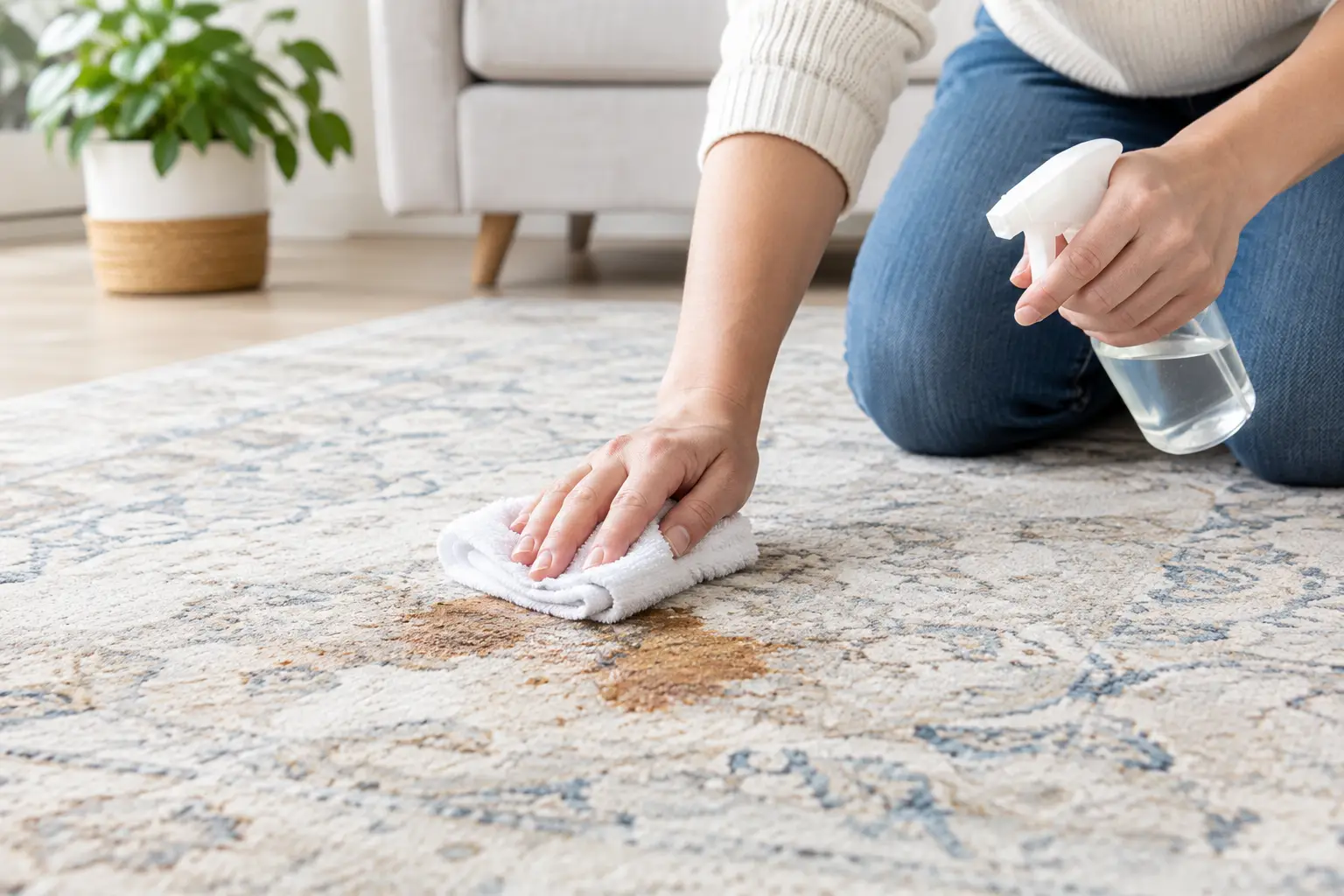
A spill may seem gone after blotting, only to reappear as the area dries. This often happens when residue remains below the surface and wicks upward. Coffee, wine, pet accidents, oily foods, and some cleaning products can all create recurring spots.
Repeated home treatment can make matters worse. Scrubbing may distort pile, spread the stain, or drive it deeper into the rug. Over-the-counter products can also leave a sticky residue that attracts more soil, causing the same area to darken again.
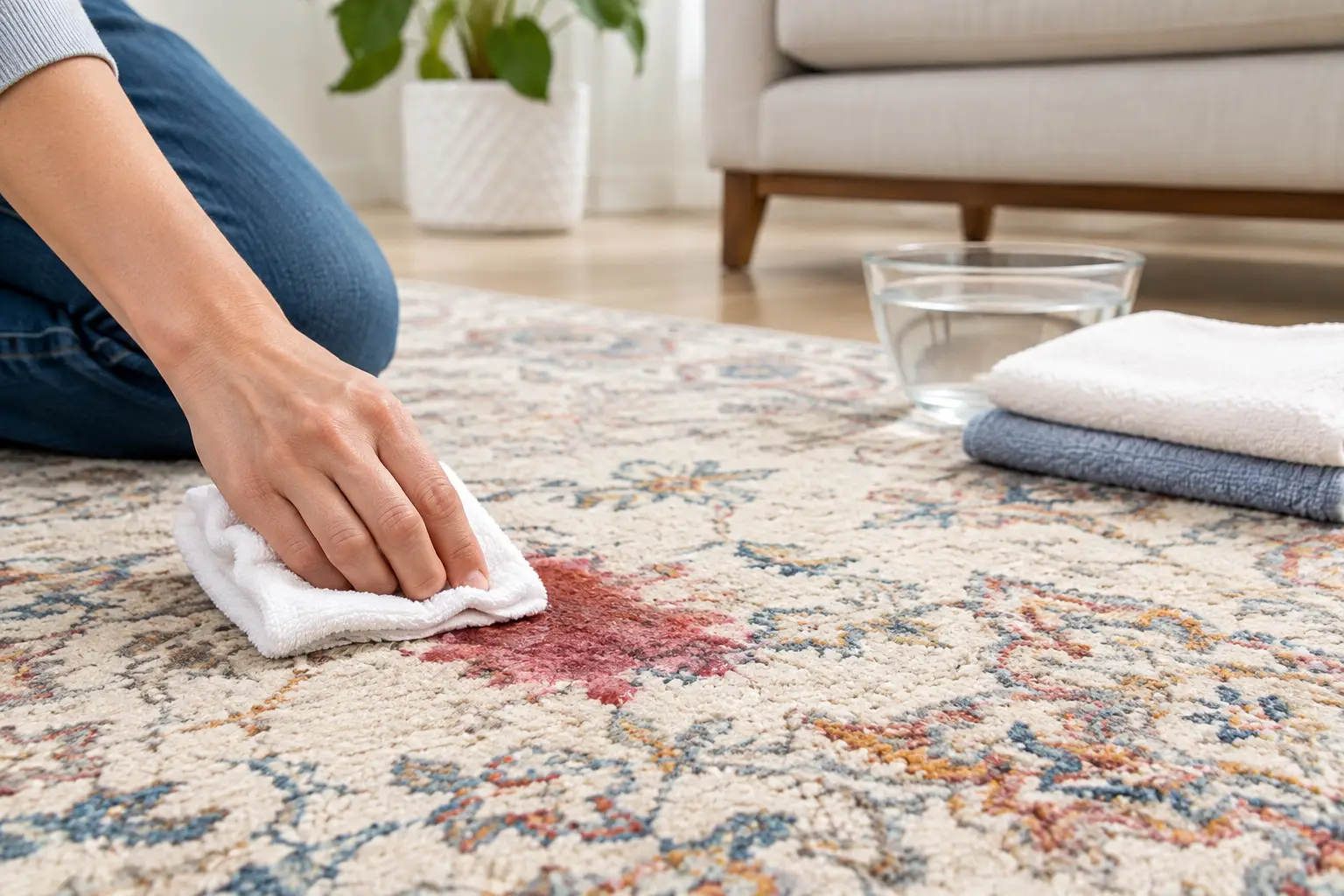
Blot fresh spills promptly with a clean white towel, working from the outside of the spot inward. Do not rub. Then arrange an evaluation if color remains, the spill involved urine, or the rug is handmade, antique, silk, viscose, or otherwise delicate. The sooner a stain is addressed, the better the chance of preserving the original color.
5. Fringe, Edges, or Corners Look Darker
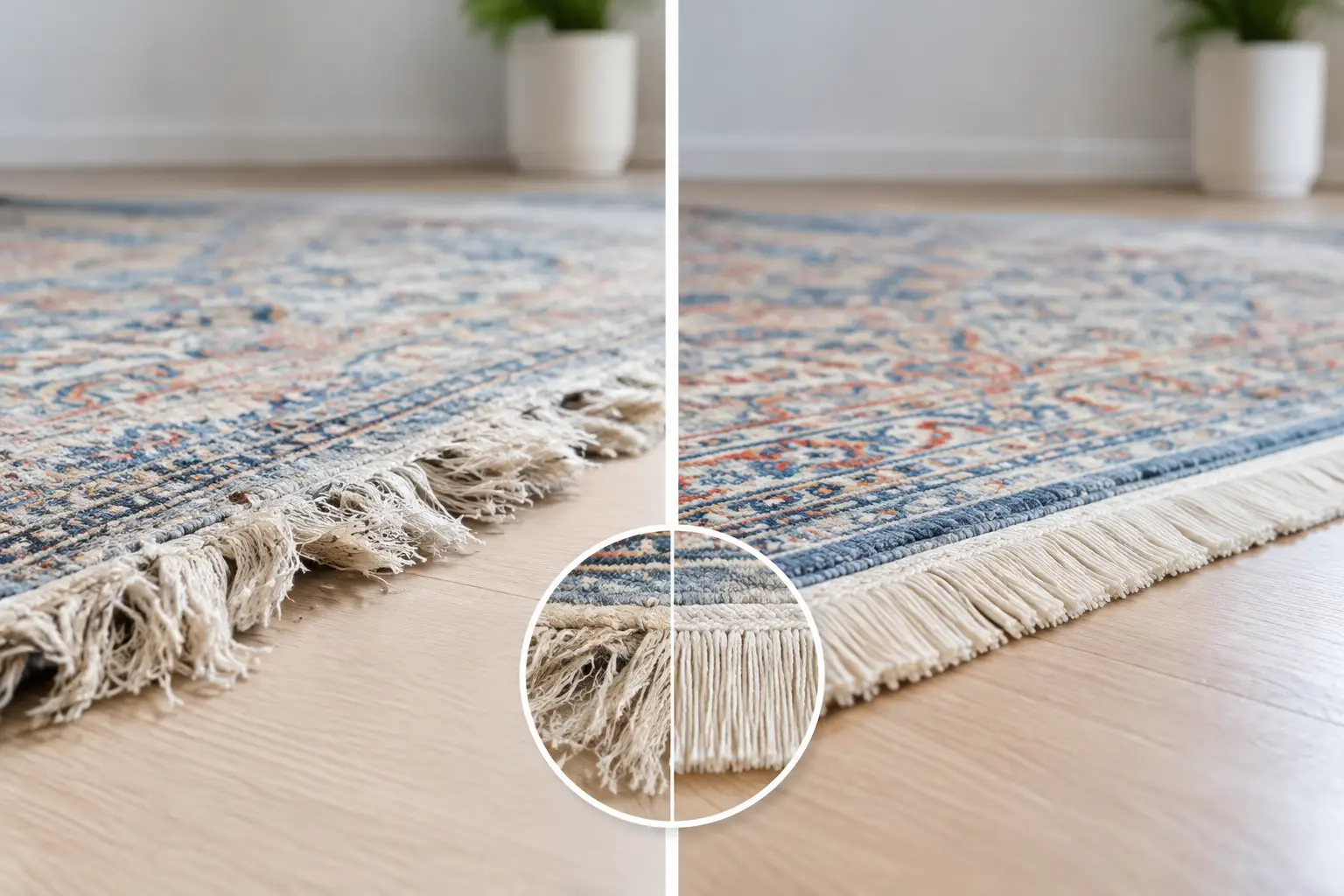
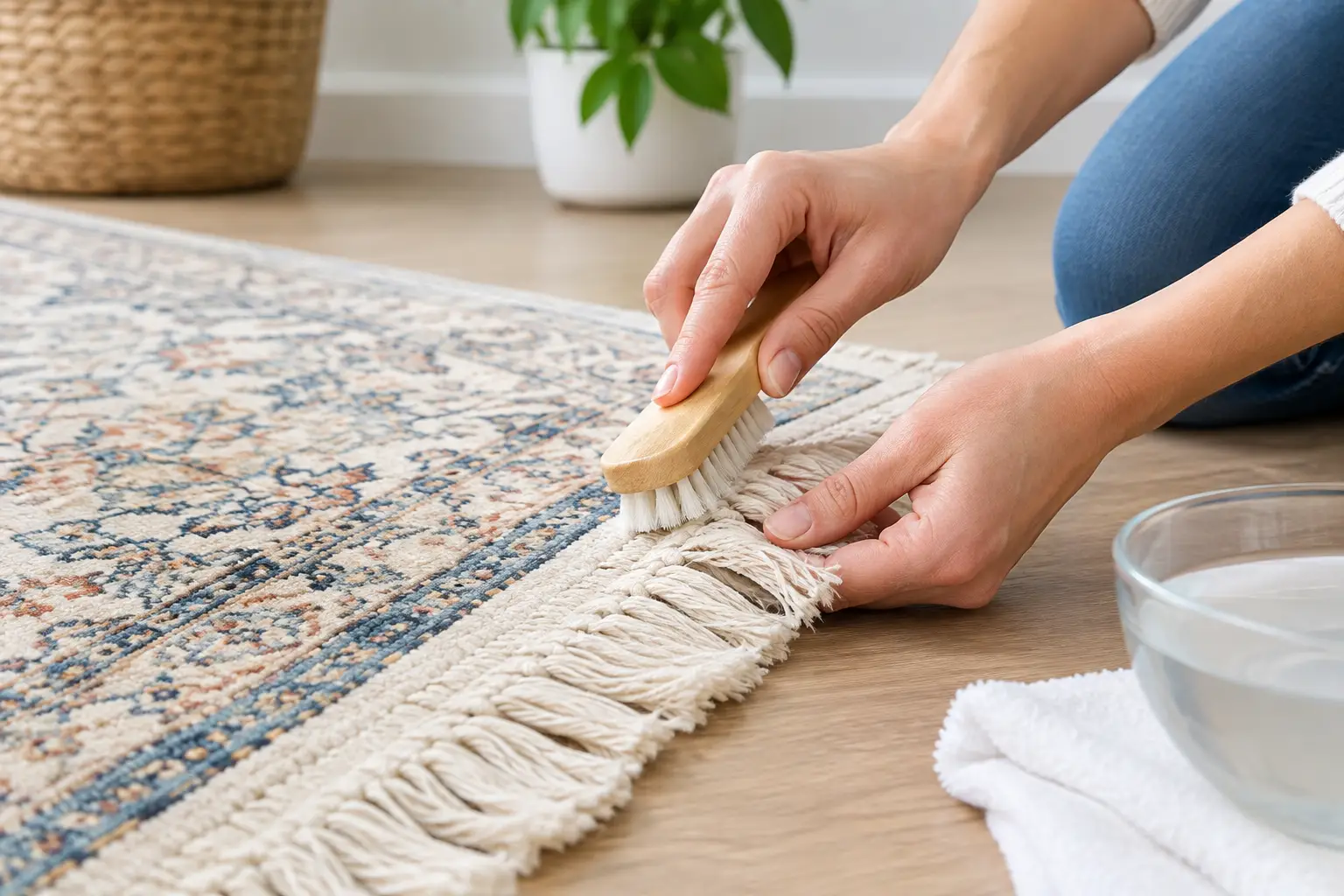
The perimeter of a rug tells a story. Fringes, bound edges, and corners are often the first areas to show soil because they receive heavy foot traffic and are harder to vacuum thoroughly. A darkened fringe can be a cosmetic concern, but it may also point to soil buildup that is affecting the rug’s structure.
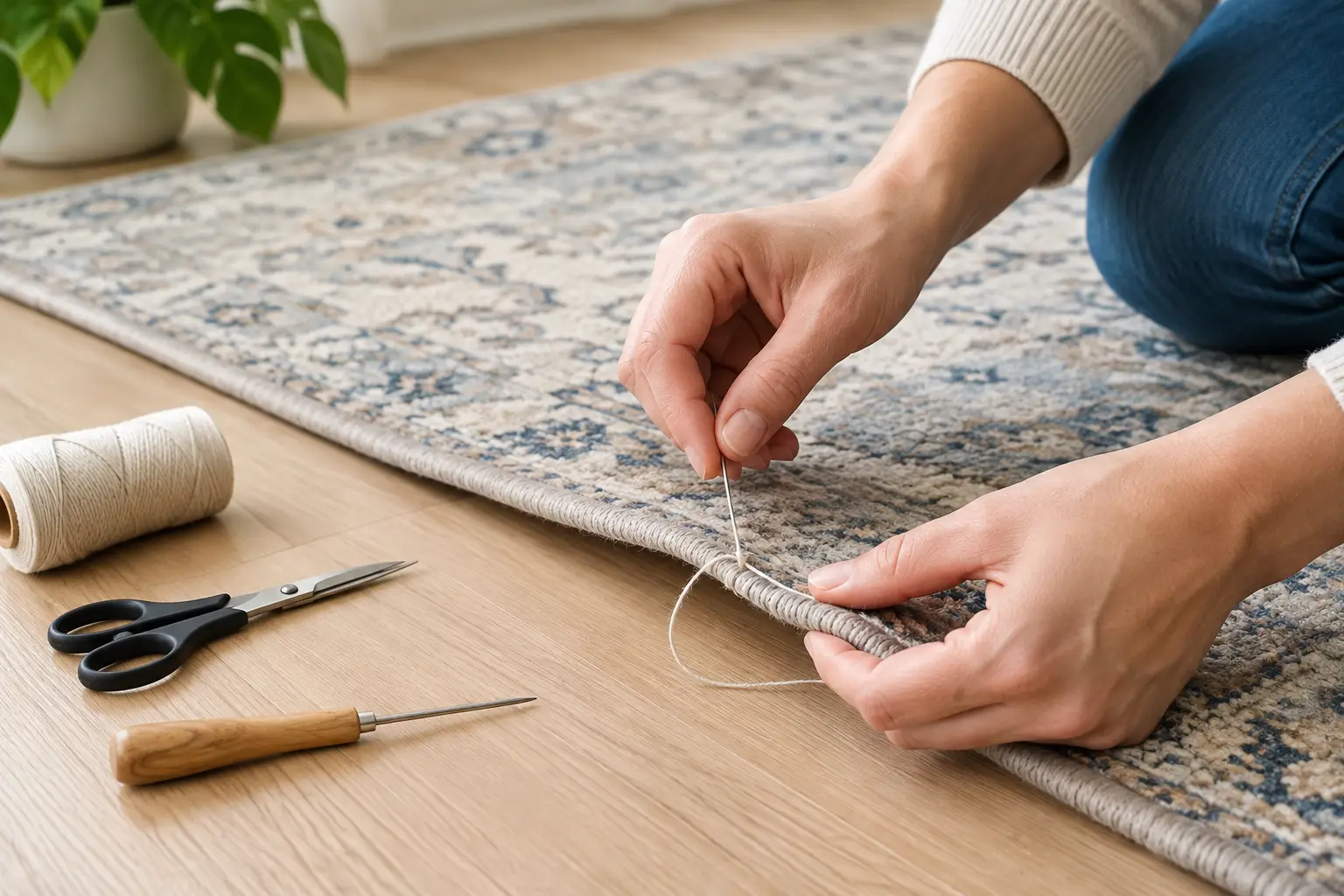
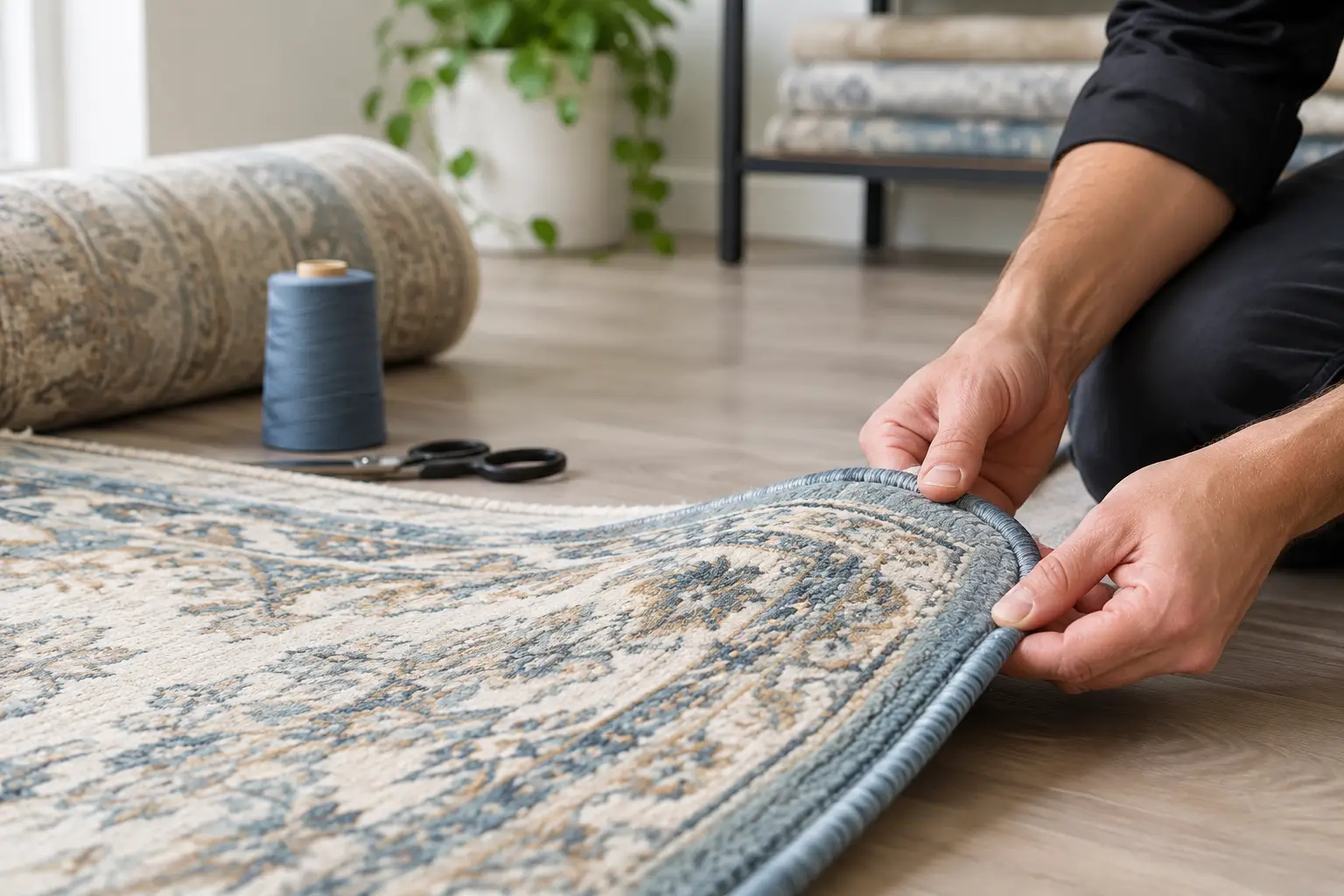
Fringe is not an add-on for many hand-knotted rugs. It is part of the foundation. Aggressive brushing, bleaching agents, and unsuitable cleaners can weaken or discolor it. Likewise, curling corners and fraying edges may need repair in addition to washing.
Addressing these details early can help prevent a small repair from becoming a larger restoration project. A qualified rug care center can assess whether cleaning, re-fringing, edge repair, or a combination of services is appropriate.
6. You Notice Allergy or Dust Symptoms Near the Rug
A rug cannot cause every allergy symptom, but it can hold dust, dander, pollen, and other particles that are brought into the home. If sneezing, coughing, or irritation seems worse in a room with a heavily used rug, a thorough wash may be worthwhile.
This is especially relevant in bedrooms, nurseries, and living areas where people spend long periods close to the floor. Regular vacuuming remains useful, but a periodic in-studio wash can remove the accumulation that has worked below the surface.
The right schedule depends on the household. A lightly used rug in a no-pet home may need professional washing less often than a family-room rug shared by children and dogs. For many active households, an inspection every one to three years is a practical starting point. Rugs exposed to pet accidents, heavy traffic, or water damage should be evaluated sooner.
7. The Rug Has Been Wet or Stored Improperly
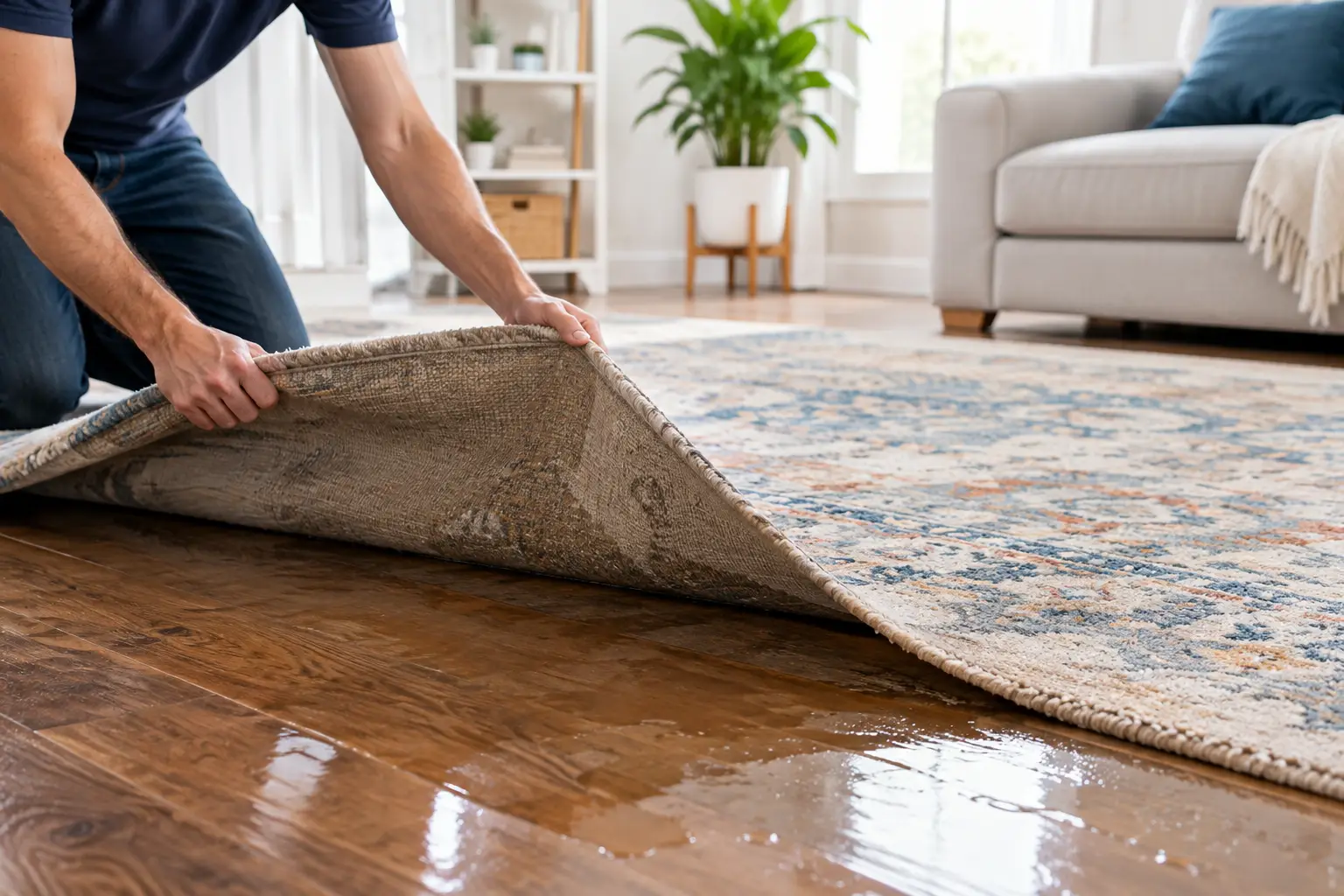
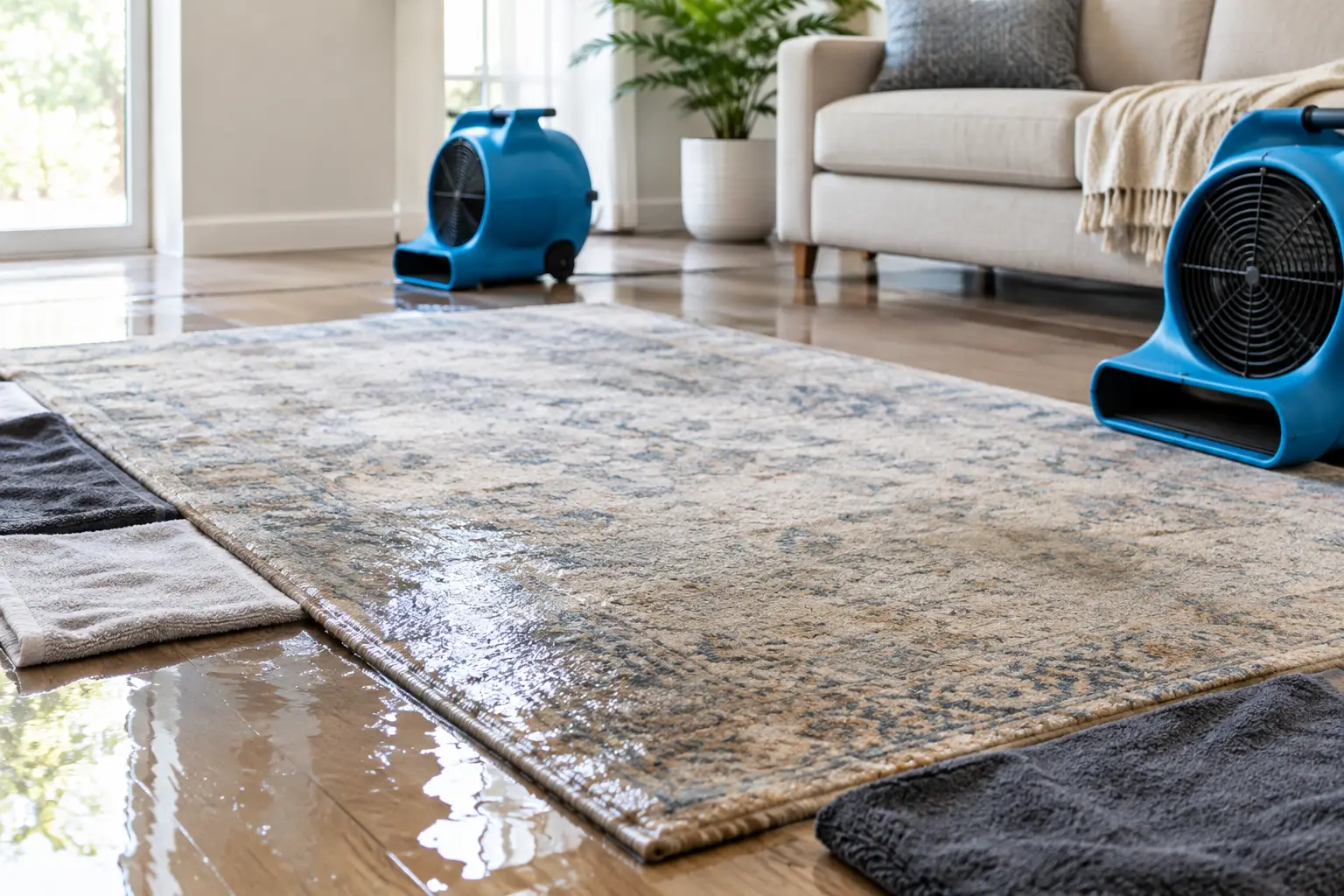
Flooding, a plumbing leak, an overflowing planter, or even a soaked rug after a pet accident can create hidden problems. Moisture trapped in a rug or pad can lead to musty odor, dye migration, mildew concerns, and damage to hardwood or other flooring beneath it.
Do not assume a rug is dry just because the top feels dry. Thick wool, dense foundations, and rug pads can retain moisture for longer than expected. Prompt professional attention is particularly important for handmade rugs, where delayed drying can affect dyes and structure.
Storage deserves care as well. A rug placed in a garage, shed, attic, or damp closet may return with odor, insect activity, or creases that require attention. Clean, completely dry rugs should be wrapped and stored appropriately, rather than folded or left exposed to changing humidity.
8. You See Signs of Moths or Insect Activity
Small bald patches, loose fibers, or damaged areas hidden beneath furniture may be signs of moth activity. Moths are most interested in natural fibers and the organic material caught in them, such as food residue, pet hair, and body oils. The issue is not always visible until damage has already begun.
If you suspect moths, avoid moving the rug through the house unnecessarily, which can spread insects or eggs. A trained inspection can determine whether treatment, washing, repair, or protected storage is needed. Cleaning removes the residues that attract pests, while targeted moth treatment addresses the infestation itself.
9. It Has Been Years Since the Rug Received a Full Wash
Even without an obvious odor or stain, a rug may be due for professional care simply because of time and use. Rugs are investments, heirlooms, and central design pieces. Waiting until one looks severely soiled can allow embedded grit, stains, and wear to become harder to reverse.
A proper washing process is not the same as shampooing a wall-to-wall carpet in place. Fine rugs benefit from careful inspection, controlled water-based bathing when appropriate, thorough rinsing, and complete drying. The process should respect the rug’s fibers and dyes rather than rely on bleaching agents or harsh chemicals.
Care That Protects More Than Appearance
A clean rug feels better underfoot, but the larger goal is preservation. Removing deep soil helps protect fibers from abrasion, addressing urine can prevent recurring odor, and repairing weak fringe or edges can protect the rug’s foundation. Adding a custom-fit rug pad afterward can reduce slipping, cushion the rug, and help protect hard-surface floors.
At 1st Impressions Oriental and Area Rug Cleaning, each rug is evaluated for its individual needs before treatment. For Orlando, Winter Park, Winter Garden, and surrounding Central Florida homeowners, pickup and delivery can make professional rug care easier to fit into a busy schedule.
If your rug has become dull, smells unfamiliar, feels gritty, or simply has not had a proper wash in years, trust what it is telling you. Early, careful care gives a well-made rug its best chance to remain beautiful in your home for many more years.