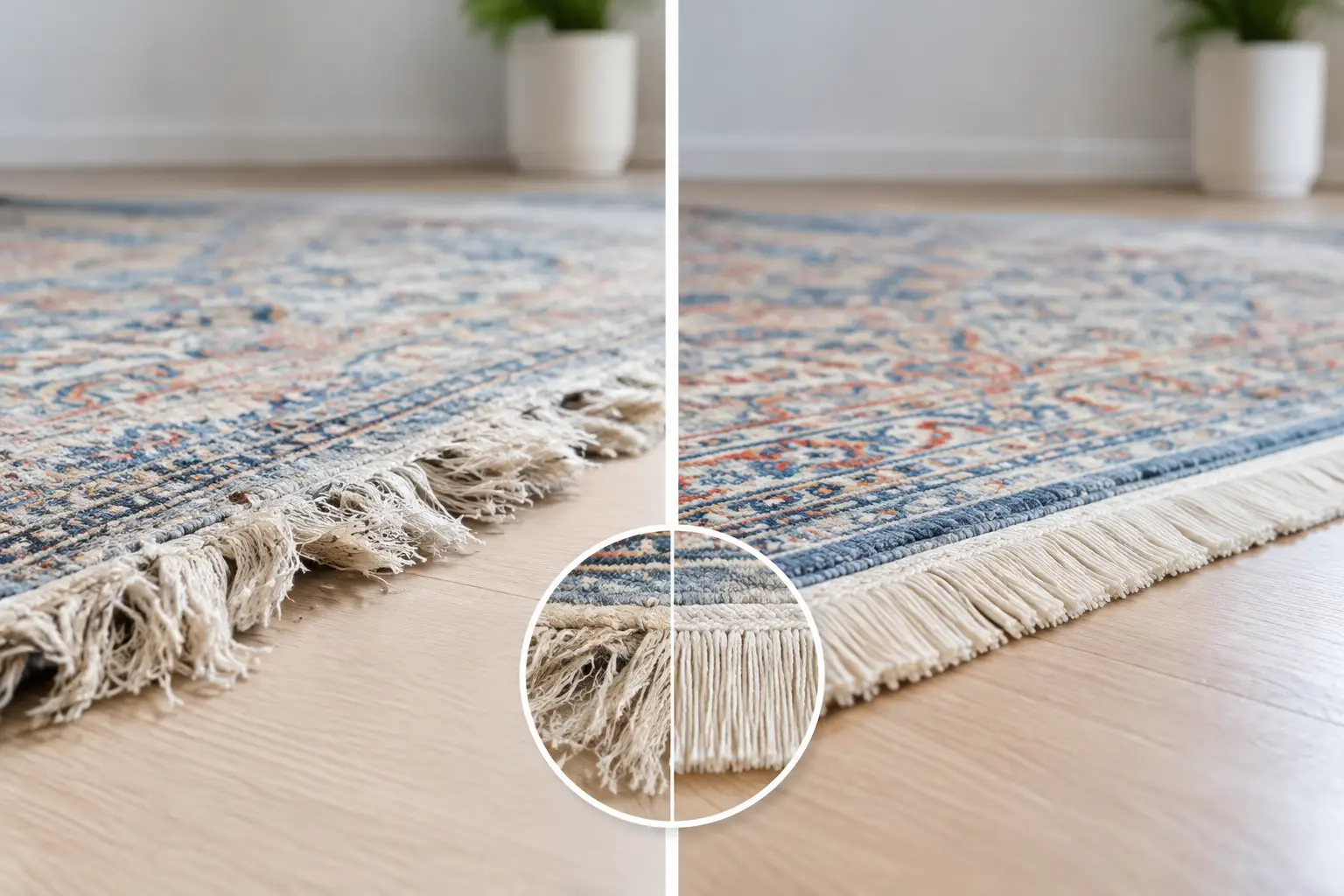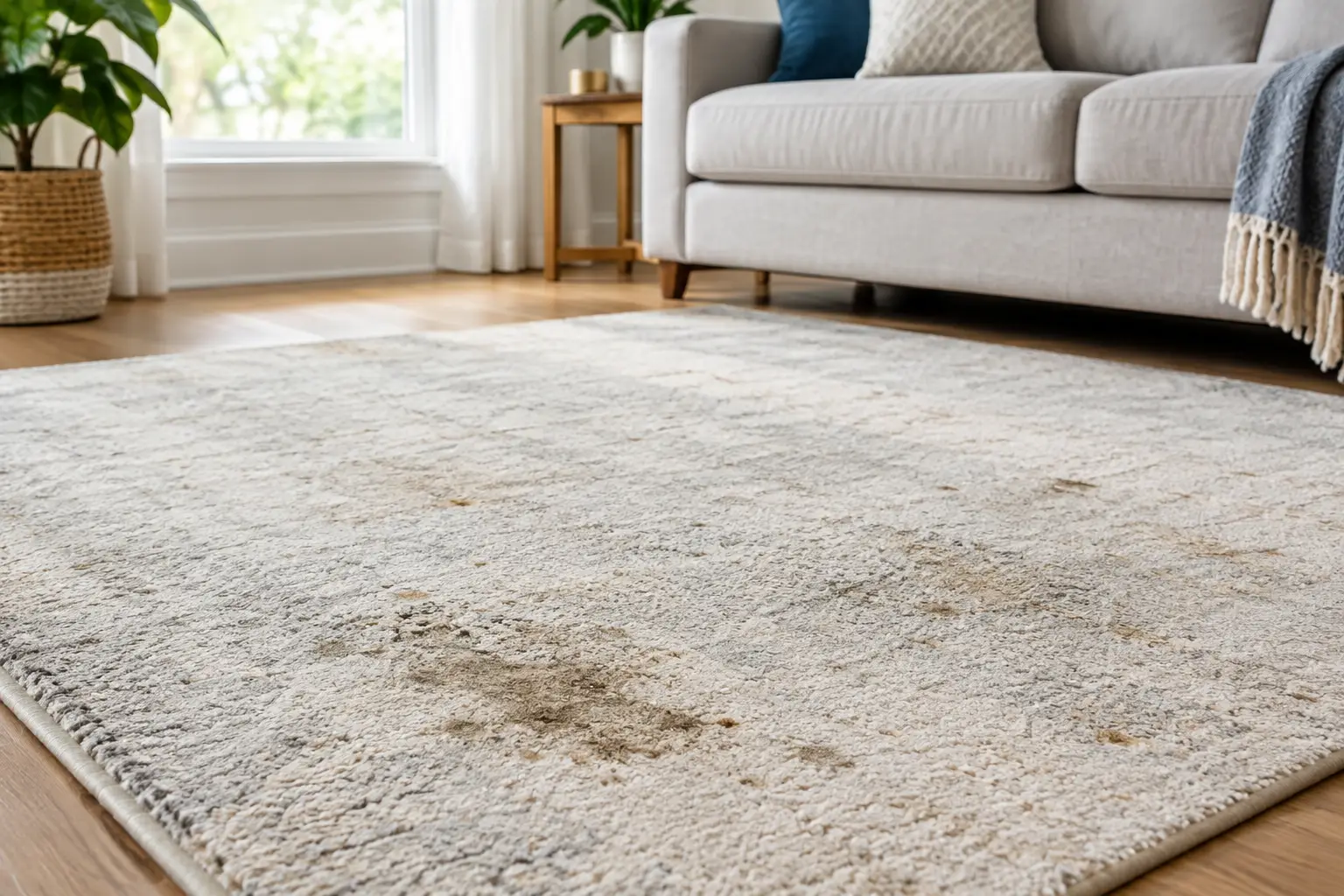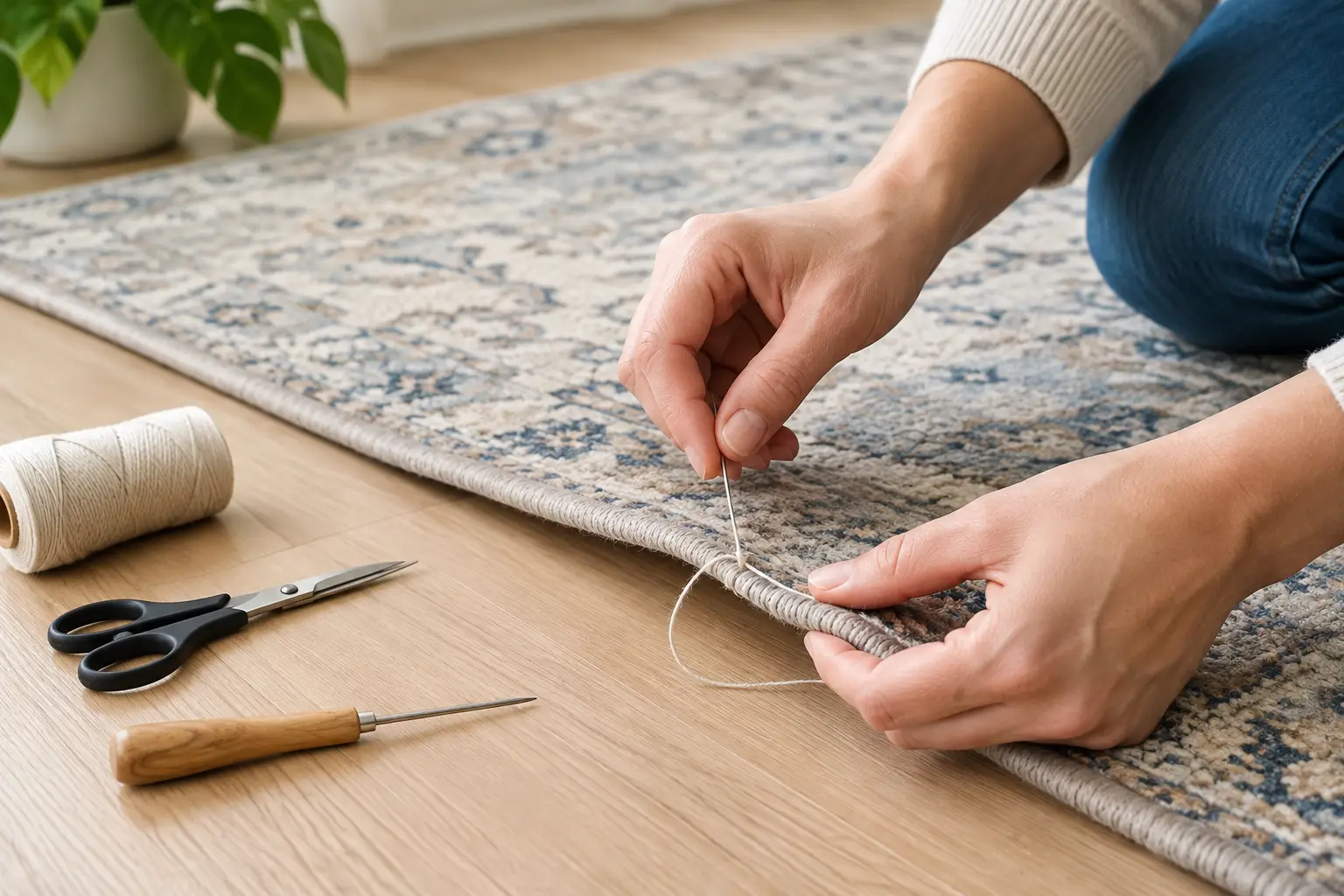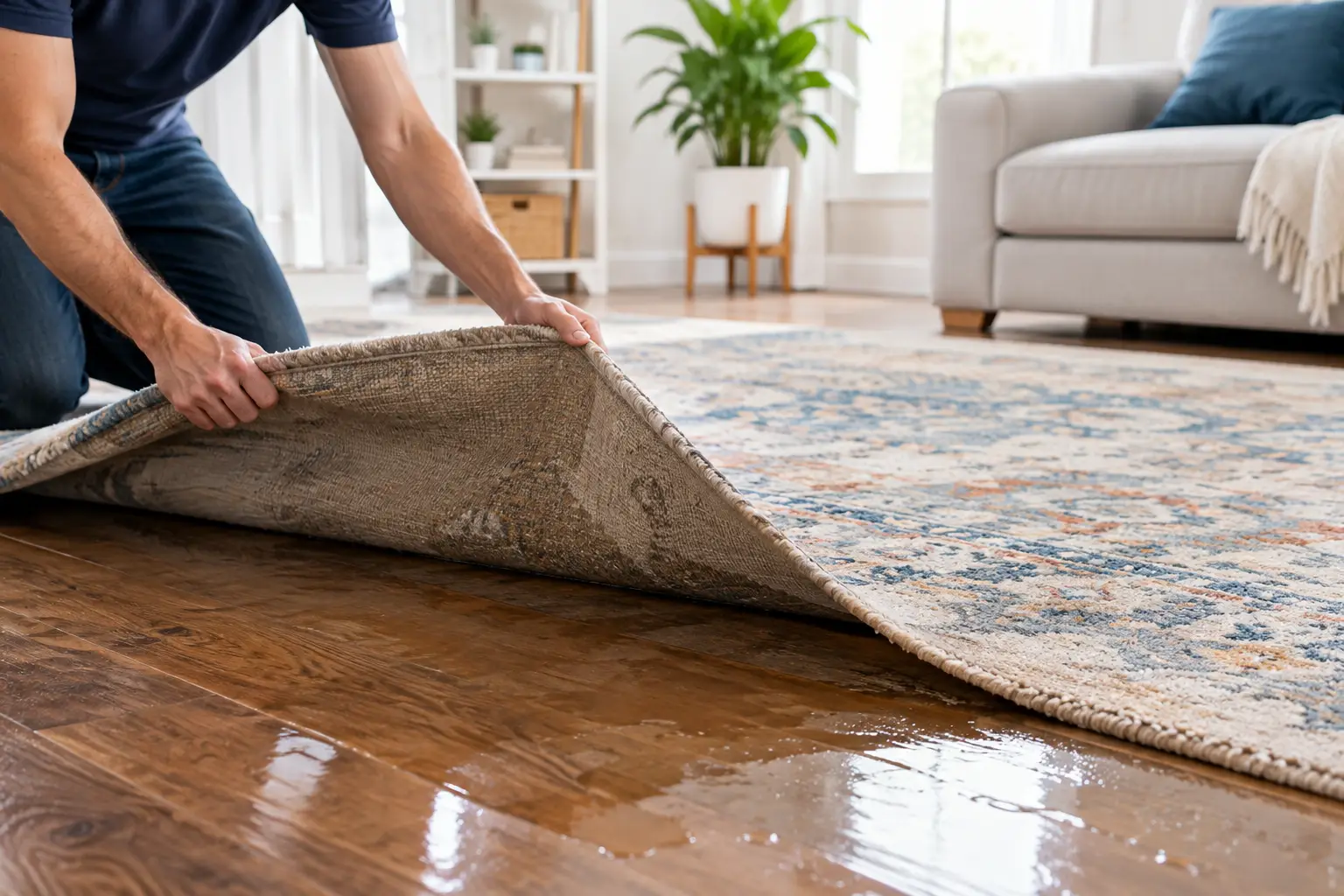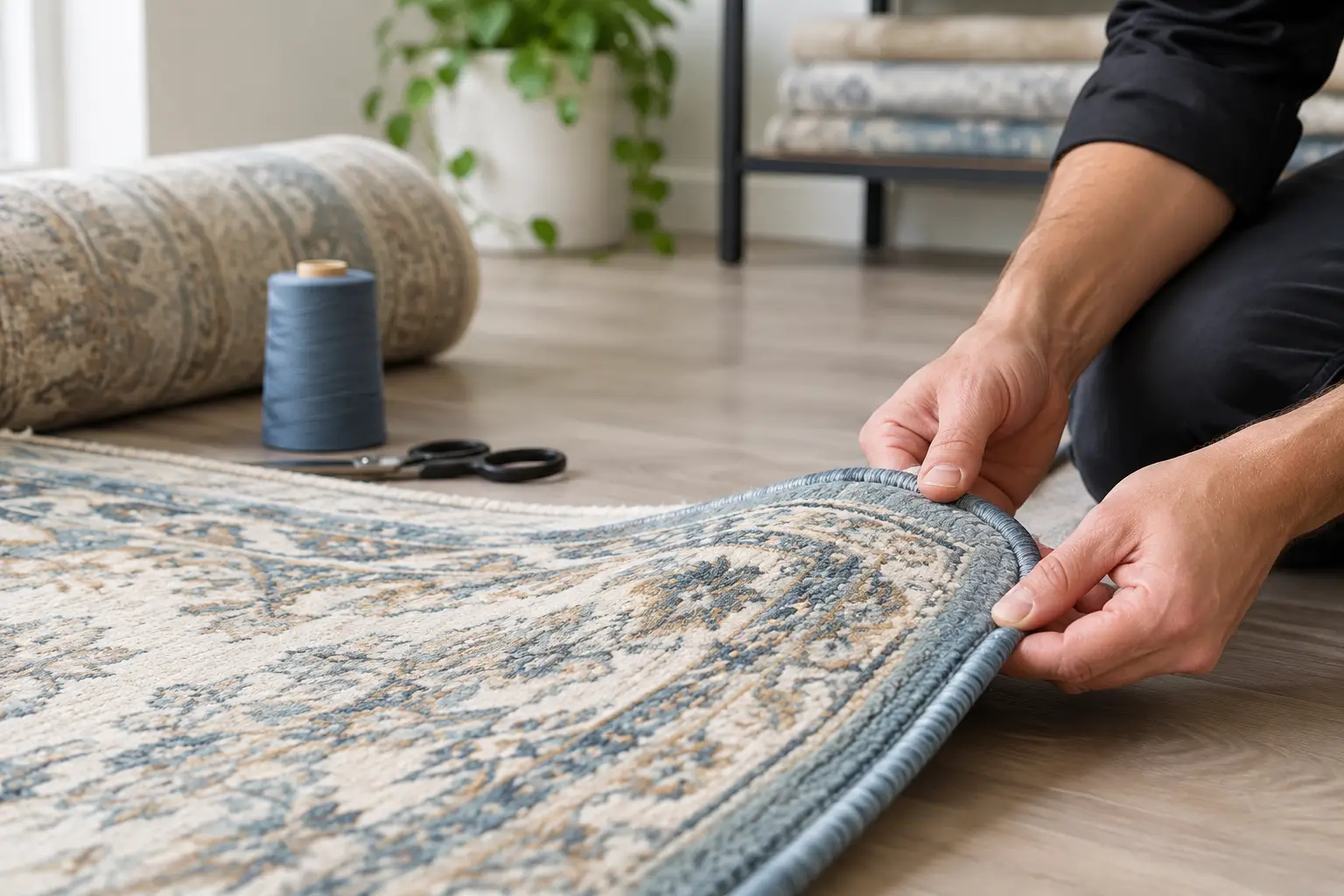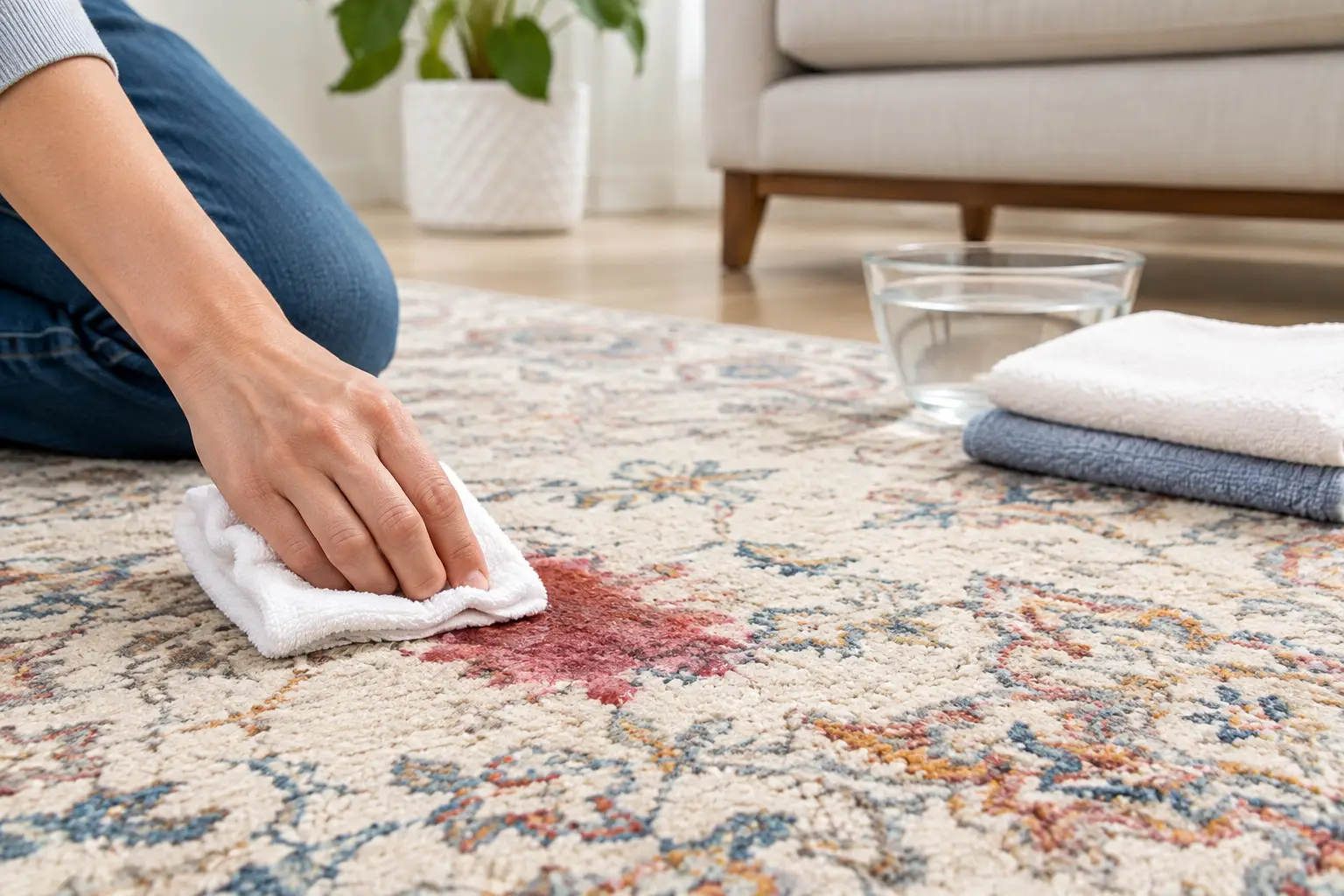
A red border that suddenly looks pink, blue dye creeping into an ivory field, or color transferred onto the floor beneath a rug can be alarming. Rug color bleeding causes are often tied to moisture, unstable dyes, and a cleaning method that is too aggressive for the rug’s fibers and construction. The right response is not to keep blotting or apply another cleaner. It is to stop the migration, stabilize the rug, and determine why the dyes moved in the first place.
For Oriental rugs, designer area rugs, and sentimental family pieces, color bleeding is a preservation issue as much as a cleaning issue. Some damage can be corrected when addressed promptly, but the wrong at-home treatment can permanently set unwanted color into lighter areas.
What Color Bleeding Actually Means
Color bleeding occurs when dye releases from one area of a rug and migrates into another. It is different from ordinary fading, where sunlight or wear gradually makes a color lighter. Bleeding usually appears after the rug gets wet, becomes overly damp, or is exposed to a liquid cleaner. It may show up immediately, or it can become visible as the rug dries.
Natural fibers such as wool, silk, cotton, and viscose can be especially vulnerable, depending on the dyes used. Hand-knotted rugs may contain several dye lots, each with its own level of colorfastness. Even a well-made rug can have one unstable color, often a deep red, navy, burgundy, or black, that reacts differently from the rest.
The Most Common Rug Color Bleeding Causes
Excess moisture and slow drying
Water is the usual trigger. A rug may become saturated during a spill cleanup, steam cleaning, shampooing, flooding, or a leak from a plant, appliance, or window. Once dyes release, they can travel through the pile and foundation yarns. If the rug remains wet for hours, the chance of migration rises significantly.
Central Florida humidity adds another concern. A rug that feels only damp on the surface may still be wet deep in its foundation. Humid air slows evaporation, particularly when a rug is lying flat on tile, wood, or laminate with little airflow beneath it. The longer moisture remains in the rug, the more time unstable dye has to move.
Improper spot cleaners and household products
Many grocery-store cleaners are designed for synthetic wall-to-wall carpet, not fine rugs. Their detergents, solvents, brighteners, or high pH levels can strip or loosen dye. Products containing bleach or oxygen-based bleaching agents are particularly risky on colored wool, silk, and cotton.
Even a cleaner labeled “safe for rugs” may not be safe for every rug. The fiber content, dye method, age, backing, and previous treatments all matter. Scrubbing a spill with dish soap, vinegar, baking soda, or an all-purpose cleaner can also create a larger wet area and push color farther into the rug.
Over-wetting during rental or in-home cleaning
Rental machines and basic carpet-cleaning equipment can leave too much water behind. They may also use cleaning solutions that are not appropriate for delicate textiles. The concern is not simply that a rug gets wet. Professional rug washing can be safely water-based when it is matched to the rug, controlled carefully, rinsed thoroughly, and dried quickly.
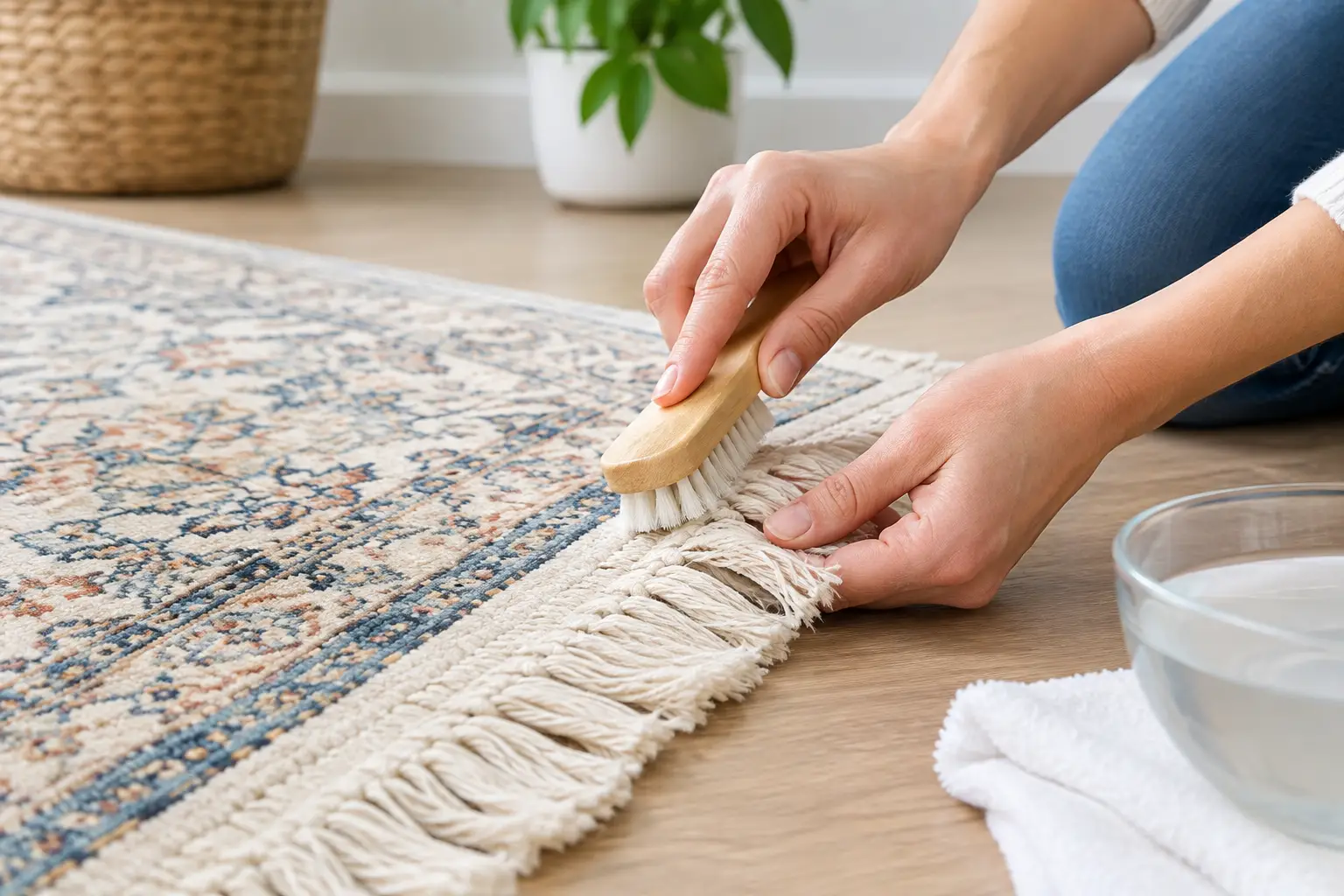
The difference is process and judgment. A fine rug should be inspected before cleaning to identify unstable dyes, weak fringe, dry rot, pet contamination, prior color loss, and fiber sensitivity. It should not receive the same treatment as a synthetic carpet in a living room.
Pet accidents, spills, and hidden moisture
Pet urine is more complicated than a surface stain. It can soak into the pile, backing, and foundation, changing the pH of the rug and affecting dyes over time. Repeated accidents may cause discoloration, browning, odor, fiber damage, and dye migration, especially if the area is repeatedly re-wet with household deodorizers.
A spilled drink, wet shoes, a leaking vase, or an indoor plant can cause similar trouble. Sometimes homeowners do not see the original spill, only the color change that appears later. Check both sides of the rug and the floor underneath for dampness, transferred color, or staining.
Unstable or improperly set dyes
Some rugs are more prone to bleeding because of how they were made. Certain dyes may not have been fully set during production, while older rugs can become less stable after years of sunlight, improper cleanings, or exposure to moisture. Lower-quality dyes can be a factor, but bleeding is not limited to inexpensive rugs.
Handmade rugs often deserve extra caution because color variation and natural materials are part of their character. A professional colorfastness test can help determine how individual colors will react before a full wash or restoration treatment begins.
What to Do When You Notice Colors Running
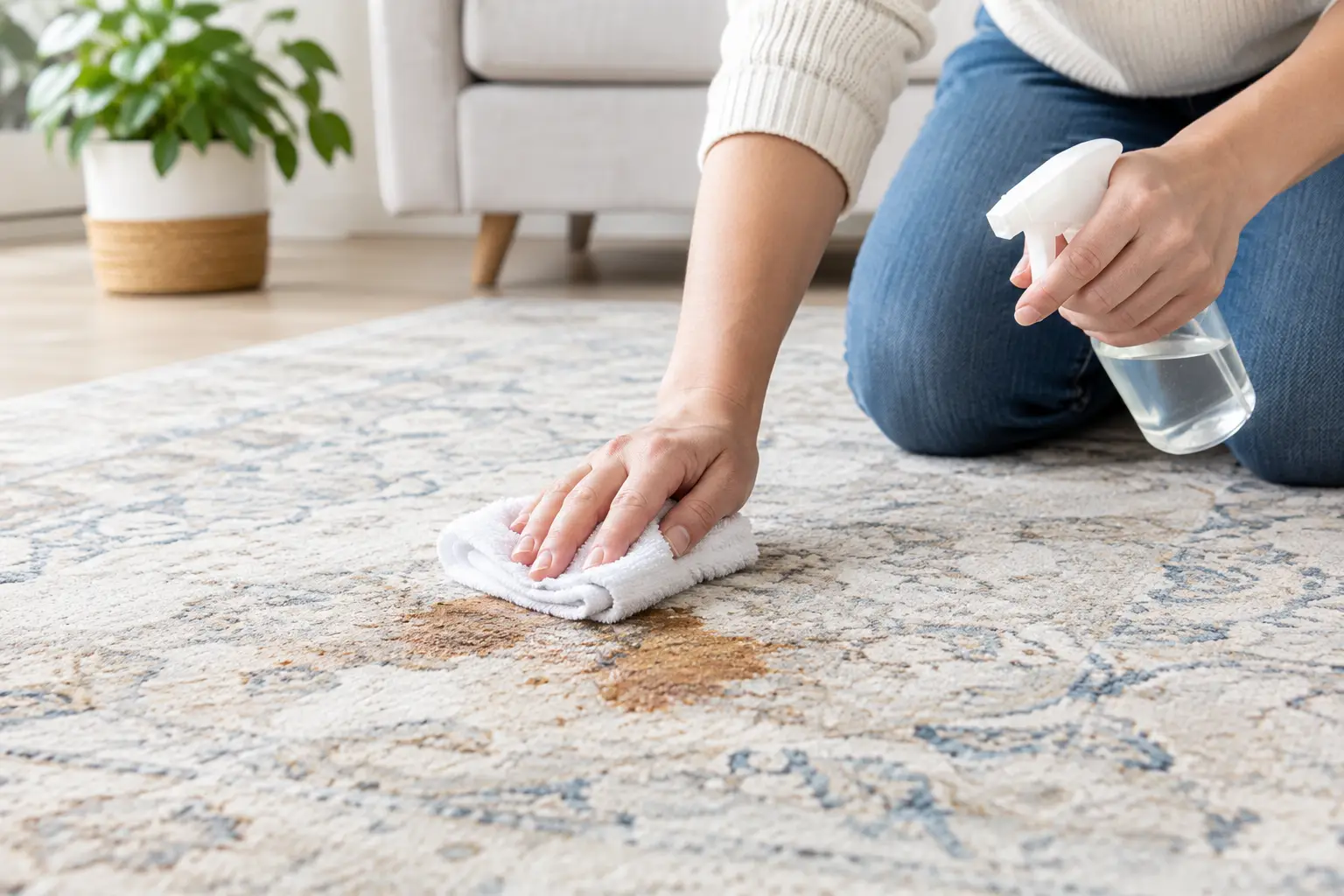
Act quickly, but keep the response gentle. Remove the rug from the moisture source if possible, and place clean white towels over the affected area. Press down to absorb moisture without rubbing. Replace towels as they become damp. Avoid colored towels, printed paper towels, and newspapers, which can transfer their own dye onto the rug.
Do not use heat from a hair dryer, iron, or space heater. High heat can damage fibers, distort the rug’s shape, or set stains and dyes in place. Avoid scrubbing, shampooing, steam cleaning, and adding more spot treatment. More water and more chemistry often make a bleeding problem worse.
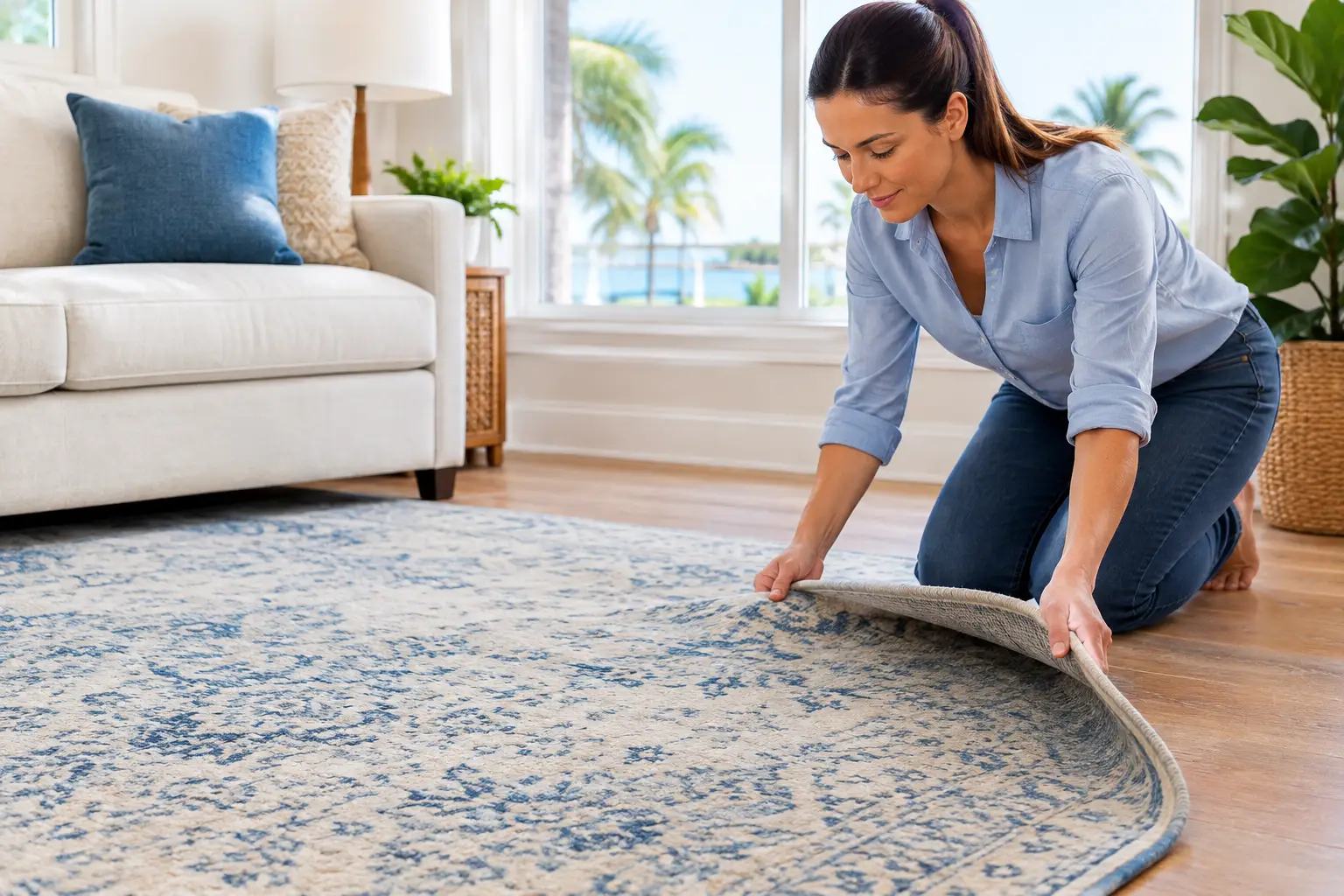
If the rug is heavily saturated, has a strong odor, or shows visible color migration, arrange professional assessment as soon as possible. Roll it loosely with the pile facing inward only if it must be moved, and do not store it while wet. A damp rolled rug can develop mildew, odor, and further dye transfer quickly.
Can Bleeding Be Reversed?
It depends on the fiber, dye type, how far the color has traveled, and how long the rug remained wet. Fresh dye migration may sometimes be reduced through controlled washing, specialty rinsing, and color-stabilizing treatments. In other cases, color correction may be needed after the rug has been properly cleaned and dried.
There is a trade-off to consider. Aggressive attempts to remove migrated dye can also weaken the original color or damage delicate fibers. This is why careful restoration is often more successful than a one-product solution. The goal is to preserve the rug’s original appearance as much as possible without creating new damage.
At 1st Impressions Oriental and Area Rug Cleaning, each rug is evaluated for its fibers, construction, condition, and color stability before treatment. A thorough, controlled bathing process allows technicians to address deep contamination while avoiding harsh chemicals, bleaching agents, and hazardous materials. For rugs with color loss or migration, restoration options can be discussed based on what the rug can safely tolerate.
Preventing Color Bleeding Before It Starts
The best protection is to keep moisture exposure short and cleaning methods appropriate. Use a quality rug pad to allow airflow, reduce slipping, and protect the floor beneath the rug. Pads can also help prevent a damp area from remaining trapped against hard flooring.
Keep rugs away from routine water risks when possible. Place absorbent mats near exterior doors, avoid setting wet plant containers directly on rugs, and address pet accidents promptly. For homes with pets, recurring odors, or repeated accidents, proper decontamination is more effective than masking the smell with sprays.
Before any deep cleaning, ask whether the cleaner works specifically with area rugs and whether the rug will be tested for dye stability. Pickup and delivery to a dedicated rug care facility can be a better choice for valuable, handmade, silk, wool, or heavily soiled rugs than an in-home cleaning approach.
A rug’s colors are part of its history, craftsmanship, and place in your home. When they begin to move, treat the situation as a signal to pause, protect the rug from further moisture, and let careful hands determine the safest next step.