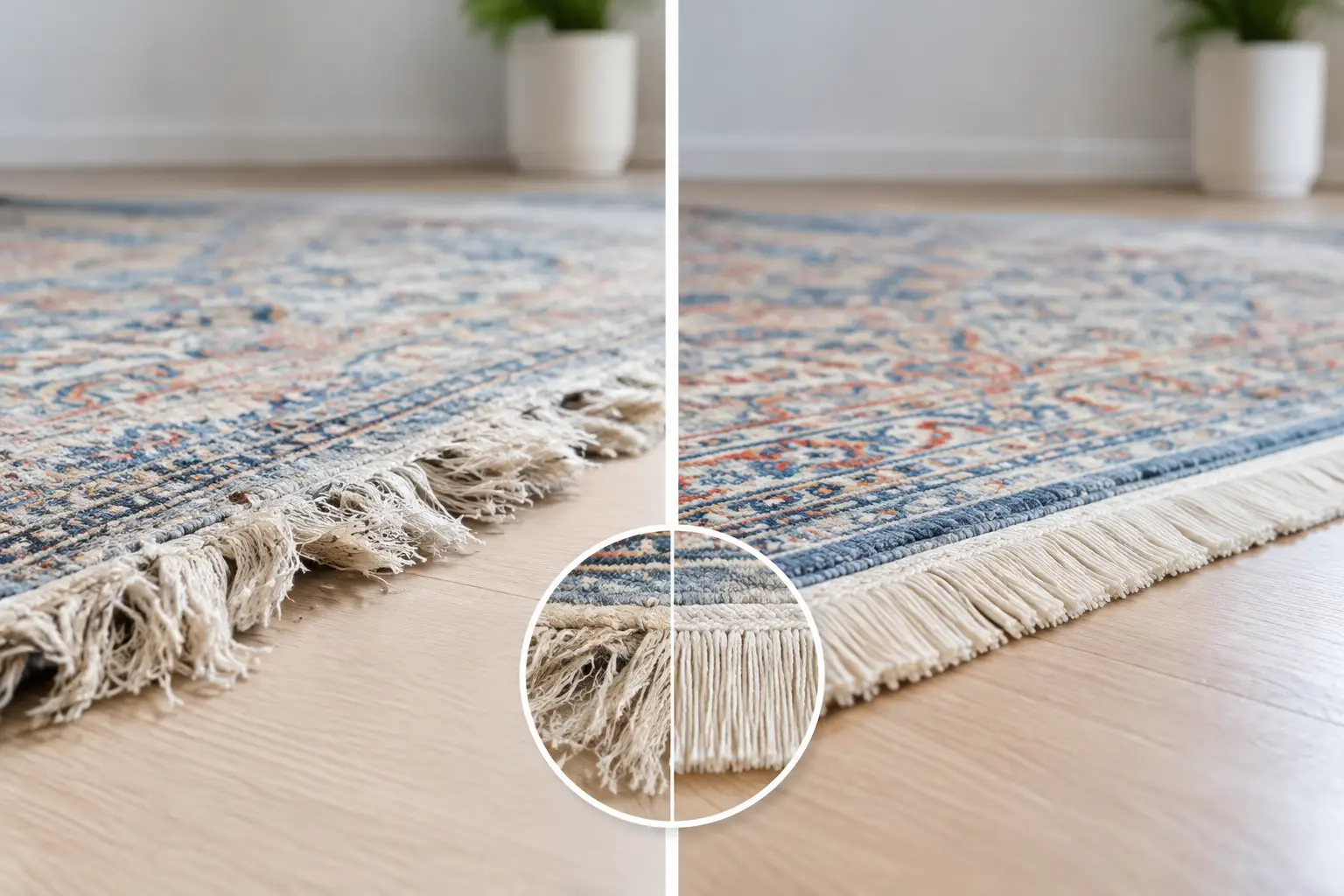
A rug can be beautifully clean and still be vulnerable at its edges. Once the binding begins to loosen, a small fray can spread with every vacuum pass, chair movement, or trip across the room. A professional rug binding service addresses that weak point before it turns into a larger structural repair, helping your area rug stay attractive, stable, and usable.
For homeowners in Orlando, Winter Park, Winter Garden, and surrounding Central Florida communities, binding is often a practical way to extend the life of a rug that still has plenty of beauty left. The right repair is not simply about covering a damaged edge. It is about matching the repair method to the rug’s construction, fiber type, condition, and role in your home.
What Rug Binding Actually Does
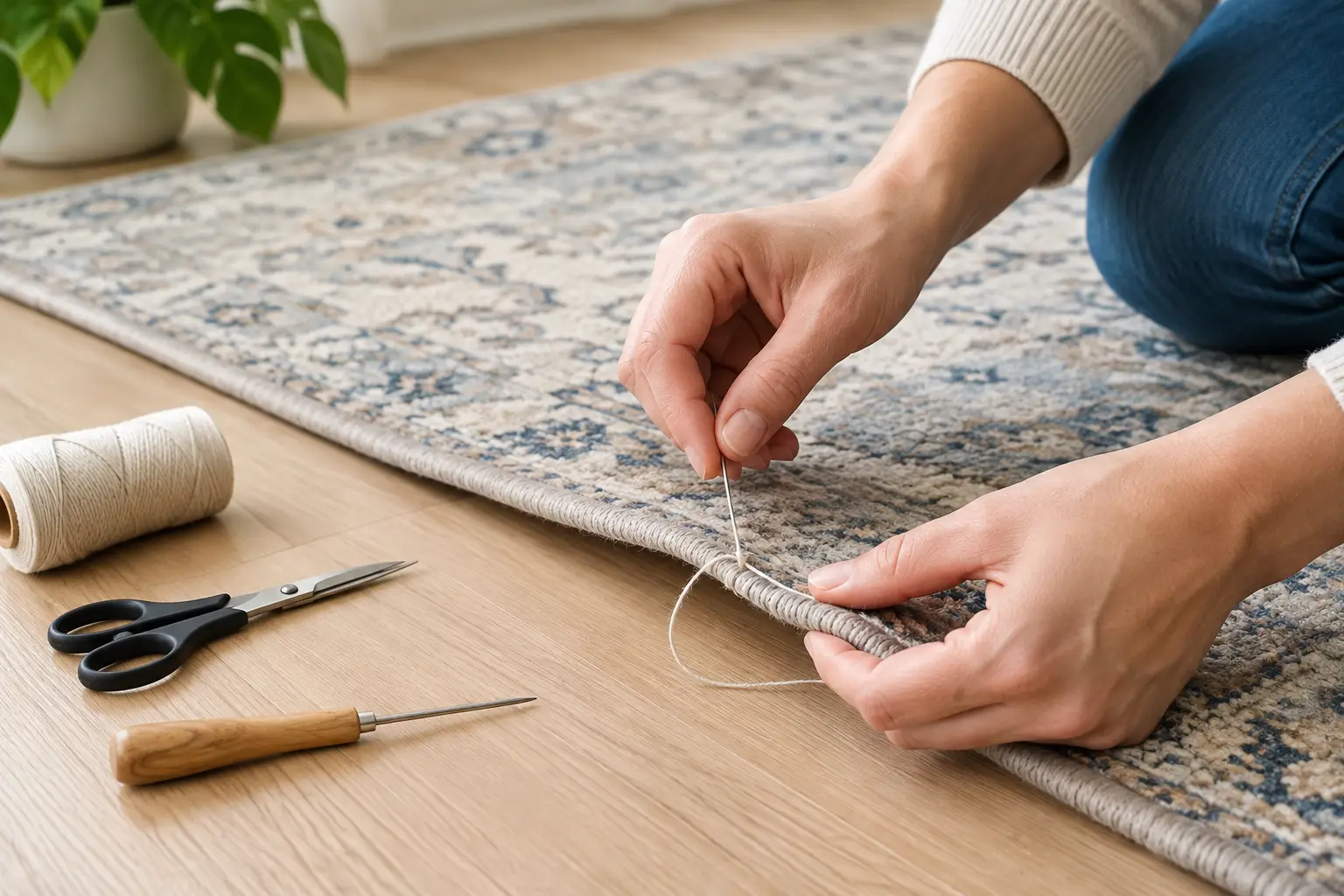
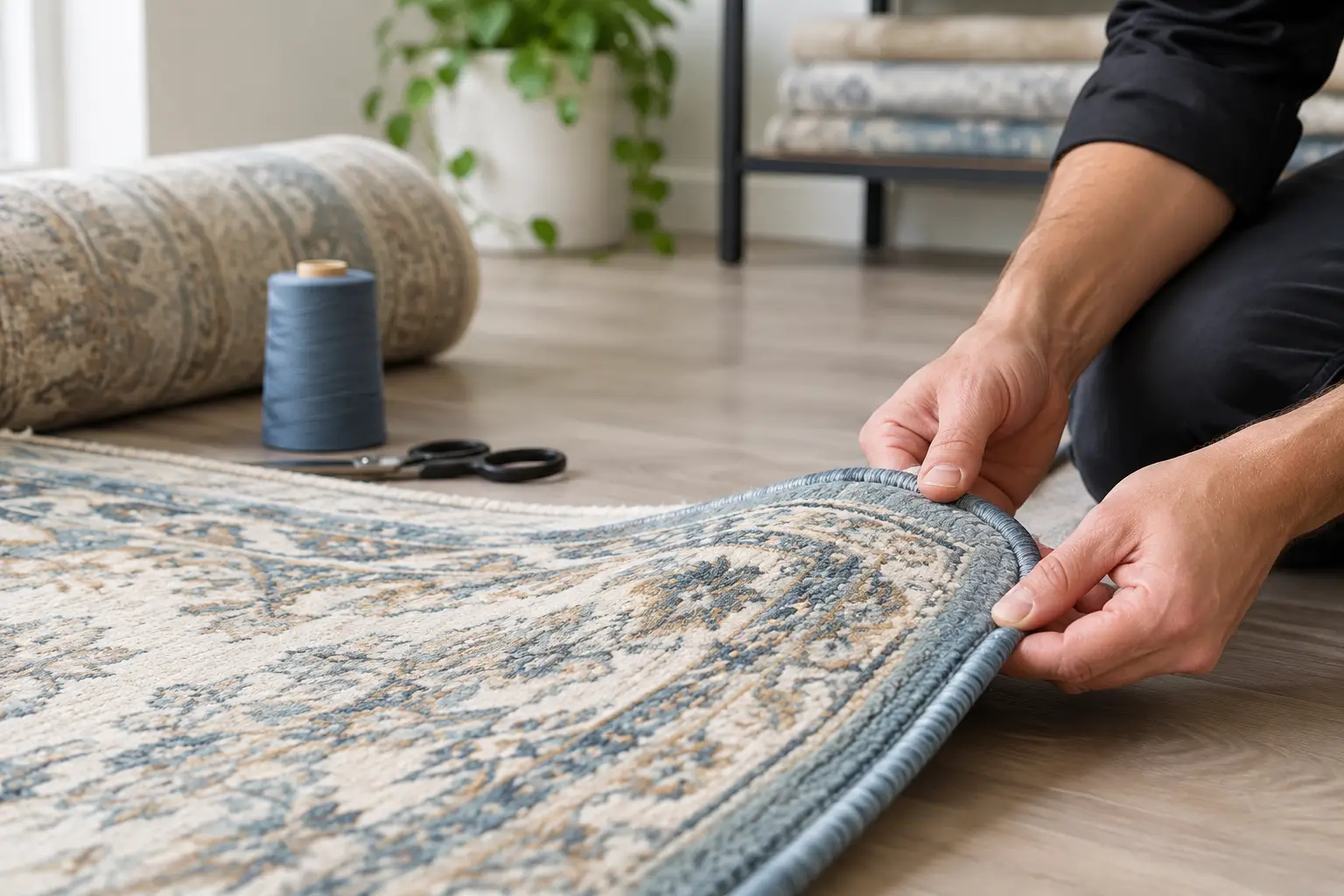
Rug binding is a finished edge applied around the perimeter of a rug. It helps prevent the face fibers and foundation threads from unraveling, while also giving the rug a clean, intentional border. Binding may be used to finish a newly cut broadloom remnant, reinforce an area rug with worn edges, or complete certain custom-sized rugs.
The material matters. Cotton, polyester, wool, leather, and other binding options can create very different looks and levels of durability. A casual synthetic rug in a busy family room may need a different treatment than a hand-knotted Oriental rug with a delicate wool foundation. Color, width, texture, and stitching method all affect the finished result.
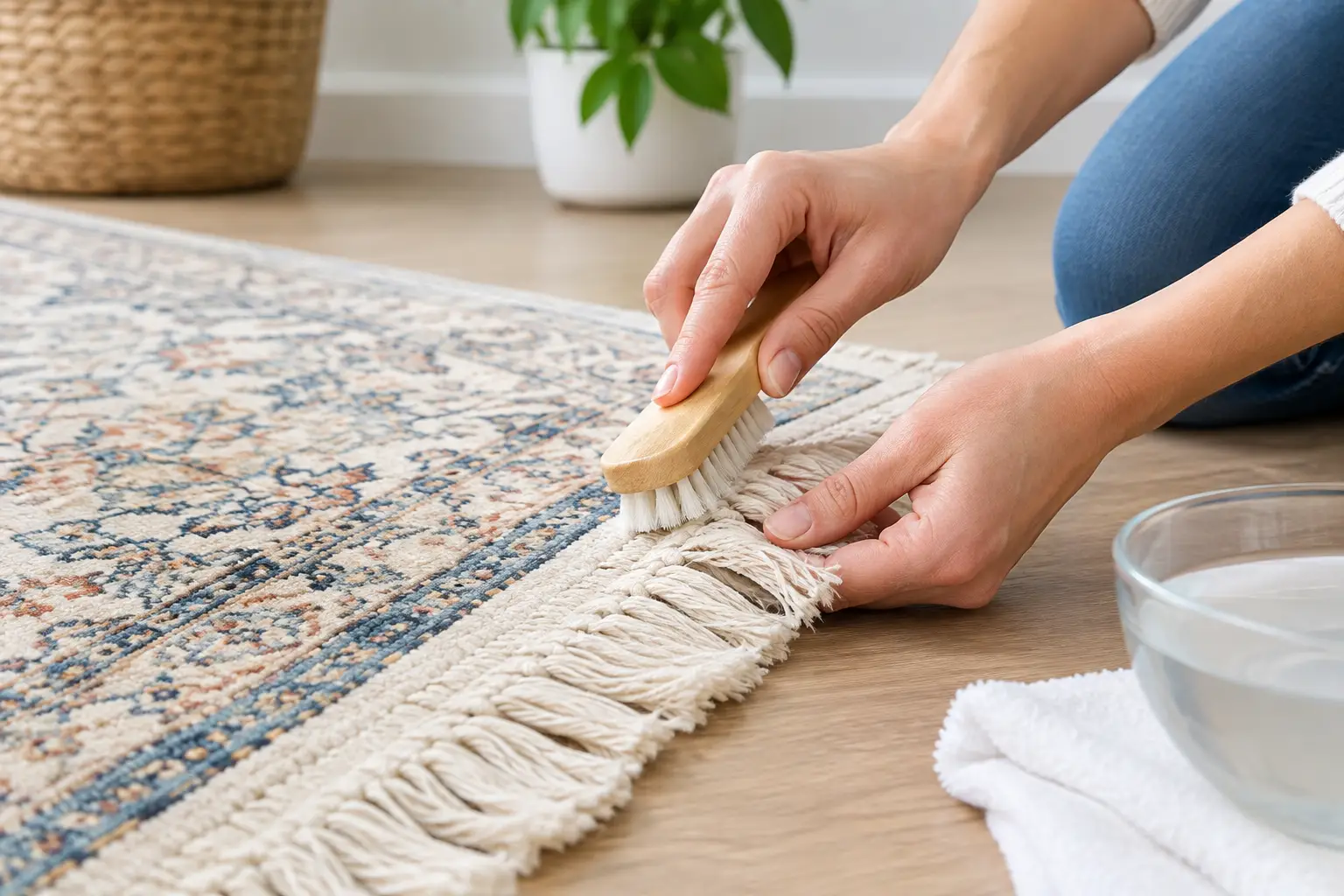
Binding is sometimes confused with fringe repair, but they are not the same service. Fringe may be decorative, or it may be part of the rug’s actual foundation. On a handmade rug, cutting off or covering original fringe without proper evaluation can reduce its integrity and value. A careful technician first determines whether the problem is a simple edge finish, loose overcasting, failing serging, damaged fringe, or a more involved structural issue.
Signs You Need a Professional Rug Binding Service
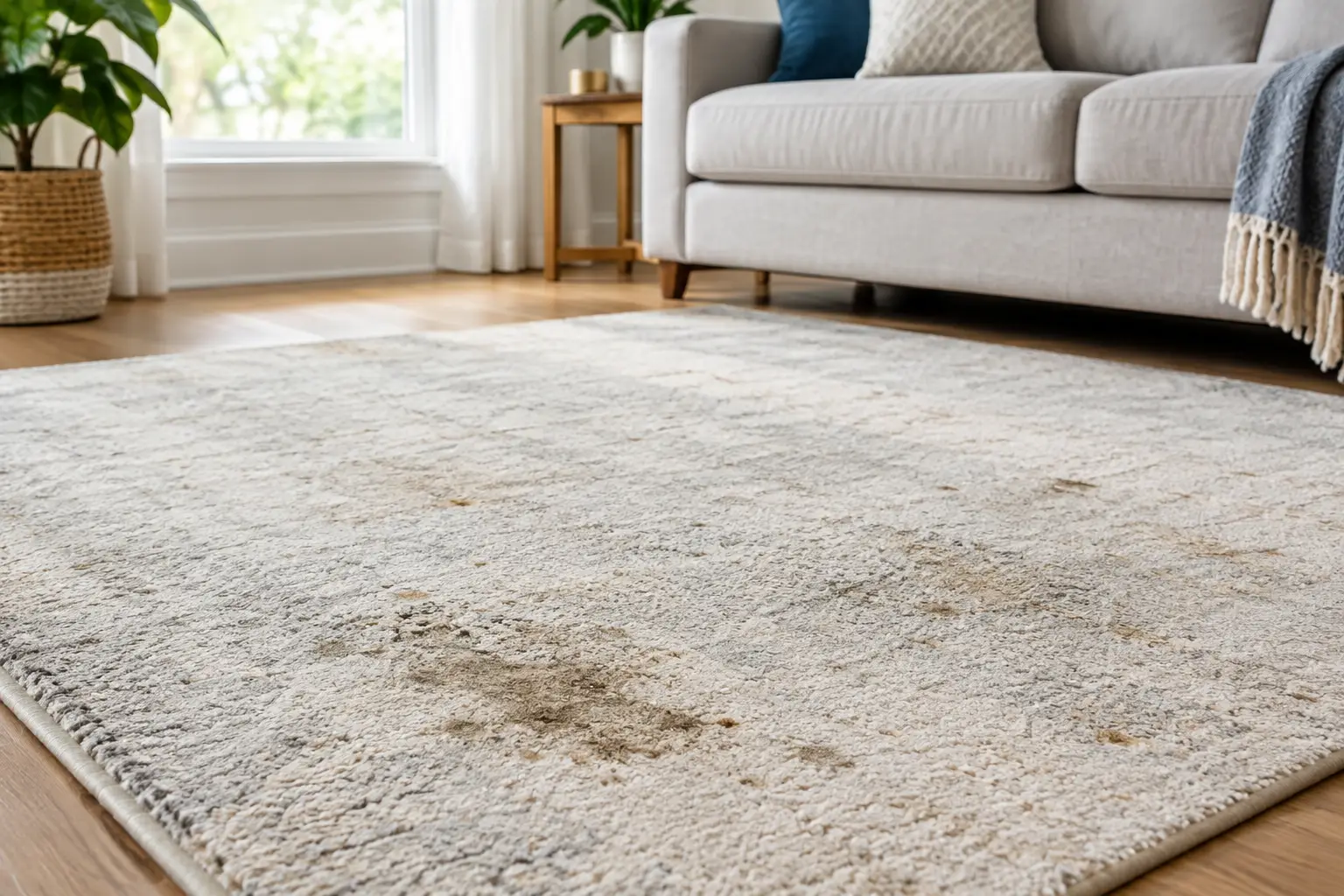
The best time to repair a rug edge is usually before damage reaches the body of the rug. Look closely at the perimeter when you vacuum, rotate furniture, or bring a rug in for cleaning. Loose threads, curling corners, a border that feels thinner than the rest of the rug, or exposed foundation material are all signs that the edge needs attention.
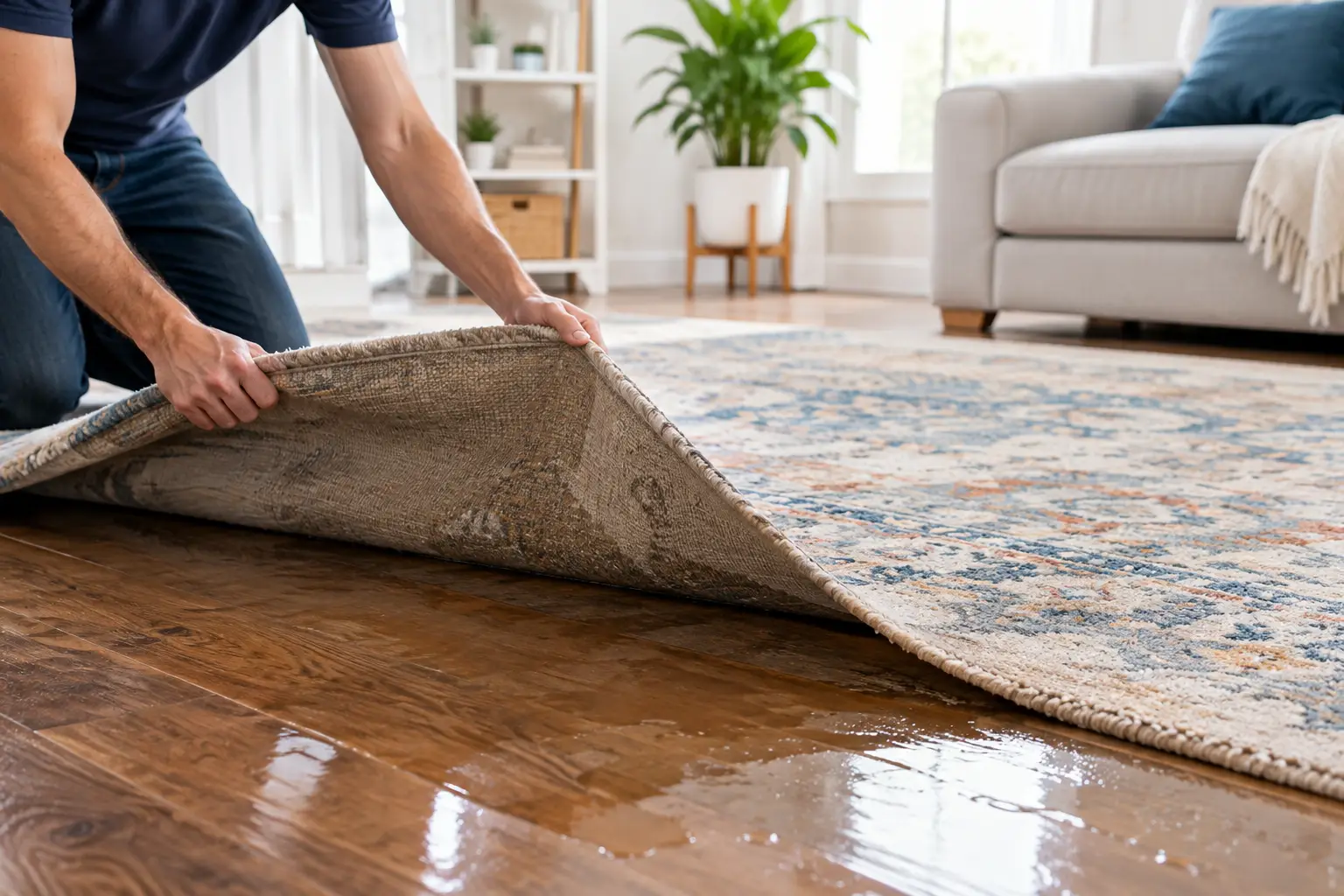
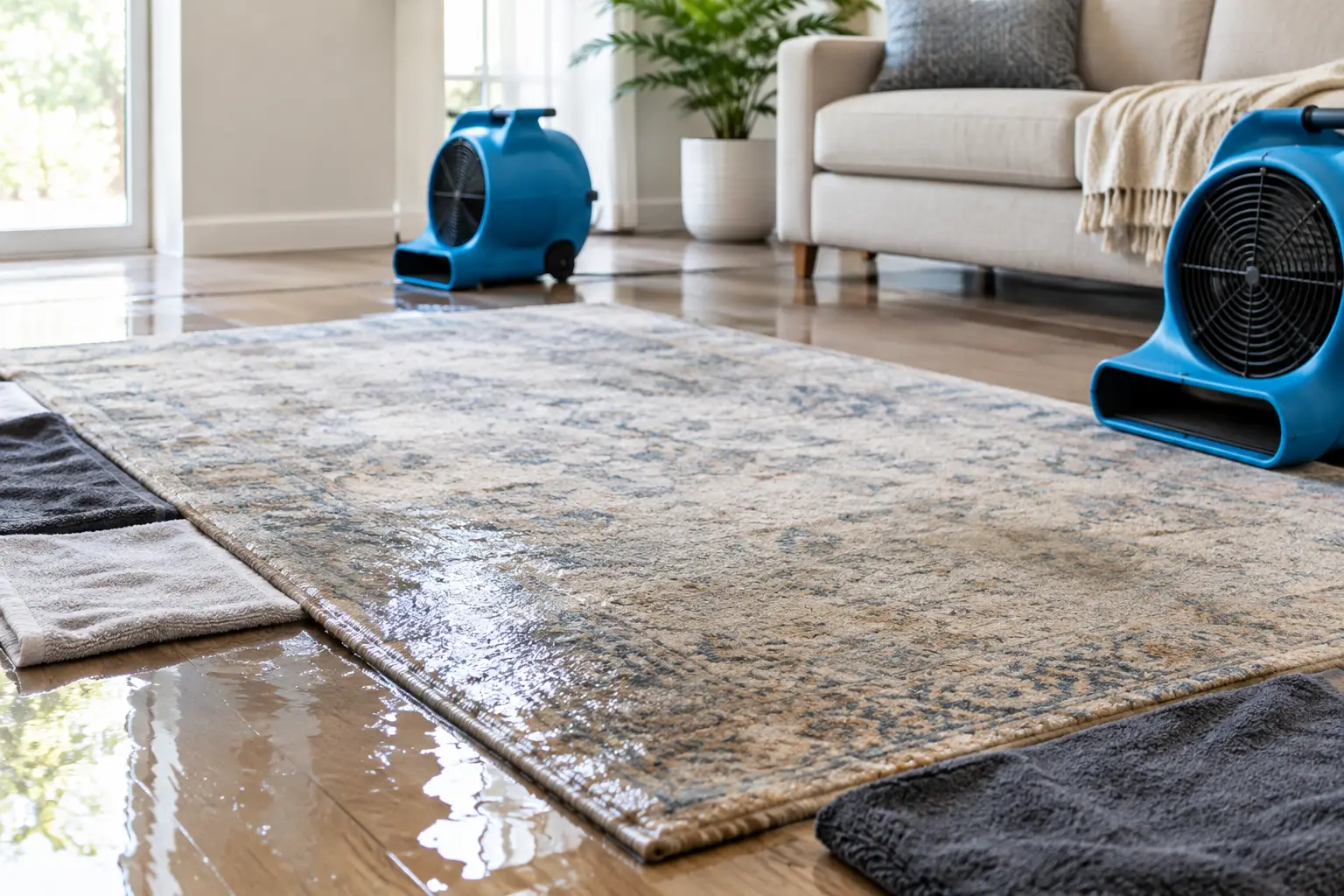
You may also notice that the rug is catching under doors, slipping out of position, or shedding fibers along one side. Pets can worsen the problem by scratching, chewing, or repeatedly soiling the same edge. Moisture from pet accidents, improper spot cleaning, or storage in a humid area can weaken backing materials and cause adhesive-based binding to release.
A rug does not have to look severely damaged to benefit from repair. Early binding work is often more contained and less costly than rebuilding a border after rows of pile have pulled away. It also helps preserve the clean lines that make an area rug look properly sized and placed in a room.
Why Edge Repairs Should Not Be Treated as a Quick DIY Project
Store-bought binding tape may seem like an easy answer, particularly for a low-cost rug or a broadloom remnant. In some limited cases, it can be suitable. But it is rarely the right choice for an Oriental rug, a designer rug, a sentimental piece, or any rug with active unraveling.
Adhesives can discolor fibers, become brittle, attract soil at the edge, or fail under Florida heat and humidity. A tape that sits too high can create a raised lip that catches shoes and vacuum heads. A poorly chosen color or texture can make an otherwise attractive rug look patched rather than finished.
There is also a structural concern. If the rug has weakened foundation threads, simply applying a border over the damage may conceal the problem without stopping it. A professional assessment can identify whether the rug needs edge binding, hand overcasting, re-serging, fringe stabilization, patching, or a combination of repairs.
How Professional Rug Binding Is Evaluated
A dependable repair begins with an inspection, not a one-size-fits-all recommendation. The rug is examined for construction type, fiber content, edge damage, prior repairs, color loss, stains, odors, and signs of moth activity. These details matter because a repair should support the rug rather than interfere with its original character.
For example, machine-made rugs often have serged edges that can be repaired or replaced when the stitching breaks down. Hand-knotted rugs may require handwork that follows the existing construction. A valuable antique or heirloom rug may call for conservation-minded repair rather than a modern binding that changes its appearance.
The rug’s location matters, too. A dining room rug sees chair movement and food spills. An entry rug handles sand, moisture, and heavier foot traffic. A bedroom rug may have less wear but can still suffer from pet damage or a curling corner. The repair plan should reflect the demands the rug will face after it returns home.
Cleaning Before Binding Can Make a Difference
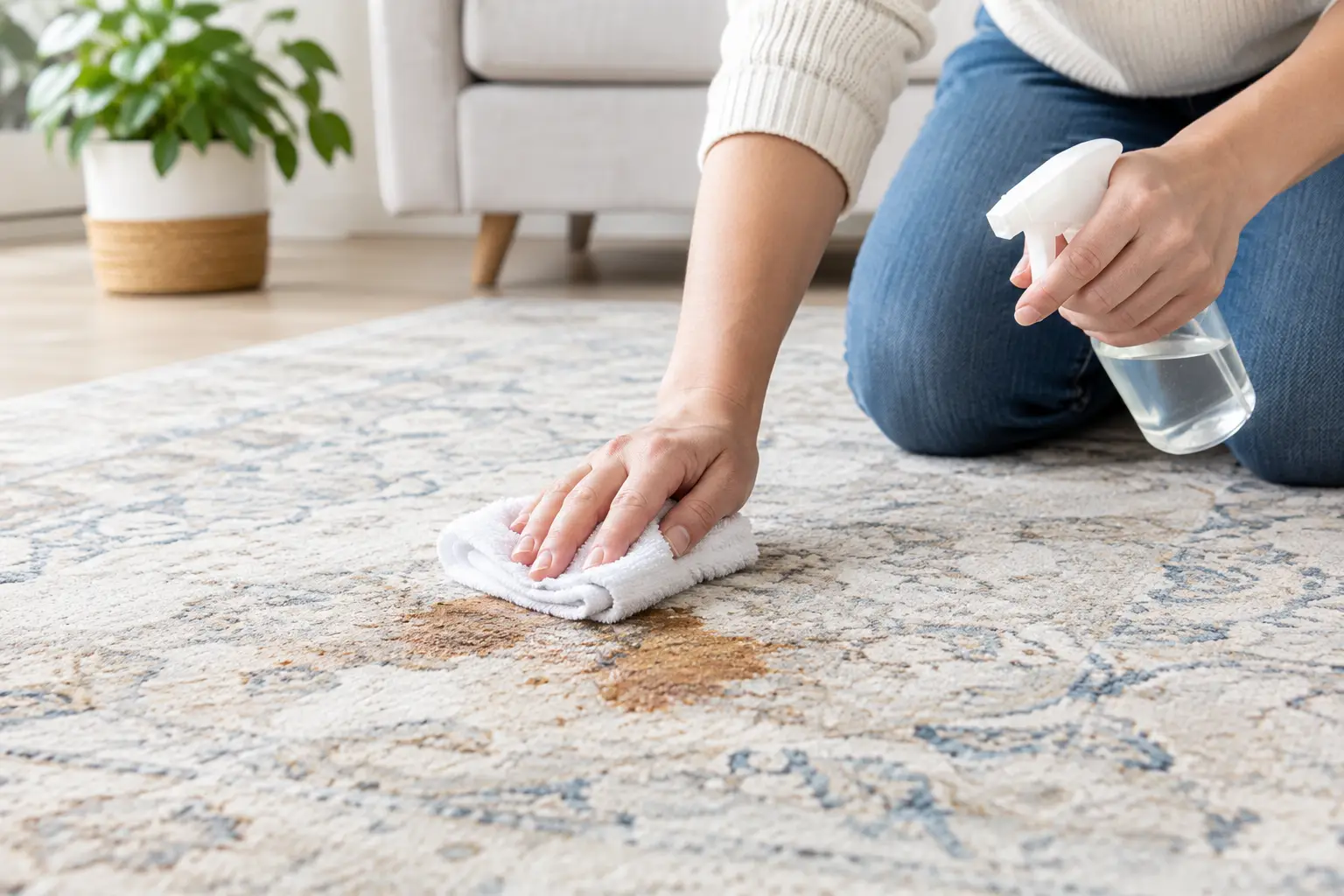
Binding a dirty rug can trap soil and odor near the edge, especially when pet urine or a spill has reached the foundation. For that reason, cleaning and repair are often best handled together. A thorough water-based rug bathing process can flush embedded contaminants from appropriate washable rugs before repair work begins.
At 1st Impressions Oriental and Area Rug Cleaning, each rug can be evaluated for cleaning, odor treatment, structural repair, and protection as part of a complete care plan. This approach helps avoid repairing over hidden concerns that could continue to affect the rug later.
Choosing the Right Binding Material and Finish
There is no single “best” binding for every rug. The proper choice depends on the rug’s materials, design, use, and your expectations for the finished appearance. A narrow, color-matched binding may keep the repair discreet. A wider contrast border can be an intentional design choice for a custom-cut rug, but it may not suit a traditional handmade piece.
Durability should be balanced with appearance. A very thick binding may protect an edge well but change the way the rug lies on the floor. A delicate finish may be visually appropriate for a formal room but not ideal for a high-traffic hallway. The goal is a secure edge that sits flat, complements the rug, and does not distract from the pattern.
Ask how the repair will be attached and whether the rug’s original edge will remain visible. It is also reasonable to ask whether binding is reversible, whether damaged sections need reinforcement first, and how the repair will affect cleaning in the future. Clear answers help you make a decision that fits both the rug and your household.
Protecting the Repair After the Rug Comes Home
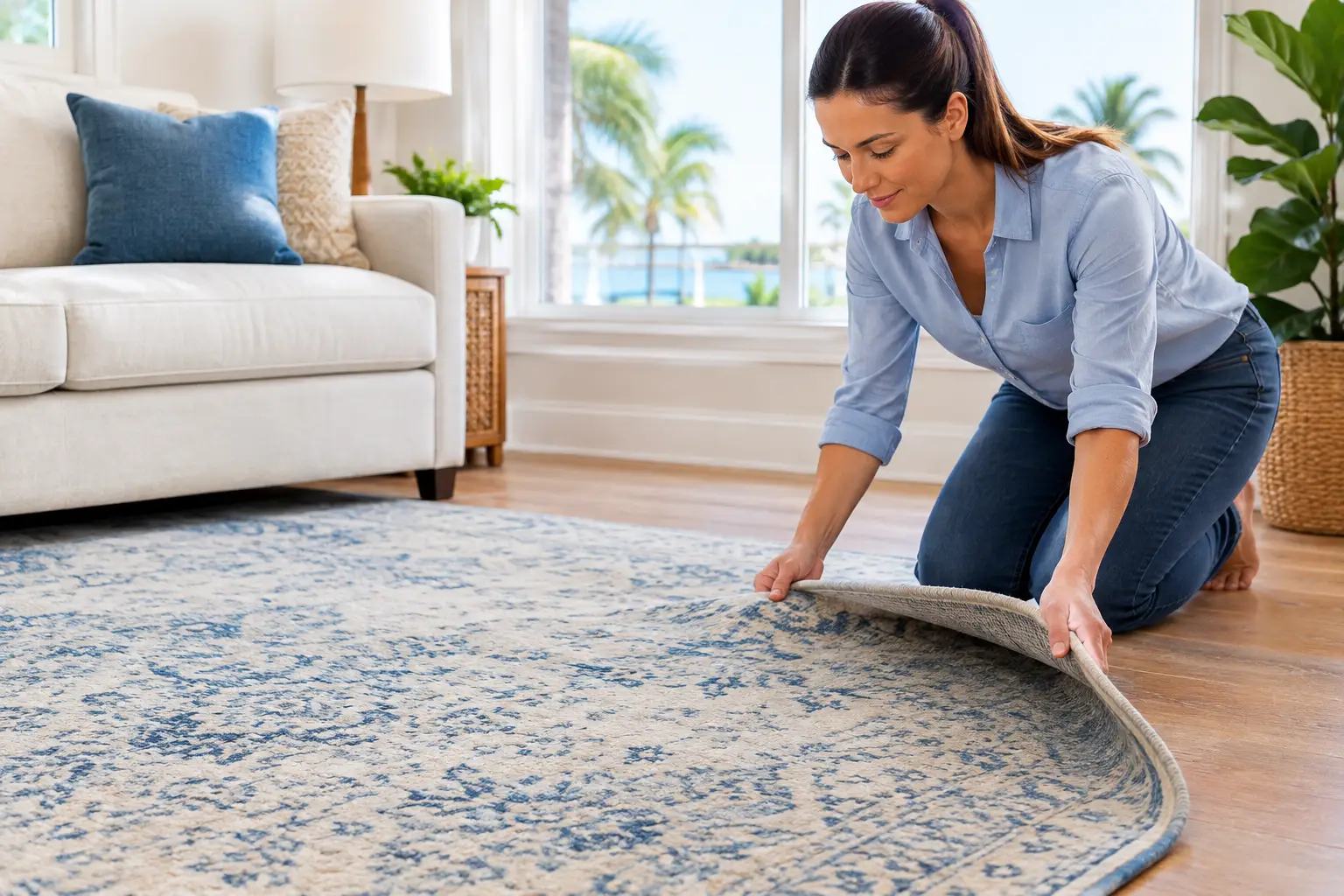
A properly sized rug pad is one of the most useful ways to protect repaired edges. It cushions the rug, reduces movement, helps prevent corner curling, and limits abrasion against hard-surface floors. The right pad also helps the rug stay in place without leaving marks or residue on the floor beneath it.
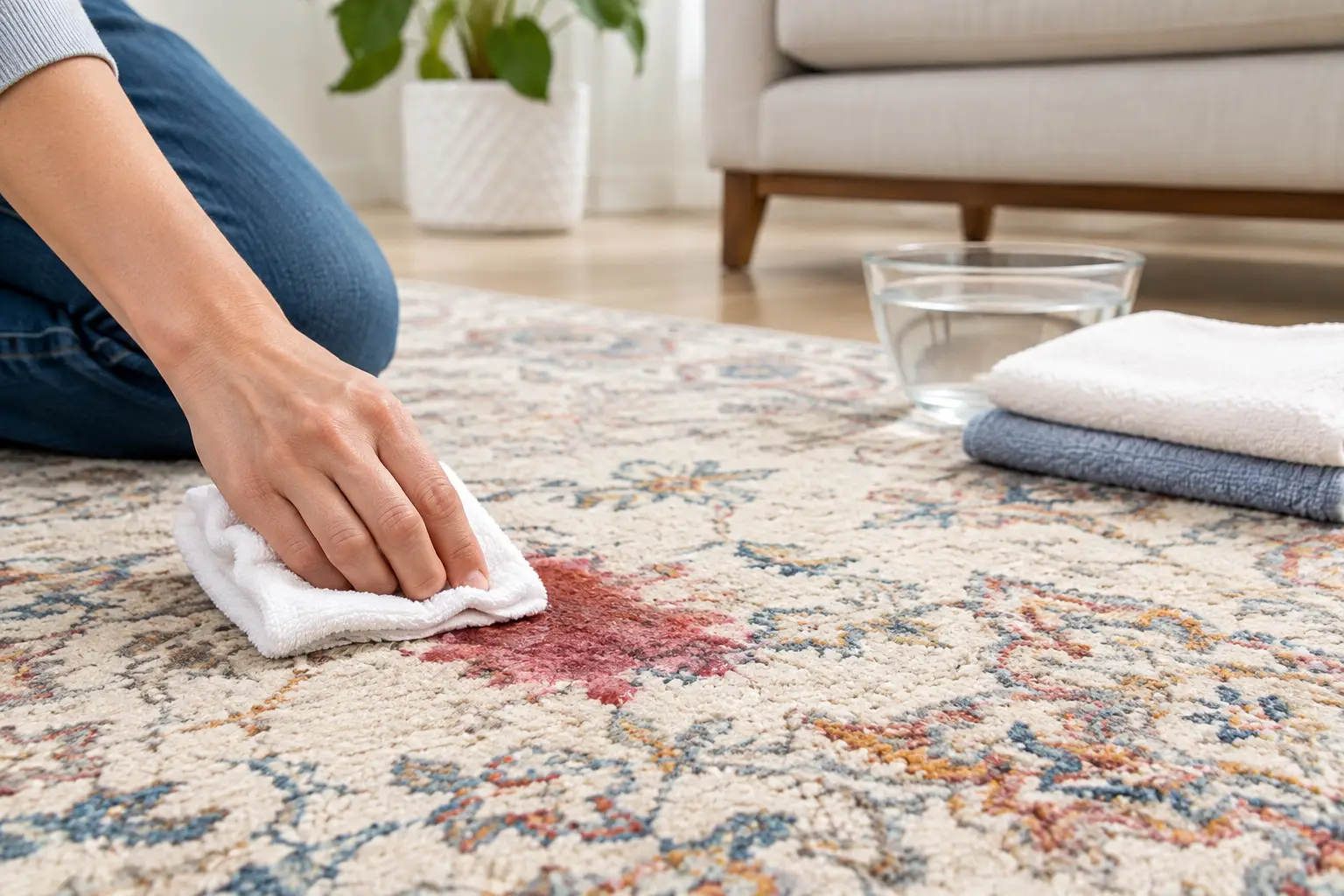
Routine care matters as well. Vacuum according to the rug’s construction, avoiding aggressive beater-bar action on delicate fringes and newly repaired areas. Rotate the rug periodically so traffic and sunlight are distributed more evenly. Address spills promptly, but avoid saturating the edge with household cleaners or scrubbing hard enough to pull fibers loose.
If a pet accident occurs near a repaired border, professional decontamination is worth considering. Odor can persist deep in a rug’s foundation, and repeated moisture in the same area can compromise fibers and stitching. Fast attention gives the rug a better chance of a lasting repair.
A Repair That Respects the Rug
Not every worn edge needs the same answer, and not every rug should be bound. A well-made repair starts with knowing what the rug is made of, how it was constructed, and what it needs to remain useful in your home. Before a loose thread becomes a missing border, take a clear photo of the affected area, measure the rug, and have a trained rug care professional evaluate the next step.