A wet rug can look manageable at first, especially if the water has receded and the surface feels only damp. But knowing how to dry flooded rugs properly matters because moisture travels below the pile, into the foundation, pad, and flooring underneath. In Central Florida’s humidity, a rug that seems nearly dry can hold enough moisture to create odor, dye bleeding, mildew, or damage to the floor below.
The right response depends on where the water came from, how long the rug was wet, and what the rug is made of. A washable synthetic area rug exposed briefly to clean water is not the same situation as a hand-knotted wool Oriental rug, a silk rug, or a piece affected by stormwater or a plumbing backup.
Start by Identifying the Water Source
Before moving the rug, consider the source of the water. Clean water from a supply line or a small appliance leak is generally the least complicated situation, provided it was addressed quickly. Water from an overflowing washer, a dishwasher, a roof leak, or a flooded patio may carry soil, residues, and organic matter. Sewage, toilet backups, and stormwater require a more cautious approach because they can introduce contaminants that should not be handled or dried inside the home without appropriate professional guidance.
If the water source is contaminated, keep children and pets away from the rug. Avoid shaking it, dragging it through the home, or placing it over furniture to dry. Take photos for your records and contact your insurance provider or water-damage professional if appropriate. A thorough washing and controlled drying process may be needed before the rug can safely return to your living space.
What to Do in the First Hour
If it is safe to enter the area and the rug was exposed to clean water, act promptly. First, stop the water source and protect yourself from electrical hazards. If water is near outlets, cords, or electrical equipment, do not attempt cleanup until the area has been made safe.
Remove lightweight furniture from the rug, rather than pulling a wet rug out from beneath heavy pieces. Take photos of the rug, the affected floor, and any visible staining. This documentation can be useful for insurance, and it gives a rug care professional a clearer picture of the event.
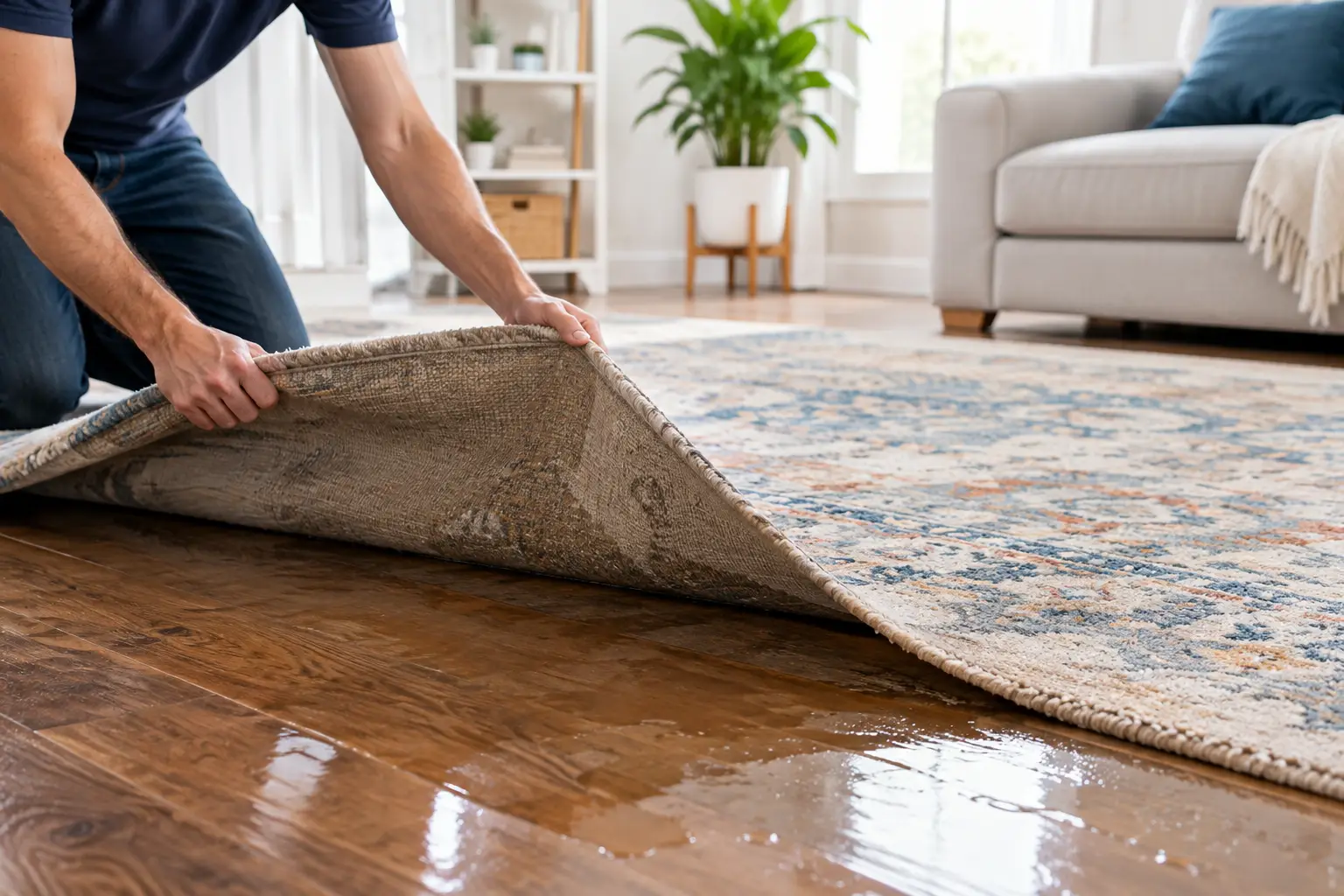
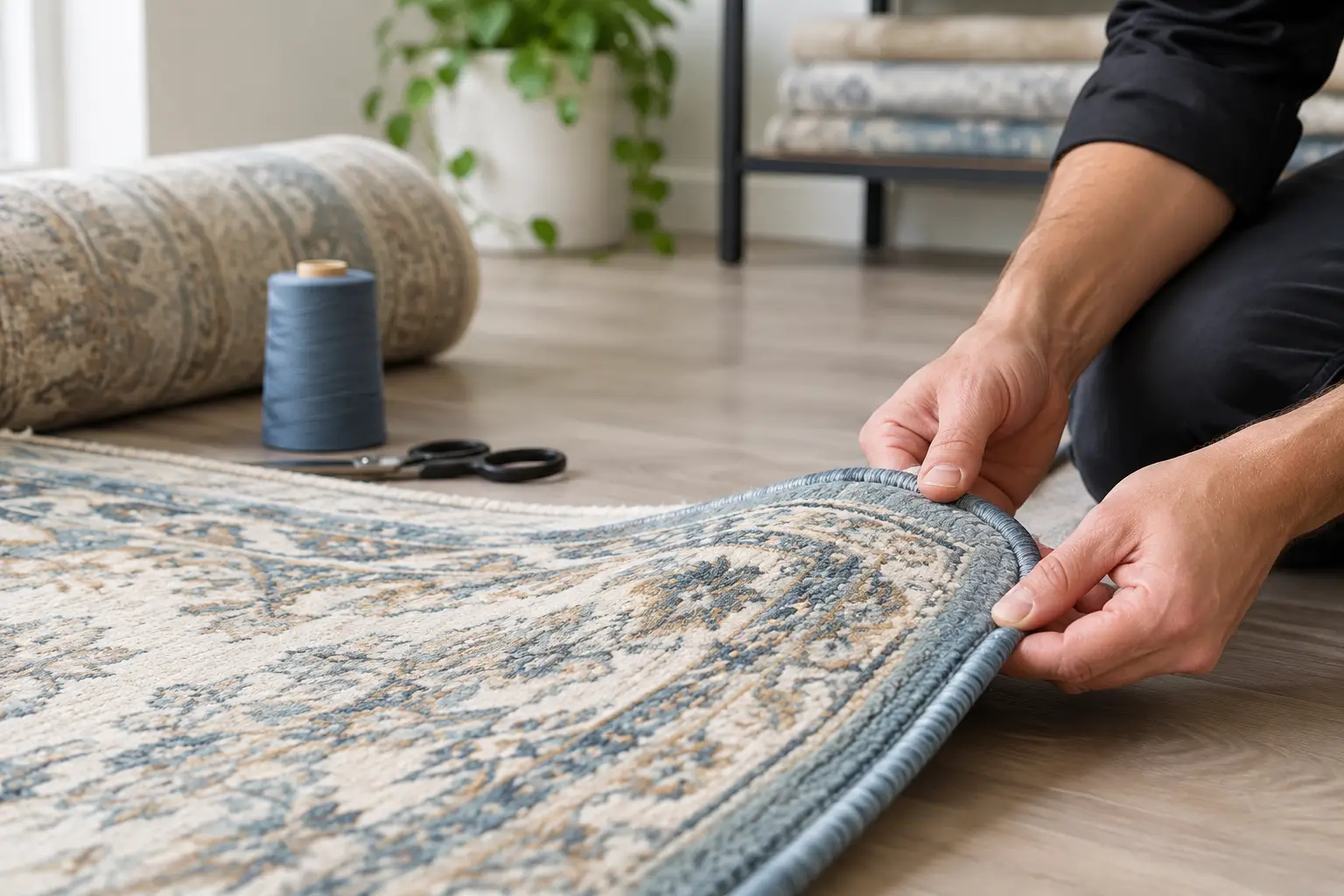
A wet rug is much heavier than it looks. Get help before lifting it, especially with large room-size rugs. If it must be moved, support as much of its width as possible. Do not fold it into a tight bundle. Folding can trap water in the foundation, transfer colors from one area to another, and create permanent crease marks in delicate fibers.
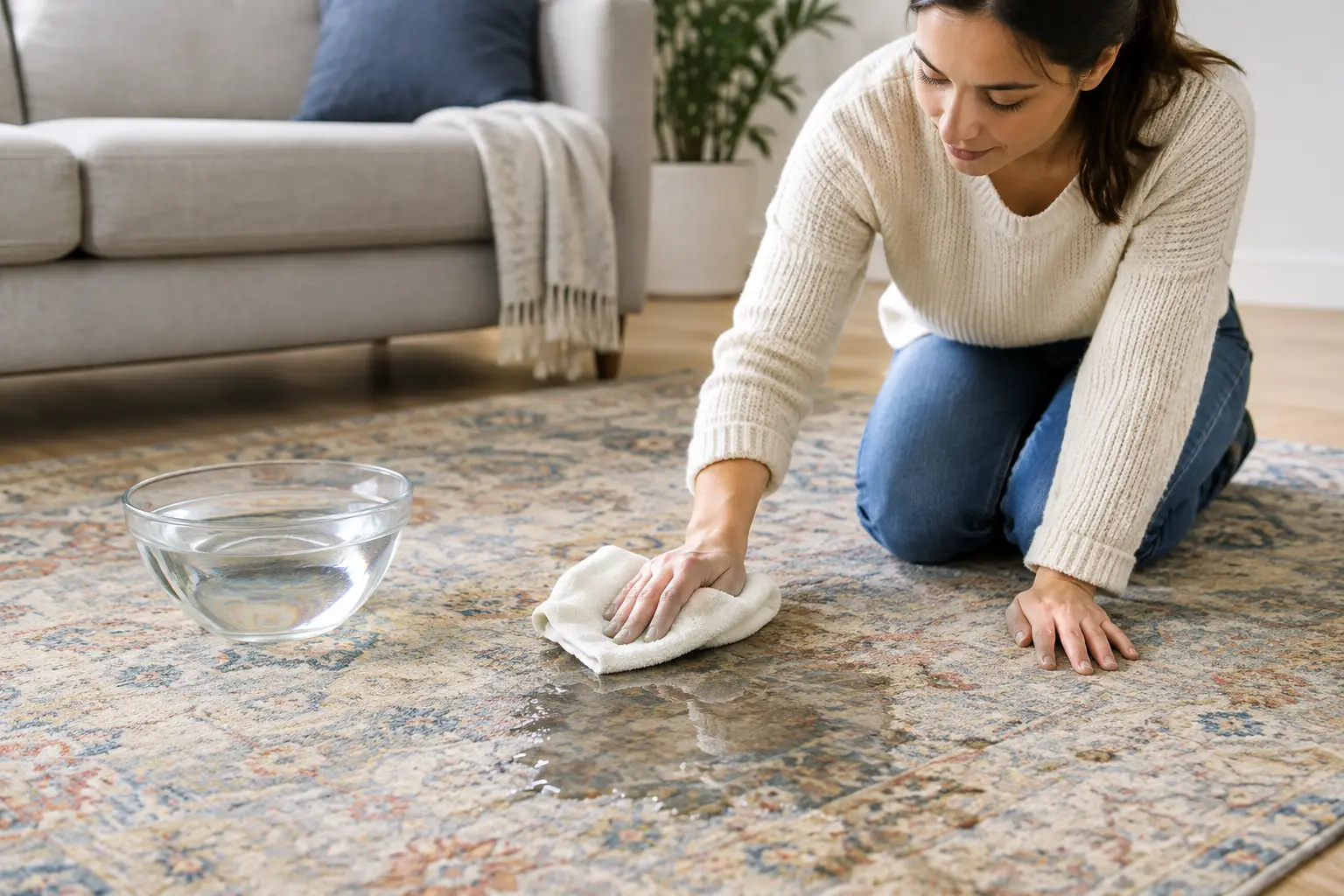
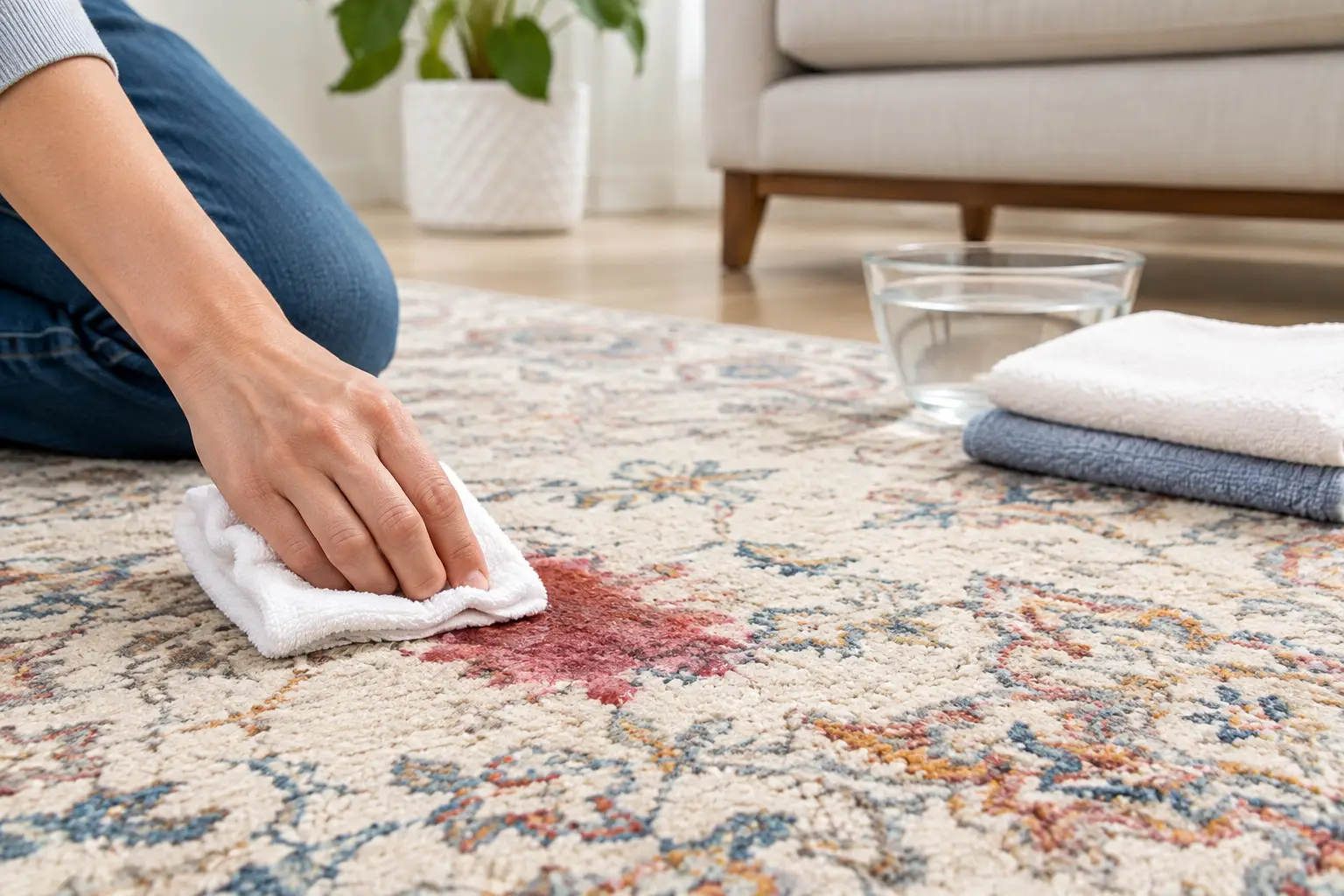
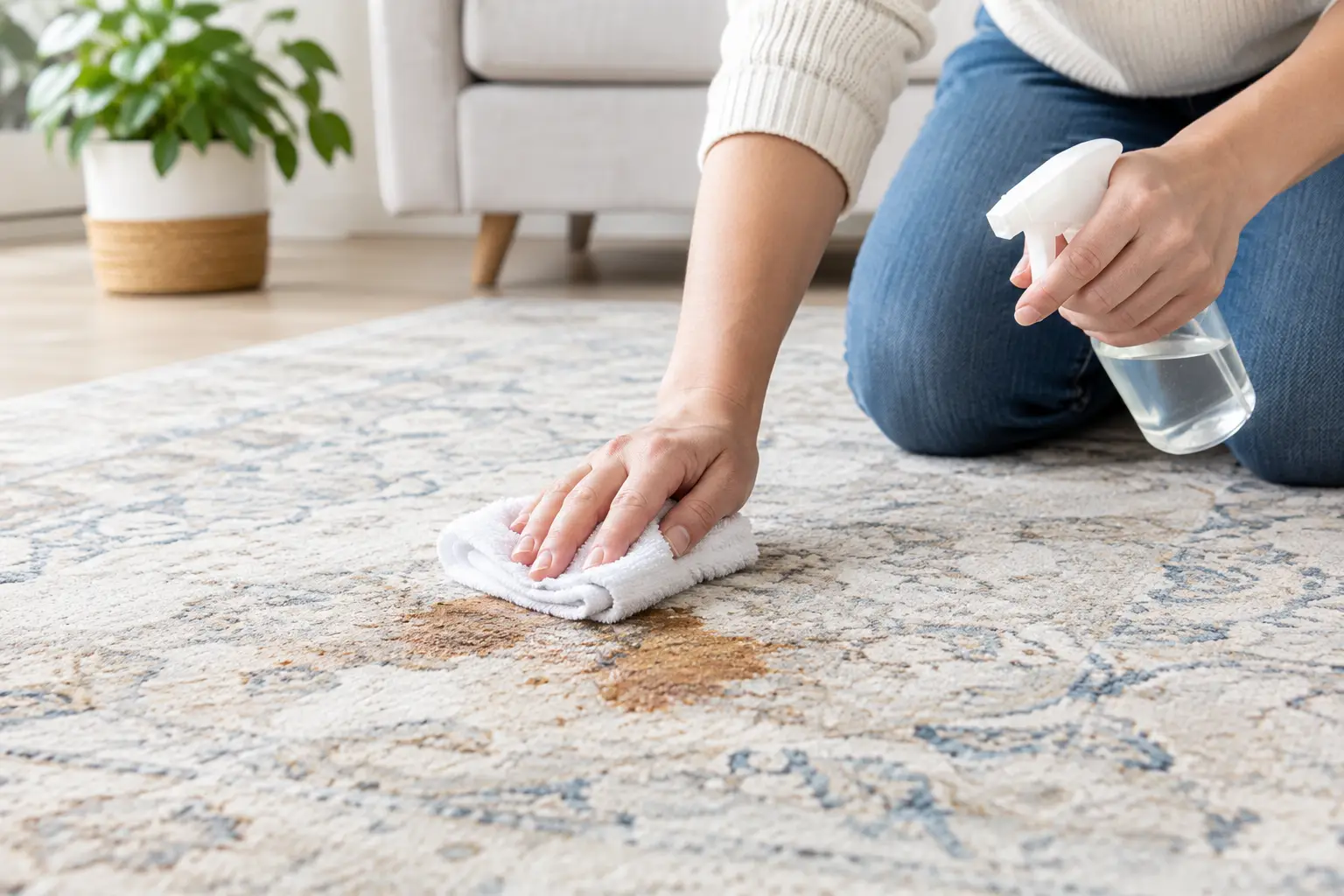
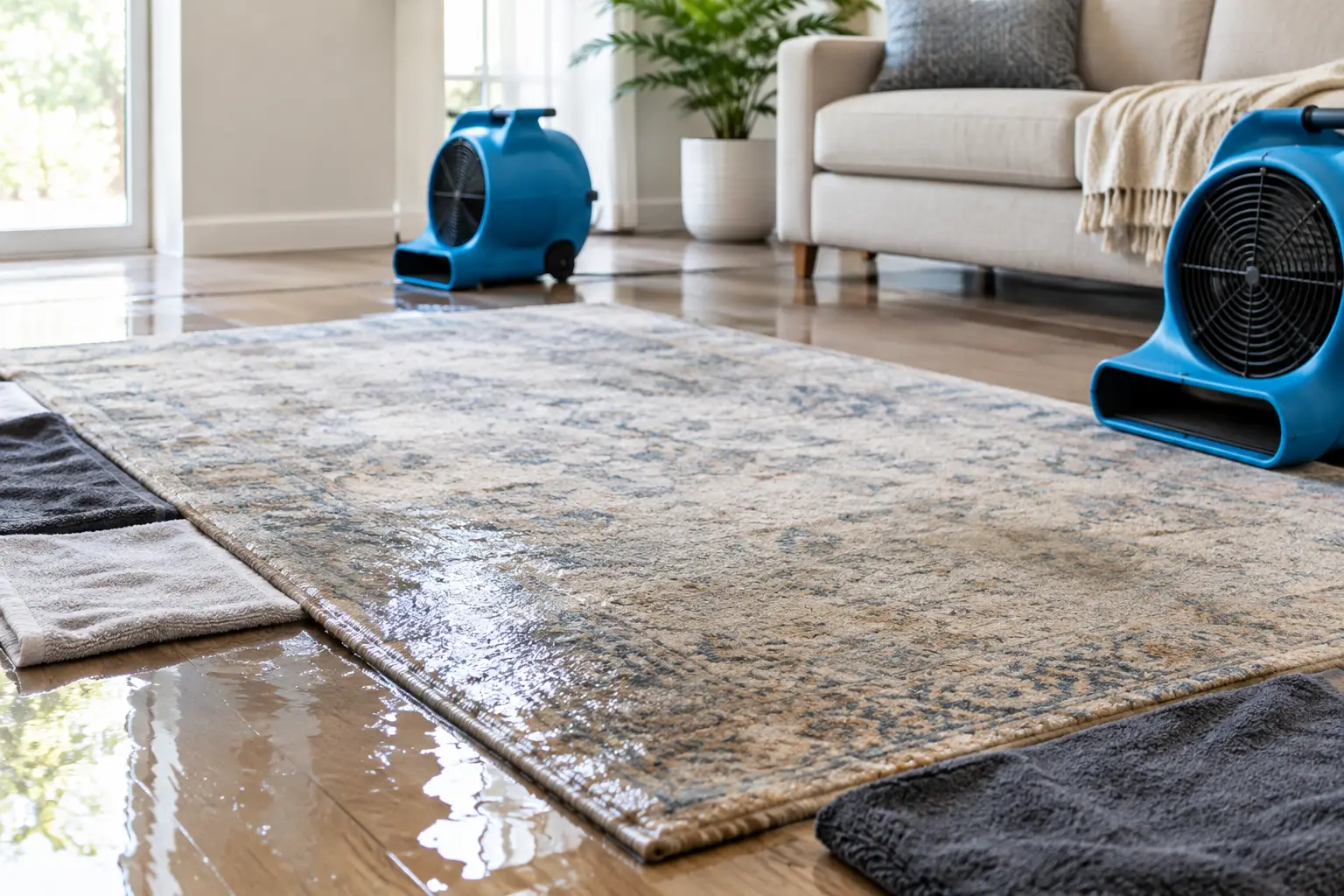
For a small, clean-water incident, use a wet vacuum or extraction machine to remove as much water as possible from both the face and back of the rug. Blotting with clean white towels can help with a smaller rug, but it will not remove the deep moisture held by a dense wool pile or cotton foundation. Replace towels as they become saturated.
Dry Flooded Rugs With Air Movement, Not High Heat
Once excess water is removed, drying needs to happen evenly and quickly. Lay a small rug flat in a clean, dry location with strong air circulation. Run fans across the surface, use a dehumidifier to lower room moisture, and periodically check the underside. Elevating the rug slightly on a clean drying rack can improve airflow, as long as the rug is fully supported and not stretched.
Avoid placing a wet rug in direct, intense sun for hours. Sunlight may speed drying, but it can also fade colors, weaken fibers, and encourage uneven drying. High heat from heaters, hair dryers, or heat guns is also risky. Wool can shrink or become distorted, latex backing can break down, and adhesive-backed rugs may delaminate.
Turn the rug only when you can do so without pulling, stretching, or dragging it. If the back stays damp after the face feels dry, keep drying. The goal is not simply a dry surface. The rug, backing, and foundation must all be dry to the touch before it goes back on the floor.
Why Fine Rugs Need More Than Surface Drying
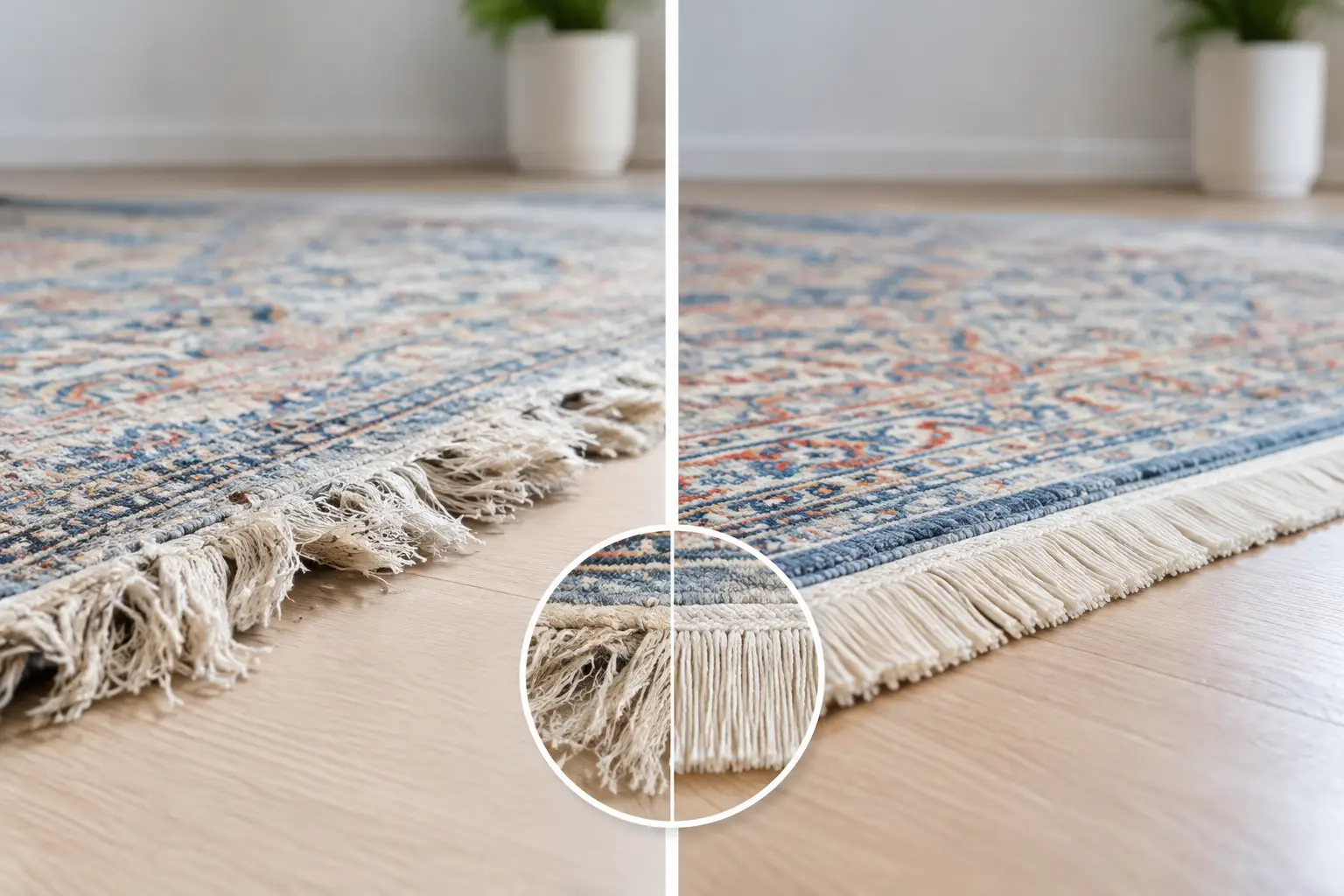
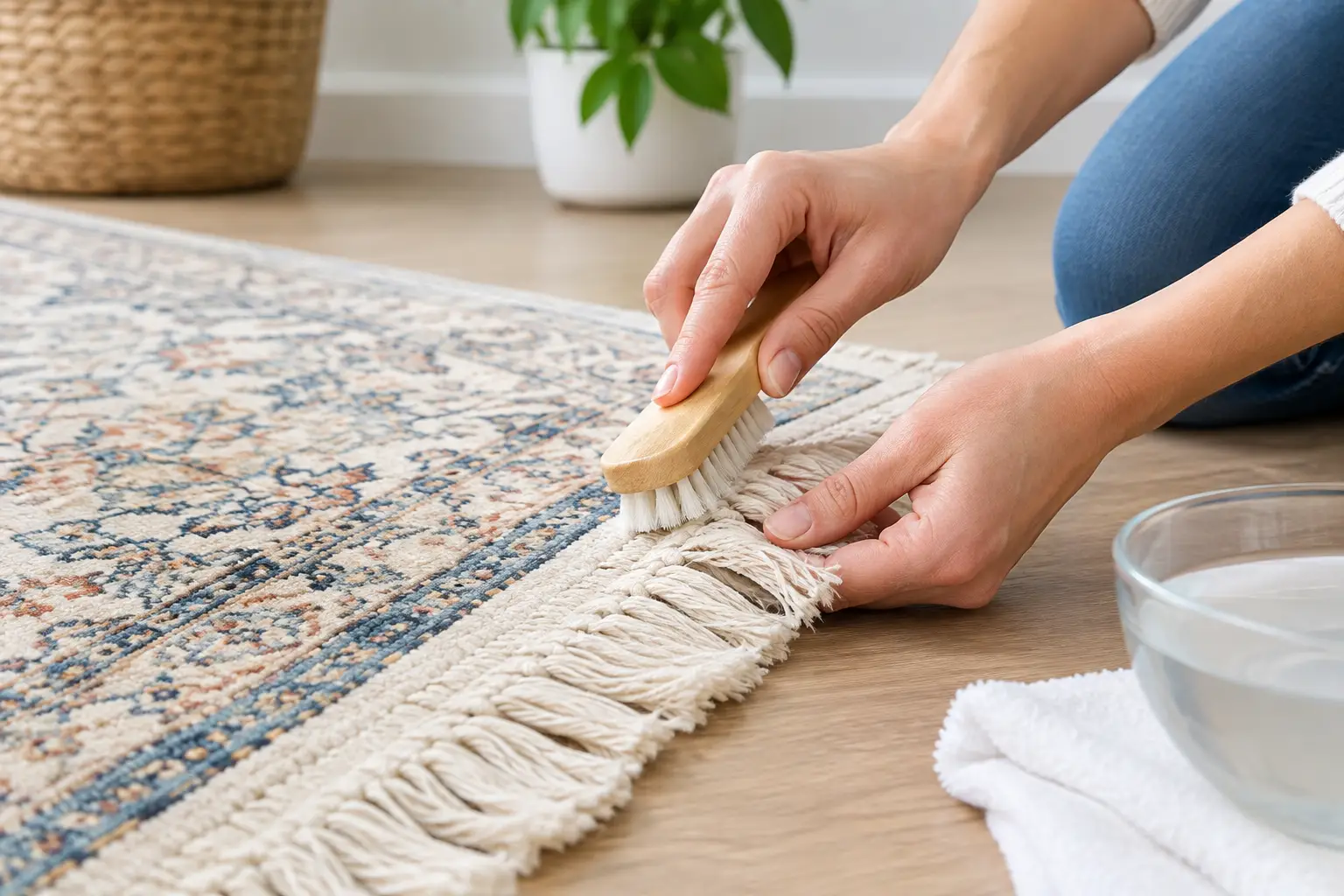
Handmade Oriental rugs, antique rugs, silk rugs, and many designer area rugs are built from natural fibers that react differently to water. Wool may feel resilient after a spill, yet the cotton foundation beneath it can retain moisture for days. Some rugs have unstable dyes that can migrate when wet. Others have fringe that stains, curls, or weakens when it is left damp.
A rug with jute, cotton, felt, or latex backing also deserves special attention. These materials can hold water against hardwood, engineered wood, laminate, and other hard-surface floors. Even if the rug survives the flood, trapped moisture can discolor flooring, warp boards, or create an odor beneath the rug.
For valuable or sentimental rugs, drying is only one part of the recovery. Floodwater can leave behind fine soil, minerals, bacteria, cleaning residues, or odor-causing material that is not visible after the rug dries. A professional water-based bath, appropriate rinsing, and controlled drying can address what household fans cannot reach.
Do Not Make These Common Mistakes
The instinct to scrub is understandable, but it can push soil deeper into the pile and damage damp fibers. Avoid bleach, strong spot removers, disinfectant sprays, and harsh household cleaners. These products can strip color, leave sticky residue, or react unpredictably with wool, silk, dyes, and fringe.
Do not roll up a wet rug and place it in a garage, closet, or plastic bag. Florida heat and humidity can turn trapped moisture into a persistent odor problem quickly. Likewise, do not put a wet rug back over a damp pad or floor just because the top feels dry. Moisture below the surface is where many of the most expensive problems begin.
If color starts transferring onto towels, the rug feels unusually heavy, or an earthy or sour odor develops, stop home drying efforts. Those are signs that the rug may need specialized washing, odor treatment, or restoration rather than more fan time.
Check the Rug Pad and the Floor Beneath
A flooded rug pad often needs to be replaced. Standard foam, felt, and rubber pads can absorb water, flatten, deteriorate, or hold odor long after the rug itself has dried. Reusing a damp pad can undo all the work spent drying the rug.
After the rug is removed, dry and inspect the floor beneath it. Look for discoloration, cupping or warping in wood, soft areas, residue, and lingering odor. Hard-surface floors should be completely dry before a clean rug and new pad are installed. A quality custom-fit rug pad can help protect the floor afterward, but it should never be used to cover an unresolved moisture issue.
When Professional Rug Care Is the Better Choice
Call for professional help when the rug was wet for more than a few hours, the water was dirty or contaminated, or the rug is handmade, silk, antique, oversized, or emotionally valuable. Professional care is also wise when there is pet odor, dye bleeding, mildew odor, fringe damage, or a damp foundation that will not dry evenly.
At 1st Impressions Oriental and Area Rug Cleaning, rugs can be evaluated for water exposure, fiber type, color stability, odor concerns, and structural condition before treatment begins. Pickup and delivery can also prevent a heavy wet rug from being mishandled on the way to a cleaning facility.
A flooded rug does not always need to be discarded, but it should never be rushed back into service. Give the rug, pad, and floor the attention they need now, and you are far more likely to preserve the comfort, color, and craftsmanship you chose it for.