A wool rug can look surprisingly clean on the surface while holding grit, pet residue, and moisture deep in its pile. That is why homeowners often ask, can wool rugs be washed without causing shrinkage, fading, or a lingering odor? The answer is yes, but only when the rug’s construction, dyes, condition, and drying needs are handled correctly.
Wool is naturally durable, soil-resistant, and resilient underfoot. It is also an absorbent natural fiber that needs careful washing and thorough drying. A small handwoven Oriental rug, a designer wool rug with a glued backing, and a wall-to-wall wool carpet may all require very different treatment.
Can Wool Rugs Be Washed Safely?
Many wool rugs can be safely washed with water, and water-based bathing is often the most effective way to remove embedded dry soil and contamination. Traditional Persian rug care has long relied on careful washing, rinsing, and controlled drying rather than simply cleaning the top fibers.
The key distinction is between washing a rug properly and getting a rug wet. Over-wetting, using the wrong detergent, scrubbing aggressively, or leaving the rug damp can create problems that are harder to correct than the original soil. Wool may develop browning, distortion, dye bleed, mildew odor, or changes in texture when the process is not suited to the rug.
A professional inspection should come before a full wash, particularly for Oriental rugs, antique pieces, handmade wool rugs, or rugs with sentimental or financial value. The inspection helps identify fiber type, color stability, prior repairs, fringe condition, weak foundation fibers, and any backing or adhesive that may react badly to moisture.
Why Wool Rugs Need More Than Surface Cleaning
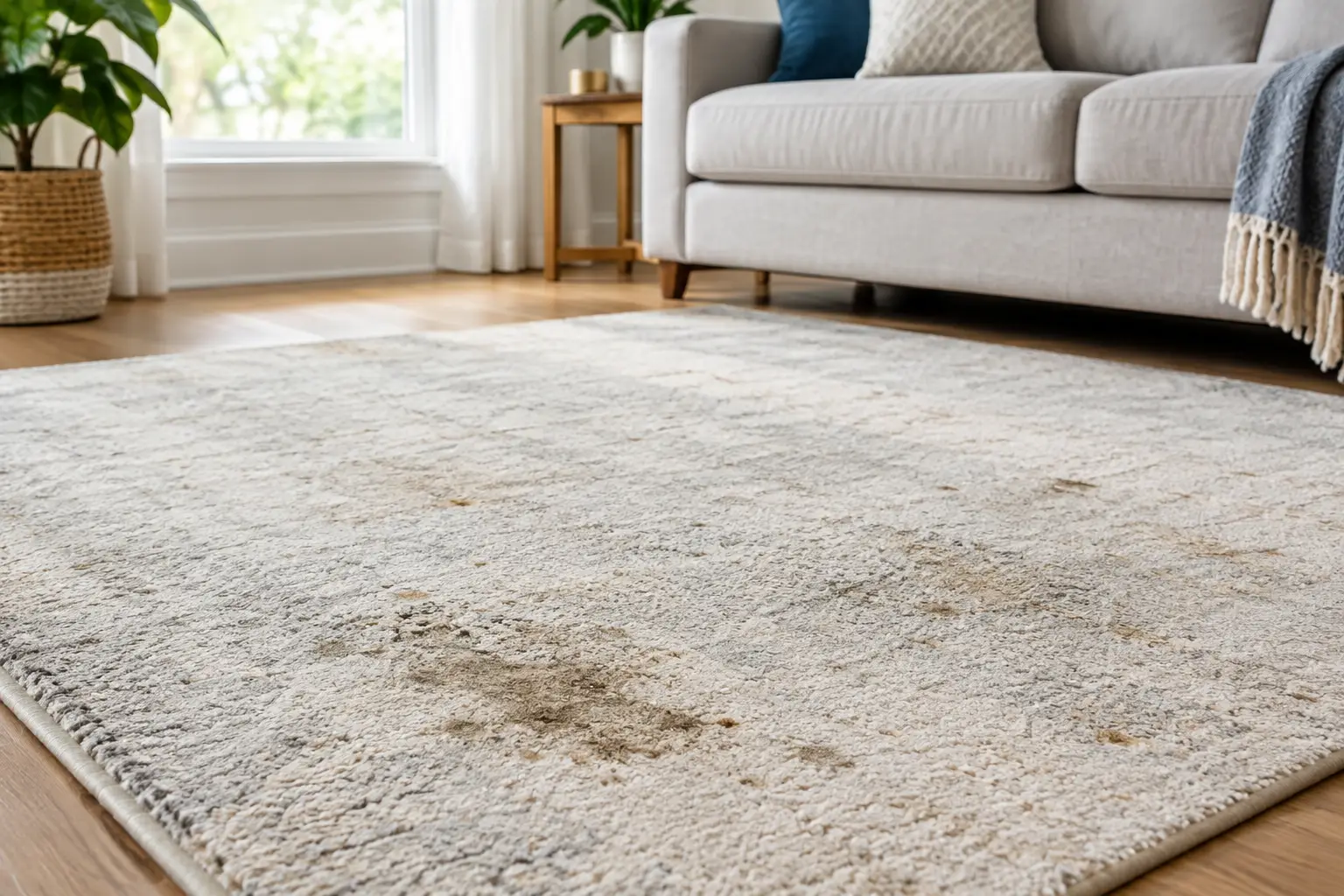
Vacuuming is an essential part of wool rug care, but it cannot remove everything lodged beneath the pile. Fine sand and grit settle into a rug over time and act like sandpaper against the wool fibers each time someone walks across it. Surface spot treatment may improve a visible mark while leaving the deeper soil behind.
A proper rug wash typically begins with dry soil removal. Next, trained cleaners test dyes for colorfastness and select a mild, wool-safe cleaning approach. The rug can then be washed, rinsed completely, and dried in a controlled environment. Thorough rinsing matters because leftover cleaning residue attracts new soil and can leave wool feeling stiff.
Drying is not an afterthought. A wool rug needs to dry evenly and promptly to avoid mildew odor, dye migration, and damage to the rug’s foundation. Central Florida humidity can make home drying especially unreliable, even when a rug appears dry on top.
When You Should Not Wash a Wool Rug at Home
Home care can be appropriate for a fresh, small spill on a sturdy modern wool rug. It is usually not the right choice for a full-rug wash. Avoid attempting a complete wash at home if the rug is handmade, old, heavily soiled, saturated with pet urine, showing fringe damage, or has colors that may run.
Machine washing is generally a poor choice for wool area rugs unless the manufacturer specifically says it is safe. Even then, the rug must fit the machine without crowding, and the backing must be designed for that method. Agitation, heat, and a heavy waterlogged rug can cause pulling, warping, shrinkage, or backing failure.
Do not use harsh household cleaners, bleach, high-alkaline products, or strong deodorizing chemicals on wool. Wool is protein-based, much like hair, and harsh chemicals can strip natural oils, weaken fibers, and alter color. Steam cleaning can also be risky when it introduces too much moisture or leaves the rug damp for too long.
Safe First Steps for a Fresh Spill
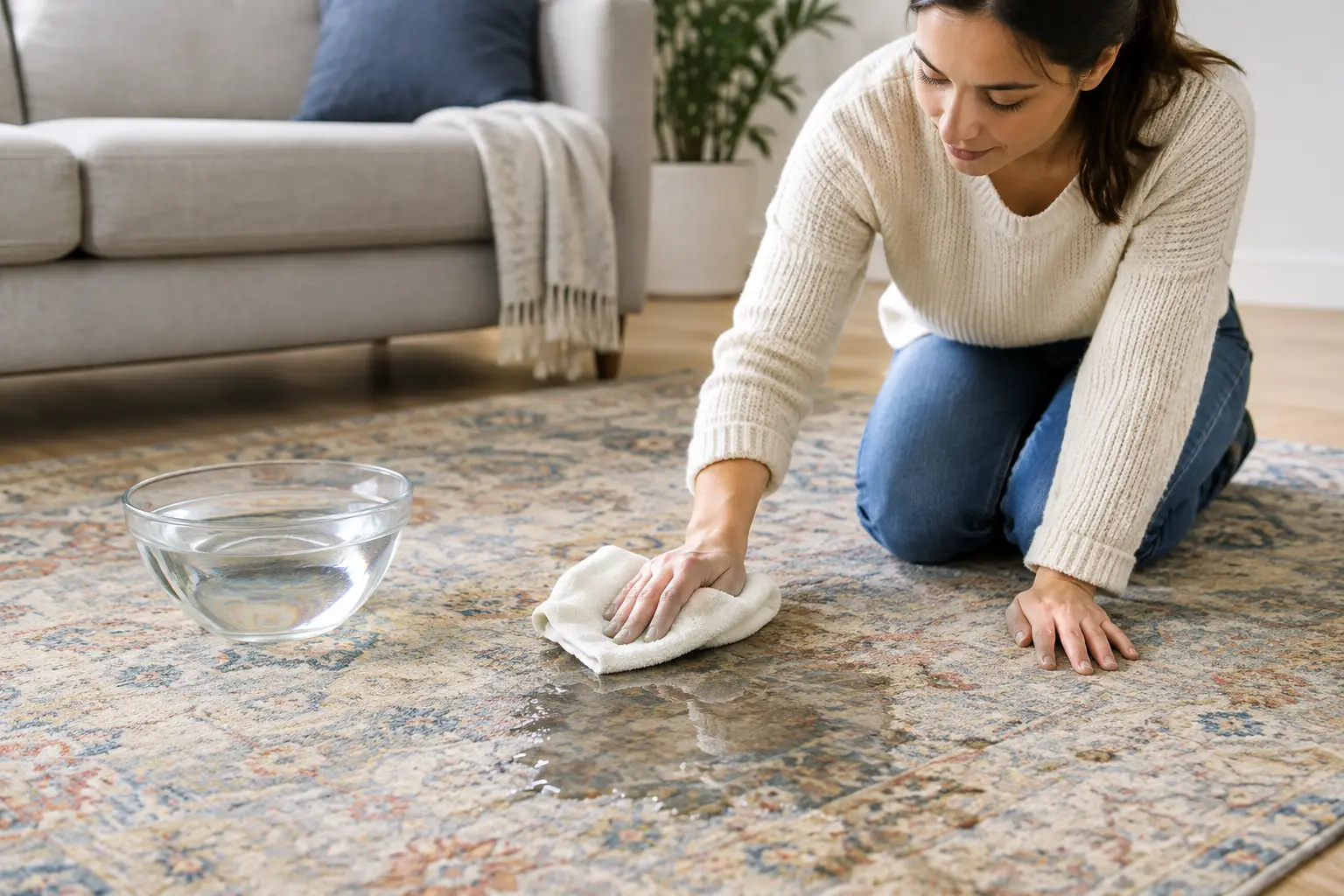
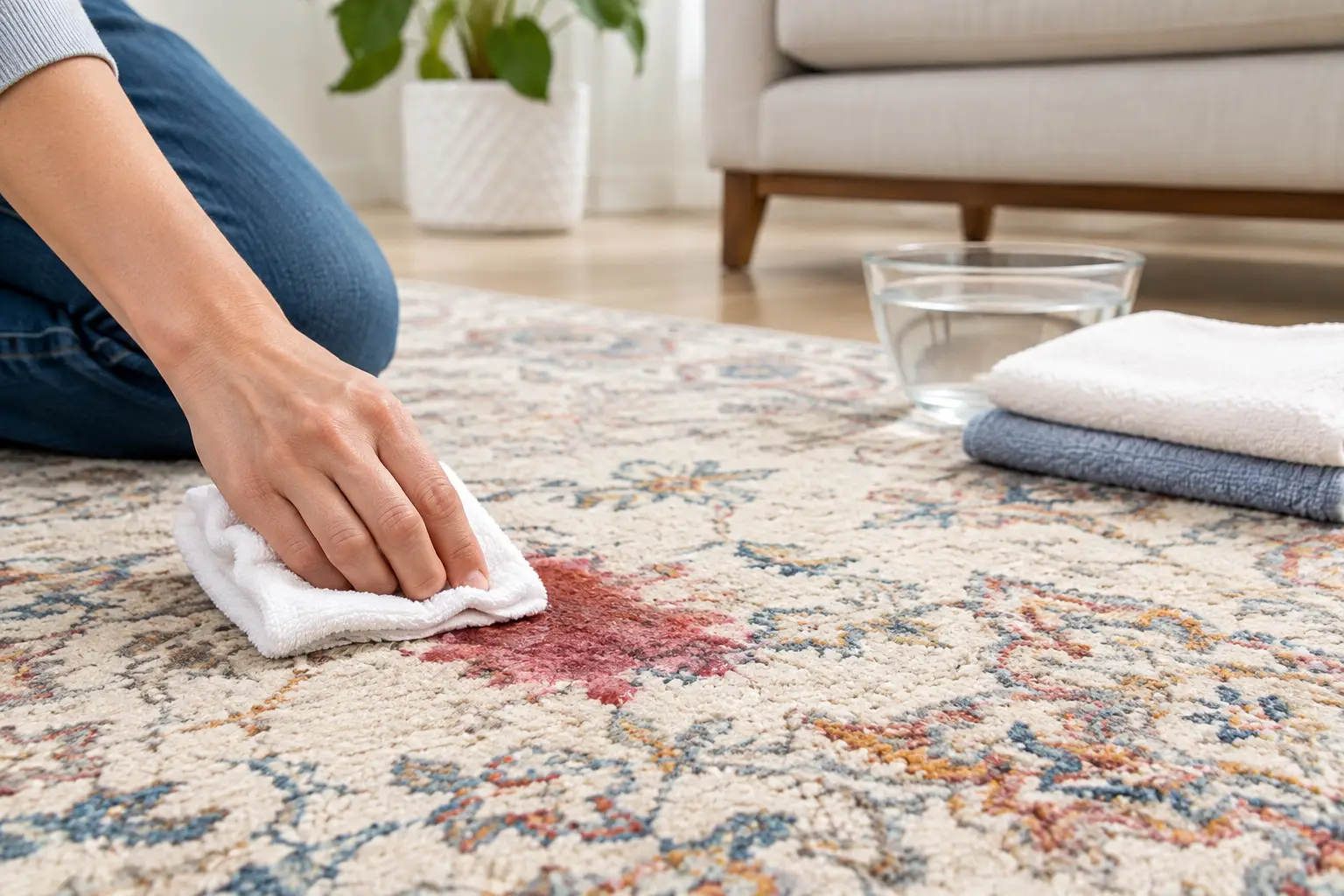
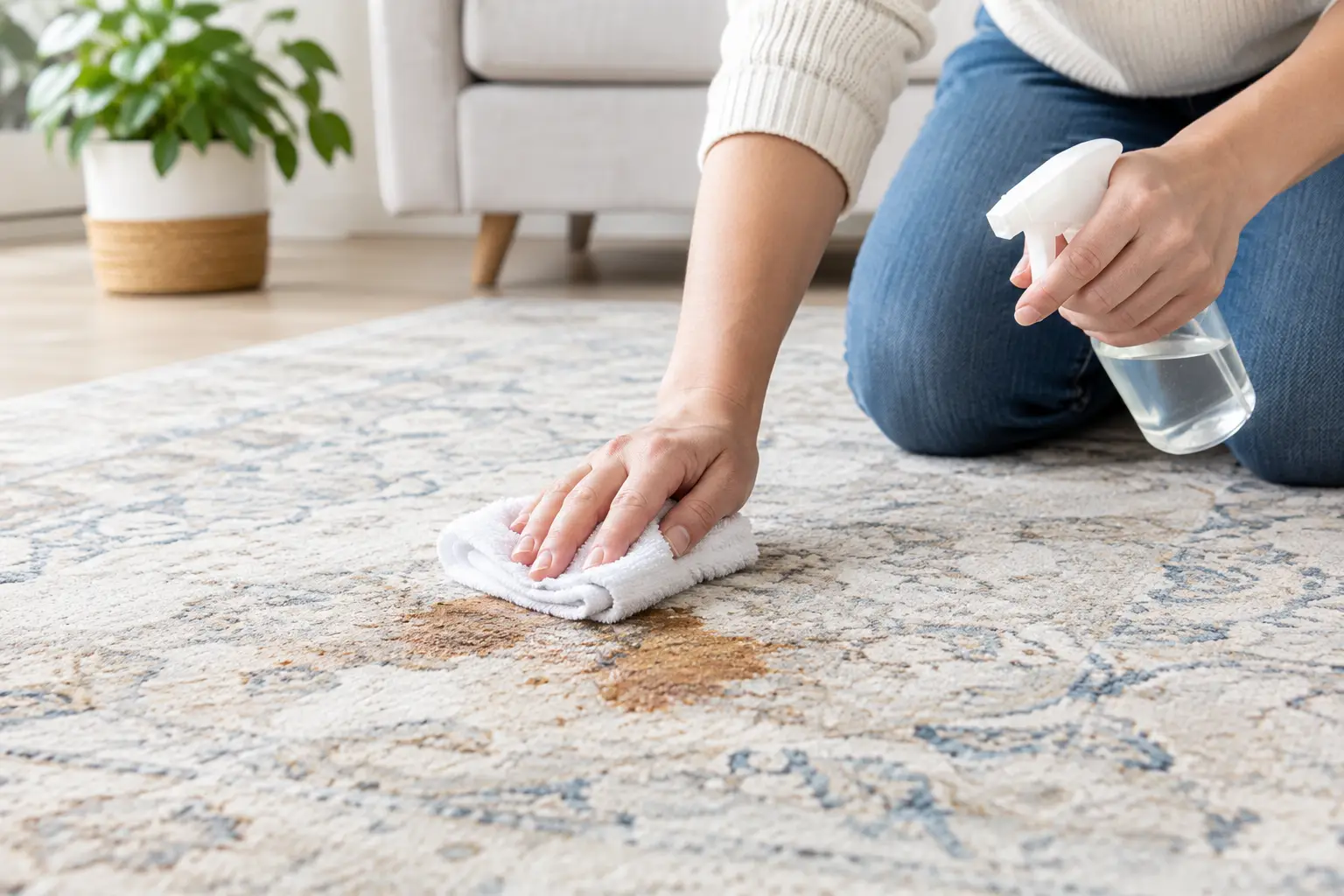
When a spill happens, quick and calm action gives you the best chance of preventing a stain. Blot the affected area with clean white towels or paper towels, pressing firmly without rubbing. Work from the outside of the spill toward the center so it does not spread.
For a small water-based spill, lightly blot with a cloth dampened with cool water, then blot again with dry towels. Do not soak the rug. Avoid hot water, which can set certain stains or encourage dyes to move. If color transfers to your towel, stop immediately and arrange professional evaluation.
Food, wine, coffee, ink, grease, and pet accidents each behave differently. A cleaning method that helps one type of spot can make another one worse. When in doubt, preserve the rug by blotting rather than experimenting with a cabinet full of cleaners.
Pet Urine Requires Deeper Treatment
Pet urine is one of the clearest examples of why washing a wool rug is not always a simple surface-cleaning task. Urine can travel through the wool pile into the foundation and, in some cases, reach the floor beneath the rug. As it dries, urine crystals can remain in the fibers and reactivate with humidity, bringing the odor back.
Sprays and powders may temporarily mask the smell, but they often do not remove the source. A rug with repeated pet accidents may need a controlled flush and decontamination process that addresses the pile, foundation, backing, and affected rug pad. A proper pad inspection is also worthwhile, since a contaminated or deteriorated pad can transfer odor back into a freshly cleaned rug.
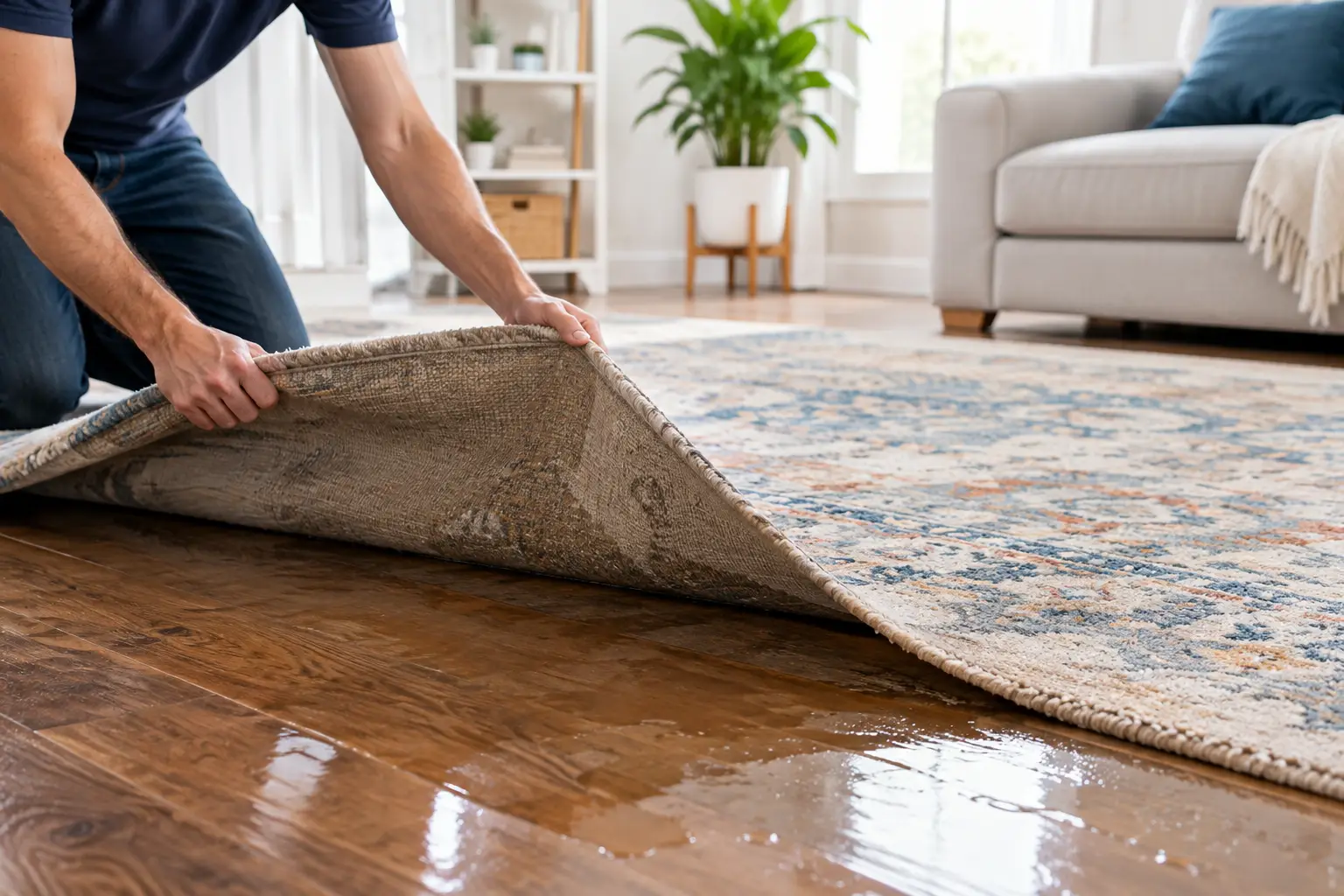
If urine has reached hardwood, laminate, or another hard-surface floor, protect the floor as well as the rug. Prompt attention can help reduce long-term odor and discoloration concerns.
Construction Changes the Cleaning Plan
Not every wool rug responds to water in the same way. Hand-knotted Oriental rugs are often made to be washed, provided their dyes and structure are stable. Hand-tufted rugs may have latex adhesives that can break down or delaminate when over-wet. Flatweave rugs can sometimes be washed but may be more prone to distortion if they are not dried flat and evenly.
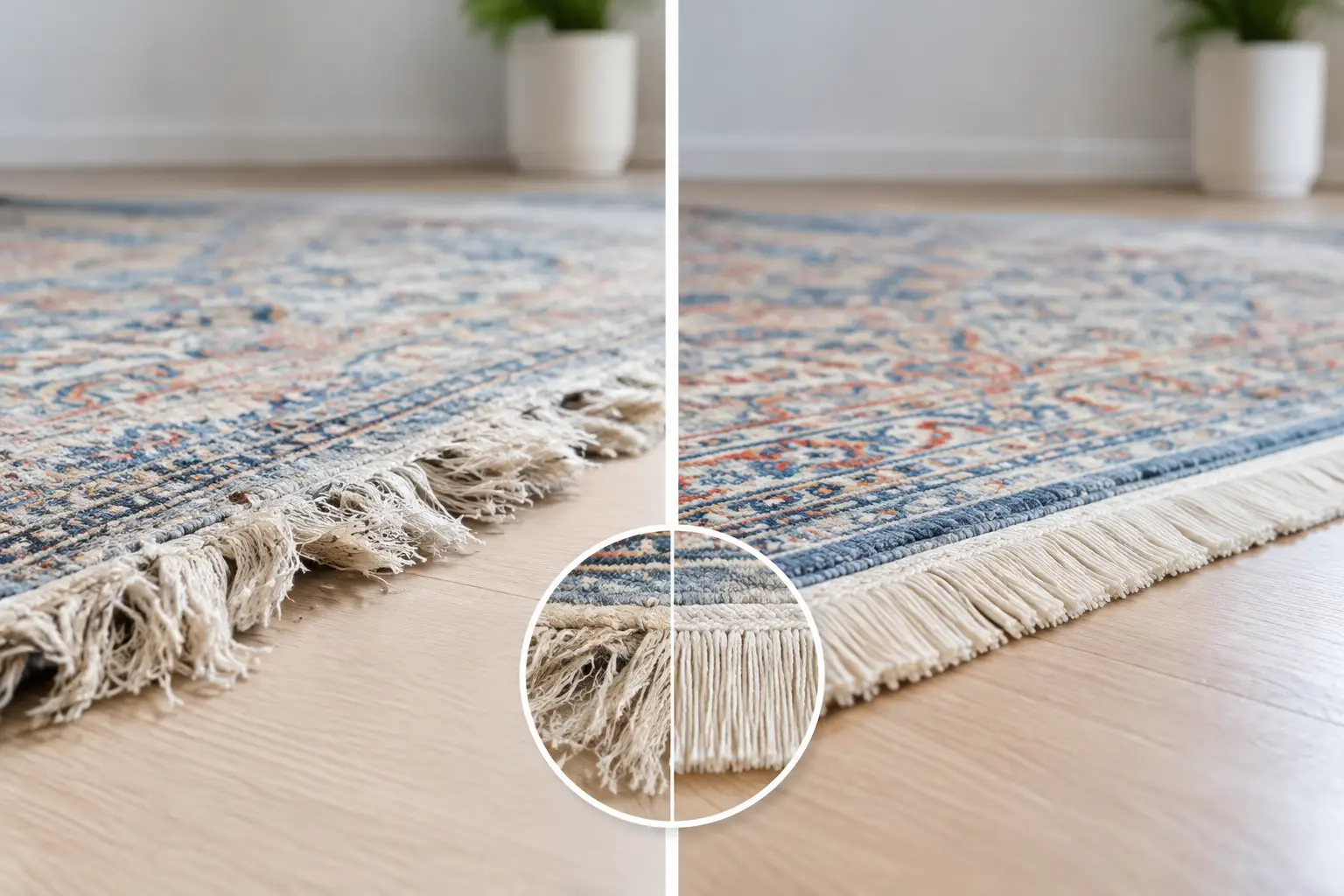
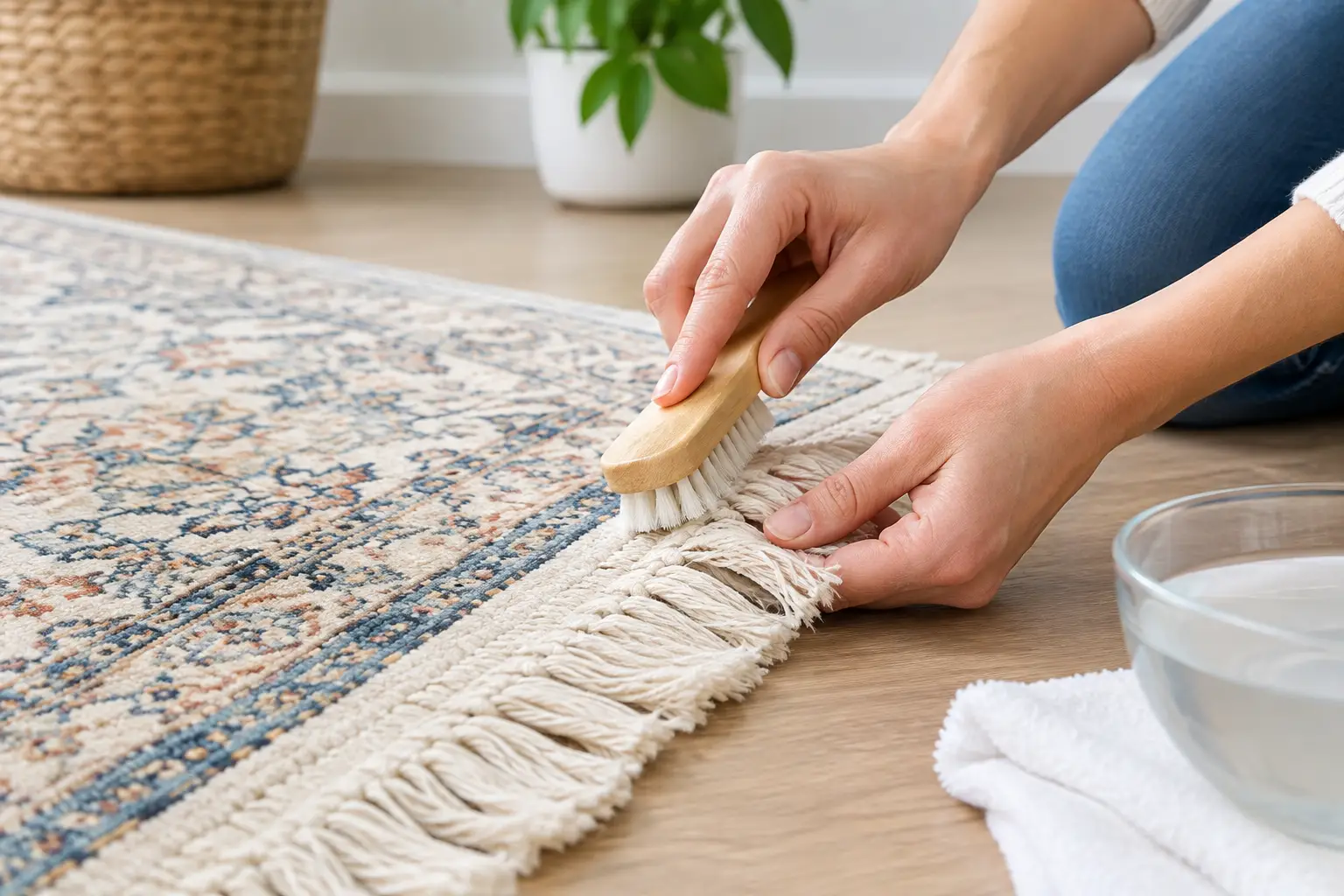
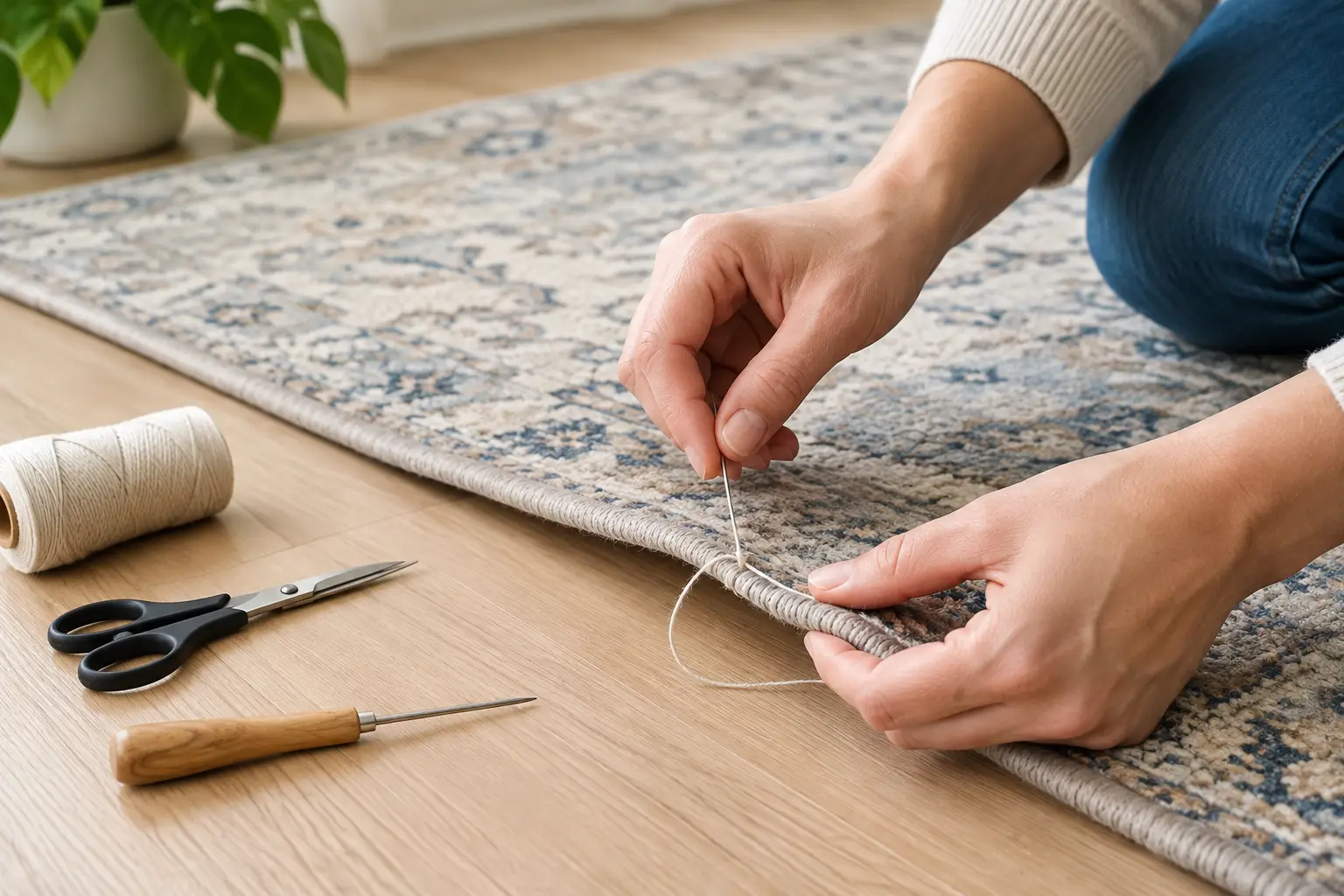
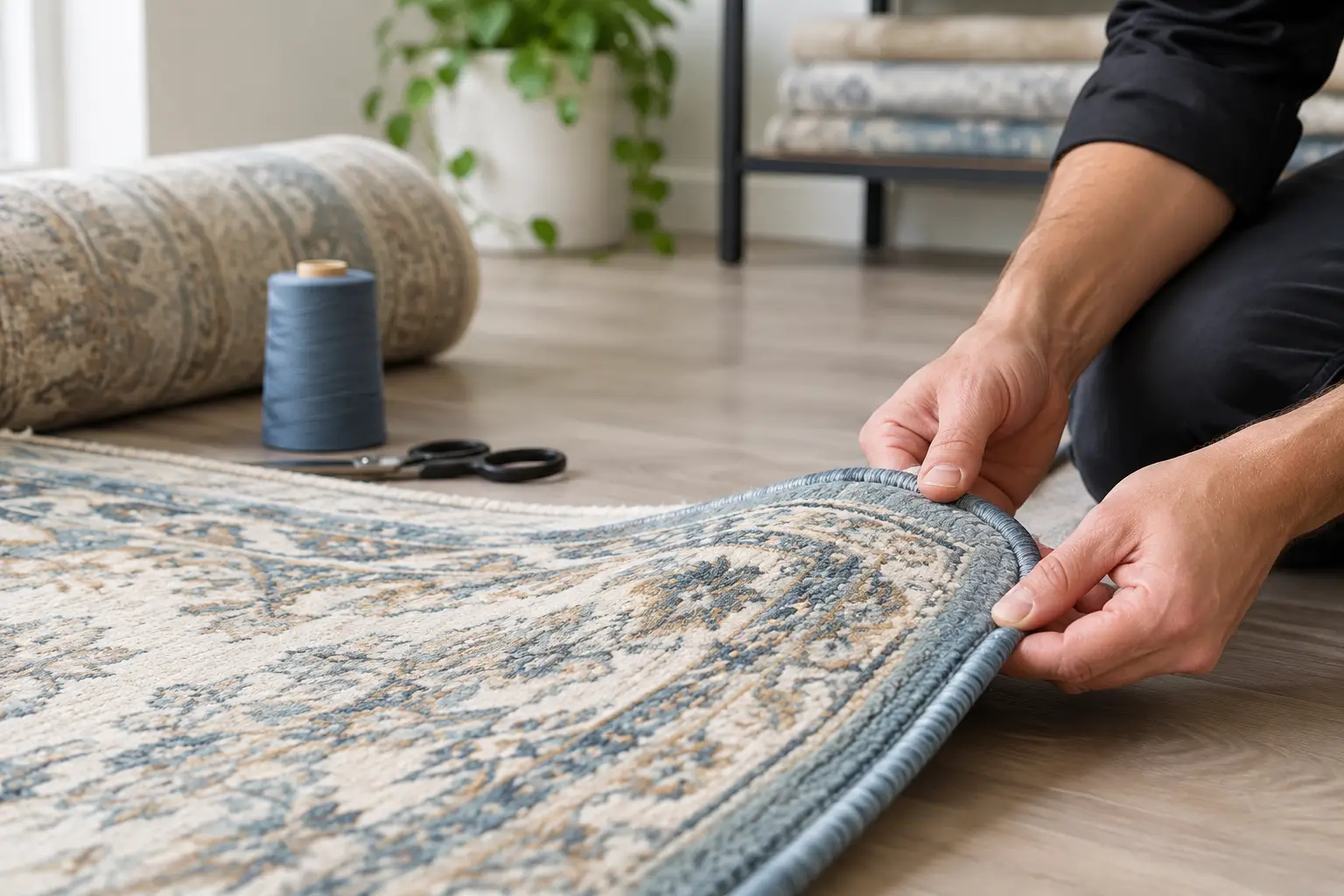
Fringe deserves special care. On many handmade rugs, fringe is part of the structural foundation, not a decorative trim. Pulling, brushing, or treating fringe with harsh chemicals can weaken it. Worn edges, loose binding, holes, and unraveling should be evaluated before washing so the cleaning process does not place stress on already vulnerable areas.
Color is another important factor. Natural and vegetable dyes can be beautiful and stable, but some older or improperly dyed rugs may bleed when wet. Dye testing and controlled washing make a major difference when preserving the design and value of the rug.
How Often Should a Wool Rug Be Washed?
There is no single schedule for every home. In a low-traffic room with no pets, a wool rug may only need professional washing every few years. A rug in an active family room, dining area, entryway, or pet household may need attention more often.
Look beyond visible stains. A dull appearance, persistent odor, a gritty feel underfoot, flattened pile, or a rug that seems to get dirty quickly after vacuuming can all point to embedded soil or cleaning residue. Regular vacuuming, rotating the rug periodically, using a quality custom-fit rug pad, and addressing spills promptly will extend the time between full washings.
Choosing Care That Protects the Rug
Before approving any cleaning, ask how the rug will be inspected, whether dyes will be tested, how dry soil will be removed, and how the rug will be dried. Be cautious of a one-method approach for every rug. Fine textiles need a cleaning plan based on their individual fibers, construction, condition, and history.
At 1st Impressions Oriental and Area Rug Cleaning, careful in-studio washing, repair evaluation, pet odor treatment, protective padding, and pickup and delivery are designed around that principle: preserve the rug while restoring a clean, comfortable result.
A wool rug is meant to be lived with, not hidden away for fear of a spill. Give it routine care at home, and when deeper washing is needed, choose treatment that respects the fibers, colors, foundation, and craftsmanship that make it worth keeping.