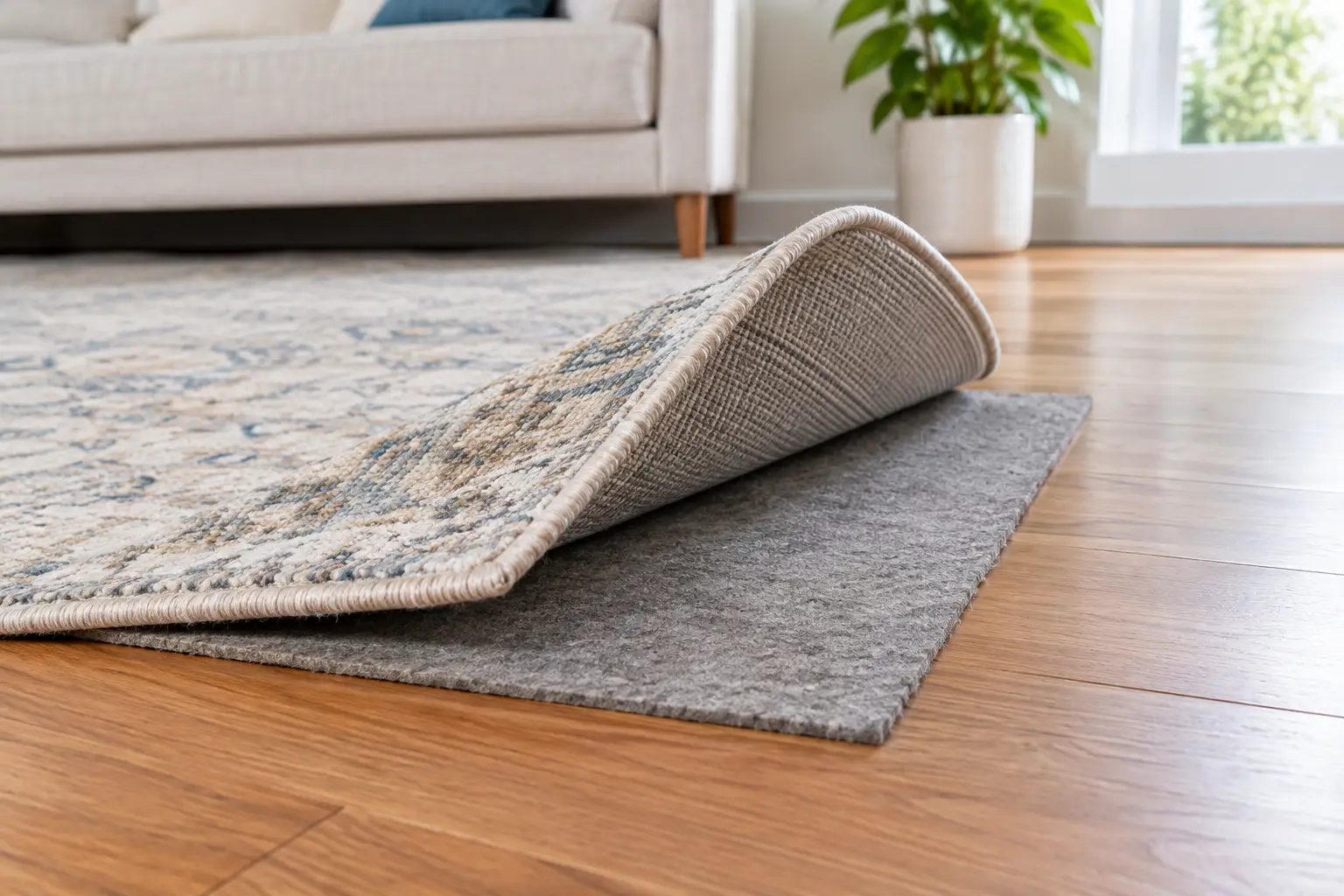
A beautiful area rug should soften a room, not leave a permanent outline on the floor beneath it. Finding the best rug pads hardwood floors can safely support means looking beyond thickness and price. The wrong pad can trap moisture, discolor a finish, leave behind a gummy residue, or allow a rug to shift underfoot. The right one helps preserve both the rug and the wood for years.
For homeowners in Orlando and throughout Central Florida, humidity adds another consideration. Floors and textiles are exposed to more moisture in the air than they may be in drier climates. A rug pad needs to provide grip and cushioning without sealing moisture against the hardwood.
What Hardwood Floors Need From a Rug Pad
A pad has two jobs: it keeps the rug stable and creates a protective buffer between the rug backing and the floor finish. Those functions matter whether the rug is a hand-knotted Oriental rug in a formal living room or a designer wool rug under a busy dining table.
Hardwood is especially vulnerable to abrasive grit, pressure marks, scratches, and moisture. Without padding, dirt that works its way under a rug can act like sandpaper as people walk across it. A pad reduces that friction while helping the rug lie flatter and wear more evenly.
For wood floors, look for a pad that is labeled safe for hardwood and made without adhesives, plasticizers, or coatings that can react with the finish. A quality pad should stay in place through normal use, but it should not stick to the floor.
Best Rug Pads for Hardwood Floors: Material Matters
Not every nonslip material is suitable for finished wood. The material against the floor is the first detail to check, especially if your floors are newly refinished, coated with polyurethane, or treated with a specialty finish.
Natural rubber and felt pads
For many homes, a felt-and-natural-rubber pad is the most dependable choice. Dense felt provides cushioning, insulation, and support for the rug fibers. Natural rubber on the floor side adds grip without relying on glue or potentially damaging vinyl compounds.
This style works particularly well under wool, silk-blend, hand-knotted, and other valuable rugs. It provides enough body to make a rug feel more substantial while limiting bunching and creeping. Under dining room rugs and hallway runners, the added grip is a meaningful safety feature.
Thickness depends on where the rug sits. A thinner pad is usually better under a dining table, where chairs need to move smoothly and remain level. A thicker felt pad can be comfortable in a bedroom or sitting area where cushioning matters more.
Dense felt pads without rubber
A 100 percent felt pad is often a good option for a large, heavy rug that already stays put on its own. It offers excellent protection from wear and helps absorb sound, but it does not provide the same level of slip resistance as a rubber-backed pad.
This can be appropriate beneath a very heavy rug anchored by furniture. It is less suitable for small accent rugs, runners, or rugs in active areas where people may step on an edge and cause it to slide.
Natural rubber waffle pads
Thin natural rubber pads are useful when a rug needs grip but not extra height. They can work under low-profile rugs near doors, in kitchens, or beside a bed. Choose genuine natural rubber rather than a PVC or vinyl product marketed simply as “non-slip.”
Because these pads are thin, they do not offer much cushioning or protection from furniture pressure. They are best viewed as a low-clearance stability solution, not a full support system for an heirloom rug.
Materials to Avoid on Wood Finishes
The lowest-priced rug pad is not always a bargain. Some open-grid pads contain PVC, vinyl, plasticizers, adhesives, or latex blends that can discolor wood finishes over time. The risk increases when heat, sunlight, moisture, and weight are involved.
Avoid pads that feel sticky, have a strong chemical odor, or leave residue on your hand when handled. Also be cautious with bargain foam pads and recycled materials when the manufacturer does not clearly state that the product is safe for hardwood floors.
A pad marked “non-slip” is not automatically safe for every flooring finish. If you have a newer floor, a custom stain, oil-finished wood, or a manufacturer warranty to protect, confirm compatibility with the flooring installer or finish manufacturer before placing the pad.
Size Is a Protection Detail, Not a Minor Detail
A rug pad should usually be cut about one inch smaller than the rug on all sides. That means a pad for an 8-by-10 rug is typically about 7 feet 10 inches by 9 feet 10 inches. Keeping the pad just inside the rug edge prevents it from showing and reduces the chance of someone catching a toe on it.
Do not use several small pads beneath one large rug unless there is no alternative. Gaps between pieces can create uneven support, and overlapping pads can form ridges. A single custom-fit pad gives the rug a more even foundation.
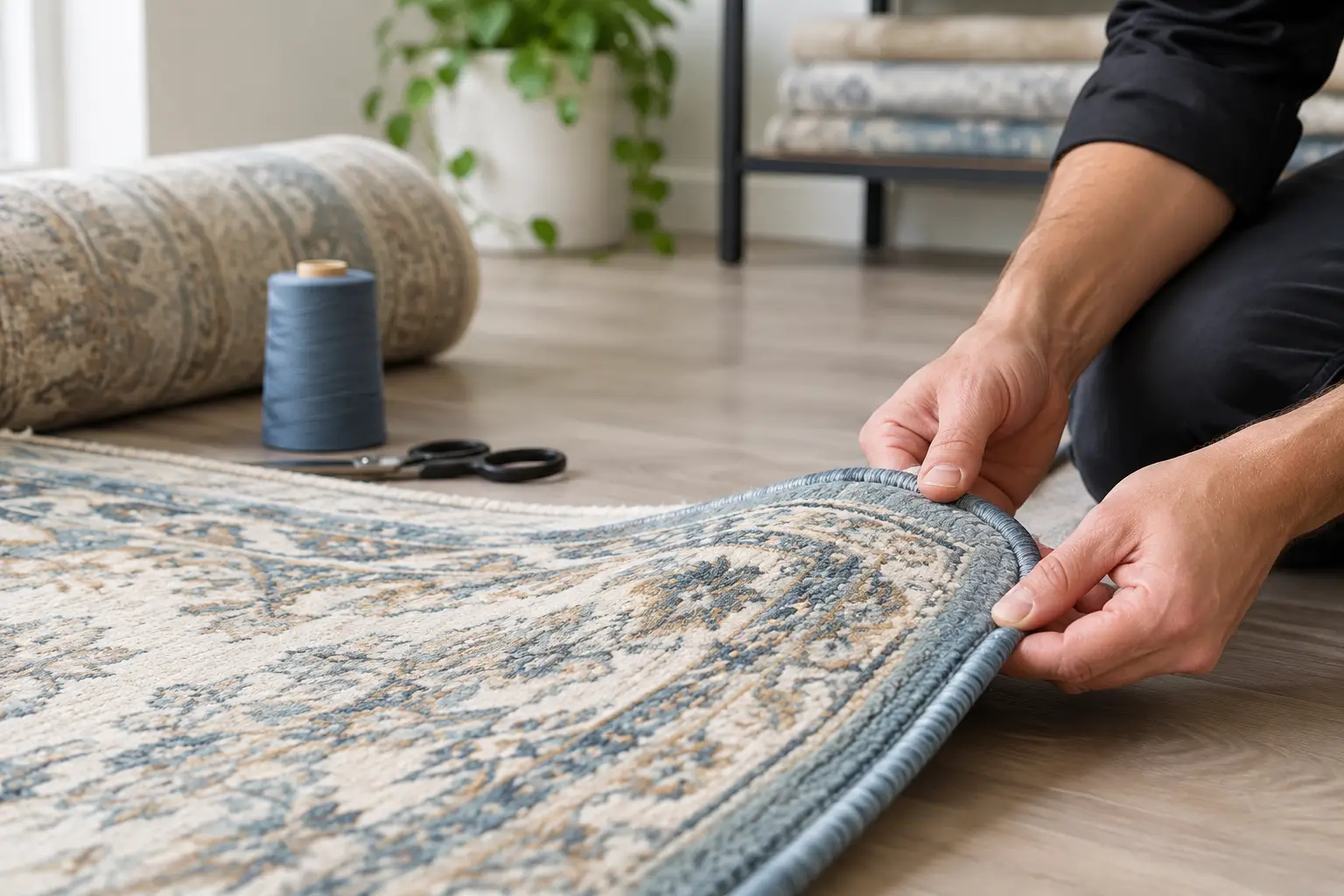
Shape matters, too. Round, oval, runner, and irregularly shaped rugs need pads trimmed to match their contours. A properly fitted pad supports the entire rug rather than leaving corners and edges vulnerable to curling.
Match the Pad to the Room and the Rug
The best choice depends on how the room is used. A hand-knotted wool rug in a quiet living room has different needs than a washable kitchen rug or a runner used by children and pets.
For entryways, hallways, and stairs, prioritize grip. These are high-traffic locations where a shifting rug becomes a fall hazard. For living rooms and bedrooms, dense felt with natural rubber often provides the best balance of comfort, floor protection, and stability.
Under a dining table, choose a firm, lower-profile pad. Thick padding can make chairs wobble or catch as they are pulled back. Under a coffee table, a thicker pad may be welcome because it helps the rug recover from foot traffic and makes the seating area feel more comfortable.
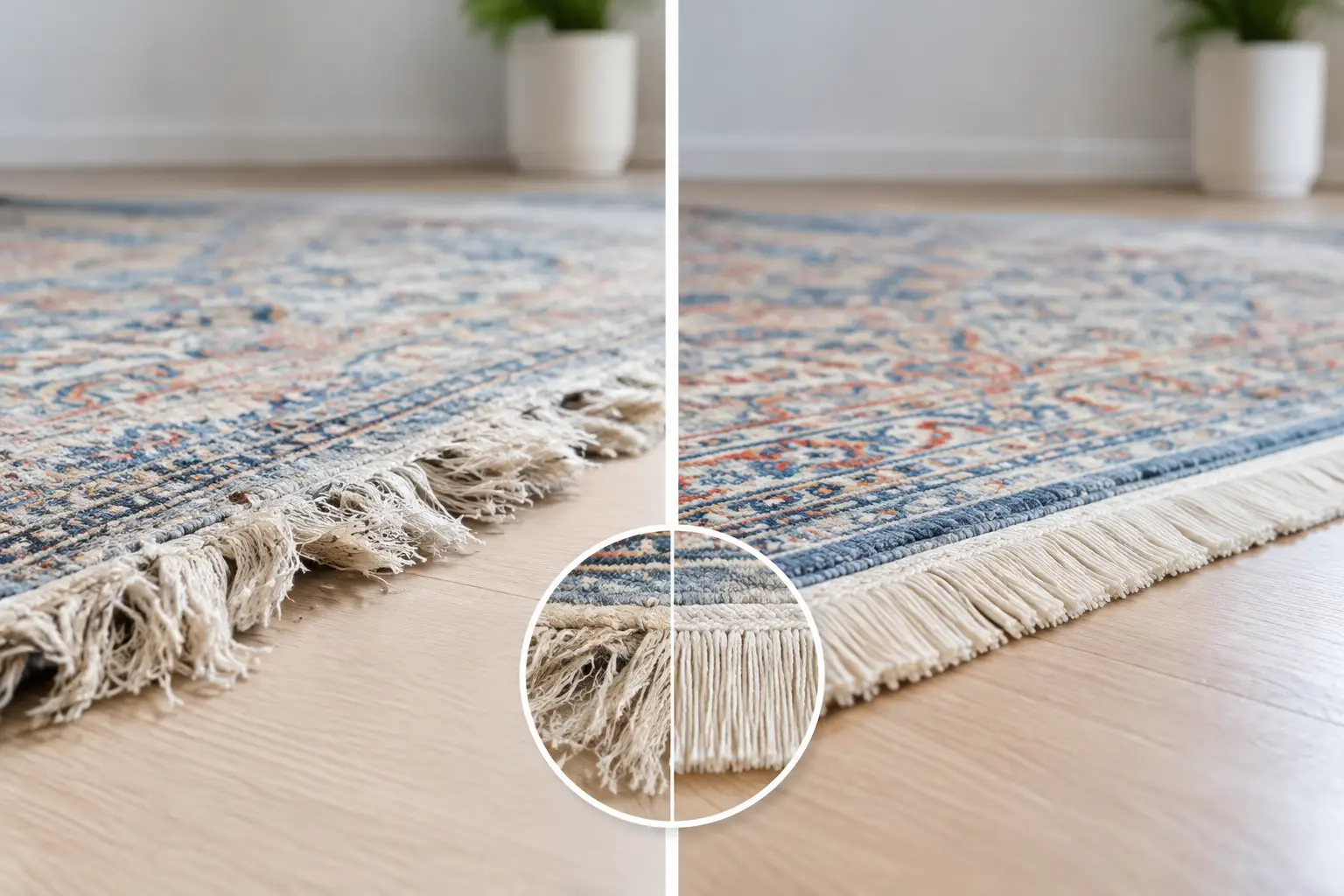
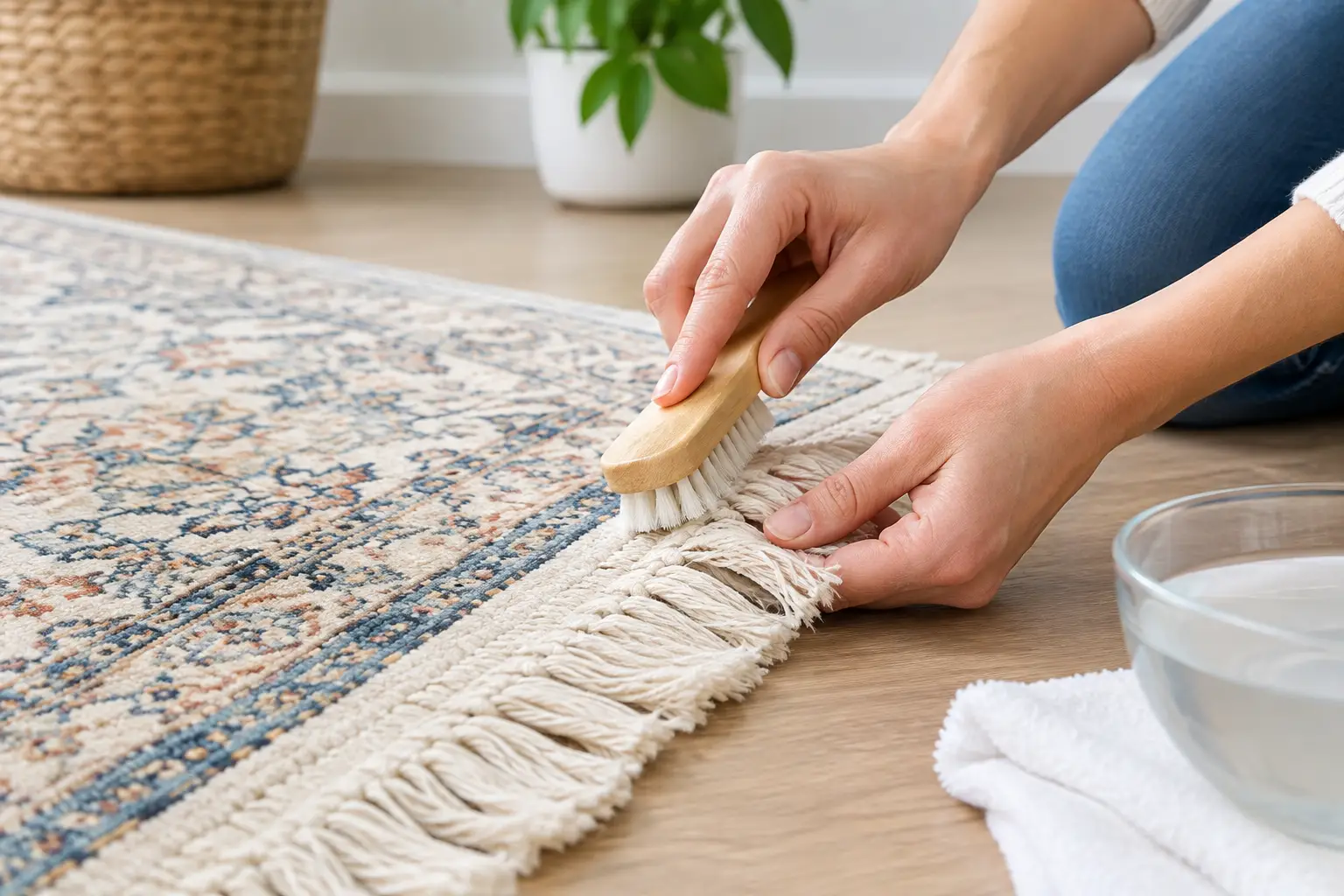
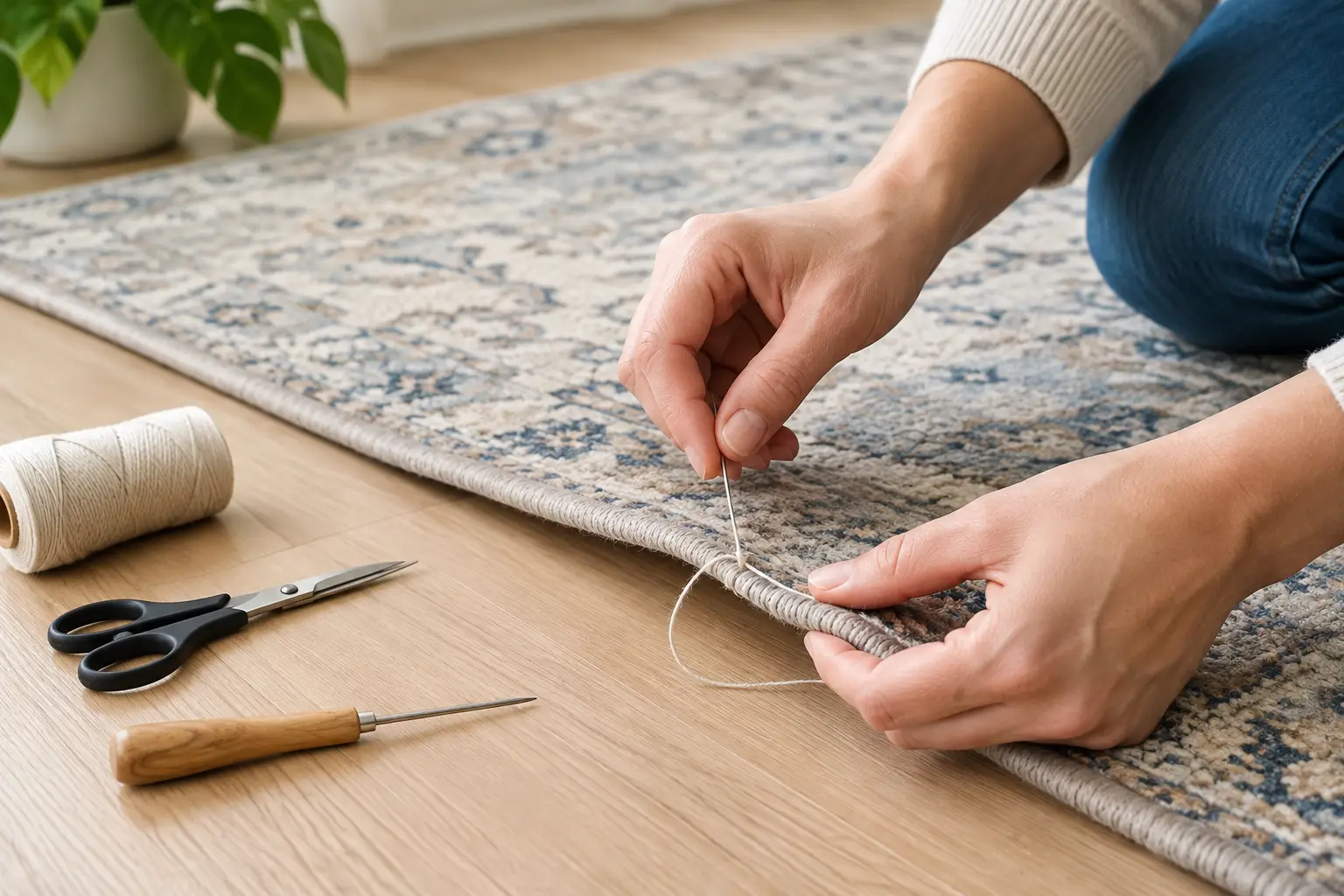
If a rug has a delicate backing, weak fringe, or signs of dry rot, inspect its condition before adding a pad. Padding can reduce wear, but it cannot correct existing structural damage. Repairing loose edges or weakened foundation fibers first helps prevent a small issue from spreading.
Florida Humidity, Pets, and Moisture Checks
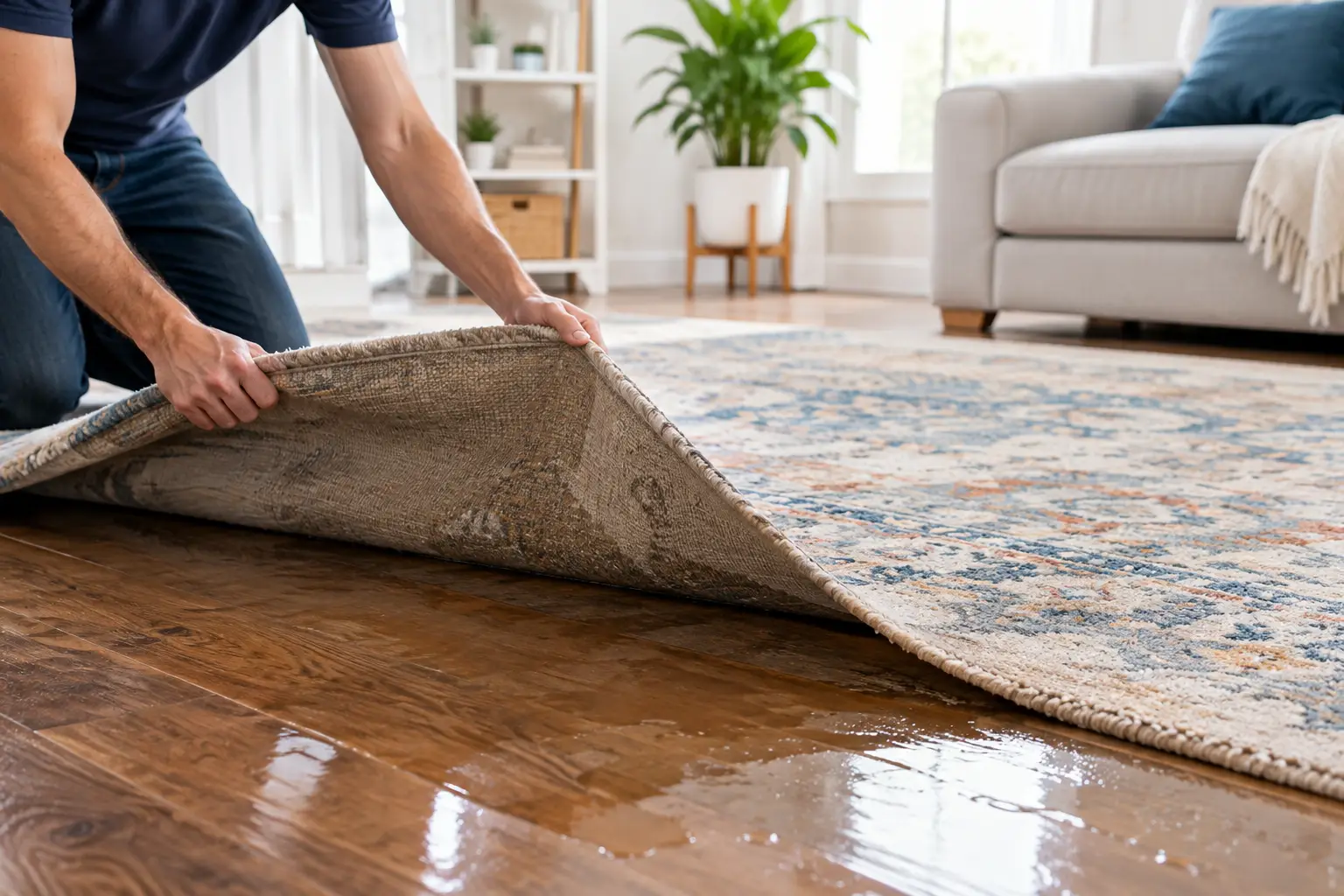
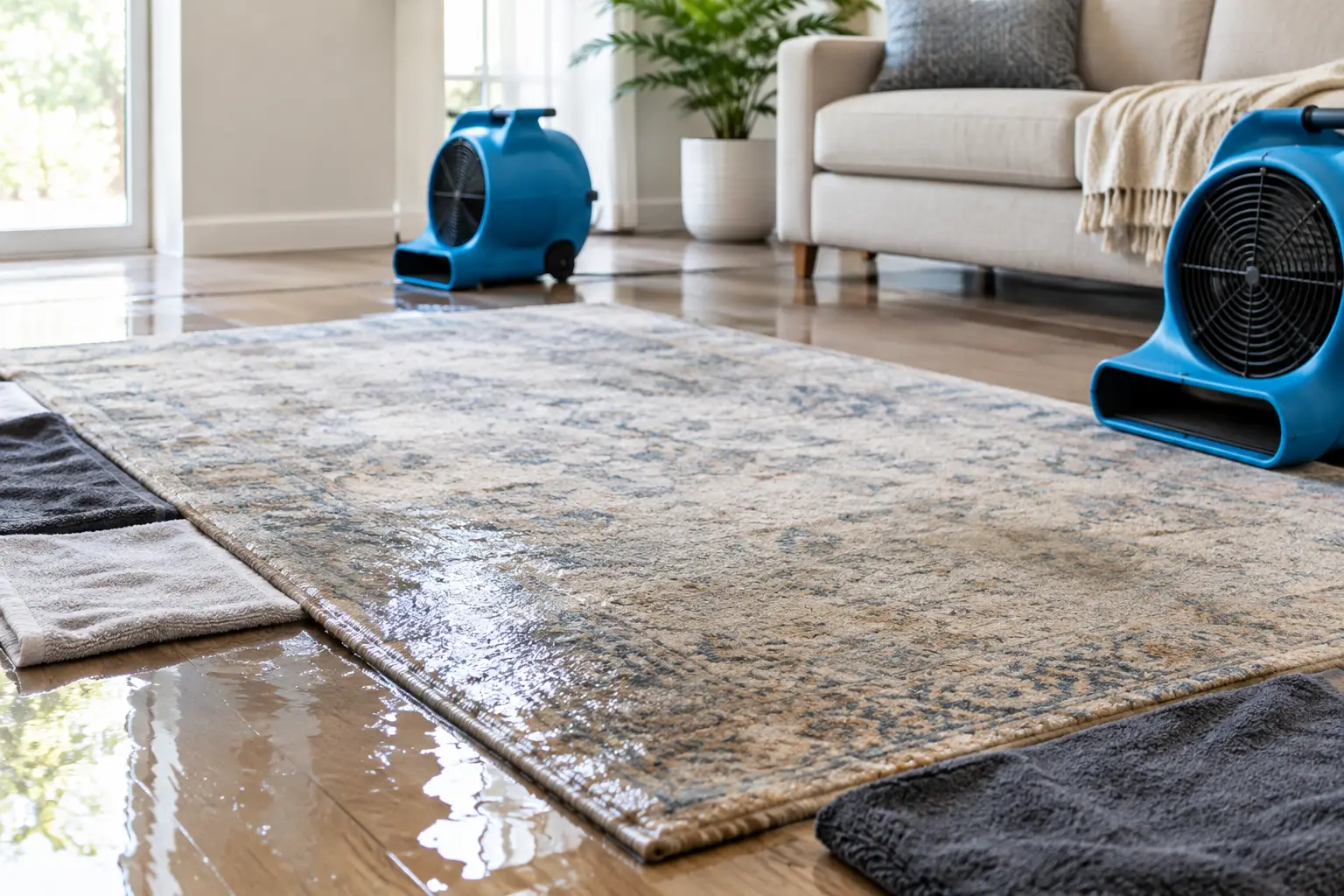
In Central Florida, moisture management deserves regular attention. Spills, wet shoes, pet accidents, and even consistently humid conditions can affect what happens beneath a rug. A pad should allow reasonable airflow, but no pad can compensate for moisture that remains unnoticed.
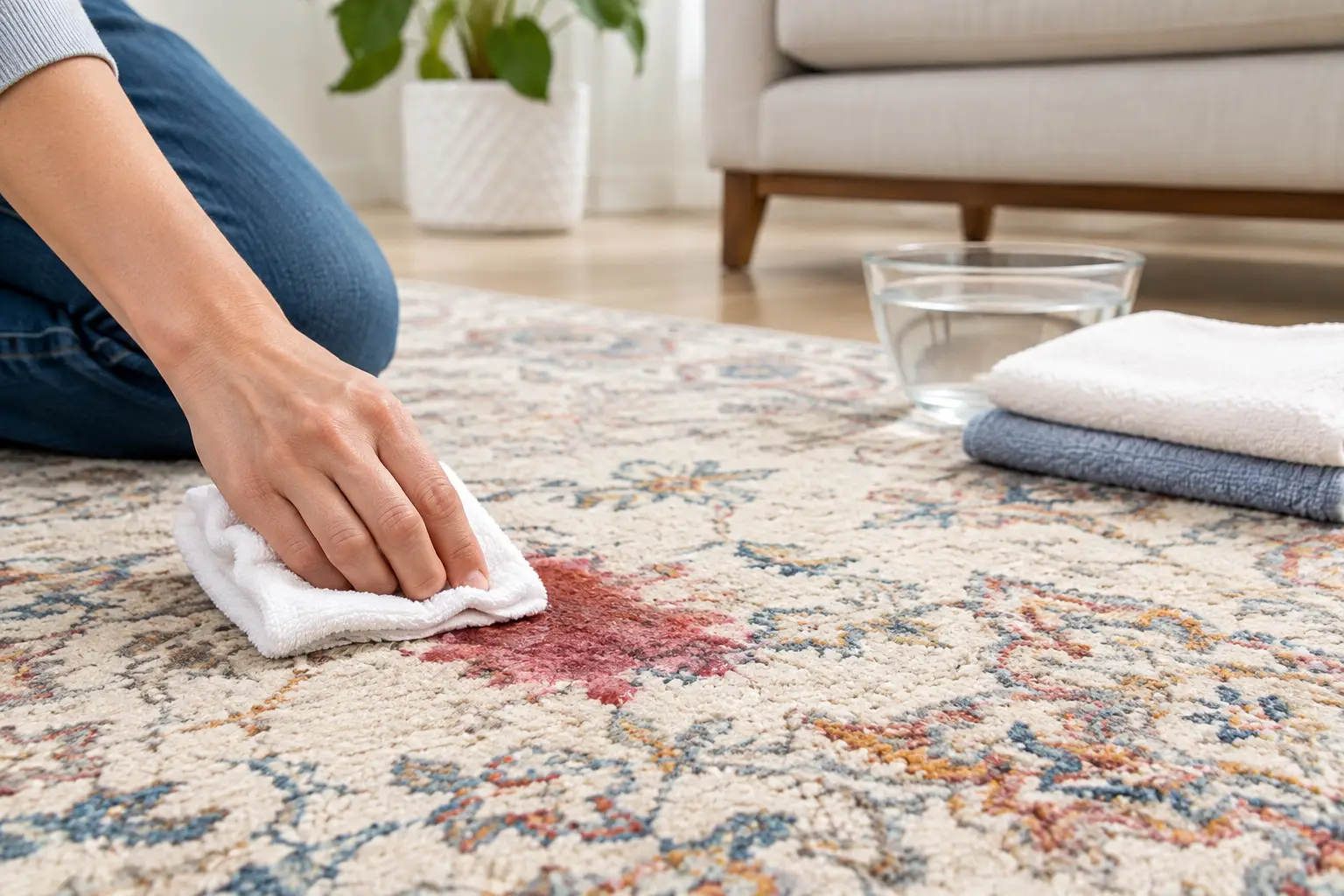
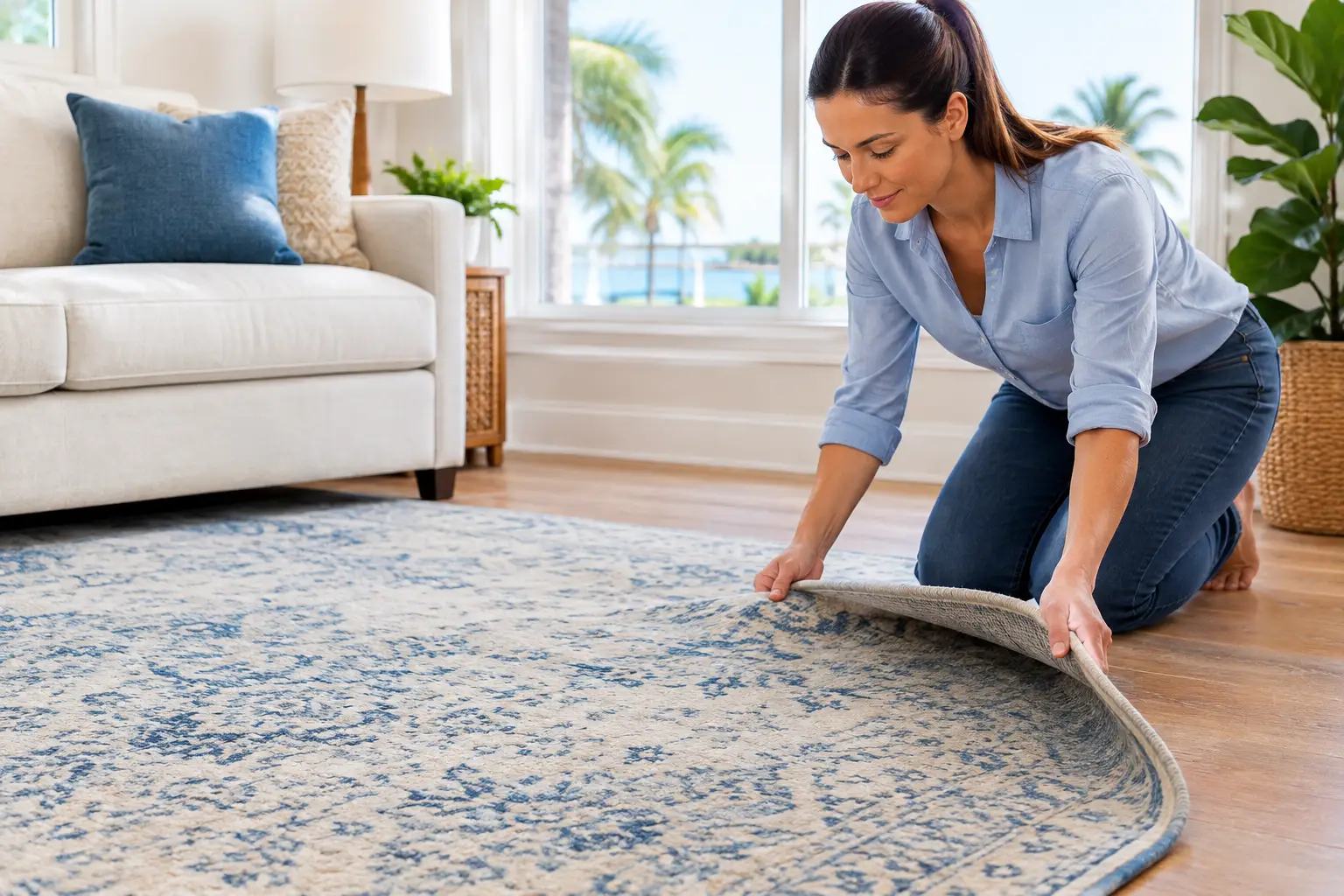
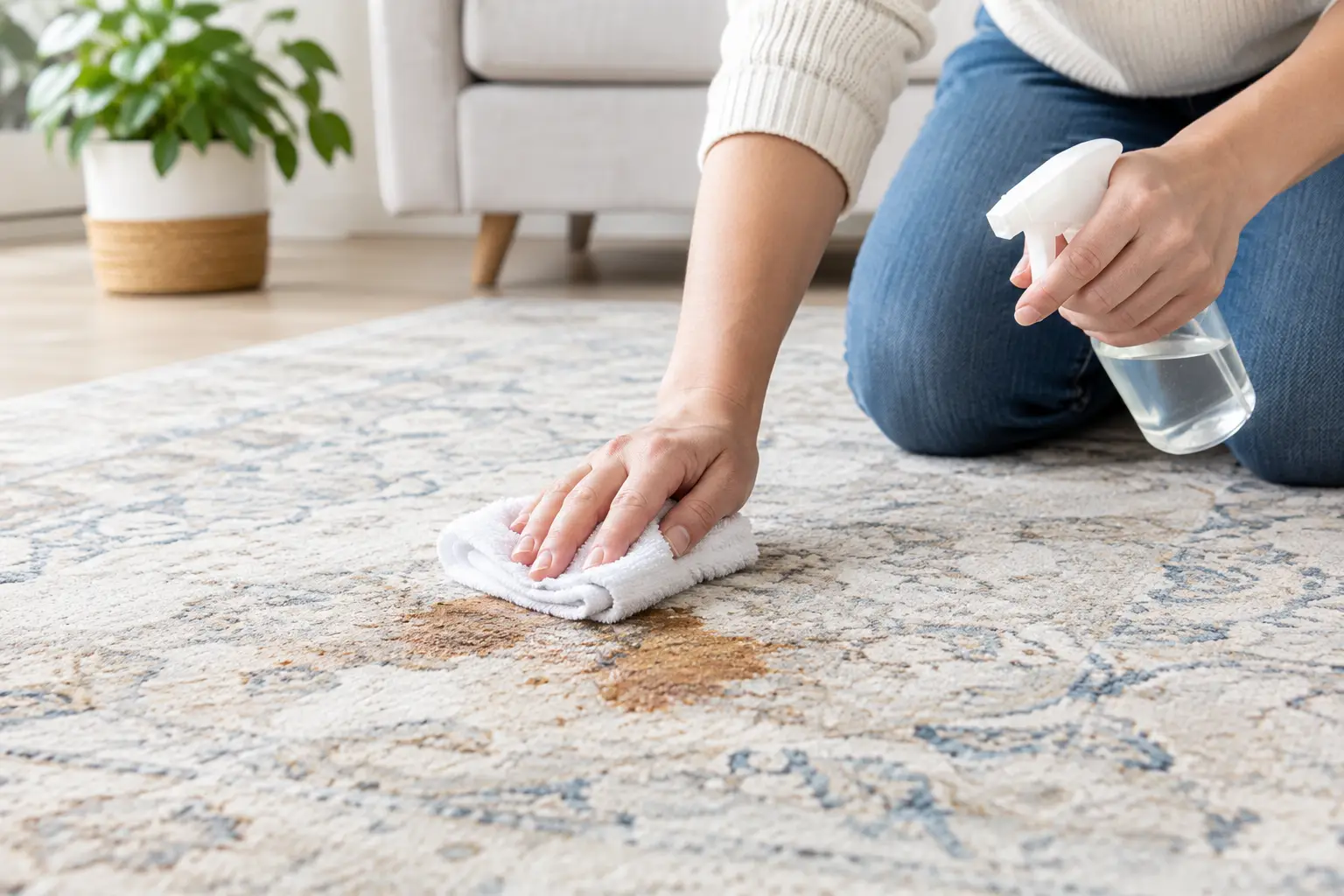
Lift the rug and pad periodically, especially near exterior doors, kitchens, pet areas, and windows. Check for dampness, a musty odor, color transfer, residue, or changes in the wood finish. If a pet accident reaches the rug, address it quickly. Urine can travel through rug fibers and padding, reaching both the floor and the underside of the textile.
Surface spot cleaning may make the top look better while leaving contamination in the foundation and pad. When odor persists or a valuable rug has been saturated, professional washing and decontamination are often safer than adding fragrance or harsh chemicals.
A Simple Installation Check
Before putting furniture back in place, make sure the rug lies flat and the pad is fully hidden. Walk across the rug from several directions. It should feel secure, with no ripples, lifted edges, or movement under your feet.
Then inspect it again after a week or two. If the rug is creeping, curling, or showing pressure lines, the pad may be too thin, too small, or not suited to that location. Repositioning early can prevent wear patterns on the rug and marks on the floor.
For valuable Oriental rugs, designer pieces, or rugs with repair concerns, a custom-fit rug pad is usually worth the added care. At 1st Impressions Oriental and Area Rug Cleaning, proper padding is considered part of long-term rug preservation, alongside skilled washing, repair, and protective care.
Your hardwood floors do not need to be hidden to be protected. Choose a pad made for the finish beneath it, check beneath rugs regularly, and give a treasured rug the stable foundation it deserves.