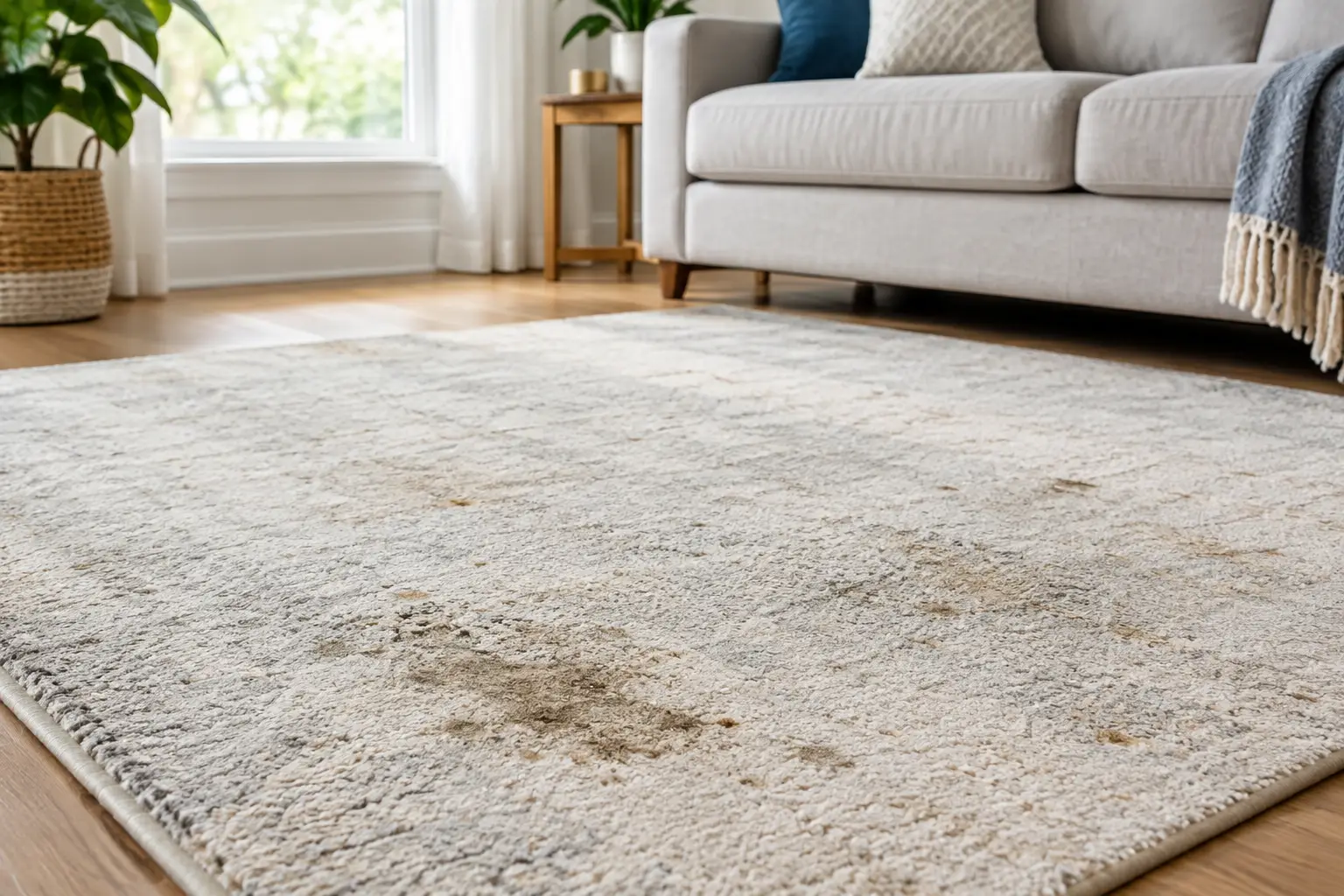
A rug can look clean at the surface while holding pounds of dry soil, pet contamination, and detergent residue deep in its foundation. That is why the choice between rug shampoo versus rug bath matters, especially for Oriental rugs, wool rugs, designer area rugs, and pieces with sentimental or financial value.
Shampooing can be useful in the right situation, but it is not the same service as a controlled, water-based rug bath. The better option depends on the rug’s construction, fiber type, condition, color stability, and what has gotten into it. A careful assessment should come before any cleaning method.
Rug Shampoo Versus Rug Bath: The Main Difference
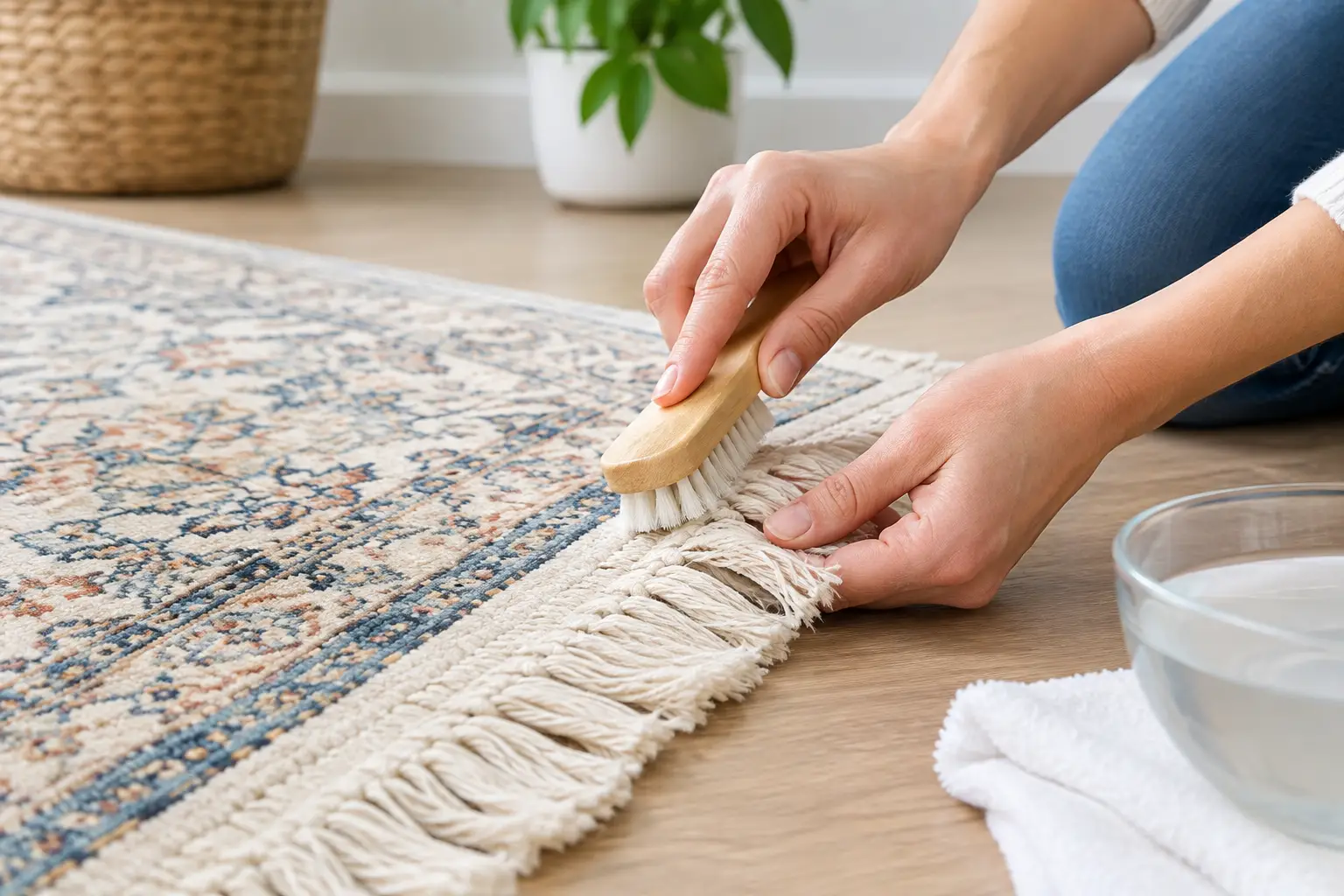
Rug shampooing generally refers to applying a cleaning solution to the face fibers, agitating it, and then extracting or vacuuming away the soil. This may be performed in the home or at a cleaning facility. For a lightly soiled, synthetic area rug, shampooing can improve appearance and remove surface dirt when it is followed by thorough rinsing and drying.
A rug bath is a more complete cleaning process performed in a controlled rug-cleaning setting. The rug is inspected, dry soil is removed, colors are tested, and the rug is washed with appropriate solutions and a carefully managed amount of water. It is then rinsed, groomed, and dried under conditions intended to prevent lingering moisture and odor.
The difference is not simply how much water is used. It is whether contaminants are actually removed from the rug's fibers and foundation, rather than being loosened and left behind.
Why Surface Shampooing Has Limits
A rug has more than the fibers you see. Fine handmade rugs often have a pile, warp and weft foundation, fringe, backing or secondary materials, and edge bindings. Soil settles below the pile with normal foot traffic. Pet urine can travel even farther, soaking through the face yarns into the foundation and sometimes into the rug pad or flooring below.
Shampooing focuses primarily on the surface. When soil is moderate and the rug is structurally sound, that may be enough for a temporary refresh. But shampoo alone may not solve a deep odor, sticky residue, dull color, or a rug that feels gritty after cleaning.
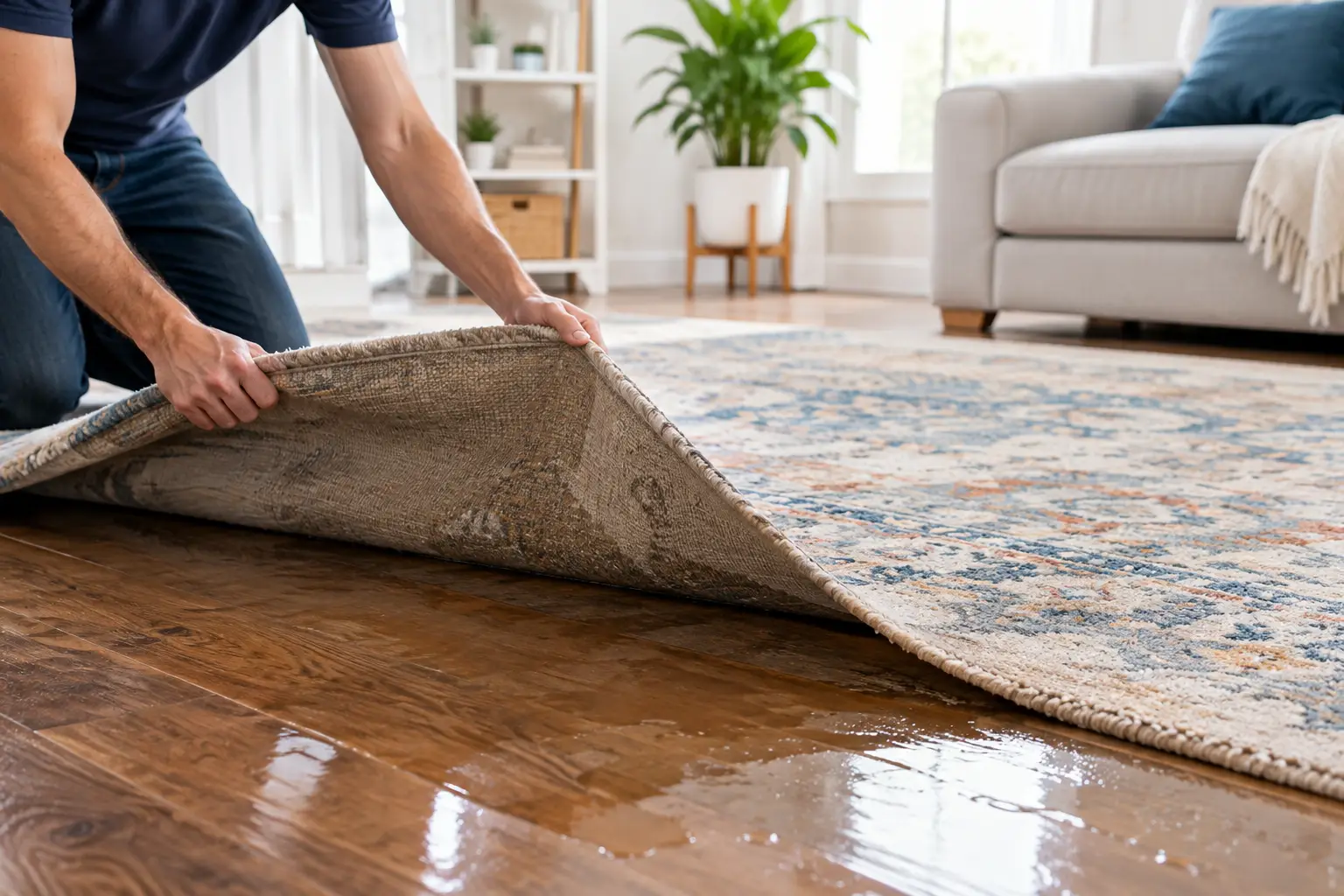
Detergent residue is another concern. If cleaning products are not fully rinsed away, they can attract new soil and make the rug feel stiff. Excess moisture can also become a problem if a rug is cleaned in place and does not dry quickly, particularly in Central Florida’s humid conditions. Odor, browning, dye movement, mold risk, and damage to wood flooring beneath the rug are all possible concerns when drying is incomplete.
This does not mean all in-home cleaning is harmful. Some rugs are not candidates for wet washing, and a lower-moisture maintenance method may be appropriate. The key is matching the process to the rug instead of treating every textile floor covering like wall-to-wall carpet.
What Happens During a Professional Rug Bath
A professional bath begins before water touches the rug. The cleaner should identify the fiber, construction, condition, color concerns, stains, odors, prior cleaning attempts, and needed repairs. Wool, silk, cotton, viscose, rayon, jute, polypropylene, and blended fibers all respond differently to moisture and cleaning agents.
For washable rugs, the process usually starts with thorough dry soil removal. This step is easy to overlook, yet it is essential. Dry particulate soil can act like sandpaper in a rug, wearing fibers down every time someone walks across it. Removing that embedded dust helps the washing stage work more effectively.
The rug is then treated according to its needs. Traffic lanes, food spills, and pet accidents may require targeted attention. A true bath allows the face fibers and foundation to be flushed, not just foam-cleaned at the surface. The rug is rinsed so cleaning solutions and suspended contaminants can be removed rather than left to dry inside the textile.
Controlled drying is equally important. A rug should be dried promptly and evenly, with attention to its fibers and construction. Once dry, it can be groomed and inspected for remaining spots, color concerns, fringe issues, or structural repairs that should be addressed before it returns home.
When a Rug Bath Is Usually the Better Choice
A full rug bath is often the stronger choice when a rug has heavy embedded soil, pet urine odor, repeated accidents, food and drink spills, smoke exposure, or years of accumulated dust. It is also commonly appropriate for wool Oriental rugs and many handmade area rugs that are designed to be washed, provided dye stability and condition have been checked first.
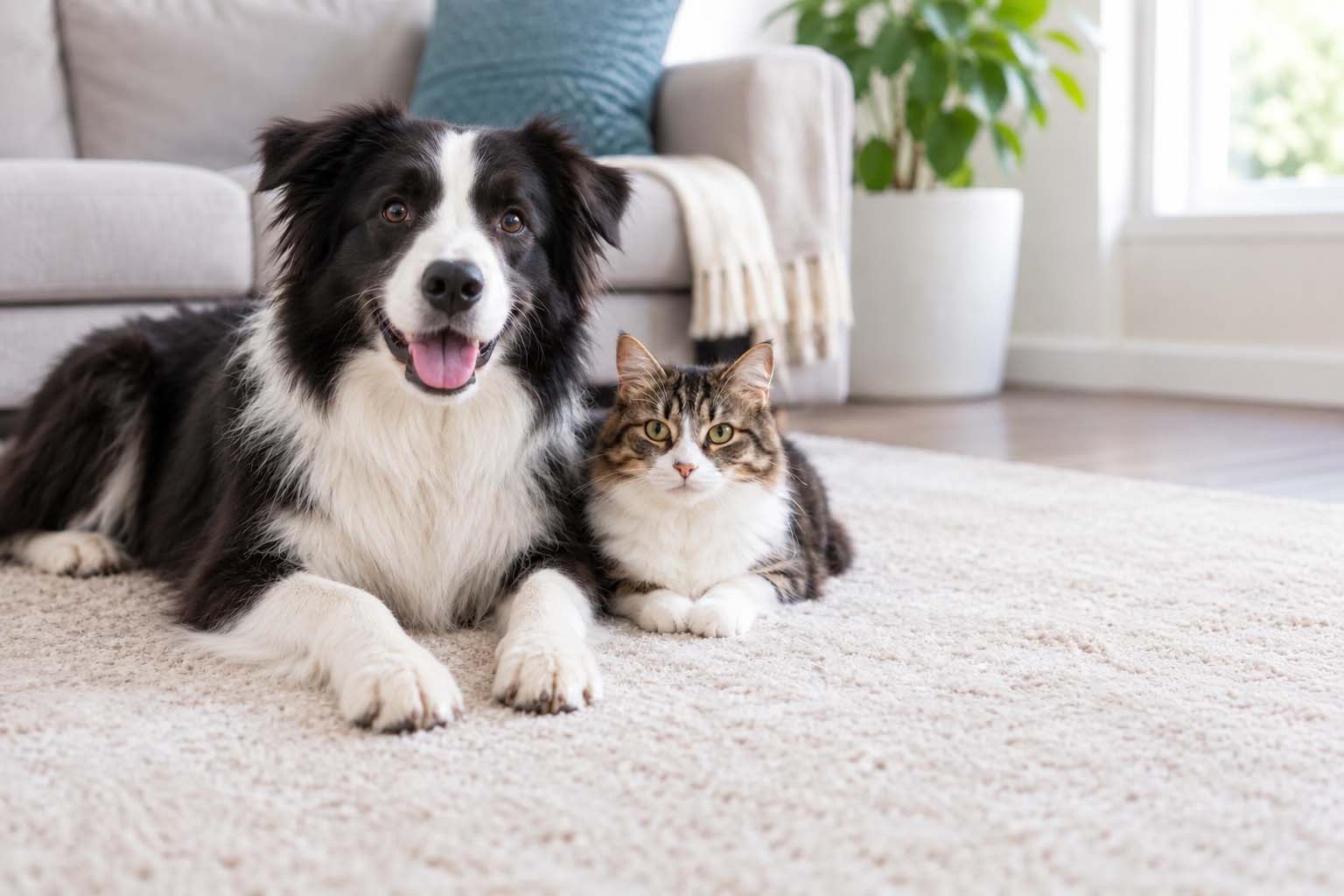
Pet contamination deserves special attention. Urine is not just a surface stain. As it dries, it leaves behind odor-causing residues that can reactivate in humidity. A face-fiber shampoo may make the rug smell better briefly, but it may not reach contamination in the foundation. Decontamination may require flushing, odor treatment, and inspection of the rug pad and floor below.
A bath is also valuable when a rug looks tired despite regular vacuuming. Dullness is frequently caused by compacted soil, oily residue, and flattened fibers. Proper washing and grooming can restore a more natural feel and appearance without relying on bleaching agents or harsh chemicals.
When Shampooing or Low-Moisture Care May Make Sense
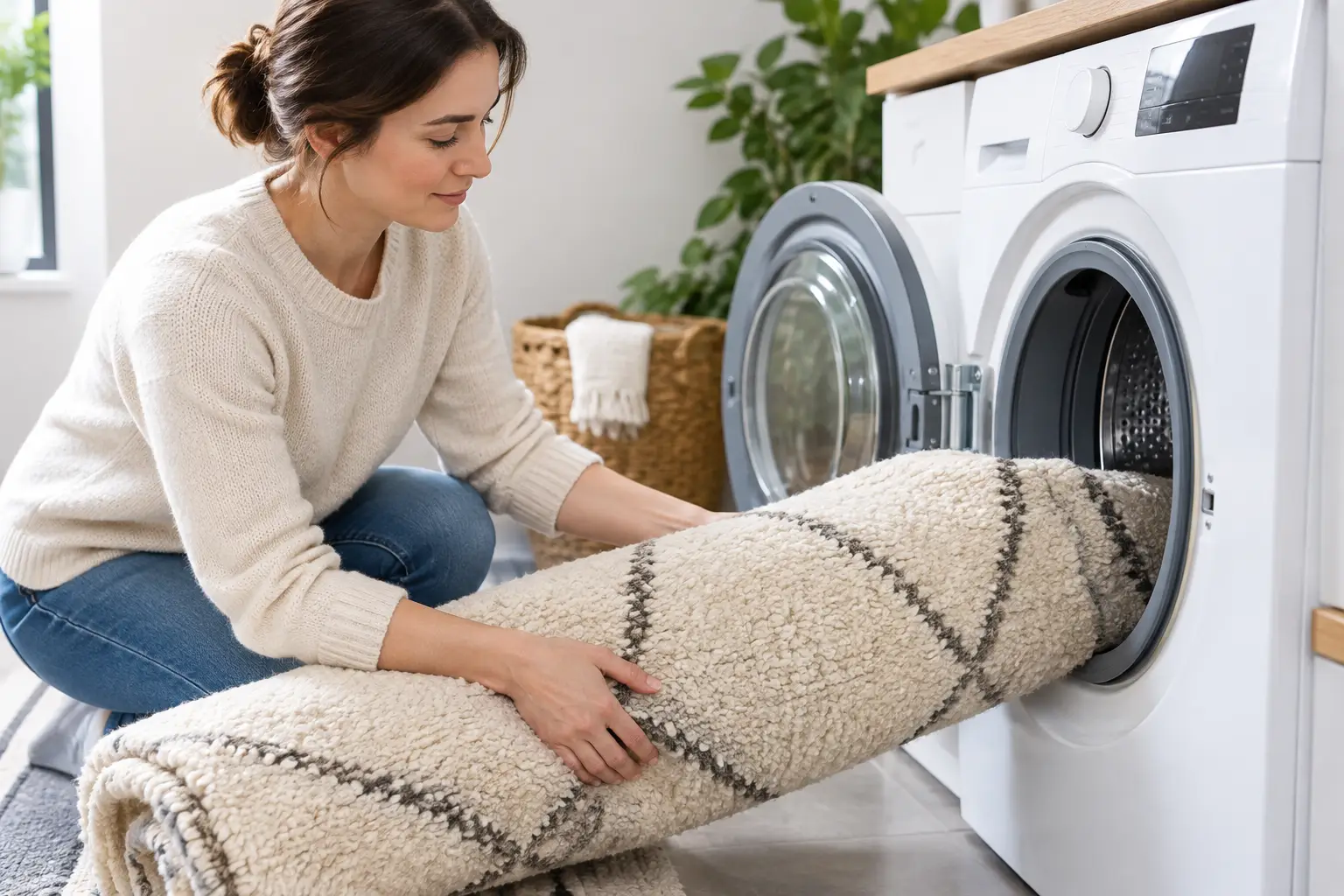
Not every rug should be immersed or aggressively wet cleaned. Certain viscose, rayon, jute, sisal, coir, and unstable-dye rugs can be damaged by improper washing. Some machine-made rugs have backings or adhesives that may weaken, separate, or distort with too much water. A rug with extensive dry rot, broken foundation yarns, or existing color bleed may need stabilization, repair, or a specialized cleaning plan rather than a standard bath.
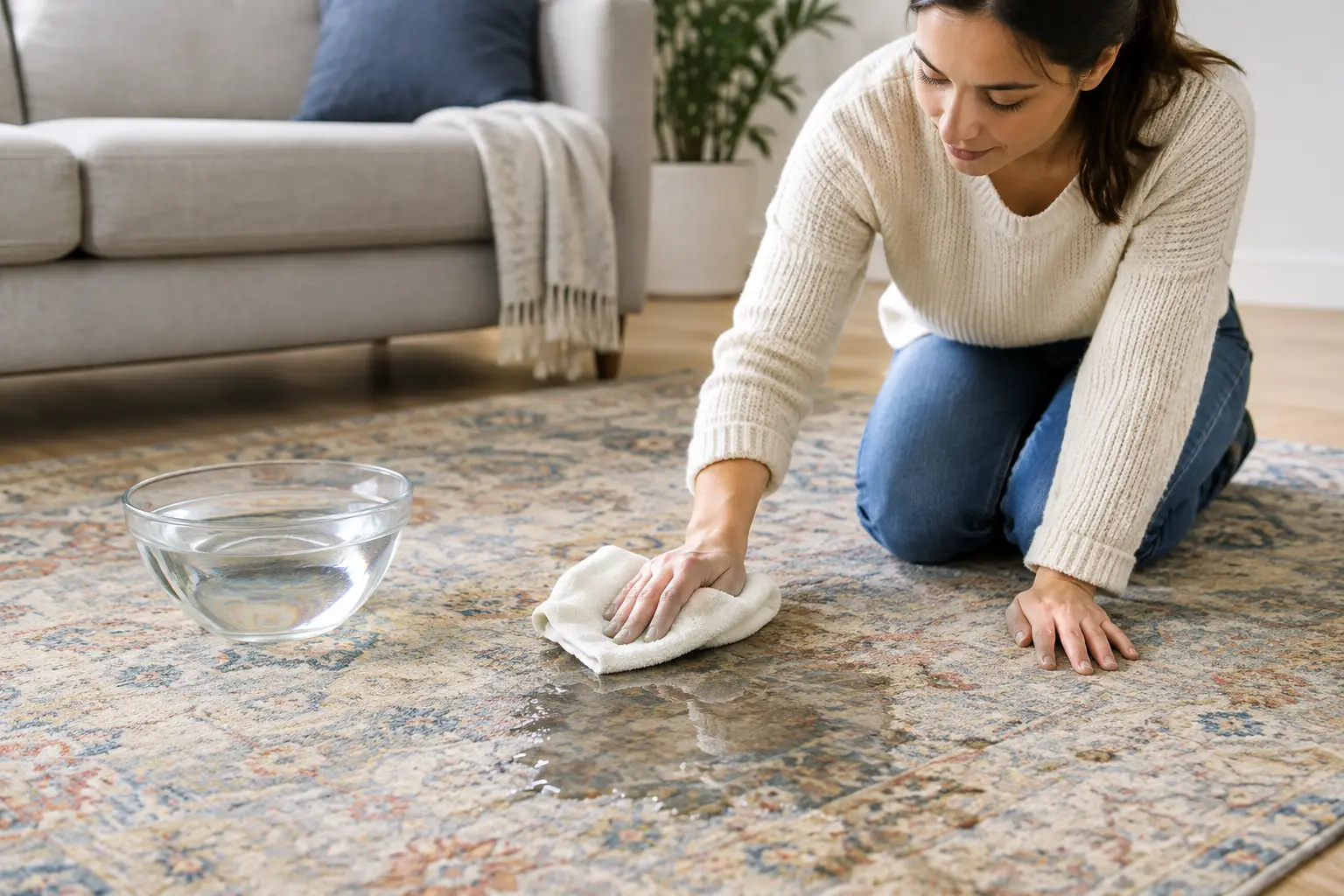
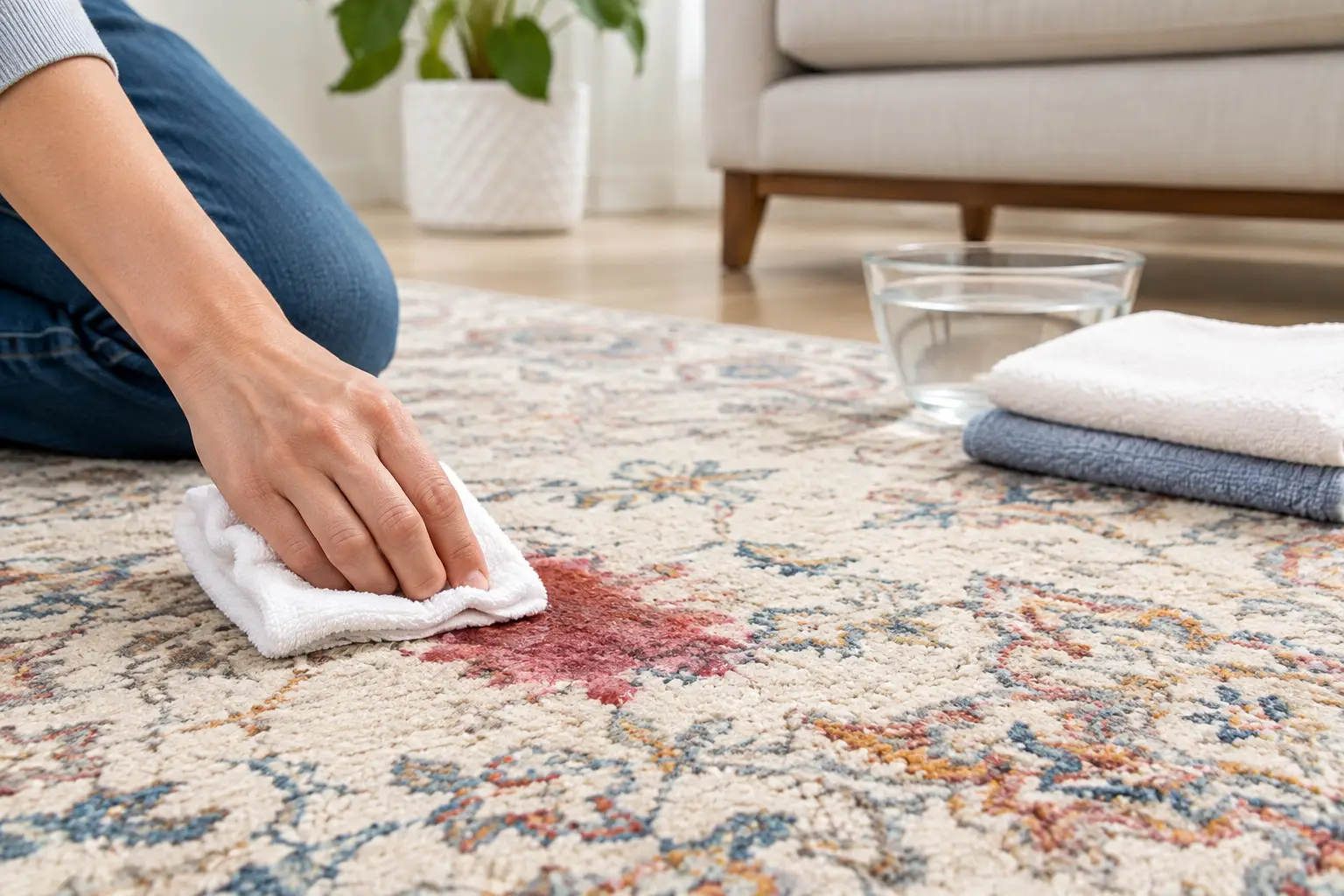
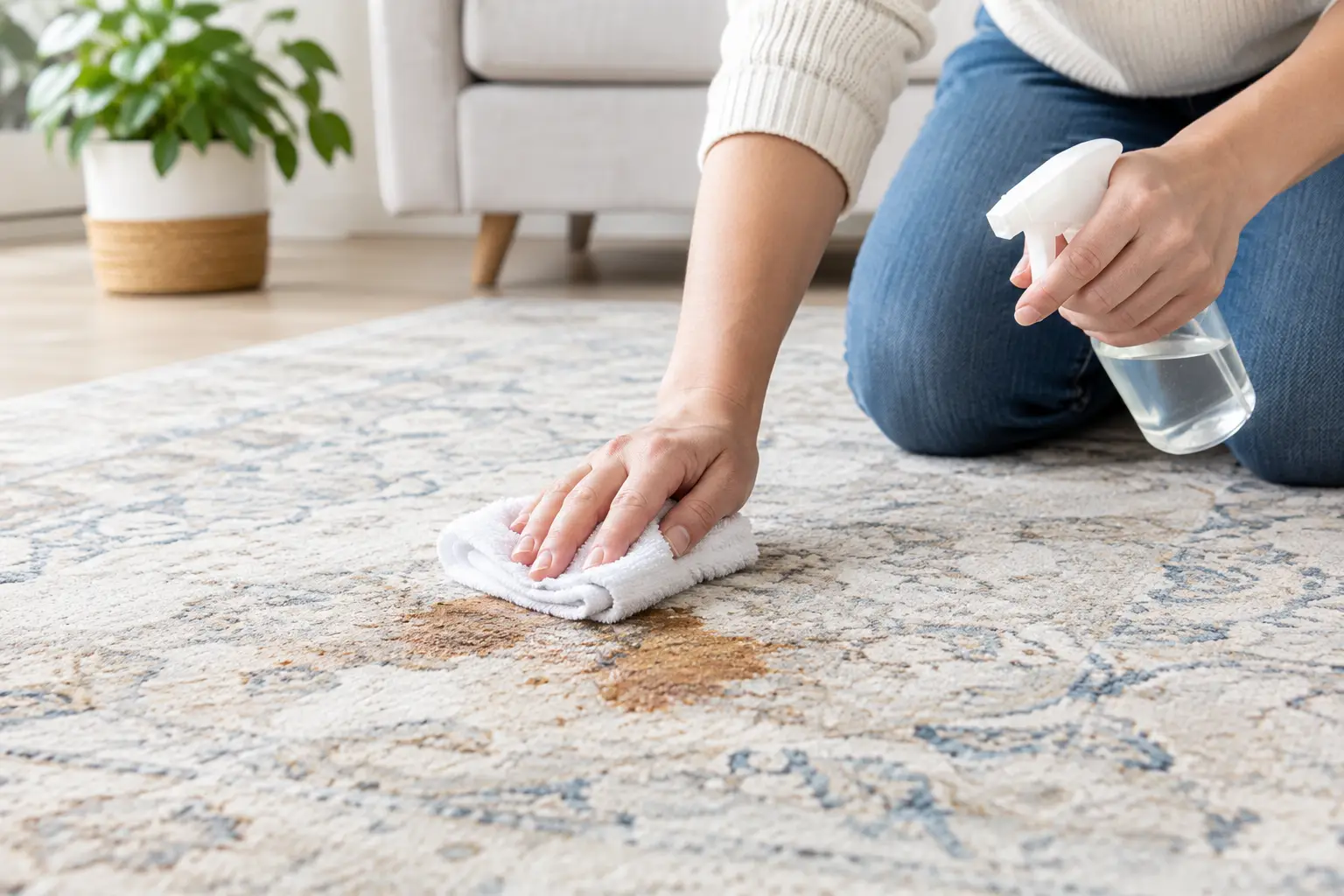
For a newer synthetic rug with light soil and no odor, shampooing or another carefully selected maintenance method may be reasonable. The same can be true when a rug cannot be removed immediately but needs attention after a small, fresh spill. In those cases, the goal is to prevent the stain from setting while arranging the right long-term care.
The important question is not, “Which method is cheapest today?” It is, “Which method is safest for this specific rug and the problem it has?” A low initial price is not a savings if the rug is left with residue, odor, distorted fibers, or color damage.
Questions to Ask Before Choosing a Cleaning Method
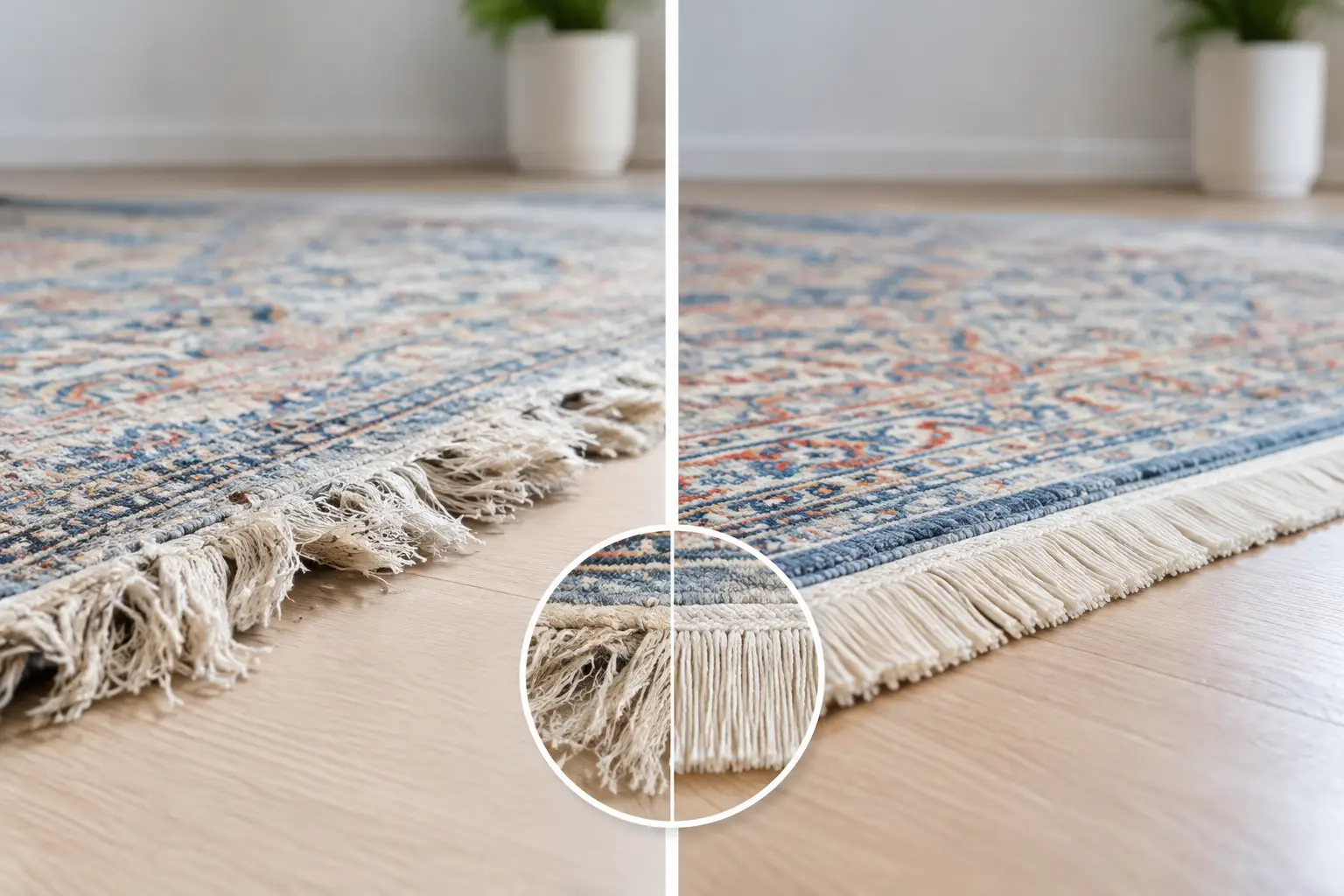
Before approving service, ask whether the cleaner inspects for fiber type and dye stability, removes dry soil before washing, and has a plan for complete drying. If there is pet odor, ask how the process addresses contamination below the surface. If your rug has fringe, loose edges, fading, or weak areas, ask whether repair or protective handling is available.
You should also ask whether the rug will be cleaned in your home or transported to a dedicated facility. In-home service may be convenient for some rugs, but pickup and delivery allow a valuable or heavily soiled rug to receive the deeper care, controlled rinsing, and drying it may need.
At 1st Impressions Oriental and Area Rug Cleaning, each rug is evaluated as an individual textile, not run through a one-size-fits-all process. That approach is especially helpful for homeowners in Orlando, Winter Park, Winter Garden, and nearby communities who need thoughtful care for fine rugs, pet concerns, or delicate materials.
Protect the Rug After Cleaning
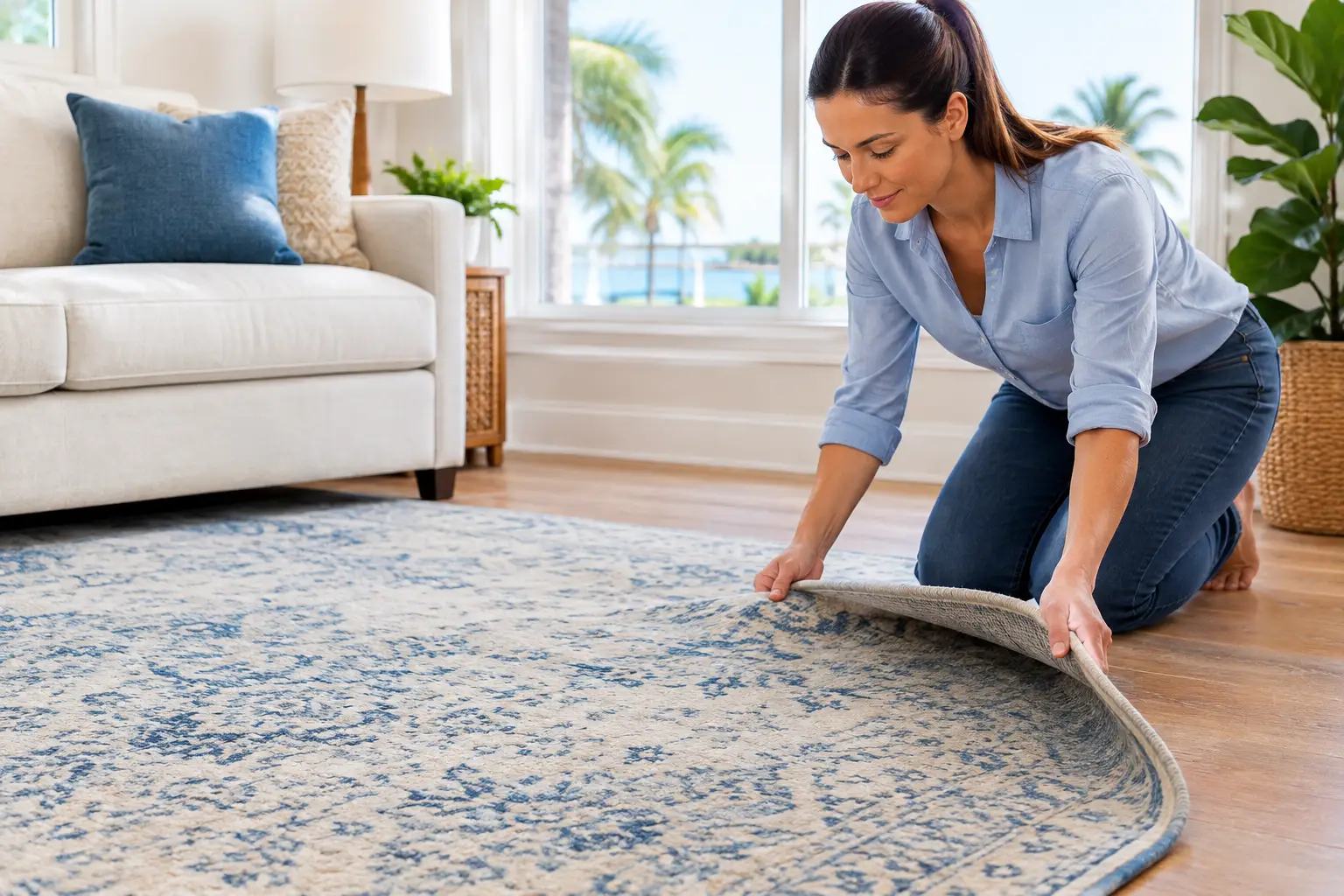
Once a rug is clean, a properly fitted rug pad helps reduce abrasion, keep the rug in place, and protect the floor underneath. Regular vacuuming without a beater bar on delicate fringe or fragile fibers will also help control dry soil between professional cleanings. Rotate rugs in high-traffic areas when practical, and address spills promptly by blotting rather than rubbing.
If a rug has an odor that returns after humid weather, a stain that keeps wicking to the surface, or fibers that feel crunchy after cleaning, it is time for a closer evaluation. The right cleaning method should leave your rug fresher and safer to enjoy, not create a new problem beneath the surface.