A loose edge can turn a well-loved rug into a tripping hazard surprisingly fast. The first few lifted stitches may look minor, but foot traffic, vacuuming, pets, and furniture movement can pull the damage farther along the perimeter. To repair loose rug binding properly, start by identifying what is actually coming loose: the outer binding tape, the hand-sewn overcast edge, the rug’s fringe, or the foundation beneath it.
For a simple machine-made area rug with a short section of binding that has lifted, a careful temporary fix may be reasonable. For Oriental rugs, designer rugs, antique pieces, wool rugs, or anything with visible foundation threads, professional repair is usually the safer decision. The edge is not just decorative. It helps hold the rug’s construction together.
Why loose binding needs attention
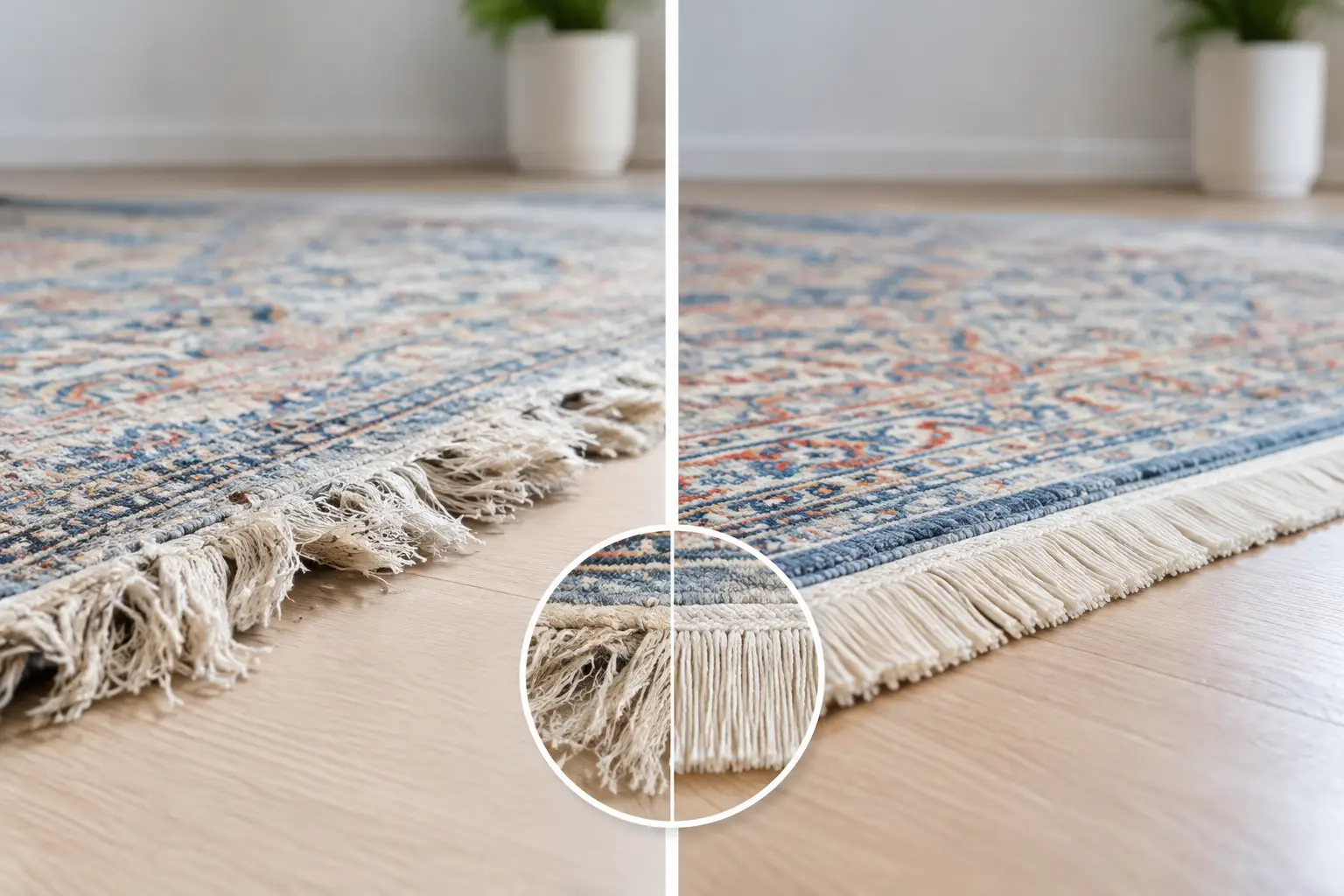
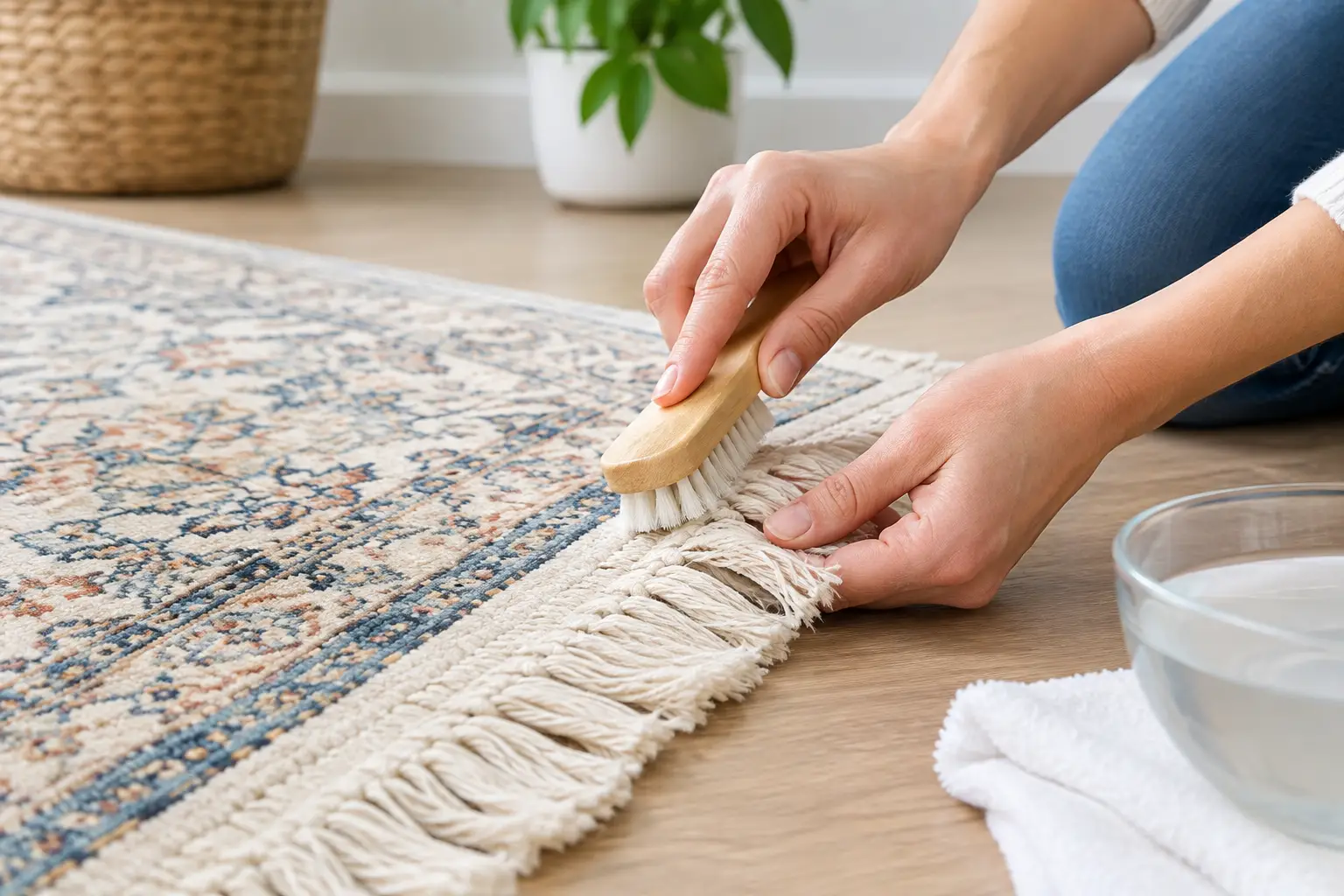
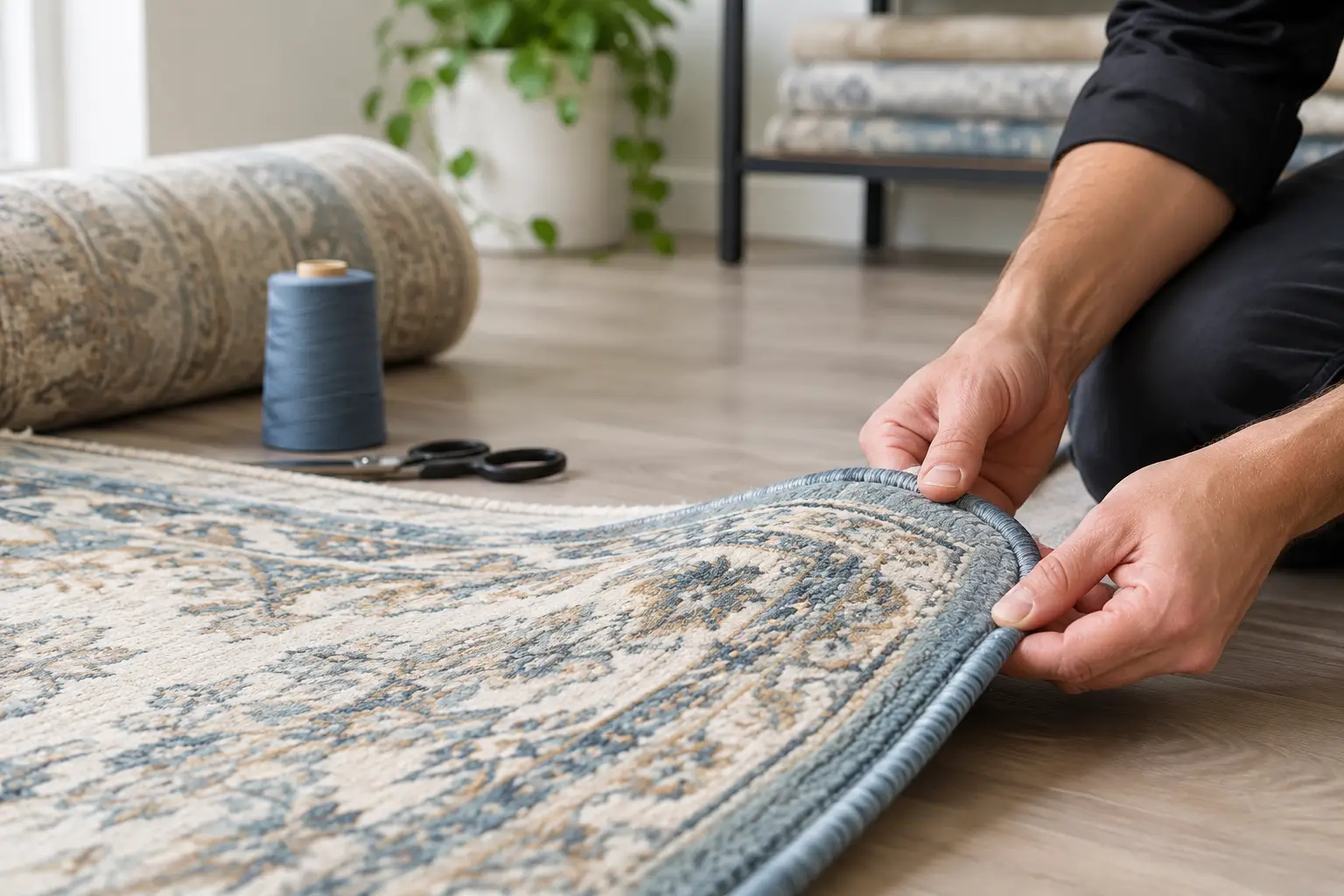
Rug binding is the finished edge that protects the sides and ends of a rug from unraveling. On many contemporary area rugs, it is a fabric tape folded over the edge and secured with stitching. On hand-knotted Oriental rugs, the side finish may be wrapped with wool or cotton in a process often called overcasting. The fringe at either end is usually part of the rug’s foundation, not an add-on.
When the protective edge fails, the rug can begin losing pile yarns or exposing warp and weft threads. Once that happens, the repair often becomes more involved than simply sewing one loose spot back down. A small opening can also catch on a vacuum beater bar, a shoe heel, or a pet’s claws.
Central Florida homes face a few extra pressures. Humidity can affect adhesives and backing materials, while sand and grit tracked indoors act like sandpaper at a rug’s edges. Rugs near exterior doors, kitchens, pet areas, and busy hallways tend to show binding wear first.
Inspect the damage before you repair loose rug binding
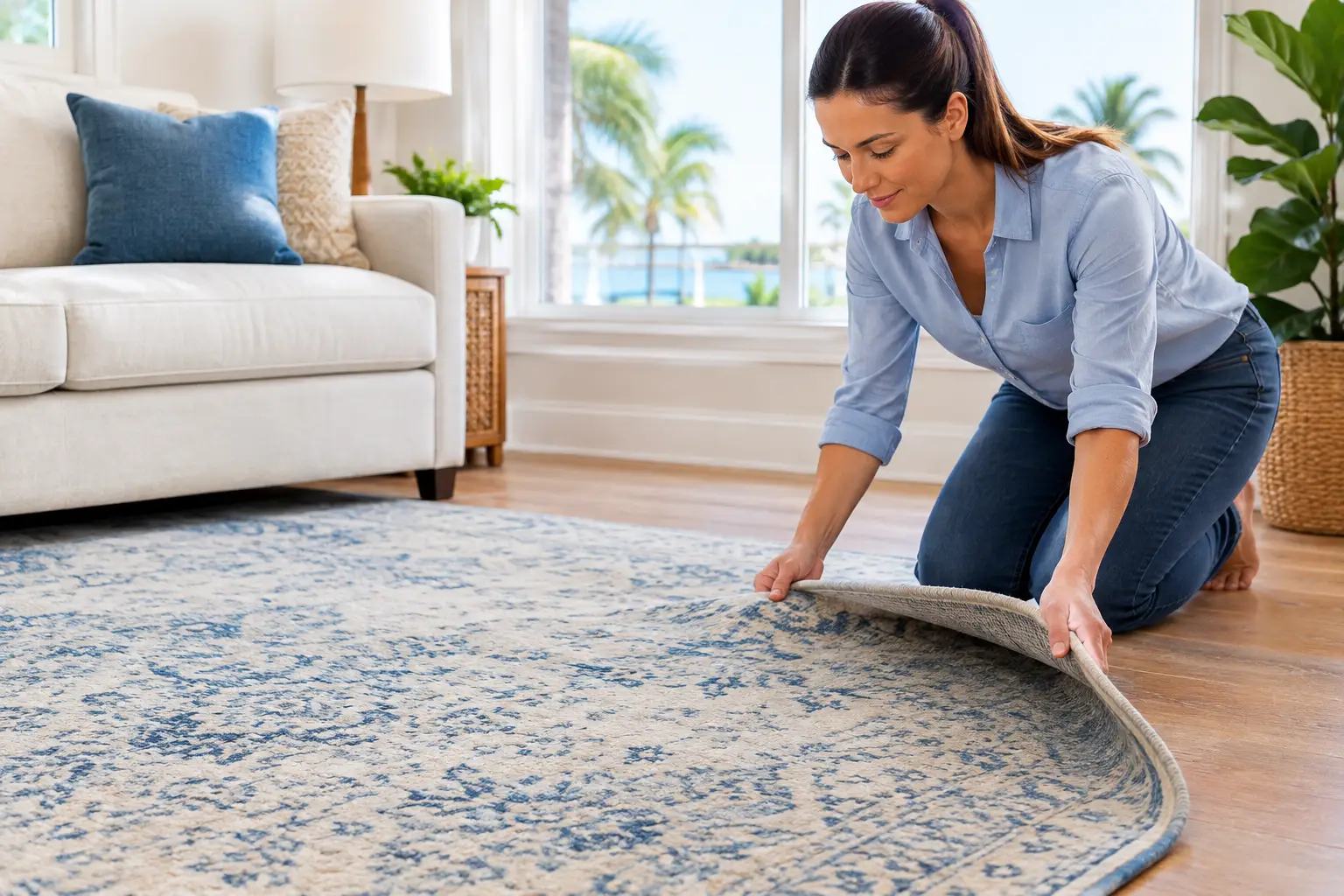
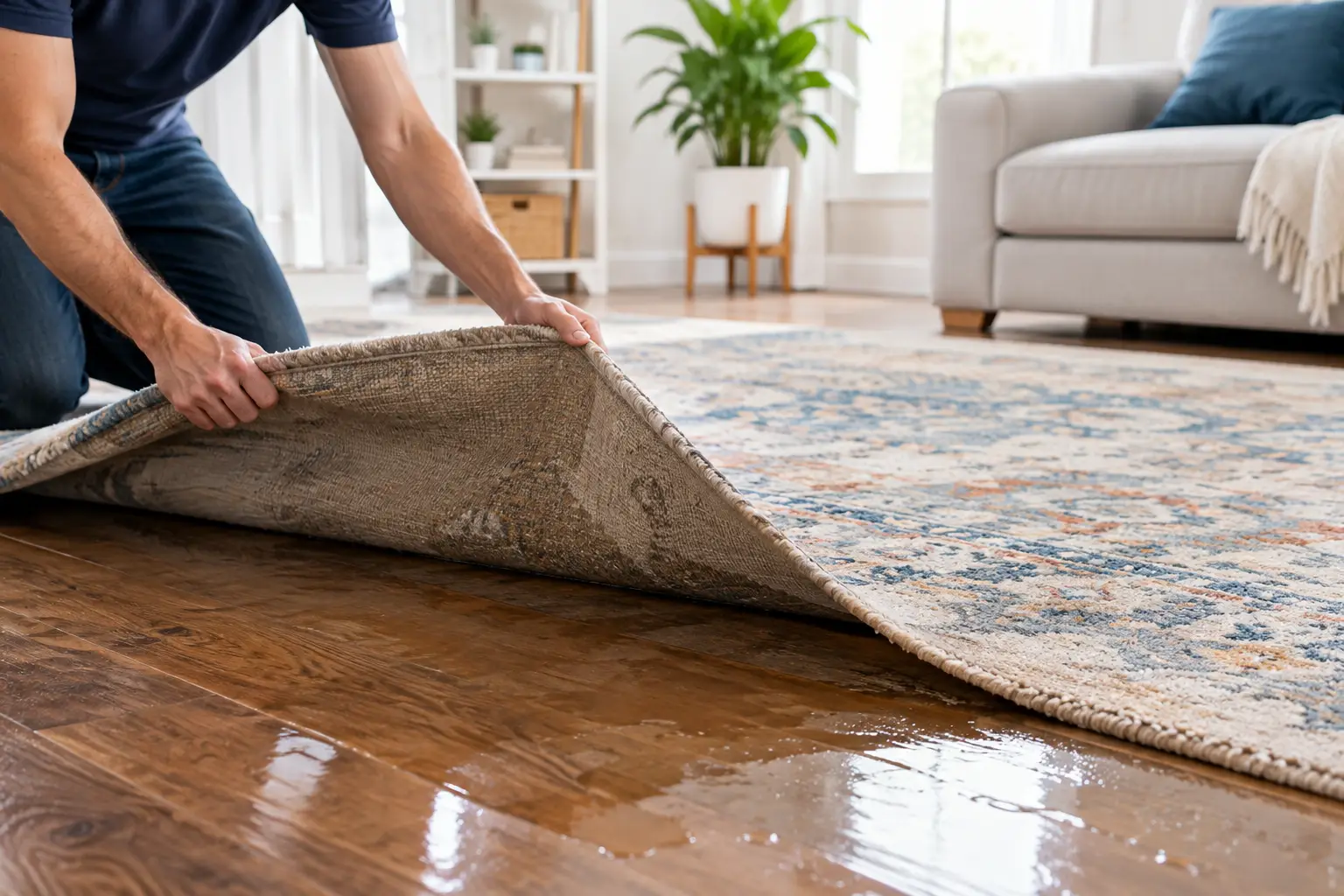
Lay the rug flat on a clean floor and look at the entire edge, not only the spot that caught your attention. Gently lift the loose section without pulling it. You are looking for whether the stitching has broken, the binding tape has separated, the backing is cracking, or the actual rug foundation is exposed.
A repair is more likely to be a manageable home project if the rug is machine-made, the affected area is only a few inches long, the backing is intact, and there are no missing yarns. Stop and seek a professional assessment if you see brittle backing, gaps in the weave, powdery latex, dry rot, moth damage, color bleeding, or fringe pulling away from the rug’s body.
Also check the underside. The top edge can appear neat while the backing has failed underneath. If the rug curls, ripples, or feels weak along the border, covering the problem with a new strip of tape will not restore the rug’s structure.
When a careful DIY repair makes sense
A modest repair can help stabilize a low-value synthetic or machine-made rug until it can be replaced or professionally serviced. The goal is not to make an invisible repair at all costs. The goal is to keep the edge from catching and prevent further unraveling.
Start by vacuuming loose debris from the area using suction only. Avoid running a beater bar across the damaged edge. Trim only completely detached threads that are already free, and never cut threads that disappear into the rug. What looks like a stray yarn may be holding part of the construction together.
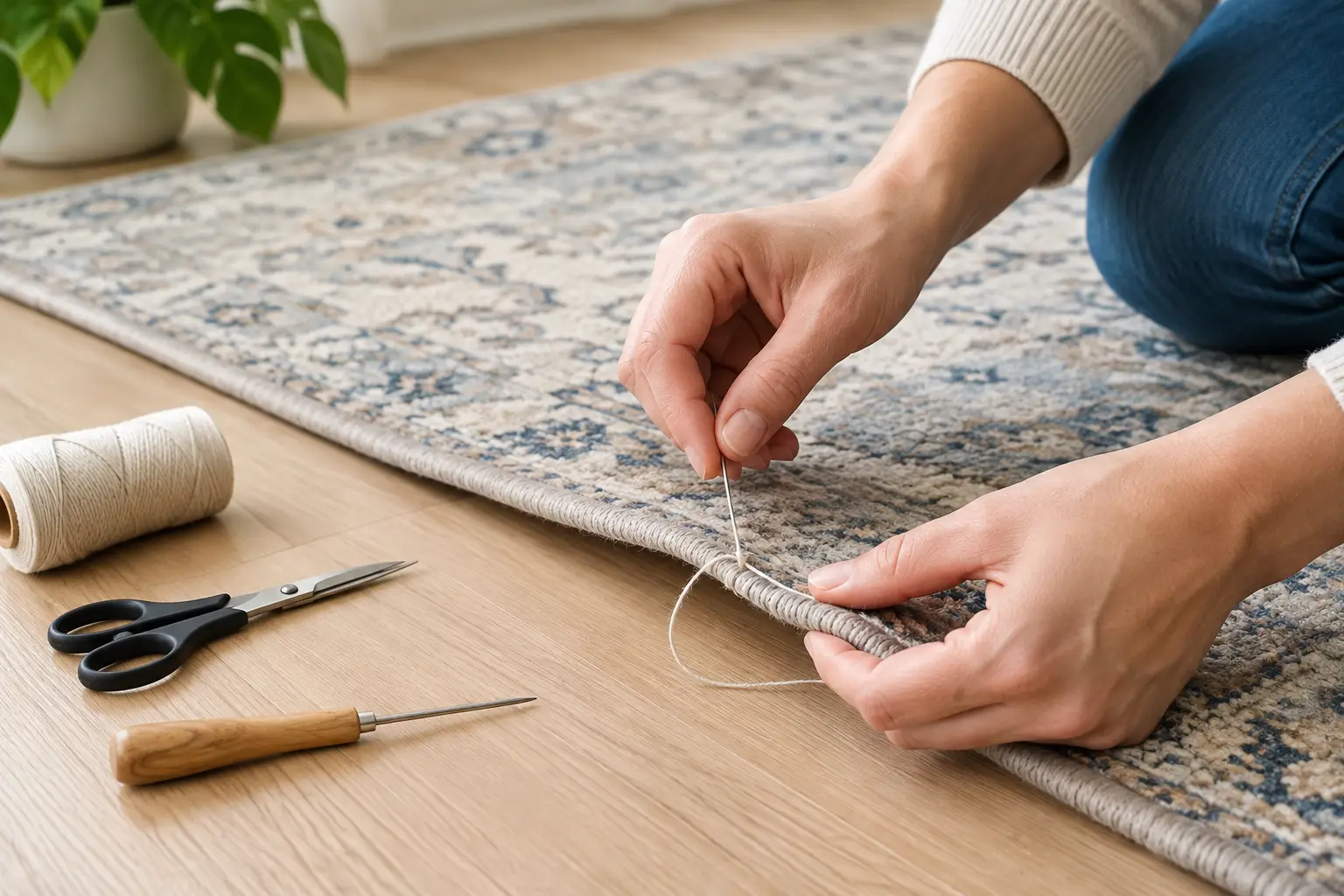
If the original binding is still present and only the stitching has opened, use a heavy-duty needle and thread that closely matches the existing binding. Make small stitches through the binding material, not through the rug face. Keep the rug flat and avoid pulling the thread tight enough to pucker the edge. A curved upholstery needle can be easier to control on thicker rugs.
For a loose corner on a simple bound rug, reposition the original tape and stitch it in place in short sections. Work slowly. If the tape has frayed, shrunk, or become stiff, forcing it back into position can create a wavy edge that will continue to catch underfoot.
Avoid glue, staples, and quick edge fixes
Adhesive may seem like the fastest answer, but it can cause long-term trouble. Household glues can soak through fibers, turn stiff or yellow, attract soil, and make a future repair much harder. Some glues also fail in heat and humidity, leaving a sticky residue along the edge.
Staples, nails, and duct tape are equally risky. They can tear fibers, scratch hard-surface floors, and create sharp points that damage a rug pad. Iron-on binding products should also be approached with caution. Heat can harm synthetic pile, alter dyes, or flatten wool fibers.
A temporary cloth tape placed on the underside may reduce snagging for a short period, but it should not be treated as a structural repair. If the rug has sentimental or financial value, preserve the loose material and let a rug repair specialist examine it before applying anything permanent.
Why hand-knotted rugs need specialized edge repair
Hand-knotted and handwoven rugs depend on their foundation for strength. Their side cords, overcast stitching, and end finishes are created as part of the weaving process. Recreating those details requires more than matching a thread color.
A proper repair may involve securing exposed foundation threads, rebuilding side cords, re-overcasting the edge with compatible wool or cotton, or stabilizing an end before fringe work begins. The right technique depends on the rug’s age, weave, fiber type, and pattern. A repairer also needs to match the tension of the original construction so the repaired area lies flat rather than drawing inward.
This is especially important with Oriental rugs. Fringe is not simply decorative trim that can always be cut away. On many rugs, each fringe is an extension of the foundation warp. Cutting or gluing it without addressing the end finish can leave the rug more vulnerable to unraveling.
At 1st Impressions Oriental and Area Rug Cleaning, rug repair is evaluated alongside the rug’s overall condition. A heavily soiled edge, pet urine contamination, moth activity, or weakened backing can affect which repair method will hold up and whether washing or treatment should happen first.
Protect the repaired edge from repeat damage
After repair, the way a rug is used matters as much as the repair itself. A properly sized rug pad reduces shifting and cushions the perimeter, which helps prevent corners and bindings from folding upward. The pad should be selected for the rug and floor type, particularly on wood, tile, and other hard surfaces.
Vacuum with care. Use a suction-only setting around delicate edges and fringe, and vacuum toward the center rather than pulling across an end finish. Rotate the rug periodically so one edge does not take all of the traffic and sun exposure.
If a pet has been chewing, scratching, or repeatedly soiling one edge, address that cause before investing in repair. Odor contamination can weaken fibers and attract repeat marking. For rugs exposed to direct sun, monitor the border for fading and brittleness, since weakened fibers are more likely to break when the edge is flexed.
A practical rule for deciding what to do next
Repairing a few inches of loose binding on an inexpensive machine-made rug can be a sensible weekend task when the backing and edge remain sound. It becomes a preservation job when the rug is hand-knotted, valuable, sentimental, structurally weak, or unraveling beyond the binding itself.
If you are unsure, take clear photos of the front, back, and full rug, along with its measurements. A close look at those details can help determine whether the problem needs simple stitching, edge reinforcement, overcasting, fringe work, washing before repair, or a combination of services.
A loose edge rarely stays small under daily use. Giving it careful attention now protects your footing, preserves the rug’s appearance, and gives a worthwhile piece a better chance to serve your home for years to come.