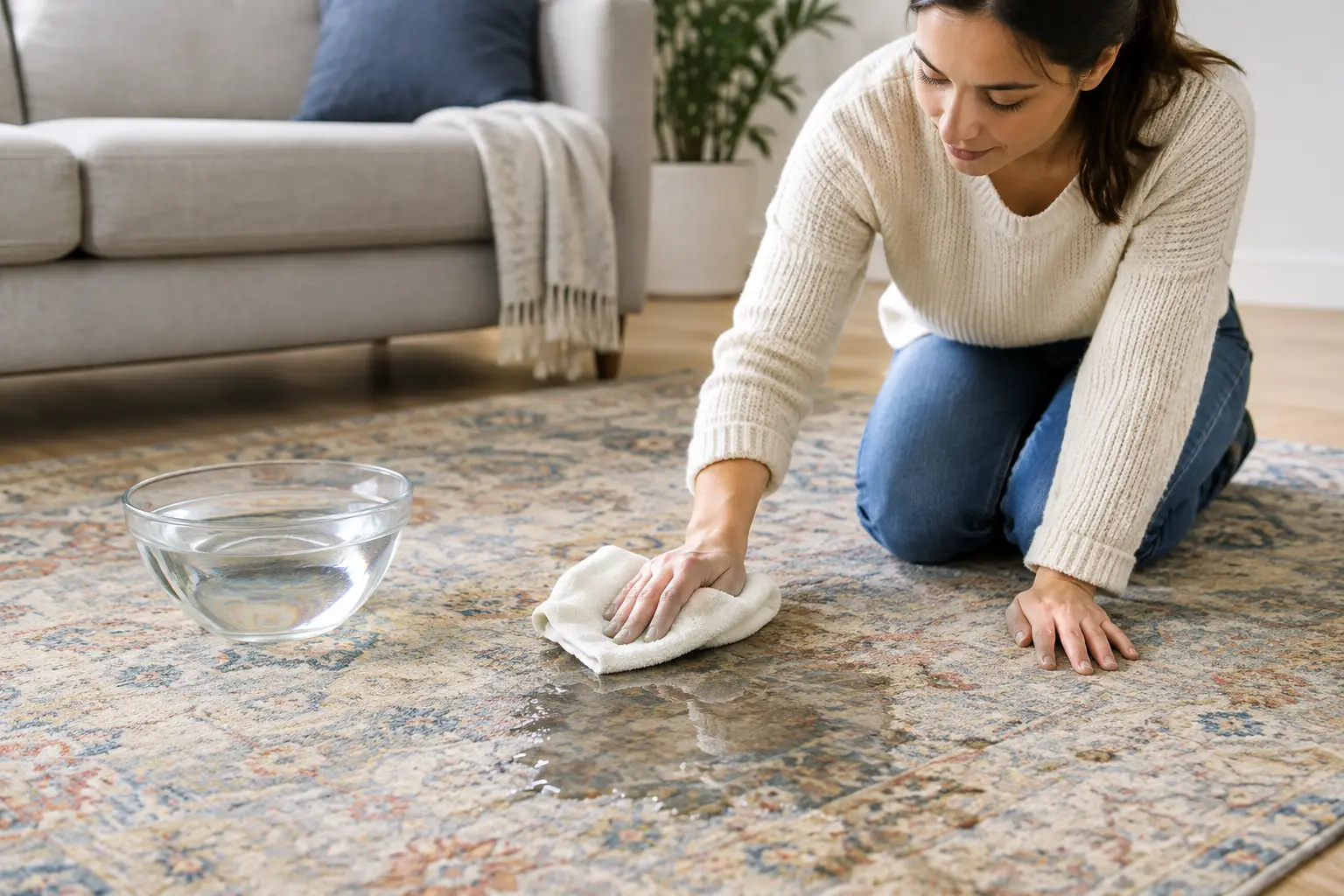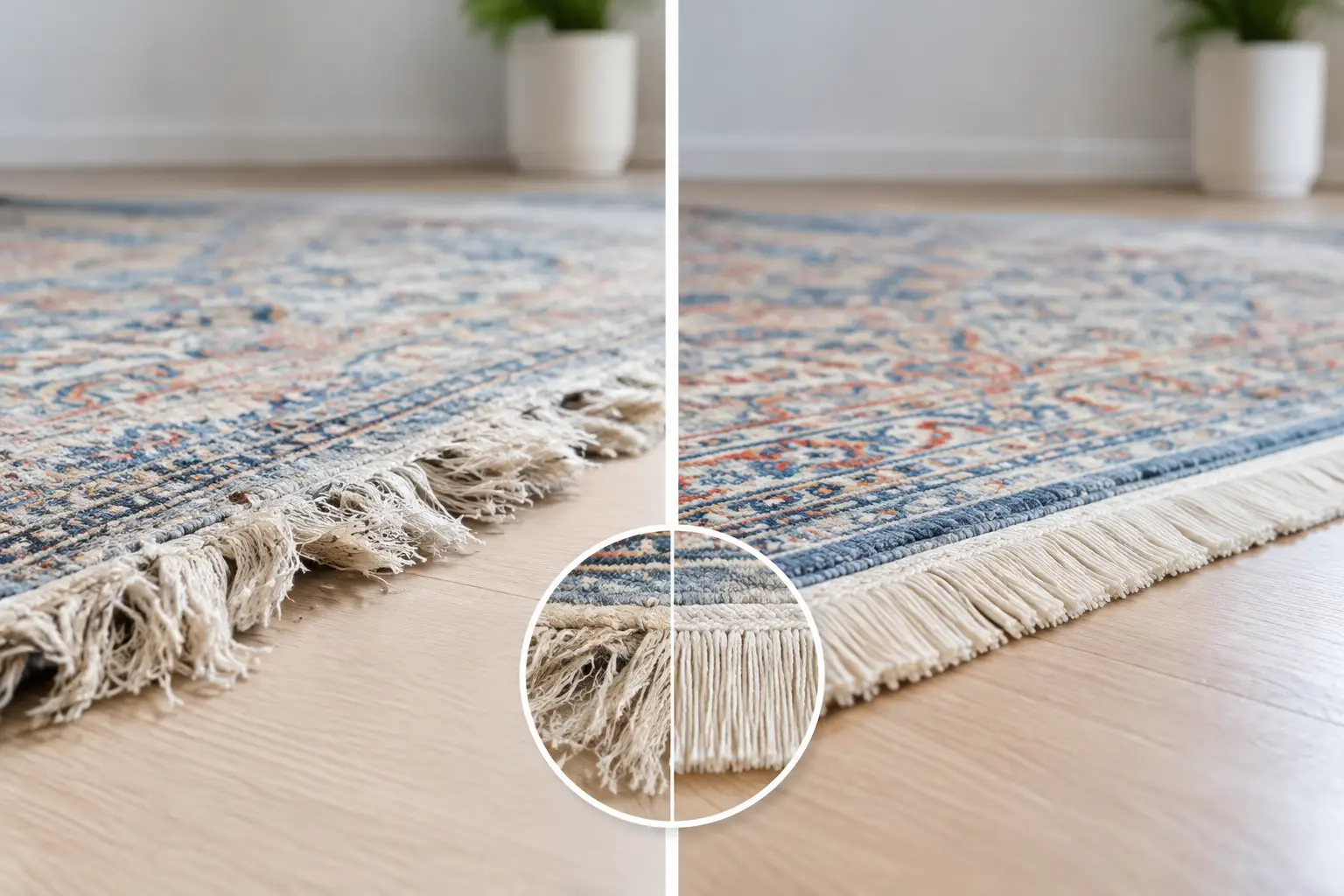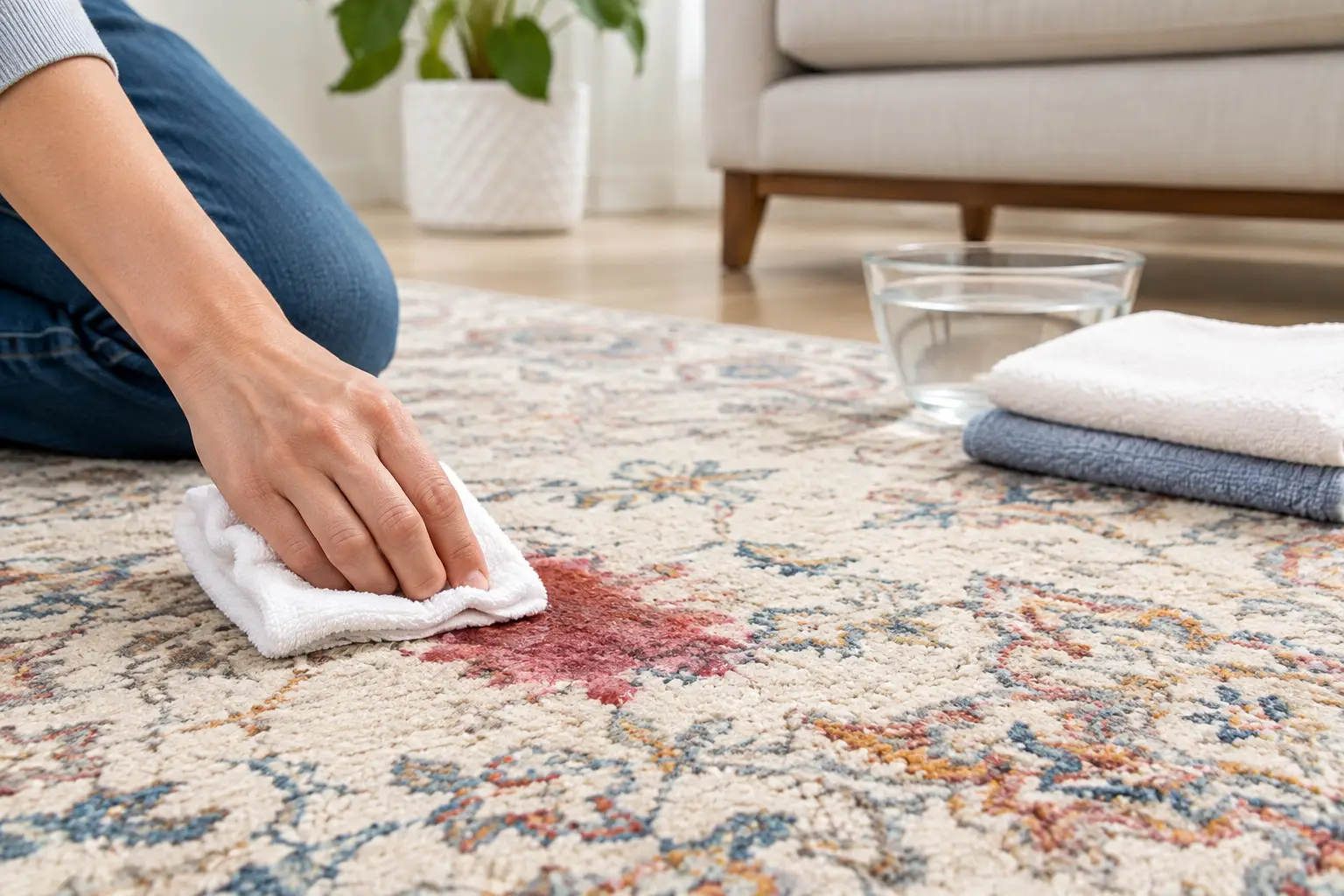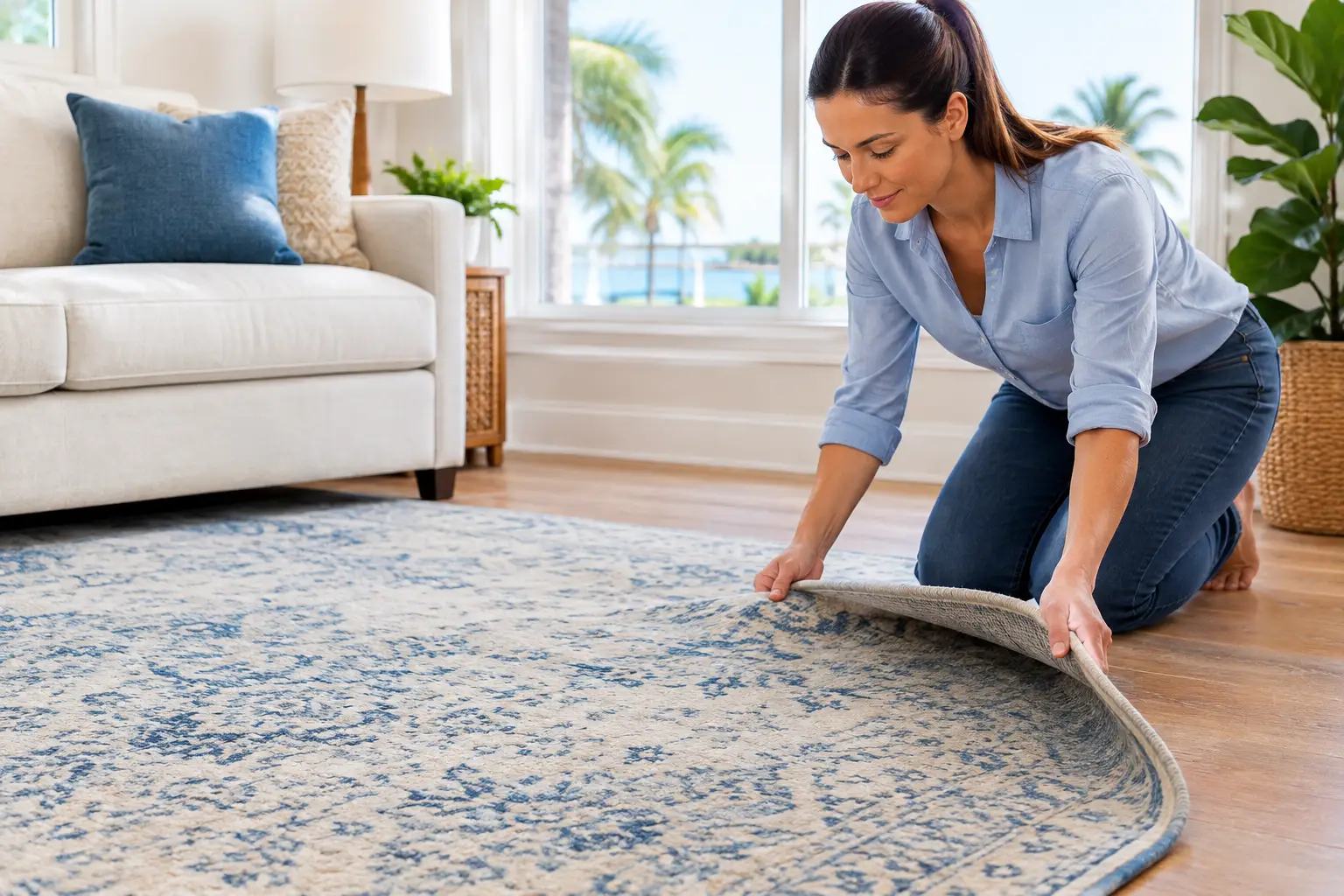
A rug can look clean and still carry an odor that changes the way a room feels. Pet urine, smoke, mildew, food spills, and moisture trapped beneath a rug can settle deep into the fibers and foundation. Effective odor removal services do more than cover the smell with fragrance. They identify the source, treat the affected materials carefully, and help prevent the odor from returning when Central Florida humidity rises.
For homeowners in Orlando, Winter Park, Winter Garden, and nearby communities, odor concerns are often tied to pets, busy family life, or a rug that has been stored for too long. The right treatment depends on the rug’s fiber, construction, dyes, age, and the cause of the odor. A valuable Oriental rug should never be handled like an inexpensive synthetic mat, especially when urine or moisture has reached the backing.
Why Rug Odors Keep Coming Back
Many odors are not sitting on the surface. They have moved through the pile and into the rug’s foundation, padding, or even the floor below. This is especially common with pet urine. As urine dries, it can leave behind crystals and bacteria that reactivate with humidity or moisture. A room may smell fine for a few days, then the odor returns after a rainy afternoon, a steam-cleaning attempt, or a pet revisits the same spot.
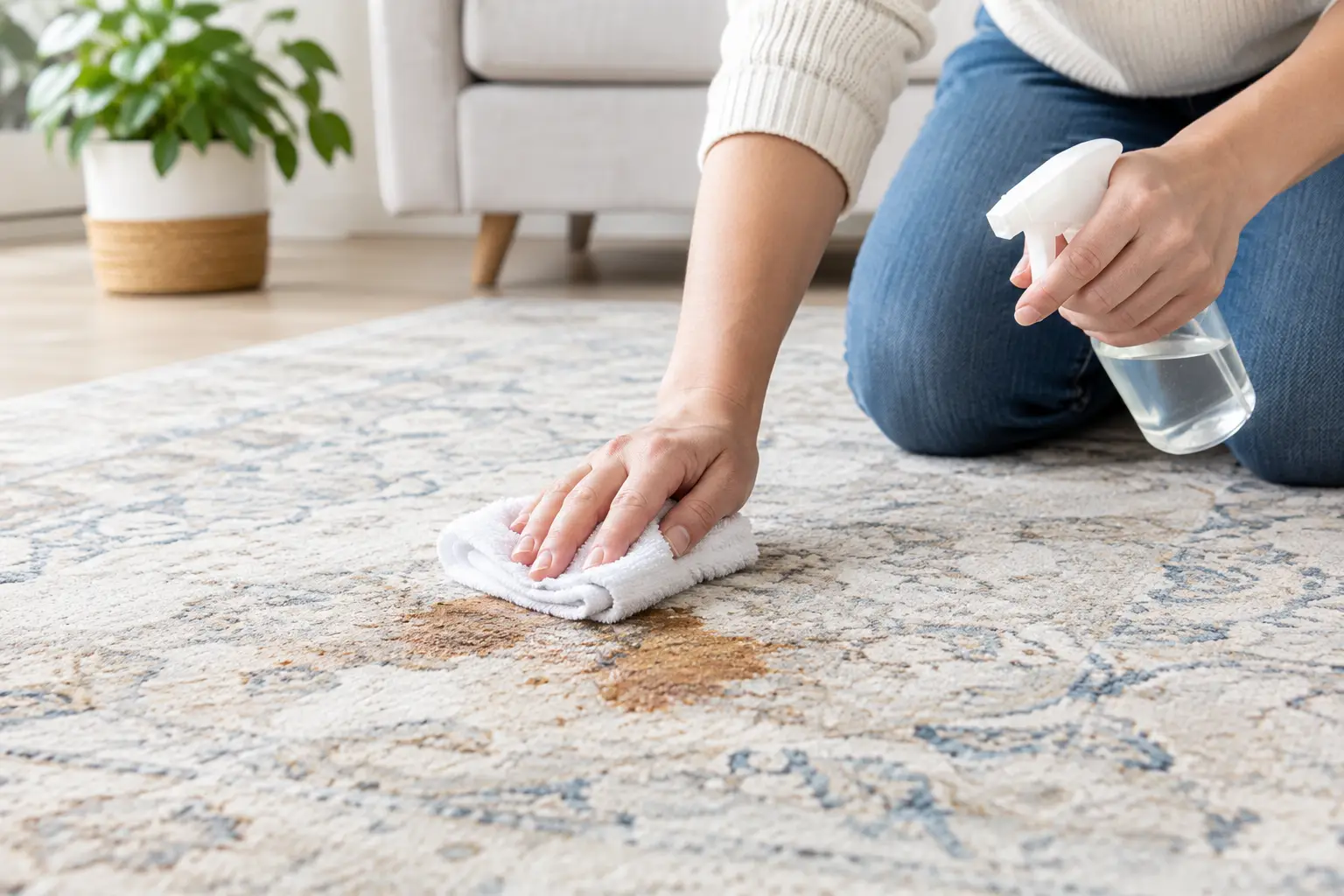
Sprays and household deodorizers can temporarily make the area smell fresher, but they rarely reach the contamination below the fibers. Some products can also leave residues that attract soil, affect dyes, or make a delicate rug feel stiff. Strong chemicals and bleaching agents are a poor trade-off when the rug has natural wool, silk details, hand-dyed yarns, or sentimental value.
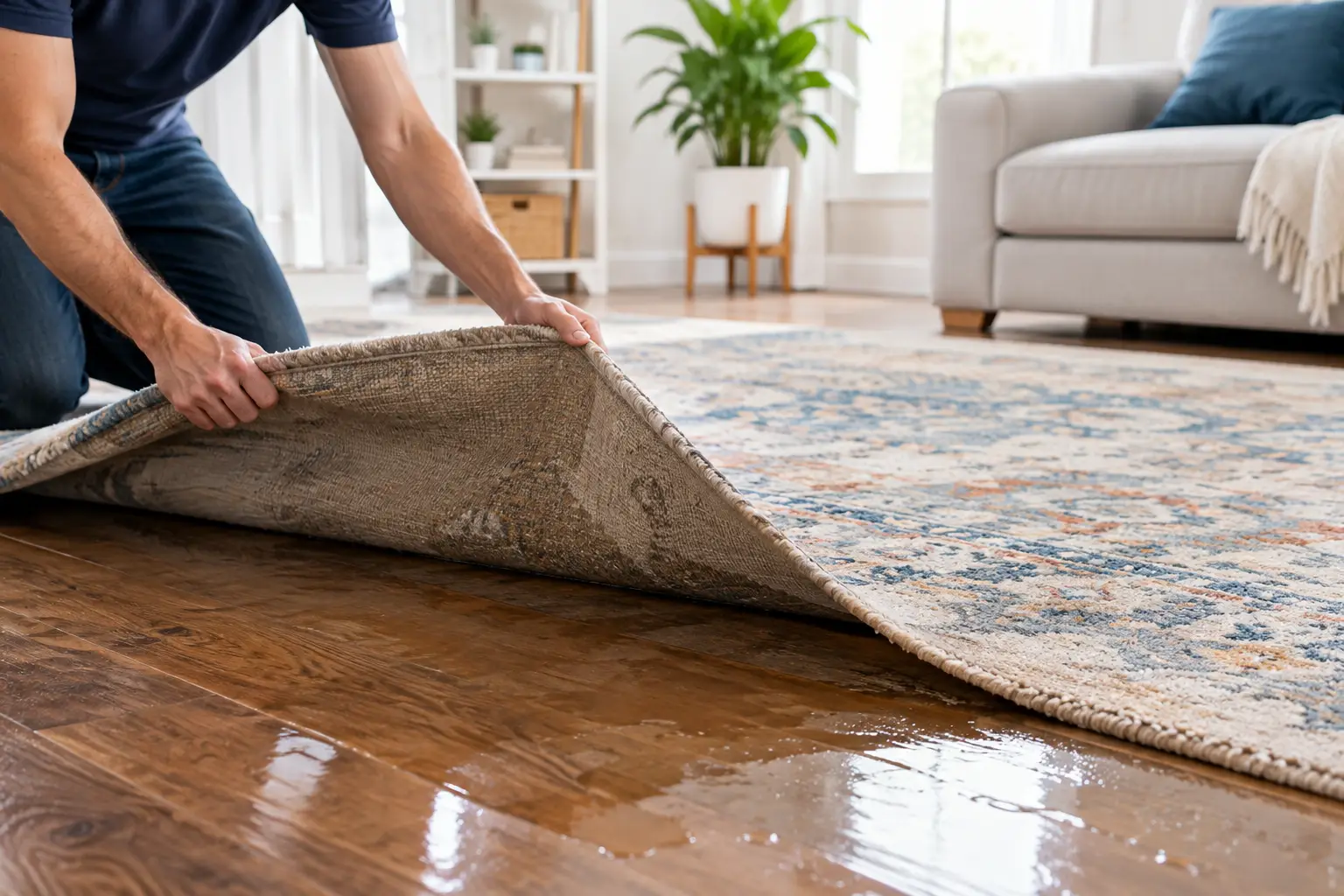
Mildew is another concern in Florida homes. A rug exposed to a plumbing leak, damp patio door, pet accident, or improper drying may develop a musty smell. Even when the visible surface appears dry, moisture can remain in the foundation or pad. The cause must be corrected before cleaning can provide lasting results.
What Professional Odor Removal Services Should Address
Proper odor removal begins with inspection, not perfume. A trained rug care team considers where the odor is strongest, how far it has traveled, whether staining is present, and whether the rug is stable enough for washing. That assessment helps determine whether the rug needs localized treatment, full decontamination, specialty stain work, or repair before cleaning.
Pet Urine Requires More Than Spot Cleaning
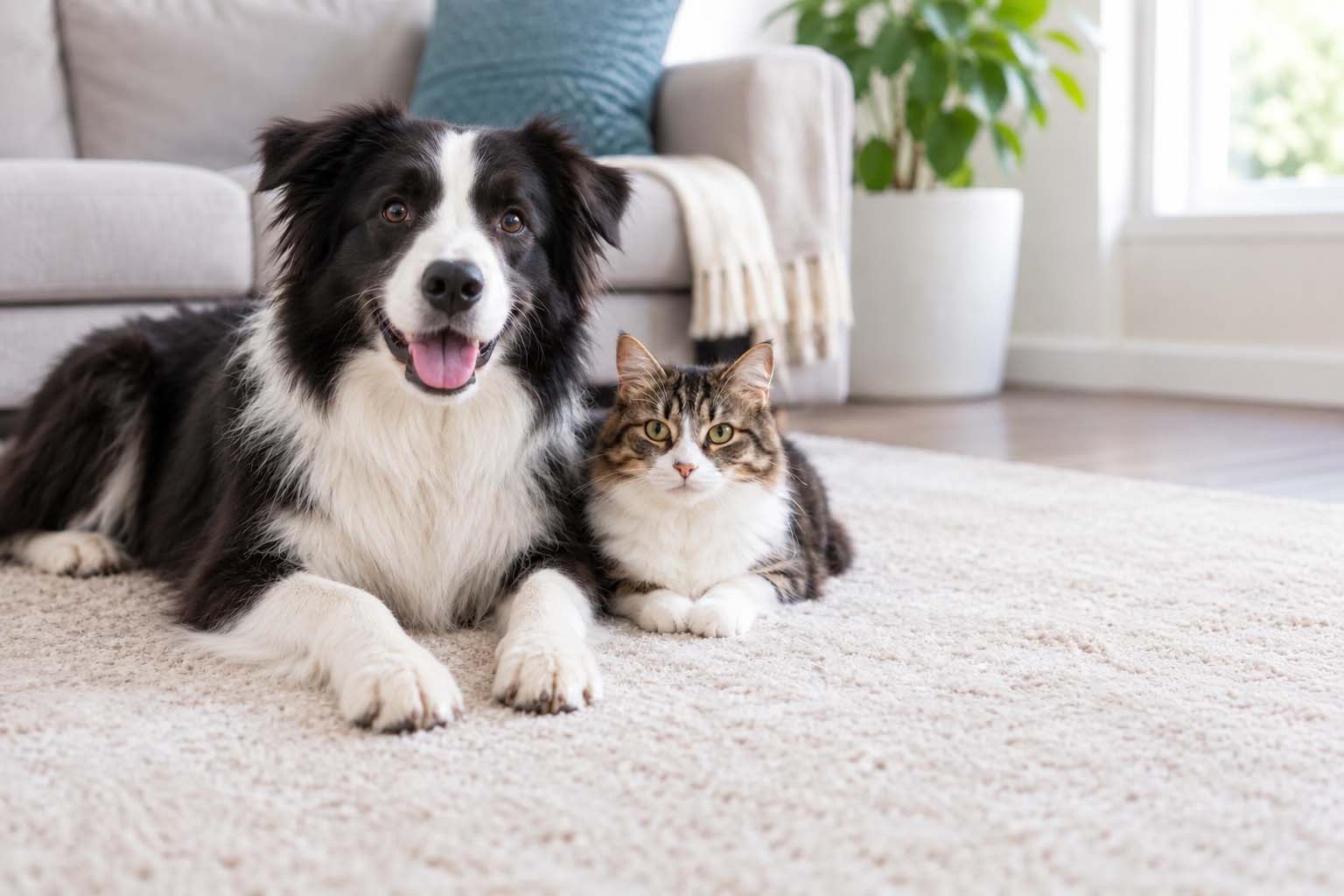
Pet accidents are among the most common reasons homeowners seek odor control. The visible spot is not always the full affected area. Urine can spread outward through the rug and downward into the foundation. On a rug placed over hardwood, tile, laminate, or carpet, the pad and underlying floor may also need attention.
A careful process may include flushing and treating contaminated sections, followed by a thorough water-based washing process when the rug’s construction allows it. The goal is to remove urine residue rather than simply neutralize the smell on top. This matters because fragrance can fade while the underlying source remains.
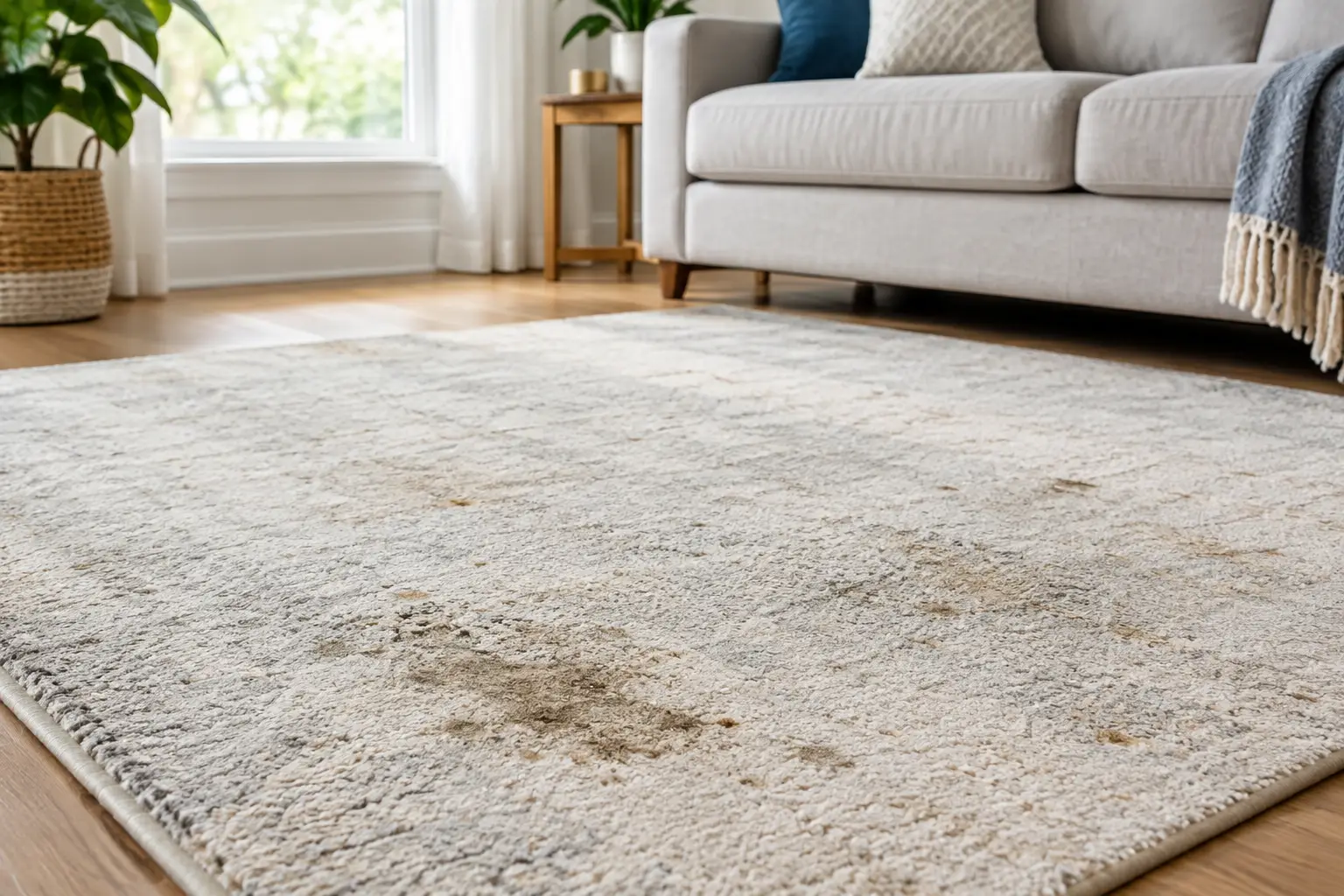
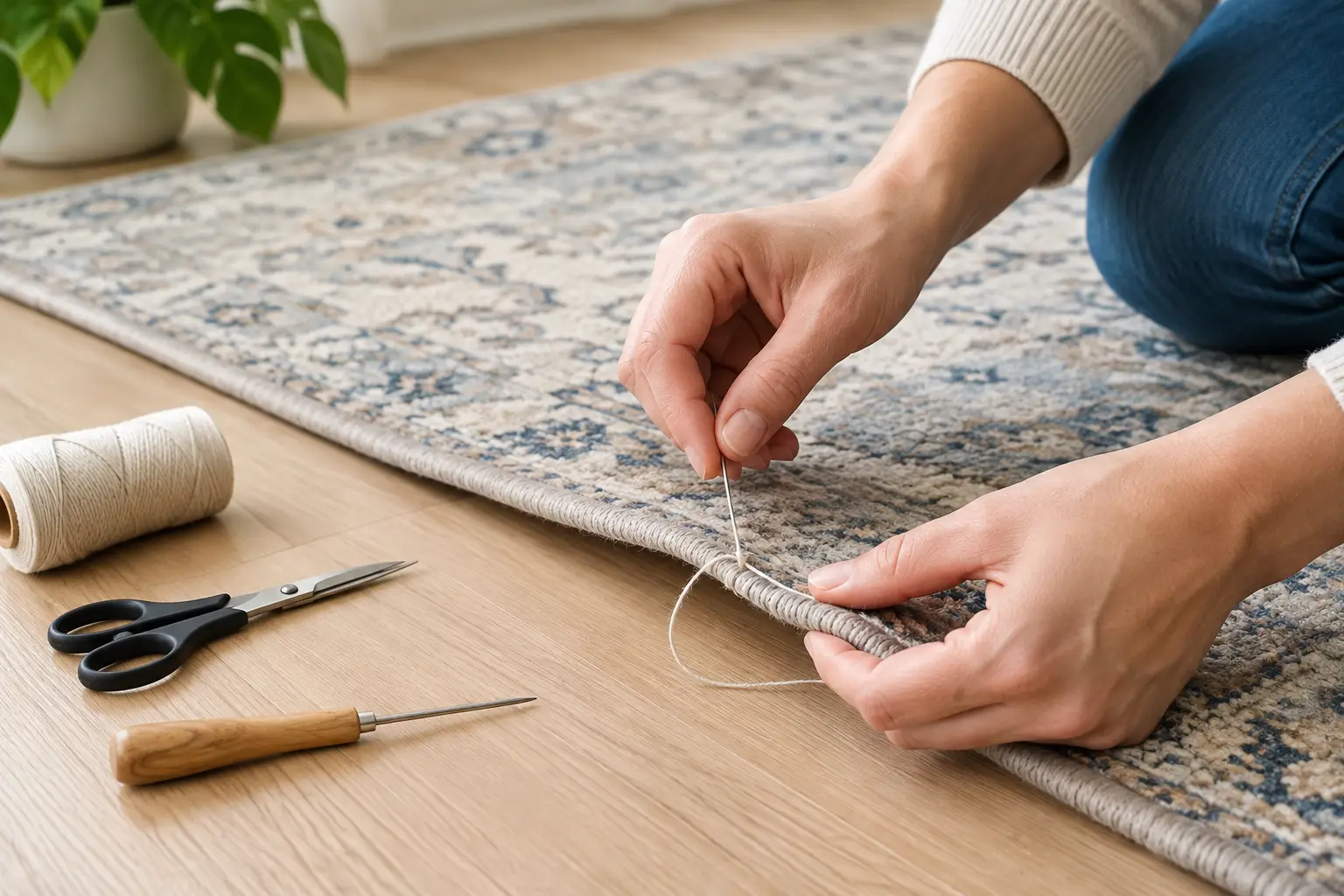
It also helps to be realistic about the condition of the rug. A single recent accident on a washable area rug may respond very differently than years of repeated pet use on an antique wool rug. In severe cases, the foundation, fringe, padding, or floor beneath the rug may have lasting damage. A dependable provider should explain that possibility clearly instead of promising results that are not realistic.
Smoke, Cooking, and Household Odors Need a Different Approach
Not every odor is caused by a pet. Cigarette or cigar smoke can cling to natural fibers and become more noticeable in closed rooms. Cooking odors, fireplace smoke, and long-term storage can also leave rugs smelling stale. These concerns may not require the same decontamination process used for urine, but they still benefit from deep, fiber-appropriate cleaning rather than a surface deodorizer.
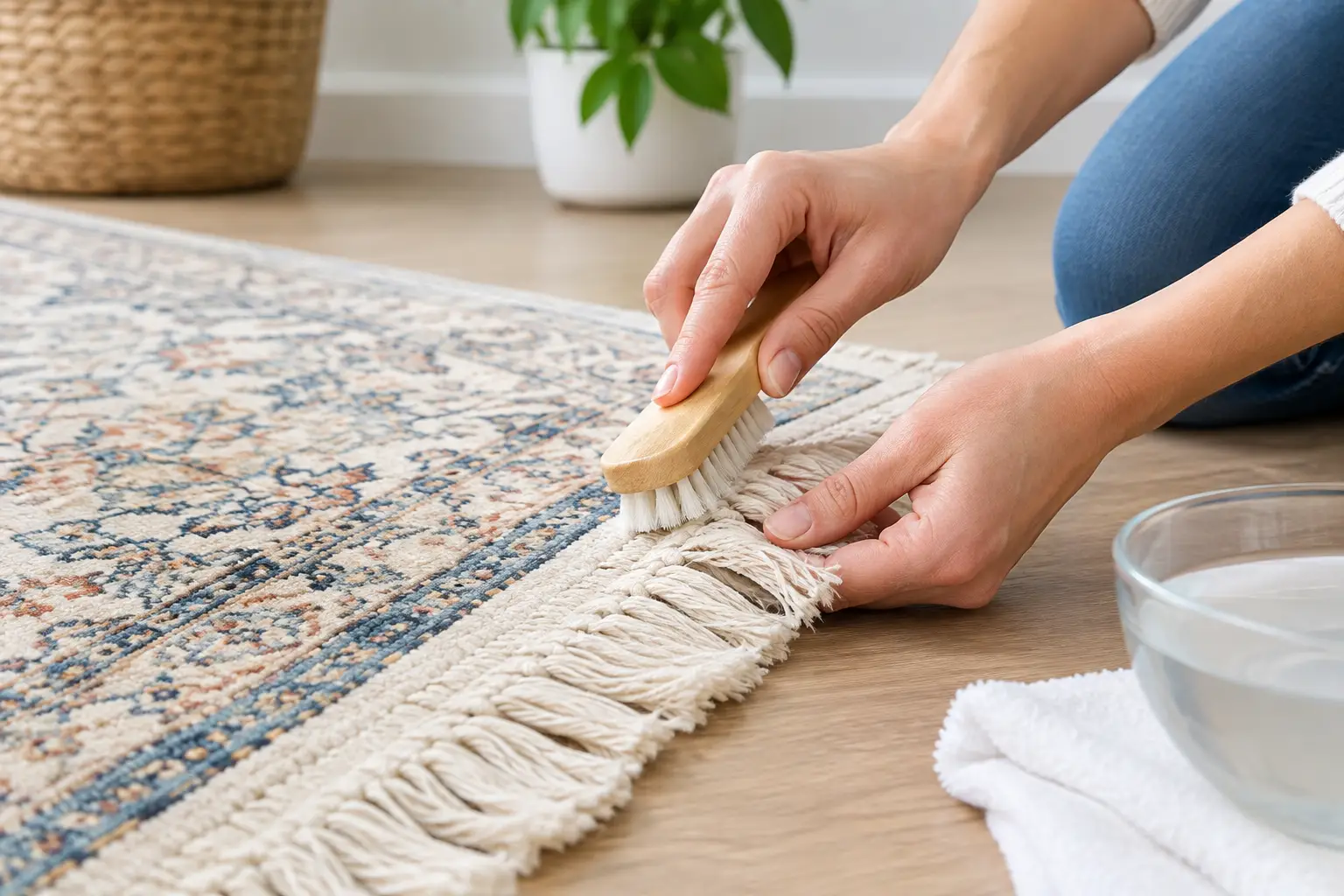
For fine rugs, the cleaning method matters as much as the odor itself. Wool and silk can be sensitive to aggressive products, excessive heat, and improper drying. A professional should select methods that respect the rug’s dyes and construction while removing embedded soil that can hold odor-causing particles.
Musty Odors Call for Moisture Awareness
A musty smell should always raise the question: where did the moisture come from? Cleaning the rug without resolving a leak, wet pad, or humid storage condition can lead to the same problem again. If a rug was affected by significant water exposure, prompt evaluation is especially helpful. The longer moisture sits in natural fibers, the greater the risk of odor, dye movement, mildew, and structural weakening.
The Value of an In-Studio Rug Bath
A rug with deep odor contamination often needs more than an in-home surface cleaning. Fine area rugs can benefit from an in-studio process designed to wash through the pile and foundation, remove embedded soil, and dry the rug under controlled conditions. This approach reflects the traditional bathing process used for Persian and Oriental rugs, adapted with modern equipment and careful inspection.
At 1st Impressions Oriental and Area Rug Cleaning, each rug is evaluated for its specific needs before treatment. That matters because wool, silk, cotton, viscose, and synthetic fibers do not react the same way to water, cleaning solutions, agitation, or drying. The goal is careful odor removal without harsh chemicals, hazardous materials, or unnecessary risk to color and texture.
Pickup and delivery can also make the process easier when a large rug is difficult to move or when the odor has made it uncomfortable to keep in the home. Before a rug is returned, it should be fully dry. Returning a damp rug to a humid Florida home can create a new odor problem instead of solving the original one.
Don’t Forget the Rug Pad and Floor
When odor is concentrated in one area, the rug pad is often part of the problem. Pads absorb moisture and can hold odor long after the rug’s surface has been cleaned. Reusing a heavily contaminated pad may transfer odor back into a freshly cleaned rug.
The flooring underneath deserves attention as well. Urine may reach grout lines, wood seams, carpet, or subflooring. In some situations, cleaning the rug alone is enough. In others, the affected floor area needs separate treatment or repair. This is one reason a careful inspection is valuable: it helps set expectations before the rug is returned to the room.
For future protection, a quality custom-fit rug pad can provide cushioning, reduce slipping, protect hard-surface floors, and limit wear. It cannot prevent every accident, but it can help preserve the rug and make it easier to address problems quickly.
When to Call for Help
It is wise to arrange professional evaluation when an odor returns after repeated home cleaning, when a pet has used the same rug area more than once, or when a rug smells musty after water exposure or storage. Immediate attention is also helpful for handmade rugs, silk rugs, heirlooms, and rugs with unstable dyes or existing fringe and structural damage.
For a quick estimate, take clear photos of the rug, include its measurements, and describe the odor source, affected areas, stains, and any past cleaning attempts. Those details help a rug care specialist recommend the right service and identify whether pickup, washing, odor treatment, pad replacement, or repair may be needed.
A clean-smelling rug should make a home feel comfortable, not leave you wondering whether the odor will return with the next humid day. Treating the source with the right care gives your rug its best chance to look good, smell fresh, and stay part of your home for many more years.