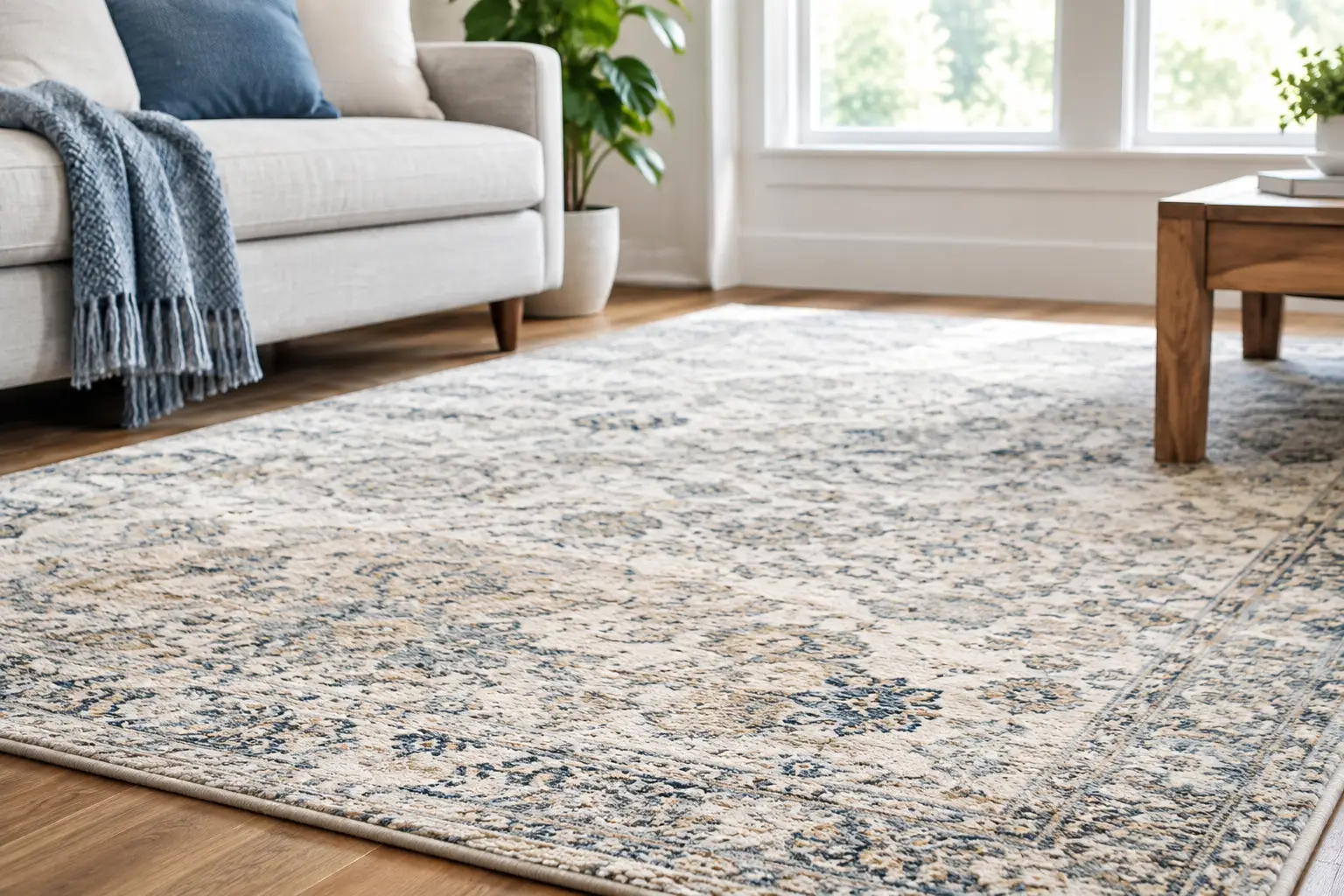
A rug can look reasonably clean from across the room while holding a surprising amount of soil deep in its foundation. In Central Florida homes, sand, pollen, humidity, pet accidents, and everyday foot traffic all work their way below the pile. Knowing when rugs need professional cleaning helps protect the fibers, colors, and structure before a manageable problem becomes permanent damage.
Vacuuming is still essential. It removes much of the dry debris that settles on the surface and between fibers. But it cannot fully flush out embedded grit, sticky residue, old spills, or contaminants that have reached the rug’s backing and foundation. Fine Oriental rugs, wool rugs, silk rugs, and designer area rugs need especially careful treatment because the wrong cleaning method can cause dye bleed, shrinkage, texture changes, or weakened fringe.
The Signs Rugs Need Professional Cleaning
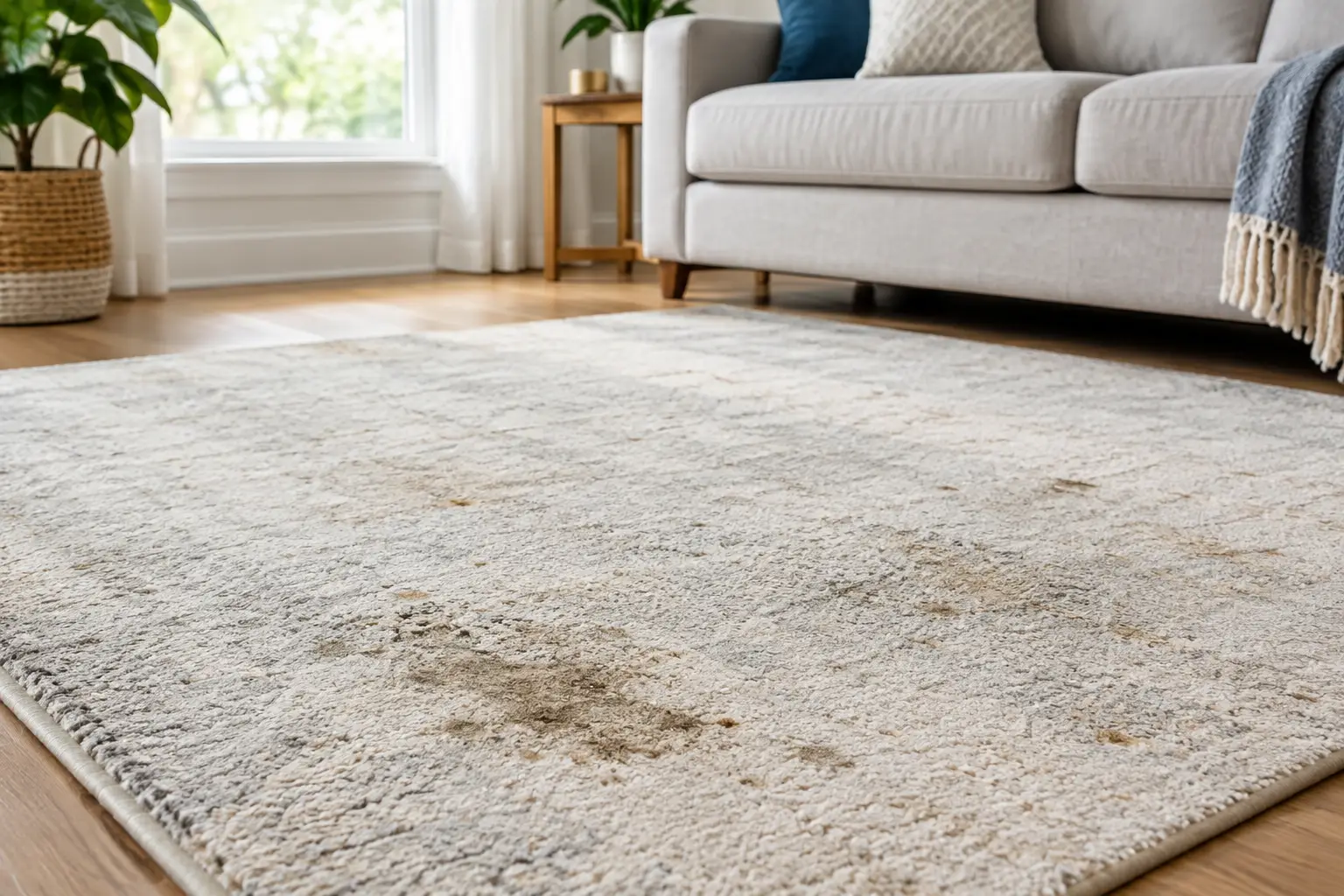
The clearest sign is often a change you can feel. If a rug feels stiff, matted, crunchy, or unusually heavy, soil may be packed into the pile. Grit acts like sandpaper each time someone walks across it, gradually wearing down fibers at the base. A professional washing process is designed to remove that deep contamination rather than simply freshening the surface.
Odor is another signal that should not be ignored. A lingering musty smell can point to moisture exposure, while pet urine odors may return on humid days even after the visible spot seems gone. Urine can travel beyond the stain, through the pile and into the backing or floor beneath. Household spot cleaners may mask the odor temporarily, but they rarely remove all of the contamination.
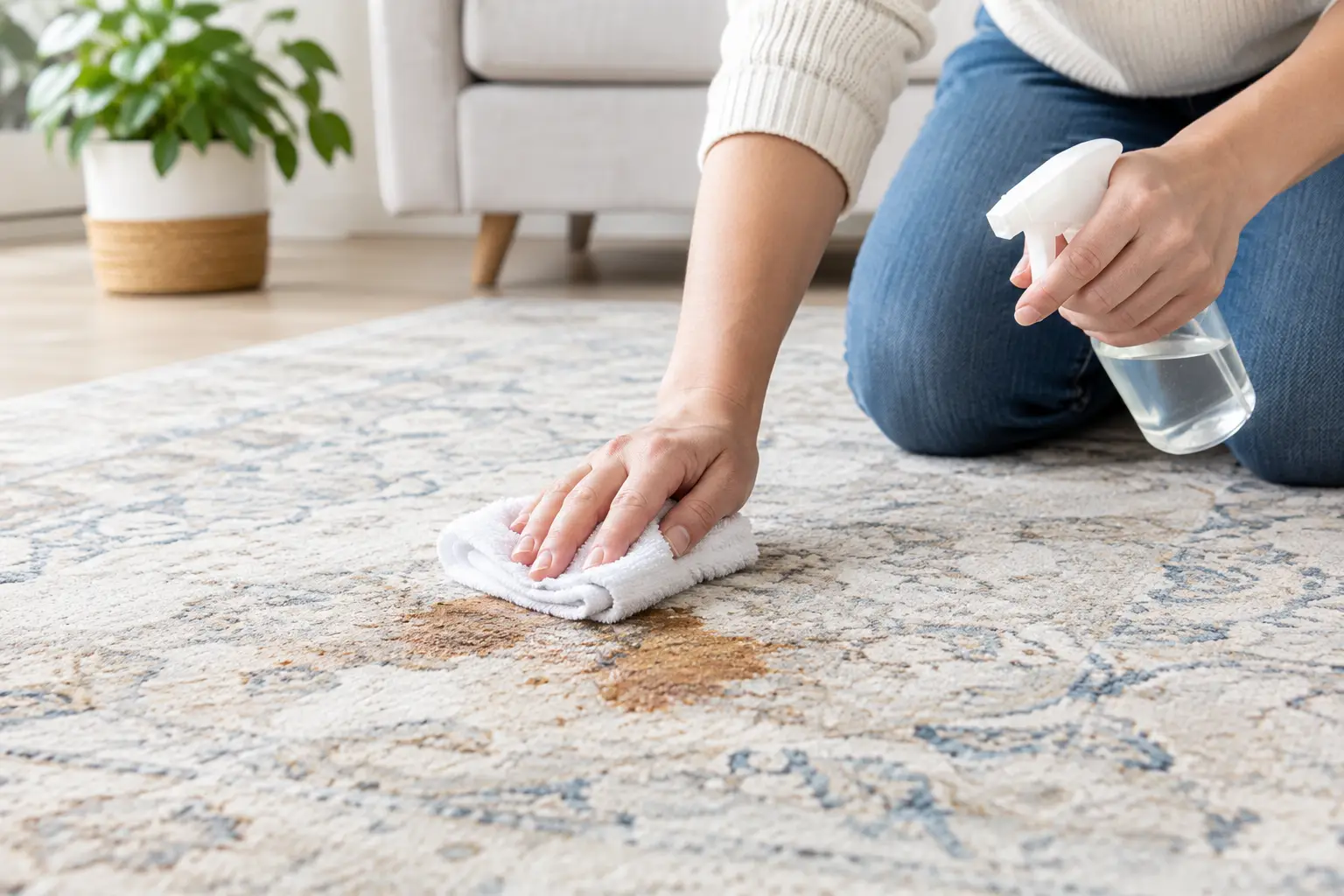
Stains that reappear after cleaning deserve attention as well. This is commonly called wicking. Moisture brings dissolved residue up from lower in the rug as it dries, leaving a spot that seems to come back from nowhere. Coffee, wine, food spills, muddy paws, and some store-bought cleaning products can all leave residue behind.
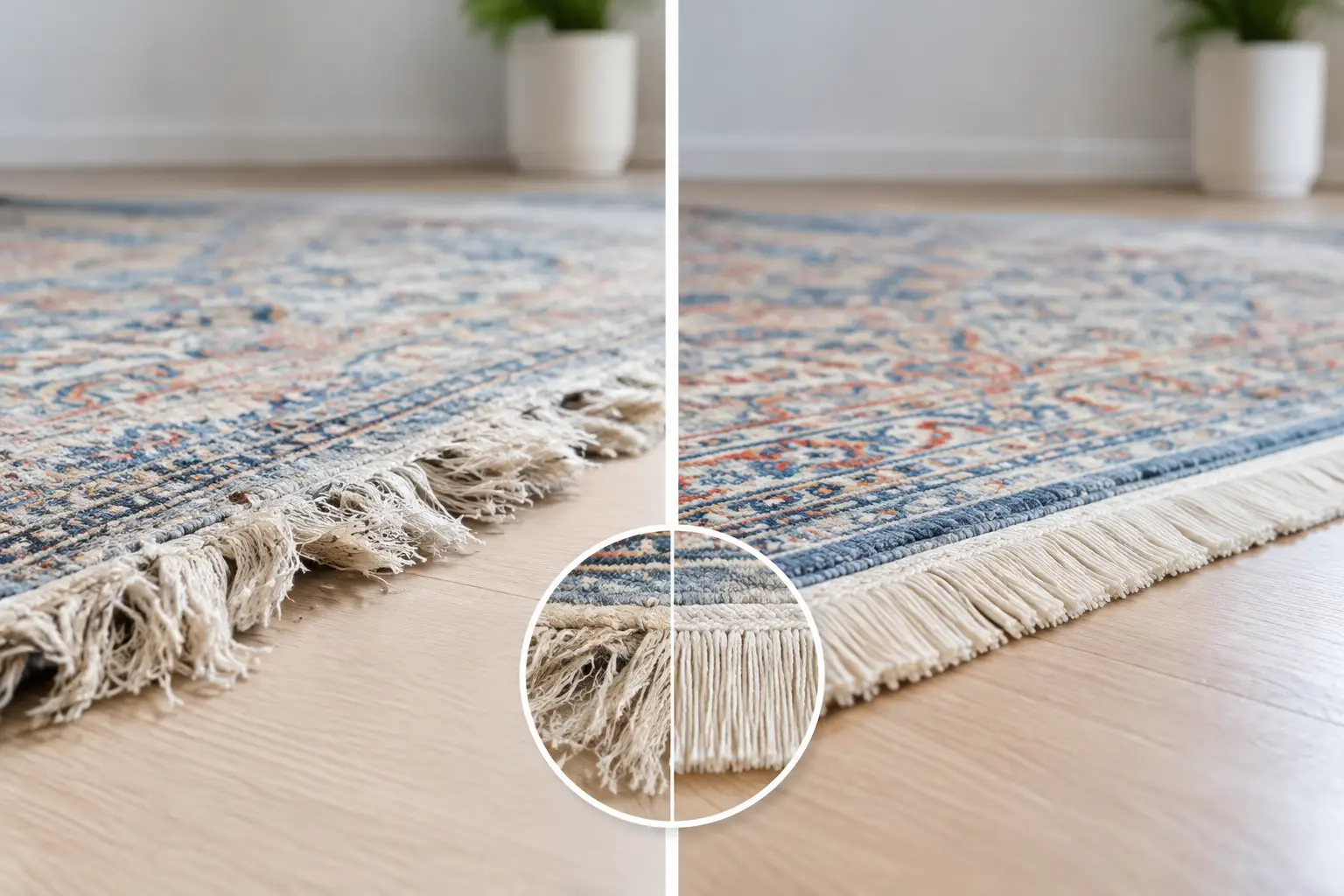
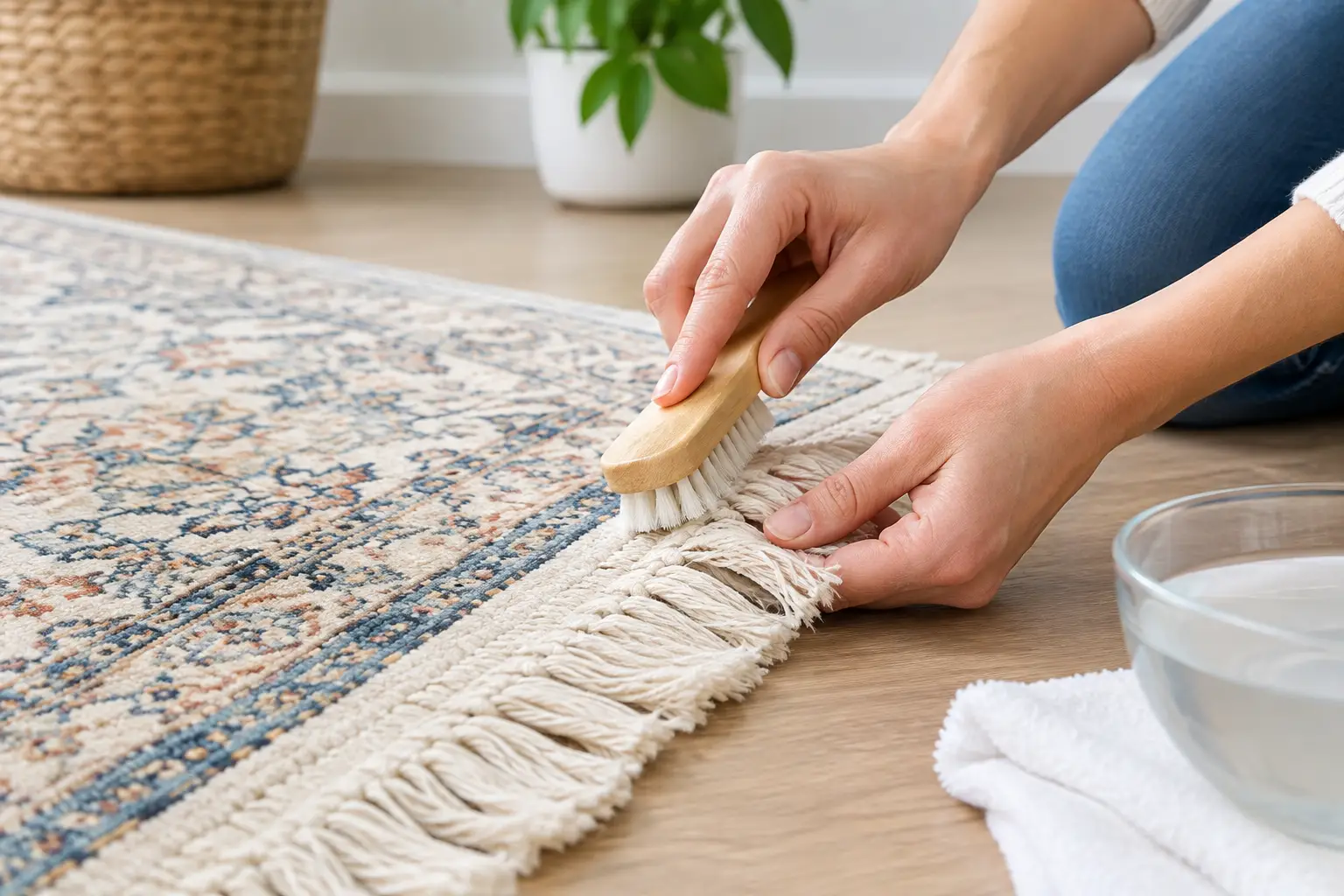
Watch for changes in color and texture. Dullness may be caused by soil, but fading, color transfer, or pale areas may also indicate a dye issue that requires trained evaluation. If a rug’s fringe has become gray, brittle, tangled, or stained, avoid treating it as an ordinary extension of the rug. Fringe is often part of the foundation, and aggressive scrubbing can damage it.
Other warning signs include:
- A persistent odor after vacuuming and spot treatment
- Pet accidents, especially repeat accidents in the same area
- Sticky, oily, or dark traffic lanes near doors, sofas, and dining tables
- Evidence of moth activity, such as irregular bare patches or loose wool fibers
- Water exposure from a spill, leak, or damp floor
How Often Should an Area Rug Be Washed?
There is no single schedule that fits every rug and every household. A lightly used rug in a low-traffic room may only need professional washing every three to five years. A family room rug with children, pets, frequent guests, or direct access to the patio may need attention every one to two years.
Orlando-area homes can present additional challenges. Fine sand is easily tracked indoors, and high humidity can make odors more noticeable or slow drying after a spill. Rugs placed near entryways, kitchens, pet feeding areas, or sliding doors usually need closer monitoring than rugs in formal spaces.
A valuable antique, hand-knotted Oriental rug, or sentimental family piece should be assessed based on its condition rather than a fixed calendar. Over-cleaning with unsuitable products can be as harmful as neglect. The goal is thoughtful care: clean the rug when soil, odor, staining, or risk to the fibers calls for it, using a method appropriate to its construction.
Pet Urine Requires More Than Surface Cleaning
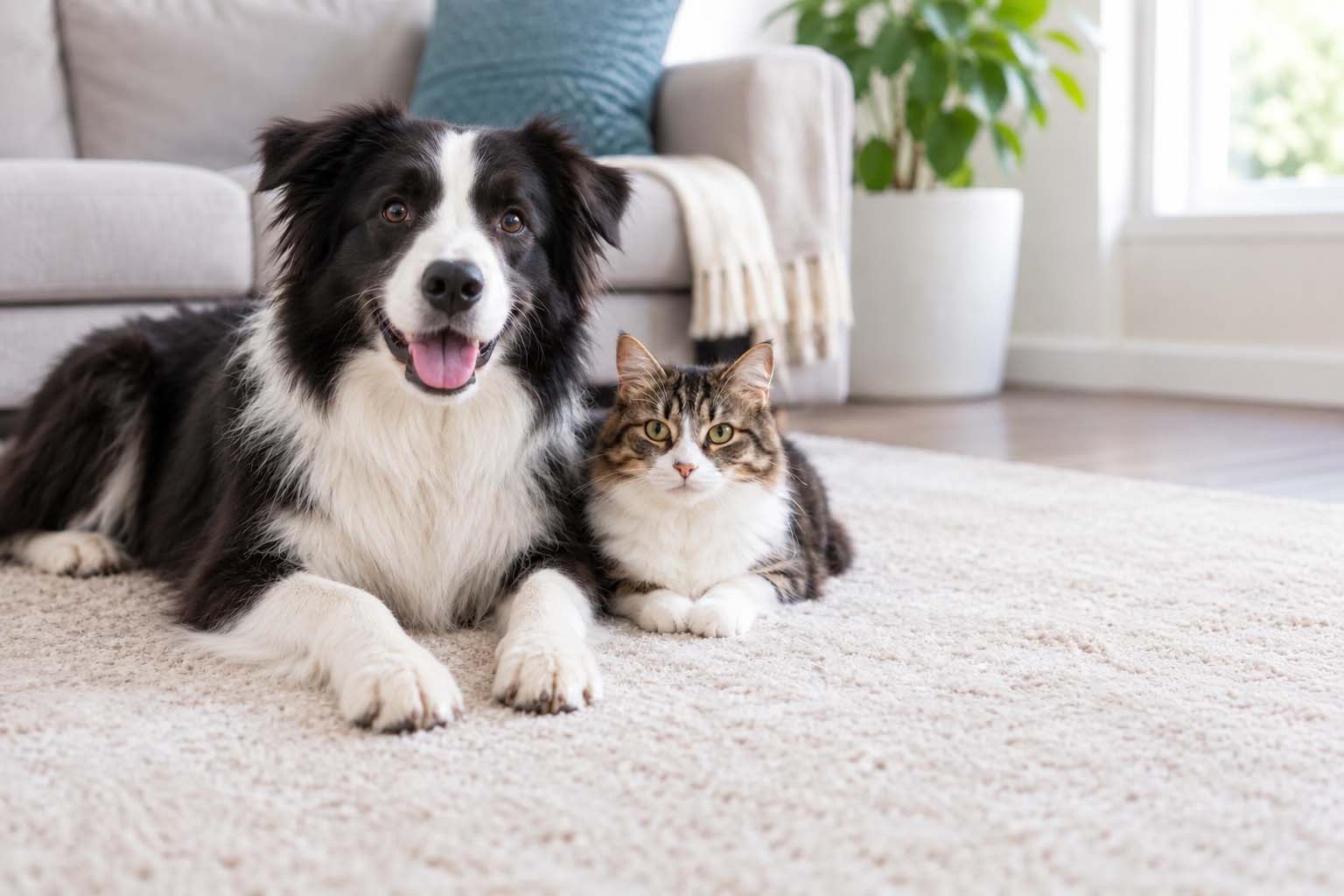
Pet urine is one of the most common reasons homeowners seek professional rug care, and it is also one of the most misunderstood. The visible stain may be small, but the affected area underneath can be much larger. As urine dries, it can leave behind crystals and bacteria-related odor compounds. Humidity or moisture can reactivate the smell later.
For a washable rug, effective treatment may require flushing and decontaminating the affected fibers, backing, and foundation during a controlled washing process. It may also be necessary to inspect the rug pad and the flooring below. A contaminated pad can keep transferring odor back into an otherwise cleaned rug.
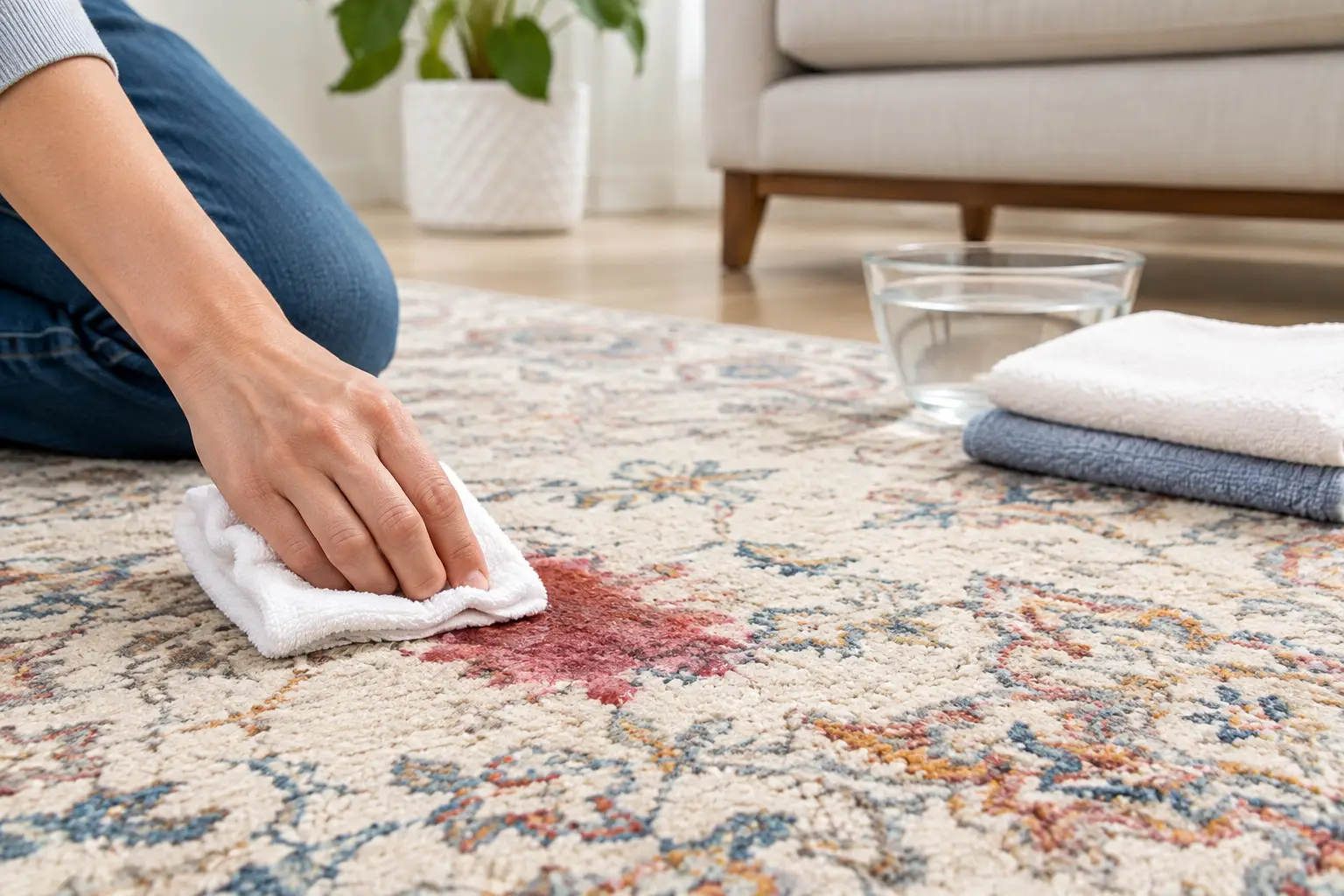
Avoid saturating a valuable rug at home in an effort to solve a pet accident. Excess water can cause dye migration, mildew risk, or damage to the floor beneath. Blot fresh accidents promptly with clean white towels, keep pets away from the area, and arrange an assessment before trying strong chemical cleaners.
Why Rental Machines and DIY Methods Have Limits
Rental machines can be useful for some wall-to-wall carpeting, but area rugs are different. Many rugs have natural fibers, unstable dyes, delicate backing materials, hand-finished edges, or foundations that should not remain wet for extended periods. A machine that sprays and extracts from the top may leave moisture and contamination lower in the rug.
Shampooing can also create a separate problem if detergent is not thoroughly rinsed away. Residue attracts new soil, making a freshly cleaned rug look dirty again sooner. Harsh chemicals, bleach, and untested stain removers can permanently alter wool, silk, cotton fringe, or dyes.
Professional cleaning is not simply a stronger version of spot cleaning. For appropriate rugs, it is a detailed process that can include inspection, dust removal, dye testing, targeted stain and odor treatment, controlled water-based washing, rinsing, grooming, and proper drying. The exact approach depends on the rug’s fibers, weave, age, condition, and the source of the problem.
Do Not Wait on Water, Moths, or Structural Damage
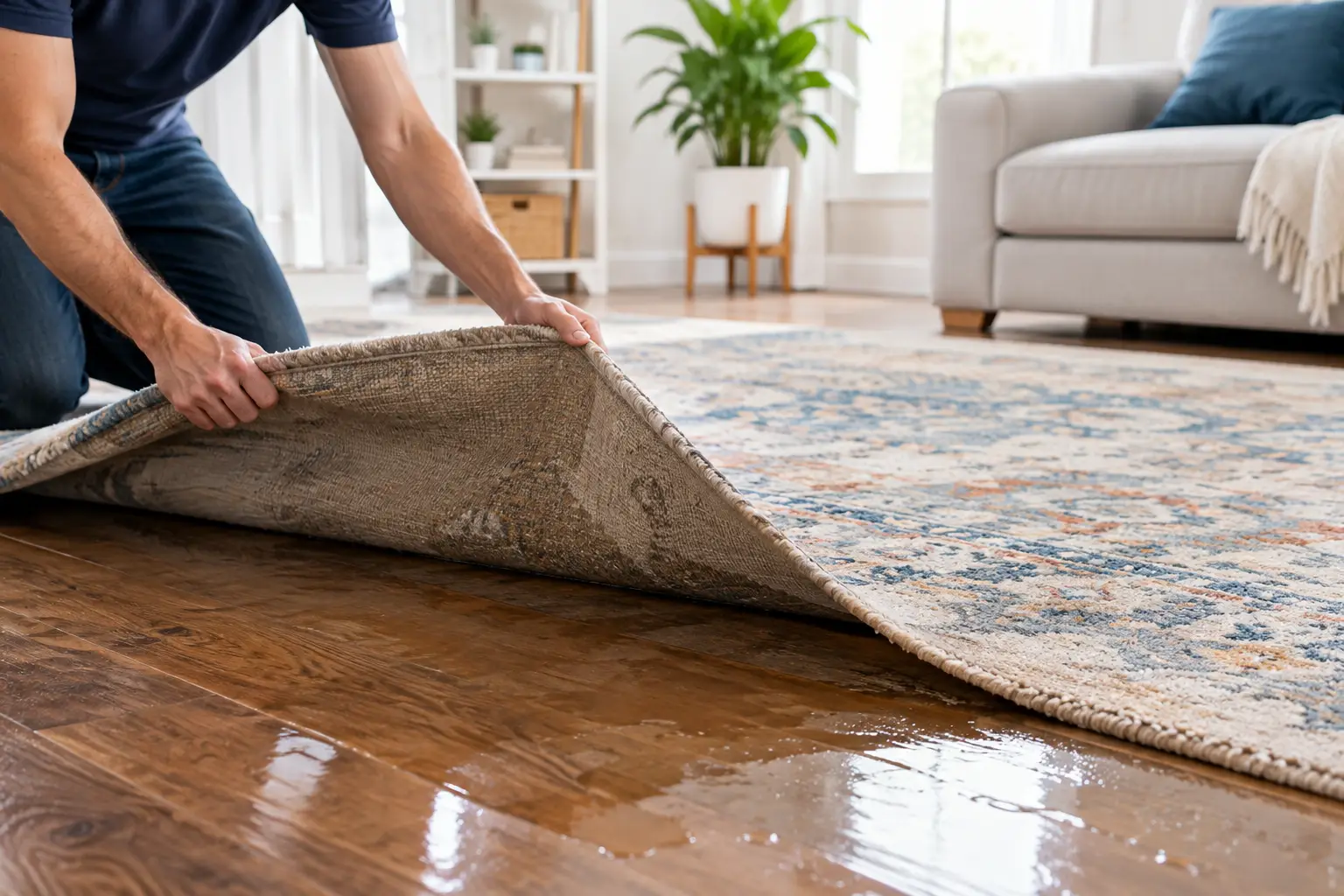
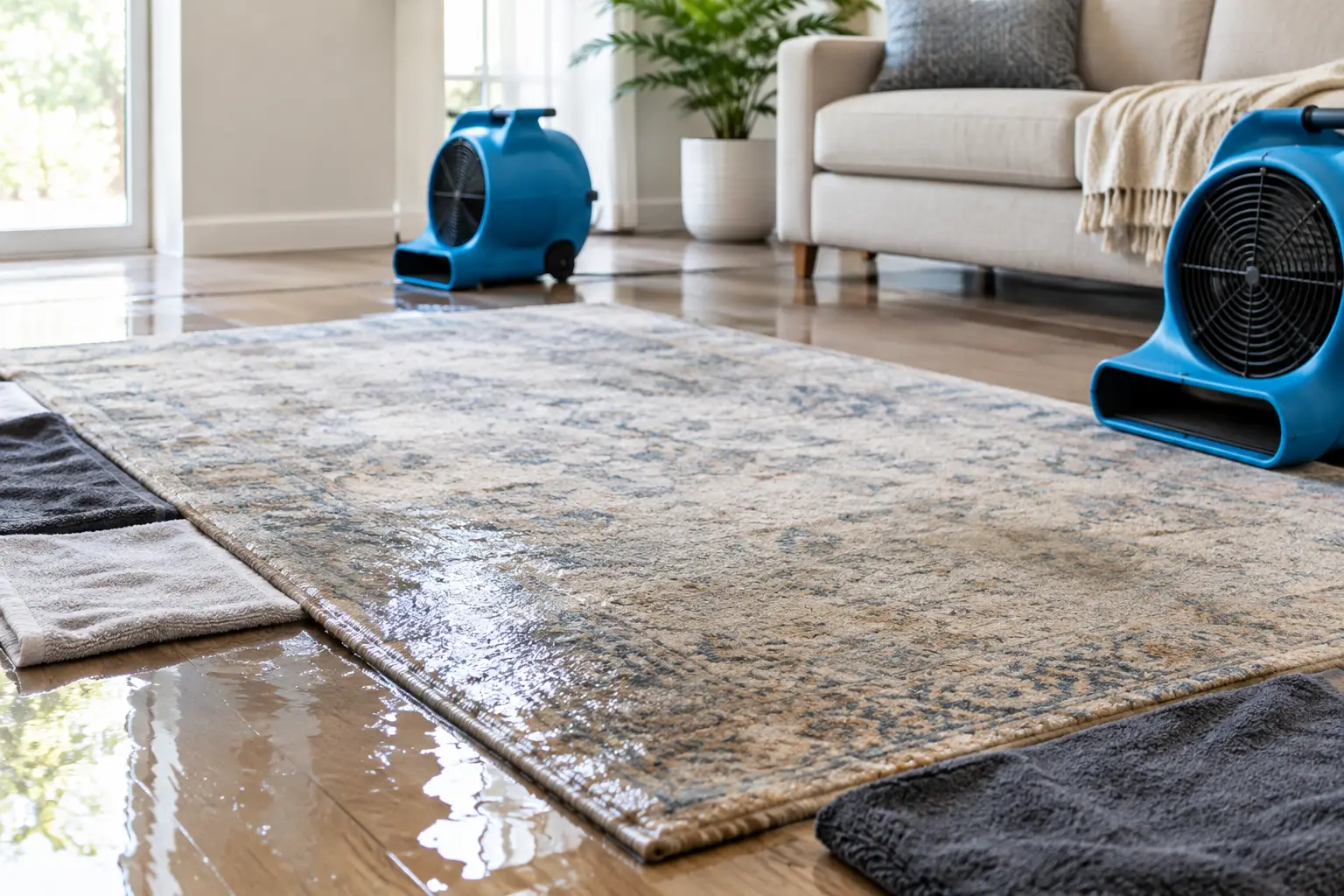
Some situations call for faster action than routine soil buildup. If a rug has been affected by a plumbing leak, flooding, or significant water spill, prompt attention can reduce the risk of mildew, dye bleed, and odor. Do not roll up a wet rug or leave it sitting on hardwood, laminate, or other hard-surface flooring.
Moth damage also needs a prompt response. Moths are drawn to natural animal fibers such as wool, particularly in dark, undisturbed areas where food particles, pet hair, and soil are present. Cleaning can remove the conditions that attract pests, while treatment and proper storage can help protect a rug that is not currently in use.
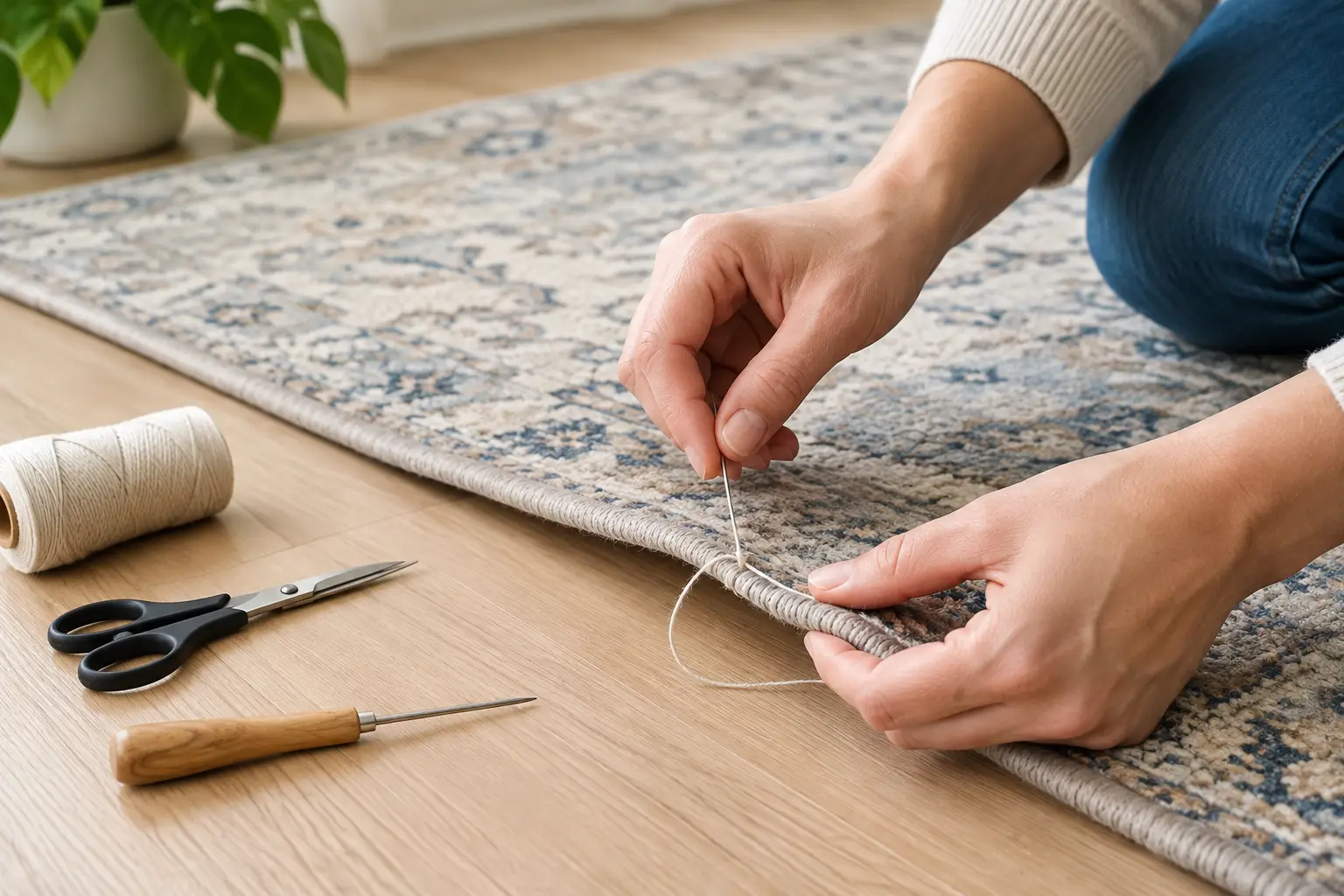
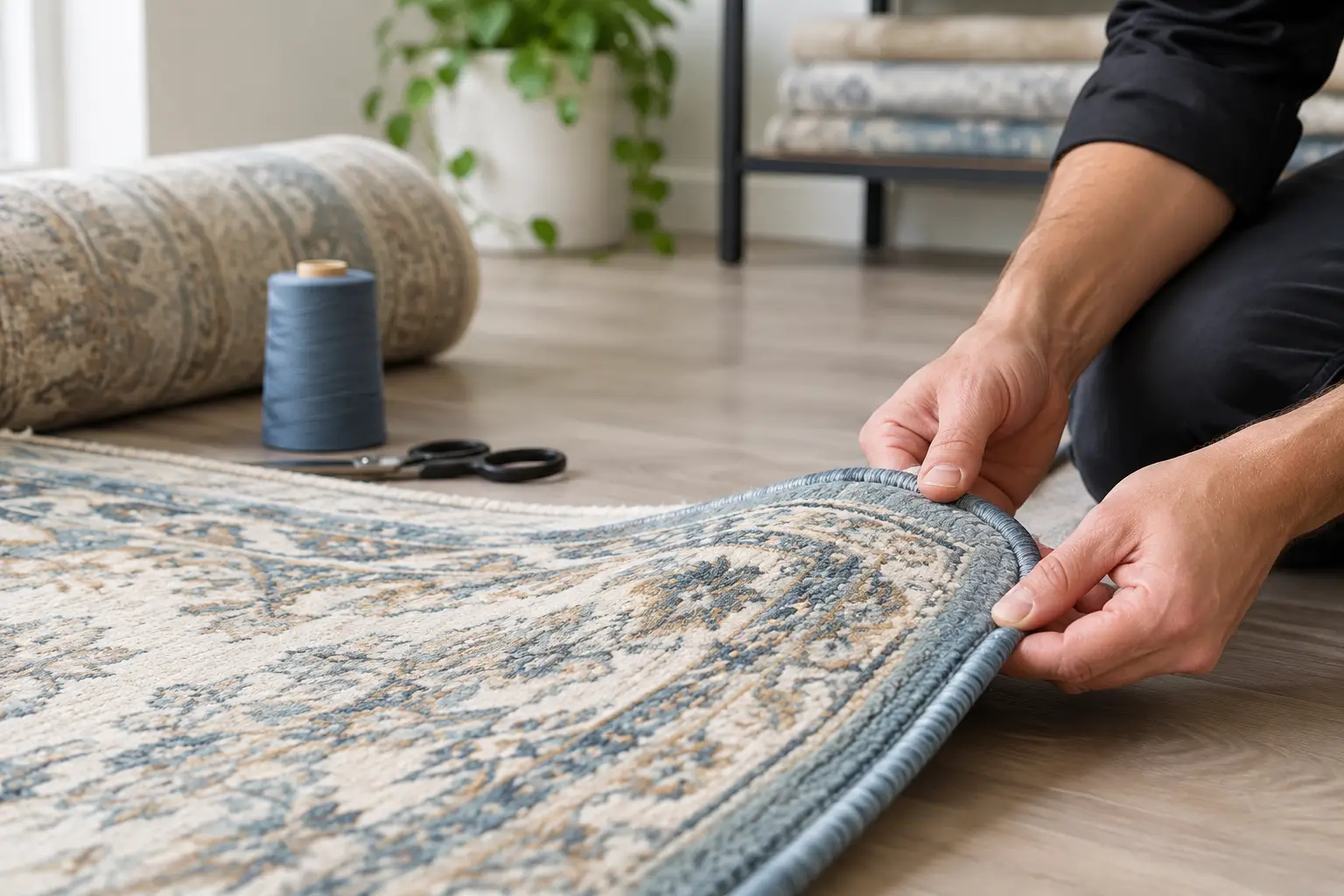
Loose edges, curling corners, worn binding, and damaged fringe are not only cosmetic concerns. They can create trip hazards and allow the rug to unravel further. Cleaning before repair is often helpful because soil can hide the true extent of damage. A trained rug care professional can determine whether washing, repair, color correction, padding, or a combination of services makes the most sense.
Protect the Rug After Cleaning
A clean rug stays cleaner longer when it has the right support underneath and a sensible maintenance routine. A custom-fit rug pad reduces sliding, cushions foot traffic, helps prevent premature wear, and can protect hard-surface floors from scratches. The best pad depends on the floor type and the rug itself, so it should not be treated as a one-size-fits-all purchase.
At home, vacuum regularly with settings suited to the rug. For many delicate rugs, avoid aggressive beater bars and take extra care around fringe. Rotate the rug periodically if one area receives more sun or foot traffic than another. Attend to spills quickly by blotting, never rubbing, and avoid applying unfamiliar products without knowing how the fibers and dyes will respond.
For homeowners who want careful handling from pickup through return delivery, 1st Impressions Oriental and Area Rug Cleaning provides in-studio washing, odor and pet urine treatment, repair, protection, and storage support for rugs throughout Orlando, Winter Park, Winter Garden, and nearby communities. A photo and measurement can often provide a practical starting point for a free estimate.
Your rug does not need to look ruined before it receives professional attention. If it feels heavy with soil, holds an odor, shows recurring stains, or carries memories you would rather preserve than replace, having it evaluated now is a practical act of long-term care.