A spilled glass of red wine, a wet dog coming in from the yard, or a child’s snack can turn a beautiful rug into an immediate concern. An area rug stain protector gives you more time to respond to everyday accidents, but it is not a substitute for proper cleaning or careful maintenance. For Oriental rugs, wool rugs, silk rugs, and designer area rugs, the right product and application method matter just as much as the protection itself.
The goal is simple: help spills stay closer to the surface rather than soaking quickly into the fibers and foundation of the rug. When protection is selected for the rug’s materials and applied after a thorough professional washing, it can make routine care easier while helping preserve the rug’s appearance.
What an Area Rug Stain Protector Does
A professional rug protector creates a protective barrier around individual fibers. This barrier helps resist water-based spills, oils, and dry soil so they are less likely to bond immediately with the rug. Instead of disappearing into the pile, a fresh spill may bead on the surface or absorb more slowly, giving you a better opportunity to blot it before it becomes a permanent stain.
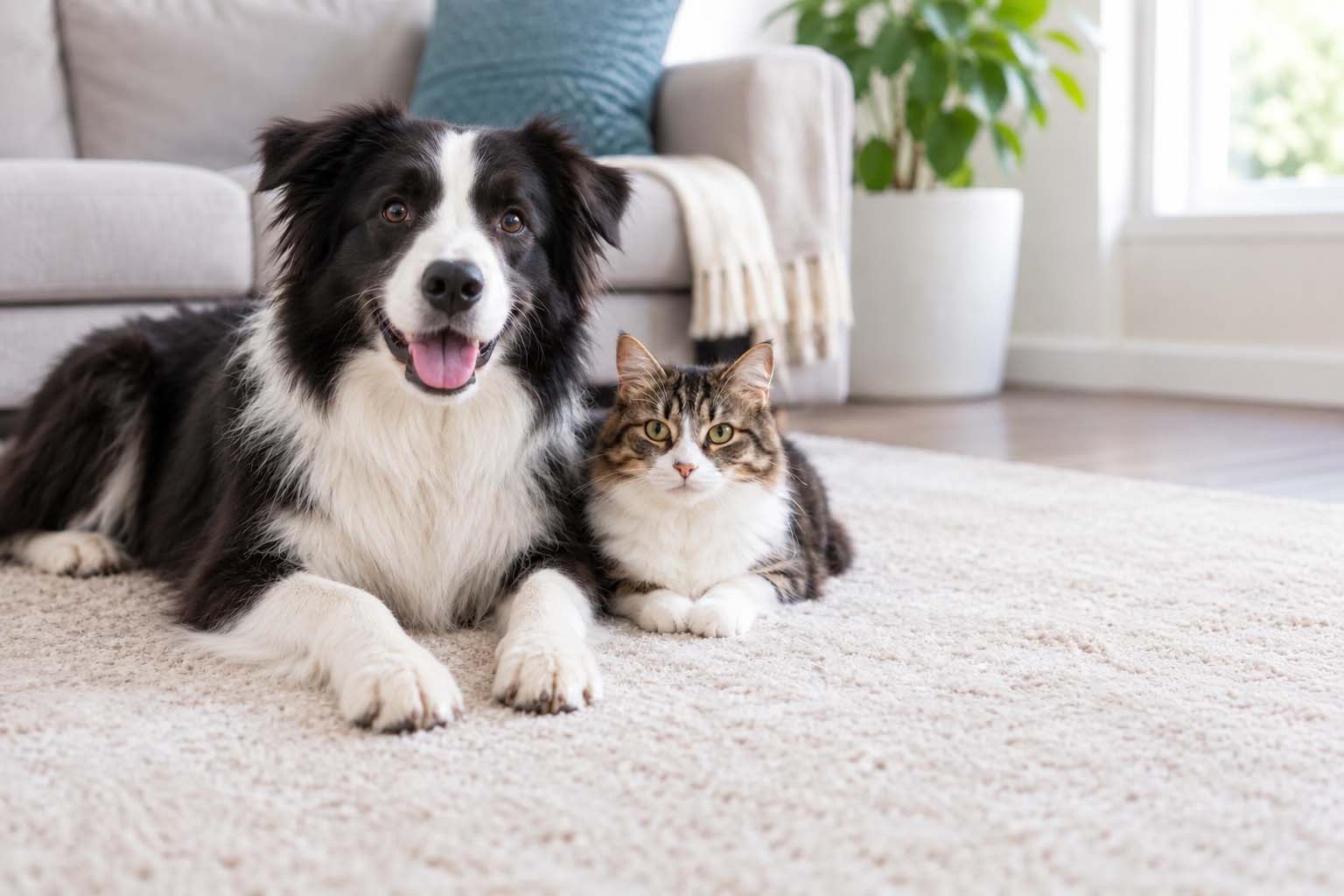
That extra response time is especially useful in busy Central Florida homes with children, pets, frequent guests, or indoor-outdoor living. Fine rugs often sit in the rooms where life happens: beneath a dining table, in a family room, near an entryway, or beside a favorite pet bed.
Protection also helps reduce the dulling effect of everyday soil. Dirt particles can work their way down through rug fibers, where they act like abrasive grit each time the rug is walked on. A protector can make regular vacuuming more effective by helping dry soil release from the surface more easily.
Still, stain protection has limits. It does not make a rug spill-proof, pet-proof, or immune to stains. Strong dyes, acidic foods, grease, ink, and old spills can still cause damage. Pet urine is a separate concern because it can travel through the pile into the backing and foundation, leaving odor and contamination well beyond what surface spot cleaning can reach.
Which Rugs Benefit Most From Stain Protection?
Most rugs can benefit from thoughtful protection, but the need and approach vary by fiber, construction, age, and use. A durable synthetic area rug in a high-traffic family room may be a practical candidate for protection because it faces repeated spills and soil. A hand-knotted wool Oriental rug can also benefit, particularly when it is used under a dining table or in an active living area.
Natural fibers require more judgment. Wool has natural resilience and contains some natural oils that help repel soil, yet it can still absorb spills and hold onto stains if they are left untreated. Cotton foundations, common in many handmade rugs, may be vulnerable when spills migrate through the wool pile. Silk, viscose, rayon, and bamboo silk rugs require especially cautious handling. These fibers can be sensitive to moisture, friction, and unsuitable cleaning products, so protection should never be applied as a one-size-fits-all service.
Antique rugs, rugs with unstable dyes, and pieces with previous color damage also deserve an individual assessment. In some cases, preserving the rug’s original fibers and dyes takes priority over adding a protective treatment. A qualified rug care professional should first determine whether the rug is colorfast, structurally sound, and appropriate for the product being considered.
Why Cleaning Comes Before Protection
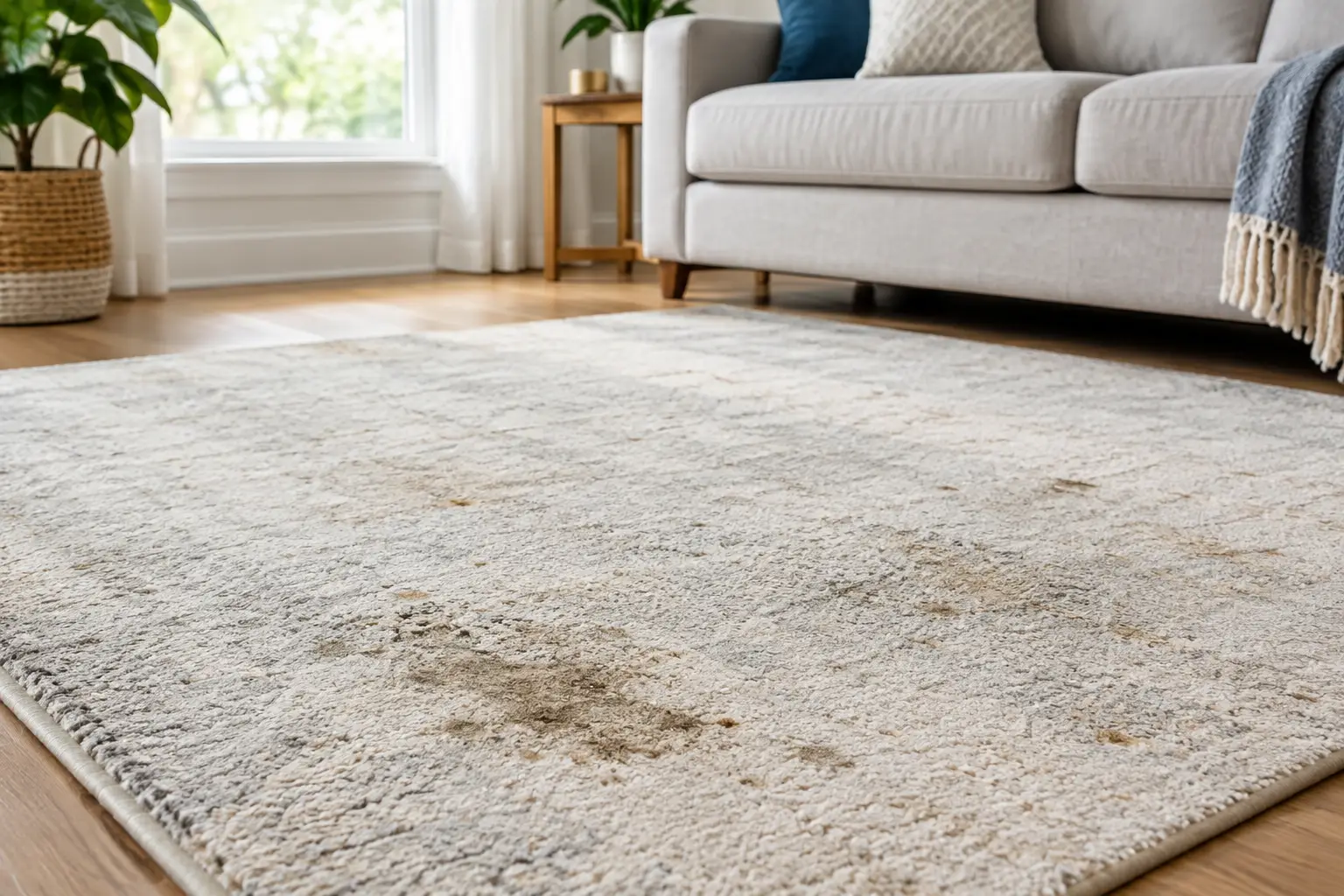
Applying protector over a soiled rug is like waxing a dirty floor. It may temporarily change the surface, but it does not solve the underlying issue. Soil, food residue, pet oils, and prior spot-cleaning products should be removed before protection is applied.
At 1st Impressions Oriental and Area Rug Cleaning, this begins with evaluating the rug’s fiber type, construction, condition, and specific concerns. A proper water-based bathing process removes embedded soil and contaminants that ordinary vacuuming cannot reach. This is particularly valuable for rugs with pet urine, food spills, musty odors, or residue left behind by household cleaners.
Once the rug is thoroughly cleaned and dried, the protector can be applied more evenly to clean fibers. The result is more dependable performance and a rug that feels fresh rather than coated or stiff. Harsh chemicals, bleaching agents, and heavy residues have no place in careful fine-rug care.
When Stain Protection Is a Smart Choice
A rug protector makes the most sense when the rug is exposed to realistic risks on a regular basis. Consider it for a dining room rug, a family-room rug, a rug near a patio door, or a runner in a busy hallway. It is also useful when a household includes pets or young children, even when everyone is careful.
Protection can be particularly worthwhile after restoration or color correction. When a rug has received skilled repair or specialized care, homeowners often want to maintain that improvement for as long as possible. Adding protection is one practical part of a larger preservation plan that may also include a properly fitted rug pad, regular vacuuming, timely professional washing, and prompt attention to spills.
It may be less necessary for a rug displayed in a low-traffic formal space or stored safely when not in use. The decision should reflect how the rug is actually used, not simply its value. A valuable rug in an active household often needs more preventive care than a less expensive rug placed in a quiet room.
What to Do When a Spill Happens
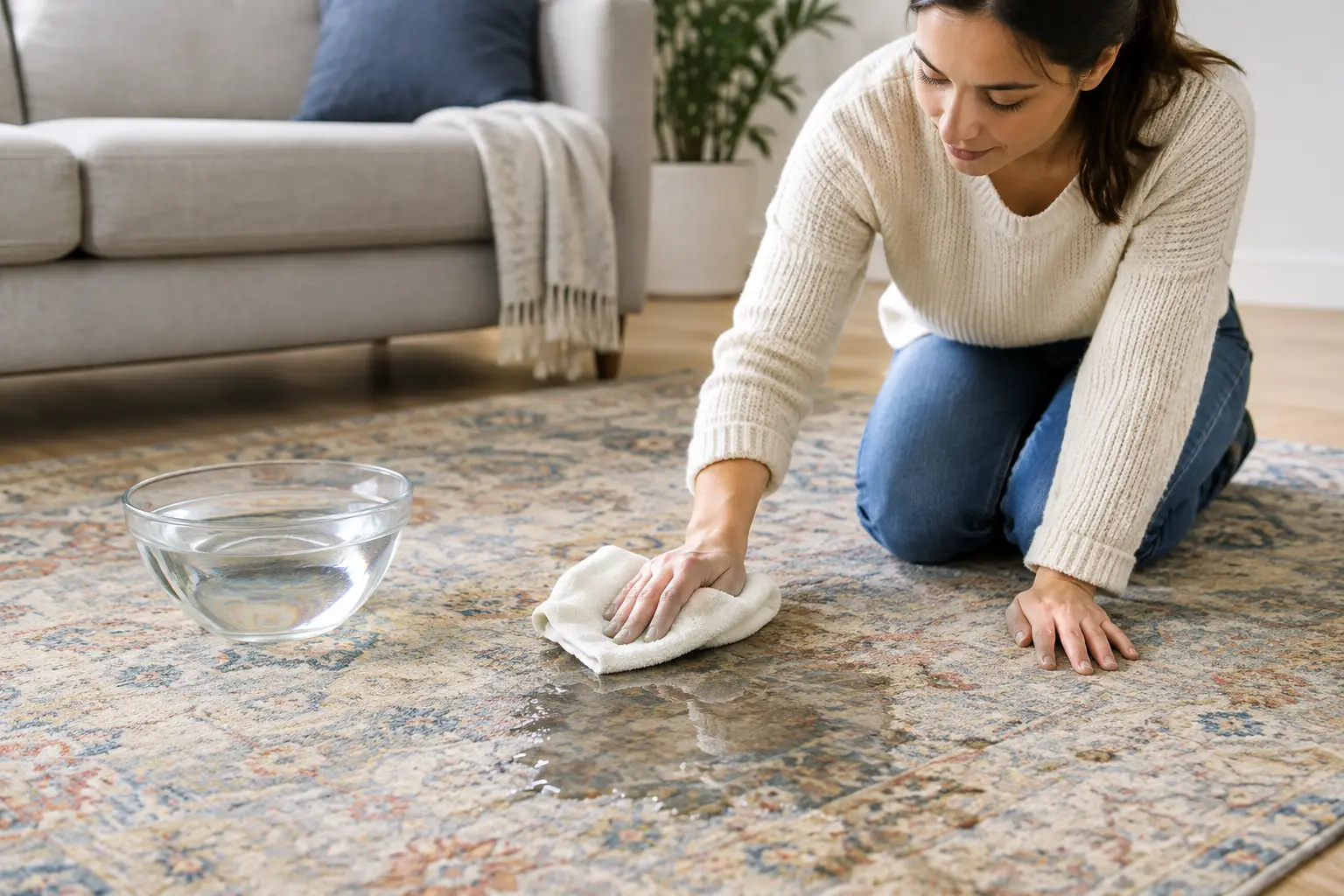
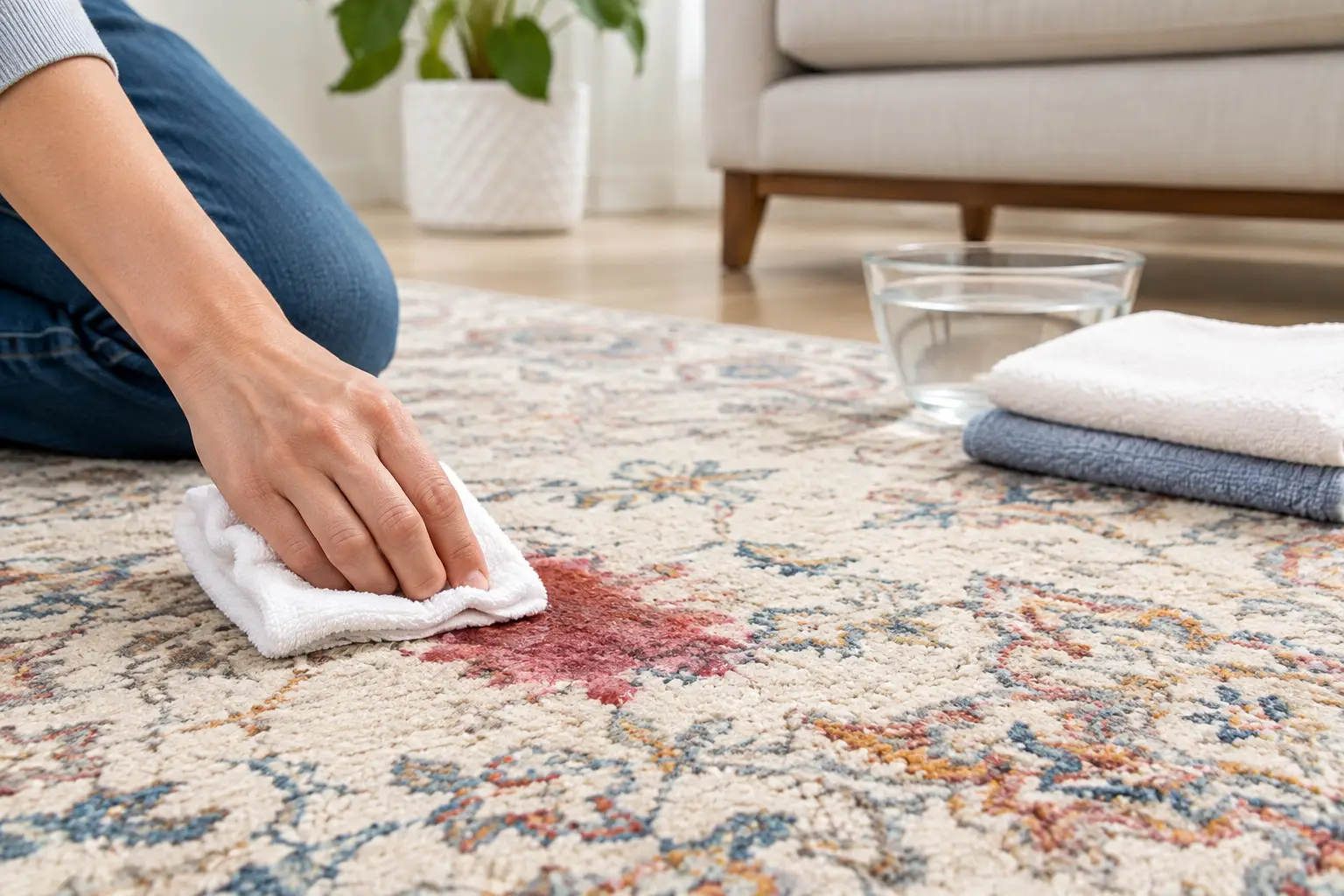
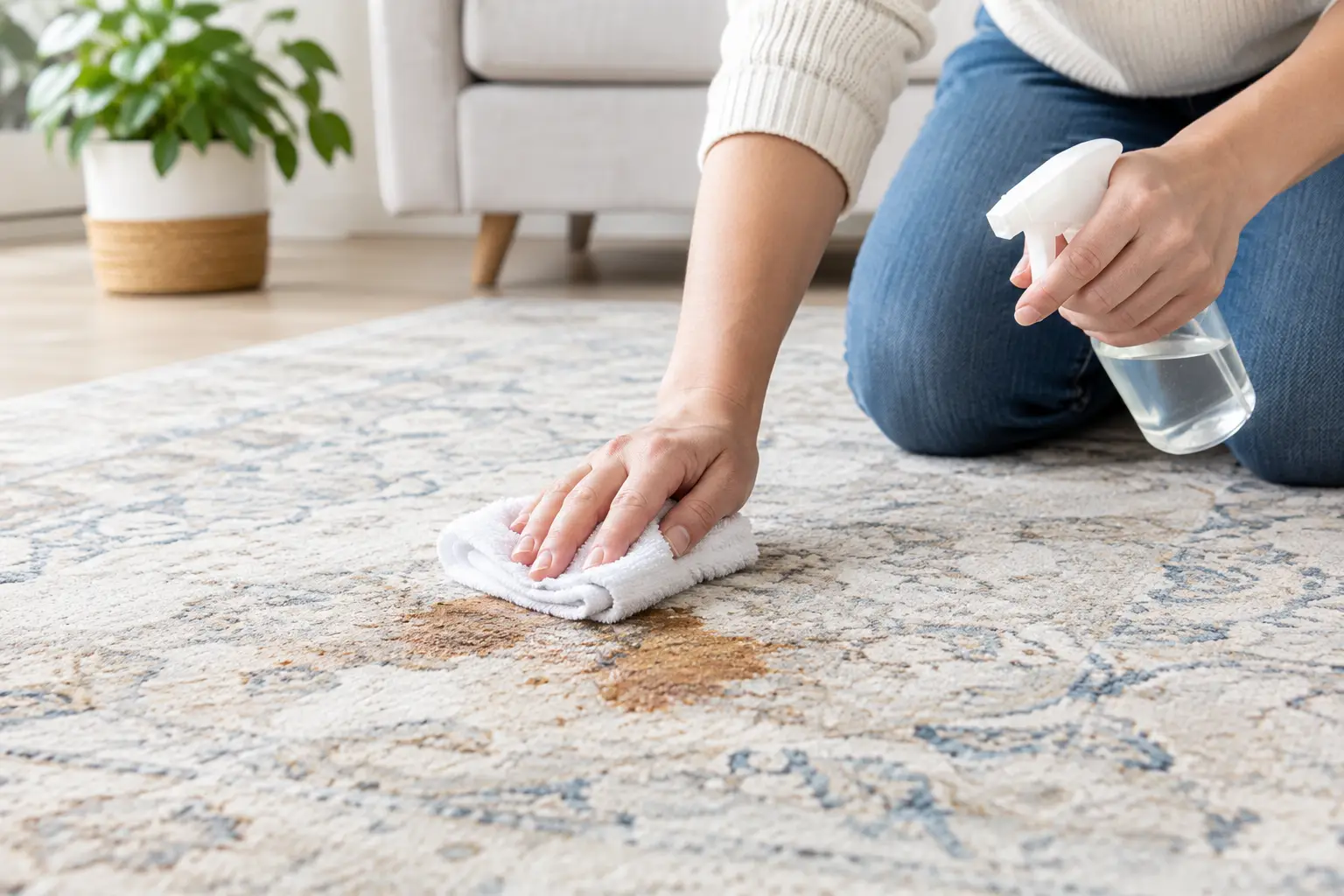
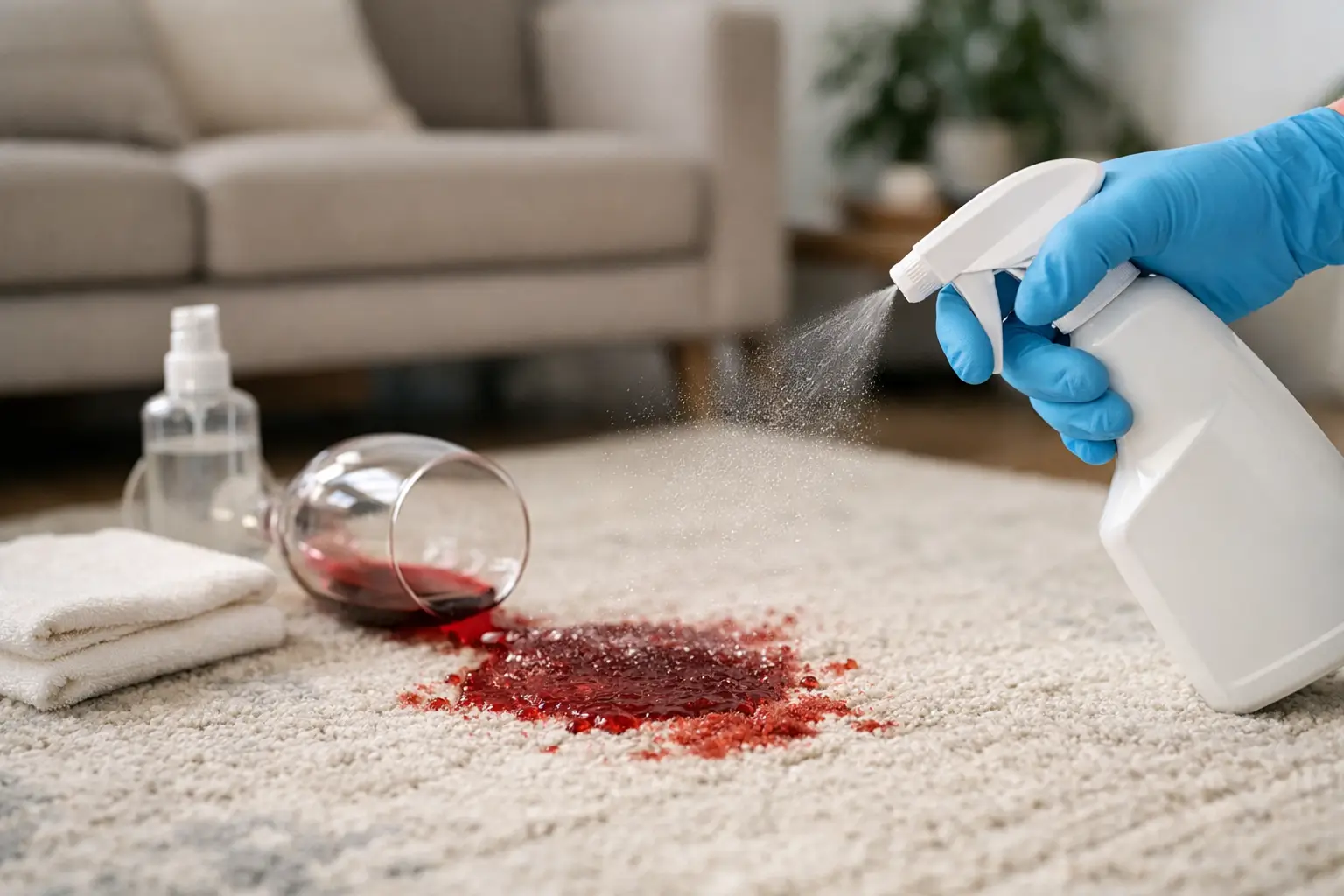
Even with an area rug stain protector, quick action is the best defense. Blot a fresh spill immediately with a clean, white absorbent towel. Press firmly and lift straight up. Do not rub, scrub, or twist the fibers, since friction can spread the stain and distort delicate pile.
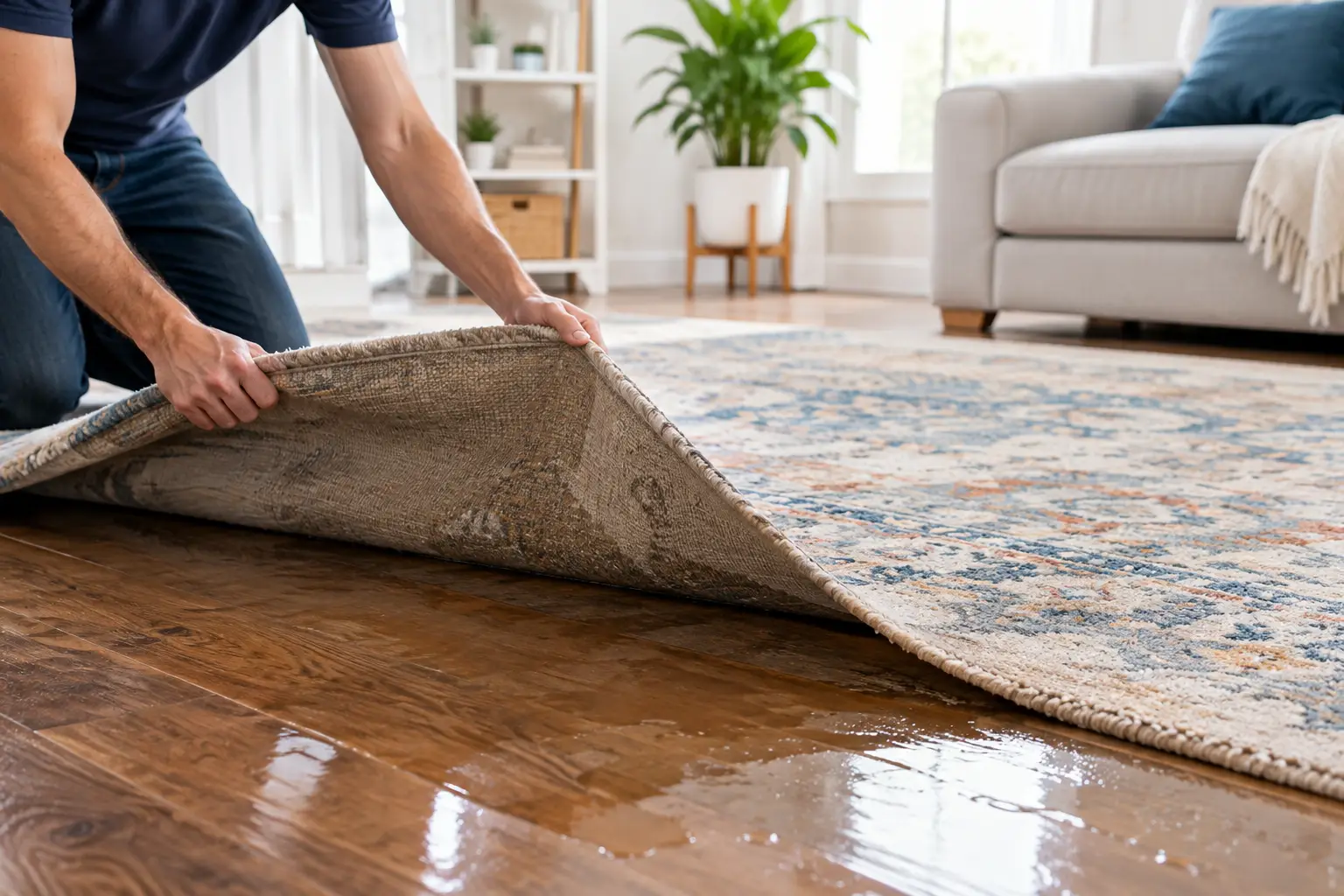
Use plain water sparingly if needed, especially on wool or handmade rugs. Avoid pouring water directly onto the rug, and do not saturate the area. Excess moisture can travel into the backing, cause dye movement, or create conditions for odor and mildew. Household stain removers, vinegar, dish soap, and powdered products can create their own problems, including color loss, sticky residue, and rapid resoiling.
For pet accidents, blot what you can and arrange professional help as soon as possible. The visible spot may be small, but urine often reaches the rug’s foundation and the floor beneath it. Effective decontamination may require treating both the rug and the pad, rather than simply masking the odor from the surface.
How Long Does Rug Protection Last?
There is no single timeline because performance depends on traffic, fiber type, vacuuming habits, cleaning methods, and the type of spills the rug encounters. A rug in a quiet bedroom may retain protection longer than one in a busy kitchen-adjacent living space. Frequent professional washing will eventually remove or reduce the treatment, which is why reapplication is commonly considered after a full cleaning.
Watch for changes in how the rug handles small water drops or everyday cleanup. If spills absorb immediately instead of remaining near the surface, the protective treatment may be wearing off. That does not mean the rug has failed. It simply means the fibers may be ready for cleaning and renewed protection.
Protection Works Best as Part of Rug Care
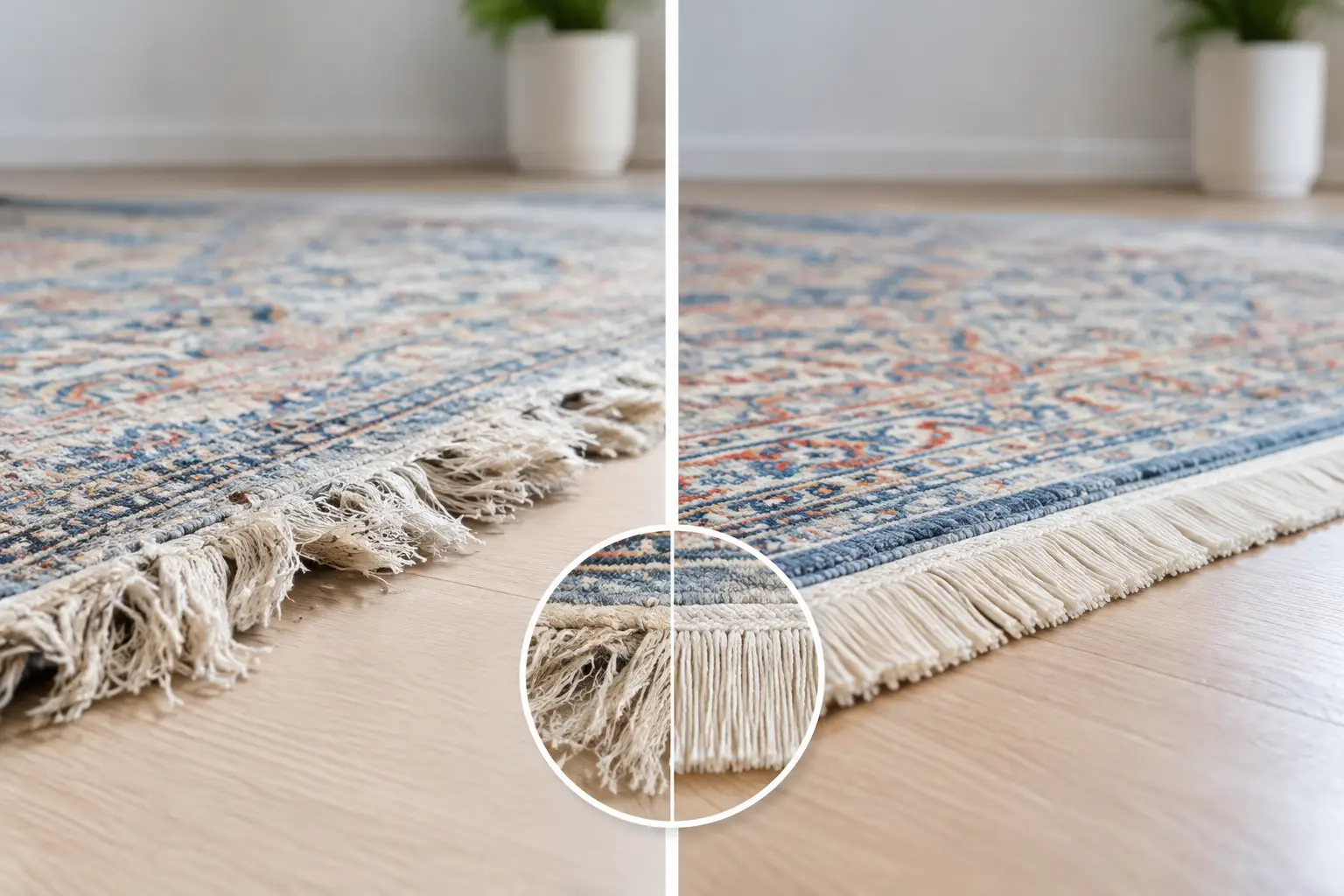
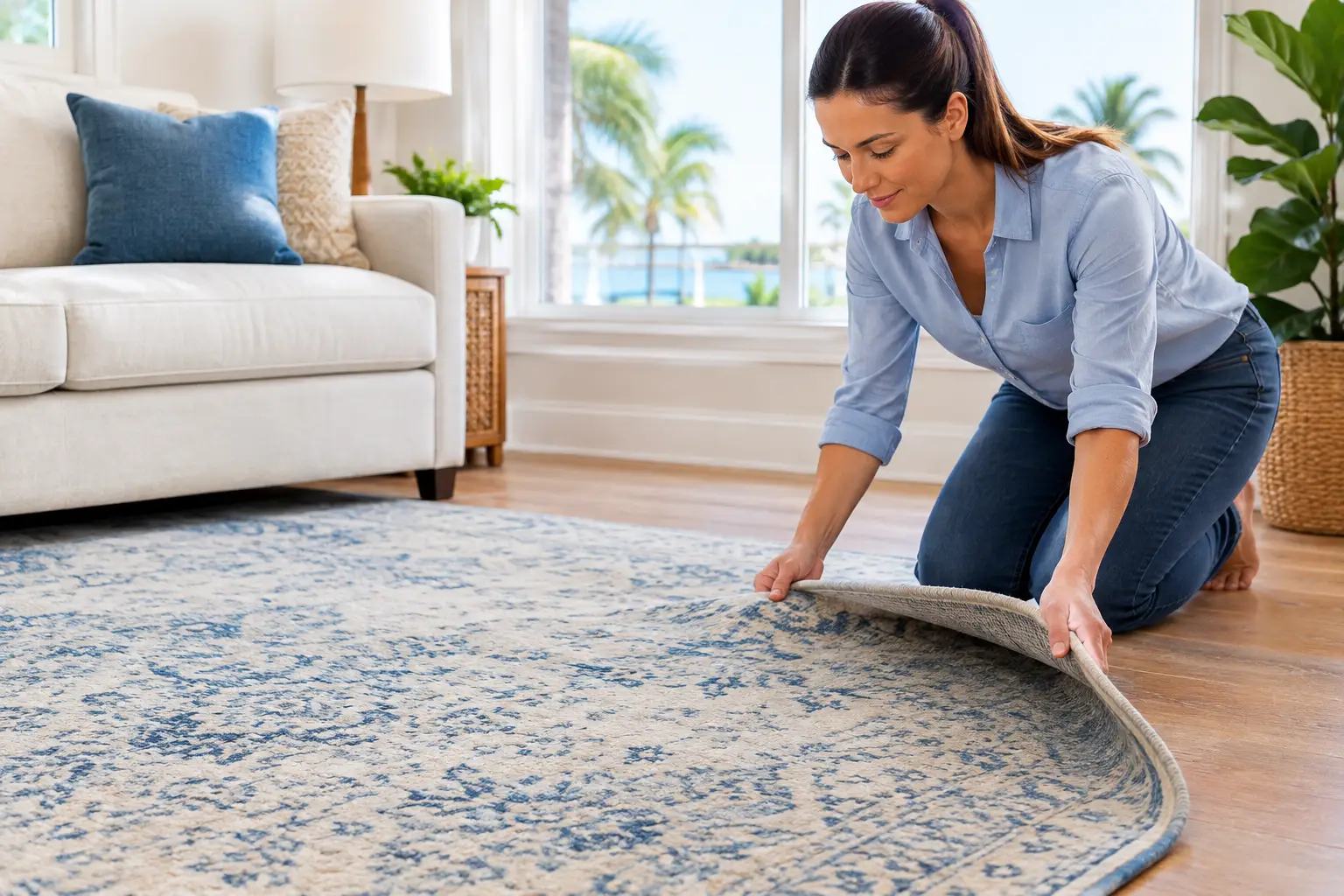
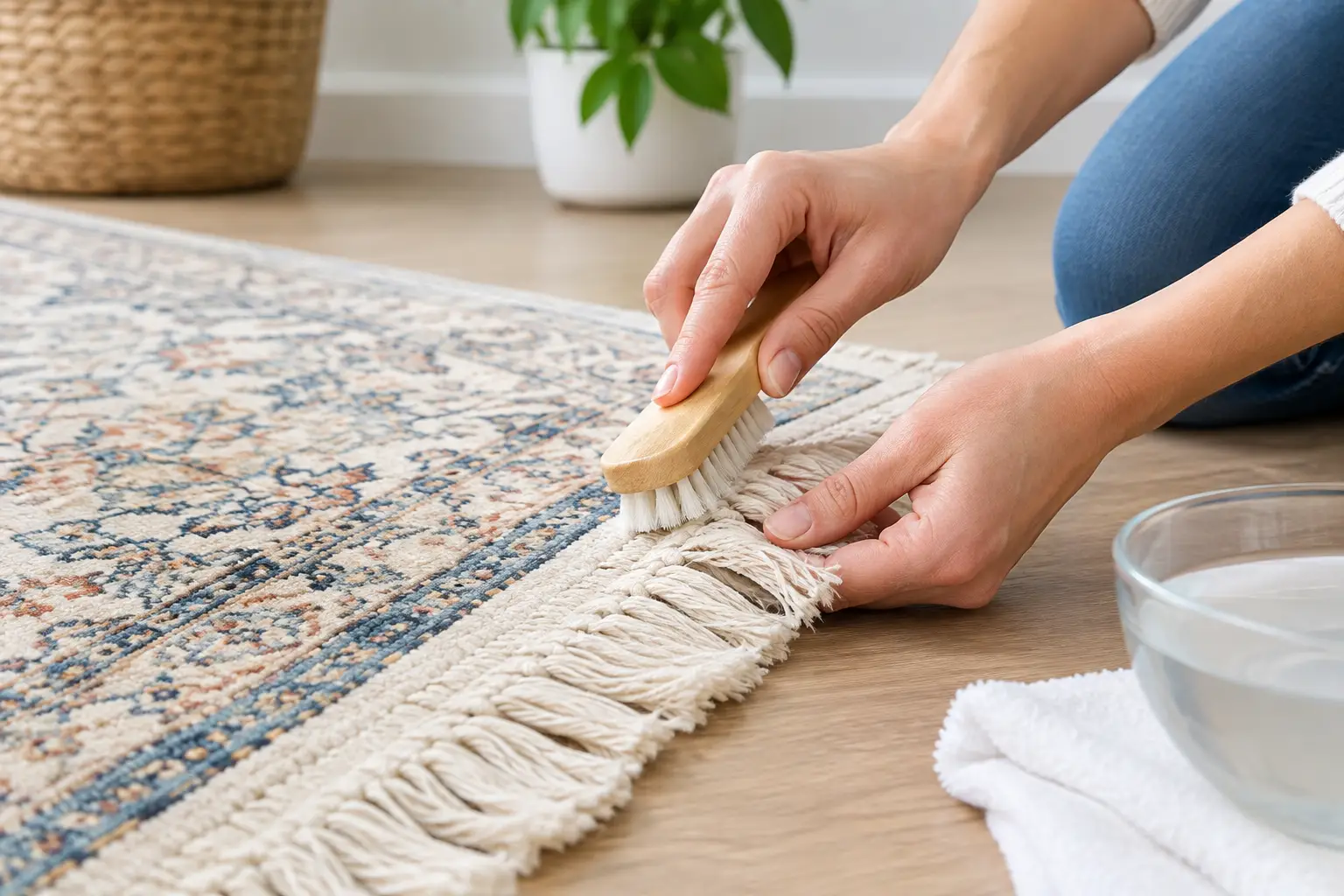
Stain protector is most useful when it supports, rather than replaces, good care. Vacuum regularly without using aggressive beater bars on delicate fringe. Rotate rugs periodically to distribute traffic and sun exposure. Use a custom-fit rug pad to reduce slipping, cushion the pile, and protect hard-surface floors underneath.
Most importantly, treat new stains as time-sensitive. The sooner a spill is blotted and assessed, the better the chance of preventing lasting discoloration. If you are unsure what a rug is made of or whether a cleaning product is safe, pause before experimenting. Careful handling early on is often what keeps a small accident from becoming a restoration project.