A rug can look reasonably clean from across the room while holding pounds of dry soil deep in its foundation. In Central Florida, sand, pollen, humidity, pet accidents, and everyday foot traffic work their way below the pile, where vacuuming and surface spot treatment cannot reach. Water based rug washing addresses the whole rug, not just what is visible on top.
For Oriental rugs, wool area rugs, designer rugs, and sentimental pieces, that difference matters. Proper washing can refresh color, remove abrasive grit, reduce odors, and help preserve fibers that have been quietly wearing down with every step.
What water based rug washing actually means
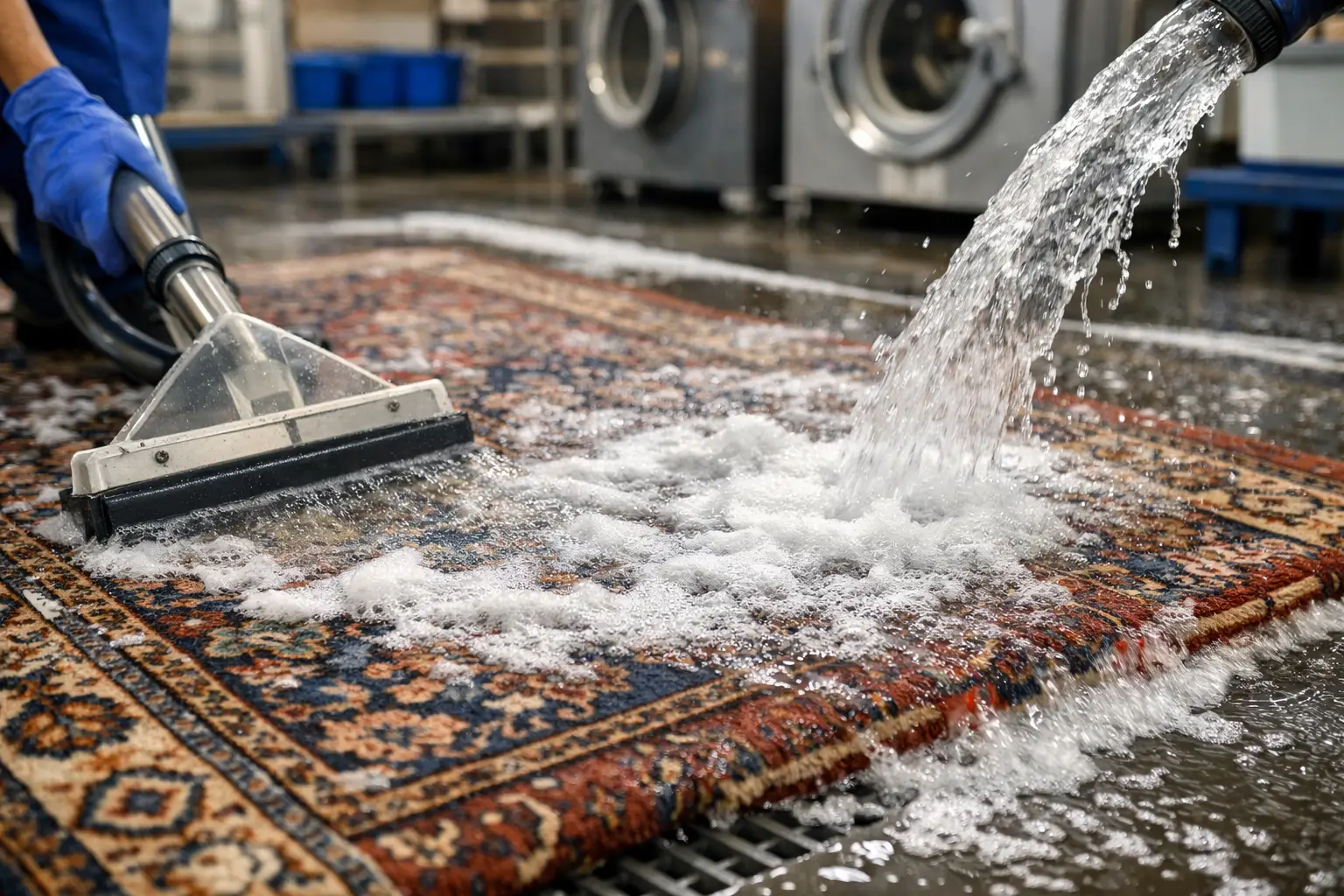
Water based rug washing is a controlled, in-studio bathing process designed to flush soil and contaminants from a rug’s fibers and foundation. It is not the same as spraying a cleaning solution onto a rug in the home and extracting the surface with a portable machine.
A carefully performed wash begins with inspection. The rug’s fiber type, construction, dyes, age, backing, fringe condition, stains, and odor concerns all affect the appropriate treatment. Wool, cotton, silk, viscose, jute, synthetic fibers, and hand-dyed textiles do not respond the same way to moisture or cleaning agents.
After the rug is evaluated, dry soil is removed before washing begins. This step is easy to overlook, but it is essential. Fine sand and gritty particles settle into the base of a rug, where they act like sandpaper against fibers and can dull colors over time. Washing a rug without adequate dust removal can turn that dry grit into mud and limit the effectiveness of the bath.
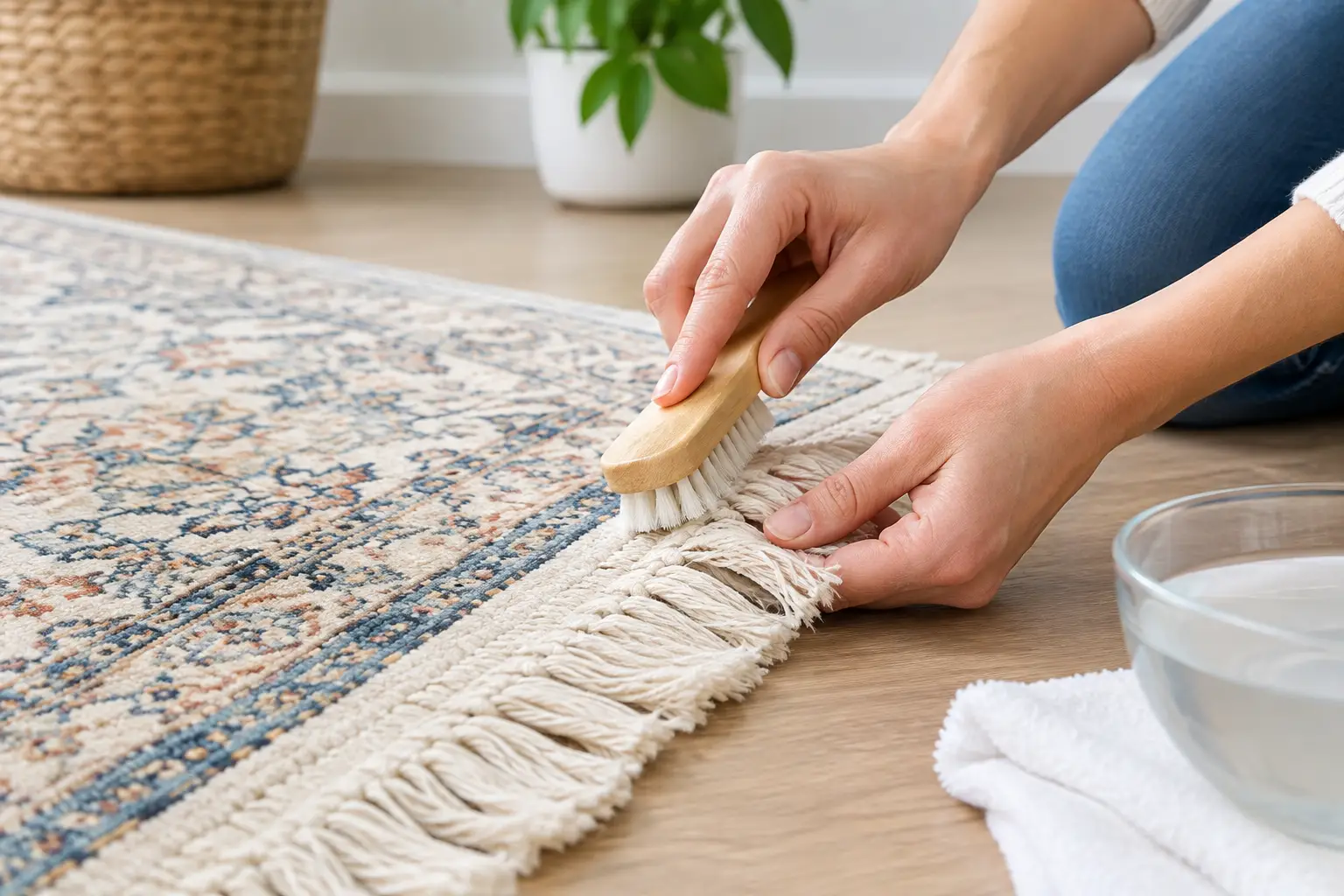
The rug is then washed using water and rug-appropriate cleaning solutions, with agitation suited to its construction. Rinsing removes loosened soil and residues, and controlled drying helps prevent problems caused by lingering moisture. The goal is a clean rug that is thoroughly rinsed, properly dried, and handled with respect from start to finish.
Why a full bath is different from surface cleaning
Surface cleaning has a place. It can be useful for routine maintenance, fresh spills, and rugs that cannot be moved immediately. But it has limits, especially when the concern involves old traffic soil, pet urine, sticky residues, or odors that return after a rug dries.
A rug is more than its face yarn. It may have a cotton foundation, layers of pile, fringe, backing, latex, or adhesives. Contaminants can travel through these layers. A full water wash is designed to address what has settled below the surface, where a standard in-home cleaning method may not reach.
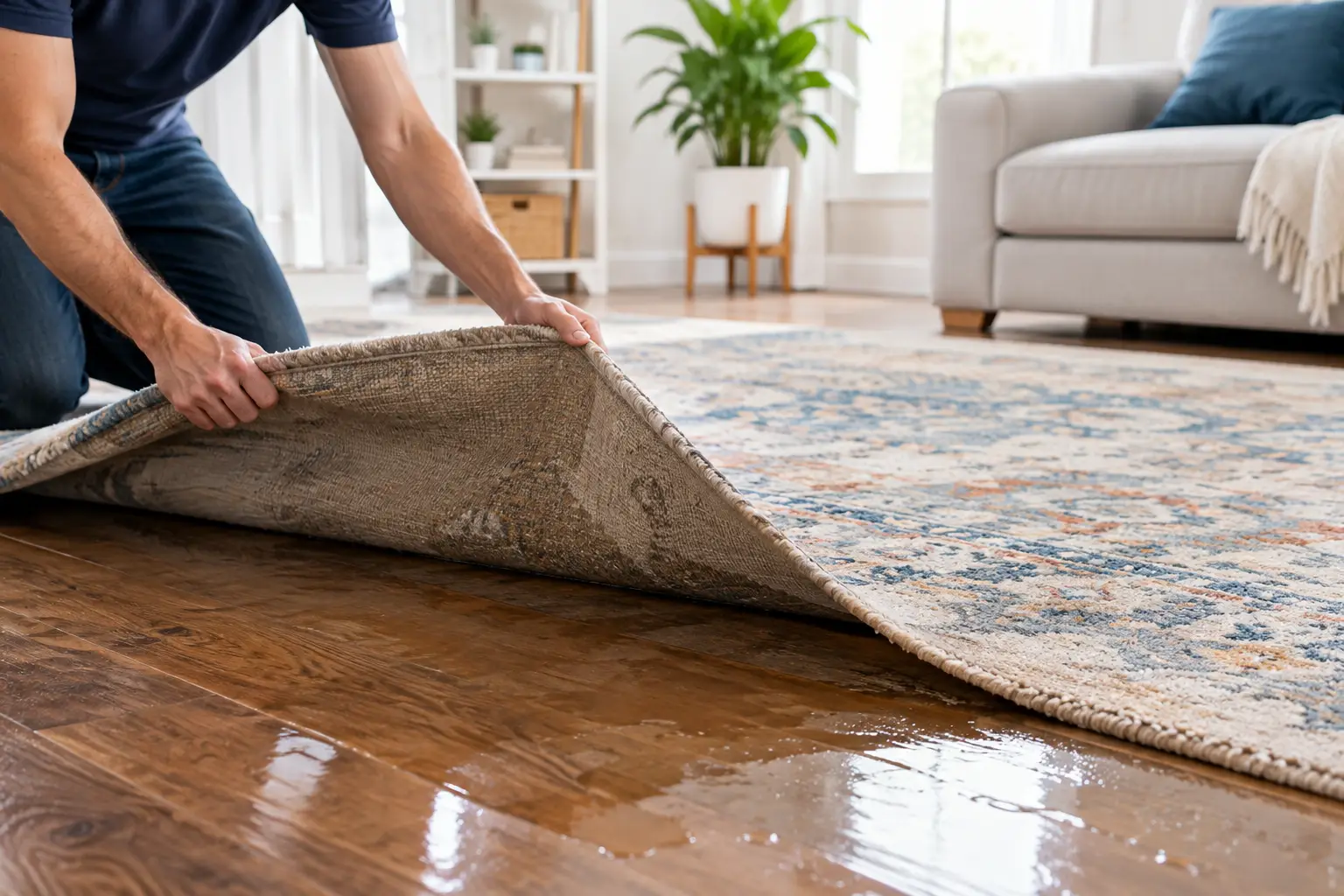
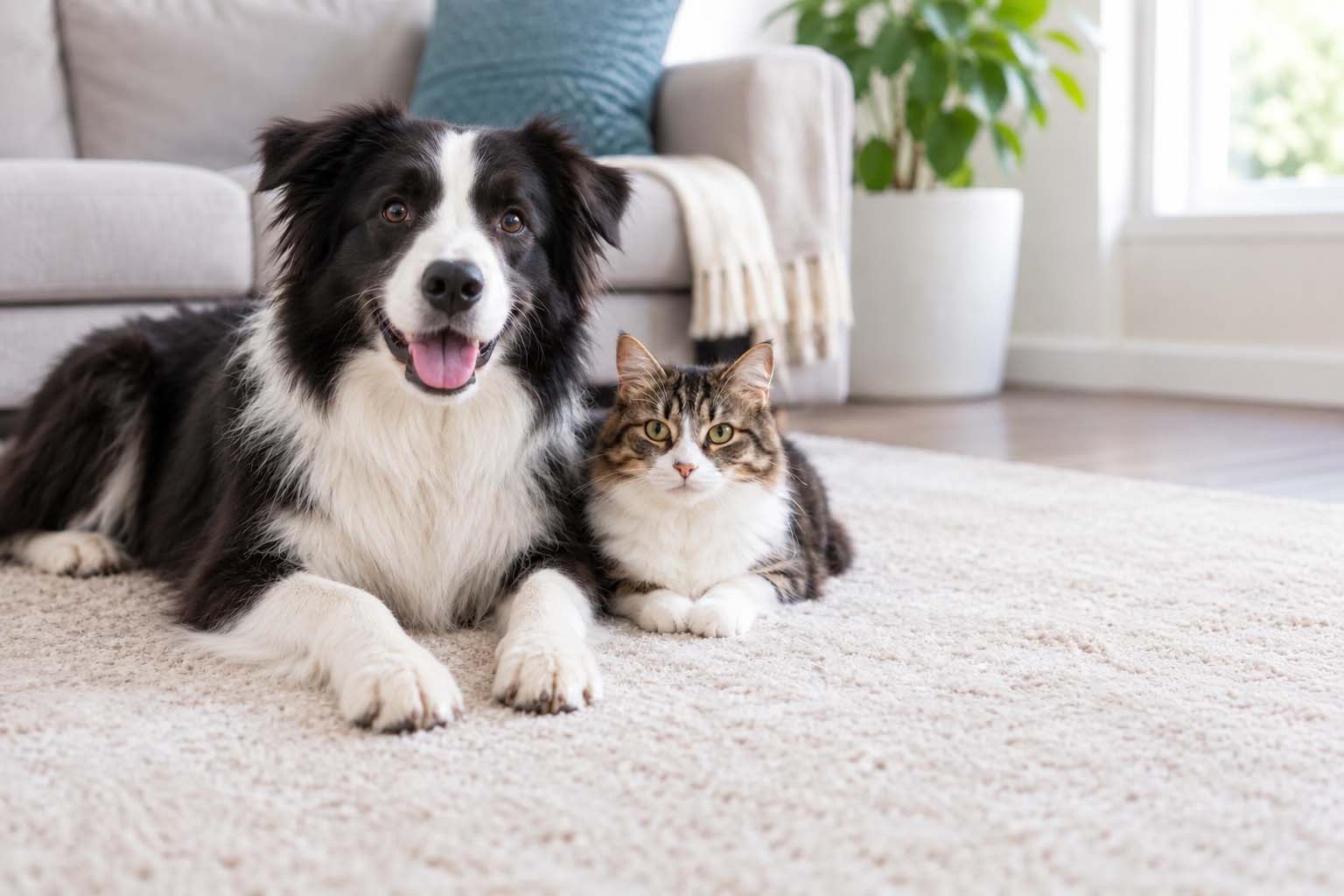
This is particularly relevant for pet urine. Urine can wick outward and downward, reaching the foundation and sometimes the floor beneath the rug. Treating only the visible spot may leave odor-causing residue behind. Effective pet urine decontamination often requires locating affected areas, treating them appropriately, flushing the rug, and fully drying it before the odor can be fairly evaluated.
Water based cleaning also helps remove detergent residue from previous cleanings. Residue can make fibers feel stiff or attract soil more quickly. A proper rinse leaves the rug cleaner to the touch and helps it stay more presentable between professional washings.
The care your rug needs before it reaches water
Not every rug should be washed the same way, and a reputable rug care center should never assume that water is automatically safe. Some rugs have unstable dyes, weak fibers, deteriorated backing, prior color damage, or construction issues that need special handling.
Colorfastness testing is particularly important for handmade Oriental rugs and richly dyed textiles. Certain reds, blues, and dark tones may bleed if treated carelessly. A trained technician evaluates the rug and adjusts the method, moisture level, cleaning products, and agitation accordingly. In some cases, a dry-side approach, specialized spot treatment, or repair before washing may be the better choice.
Silk and viscose rugs require additional caution. Their fibers can be vulnerable to texture changes, color movement, and damage from aggressive brushing or unsuitable products. Jute-backed rugs can also react poorly to excess moisture if they are not properly handled and dried. The best method depends on the individual rug, not on a one-size-fits-all promise.
At 1st Impressions Oriental and Area Rug Cleaning, the focus is on a thorough bathing process without harsh chemicals, bleaching agents, or hazardous materials. That approach supports the goal that matters most: cleaning the rug while protecting its character, structure, and value.
When water based washing is the right choice
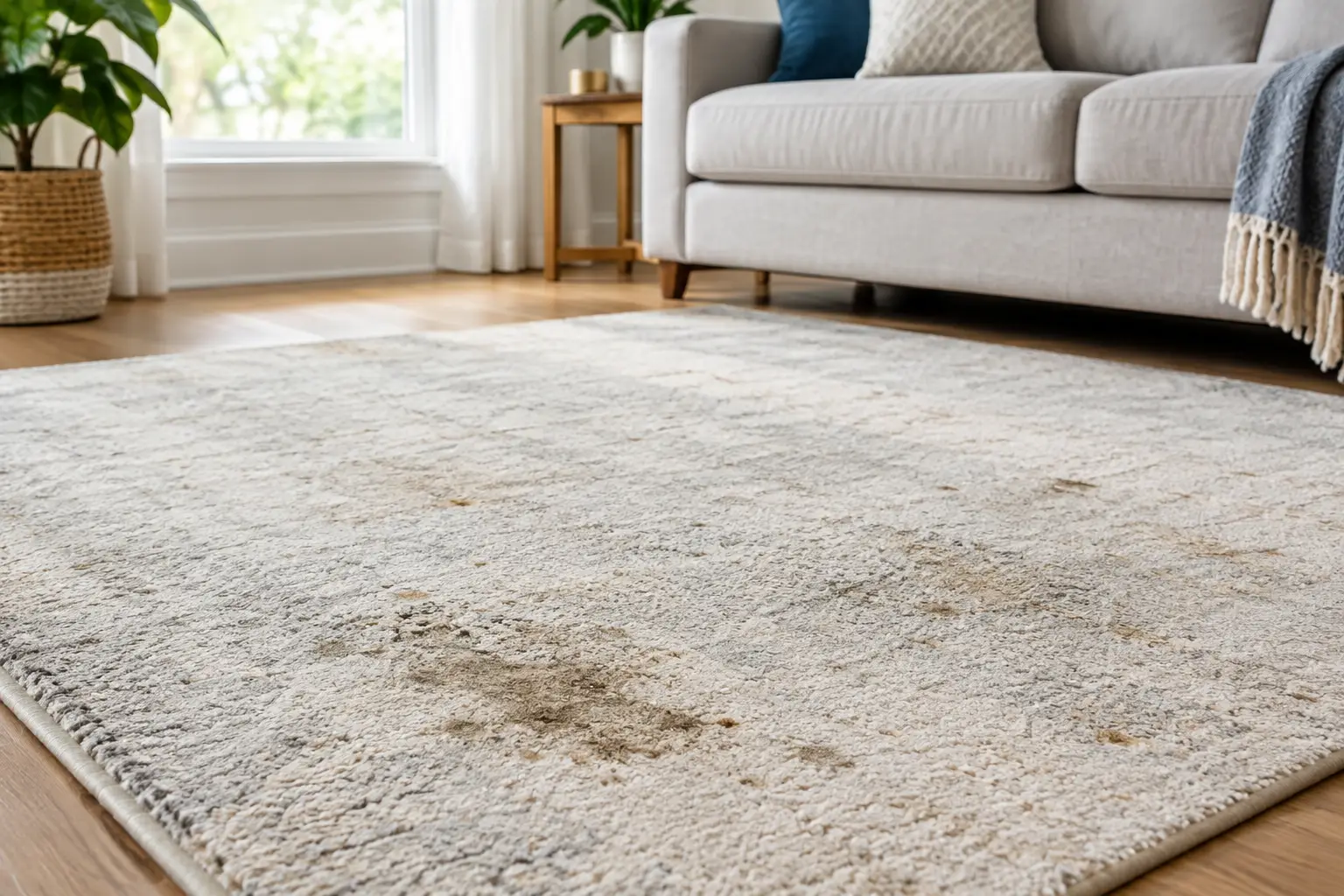
A professional wash is often worth considering when a rug has a general gray cast, flattened traffic areas, recurring pet odor, multiple old spills, or a gritty feel beneath the pile. It is also a wise part of long-term care for valuable rugs, even when there is no obvious emergency.
How often a rug needs washing depends on its location and use. A lightly used rug in a formal room may go several years between professional cleanings. A rug near an entryway, under a dining table, or in a home with active pets and children may need attention sooner. Orlando-area homes can also bring in fine outdoor debris that settles deeply into rugs before homeowners notice it.
There is a practical middle ground between waiting until a rug looks severely soiled and washing it unnecessarily. Regular vacuuming, prompt spill response, and a quality rug pad help extend the time between washings. When the rug begins to feel dull, hold odors, or show traffic-related discoloration, an in-studio assessment can provide a clear recommendation.
What happens after the wash matters, too
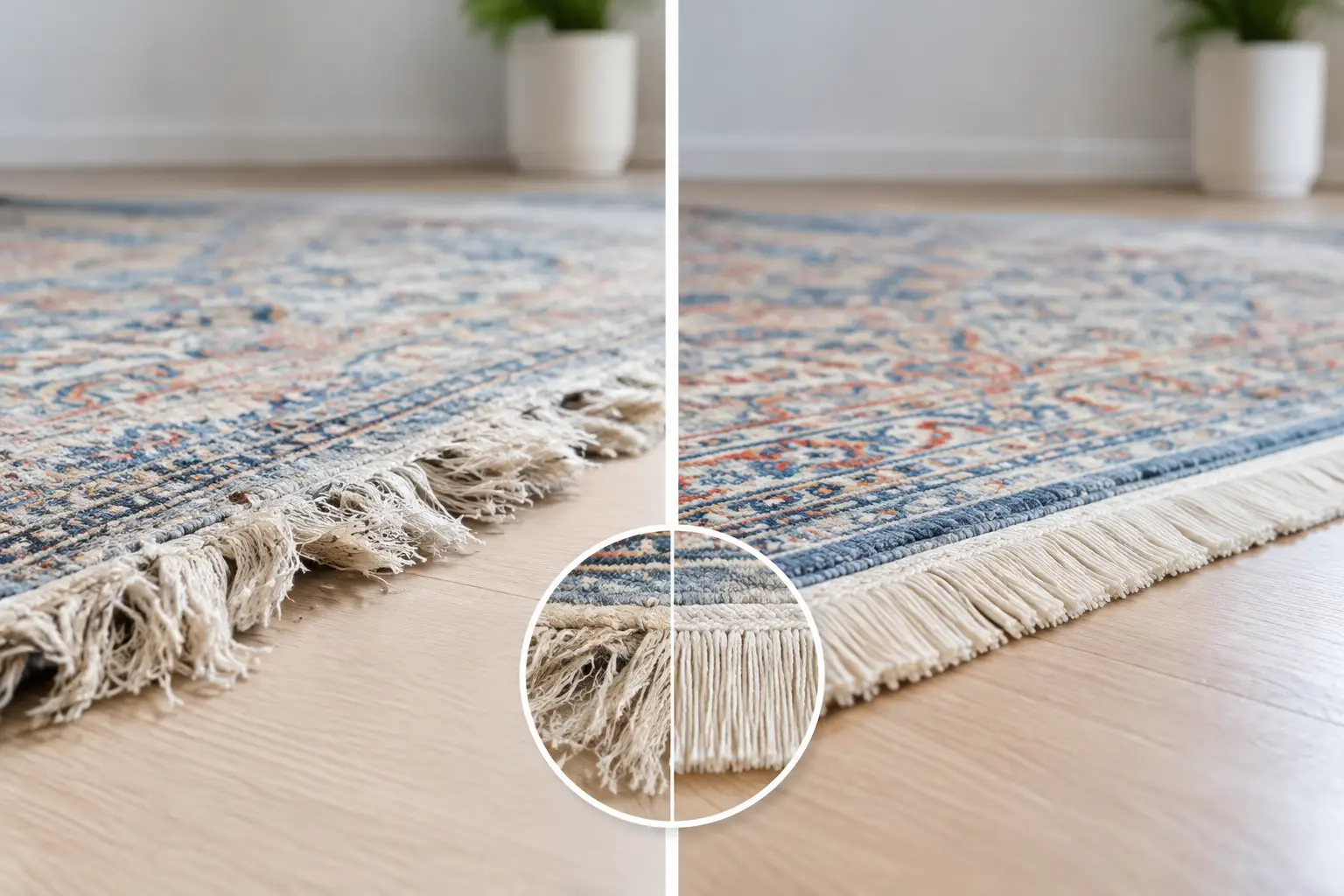
Cleaning alone is not complete rug care. A washed rug should be dried efficiently and evenly so moisture does not remain in the foundation. Once dry, it can be groomed, inspected, and reviewed for any concerns that became more visible during cleaning, such as weakened fringe, unraveling edges, moth damage, or color loss.
This is also a useful time to consider protection. A custom-fit rug pad can reduce slipping, add cushioning, and protect hardwood, tile, or other hard-surface floors. It also helps reduce wear by keeping the rug from shifting and absorbing some of the impact from foot traffic.
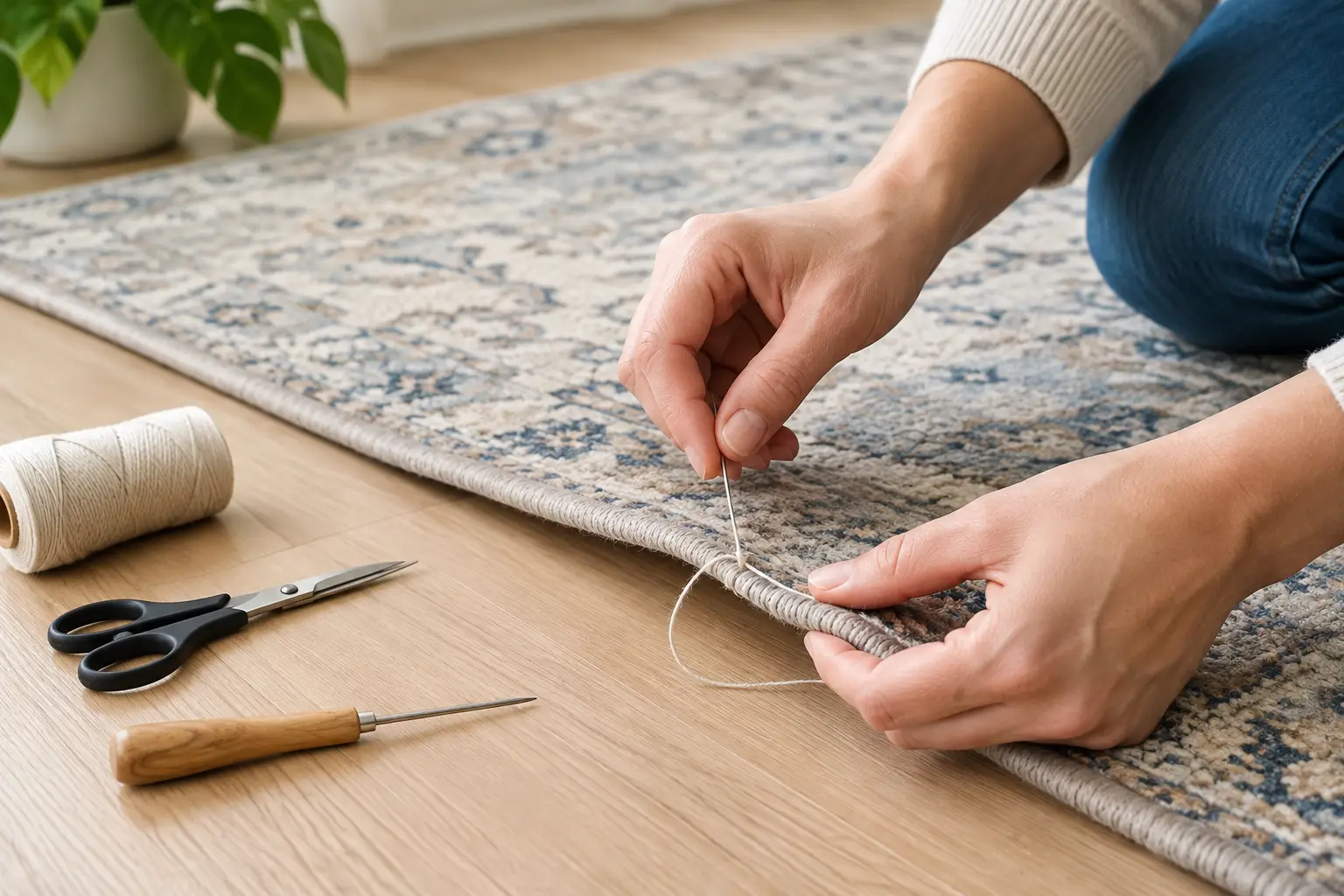
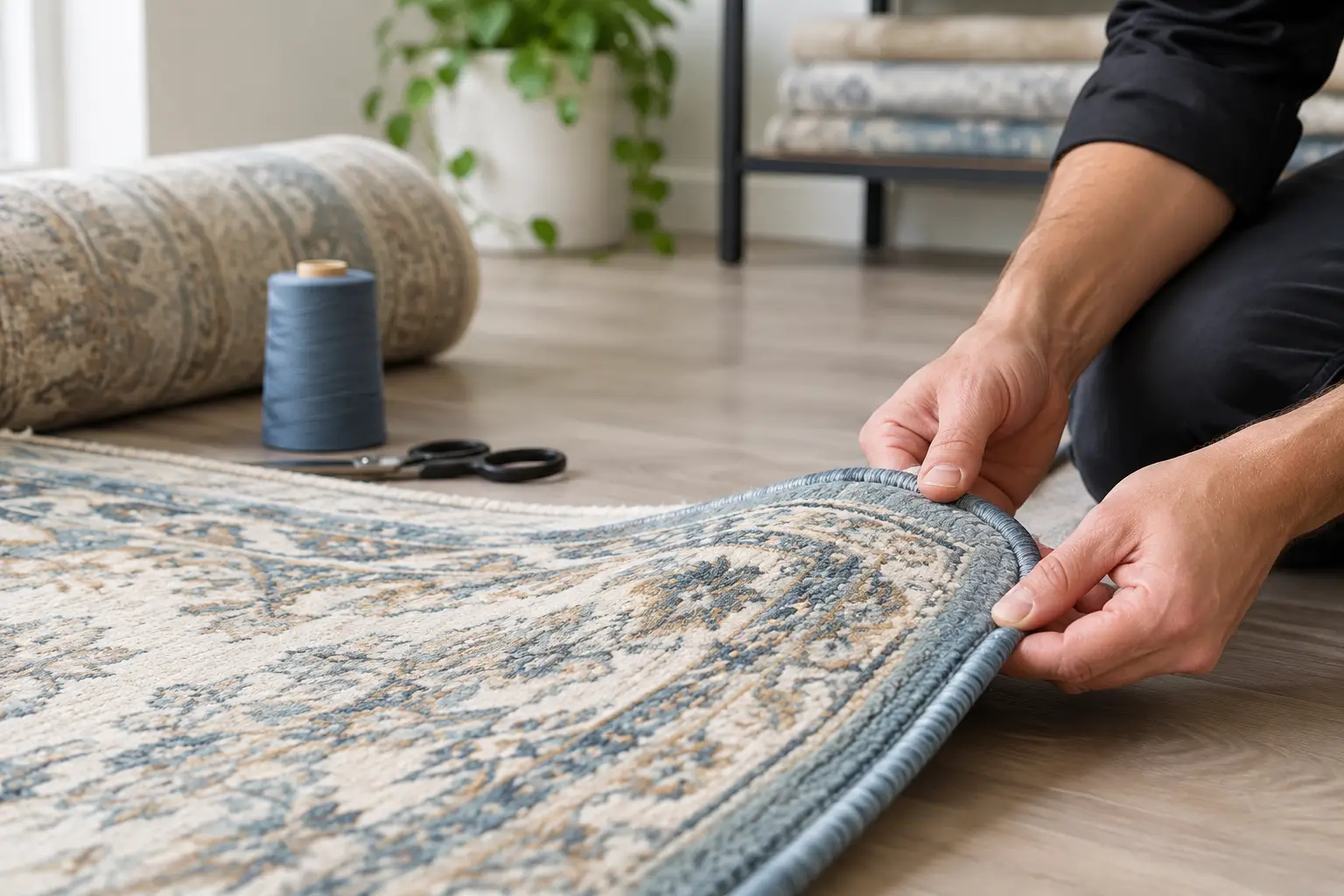
If repairs are needed, taking care of them early is often less costly than waiting. A loose edge can continue to unravel. Worn fringe can pull away from the rug’s foundation. Small structural problems do not usually correct themselves, particularly on a rug that remains in daily use.
Preparing for professional rug washing
Before arranging pickup or bringing a rug in, take a few quick notes about its condition. Mention any pet accidents, old stains, odor concerns, prior cleaning attempts, color changes, or damage around the edges and fringe. These details help the rug care team choose the right treatment and set realistic expectations.
For a fast estimate, a clear photo and the rug’s approximate length and width are often a helpful starting point. If there is a specific stain or odor area, include a close photo as well. A technician can then advise whether the rug should be picked up for a full evaluation and washing.
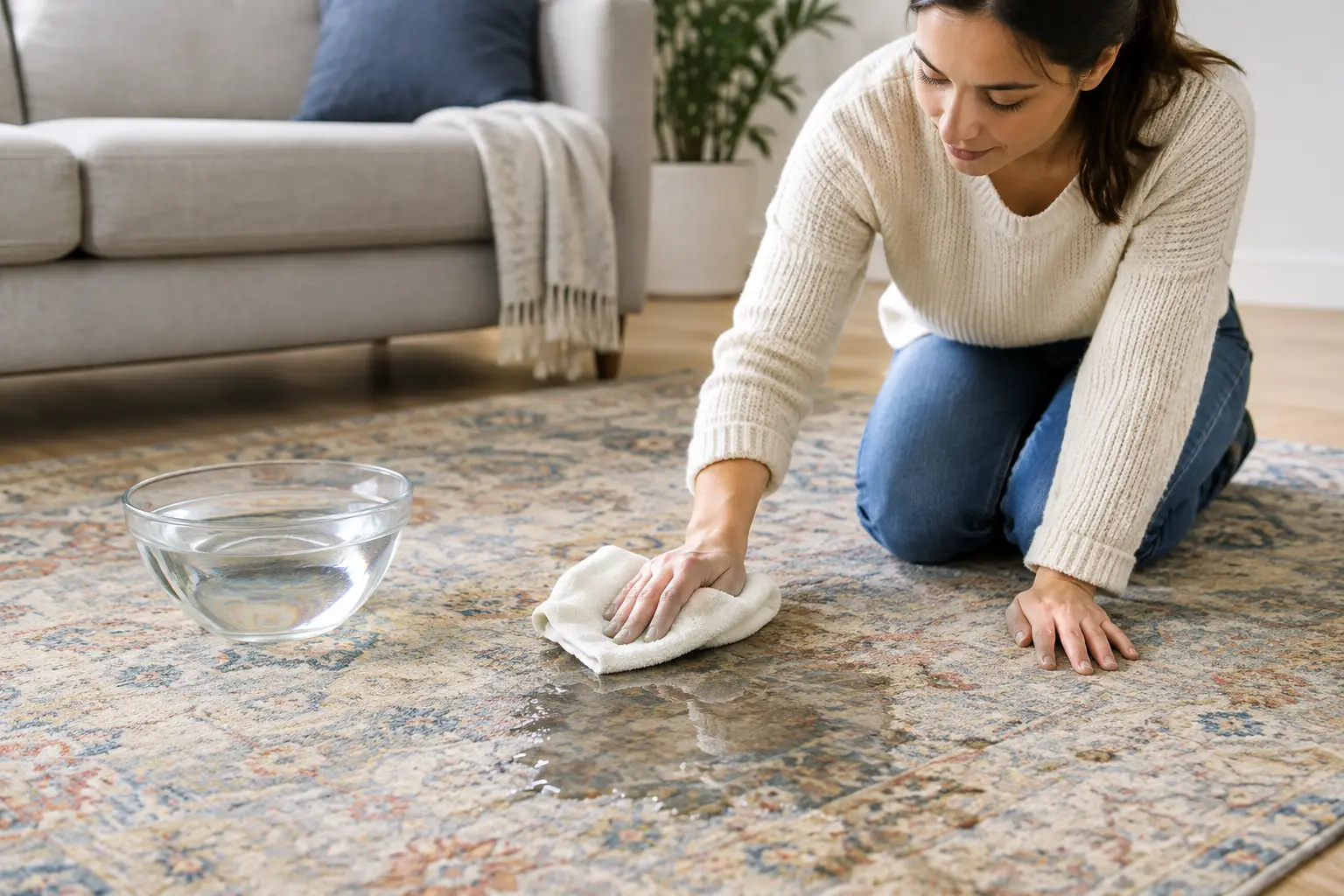
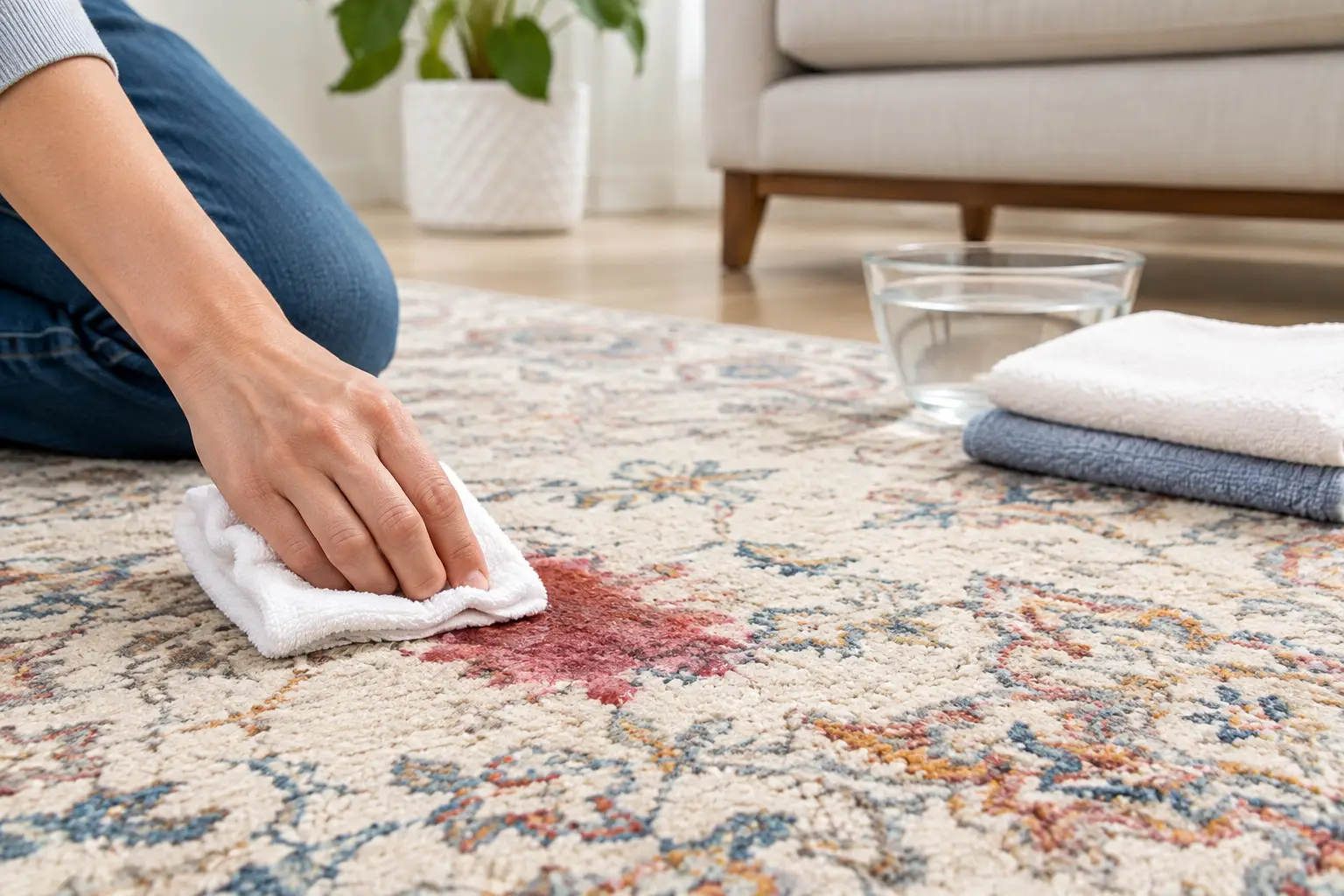
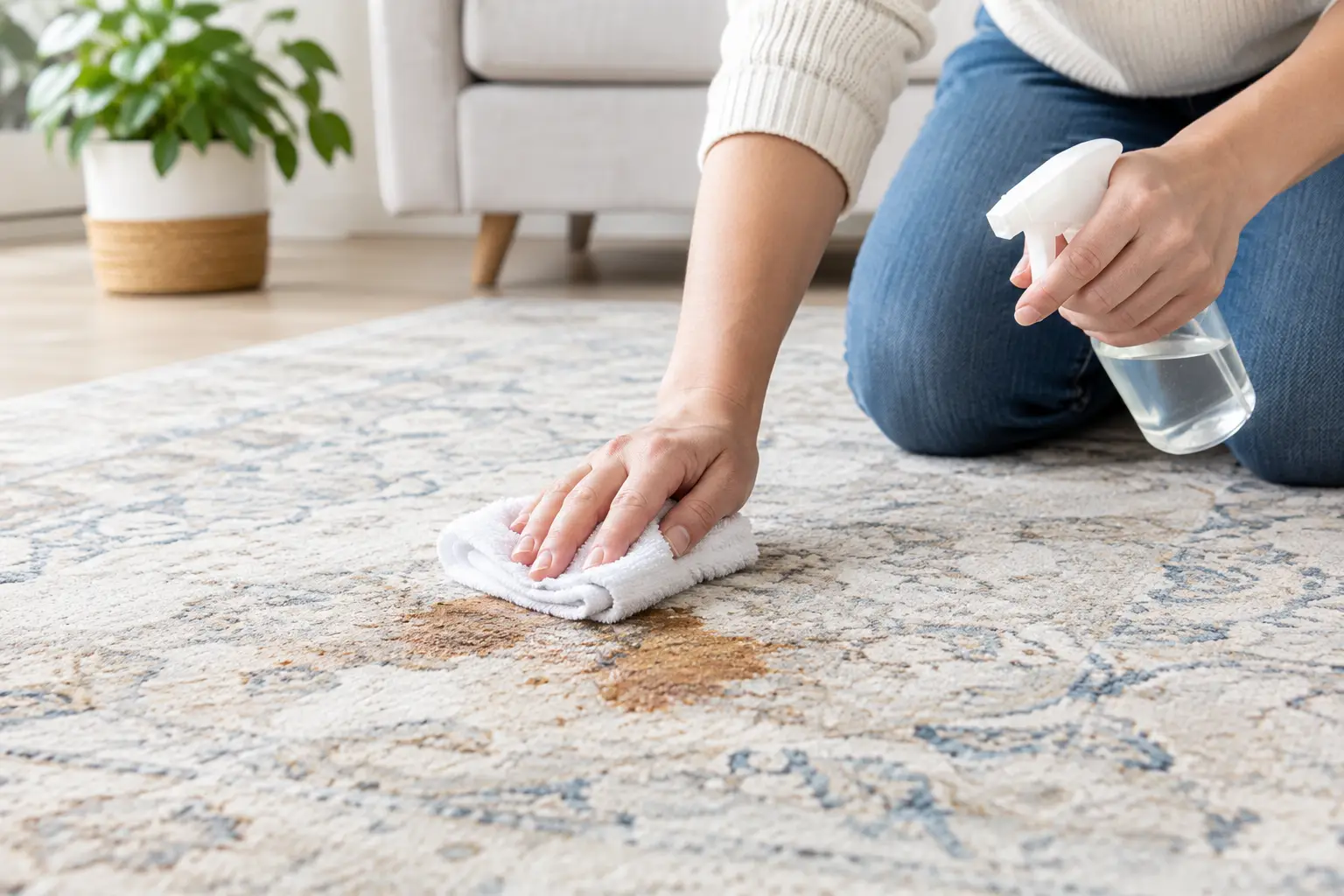
Do not use bleach, strong household cleaners, or heavy amounts of store-bought spot remover before that conversation. These products can set stains, affect dye stability, or leave a residue that complicates professional treatment. For a fresh spill, blot gently with a clean white towel rather than rubbing it deeper into the fibers.
A well-made rug can serve a home for decades, but it needs more than occasional surface cleaning to do so. When soil, odors, and daily life have made their way into the foundation, careful water based rug washing gives the rug a genuine fresh start while honoring the craftsmanship beneath your feet.