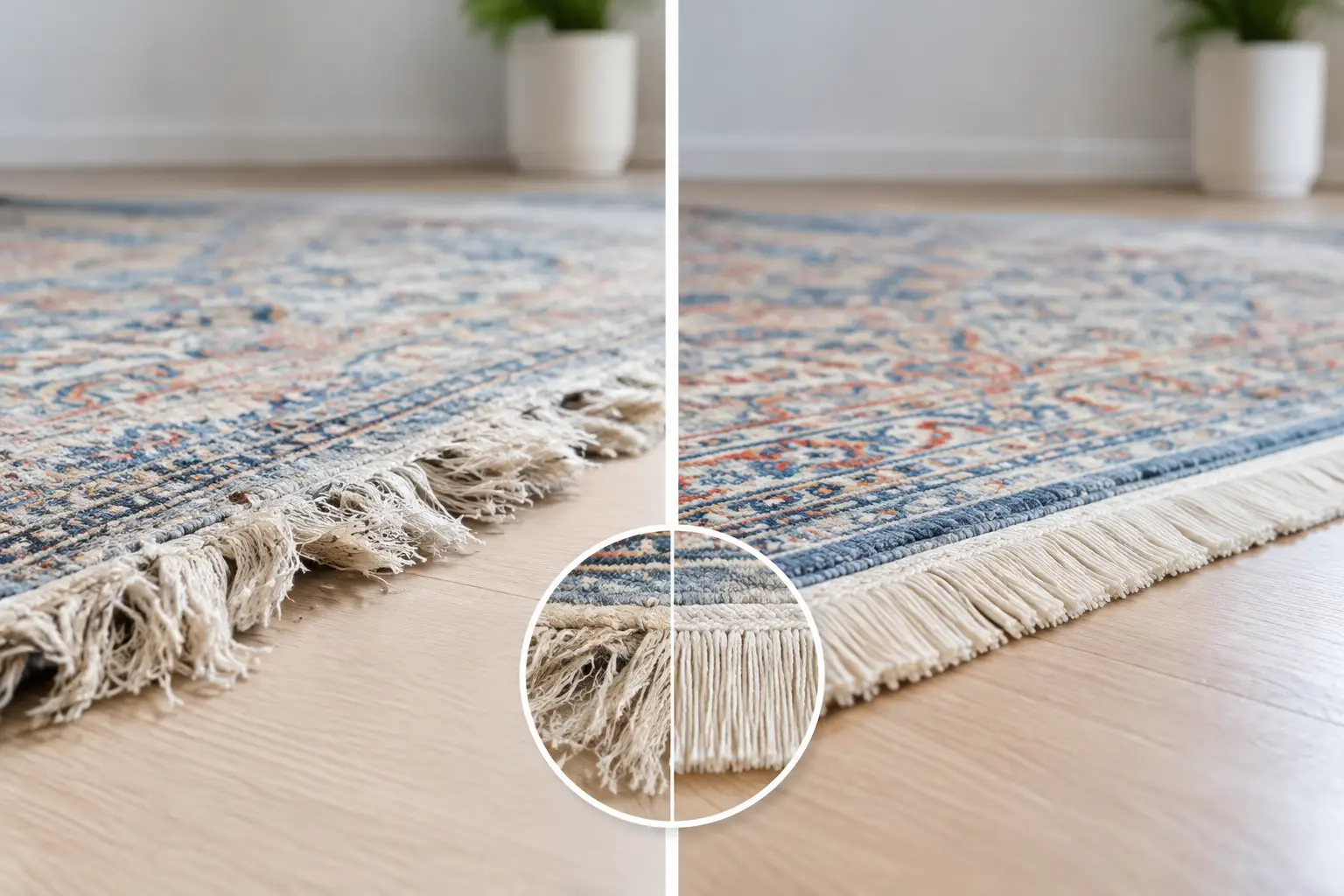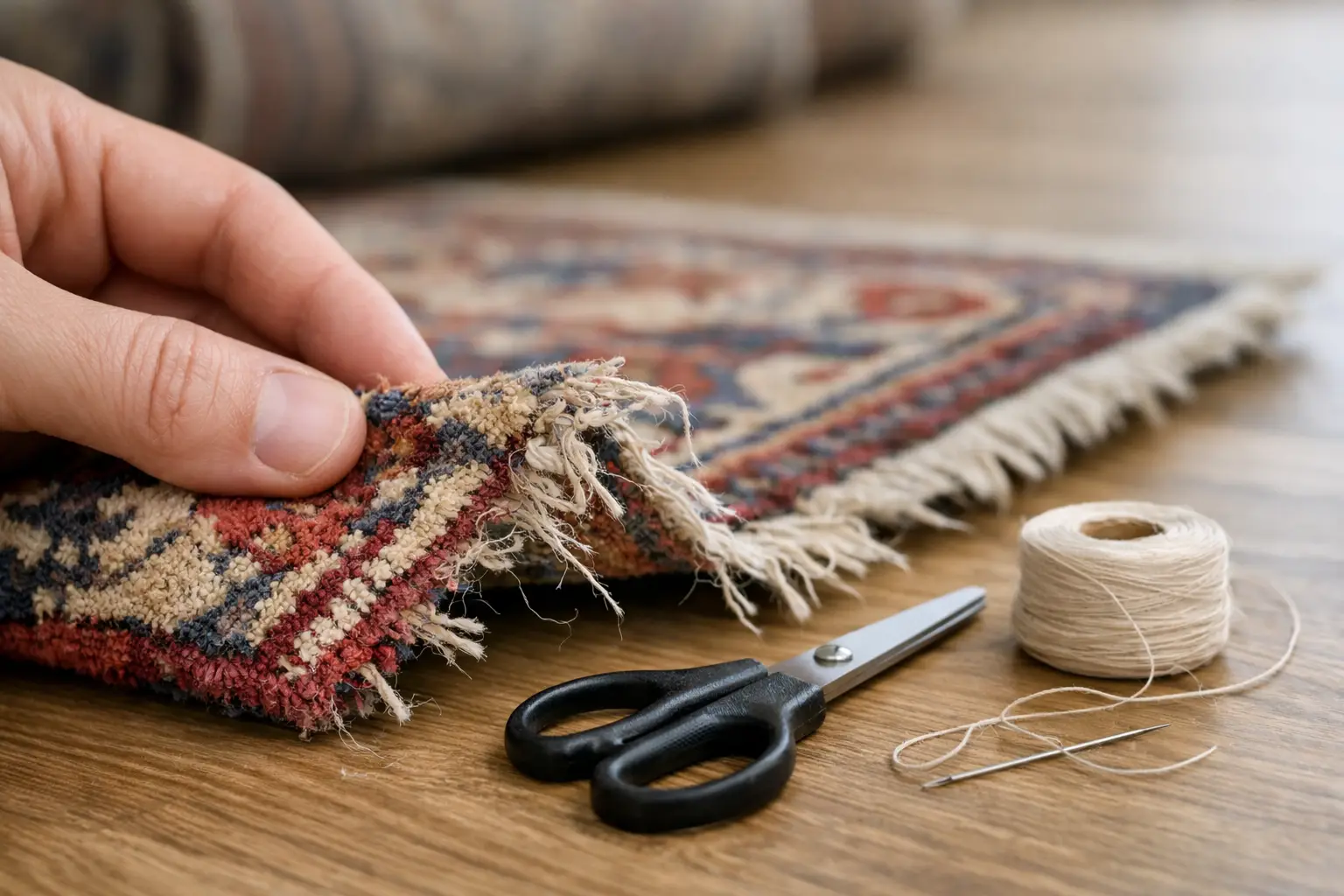
A rug corner rarely starts out looking serious. A few loose threads appear after vacuuming, one edge curls under a chair, or a pet finds the same spot again and again. Left alone, that small problem can become a missing corner, a split along the binding, or a weakened foundation that makes the rug harder and more expensive to restore. Tattered rug corner repair is most successful when the damage is addressed before the rug’s structure begins to unravel.
For homeowners in Orlando, Winter Park, Winter Garden, and nearby communities, this is especially relevant. Sand, humidity, active households, pets, and frequent indoor-outdoor traffic all add wear to the edges of area rugs. Fine Oriental rugs and hand-knotted pieces need a different level of attention than a basic machine-made rug, but any rug with a fraying corner deserves a close look.
Why Rug Corners Wear Out First
Corners absorb more strain than most of the rug. They catch on vacuum heads, fold under furniture legs, snag on shoes, and lift when people turn into a room. If the rug does not have a properly fitted pad beneath it, the corner can shift against the floor every time someone walks across it. That movement gradually loosens the fibers and edge finish.
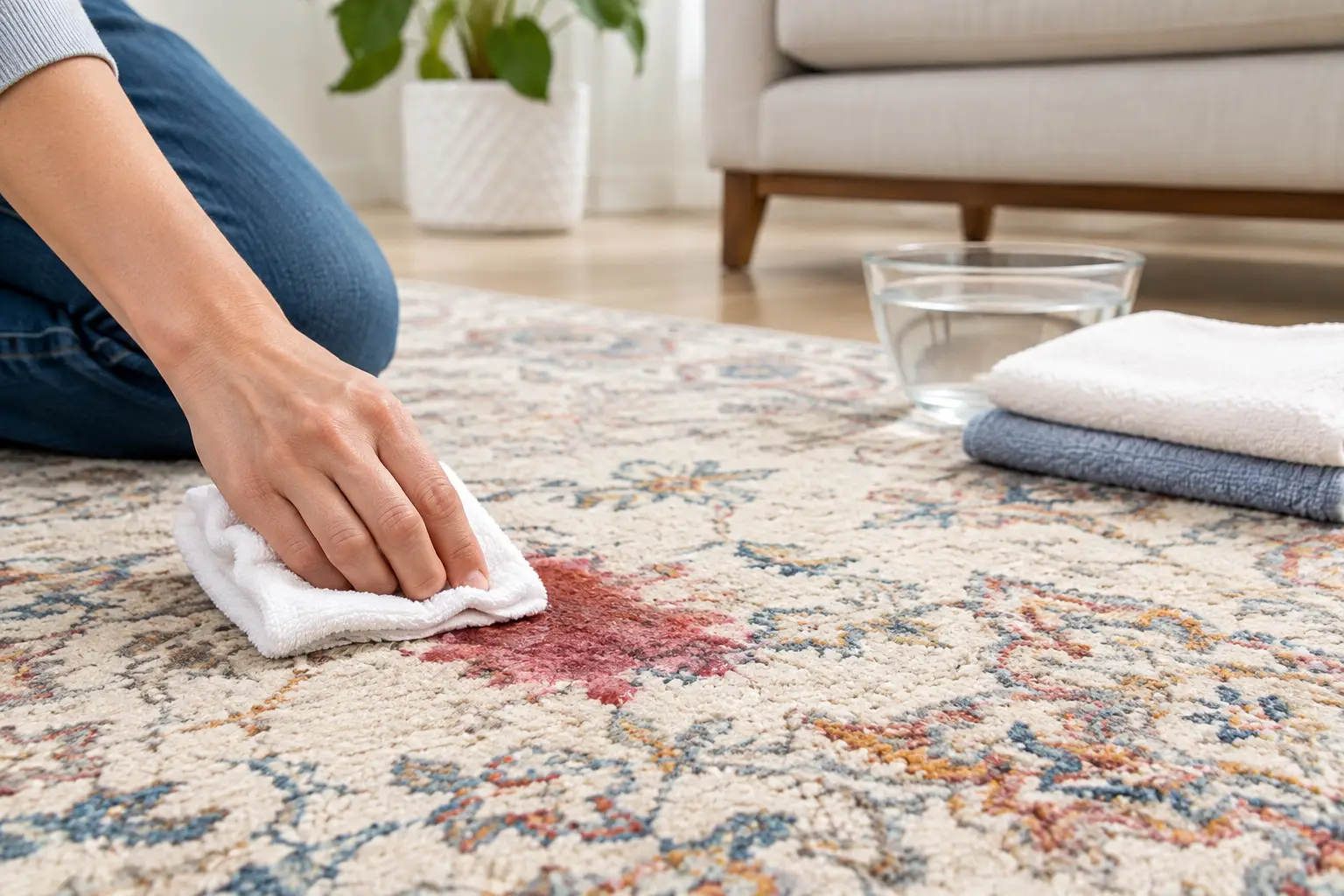
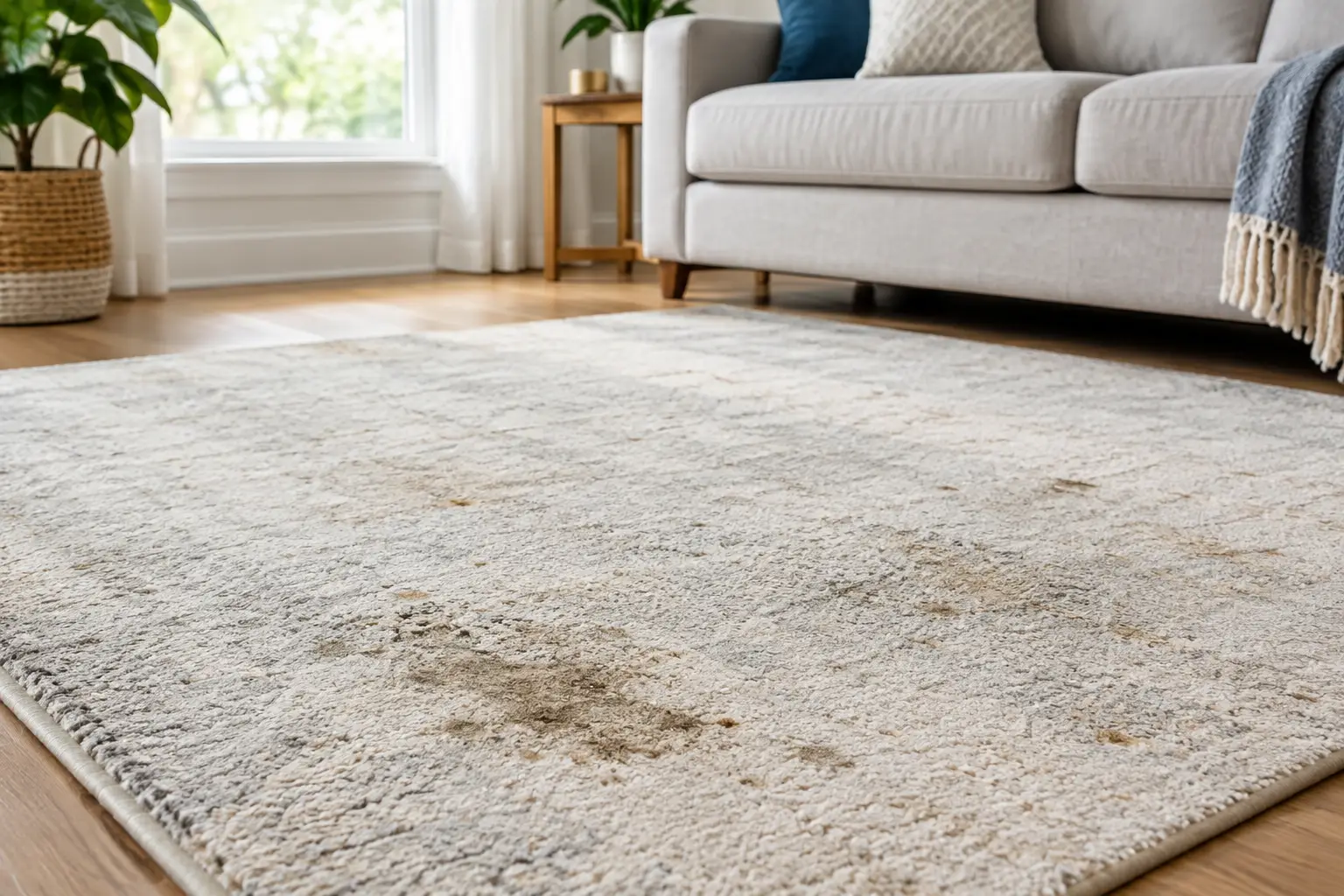
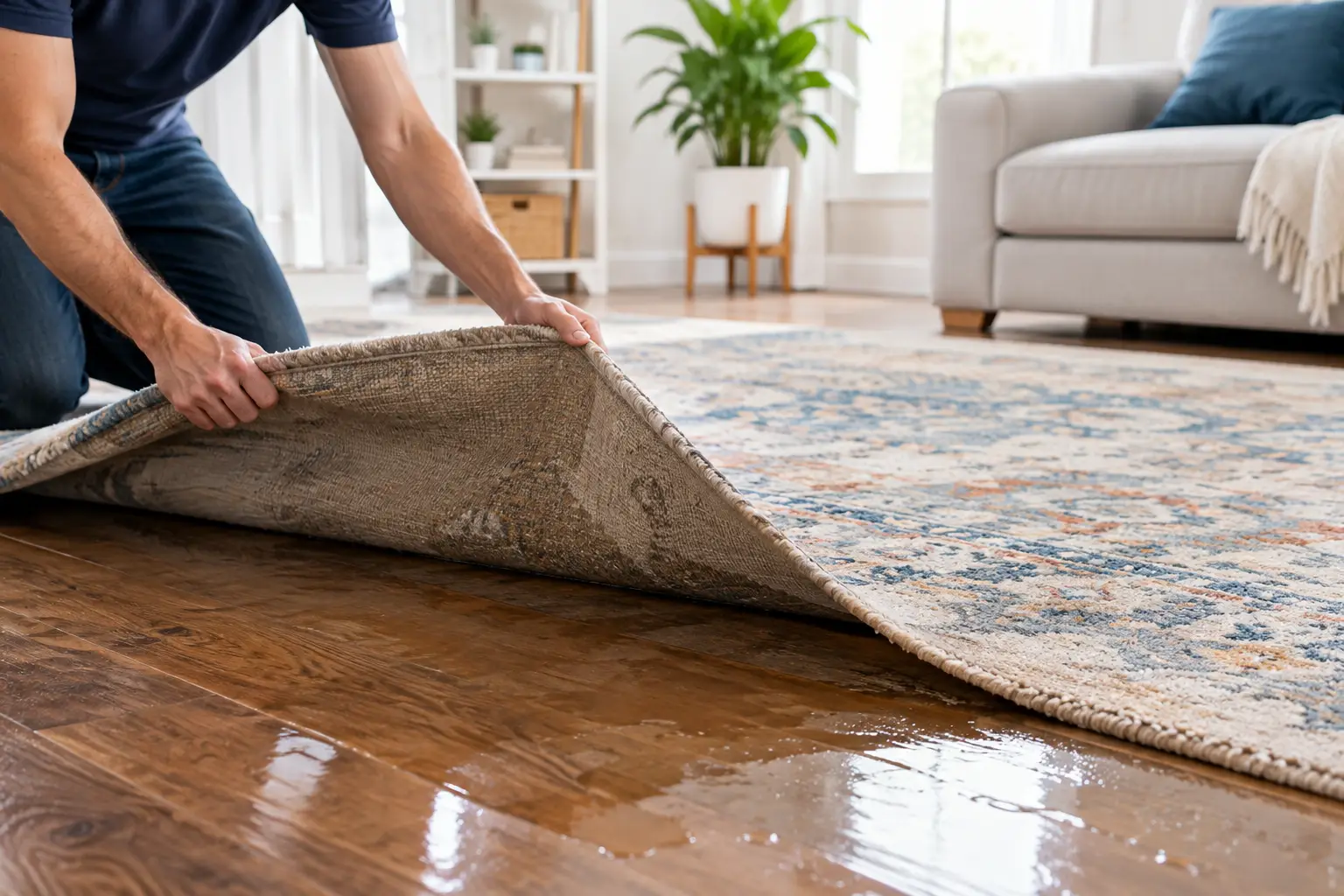
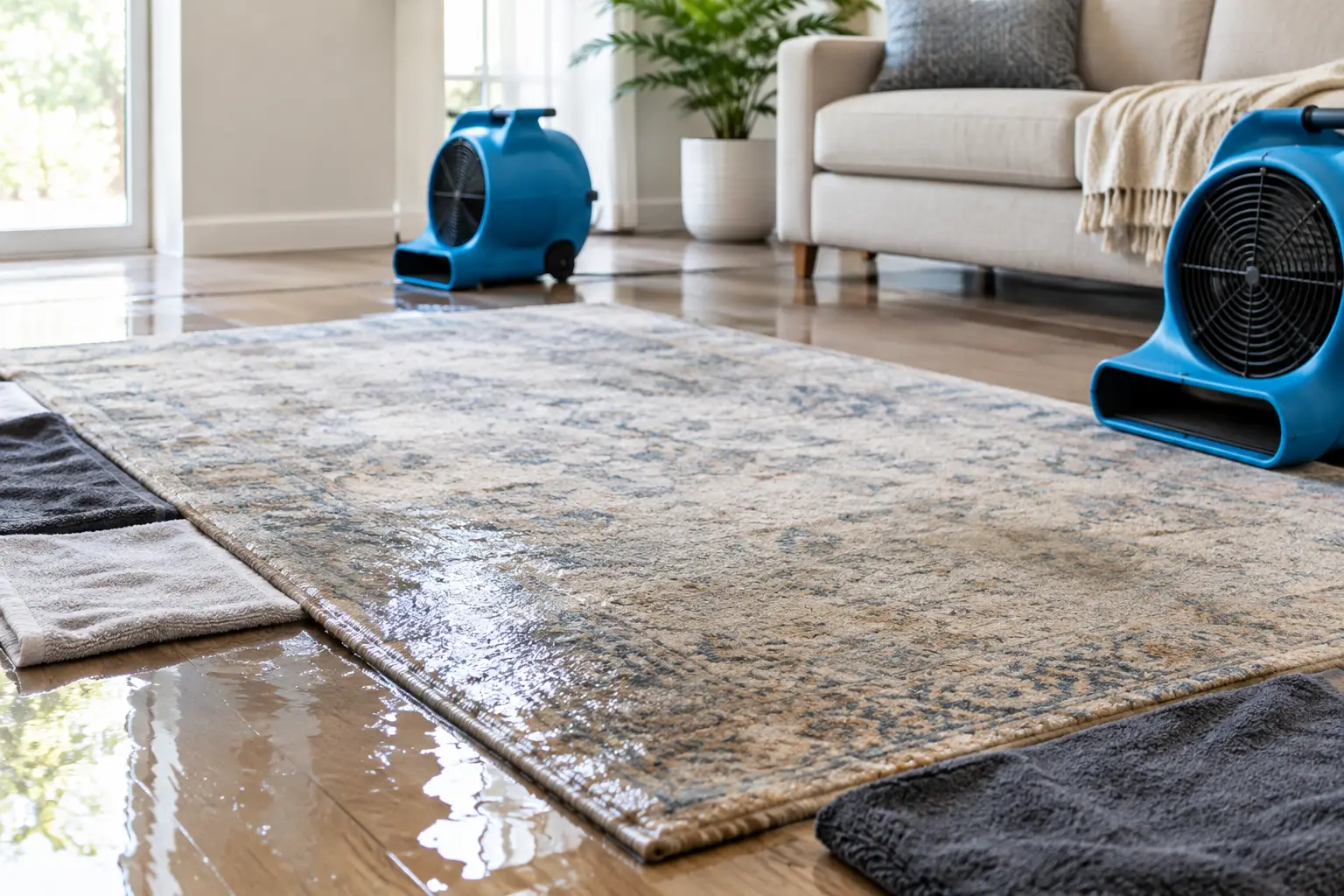
Moisture can make matters worse. Pet accidents, spills, or improper spot cleaning may weaken cotton foundations, adhesives, and edge bindings. A corner that feels stiff, wavy, brittle, or unusually thin may have more going on than surface fraying. In wool rugs, dirt embedded at the edge can also act like sandpaper, cutting at fibers as the rug moves.
The cause matters because a repair that only covers the visible damage may not hold. A careful assessment looks at the corner itself, the adjacent side binding, the fringe or end finish, and the foundation underneath. The goal is not merely to make the corner look tidy. It is to stop the damage from traveling farther into the rug.
What Tattered Rug Corner Repair Can Involve
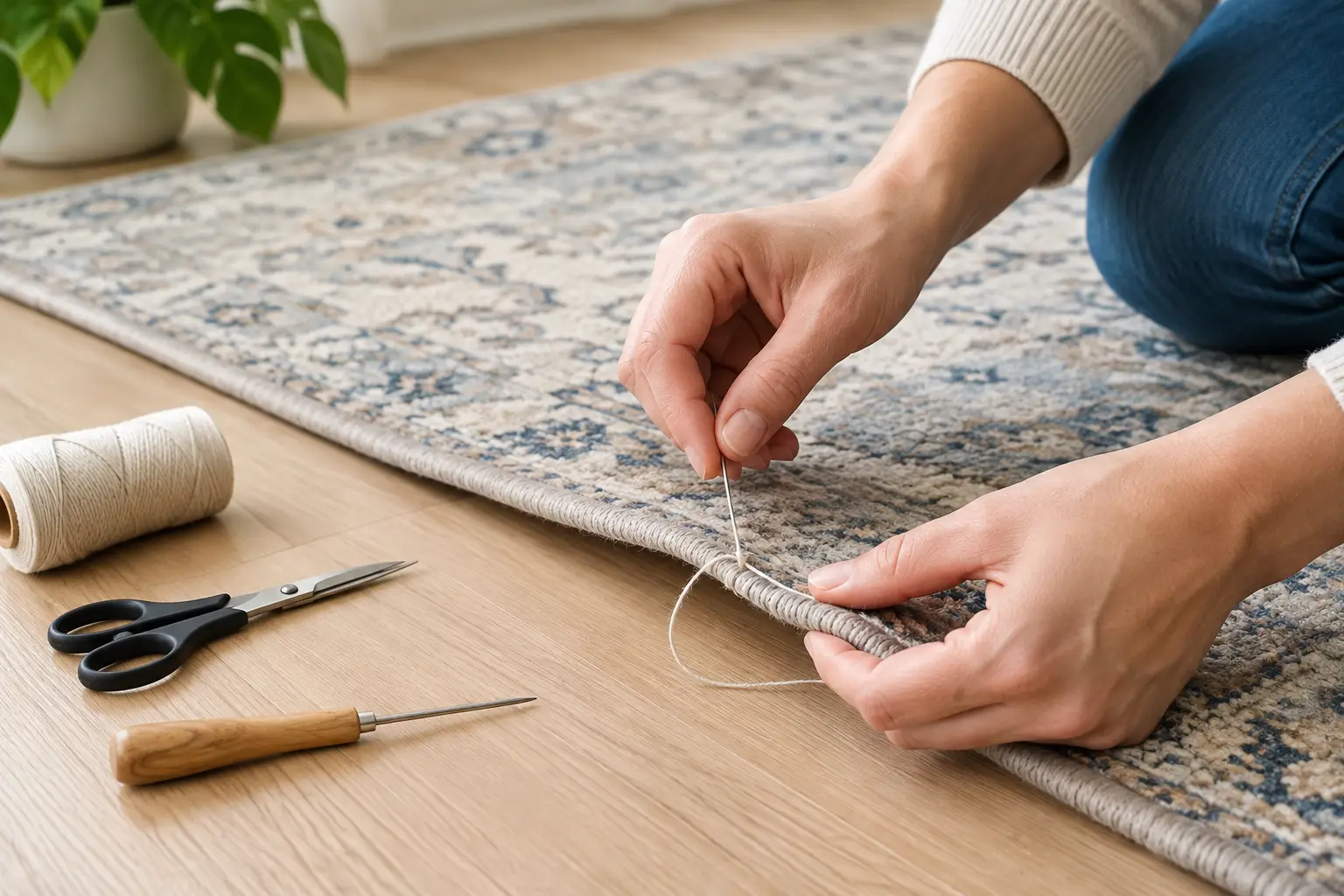
The right repair depends on how the rug was made and how much original material remains. A handmade Oriental rug has a woven structure that can often be rebuilt using compatible wool, cotton, and traditional stitching methods. A designer area rug may have a serged edge, fabric binding, or glued backing that calls for a different approach.
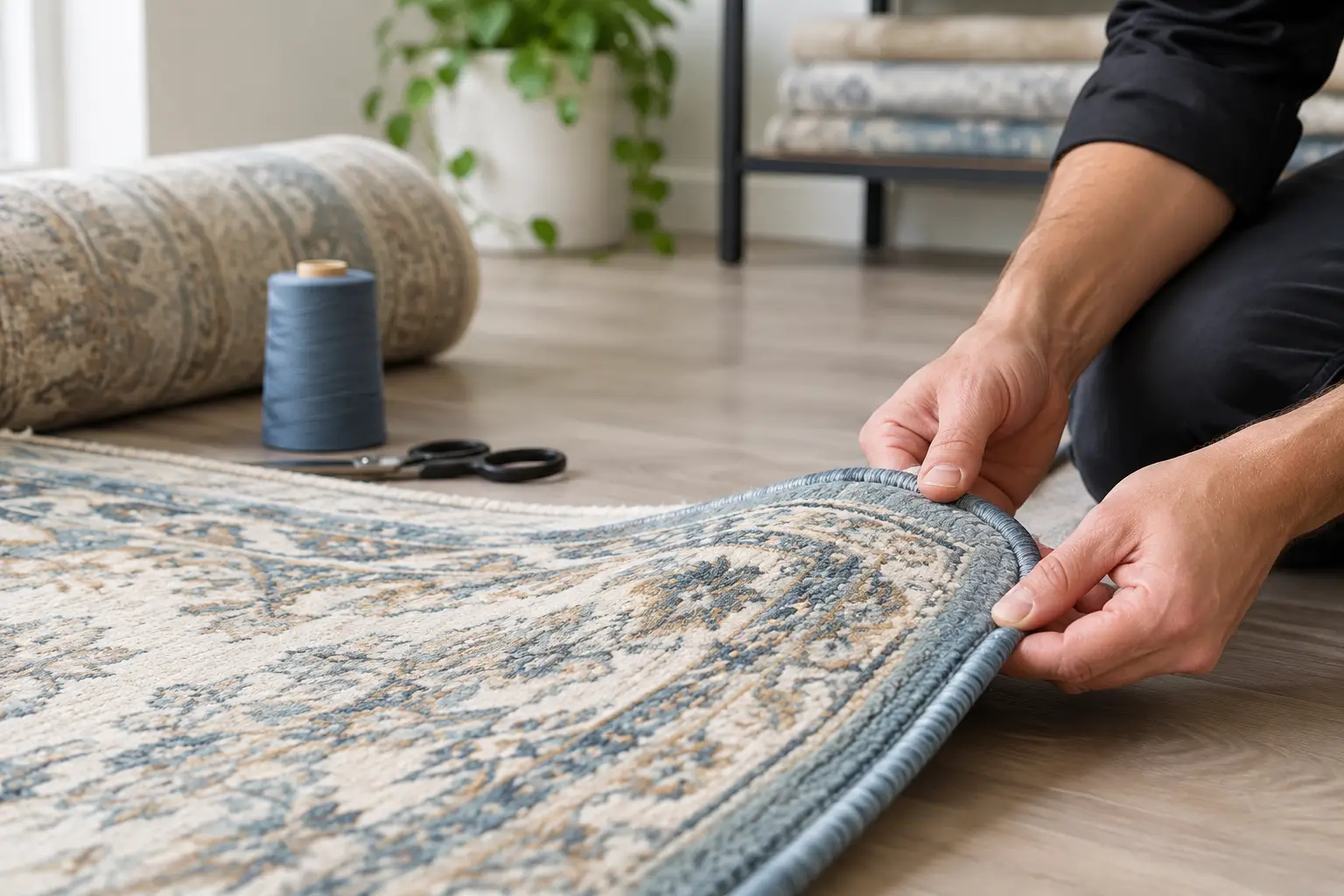
For minor wear, a specialist may secure loose yarns and reinforce the existing edge before the corner opens further. If the binding has begun to separate, it may be reattached or rebuilt so the rug lies flat and resists future pulling. When a corner is missing or the foundation is exposed, restoration may involve rebuilding the structure, adding matching materials where appropriate, and reweaving or carefully finishing the edge.
Color and texture are important considerations. New material should support the rug without drawing attention away from its original design. On an antique, heirloom, or high-value rug, preserving as much of the original textile as possible usually matters more than making the repair look factory-new. A visible but stable conservation-minded repair can be the better choice in some cases.
Machine-made rugs present a practical trade-off. If the backing is crumbling, delaminating, or extensively torn, repair may cost more than the rug’s remaining value justifies. A professional evaluation should be candid about that. For a rug with sentimental value, a distinctive design, or otherwise sound construction, repairing a damaged corner can still be worthwhile.
Repair Should Follow Cleaning When Soil or Odor Is Present
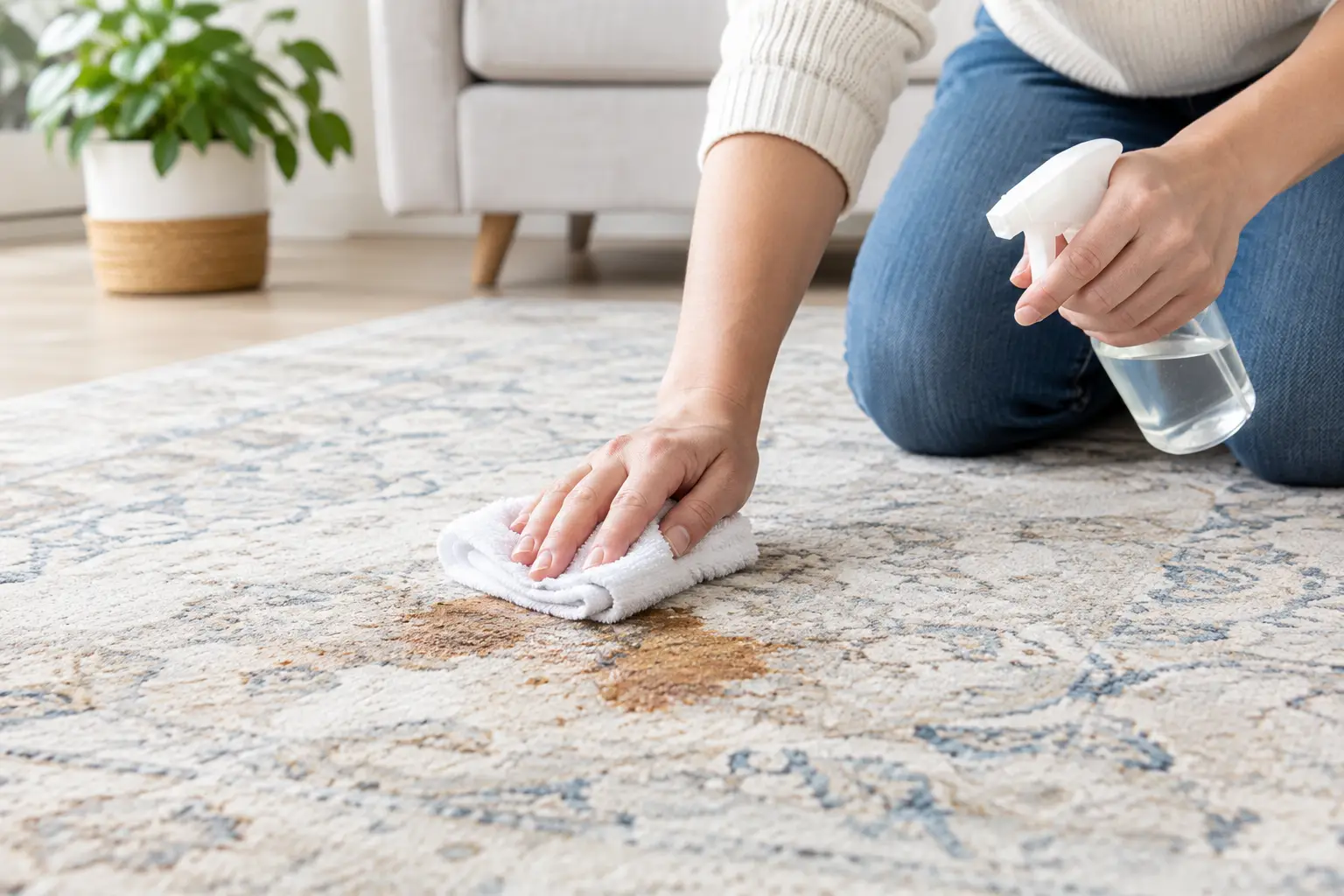
A frayed corner often holds more soil than the rest of the rug because it is close to the floor and difficult to vacuum safely. If there is pet urine, odor, staining, or deep grit in the fibers, washing before repair is usually the sounder course. Sewing into contaminated or heavily soiled material can trap odor and make it difficult for the repair to perform as intended.
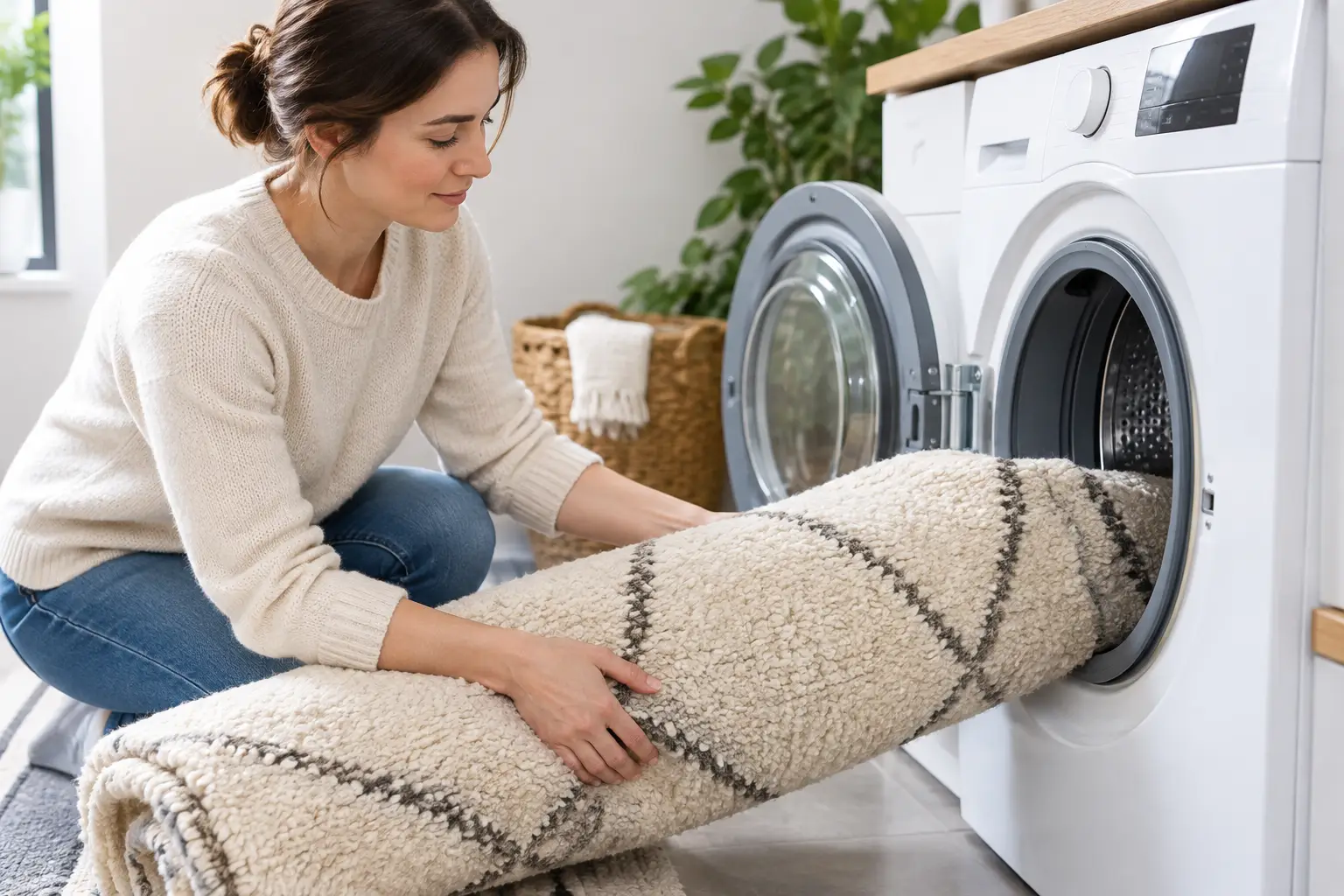
At 1st Impressions Oriental and Area Rug Cleaning, rugs can be evaluated for both structural repair and the cleaning or decontamination work that may need to happen first. A thorough water-based bathing process is particularly helpful when soil has settled deep into wool fibers and around weakened edges. Harsh chemicals and bleaching agents are not a substitute for trained handling, especially on delicate fibers and unstable colors.
Signs You Should Stop Using the Rug for Now
Continued foot traffic can turn a modest repair into a major restoration. It is wise to remove the rug from regular use if the corner has opened enough to show foundation threads, if the backing is separating, or if loose yarns are catching on shoes or vacuum equipment.
Pay attention to corners that curl upward. Curling can create a trip hazard, but it also signals that the rug is under tension. Do not flatten it with duct tape, staples, hot glue, or a heavy object. Those quick fixes can leave residue, puncture the rug, distort the edge, or make later repair more difficult.
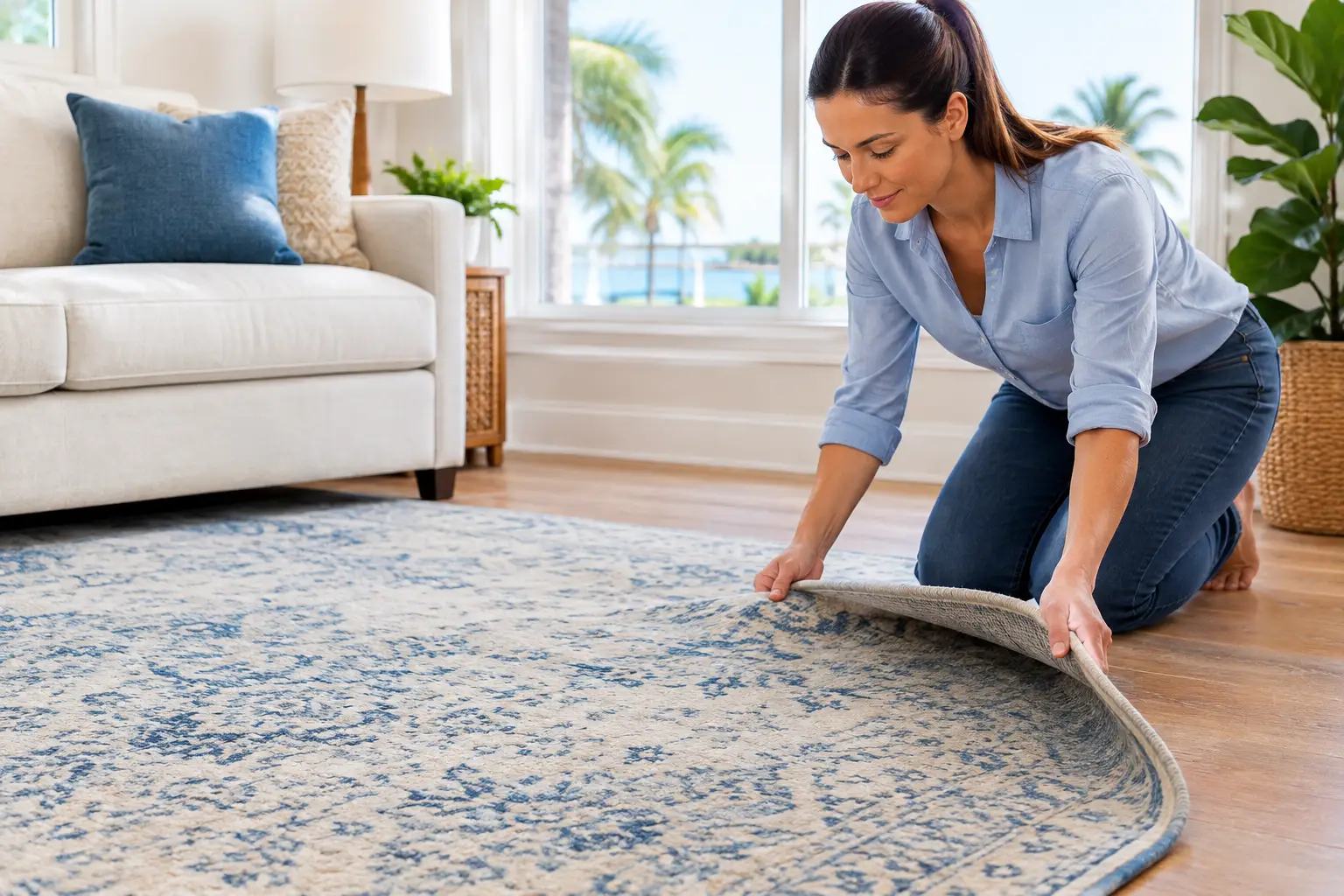
If you need to move the rug before service, roll it loosely with the pile facing inward. Avoid folding across the damaged corner. Keep it dry, away from pets, and off a damp garage or patio floor. A clean sheet or breathable covering is better than sealing a damp rug in plastic.
What Not to Do With a Fraying Corner
Home repair videos can make rug repair look deceptively simple. Trimming loose fibers may seem harmless, but those threads can be part of the pile or structure. Cutting too closely can create an uneven edge and remove material needed for a proper repair.
Glue is another common problem. Many adhesives dry hard, discolor fibers, attract dirt, and prevent a restorer from working cleanly at the edge. Iron-on tapes and heat treatments can damage wool, melt synthetic fibers, or set stains. Even hand stitching can cause harm when the wrong thread, tension, or needle is used.
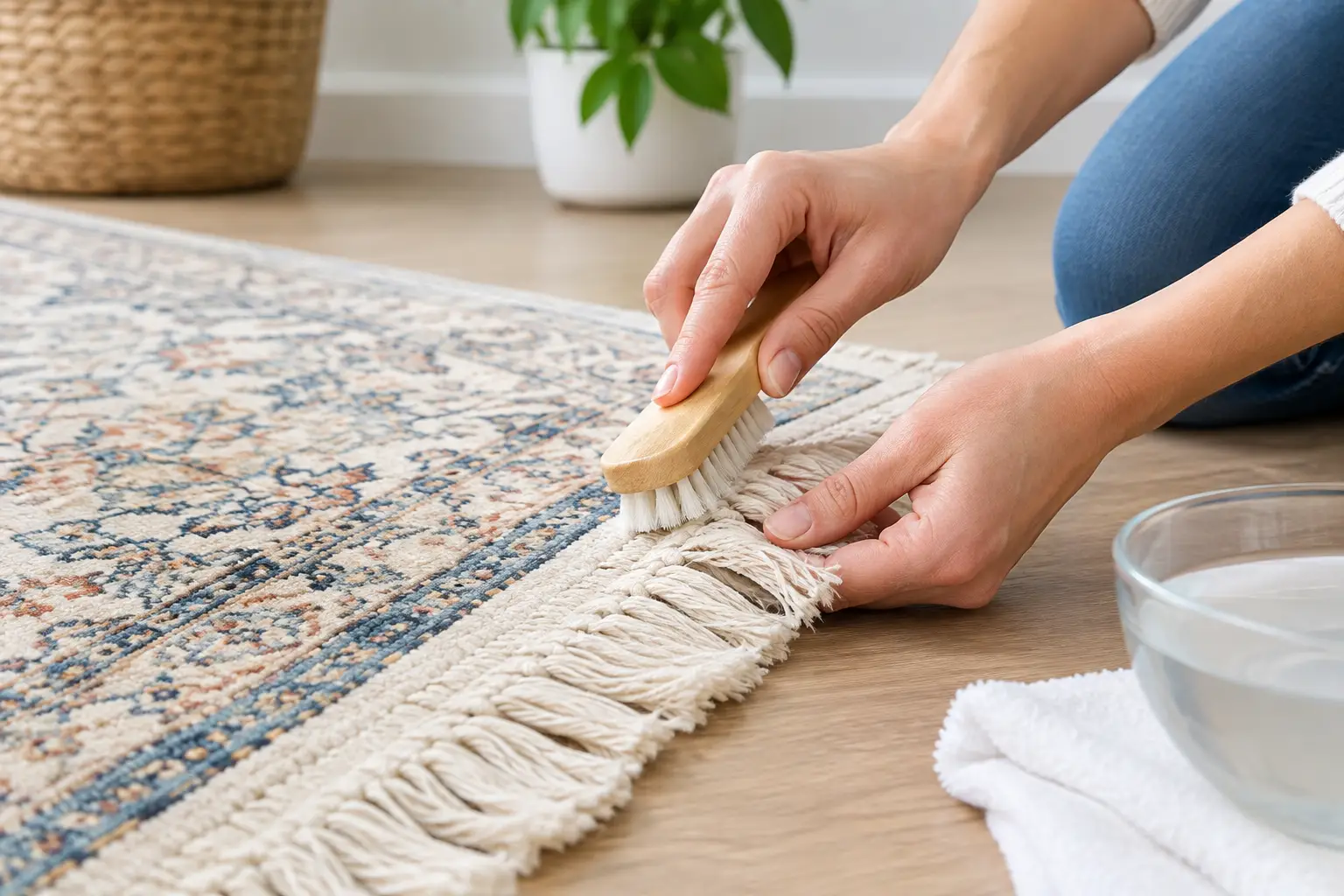
There is one sensible short-term step: gently place the loose yarns back into their natural position and keep the area from being pulled or stepped on. That is containment, not repair, but it can protect the rug until it is assessed.
Preventing the Next Corner Problem
Once the corner is stable, the right support underneath the rug makes a meaningful difference. A custom-fit rug pad helps reduce shifting, cushions the rug against hard floors, and protects both the textile and the surface below. The correct pad depends on whether the rug sits on hardwood, tile, laminate, or another material. It should support the rug without causing staining, excess grip, or moisture concerns.
Vacuuming technique also matters. Use suction carefully near fringes and corners, and avoid running a beater bar directly over a delicate edge. For a heavy rug, lift the corner gently rather than dragging it across the floor. Rotating the rug periodically can distribute traffic, provided the rug is structurally sound enough to move.
Pet households may need additional protection. Promptly addressing accidents helps prevent urine from reaching the foundation, where odor and fiber damage can linger. If a pet repeatedly targets one corner, consider changing access to that area while the rug is being treated and repaired.
How to Get an Accurate Repair Assessment
Clear photos make the first conversation easier. Take one image of the full rug, one of the damaged corner from above, and a close-up showing loose threads, missing material, or exposed backing. Include the rug’s approximate length and width, describe any odors or stains, and mention whether the rug has sentimental, antique, or appraised value.
An estimate should account for the rug’s construction, fiber type, extent of foundation damage, cleaning needs, and the type of finish required. The least expensive option is not always the most durable, while a detailed restoration may not be the right investment for every machine-made rug. Honest guidance helps you choose between stabilization, cosmetic repair, full restoration, or replacement.
A tattered corner does not have to define the life of a rug. Protect it from further pulling, have the structure evaluated early, and give the repaired rug the support it needs to stay flat and useful in your home.