A silk rug can look clean at a glance while holding fine grit deep in its foundation, dulling its sheen and slowly wearing at the fibers. That is why choosing a silk rug cleaning service is not the same as scheduling ordinary carpet cleaning. Silk requires deliberate inspection, controlled washing, careful drying, and a technician who understands that the rug’s color, fringe, and structure all need protection.
For homeowners in Orlando, Winter Park, Winter Garden, and throughout Central Florida, humidity, pets, tracked-in soil, and everyday use can make that care especially necessary. The right treatment can refresh a silk rug without sacrificing the qualities that made it special in the first place.
Why silk rugs need specialized care
Silk is prized for its fine texture, natural luster, and ability to show detailed designs with remarkable clarity. Those same characteristics also make it less forgiving than wool, cotton, or many synthetic fibers. A cleaning method that is acceptable for a machine-made area rug can create real problems for silk.
Silk fibers can weaken when exposed to harsh chemicals, excessive agitation, high heat, or an unsuitable pH. Dyes may bleed or shift if they are not tested before washing. The pile can become rough or matted when a rug is scrubbed aggressively, and fringe can tangle or fray when it is treated as an afterthought.
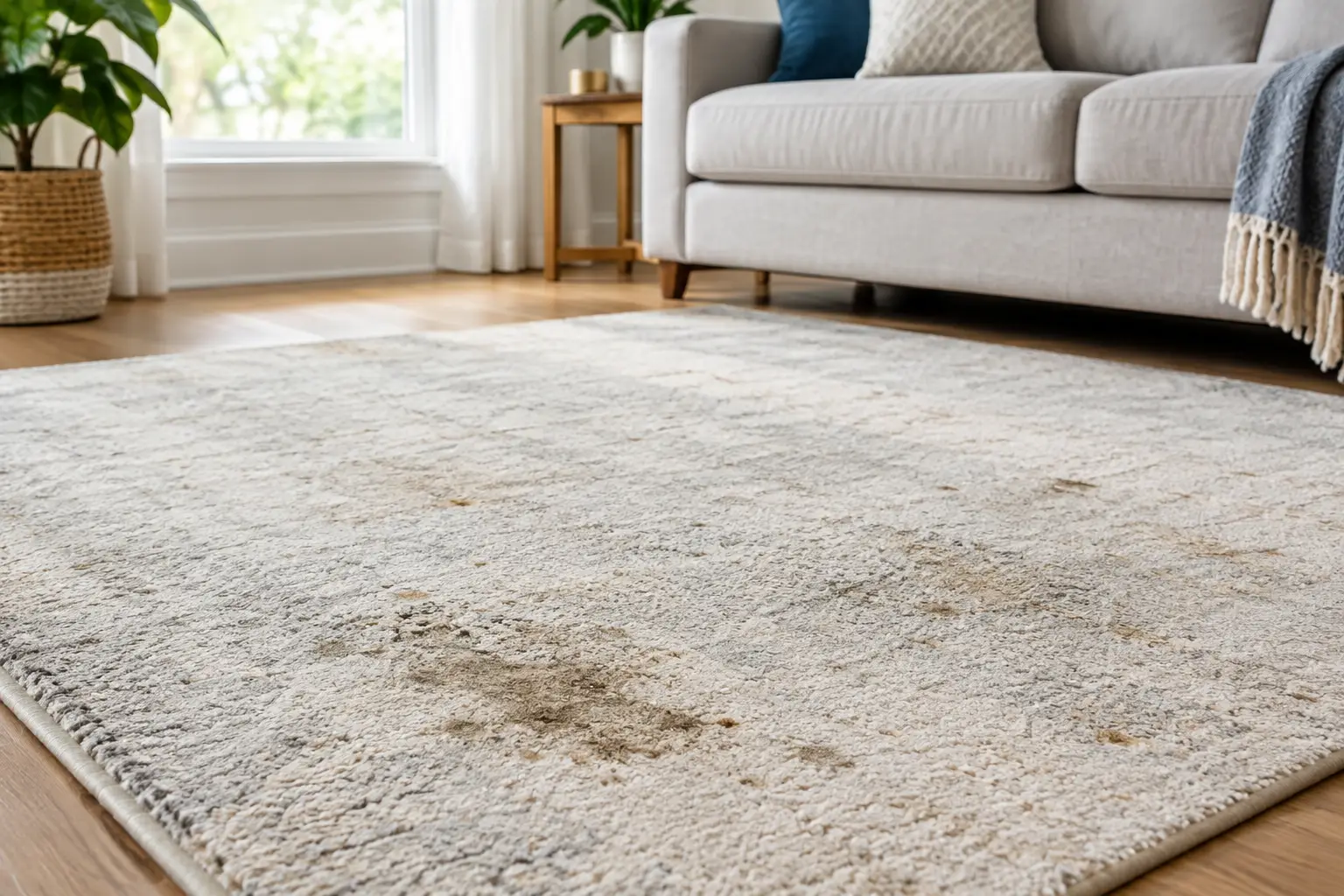
There is another concern that is easy to miss: dry soil. Fine sand, dust, and grit settle beneath the pile and act like tiny abrasives each time someone walks across the rug. Vacuuming helps with surface debris, but it cannot always release embedded particles from a densely woven silk piece. Professional dust removal and a controlled bathing process address soil where it actually sits.
What a careful silk rug cleaning service should include
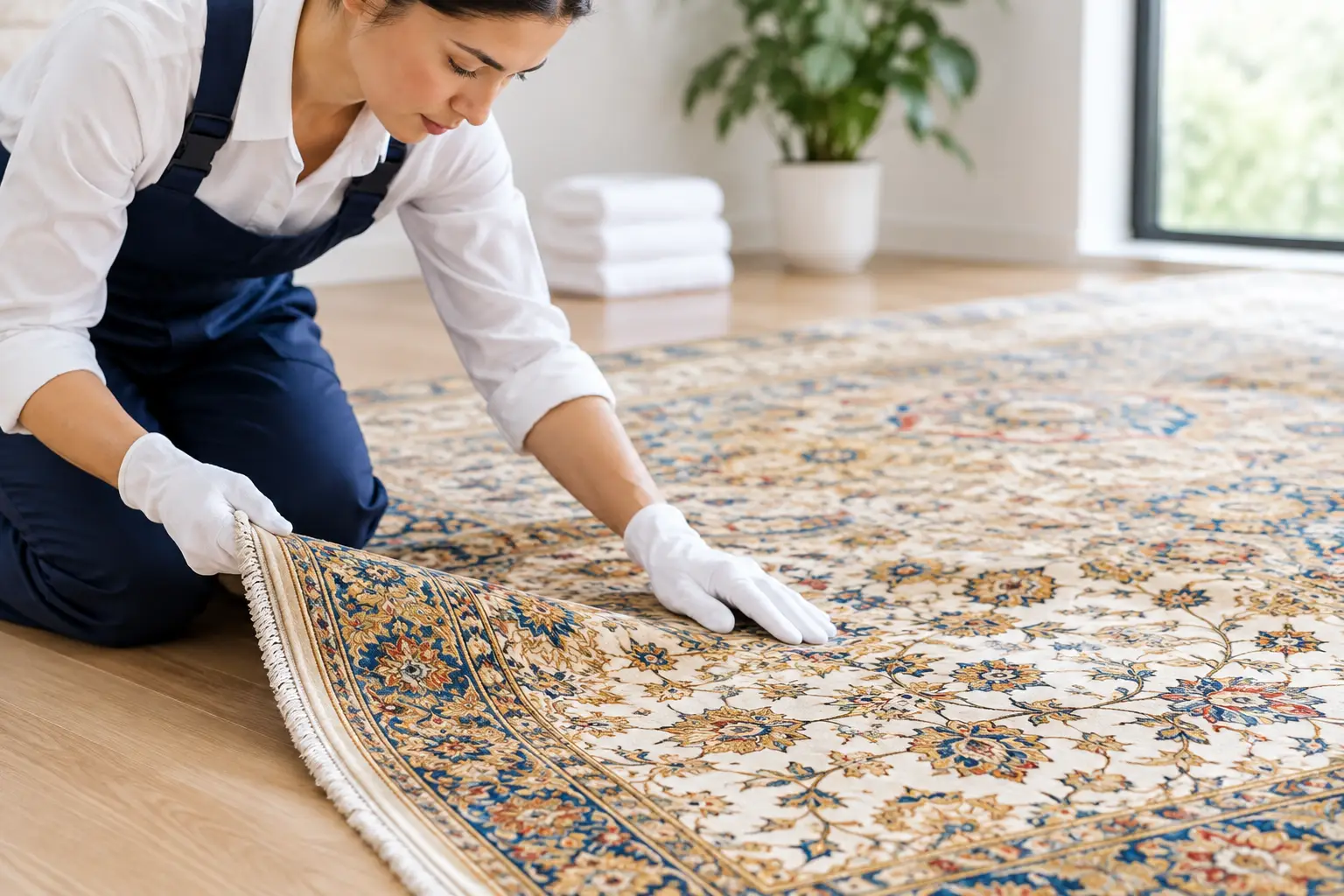
A qualified provider should begin with assessment, not assumptions. The rug should be inspected for fiber content, construction, color stability, existing stains, worn areas, odor, fringe condition, and prior repair work. A silk rug may be hand-knotted, silk-blend, mercerized cotton, or a different material altogether. Proper identification affects every step that follows.
Testing comes before washing
Color testing is essential, particularly on richly dyed Oriental rugs and fine designer pieces. Before the rug enters a wash process, the cleaner should determine whether the dyes are stable and whether certain spots need a different approach. This protects against preventable color migration and helps set realistic expectations for older stains or existing fading.
Not every mark can be fully removed without risking the rug. A reputable cleaner will explain that trade-off rather than use stronger chemistry simply to chase a perfect-looking result. Preserving the textile should take priority over an overly aggressive stain-removal attempt.
Dry soil removal protects the pile
A silk rug should be thoroughly dusted before it is washed. This step is more than cosmetic. Removing embedded dry soil reduces abrasive wear and allows the washing stage to work more evenly.
A professional in-studio environment is usually a better choice than an in-home surface-cleaning method for delicate silk. The rug can be handled flat, inspected closely, washed in a controlled setting, and dried properly instead of being left damp in a humid room.
Gentle water-based bathing and controlled drying
Traditional Persian rug care has long relied on bathing rugs with water rather than masking dirt with surface products. For an appropriate silk rug, a carefully managed water-based wash can remove accumulated soil and residues while respecting the fibers. The key is control: suitable solutions, measured agitation, complete rinsing, and no bleaching agents or hazardous materials.
Drying matters just as much as washing. A rug that remains wet too long can develop odor, dye movement, or other complications. Proper airflow and monitored drying help return the piece to use in a stable condition. The exact process depends on the rug’s weave, dye behavior, condition, and whether it has absorbed pet contamination.
Pet urine requires more than odor spray
When a pet has an accident on a silk rug, the visible spot is often only part of the problem. Urine can travel through the pile into the foundation and backing, then dry into crystals that reactivate when exposed to humidity. In Central Florida, that can mean an odor seems to return even after a room has been cleaned.
Spraying fragrance over the area does not remove the contamination. Nor does a quick surface shampoo. Effective pet urine treatment requires locating the affected area, flushing contamination from the rug as safely as its construction permits, and treating odor at its source. Severe or old contamination can be more difficult to correct, especially if dyes have been affected or the fibers have become brittle. A careful evaluation is the honest first step.
Stains, fading, and fringe need different solutions
It is tempting to think of all rug problems as cleaning problems. With silk, that approach can cause disappointment. A stain may respond to professional treatment, while faded color, worn pile, broken fringe, or a damaged edge may require a separate service.
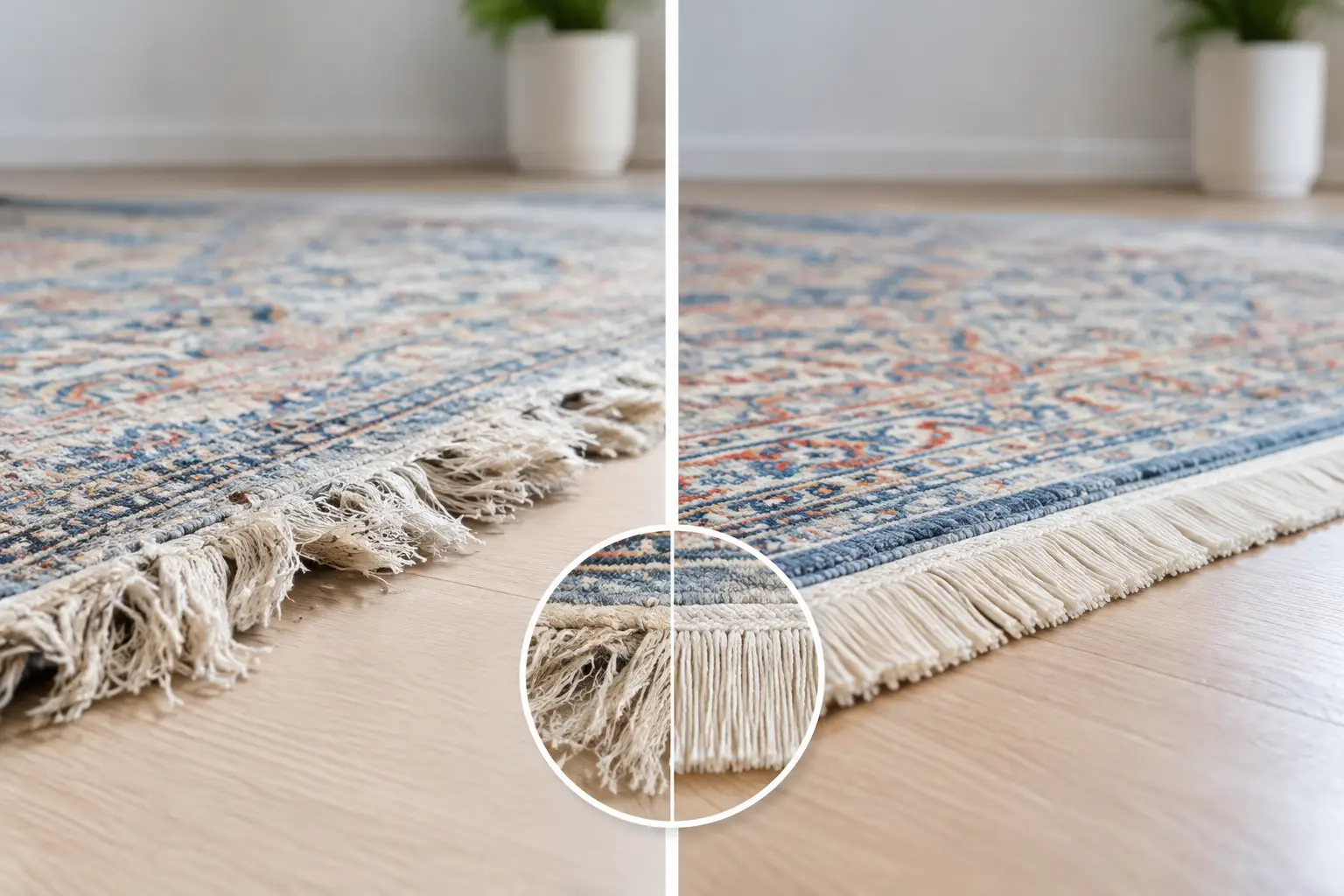
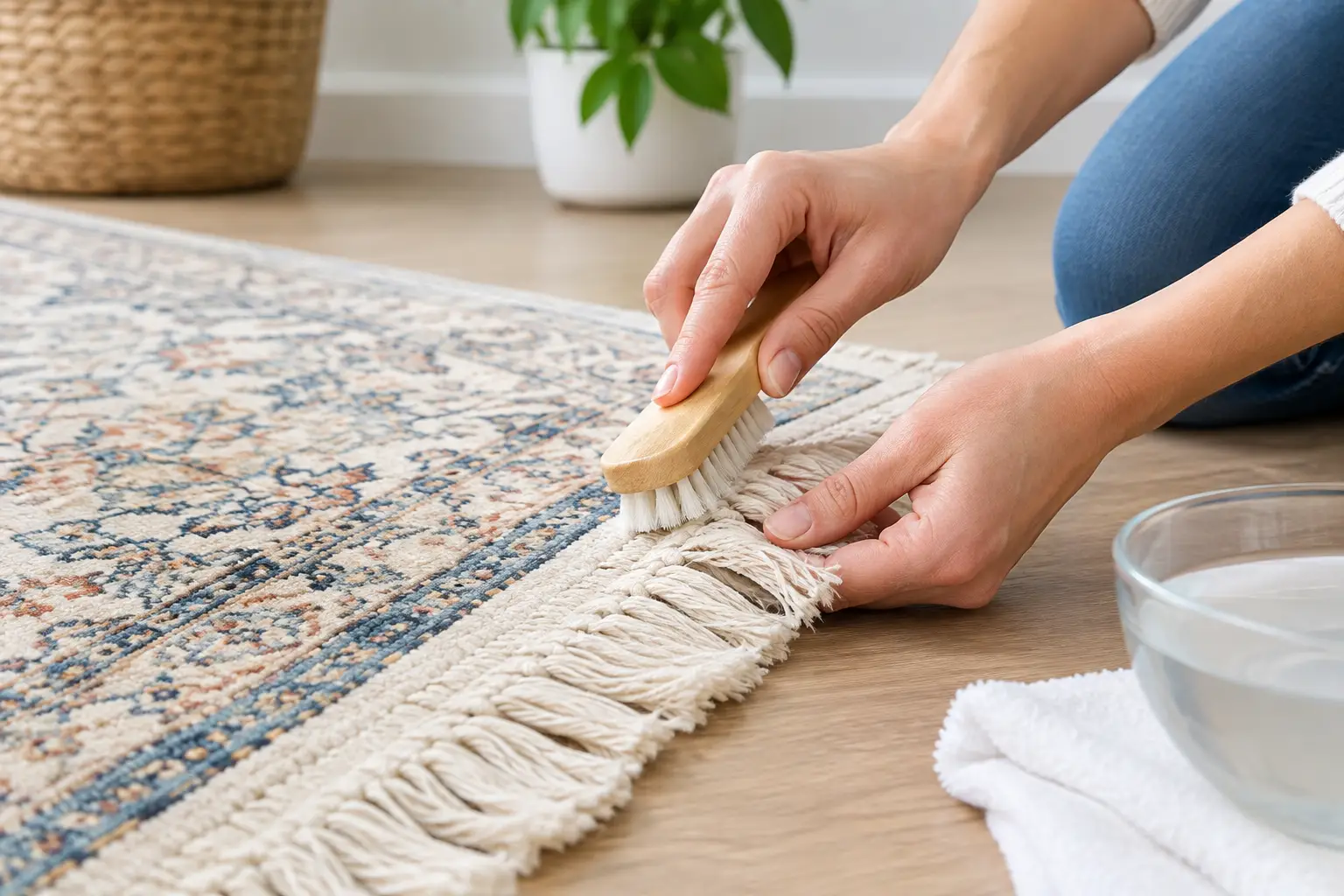
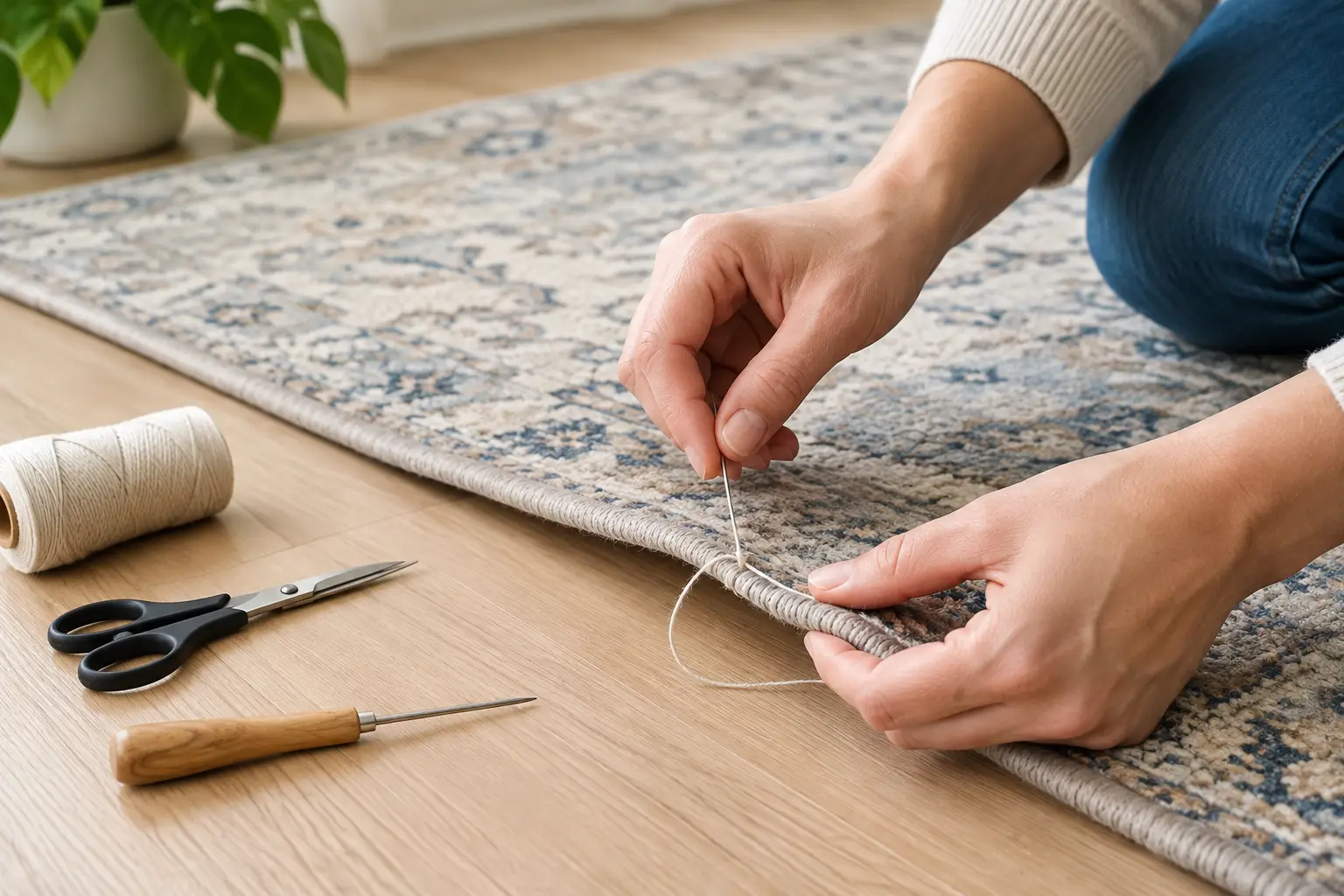
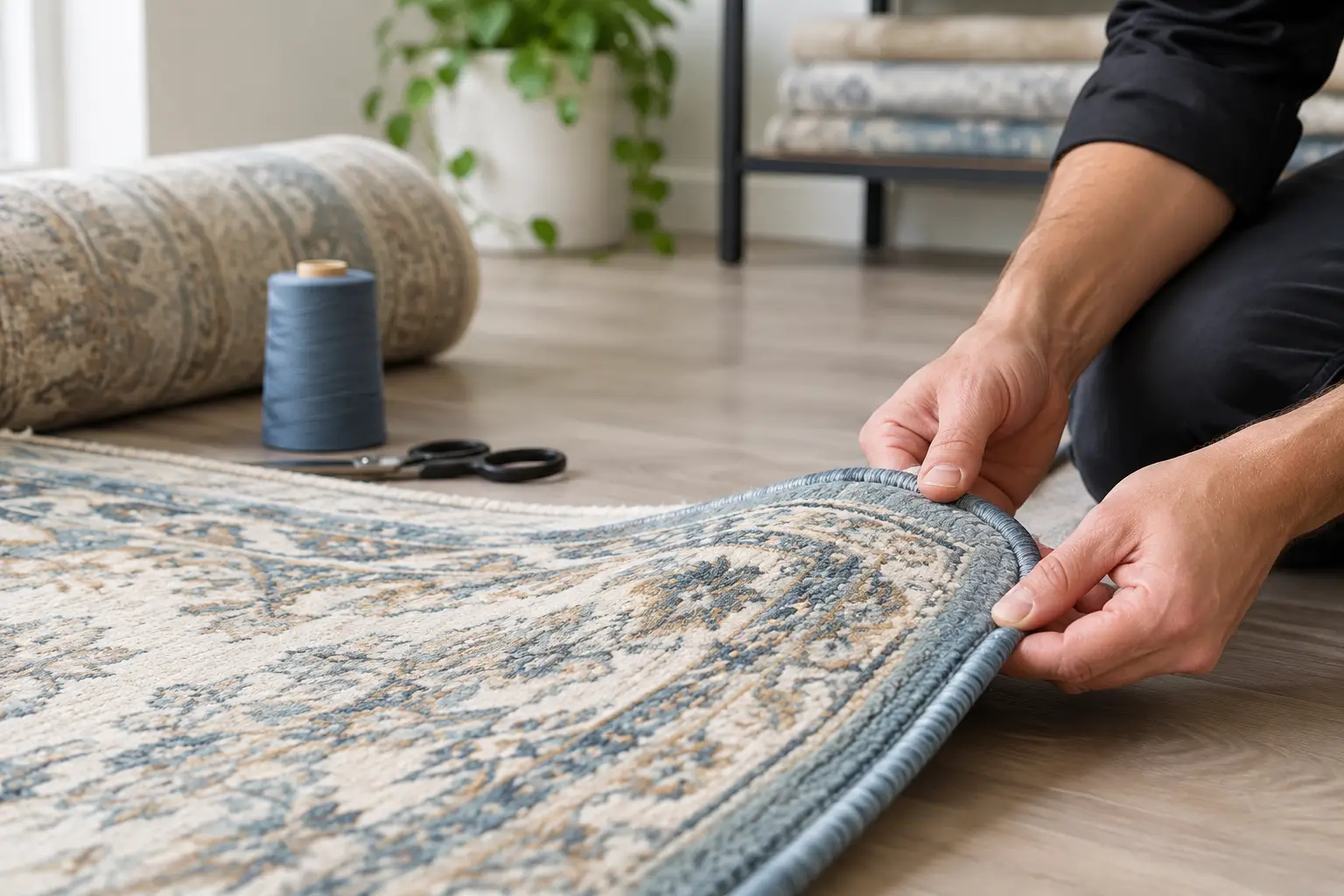
Fringe is often part of the rug’s foundation, not a decorative trim that can simply be cut away and replaced. Loose ends, unraveling sides, and damaged corners should be addressed before they spread. Structural repair, fringe work, and color correction can help preserve the rug’s value and appearance, but each service should be considered individually after inspection.
If a rug has been stored in a garage, attic, or closet for an extended period, it may also need to be checked for moth activity. Moths are more often drawn to natural fibers with soil or food residue. Cleaning, proper wrapping, and suitable storage can reduce the risk to a rug that is not currently in use.
What not to do with a silk rug at home
Home care has a role, but it should be conservative. Vacuum gently with the beater bar turned off when possible, and avoid pulling at fringe. Rotate the rug periodically to distribute traffic and use a custom-fit rug pad to reduce slipping, cushion the fibers, and help protect the floor below.
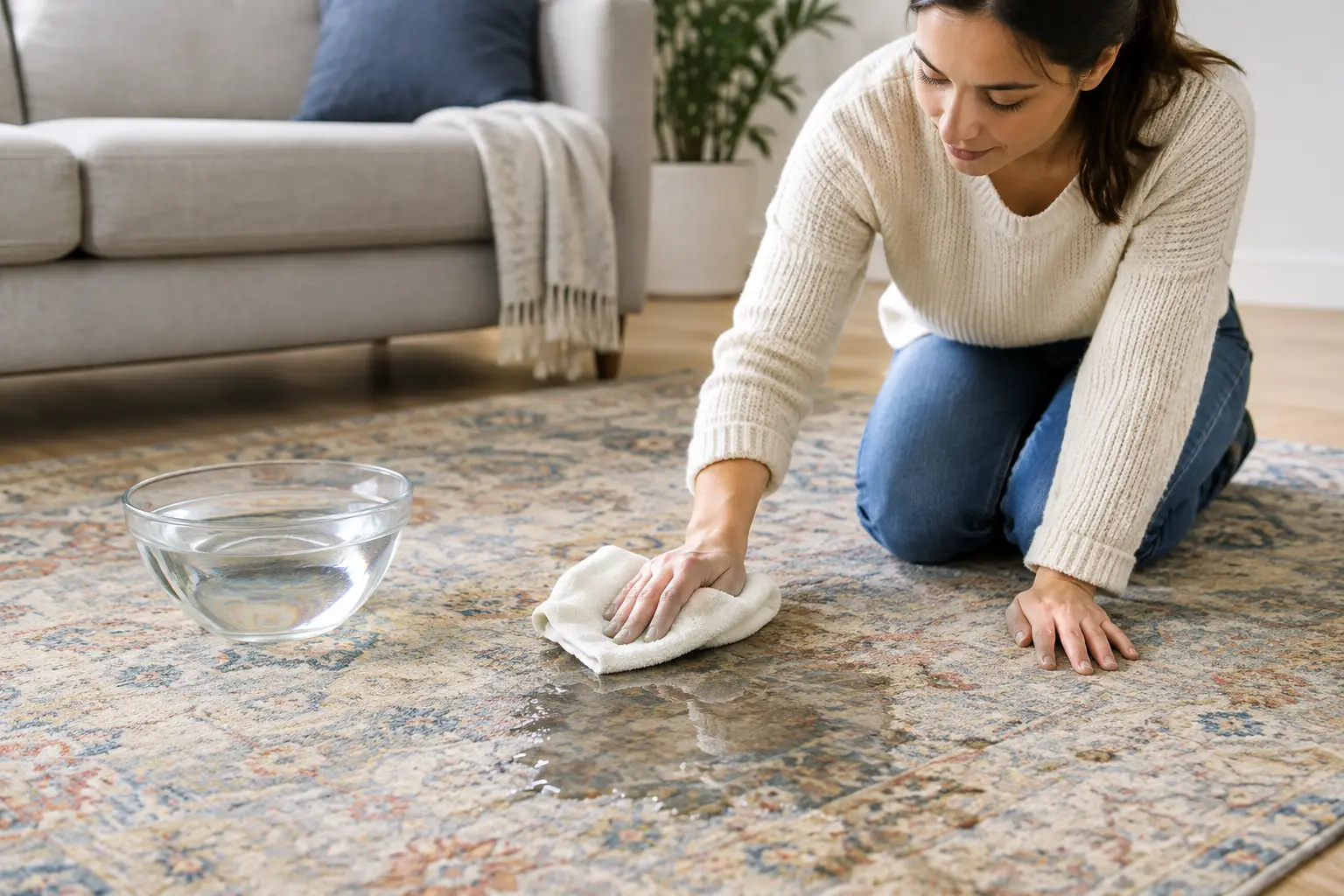
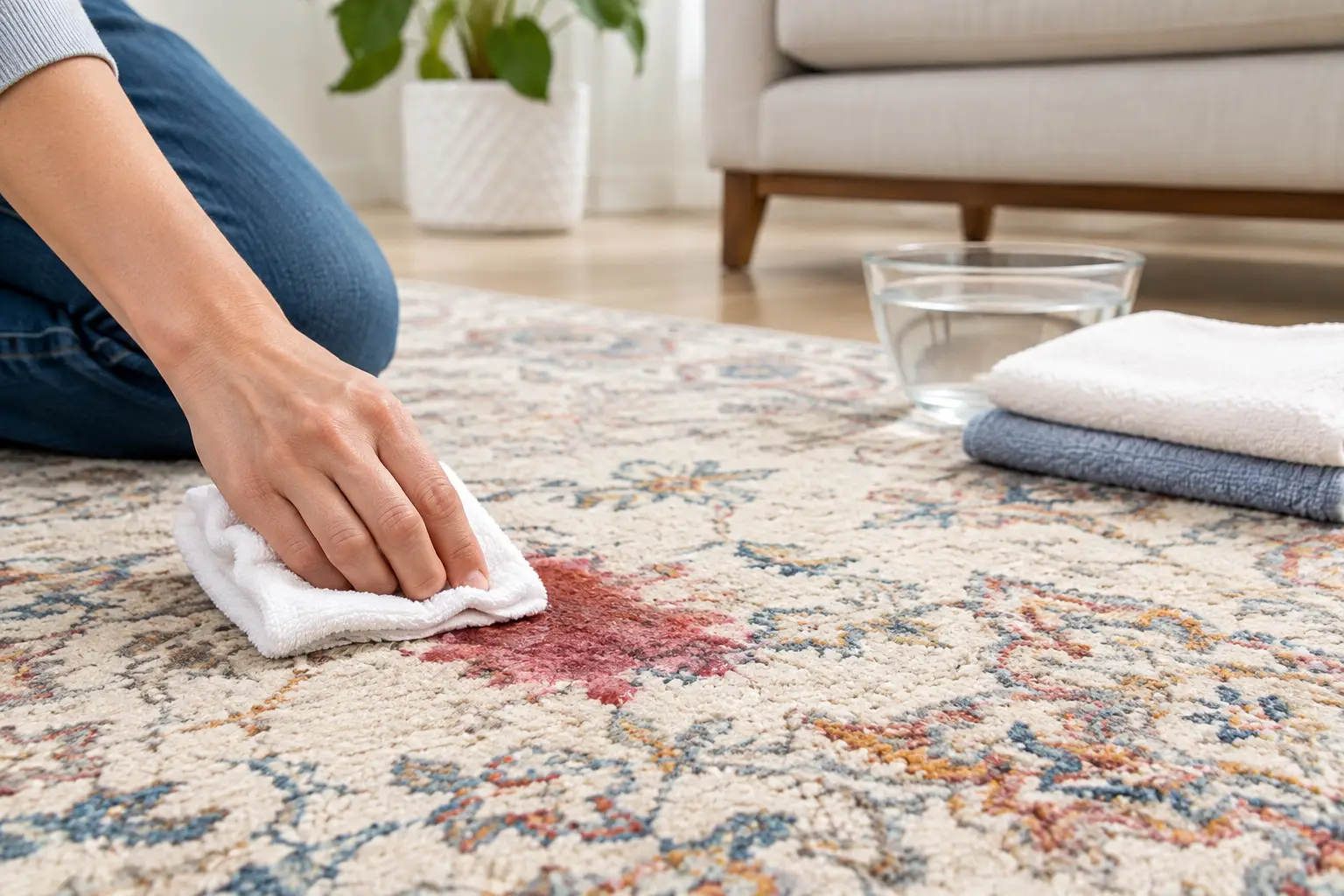
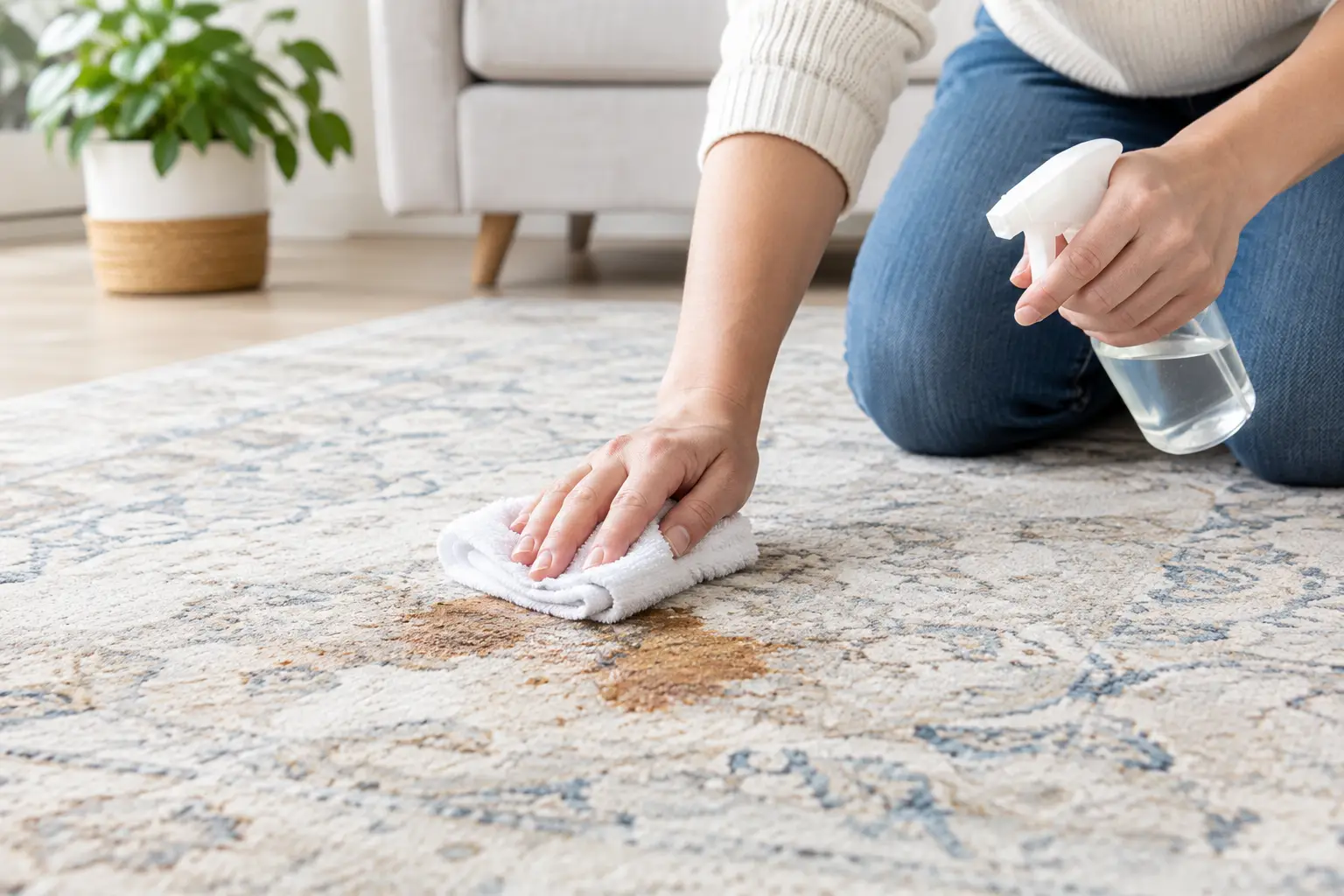
For a spill, blot promptly with a clean white cloth. Do not scrub, steam clean, saturate the area, or apply grocery-store spot removers without knowing how the dyes and fiber will react. Avoid vinegar, bleach, alkaline cleaners, and rented carpet machines. These methods may set a stain, distort the texture, or create a color problem that is much harder to correct than the original spill.
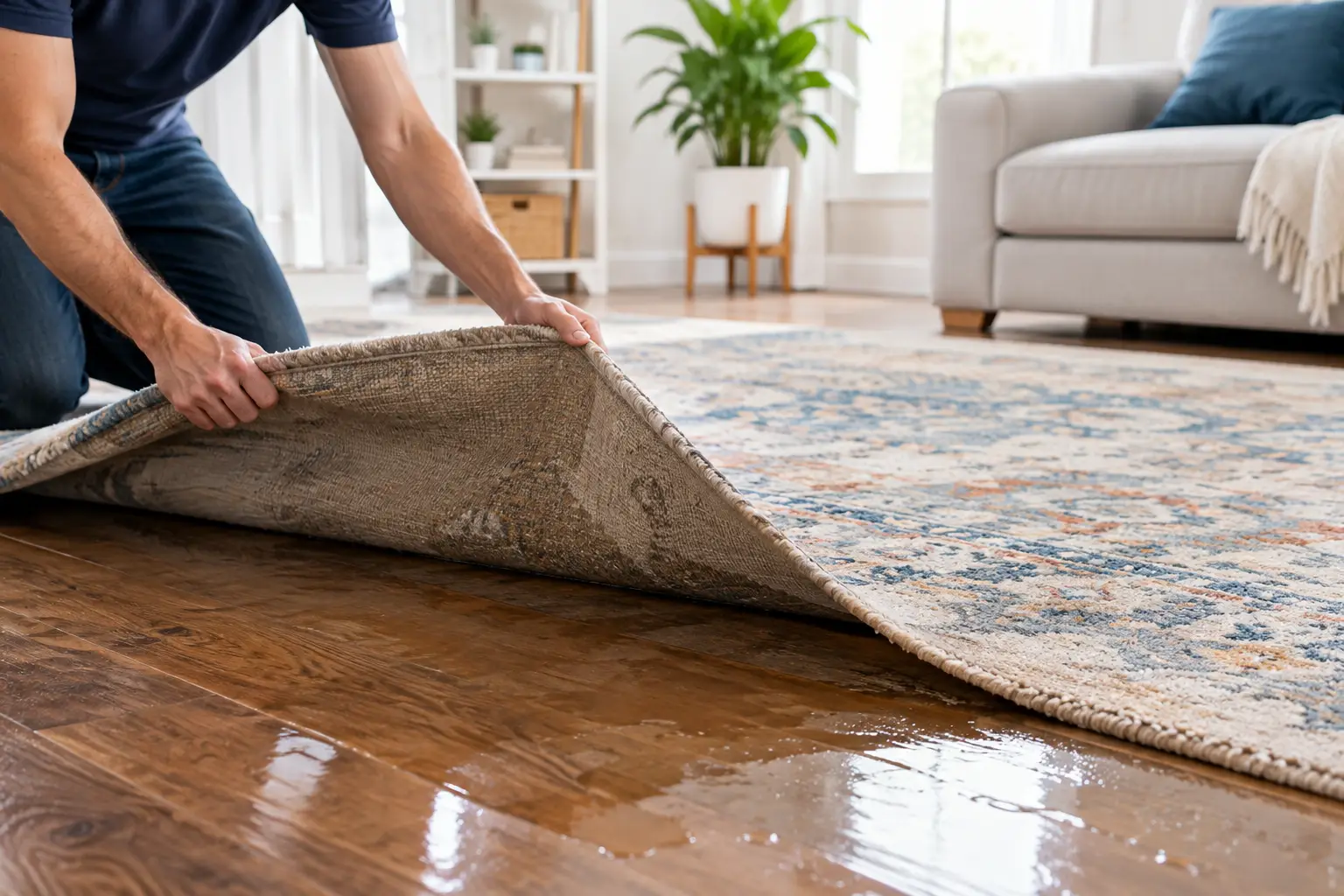
If the rug is wet from a leak or flood, keep foot traffic off it and seek professional guidance quickly. Fast, skilled handling can make a meaningful difference, but the best course depends on how long the rug has been wet, what the water contained, and whether dyes are moving.
Convenience should not mean shortcuts
Fine-rug care does not have to be inconvenient. Pickup and delivery allow a rug to receive full treatment in a controlled facility without turning a homeowner’s day upside down. Before scheduling, share clear photos, approximate measurements, and details about stains, odors, pets, fringe damage, or past cleaning. This makes a free estimate more useful and helps the cleaner prepare for the rug’s actual condition.
At 1st Impressions Oriental and Area Rug Cleaning, silk and other fine rugs are treated as individual textiles, not as interchangeable floor coverings. That means looking beyond visible soil to consider preservation, repairs, protection, and the practical details that help a rug stay beautiful in an active home.
A silk rug often carries more than a design scheme. It may be a meaningful purchase, a family piece, or the element that makes a room feel complete. Give it the measured care it deserves, and it can remain part of your home for many years to come.