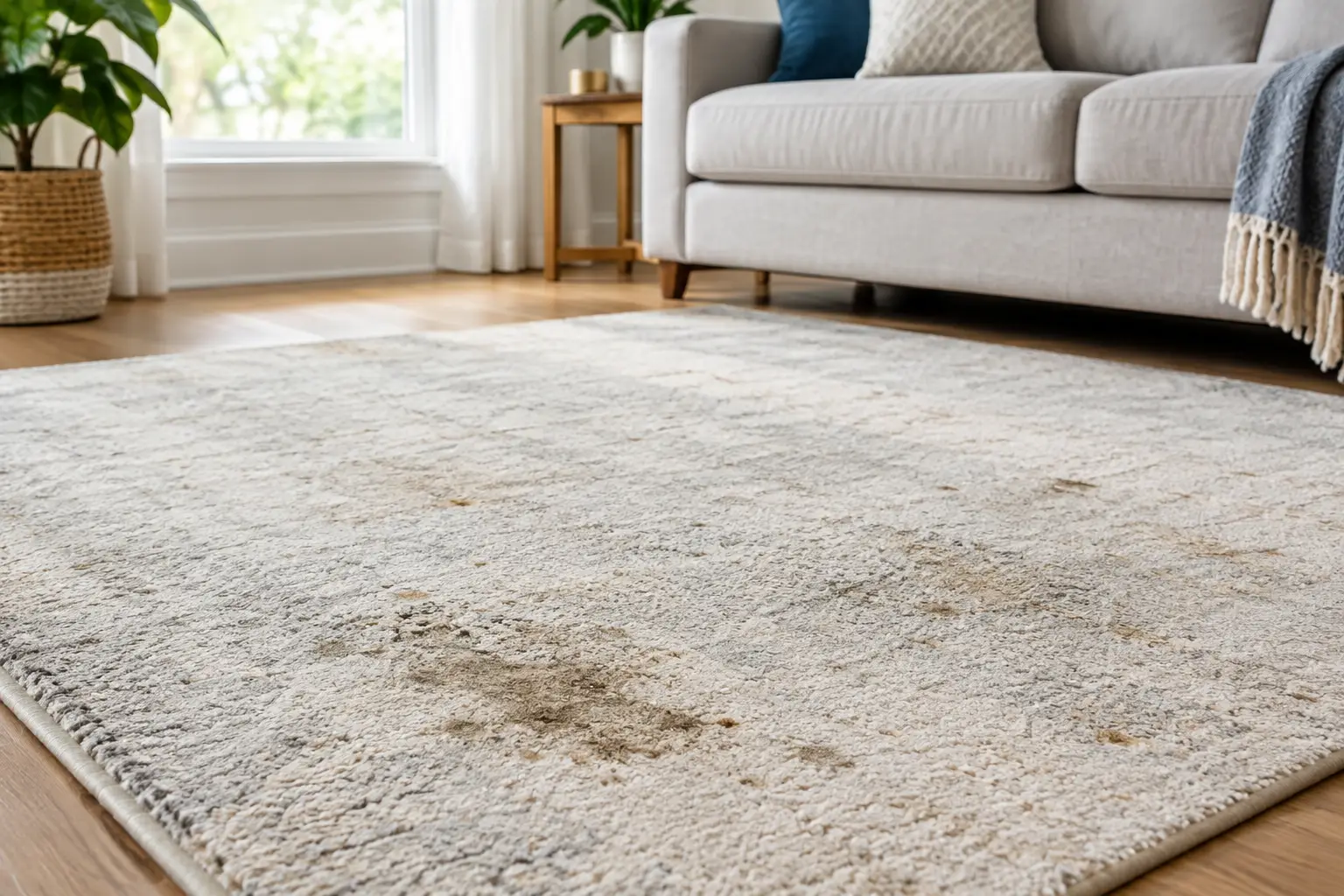
A rug can look fairly clean from across the room while holding pounds of embedded soil, pet residue, spills, and cleaning product residue deep in its foundation. That is why rug washing versus steam cleaning is not simply a question of which service makes colors look brighter for a day. The right method depends on the rug’s fibers, construction, condition, and what has actually settled below the surface.
For many wall-to-wall carpets, hot-water extraction is a practical maintenance method. For Oriental rugs, designer area rugs, heirlooms, and other fine textiles, a controlled, professional wash is often the more complete approach. Knowing the difference helps Central Florida homeowners protect rugs they value rather than accidentally shorten their useful life.
Rug Washing Versus Steam Cleaning: The Main Difference
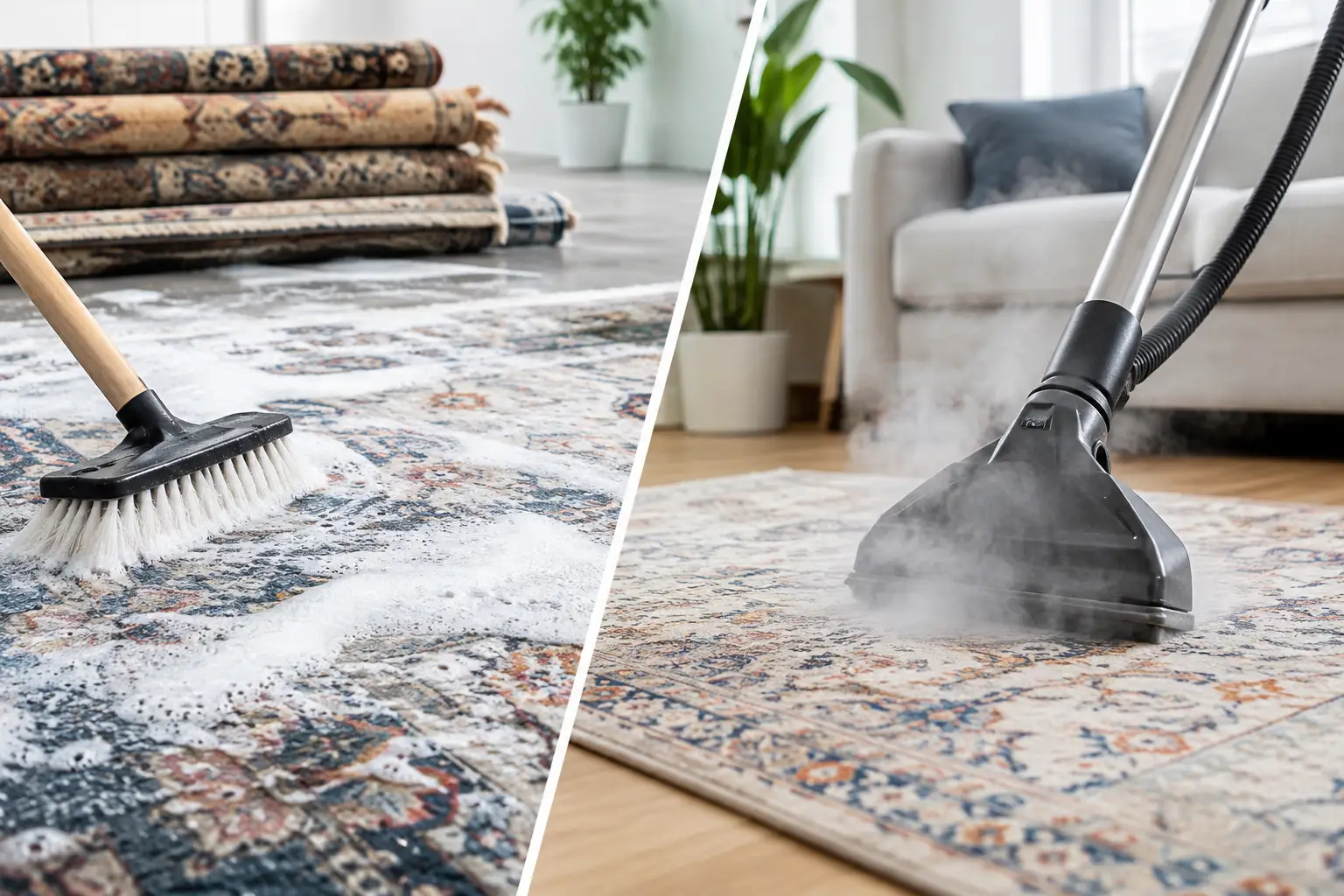
Steam cleaning is a common name for hot-water extraction. In most cases, the equipment sprays heated water and cleaning solution into the textile, then extracts part of that moisture along with loose soil. True steam cleaning uses very high-temperature vapor, but the term is often used broadly for both methods.
This process can be useful for installed carpet and certain synthetic rugs that are cleaned in place. It refreshes the face fibers, addresses ordinary traffic soil, and can be convenient when a quick service is the priority. Its limitation is that an area rug has a front, a back, fringe, edges, and a foundation. Soil does not stay only in the top fibers where an in-home extraction tool can reach it.
Professional rug washing is a dedicated bathing process performed after the rug has been inspected and prepared. Depending on the rug’s needs, that can include dry soil removal, dye testing, spot treatment, controlled washing, thorough rinsing, water removal, grooming, and proper drying. The goal is to flush contaminants out of the rug rather than merely cleaning its visible surface.
Why Dry Soil Changes the Cleaning Decision
Dust, sand, pollen, and grit work their way through a rug each time it is walked on. In Central Florida, fine outdoor debris and humidity can compound the problem, especially near entrances, patios, and pet areas. A vacuum is valuable routine care, but it does not always remove compacted particles buried in the foundation.
Those particles act like abrasives. As the rug flexes under foot traffic, grit can wear wool fibers, dull the pile, and weaken the foundation over time. Steam cleaning introduces moisture, but it may not dislodge this deeply settled dry soil first. If the soil is still present, moisture can turn it into a muddy residue that is harder to remove thoroughly.
A proper wash begins with dusting or dry soil removal because the rug should not be bathed with a load of hidden grit still inside it. This step is one reason a washed rug can feel softer, lie flatter, and show clearer color afterward.
When Steam Cleaning Can Make Sense
Steam cleaning is not automatically harmful. It can be a reasonable choice for a machine-made synthetic rug with light soiling, stable dyes, no pet contamination, and a construction suitable for wet cleaning in place. It may also be useful when the rug is large, difficult to move, or part of a short-term cleaning plan.
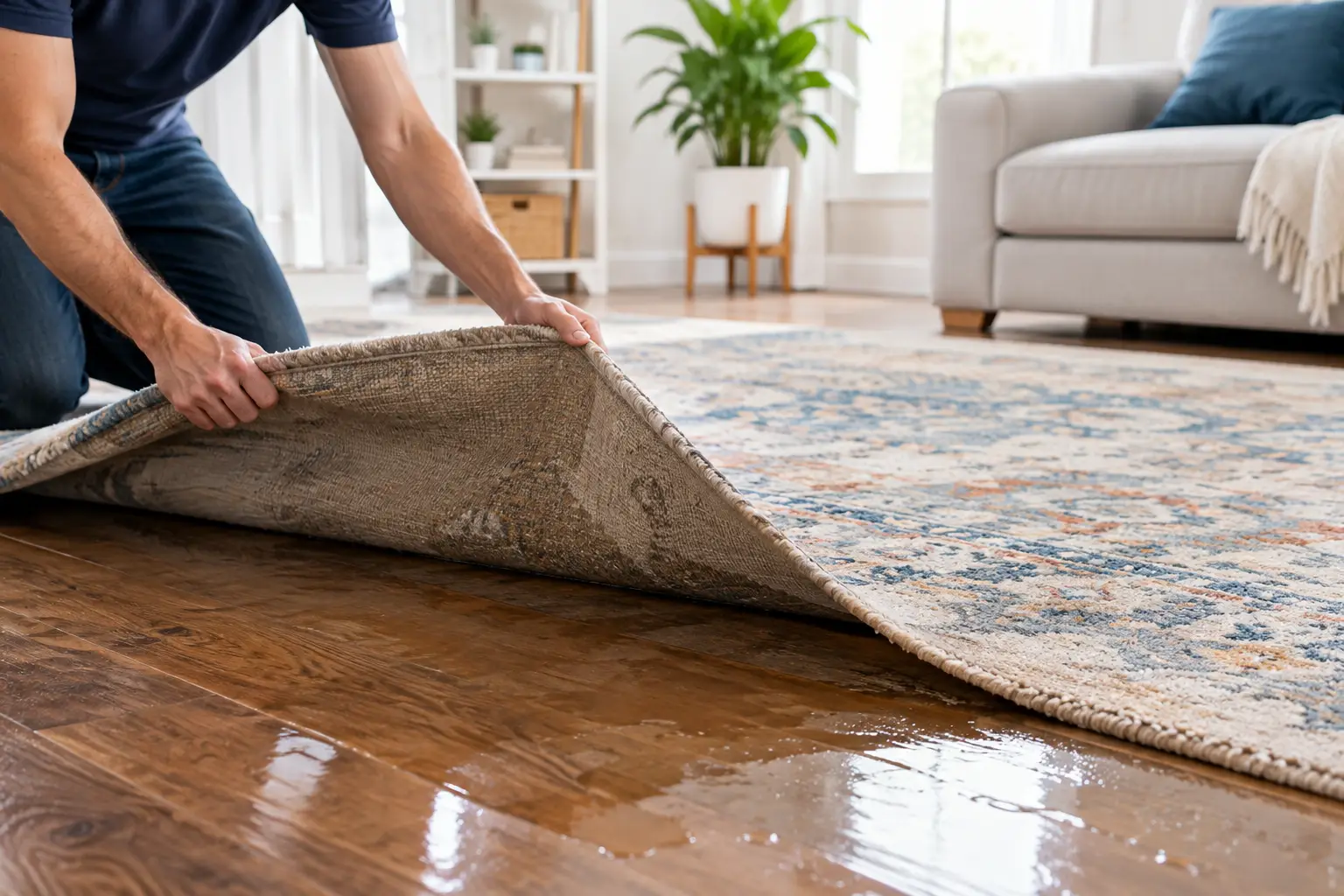
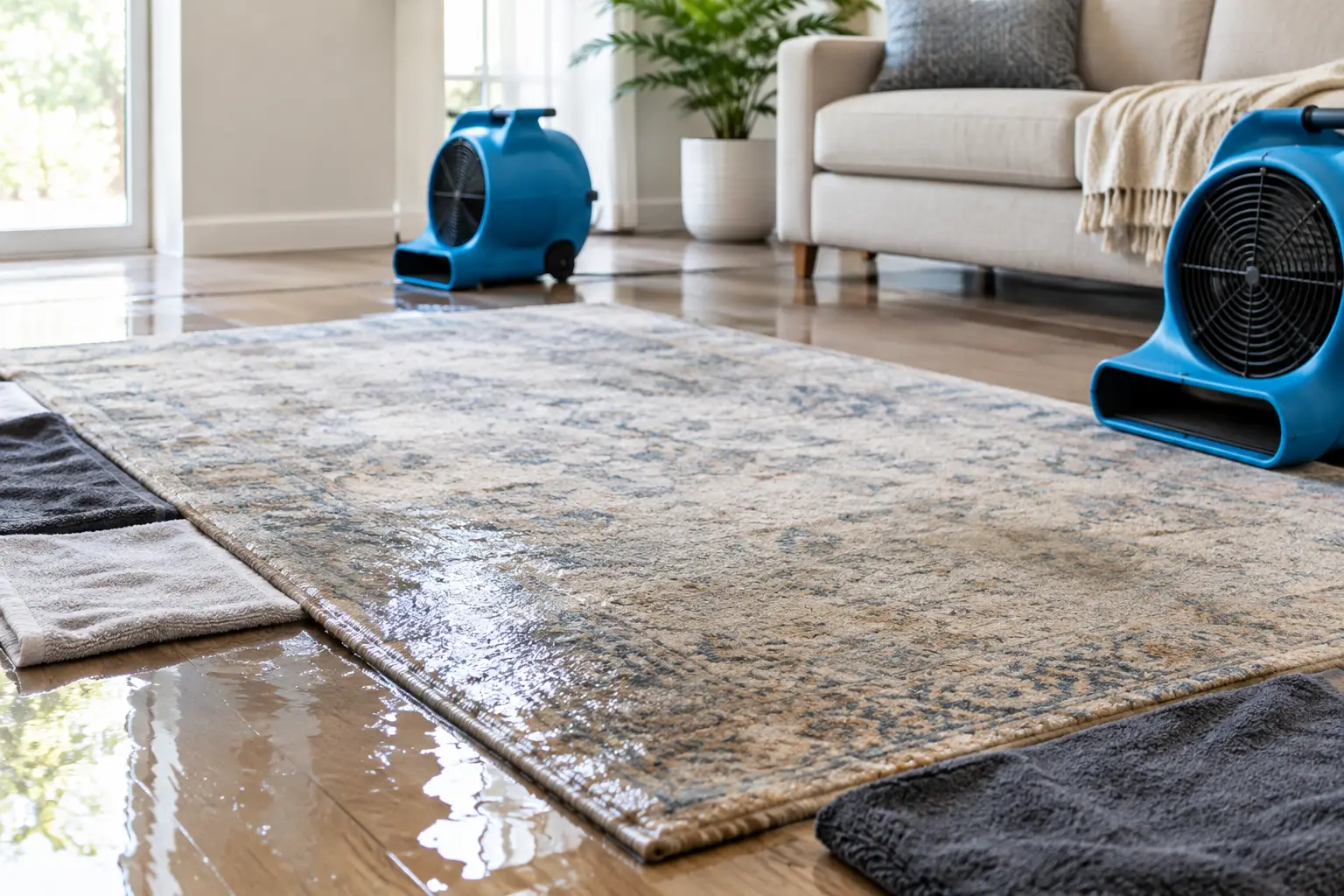
The trade-off is depth and control. In-home extraction equipment has limited ability to clean the back of the rug, flush the foundation, or dry every layer evenly. A rug that remains damp too long can develop odor issues, browning, wicking spots, or mildew risk. Florida’s humidity makes complete drying especially important.
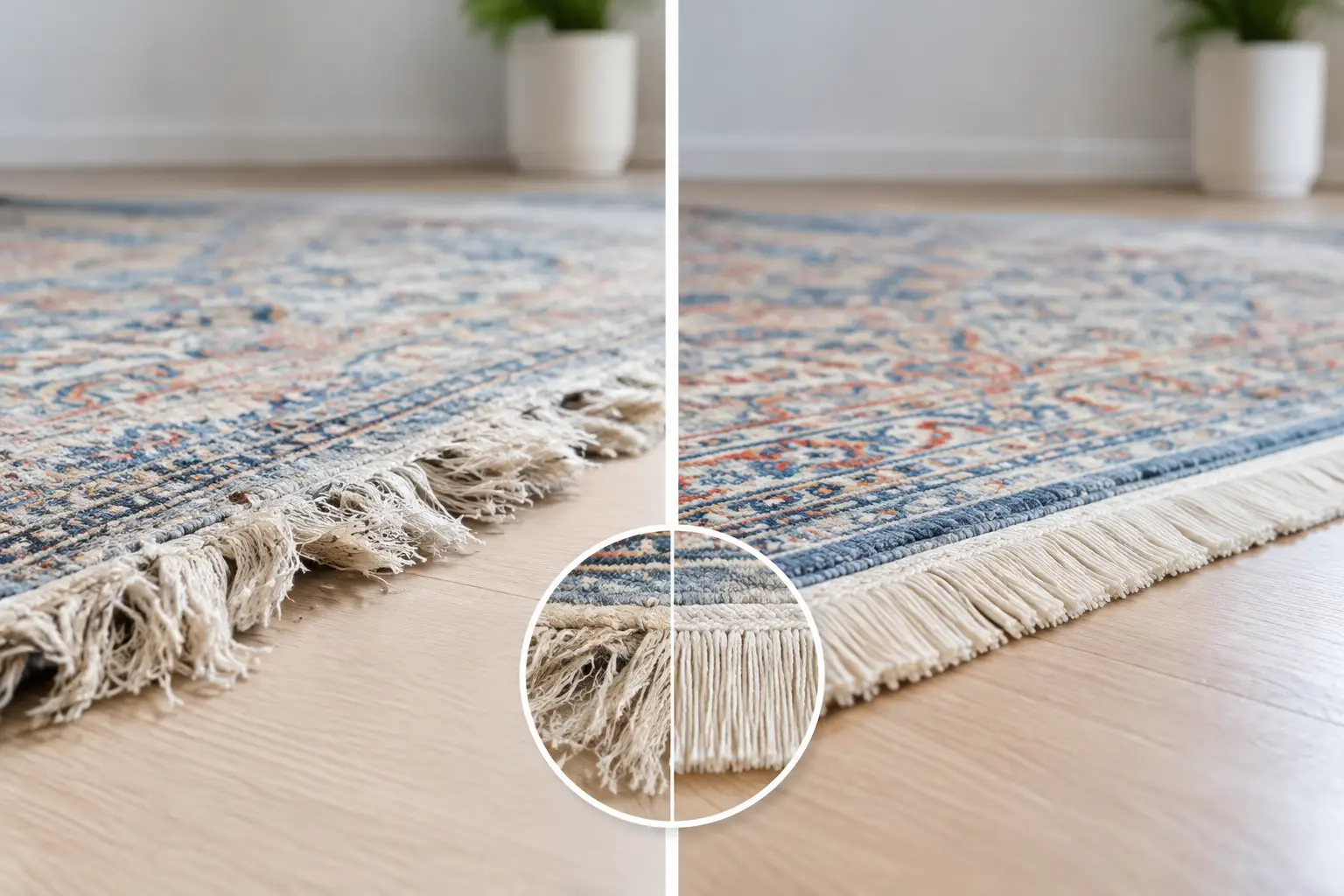
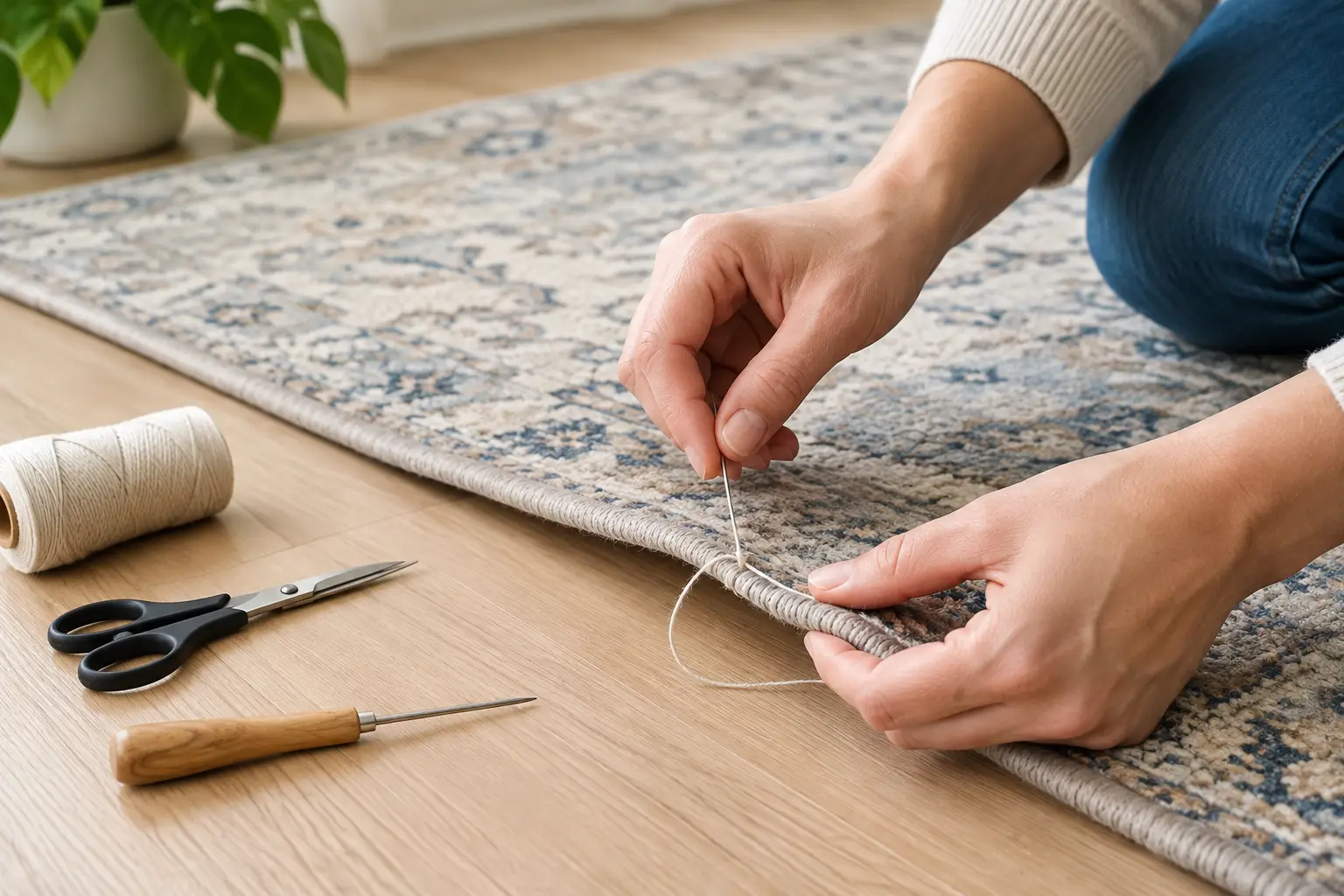
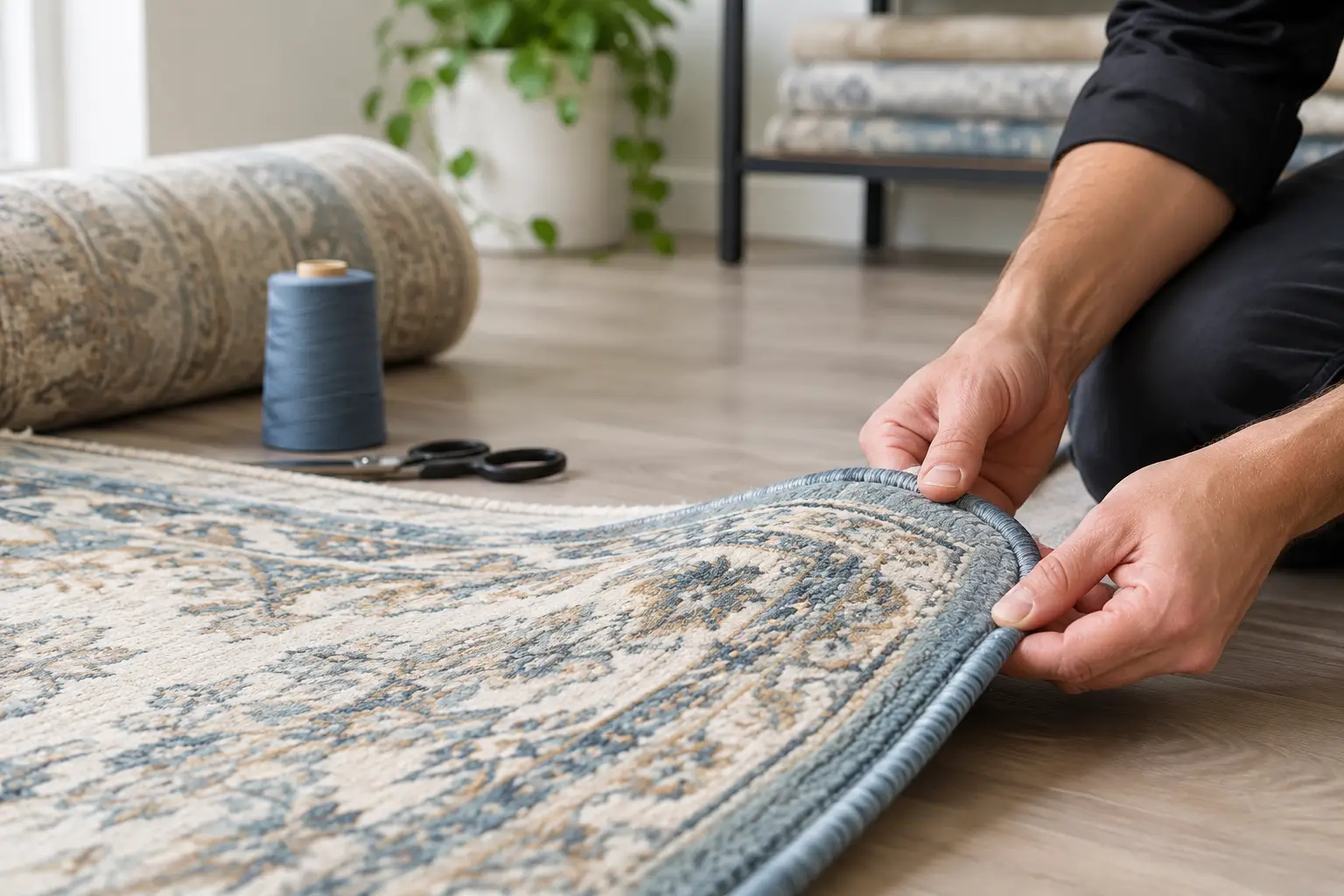
Steam cleaning also cannot repair worn fringe, stabilize loose edges, correct color damage, or address moth activity. These are separate care needs that should be identified before cleaning begins, not after a problem becomes more visible.
The Risk of Too Much Heat or Moisture
Heat and water are not inherently bad for rugs. Incorrect heat, excessive moisture, and poor drying are the concern. Wool, cotton, silk, viscose, jute, and blended fibers react differently. A silk or viscose rug, for example, may show texture changes, water marks, or color problems if treated like a durable synthetic carpet.
Some rugs have unstable dyes that can bleed when they are over-wet or exposed to the wrong solution. Others have cotton foundations that can shrink, distort, or develop fringe discoloration. A trained cleaner tests before proceeding and adjusts the process to the individual rug instead of applying one machine setting to every textile.
When a Full Rug Wash Is the Better Choice
A professional wash is usually the better option when a rug has substantial embedded soil, persistent odor, pet accidents, repeated spills, or a history of DIY spot treatment. It is also the preferred approach for many hand-knotted Oriental rugs, wool rugs, antique rugs, and fine designer pieces, provided the rug is inspected and the process is tailored to its condition.
Pet urine is a particularly important example. Urine can travel through the pile and collect in the backing or foundation, where surface cleaning may not reach it. As humidity rises, dried urine salts can reactivate and bring the odor back. A deeper decontamination process is often necessary to treat the source rather than cover it with fragrance.
Full washing can also help after a rug has been stored, exposed to flood-related moisture, or affected by moths. Not every rug is a candidate for the same treatment, however. Rugs with fragile foundations, dry rot, severe dye instability, or extensive prior damage may require conservation-minded methods instead of aggressive washing. Careful evaluation matters more than choosing a method by name.
What Careful Rug Washing Looks Like
The best washing process is not a harsh one. It is a measured process that respects the rug’s materials and construction. At 1st Impressions Oriental and Area Rug Cleaning, every rug is evaluated for fiber type, dye stability, stains, odors, fringe condition, and structural concerns before the cleaning plan is selected.
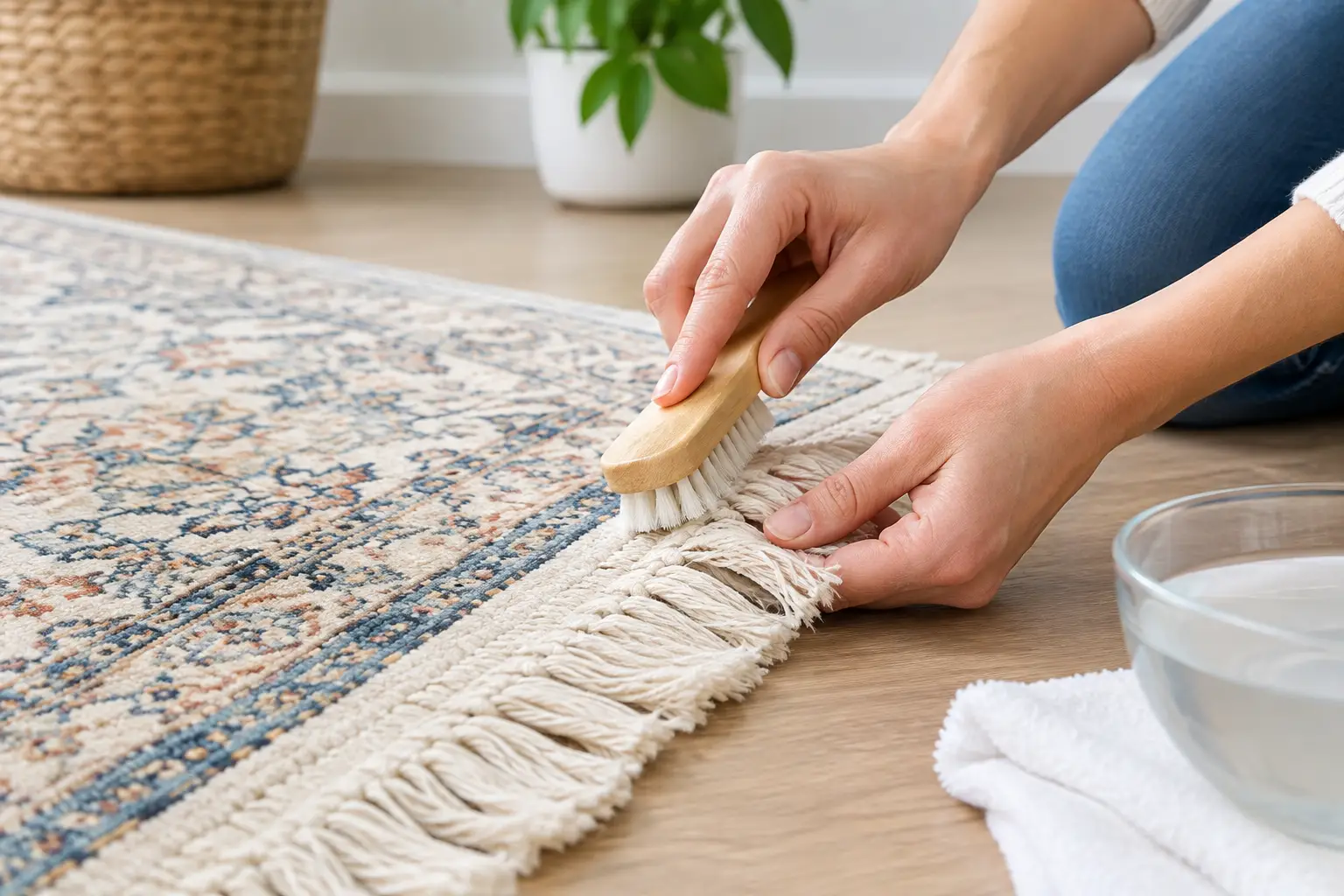
The rug is first cleared of dry particulate soil. Then technicians can address spots and contamination with appropriate solutions, avoiding unnecessary bleaching agents and hazardous materials. A controlled water-based wash loosens and rinses away soil, while careful extraction removes the wash water. The rug is dried promptly and completely, then groomed and inspected before it is returned.
That sequence is rooted in the traditional bathing process associated with Persian rug care, but it is supported by modern equipment, testing, and practical communication. It gives the cleaner a chance to see issues that are easy to miss in a living room: weak edges, damaged fringe, hidden staining, color loss, or a deteriorating rug pad.
Cleaning Results Depend on More Than the Method
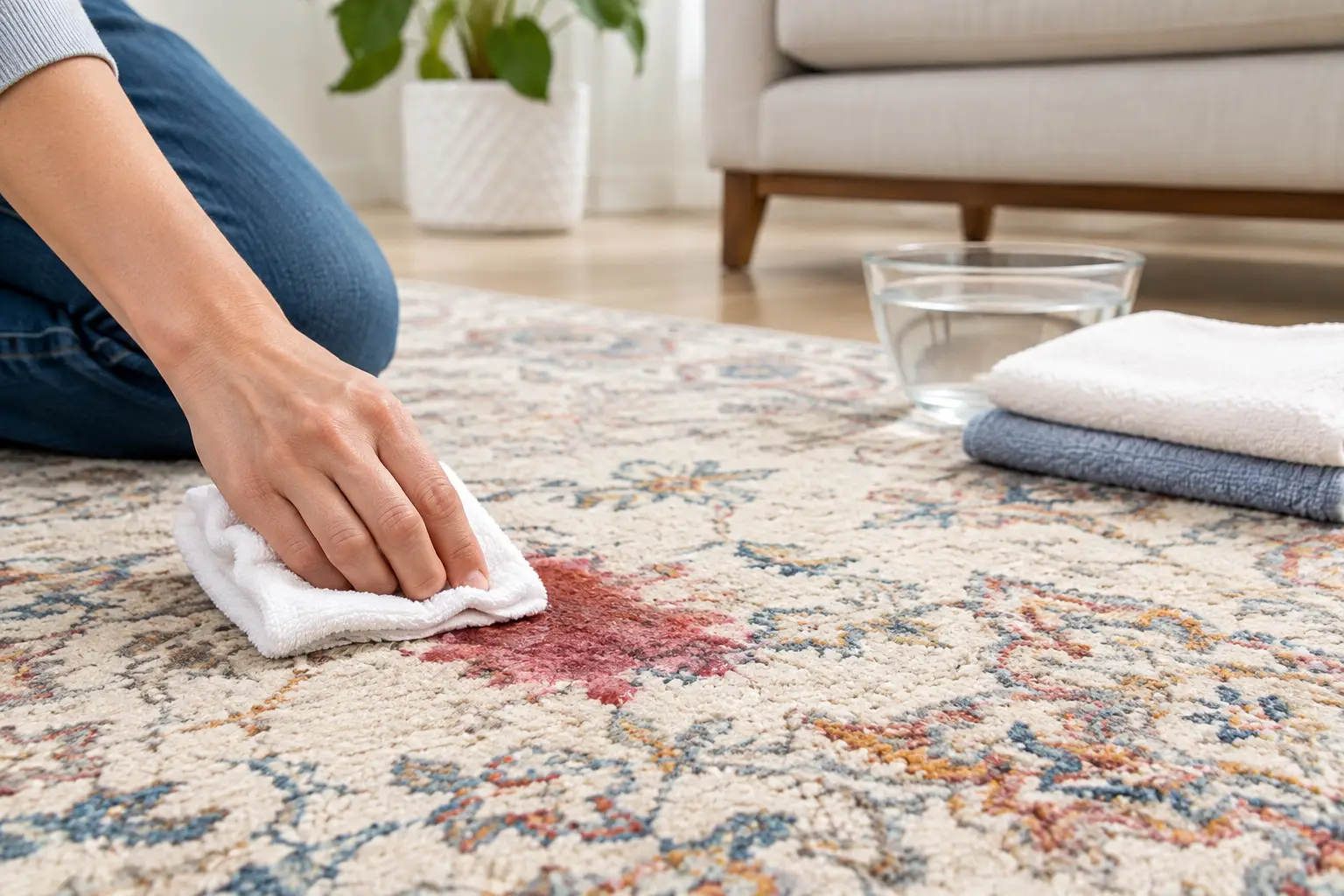
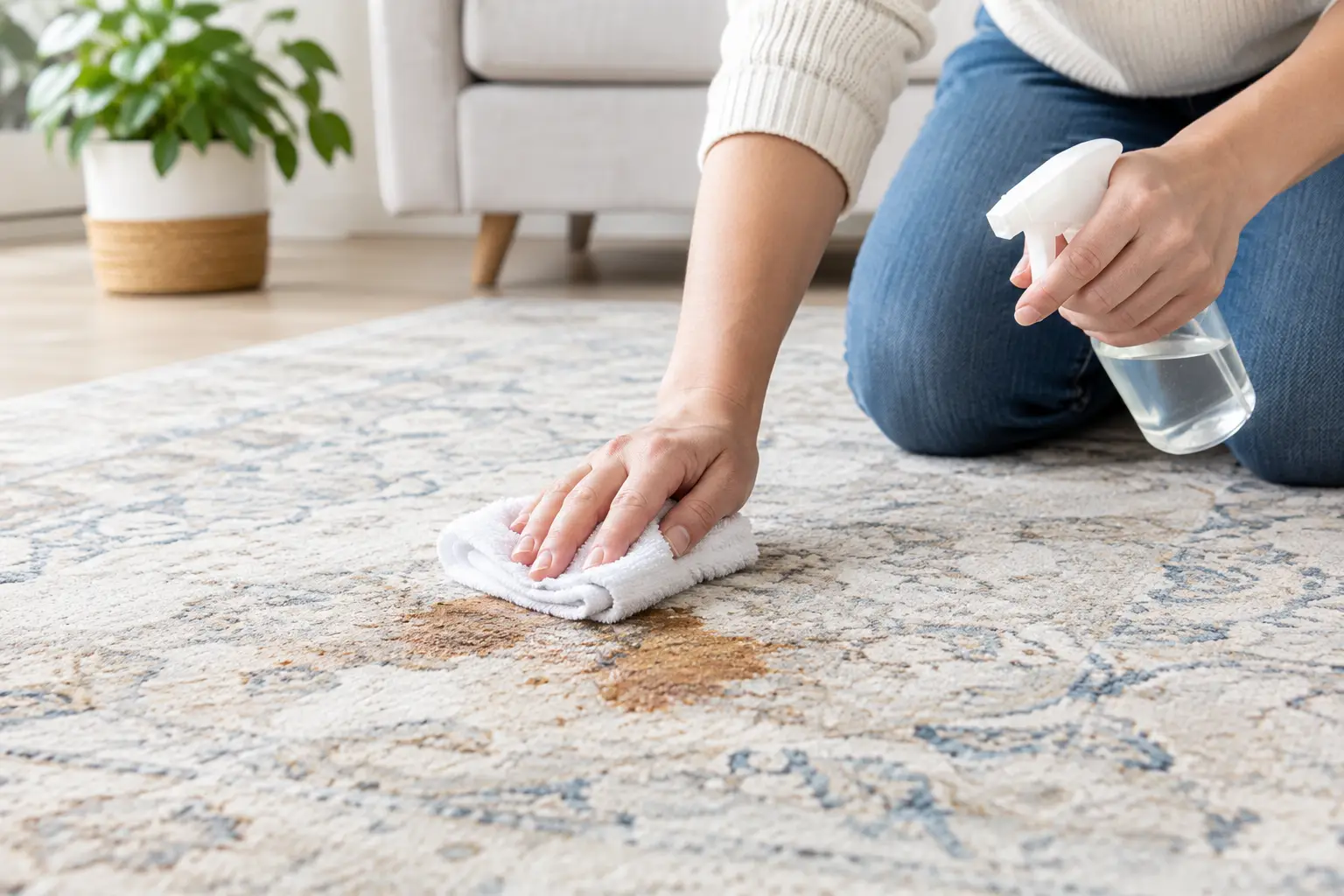
No reputable cleaner should promise that every stain will disappear. Some dyes, food spills, pet accidents, plant stains, and old DIY treatments can permanently alter fibers or color. The age of the stain, the rug’s fiber content, and what has already been applied all affect the outcome.
The goal is to achieve the safest practical improvement while preserving the rug. In many cases, a professional wash removes odor and soil that an in-home steam cleaning leaves behind. In other cases, the responsible recommendation may be a gentler treatment, a repair before washing, or realistic expectations about permanent discoloration.
A clean rug also needs protection once it returns home. A quality custom-fit rug pad reduces sliding, cushions foot traffic, and helps protect hard floors beneath the rug. Regular vacuuming without an aggressive beater bar, prompt attention to spills, and occasional professional care can extend the life of a rug considerably.
How to Choose the Right Service for Your Rug
Start by considering what the rug is made of and what it means to your household. A low-cost synthetic runner with ordinary dirt may be well suited to in-home extraction. A wool Oriental rug, a handmade piece, a rug with pet odor, or a designer rug with delicate fibers deserves a more detailed assessment.
Before scheduling service, share the rug’s approximate size, material if known, age, stains, odors, and any concerns about fringe or edges. Photos in natural light are helpful. This allows a rug care specialist to recommend whether pickup and in-studio washing, careful in-home cleaning, repair, or a combination of services is the sensible next step.
The best choice is the one that leaves your rug cleaner without creating a new problem. When the rug has value – financial, sentimental, or simply as part of a home you take pride in – thoughtful handling is worth more than the fastest possible surface refresh.