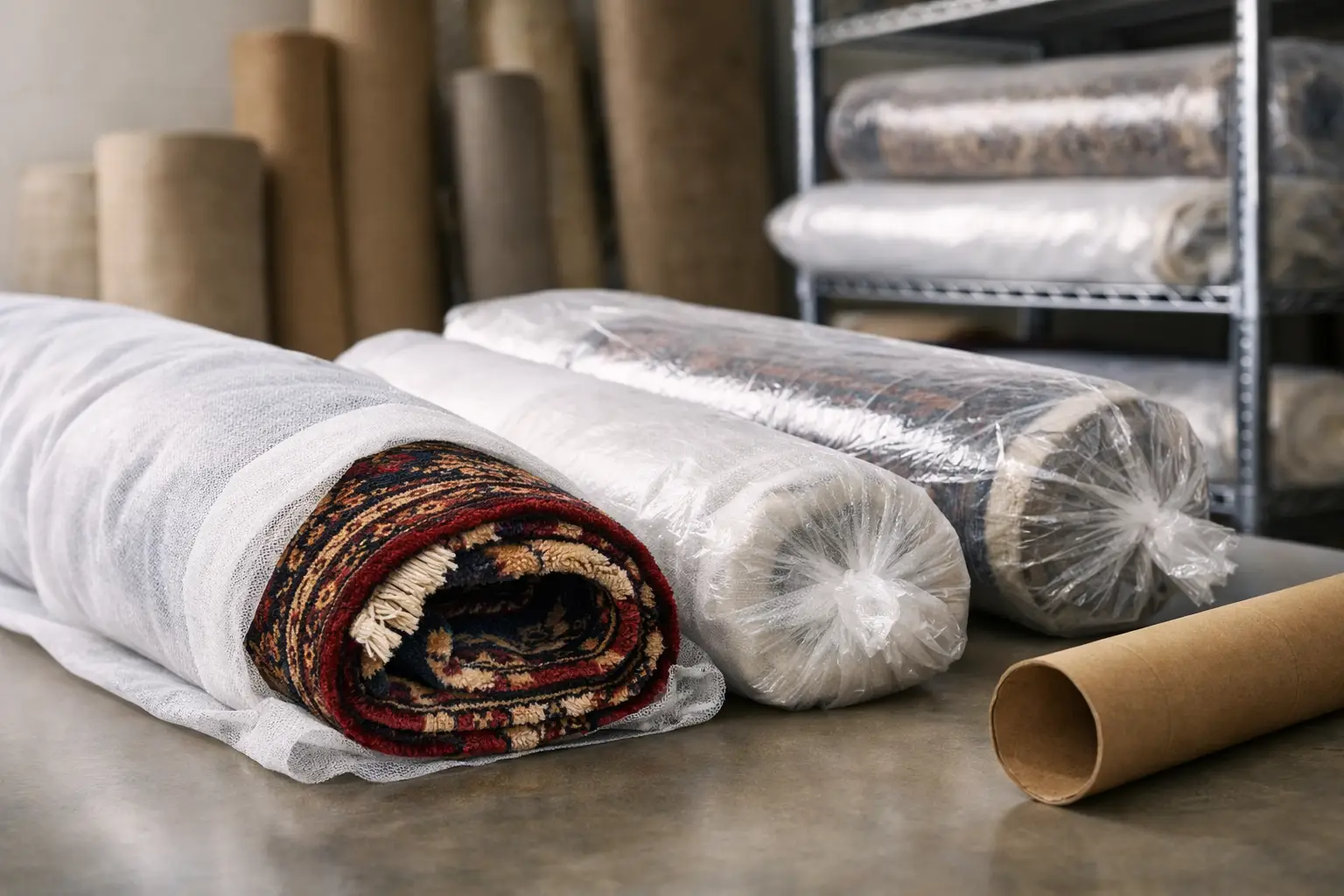
A fine rug can spend months out of sight while a room is being renovated, staged for sale, redecorated, or simply cleared for the season. In Central Florida, rug storage and wrapping need to account for more than dust. Humidity, insects, hidden pet odor, and heat can turn an otherwise safe pause into permanent damage. Proper preparation protects the fibers, dyes, backing, and structure until the rug is ready to return to your home.
For an Oriental rug, a hand-knotted wool piece, a silk rug, or a designer area rug, storage is part of long-term care. Folding it into a closet or rolling it in household plastic may feel convenient, but those shortcuts can create deep creases, trap moisture, invite pests, or make an existing odor much harder to remove.
Why Rug Storage Needs More Than a Closet
Rugs are textile furnishings, not just floor coverings. Natural fibers such as wool, silk, cotton, and jute react to their environment. Wool can attract clothes moths and carpet beetles. Cotton foundations may weaken when repeatedly exposed to damp conditions. Silk can be especially vulnerable to crushing, color change, and moisture-related problems.
Florida humidity raises the stakes. A rug placed in a garage, shed, attic, or outdoor storage unit may encounter dramatic temperature swings and elevated moisture. Even a climate-controlled home closet is not automatically a good storage location if the rug goes in soiled, damp, or tightly sealed in the wrong material.
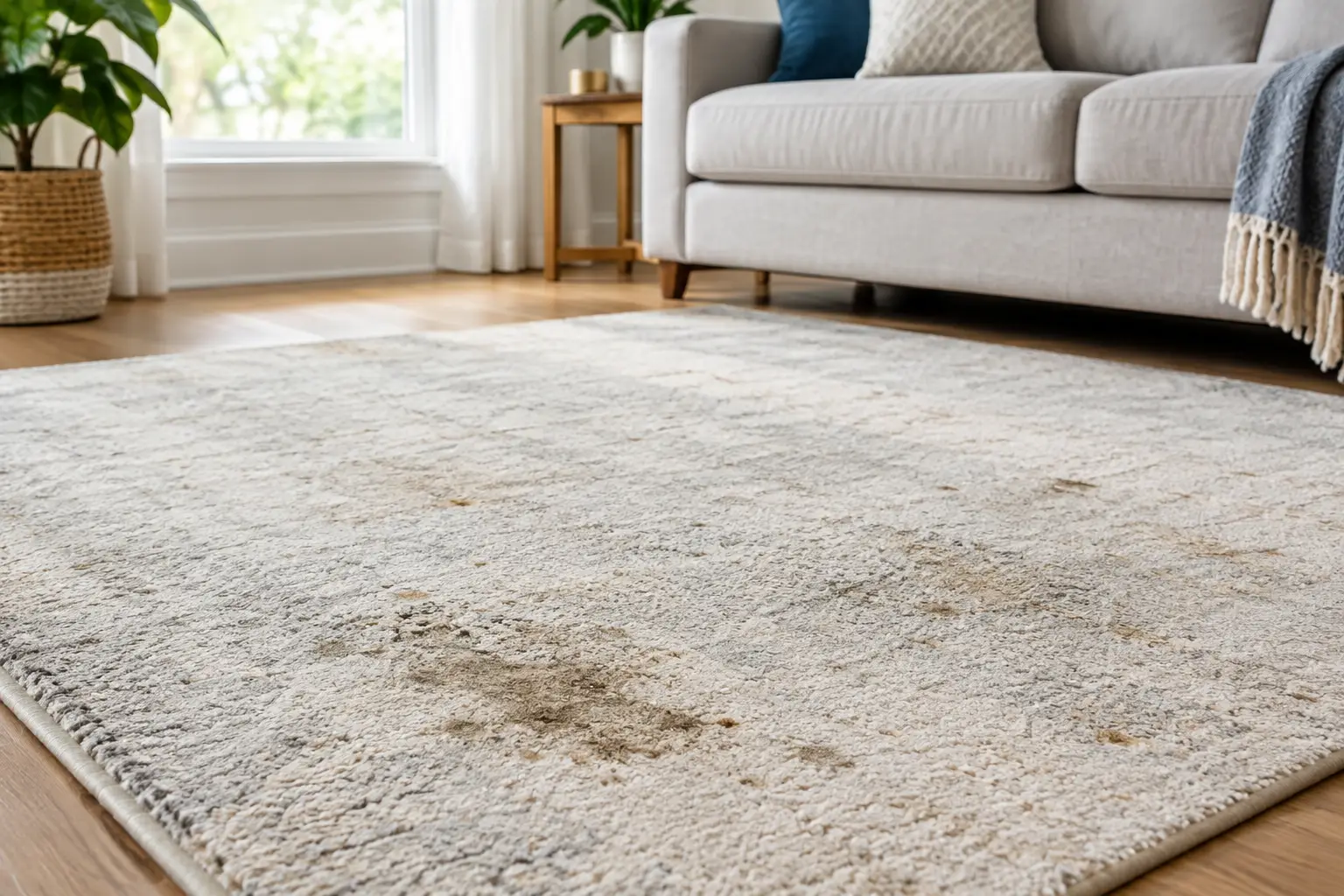
The condition of the rug before it is wrapped matters just as much as where it will be kept. Soil settles into the foundation over time. Food residue and pet contamination can attract insects, while moisture and odor held within the pile can become more noticeable after months in storage. A rug that looks reasonably clean on the surface may still benefit from a professional wash before long-term storage.
Prepare the Rug Before Wrapping
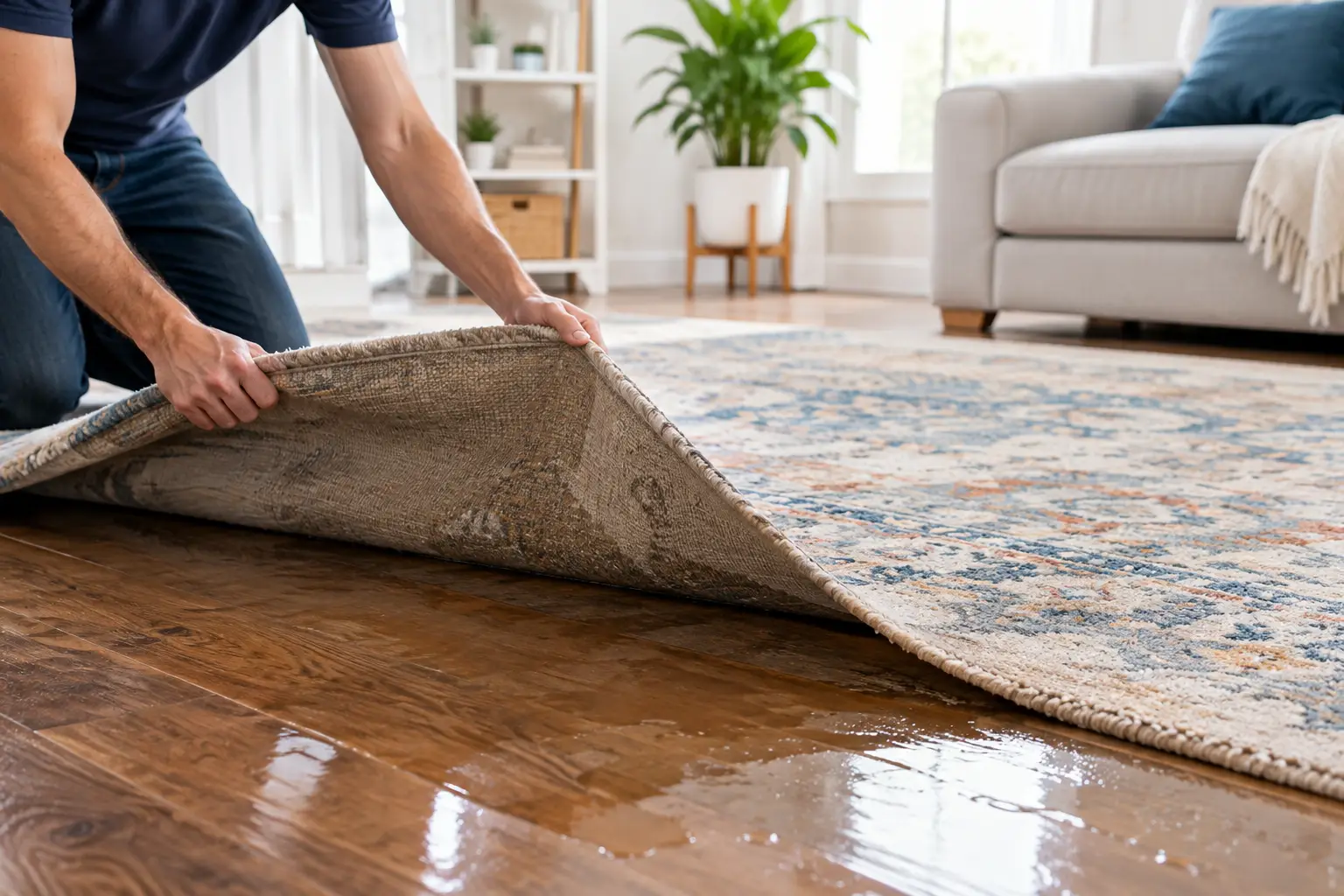
Never store a rug while it is wet or even slightly damp. After professional washing, the rug should be fully dried before wrapping begins. This is particularly important for thick wool rugs and rugs with dense pile, where moisture can linger below the visible surface.
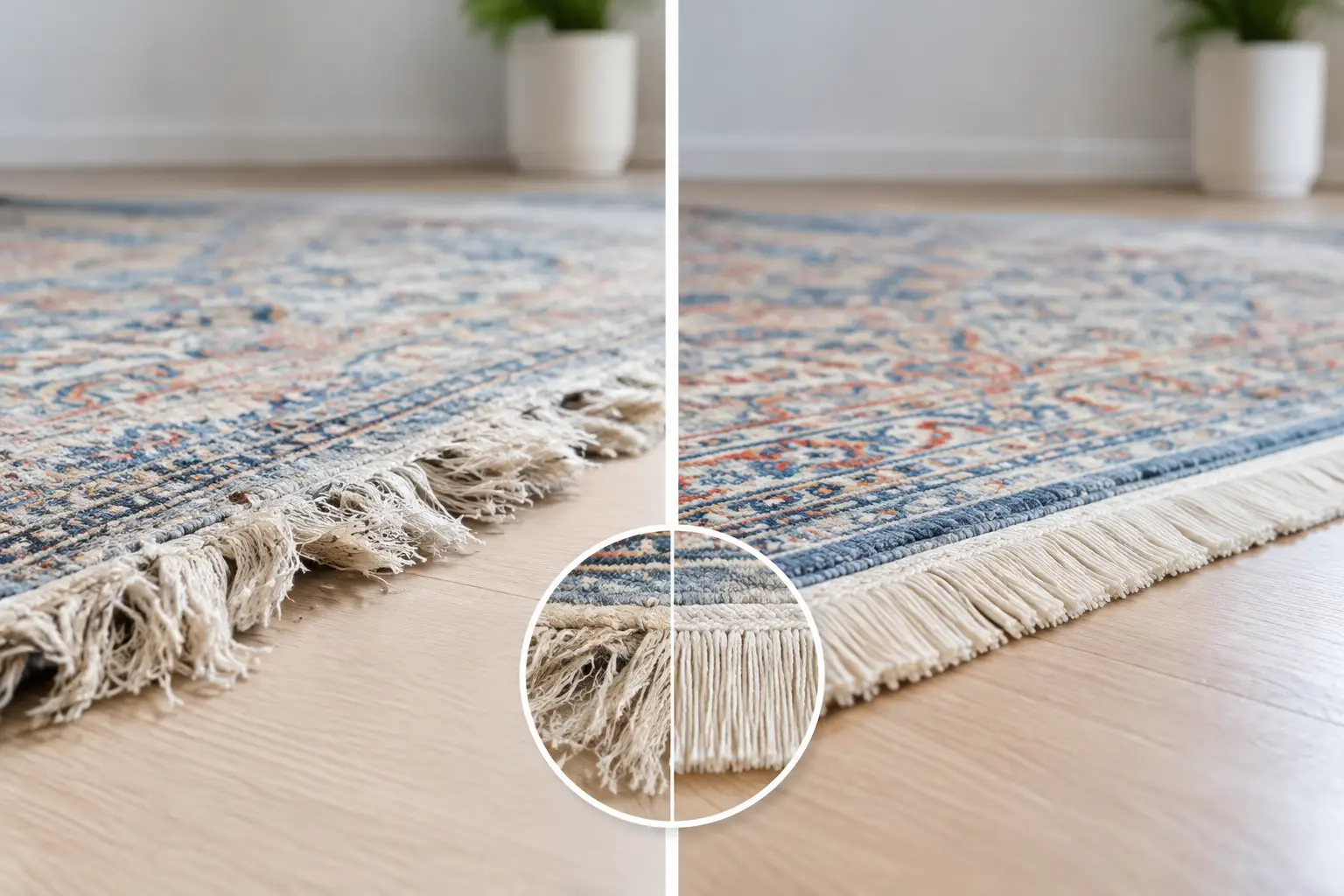
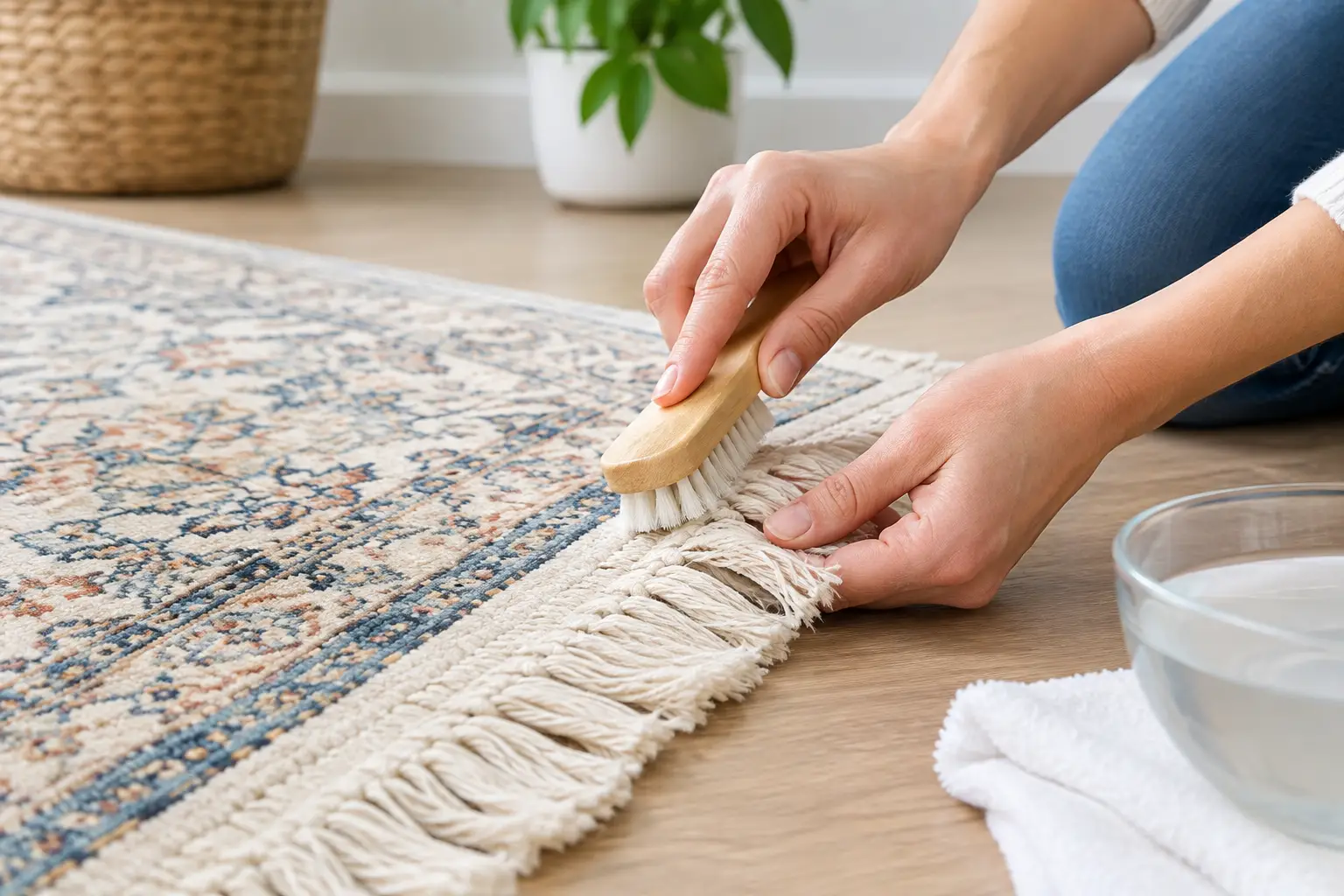
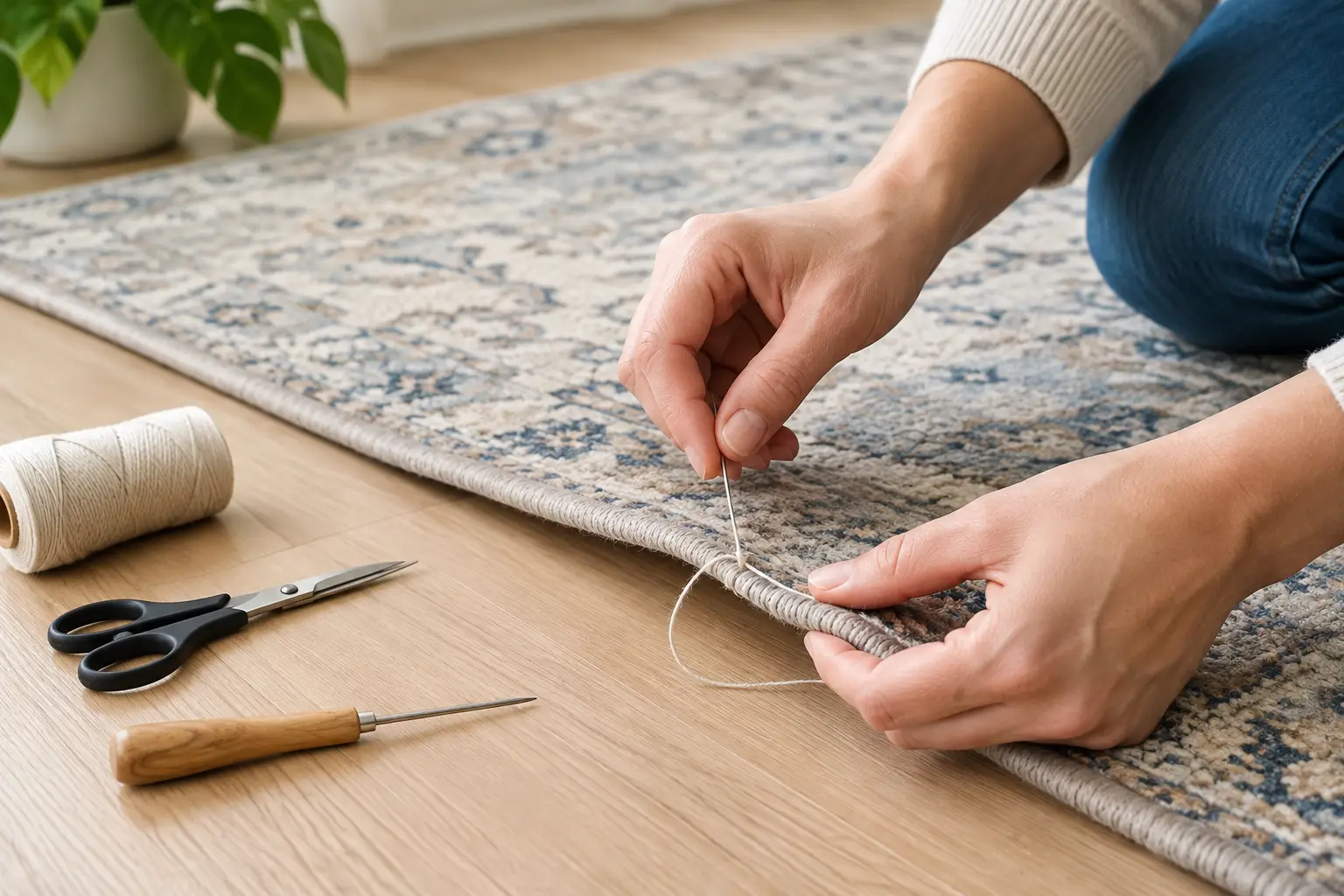
Inspection comes next. Look at the fringe, corners, edges, and back of the rug. Small problems often become bigger when a rug is rolled up and left untouched. Loose fringe, curling corners, weakened binding, holes, insect activity, and color loss should be identified before storage. Repairing a damaged edge now helps prevent additional unraveling later.
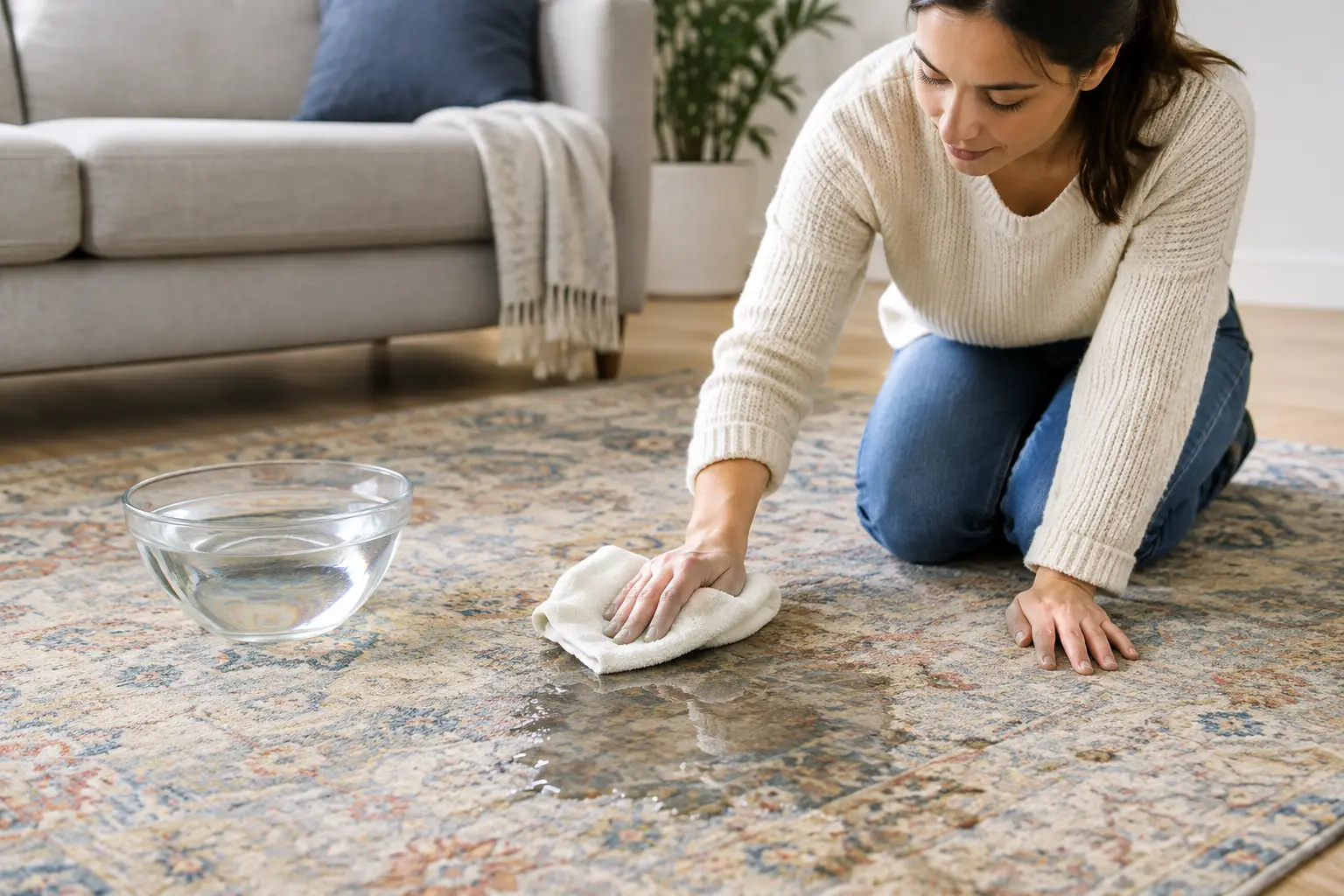
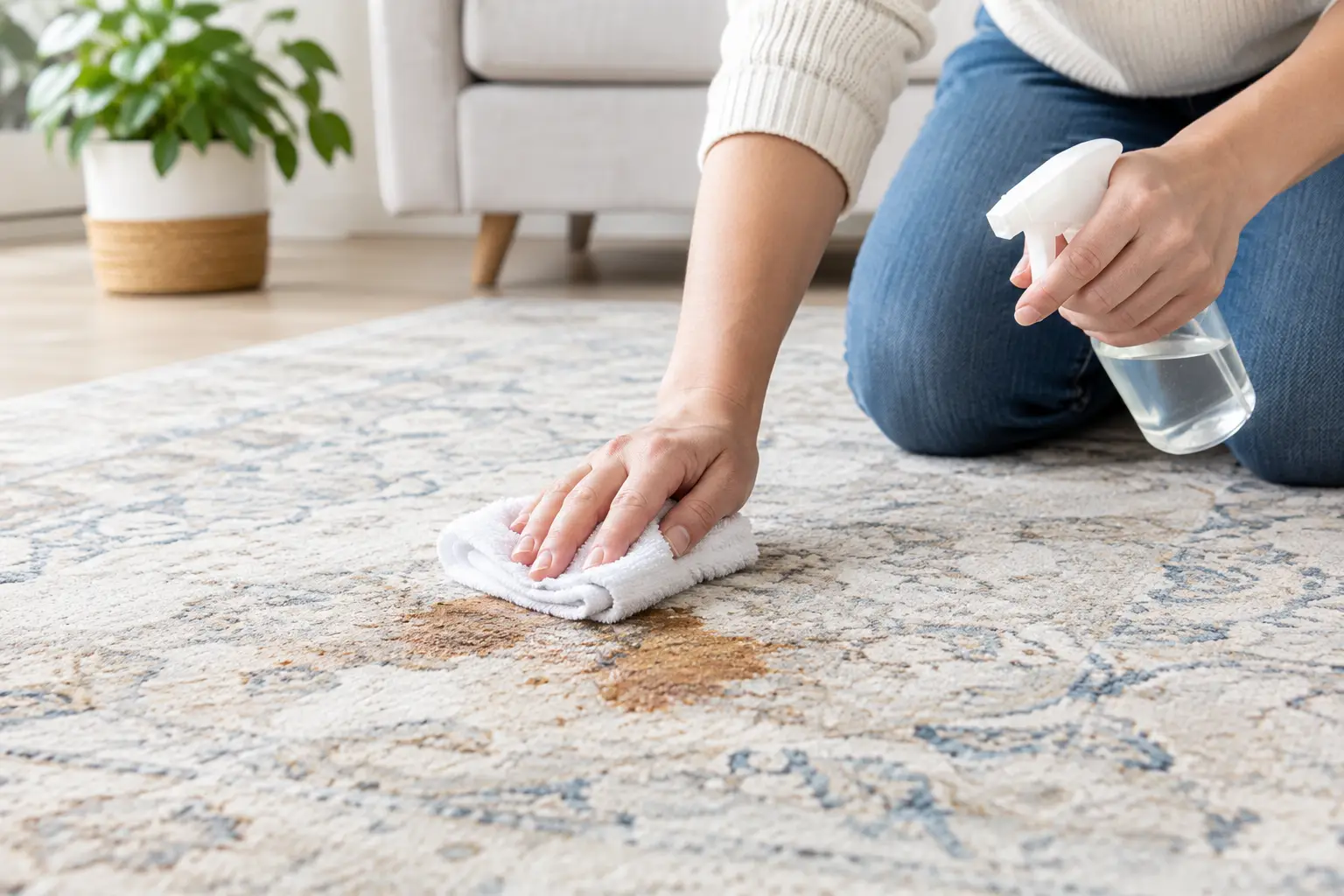
Pet urine requires special attention. Spraying a fragrance over the rug is not a substitute for decontamination. Urine can wick into the foundation and remain there even after the surface appears clean. When stored in warm conditions, that contamination can produce stronger odor and affect surrounding materials. A thorough water-based bathing process removes the contaminants rather than simply masking them.
Before a rug is rolled, it should be clean, dry, and free of loose debris. For long storage periods, professional moth treatment may also be appropriate, especially for wool rugs or rugs that have shown signs of insect exposure. Treatment is most effective as part of a complete preparation process, not as a reason to store a rug in a risky location.
The Right Way to Roll and Wrap a Rug
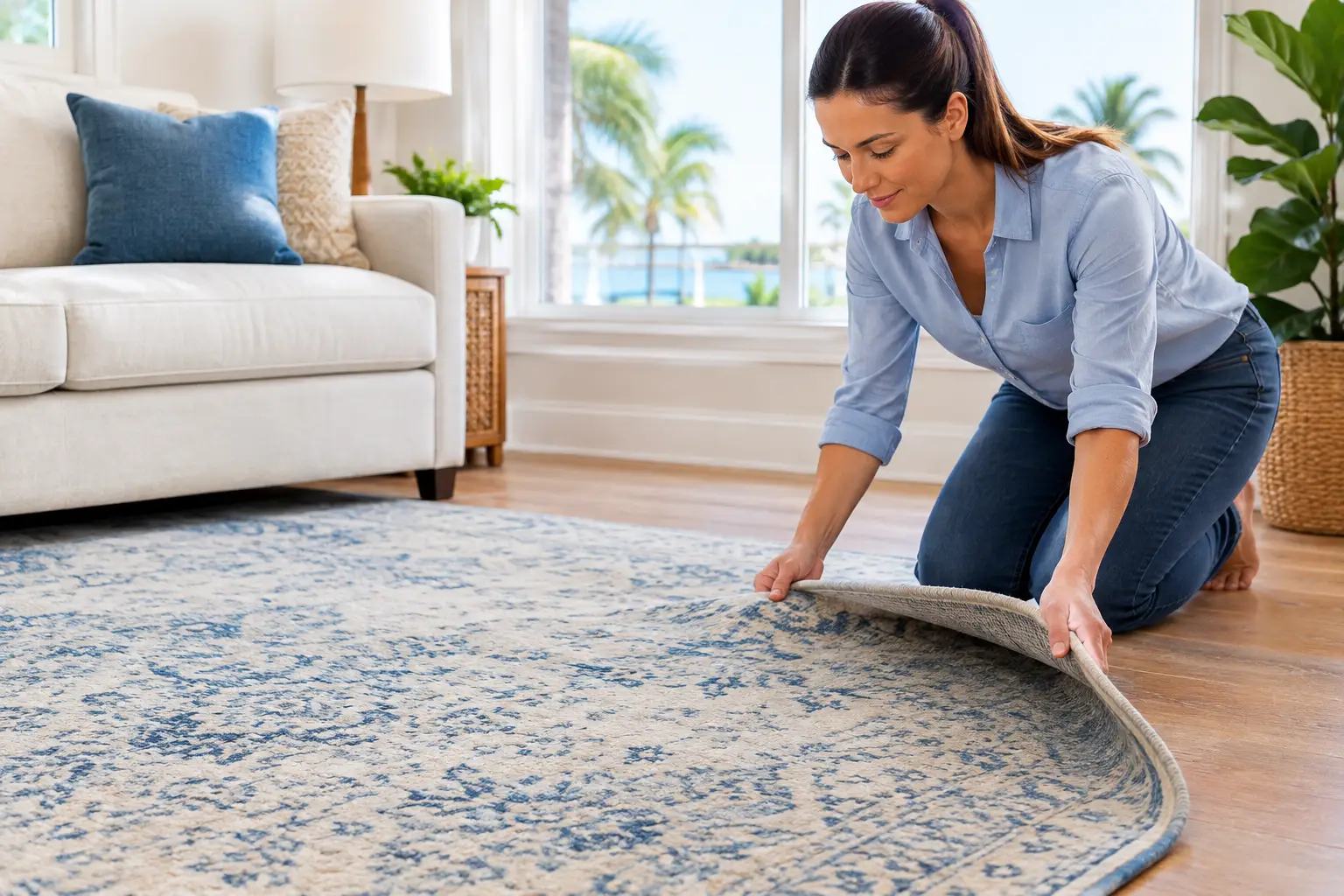
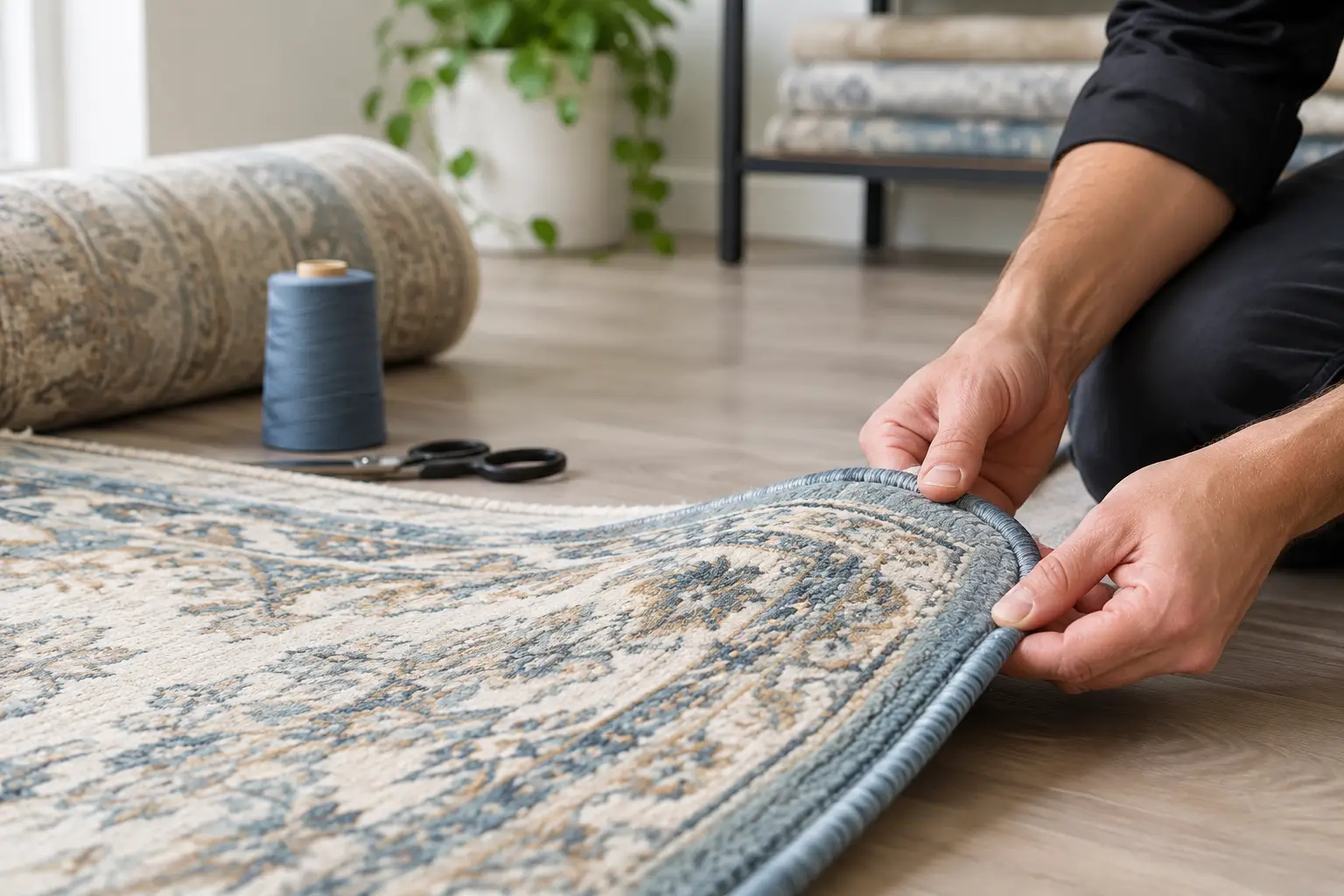
Rugs should generally be rolled, not folded. Folding creates sharp stress lines that can flatten pile, crack older backing, and leave creases that are difficult to relax. A careful roll distributes pressure more evenly and makes the rug easier to move without dragging its edges across the floor.
The direction of the roll depends on the rug’s construction and condition. In many cases, rolling with the pile facing inward offers good protection for the face fibers. Delicate rugs, rugs with a weak foundation, or pieces with special restoration needs may require a more tailored handling plan. That is one reason valuable rugs should not be treated with a one-size-fits-all storage method.
Wrapping should protect the rug from dust and handling while allowing the material to remain stable. Breathable wrapping materials are often preferable for natural-fiber rugs because they reduce the risk of trapping residual moisture against the fibers. The wrap should be secure enough to keep dirt out, but not cinched so tightly that it compresses the pile or distorts the rug’s shape.
Direct contact with ordinary plastic is a common concern. Plastic can hold condensation, especially when a rug moves between air-conditioned interiors and hot outdoor conditions. It may be used as an outer barrier in certain short-term moving situations, but it should not be assumed to be the best long-term solution for every rug. The right approach depends on the rug’s fiber content, condition, storage location, and how long it will be stored.
A wrapped rug should be labeled with useful information, including its room, size, and any special care notes. This simple step prevents unnecessary unrolling when several rugs are in storage. It also helps ensure the correct rug returns to the correct room after a move or renovation.
Choosing a Safe Storage Location
The best storage environment is clean, dry, climate controlled, and protected from pests. Keep rugs off concrete floors, where moisture can transfer from below. Avoid placing heavy furniture, boxes, or equipment on top of a rolled rug. Pressure over a long period can crush the pile and leave a distorted shape.
An interior closet or conditioned storage area is usually safer than a garage, attic, shed, or carport. Still, the rug should not be pushed against a damp wall or stored beside cleaning supplies, paint, fertilizer, or other chemicals. Rugs can absorb odors, and some products may cause color or fiber damage if spilled nearby.
If you are using a commercial storage unit, climate control is worth considering for fine rugs. Ask whether the unit is monitored for pests, whether it has a history of water intrusion, and whether items must sit directly on the floor. A clean, elevated platform and consistent indoor conditions offer much better protection than a basic unit exposed to Florida heat and humidity.
When Professional Rug Storage and Wrapping Makes Sense
Professional care is especially valuable when a rug is antique, handmade, silk, oversized, heavily soiled, affected by pet urine, or in need of repair. It also makes sense when you are moving, renovating, downsizing, preparing a home for sale, or storing seasonal furnishings and do not have a suitable space at home.
At 1st Impressions Oriental and Area Rug Cleaning, rugs can be inspected, washed when needed, treated for moth concerns, repaired, wrapped, and prepared for storage with the same careful handling used throughout the cleaning process. Pickup and delivery can also remove the challenge of transporting a large or delicate rug without bending, dragging, or exposing it to rain.
Professional storage is not always necessary for a newer, machine-made rug that will be put away briefly in a dry interior closet. Even then, rolling it properly and keeping it clean and elevated are worthwhile precautions. The more valuable, sentimental, delicate, or long-stored the rug, the more important professional preparation becomes.
Checking a Rug After Storage
When it is time to bring a rug back out, unroll it in a clean, dry area and give it time to relax before placing furniture on it. Check for unusual odor, insect evidence, new discoloration, flattened pile, or edge damage. A little curl at the ends can be normal after storage and often settles with time, but persistent creases or changes in texture deserve attention.
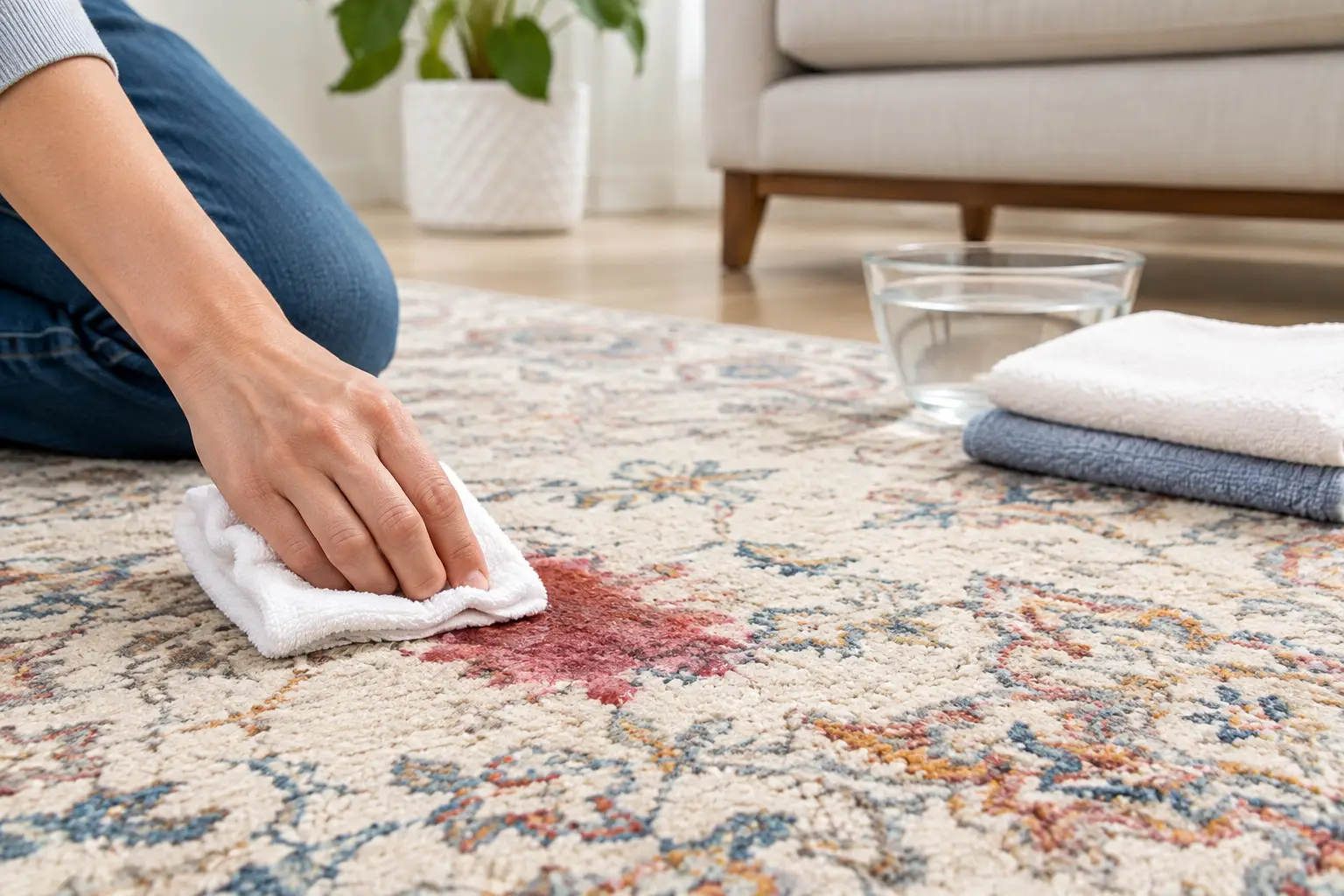
Avoid steam, harsh spot cleaners, or aggressive brushing if you notice a concern. These efforts can set a stain, disturb dyes, or damage delicate fibers. A careful evaluation is the safer next step, particularly for Oriental, wool, silk, and hand-knotted rugs.
A rug stored with intention comes back ready for the room it belongs in. Clean it thoroughly, wrap it for the material it is made from, and give it a dry, stable place to rest. Those practical decisions protect more than the appearance of the rug – they help preserve a piece of your home for years to come.