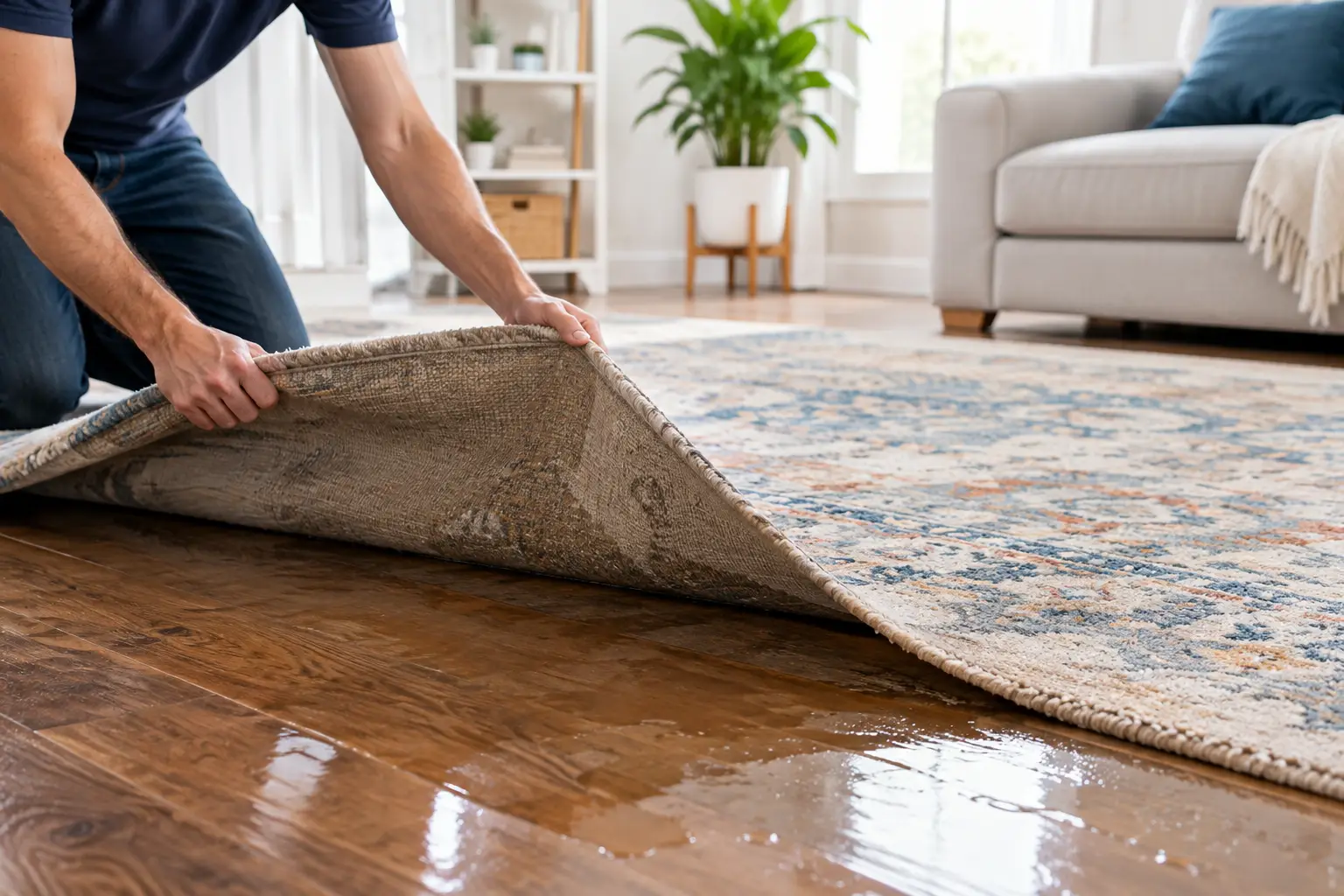
A rug that once anchored a room can start to look tired for reasons that have nothing to do with dirt. Sunlight may fade one side near a window. A spill may cause dyes to run. An overly aggressive cleaning attempt can leave pale areas, streaks, or an uneven finish. A professional rug color correction service addresses these changes with careful evaluation and fiber-appropriate treatment, rather than a quick cosmetic cover-up.
For Oriental rugs, heirloom pieces, and quality designer area rugs, color is part of the rug’s character and value. Correcting it calls for a trained eye, patience, and a process that respects the construction of the rug underneath.
What Rug Color Correction Can Address
Color correction is a specialized restoration service for rugs with altered, uneven, or unstable color. The goal is to improve the appearance of the affected area while preserving the rug’s original design, texture, and integrity. It is not the same as ordinary spot cleaning, and it is not simply painting over a stain.
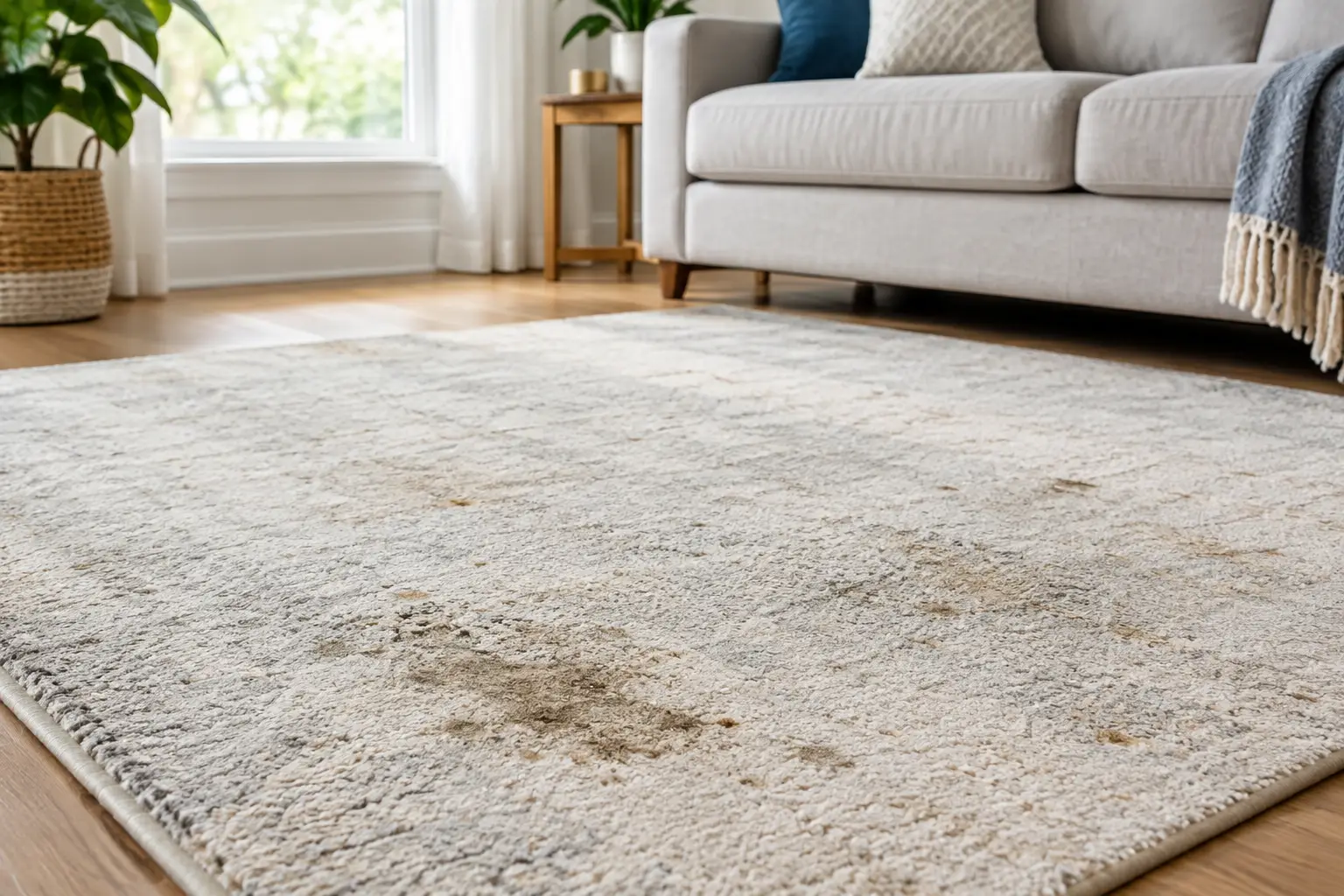
A careful technician first determines why the color changed. That distinction matters. A dark brown pet stain, for example, may be a contamination issue that requires urine decontamination before any color work is considered. A light patch may be sun fading, but it could also be abrasion that has worn down the pile and exposed a different fiber color. Each condition requires a different approach.
Color correction may help with fading from direct sunlight, dye bleed after water exposure, bleach spots, chemical discoloration, uneven color left by previous cleaning, and isolated stains that have permanently altered the dye. It can also improve the visual balance of a rug after structural repair, when a repaired area needs to blend more naturally with the surrounding field.
Why the Cause of the Color Change Matters
Before any dye work begins, the rug should be inspected for fiber type, age, construction, colorfastness, and prior treatments. Wool, silk, cotton, viscose, and synthetic fibers do not react the same way to moisture, cleaning solutions, or dyes. A handmade wool Oriental rug may have naturally varied colors that should be preserved, while a machine-made rug may have printed color that cannot be corrected in the same way.
The source of the problem also affects the order of service. If a rug has embedded soil, pet urine, food residue, or detergent buildup, it usually needs thorough washing first. Restoring color over contamination can trap odor, make the repair less stable, or leave the area looking different once the rug is properly cleaned.
At 1st Impressions Oriental and Area Rug Cleaning, rug care begins with identifying what the rug is made of and what it has been through. A water-based bathing process can remove the soil and residues that hide the true condition of the fibers. From there, the restoration plan can be based on what the rug actually needs, not assumptions made from a photo alone.
How a Professional Rug Color Correction Service Works
A reputable color correction process is measured and deliberate. The rug is assessed under good lighting, often from more than one angle, because pile direction and natural sheen can make a color issue look more or less severe depending on where you stand.
Inspection and color testing
The technician identifies the fiber content and tests whether existing dyes are stable. This step is especially important with older rugs, hand-knotted rugs, and pieces that have already experienced water damage or a cleaning mishap. If colors are unstable, the first priority may be stopping further bleeding rather than adding color.
The desired result is also discussed honestly. Some rugs can be brought much closer to their original appearance. Others can be improved, but not made indistinguishable from new. A faded area with intact wool pile is generally a better candidate for correction than an area where sunlight and foot traffic have physically worn away the fibers.
Cleaning and preparation
When cleaning is needed, it should happen before color work. Fine rugs benefit from controlled washing that removes dry soil, oils, residues, and contaminants without relying on harsh chemicals, bleaching agents, or hazardous materials. Proper drying is equally important because moisture left in a rug can contribute to odor, mildew risk, or dye movement.
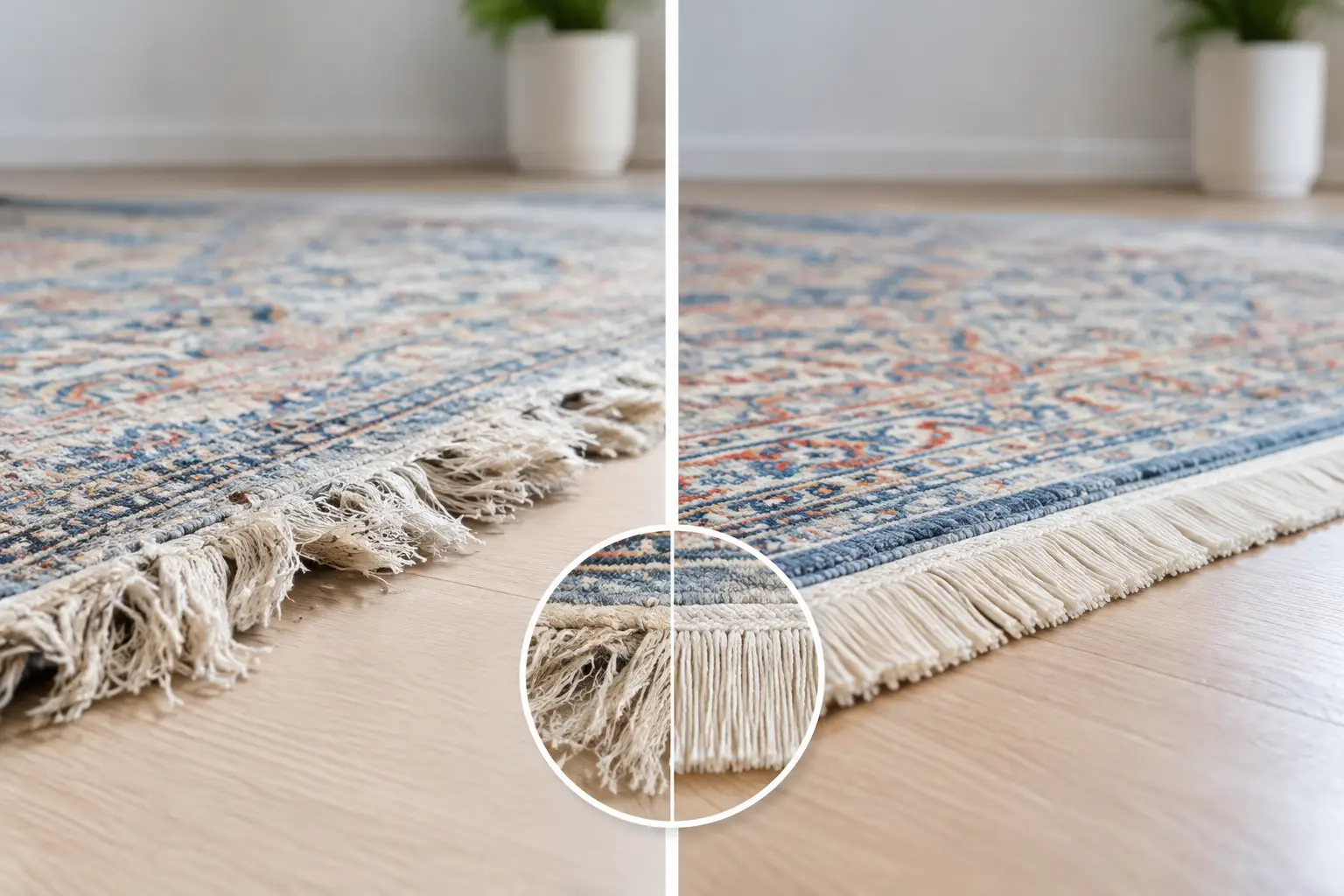
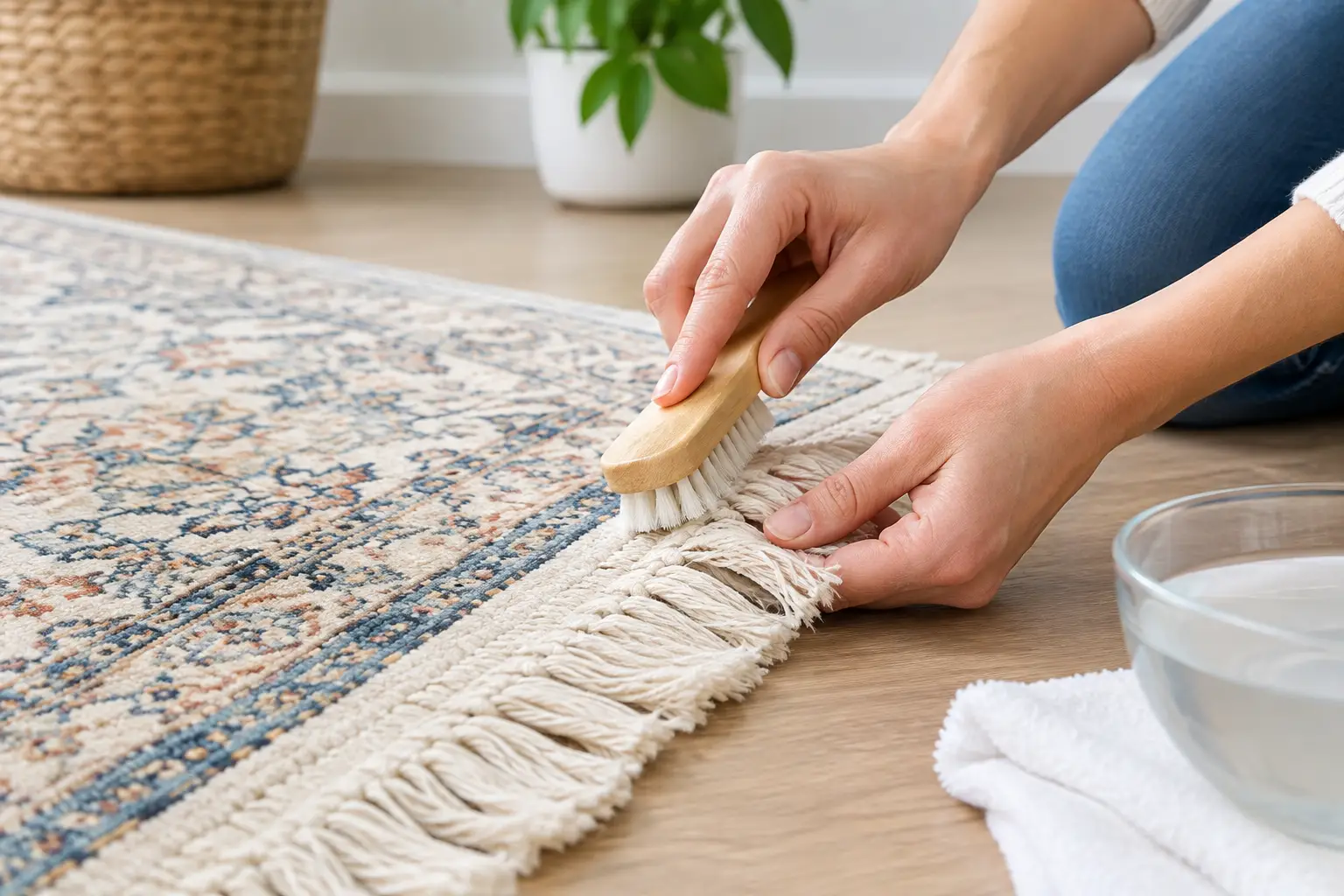
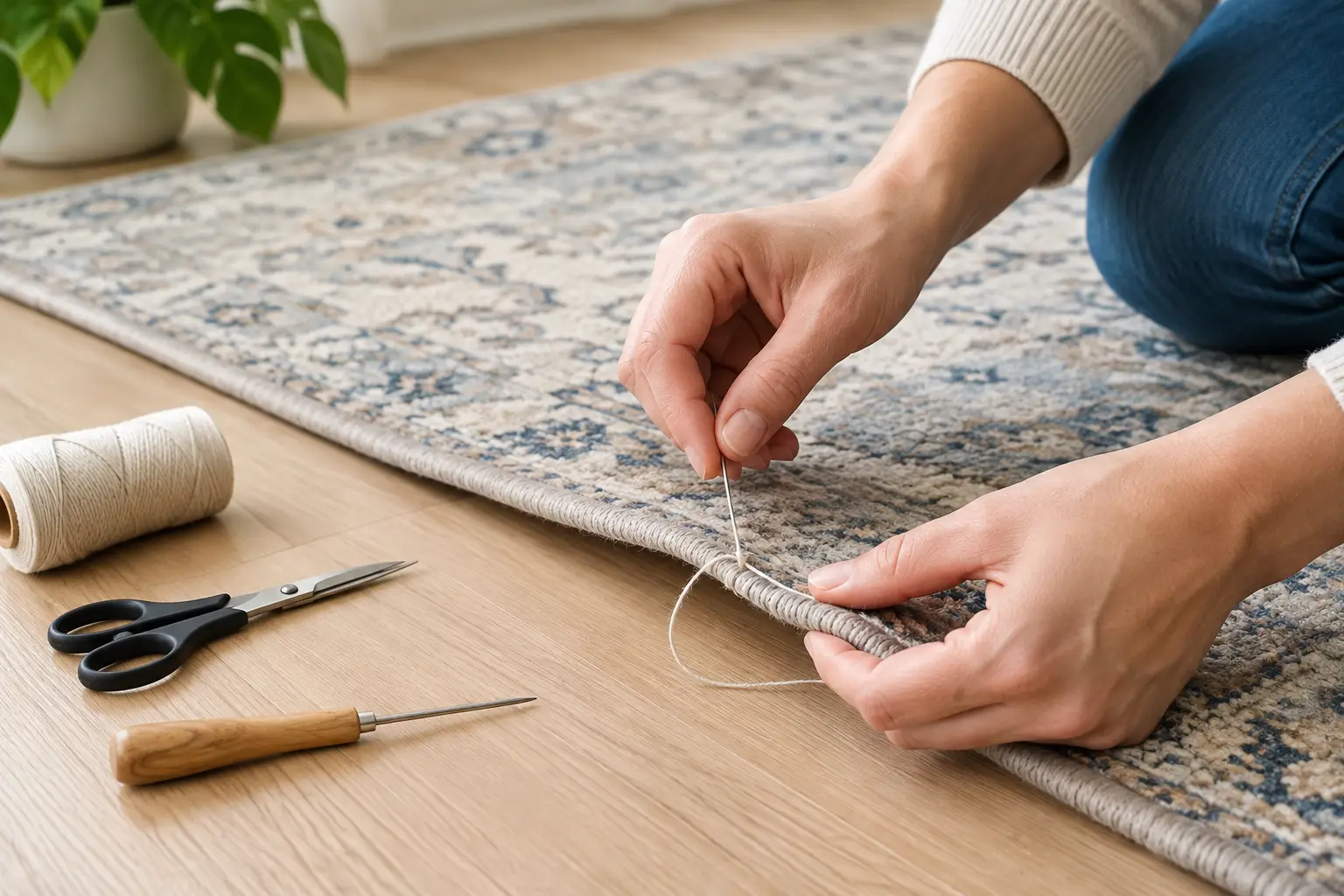
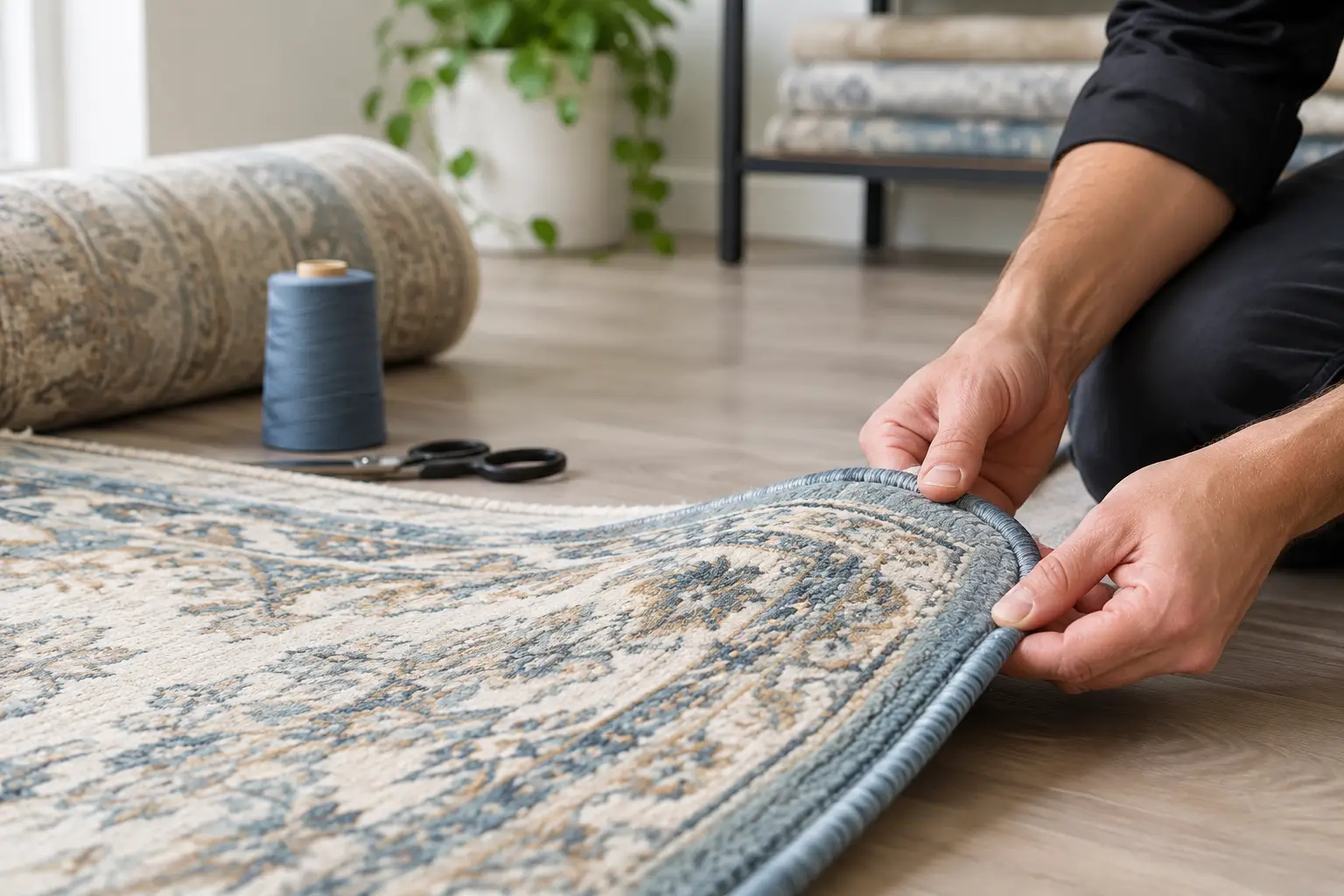
Preparation may also include fringe repair, edge stabilization, or pile repair. Correcting color without addressing a weak edge or damaged foundation may improve appearance temporarily while leaving the rug vulnerable to further loss.
Custom color blending and application
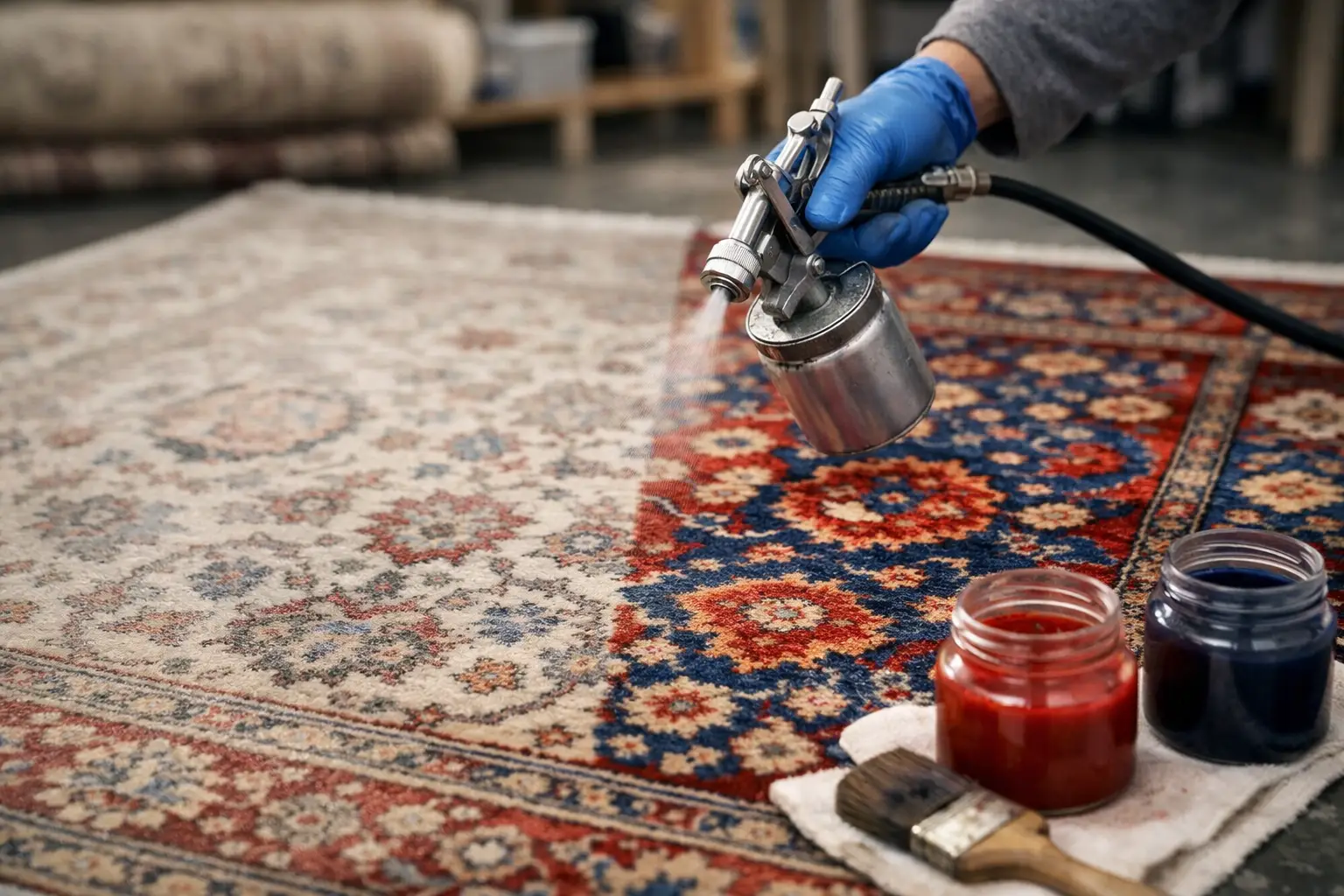
Color correction is not a one-color process. Rug colors often contain subtle variations that become more apparent in natural light. A trained specialist blends and tests color to match the surrounding wool, silk, or synthetic pile as closely as possible. The application is controlled so the corrected area transitions naturally into the original design.
This work requires restraint. Adding too much color can make a repaired area look flat, dark, or overly uniform. The best correction respects the rug’s age, pattern, and natural variation instead of making it look artificially new.
Final review and protective care
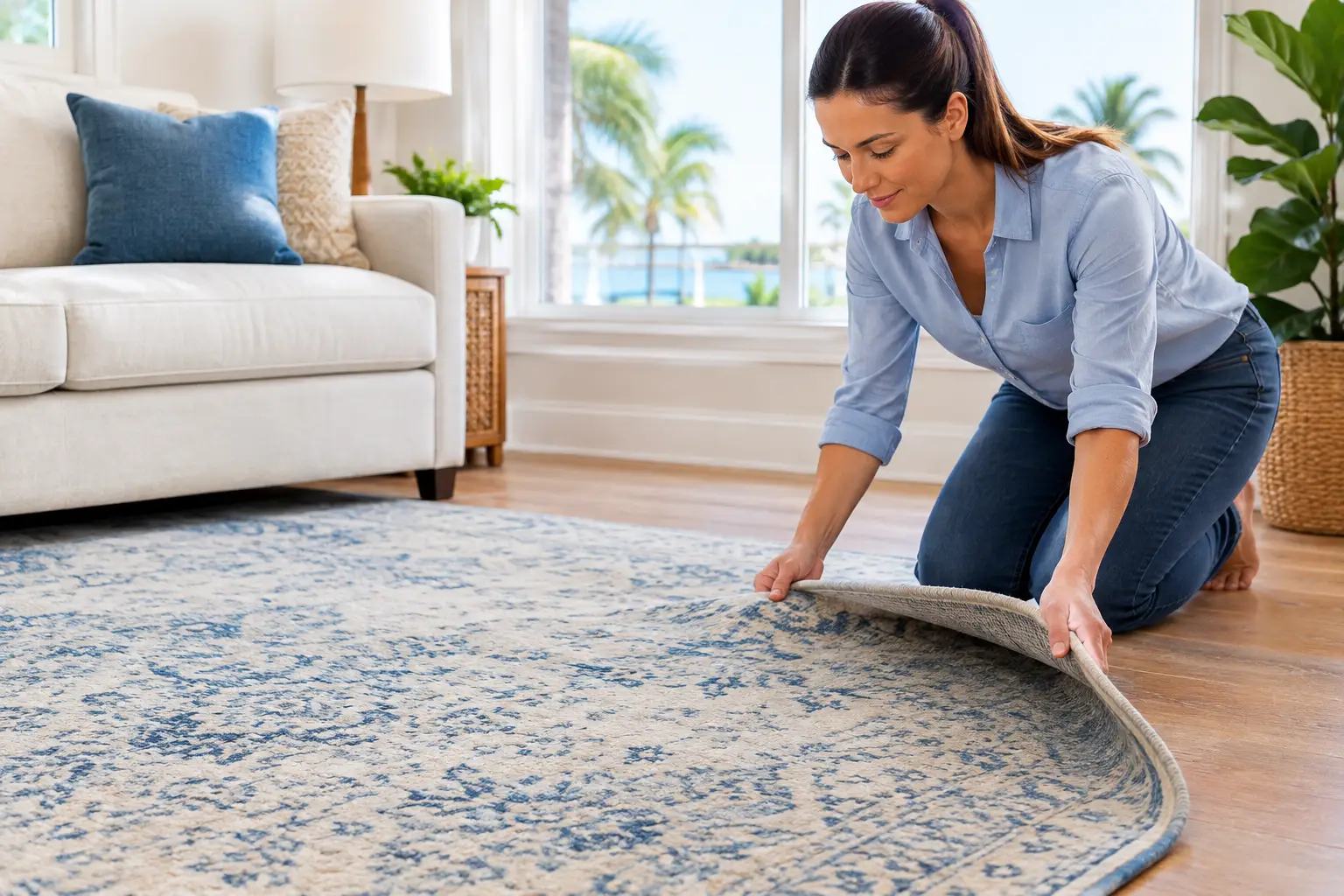
After correction, the rug is reviewed for consistency, texture, and stability. Depending on the rug and its placement, a quality rug pad may be recommended to reduce slipping, cushion the fibers, and limit wear. If sunlight caused the fading, changing the rug’s position, using window coverings during peak exposure, or rotating the rug periodically can help protect the restored color.
When Color Correction May Not Be the Best Answer
Honest restoration includes knowing when not to promise a perfect result. Some damage is too extensive to safely correct, particularly on fragile silk rugs, heavily degraded antique fibers, or rugs with large areas of lost pile. In those cases, color work could draw attention to the damage, create an uneven texture, or put additional stress on delicate material.
There are also situations where preservation is more appropriate than restoration. An antique rug with gentle, even fading may have a desirable patina. Trying to make it look brand-new can reduce the character that makes the piece special. For a valuable or sentimental rug, the right question is not always, “Can this be made perfect?” It may be, “What treatment will preserve it best for the years ahead?”
A qualified rug care professional should explain the trade-offs before work begins. That includes the likely outcome, the limitations of the fiber, whether cleaning is needed first, and whether repair or replacement is the more practical choice.
Avoid At-Home Dye Fixes and Bleach Experiments
When a rug has a visible color problem, it is tempting to reach for a stain remover, fabric dye, or household cleaner. Unfortunately, many do-it-yourself attempts create a larger and more permanent issue. Bleach can remove dye and weaken natural fibers. Store-bought color products may leave a stiff texture, an obvious outline, or a shade that changes after drying. Scrubbing can distort the pile and spread dye into neighboring colors.
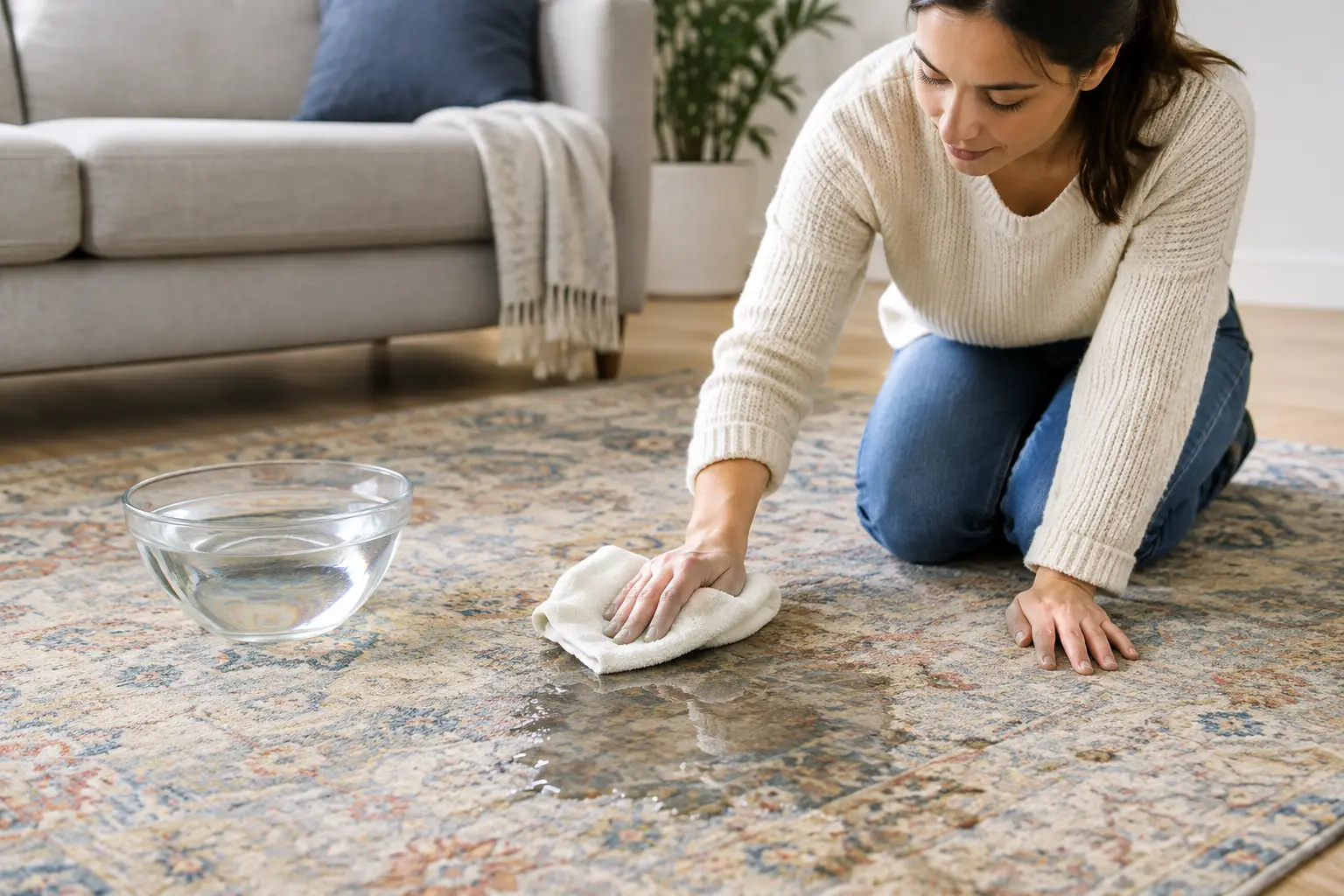
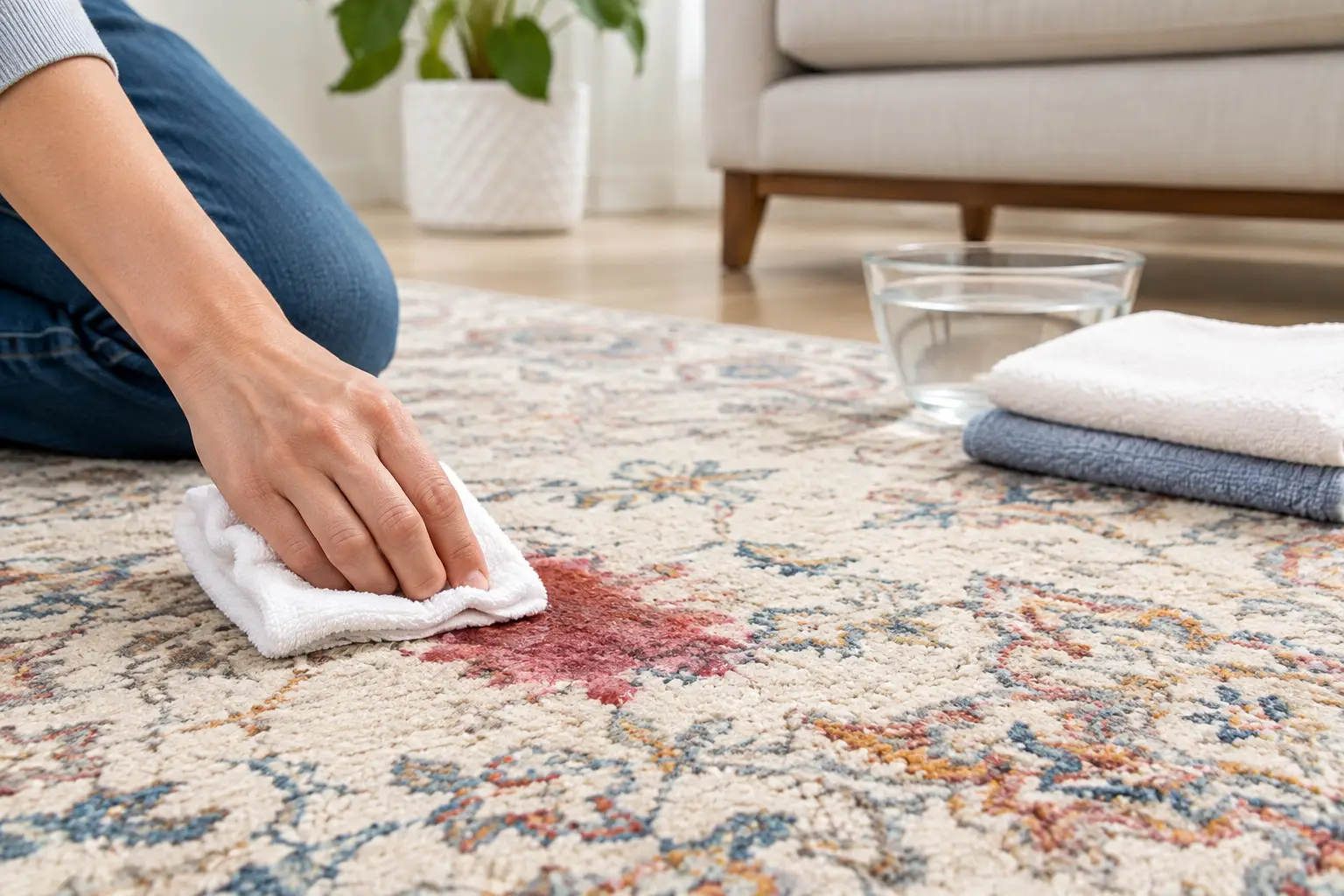
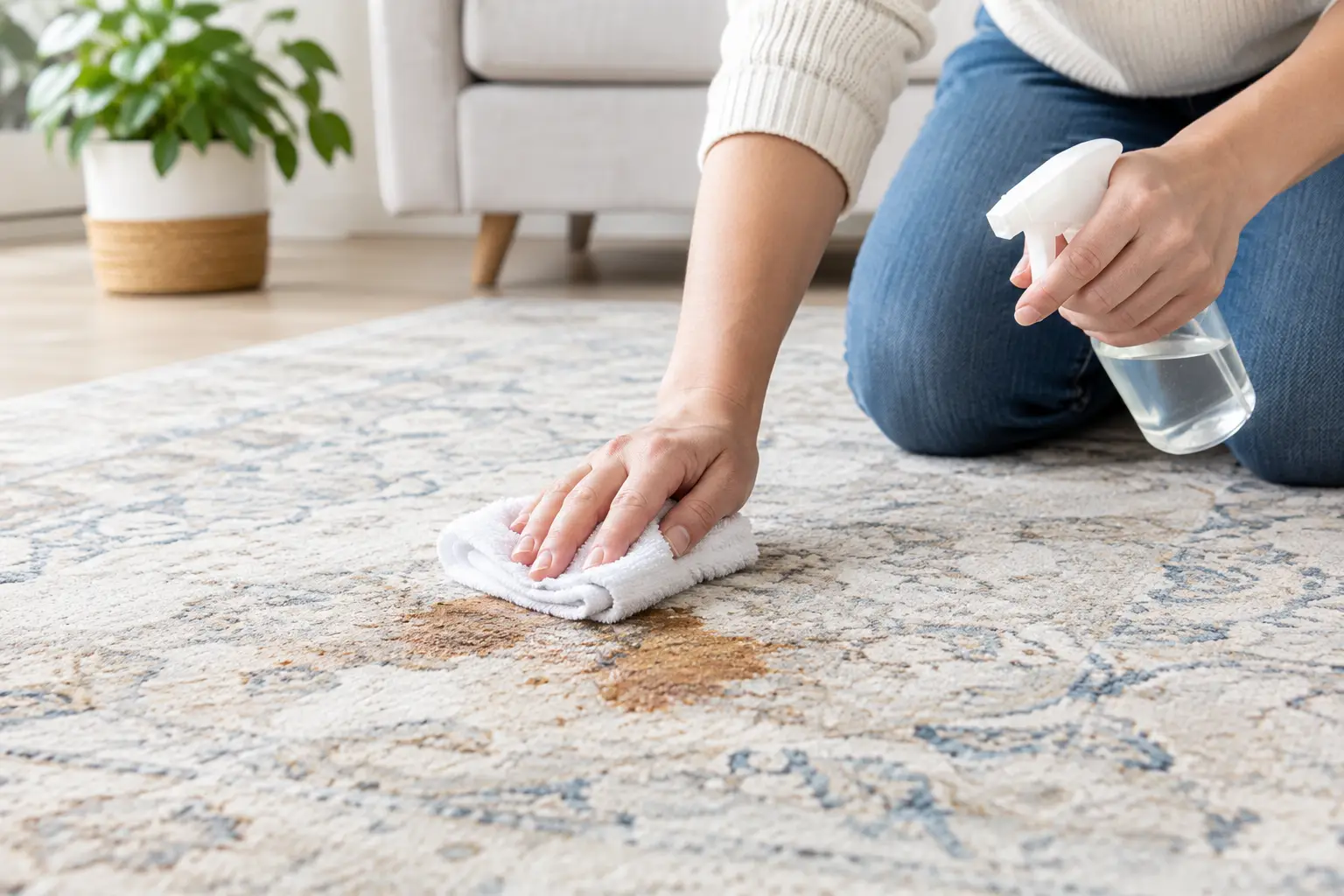
This is particularly risky with Oriental rugs and handwoven pieces, where several dye colors may sit close together in a detailed pattern. Even plain water can cause bleeding in an unstable rug. If a spill occurs, blot it gently with clean, white absorbent towels. Do not rub, saturate the area, or apply heat. Then arrange for an evaluation before the spot has a chance to set or migrate.
Protecting Corrected Color Over Time
Once a rug’s appearance has been restored, daily habits make a meaningful difference. Keep rugs out of prolonged direct sun when possible, rotate them every few months, and use a properly fitted pad to reduce crushing and abrasion. Prompt attention to spills helps prevent staining that can alter color permanently.
Regular professional washing also matters. Fine rugs hold dry soil deep in the foundation, where abrasive particles can dull the fibers and wear down the pile. A rug may look clean on the surface while carrying soil that slowly changes its feel and appearance. For homes with pets, children, or heavy traffic, a tailored cleaning schedule is often more protective than waiting for the rug to look visibly soiled.
If you notice fading, dye bleed, a pale spot, or an uneven area after a spill or cleaning, take a few clear photos in natural light and include the rug’s measurements when requesting an estimate. Early evaluation gives a color correction specialist more options and helps protect the rug you chose to make your home feel complete.