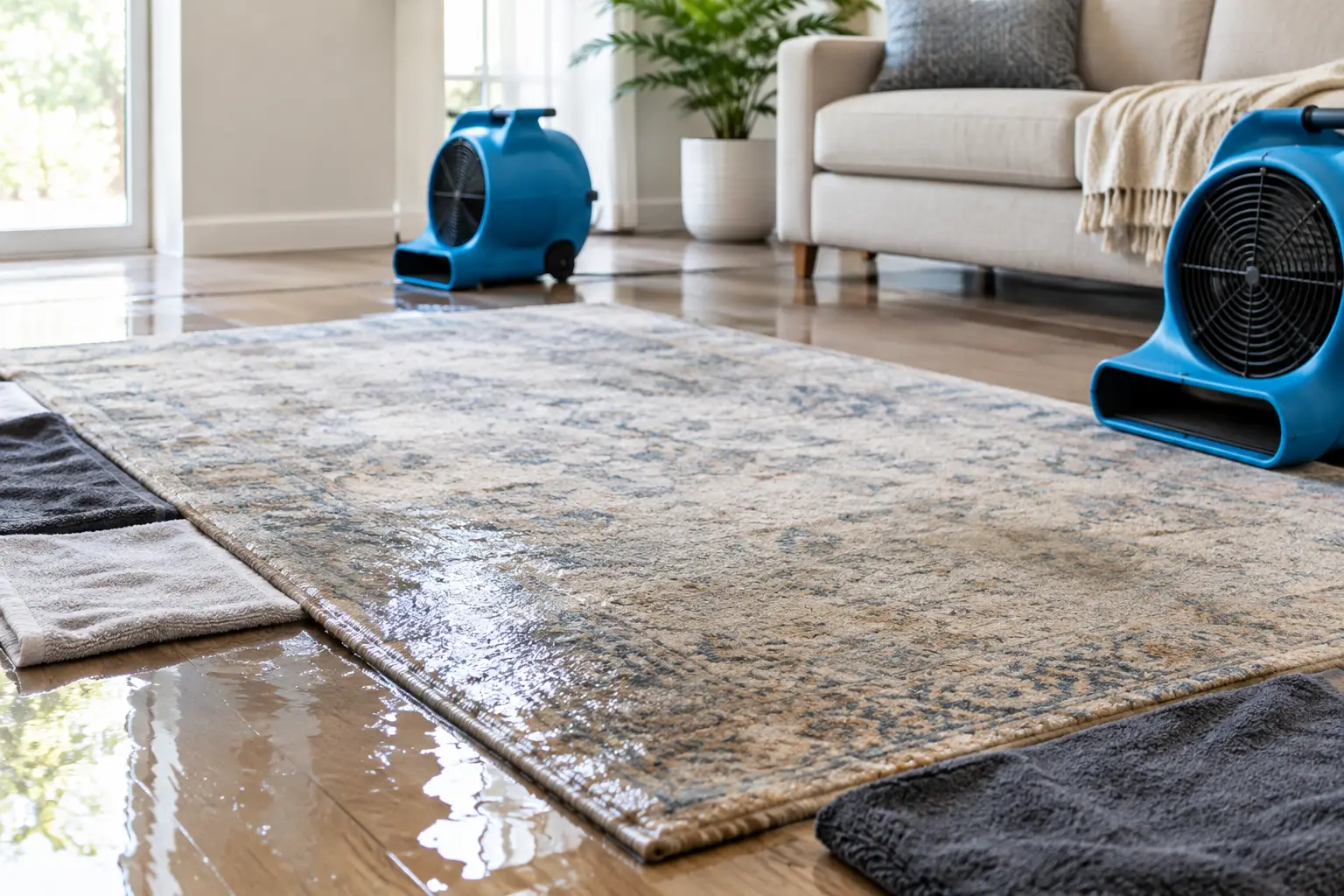
A rug can look reasonably clean from across the room while holding a season’s worth of sand, pollen, pet dander, food crumbs, and fine dust deep in its pile. In Central Florida, where humidity, rain, and active households add to the mix, rug cleaning frequency is about more than appearance. The right schedule helps protect fibers, preserve color, and keep abrasive grit from slowly wearing a rug down.
A quick vacuum is valuable maintenance, but it is not the same as a complete professional washing. Fine particles settle below the surface, where they can work against the rug’s foundation every time someone walks across it. For Oriental rugs, designer area rugs, and sentimental pieces, waiting until the rug looks dirty can mean waiting too long.
How Often Should Rugs Be Professionally Cleaned?
Most area rugs benefit from professional washing every 12 to 18 months. That is a sound baseline for a normally used rug in a home without pets, frequent spills, or unusually heavy traffic. It gives dirt and oils less time to become embedded while allowing the rug to be evaluated for early signs of wear, fringe damage, or color concerns.
However, a fixed calendar cannot account for every household. A wool rug in a quiet guest room has very different needs from a synthetic rug by a busy patio door. The best cleaning interval comes down to where the rug lives, what it is made of, and what it encounters each day.
For many homes, these guidelines are practical starting points:
- High-traffic rugs in entryways, hallways, living rooms, and dining areas often need washing every 6 to 12 months.
- Homes with dogs, cats, or recurring pet accidents may need cleaning every 6 to 9 months, with prompt treatment when urine reaches the backing or foundation.
- Homes with children, frequent entertaining, or allergy concerns generally benefit from yearly cleaning, or sooner after significant spills and soil.
- Low-traffic rugs in bedrooms, formal rooms, or protected spaces may go 18 to 24 months between professional washings if they are vacuumed and rotated regularly.
These are not rules that require cleaning a rug before it needs attention. They are useful guardrails. A trained rug care professional can assess actual soil levels, fiber condition, dyes, and construction before recommending service.
What Changes Rug Cleaning Frequency?
Foot Traffic and Outdoor Soil
Shoes carry in fine sand, lawn debris, pollen, and moisture. Even households that ask guests to remove shoes still bring in grit through open doors, pet paws, and everyday activity. Sand is especially hard on wool and natural fibers because it acts like a mild abrasive beneath the pile.
If a rug is placed near an entrance or in the center of a family room, vacuum it regularly and plan for professional cleaning sooner than you would for a rug in a quieter room. A quality rug pad can also reduce movement, cushion foot traffic, and help protect both the rug and the floor below.
Pets and Urine Odor
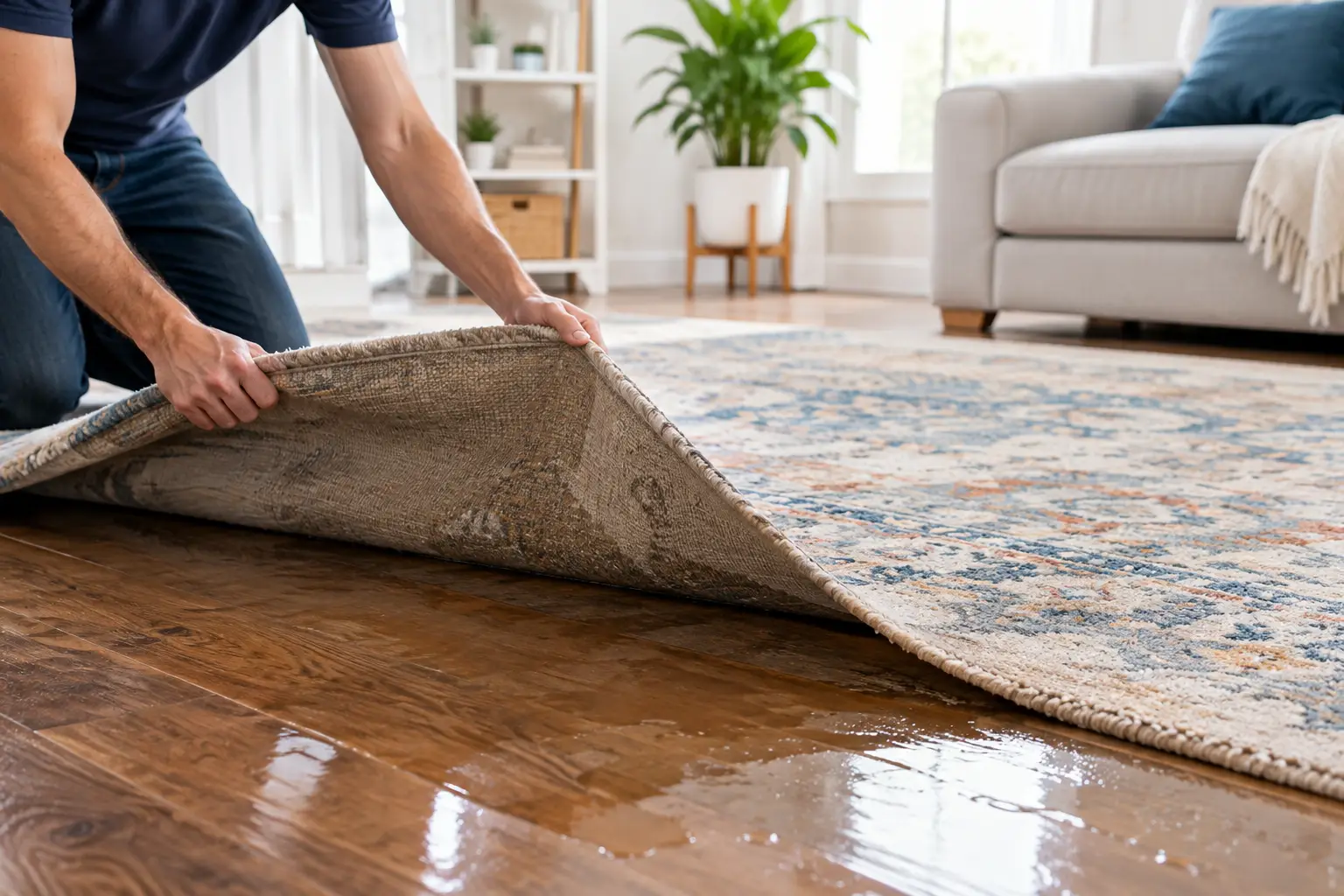
Pet hair on the surface is only one concern. Urine can travel through the pile and settle into the rug’s foundation, where it may dry unnoticed. Humidity can reactivate odor later, even when the top of the rug appears clean. Repeated home spot treatments may mask the issue temporarily without reaching the source.
Pet urine decontamination requires more than a standard surface cleaning. The rug may need careful flushing, odor treatment, and controlled drying to address contamination without harming dyes or fibers. If a pet accident occurs, blot up moisture promptly, avoid harsh household chemicals, and arrange an assessment before the odor becomes a long-term problem.
Fiber, Construction, and Age
Not every rug should be cleaned in the same way or on the same timetable. Hand-knotted Oriental rugs, antique rugs, silk rugs, and pieces with unstable dyes need knowledgeable handling. Their cleaning needs may be driven by preservation as much as visible soil.
Wool is naturally resilient, but it can hold a surprising amount of dry soil. Silk requires a more cautious approach. Viscose and some designer rugs can be especially sensitive to moisture, color change, and texture distortion. A rug’s age, condition, and construction determine whether a thorough water-based bathing process is appropriate and how it should be carried out.
Spills, Stains, and Indoor Air Quality
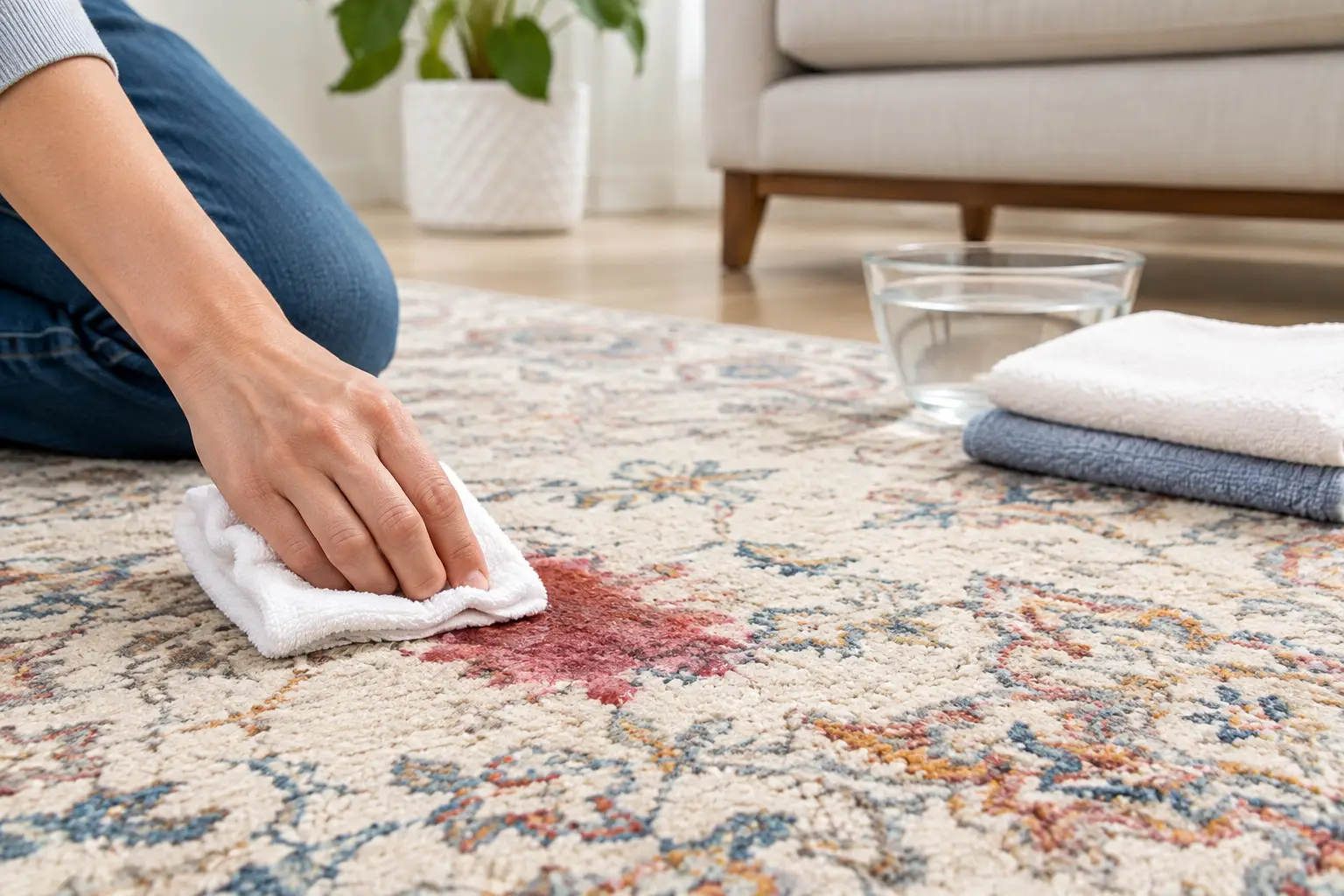
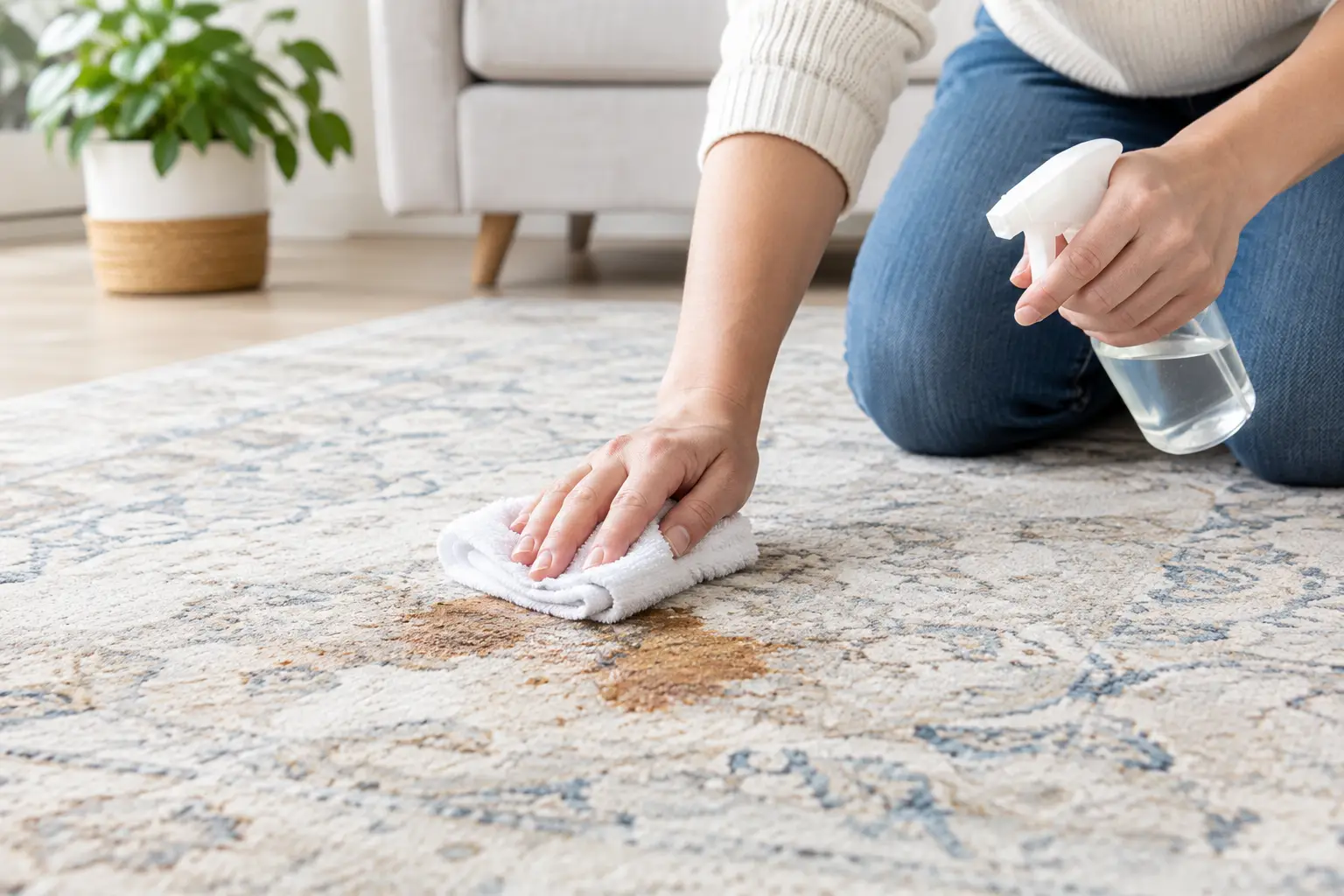
A single spill does not always mean a full wash is required, but it should be addressed quickly. Coffee, red wine, oily foods, cosmetics, and colored drinks can leave residue that attracts more soil over time. Rubbing a stain can spread it or push it deeper into the fibers.
For households managing allergies or asthma, regular rug care also matters. Rugs collect airborne particles, and routine vacuuming helps reduce what remains near the surface. Professional washing removes the deeply settled material a vacuum cannot fully reach, especially in thicker pile or densely woven textiles.
Signs Your Rug Needs Cleaning Sooner
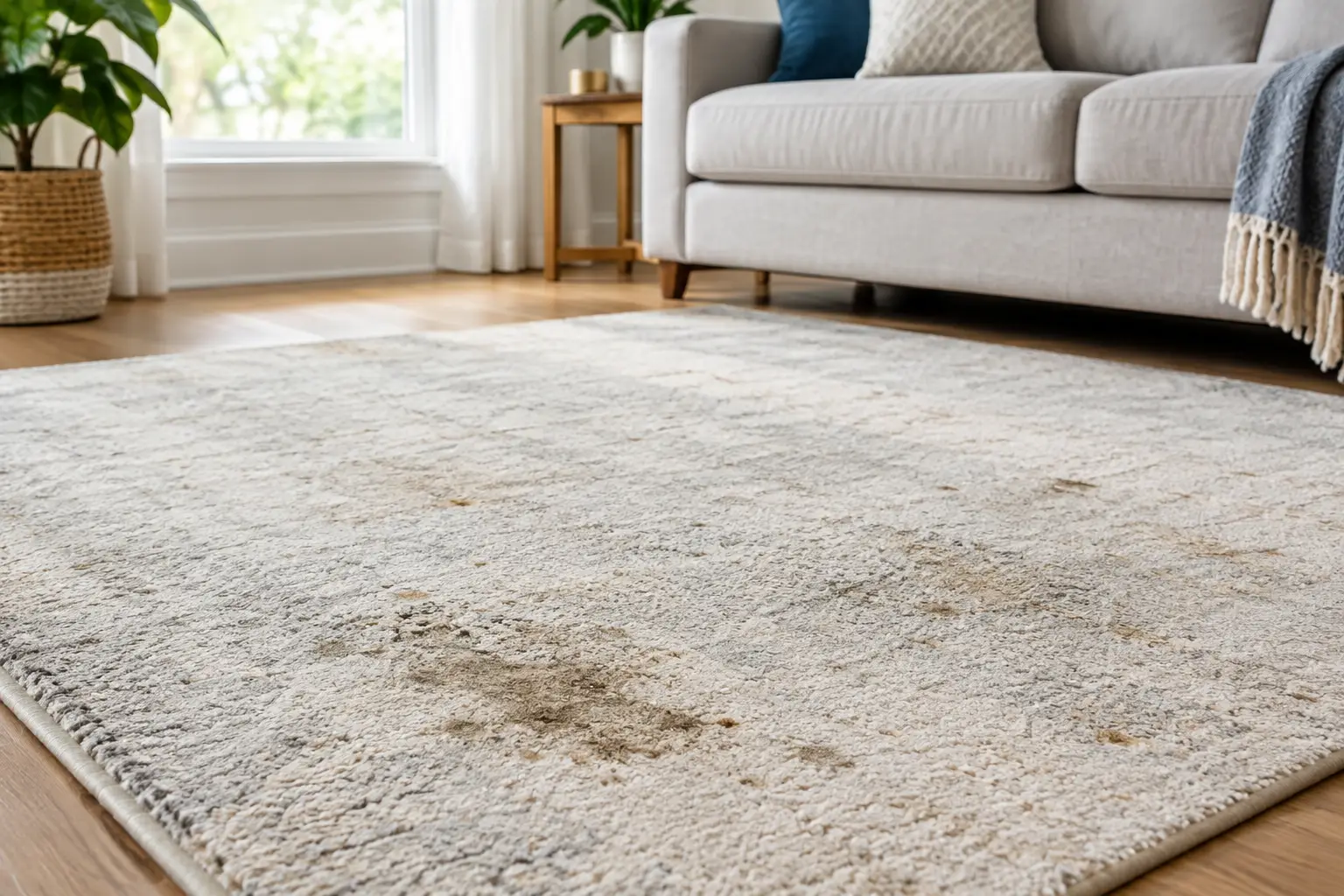
Trust what you see and smell, but do not rely on those signals alone. A rug can be heavily soiled before it appears dull. That said, several changes are clear reasons to schedule an inspection: a persistent odor, a sticky or stiff feel, visible traffic lanes, darkening near the edges, pet accidents, recurring stains, or dust that rises when the rug is moved.
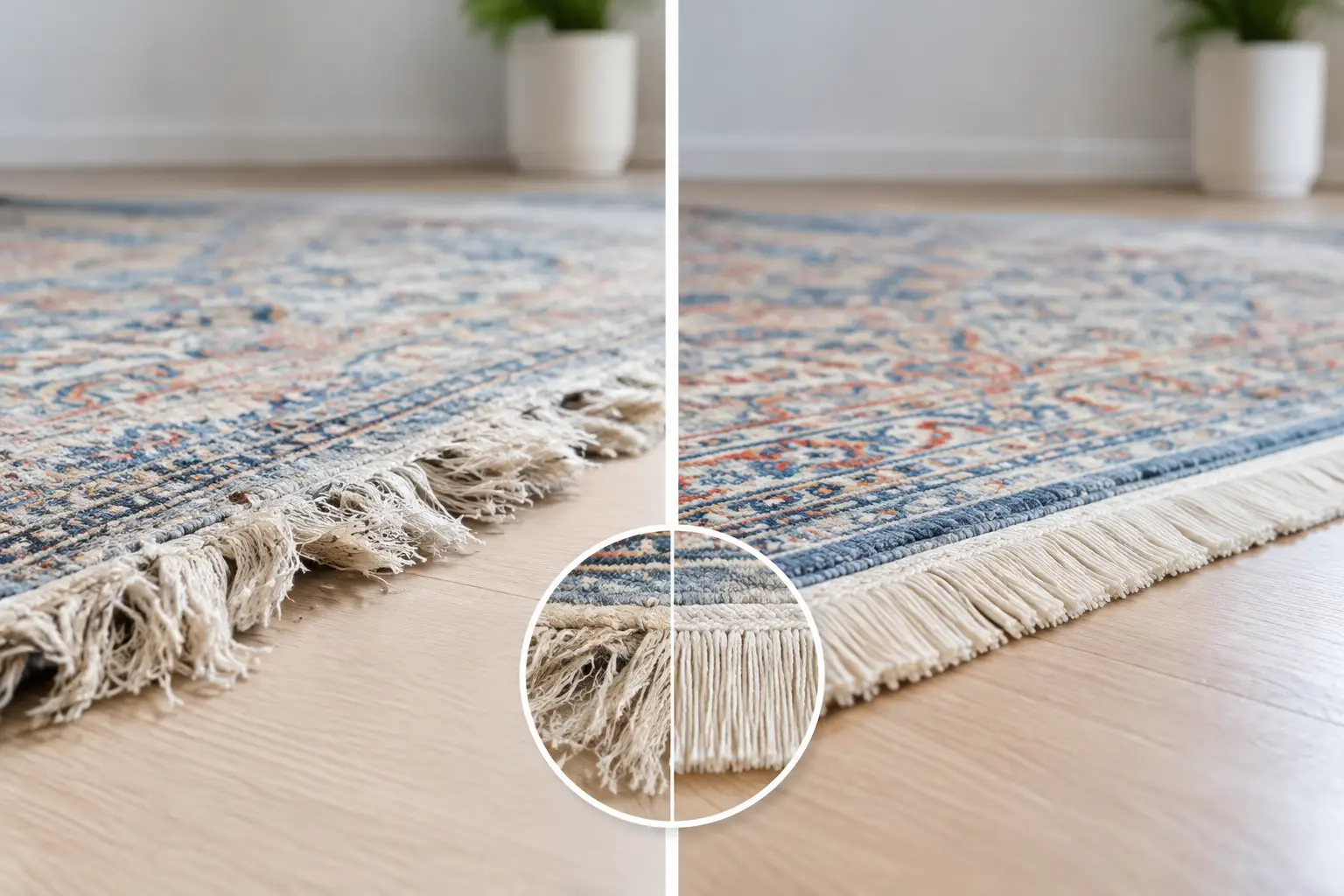
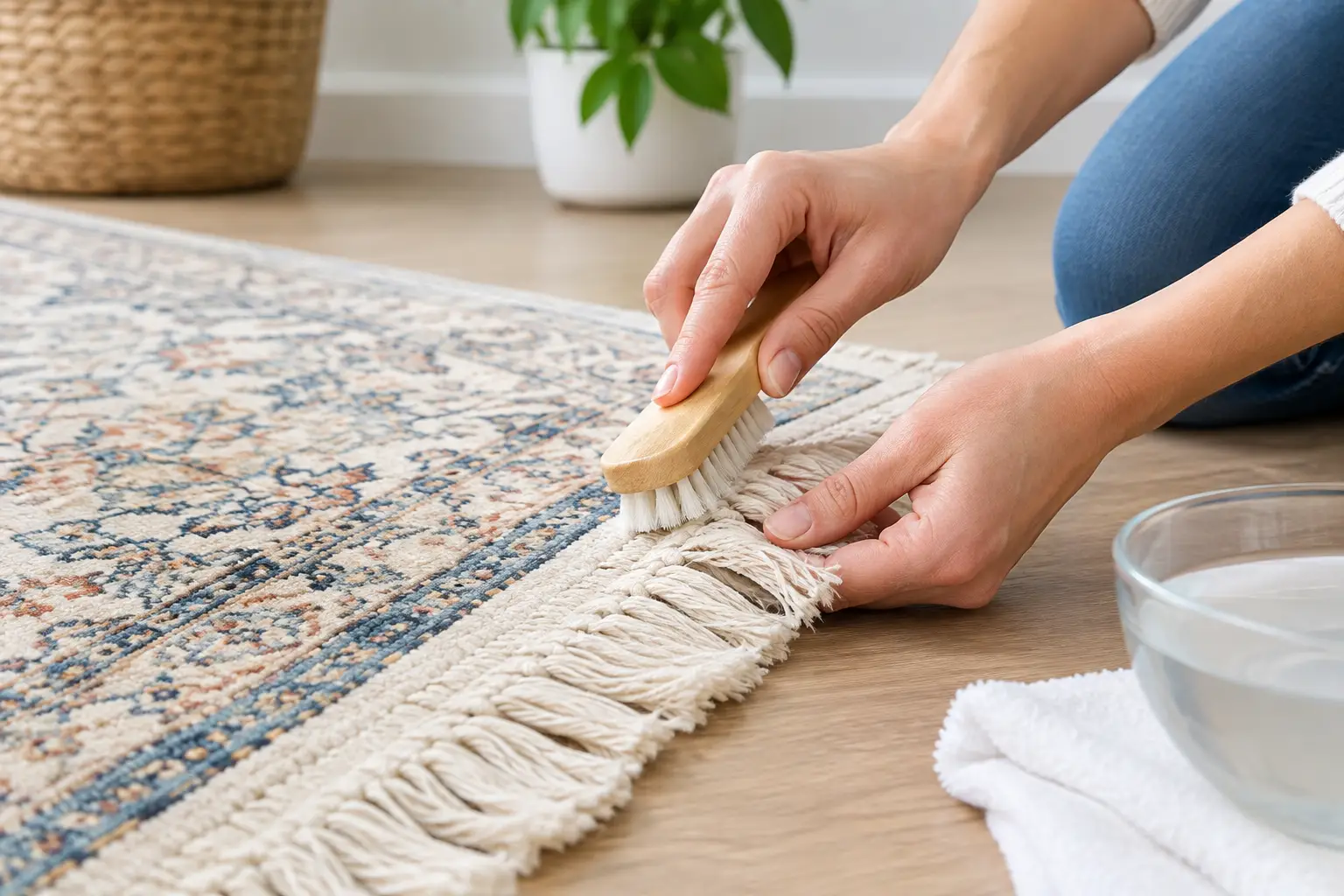
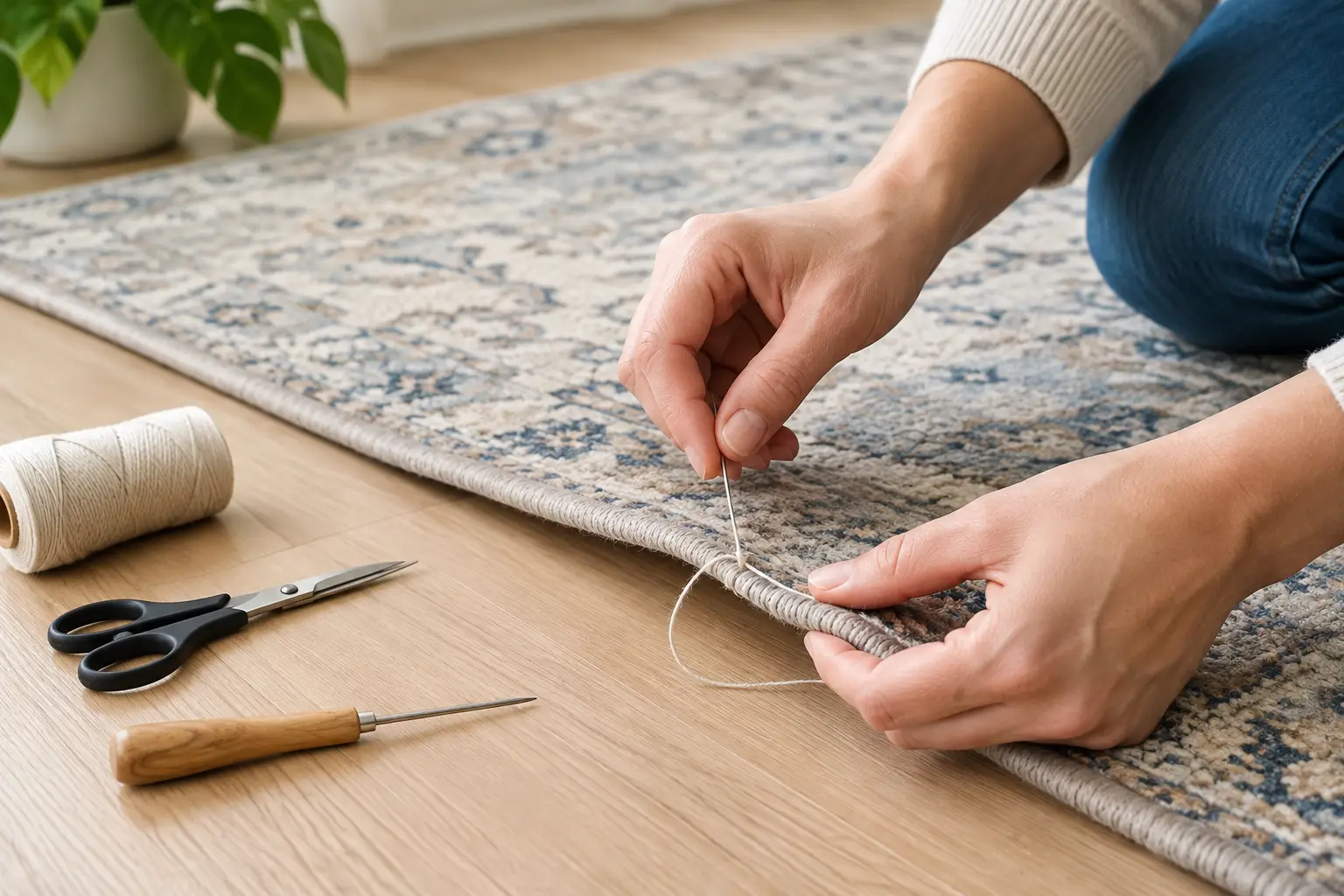
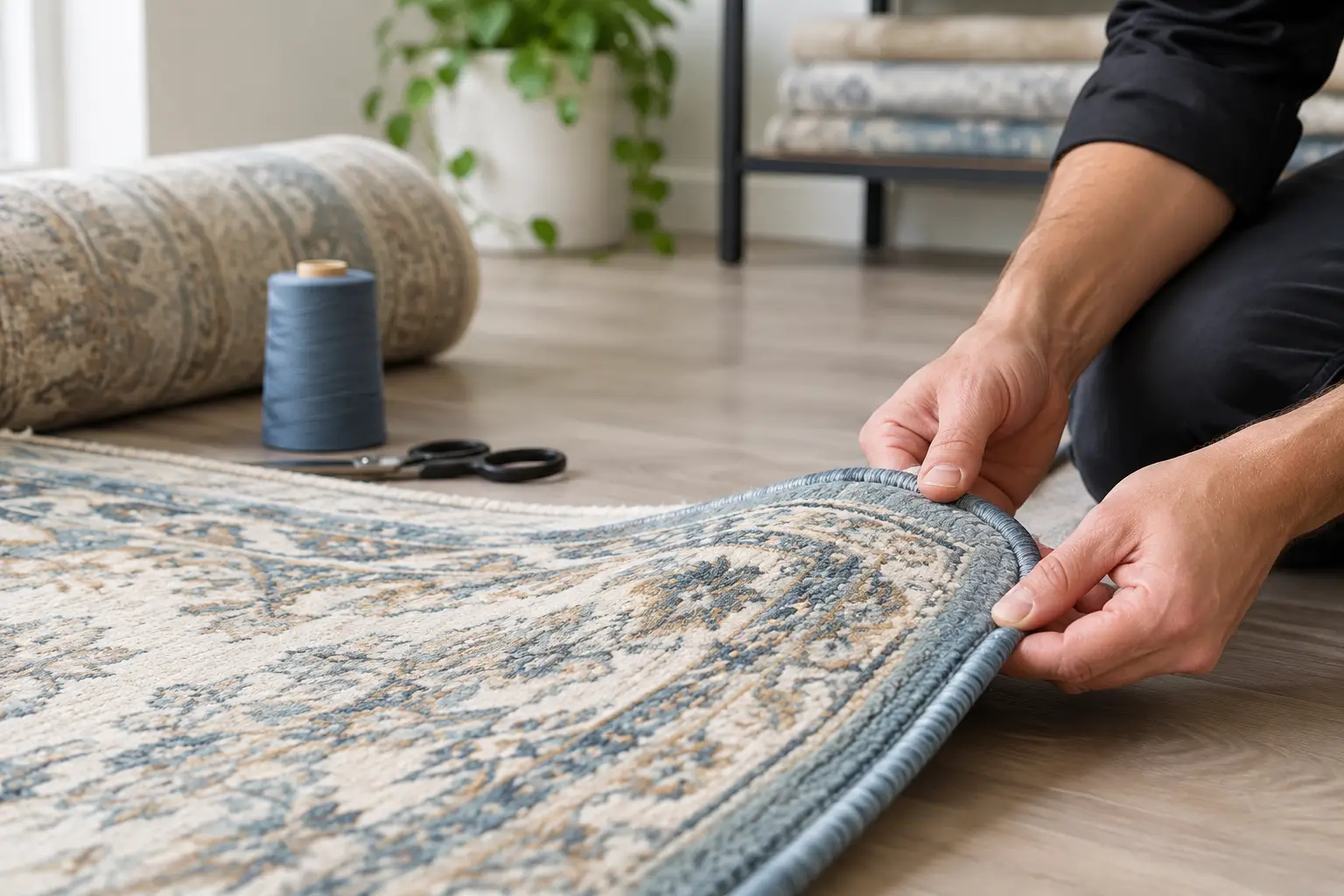
Look closely at fringe and corners as well. Dirt tends to settle around these areas, and loose edges can worsen with vacuuming, foot traffic, or improper handling. Cleaning is a good time to identify small structural repairs before they become larger and more expensive.
Color is another clue. If the rug looks faded or uneven, soil may be muting its natural tones. In other cases, fading or color movement can be a dye issue rather than a cleaning issue. This is why harsh chemicals, bleaching agents, and one-size-fits-all methods are poor choices for valuable rugs.
Between Cleanings, Keep Soil From Building Up
Professional washing works best alongside steady home care. Vacuuming once or twice a week is appropriate for most active areas, using a setting that does not aggressively pull at fringe. For delicate rugs, vacuum the pile direction gently and avoid running a beater bar over fringe or unstable edges.
Rotate rugs every six to 12 months when practical. Rotation helps distribute sunlight exposure and foot traffic more evenly. Use entry mats at exterior doors, address spills promptly, and keep a proper rug pad underneath. If a rug is being stored, have it cleaned first. Food residue, body oils, and unnoticed moth activity can become much bigger concerns while a rug is rolled away.
Avoid saturating a rug with rental machines or household cleaners unless you know the fiber and dye behavior. Excess moisture can create odor, browning, shrinkage, or damage to backing materials. The trade-off is simple: a low-cost shortcut can be expensive when it changes a rug’s color, texture, or shape.
A Care Schedule That Fits Your Home
The best rug cleaning frequency is the one that responds to your household before soil and damage become permanent. Start with the 12- to 18-month baseline, then shorten it for pets, heavy traffic, allergies, active children, or rugs near doors. Extend it only when a rug truly sees light use and receives regular maintenance.
At 1st Impressions Oriental and Area Rug Cleaning, each rug can be evaluated for its fibers, construction, condition, odors, stains, and repair needs before care is recommended. A clear photo and measurement can help begin that conversation, and pickup and delivery make proper washing more manageable for busy Central Florida households.
A well-cared-for rug should feel like part of the home, not another item on a growing to-do list. Give it attention before odors settle in, grit wears down the pile, or a small stain becomes the first thing anyone notices.