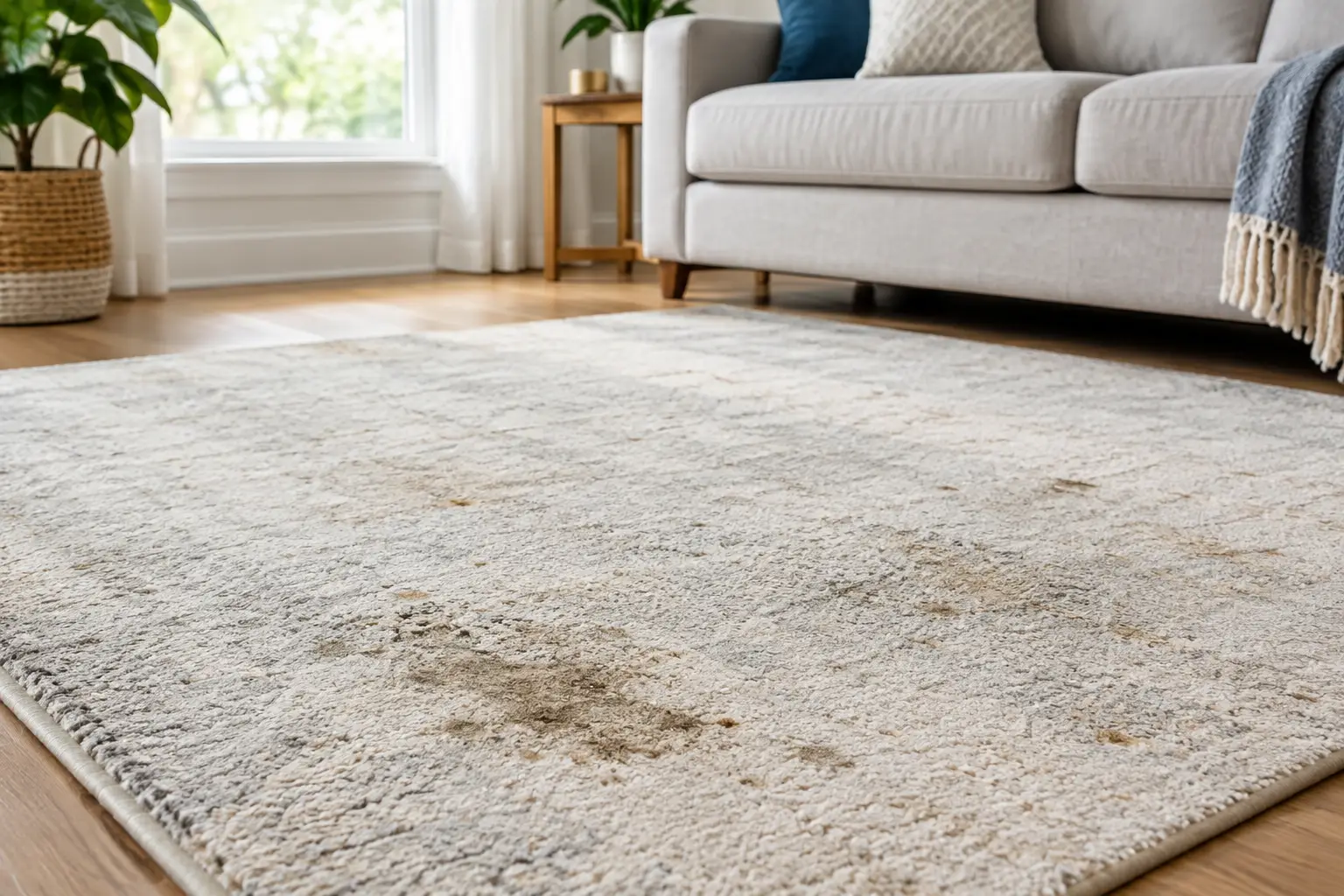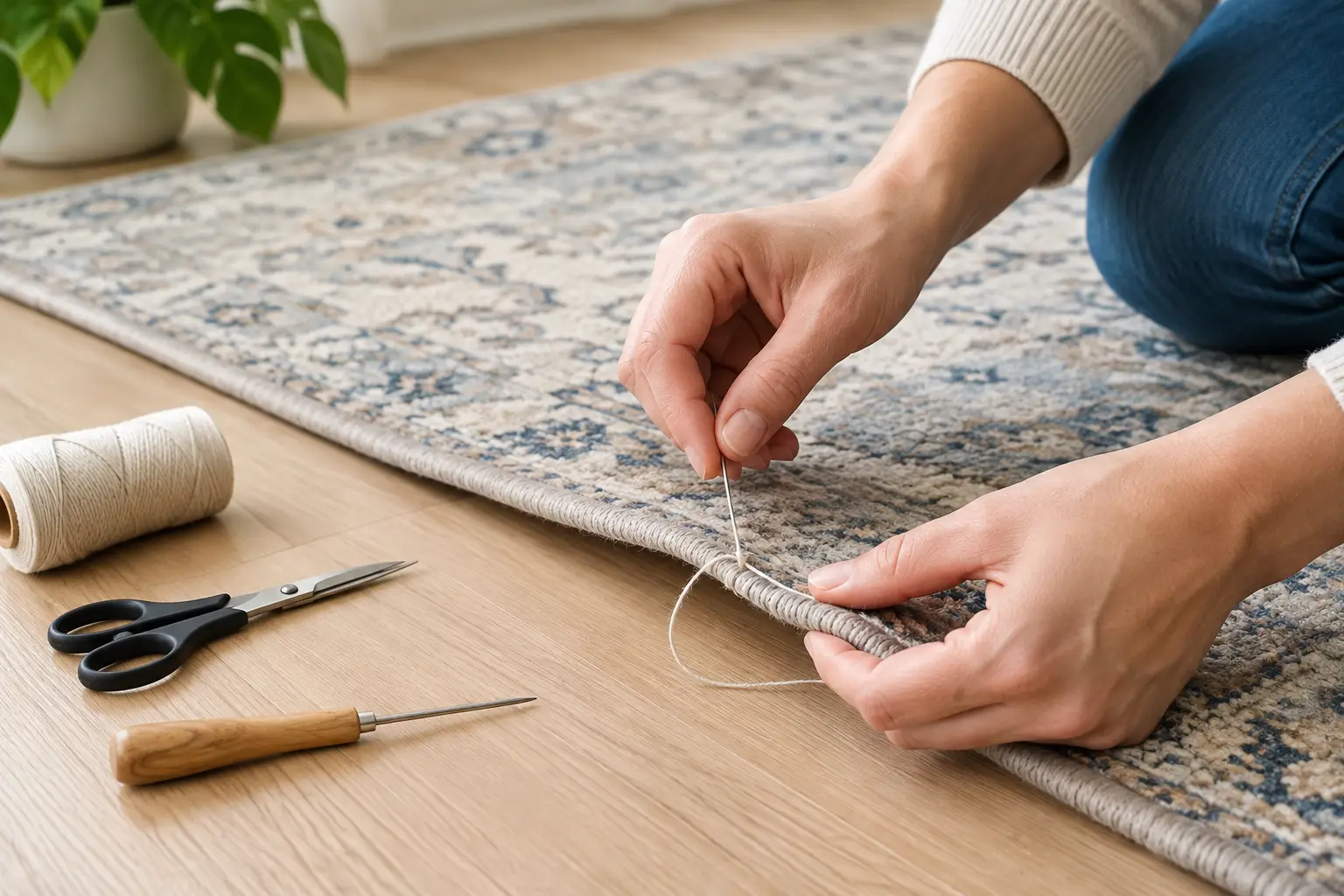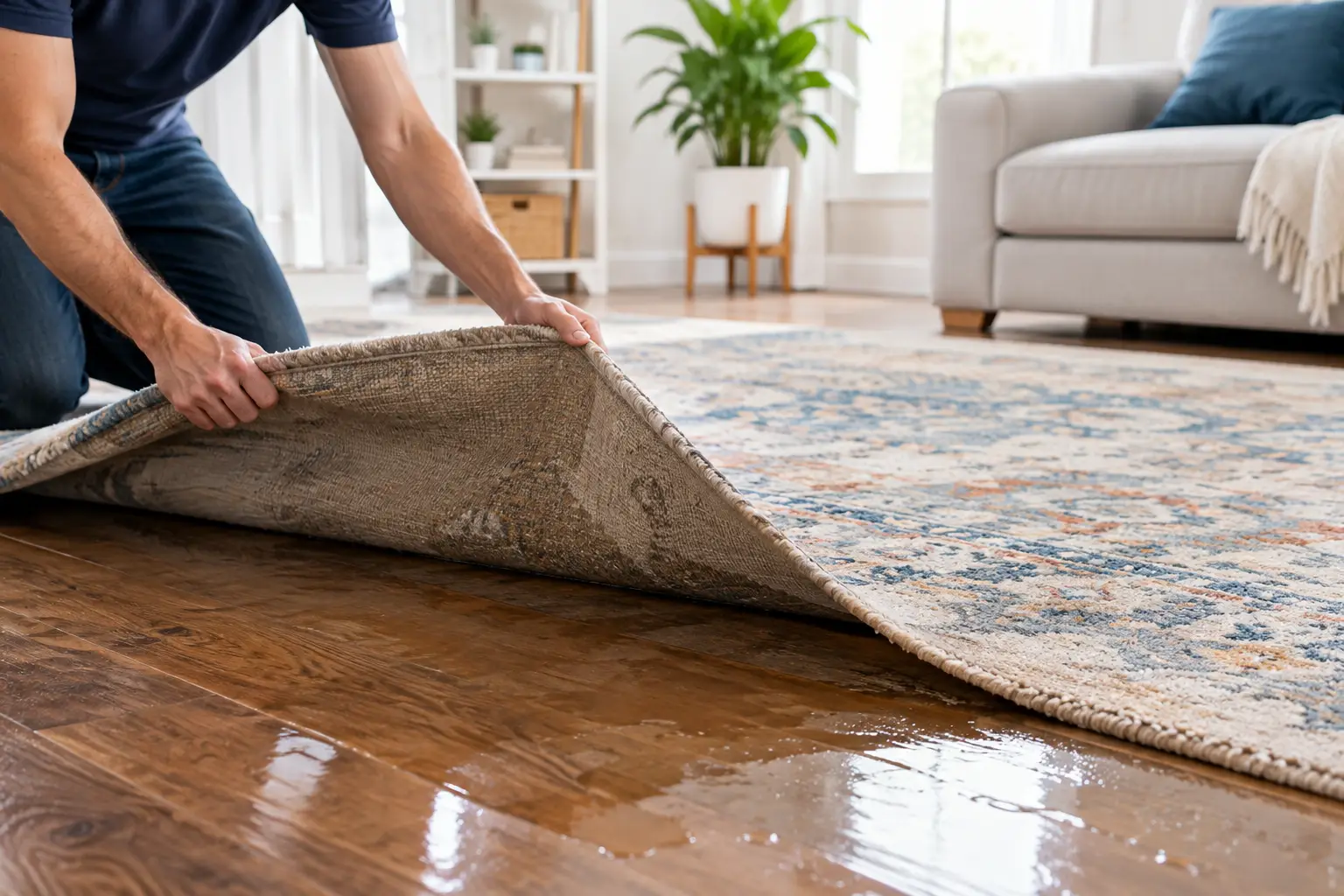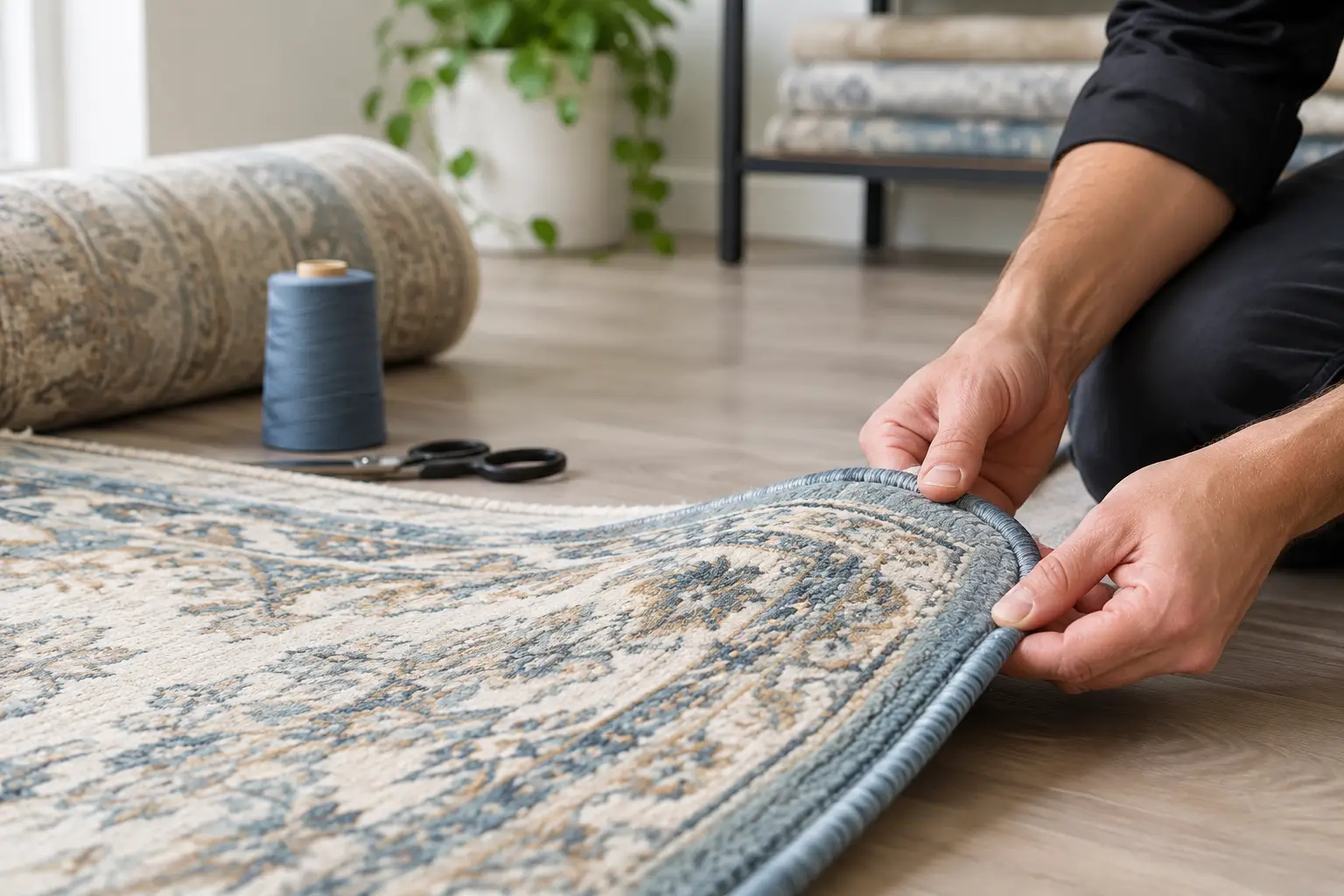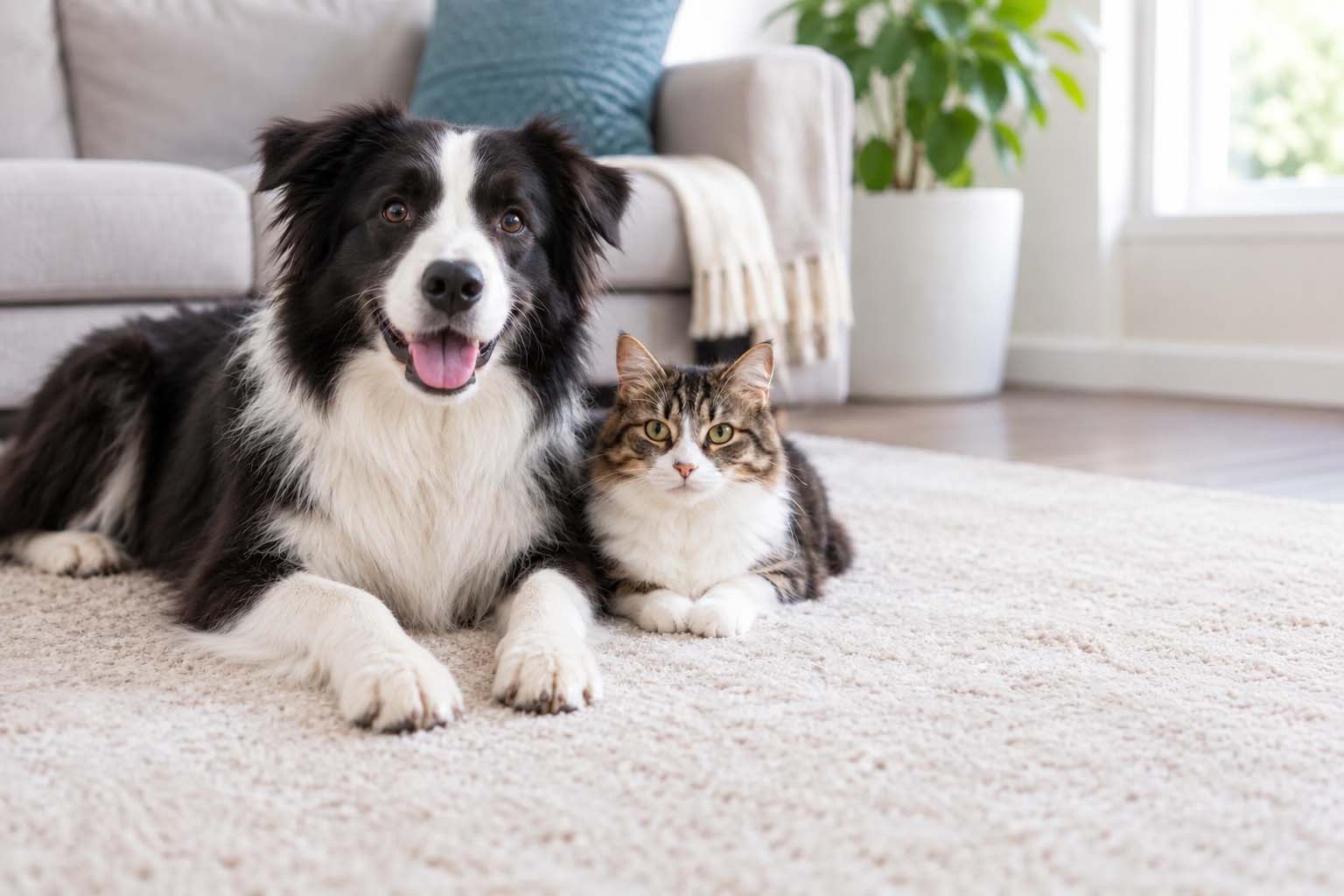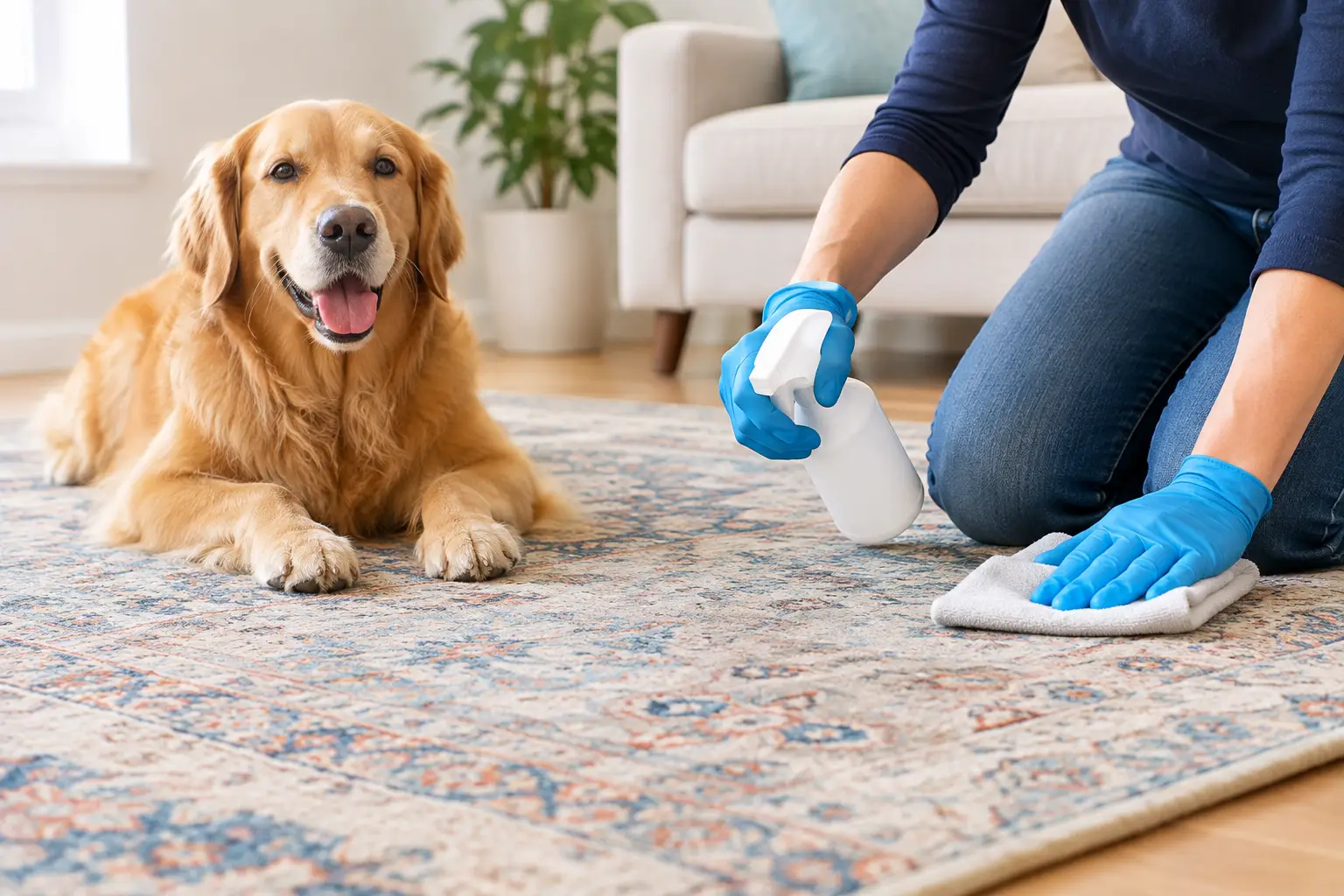
A pet accident on an area rug is rarely just a spot-cleaning problem. Pet urine rug treatment must address what has traveled below the visible stain: through the pile, into the foundation, and often into the rug pad and flooring beneath it. If that contamination remains, a rug may look clean for a few days while the odor returns whenever Central Florida humidity rises.
For a fine Oriental rug, wool area rug, silk-blend piece, or designer rug, the wrong cleaner can create a second problem. Strong chemicals, excessive scrubbing, and household steam machines may set the stain, disturb dyes, leave sticky residue, or damage delicate fibers. The goal is not to cover the smell. It is to carefully remove the urine contamination while preserving the rug’s color, structure, and feel.
Why Pet Urine Odor Keeps Coming Back
Fresh urine is easier to address than an older accident, but even fresh urine can reach deep into a rug quickly. Rugs are layered textiles. The face fibers may be wool, cotton, silk, viscose, or synthetic material, while the backing and foundation can absorb moisture differently. Once urine reaches those lower layers, surface spraying is unlikely to resolve the entire issue.
As urine dries, it leaves behind salts and other residues. Humid air can reactivate those residues, which is why homeowners often notice an odor after rain, during a warm afternoon, or when the air conditioner cycles differently. A pet may also return to the same area because it can detect traces that people no longer notice.
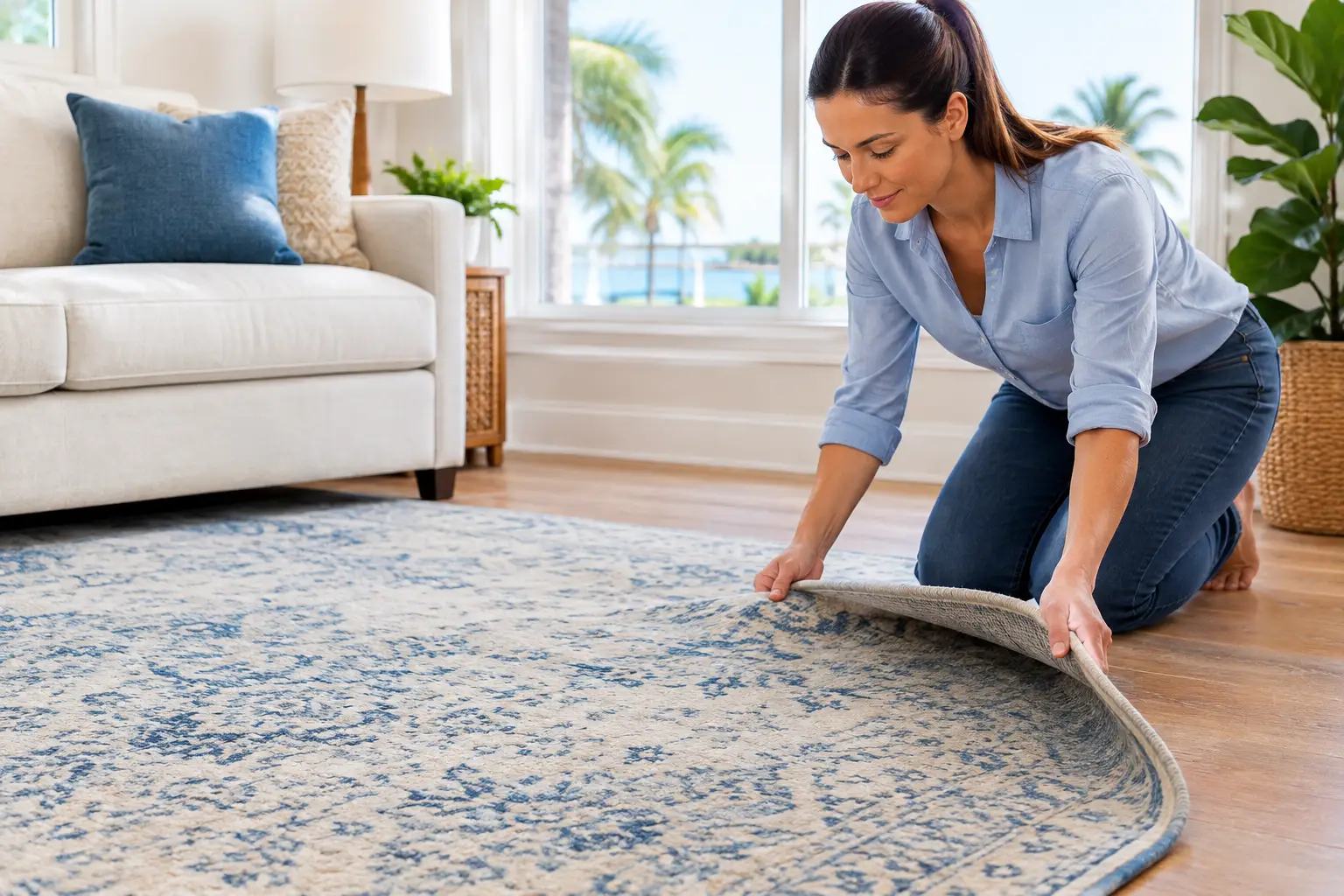
The rug pad deserves equal attention. A pad can hold more contamination than the rug itself, especially when the accident occurred near the edge or on a thin rug. On hardwood, laminate, tile, or luxury vinyl floors, moisture trapped underneath can also lead to odor concerns or damage to the floor finish. Effective treatment considers the complete system: rug, pad, and the surface below.
Pet Urine Rug Treatment Starts With Assessment
No two rugs should receive exactly the same process. Before treatment, a trained rug care professional evaluates the fiber type, construction, age, color stability, condition, size, and extent of the contamination. A machine-made polypropylene rug may tolerate methods that would be unsuitable for a hand-knotted wool or silk rug.
The location of the odor matters, too. One small, recent accident may be isolated. Repeated marking, a large spill, or an accident that sat unnoticed can require more extensive decontamination. Black-light inspection and odor assessment can help identify affected areas that are no longer visibly stained.
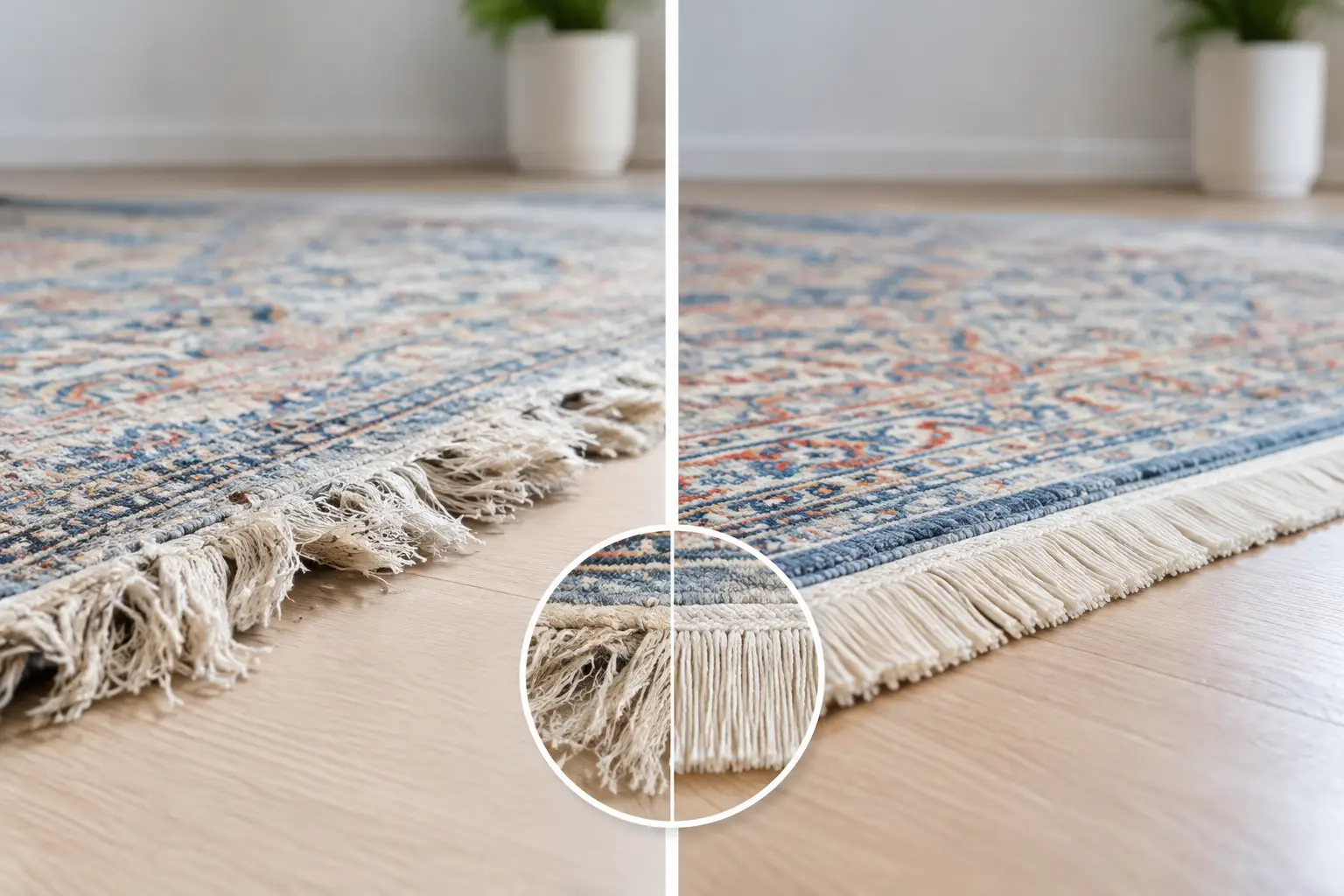
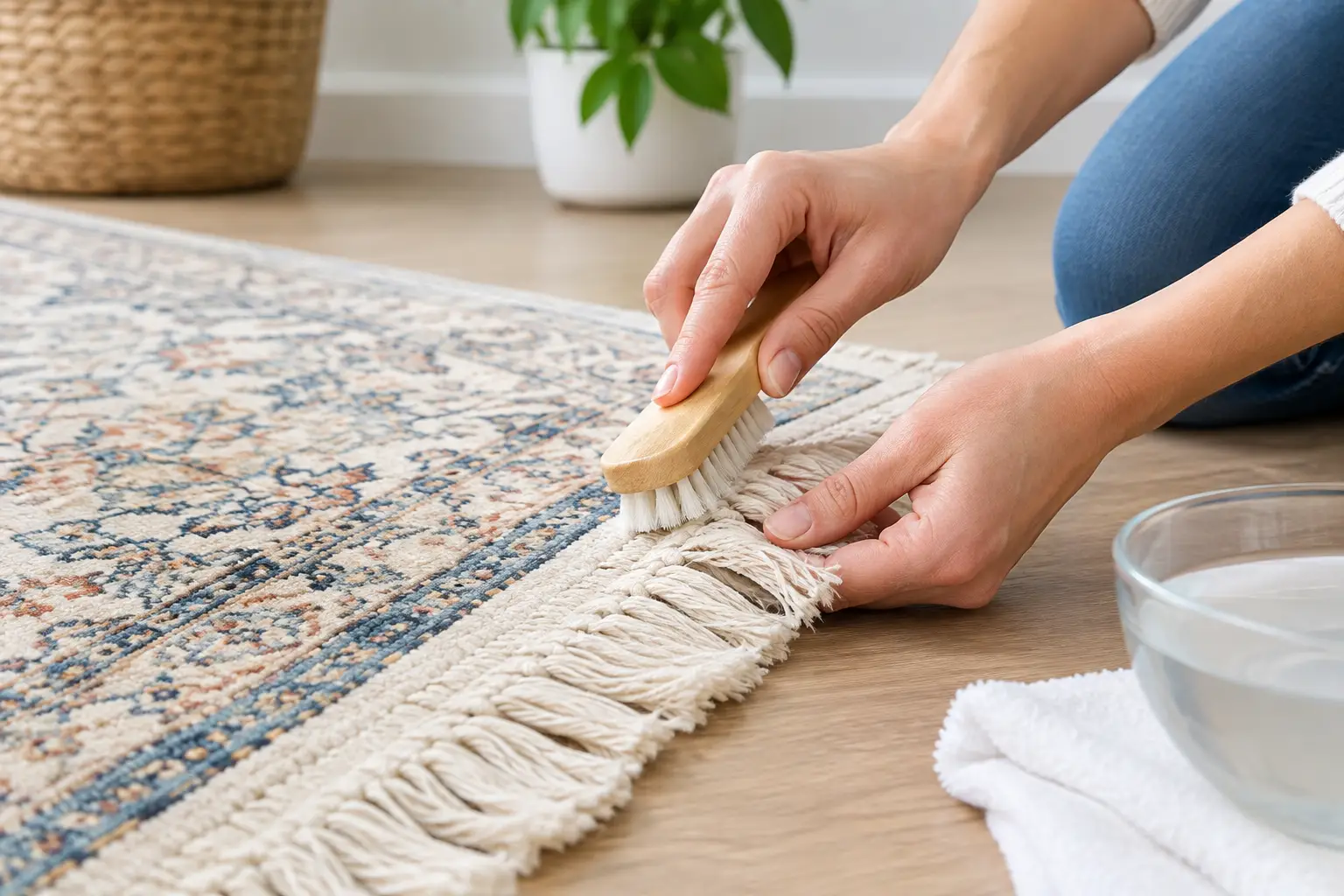
This careful first step protects valuable rugs from guesswork. Some dyes can bleed when exposed to inappropriate moisture, heat, or cleaning solutions. Fringe and weak edges can also require special handling. A professional should explain what can be treated, what results are realistic, and whether the rug pad should be replaced rather than cleaned.
What a Thorough Washing Process Does Differently
For urine that has penetrated beyond the surface, in-studio washing is often the most reliable option. Unlike a quick topical cleaning, a controlled water-based bathing process allows contaminants to be flushed from the rug more completely. The rug is dusted to remove dry soil, treated according to its fibers and color characteristics, washed, rinsed thoroughly, and dried under controlled conditions.
The exact process depends on the rug. Wool is naturally resilient but needs thoughtful pH-balanced care. Silk and viscose demand even more caution because their fibers can be sensitive to moisture and agitation. Antique, handwoven, and color-unstable rugs may need specialized testing and a slower approach.
At 1st Impressions Oriental and Area Rug Cleaning, pet-related rugs are handled as textile care projects, not as ordinary carpet spots. The focus is on deep washing, odor control, and safe treatment methods that avoid harsh chemicals, bleaching agents, and hazardous materials whenever possible.
What to Do Right After a Pet Accident
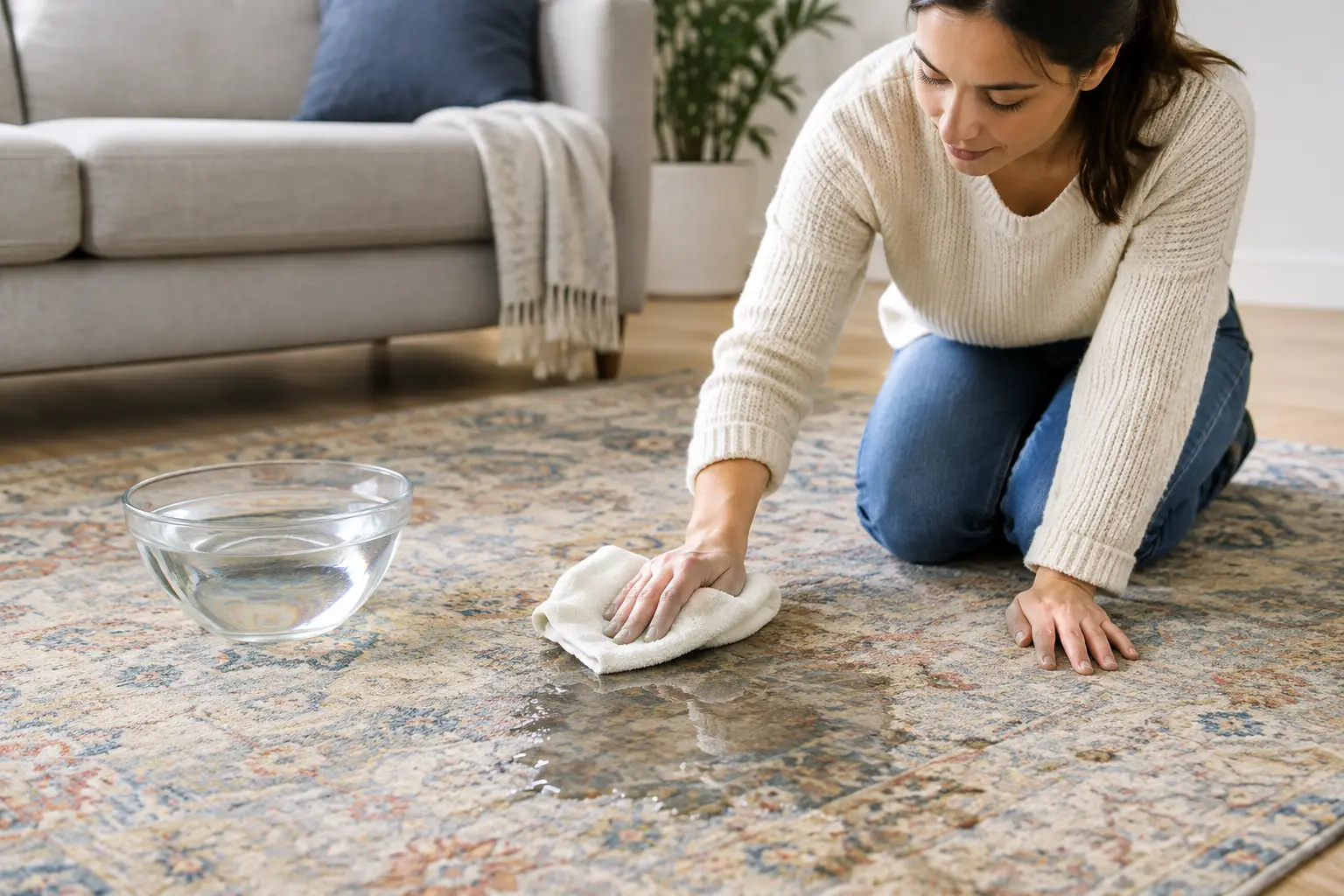
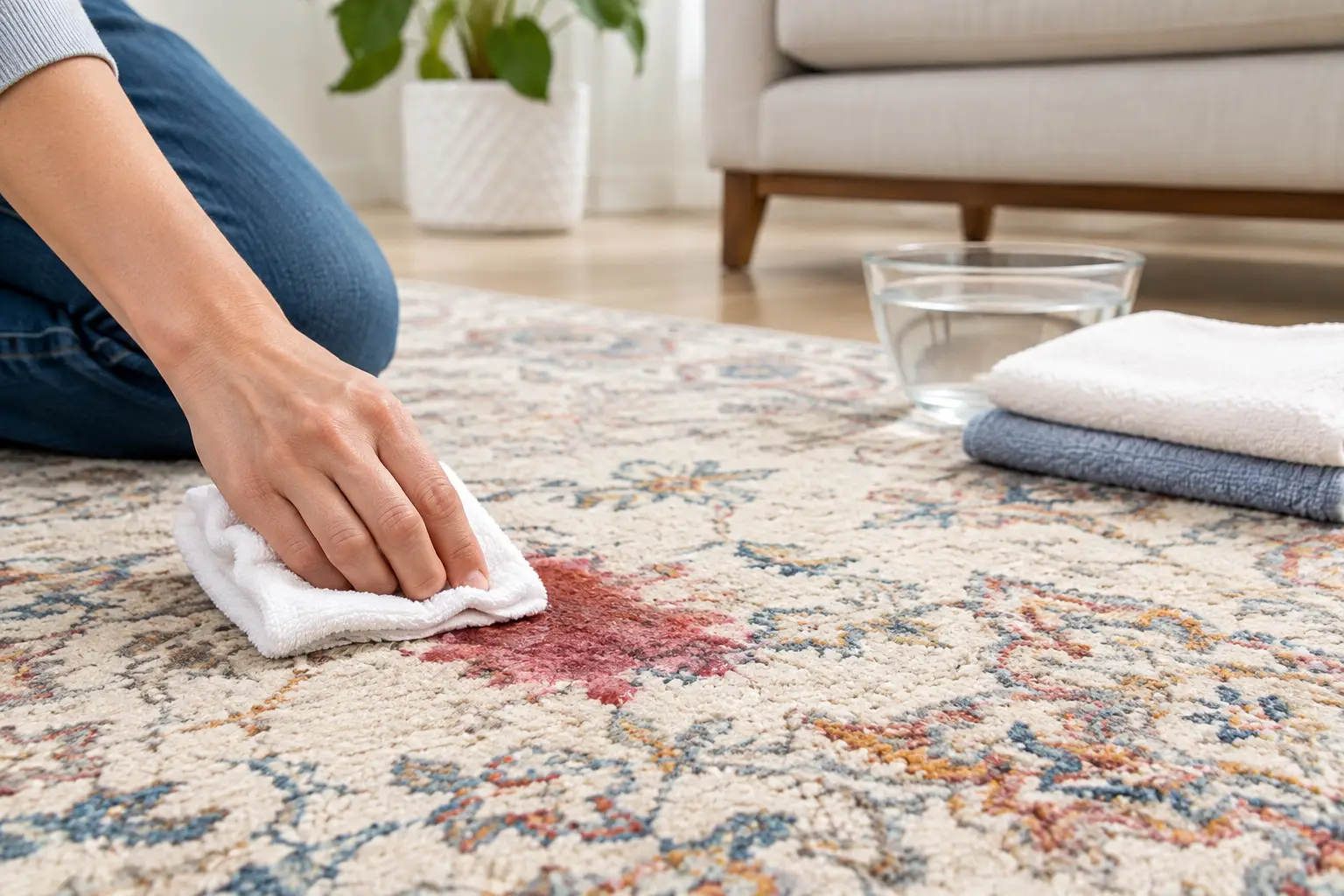
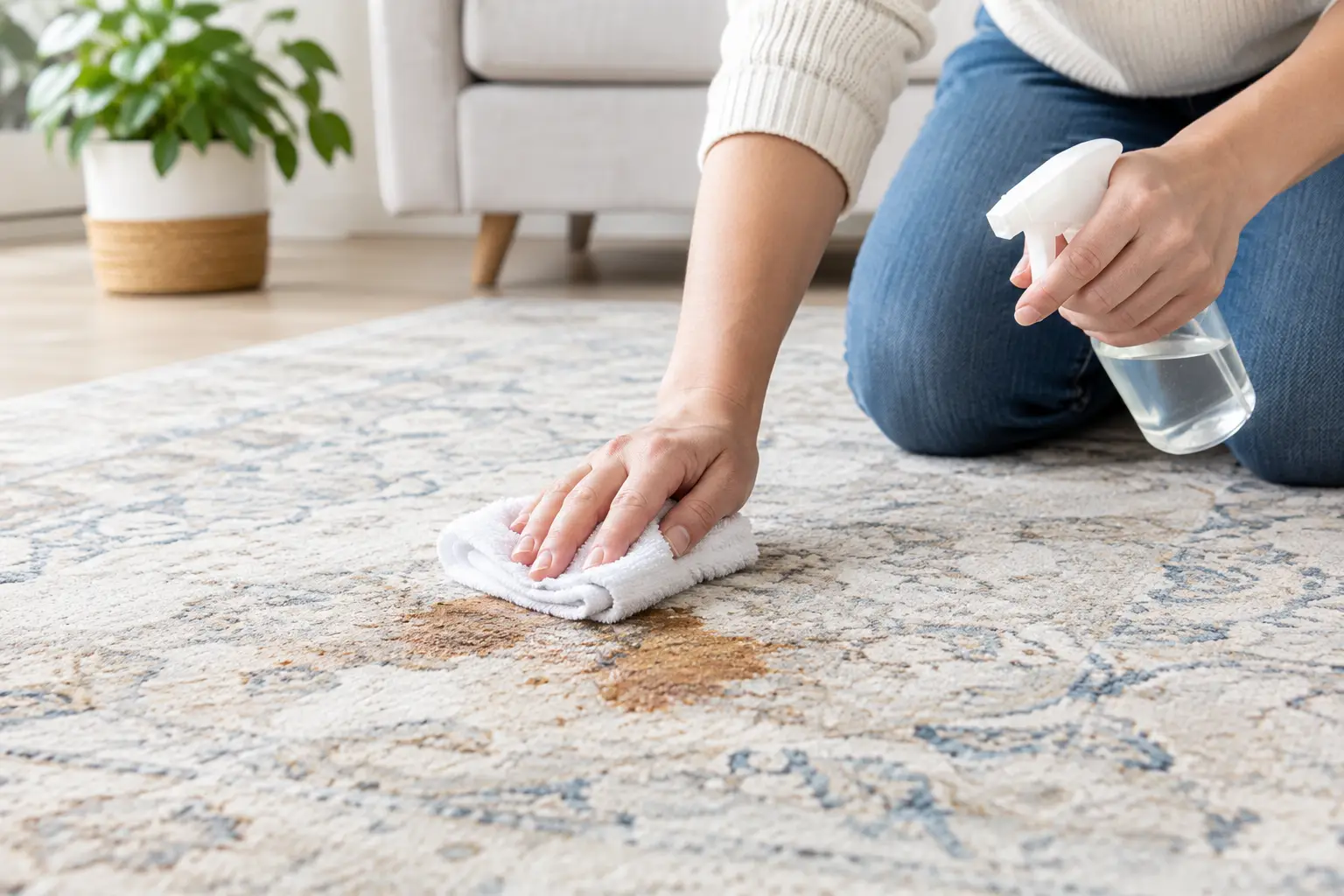
Fast action can reduce how far urine travels, but it should be gentle. Blot the area with clean white towels, applying pressure rather than rubbing. Continue with dry towels until they no longer pick up moisture. If practical, place towels beneath the rug as well, provided the rug can be lifted safely without pulling or distorting it.
Avoid the urge to soak the spot with water or a heavily scented product. Adding too much moisture can spread the contamination, push it deeper, and make drying more difficult. Perfumed sprays may make the room smell better temporarily, but they do not remove the source of the odor.
For a valuable or delicate rug, avoid these common responses:
- Steam cleaning or using high heat, which can set stains and harm sensitive fibers.
- Saturating the rug with store-bought shampoo, vinegar, peroxide, or enzyme products without knowing how its dyes will react.
- Scrubbing aggressively, which can fuzz wool, distort pile, and spread the stain outward.
- Leaving the rug folded, rolled, or laid over a damp pad, where moisture and odor can become trapped.
If the area remains damp, keep pets and foot traffic away from it. Take a few clear photos of the affected area and note whether the accident is recent, repeated, or accompanied by a yellow stain. Those details help a rug care center recommend the right next step and prepare an accurate estimate.
When Home Care May Be Enough – and When It Is Not
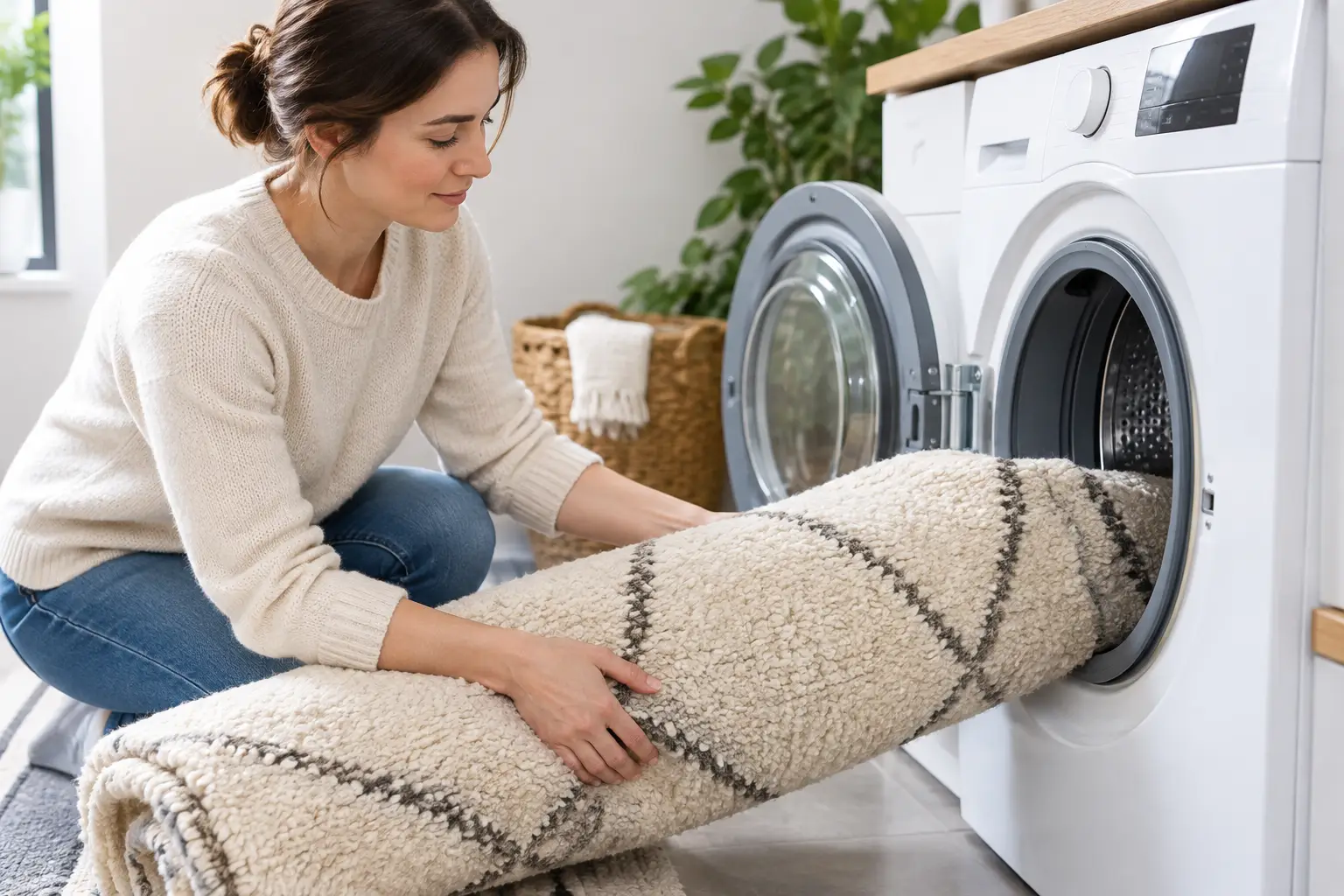
A small accident on a washable synthetic accent rug may respond well to prompt blotting and careful manufacturer-approved cleaning. Even then, complete drying is essential. If there is no remaining odor after the rug and pad are fully dry, further treatment may not be necessary.
The situation changes when the rug is wool, silk, hand-knotted, antique, expensive, sentimental, or heavily soiled. Professional help is also recommended when odor returns after cleaning, when pets have marked the same area more than once, or when urine has reached the rug pad or hard floor. These are signs that surface cleaning is addressing the symptom rather than the contamination.
A rug with extensive urine exposure is not always beyond help. However, results depend on how long the urine remained, the fiber type, the dyes, prior cleaning attempts, and whether damage has already occurred. Urine can weaken fibers over time, contribute to dye bleeding, and leave permanent discoloration in some materials. Honest assessment matters more than promising a one-size-fits-all result.
Protect the Rug After Treatment
Once the rug has been properly washed and dried, a quality rug pad can help protect both the rug and the floor. The right pad adds cushioning, reduces slipping, and creates a helpful buffer between the textile and the hard surface below. If an existing pad retained significant urine contamination, replacement is usually the cleaner and more dependable choice.
Stain protection may also be appropriate for certain rugs, particularly in busy homes with pets and children. Protection does not make a rug accident-proof, and it does not replace prompt blotting after a spill. It can, however, provide extra time to respond before a fresh accident absorbs deeply.
Regular professional washing is another practical part of long-term rug care. Pets bring in oils, dander, and outdoor soil along with the occasional accident. Removing that buildup helps a rug look brighter, feel fresher, and maintain its fibers over time. The right schedule depends on traffic, pets, indoor air quality, and the rug’s construction.
A pet accident does not have to mean living with a lingering odor or risking a cherished rug with an aggressive cleaning experiment. Careful treatment at the source, followed by proper drying and a clean pad, gives your rug its best chance to return to the comfortable, welcoming place it holds in your home.