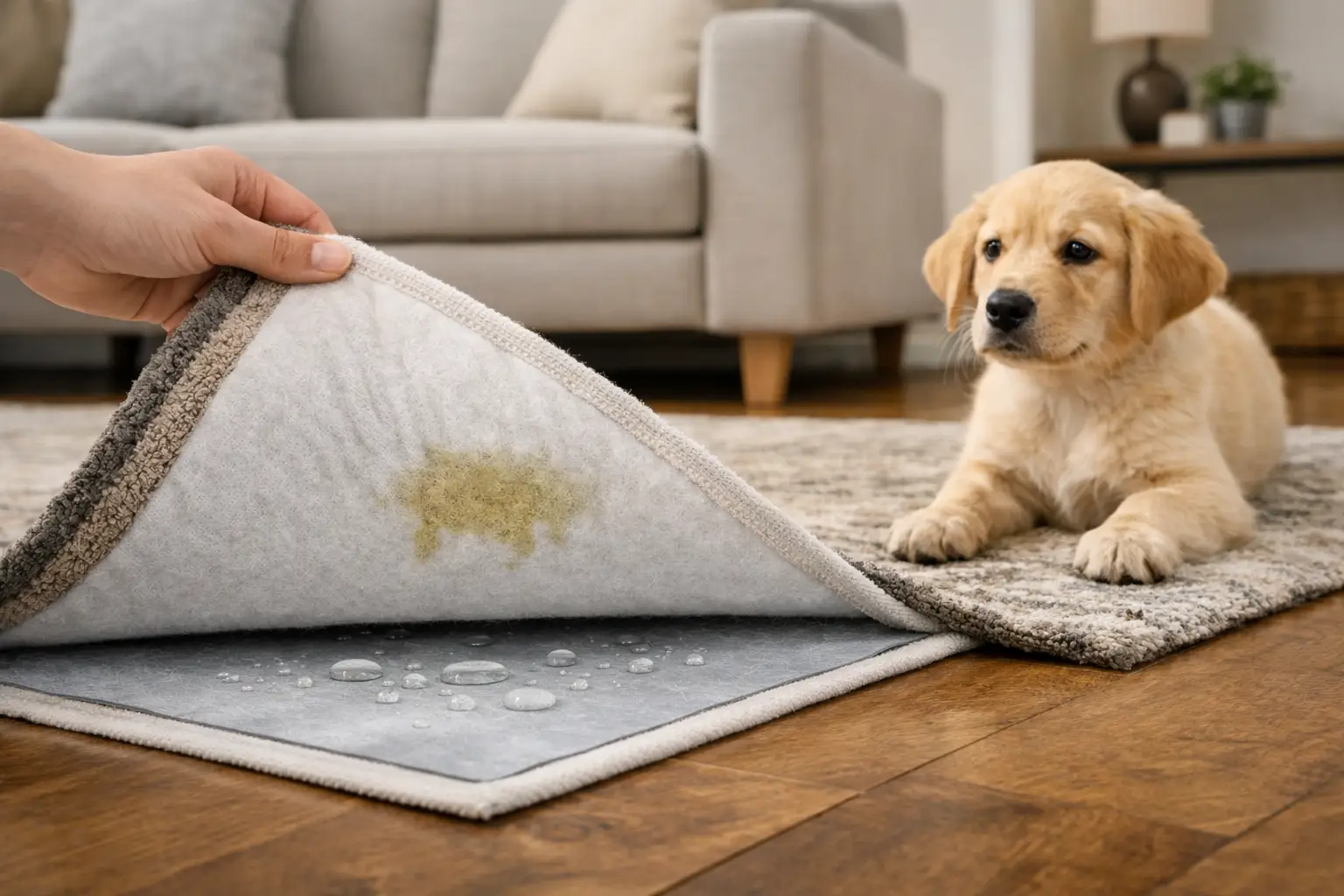
A pet urine barrier pad can be a smart layer of protection beneath an area rug, especially in homes with puppies, senior pets, or an occasional accident. It is designed to help keep urine from reaching hardwood, laminate, tile grout, or the rug pad beneath your rug. But it is not a cure for pet odor, and it cannot reverse damage already hidden in the fibers or foundation of a valuable Oriental or designer rug.
For Central Florida homeowners, the right pad can make a meaningful difference. Humidity can intensify lingering odors, and moisture held beneath a rug may create staining, discoloration, or problems with the flooring below. Choosing the right barrier pad starts with understanding what it does well, where its limits are, and when a rug needs professional decontamination instead.
What a Pet Urine Barrier Pad Actually Does
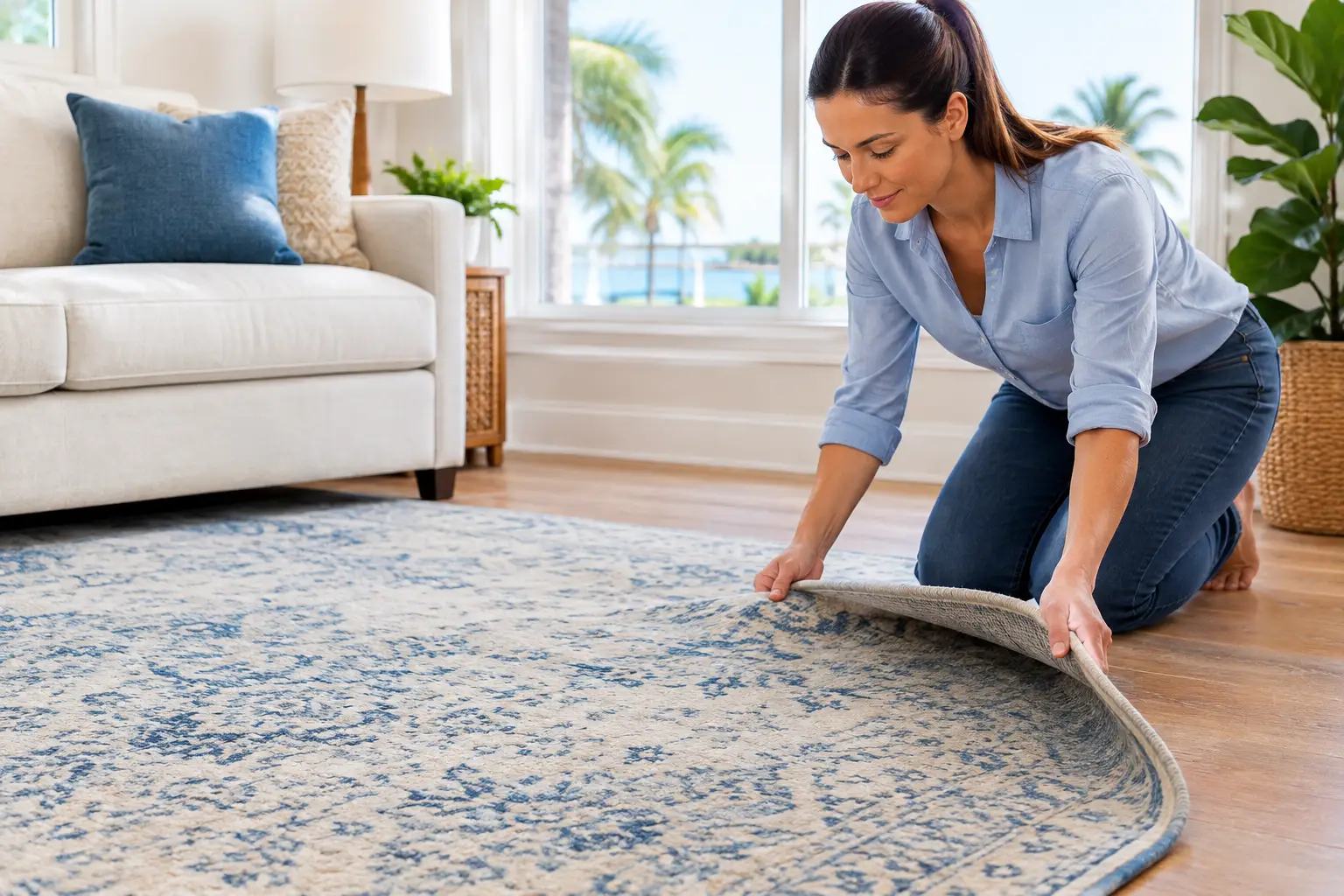
A urine barrier pad is placed between the rug and the floor. Its protective layer is intended to block or slow liquid from passing through the rug and soaking into the surface below. Most quality options pair that moisture barrier with cushioning and a non-slip surface, helping the rug feel more comfortable while staying in position.
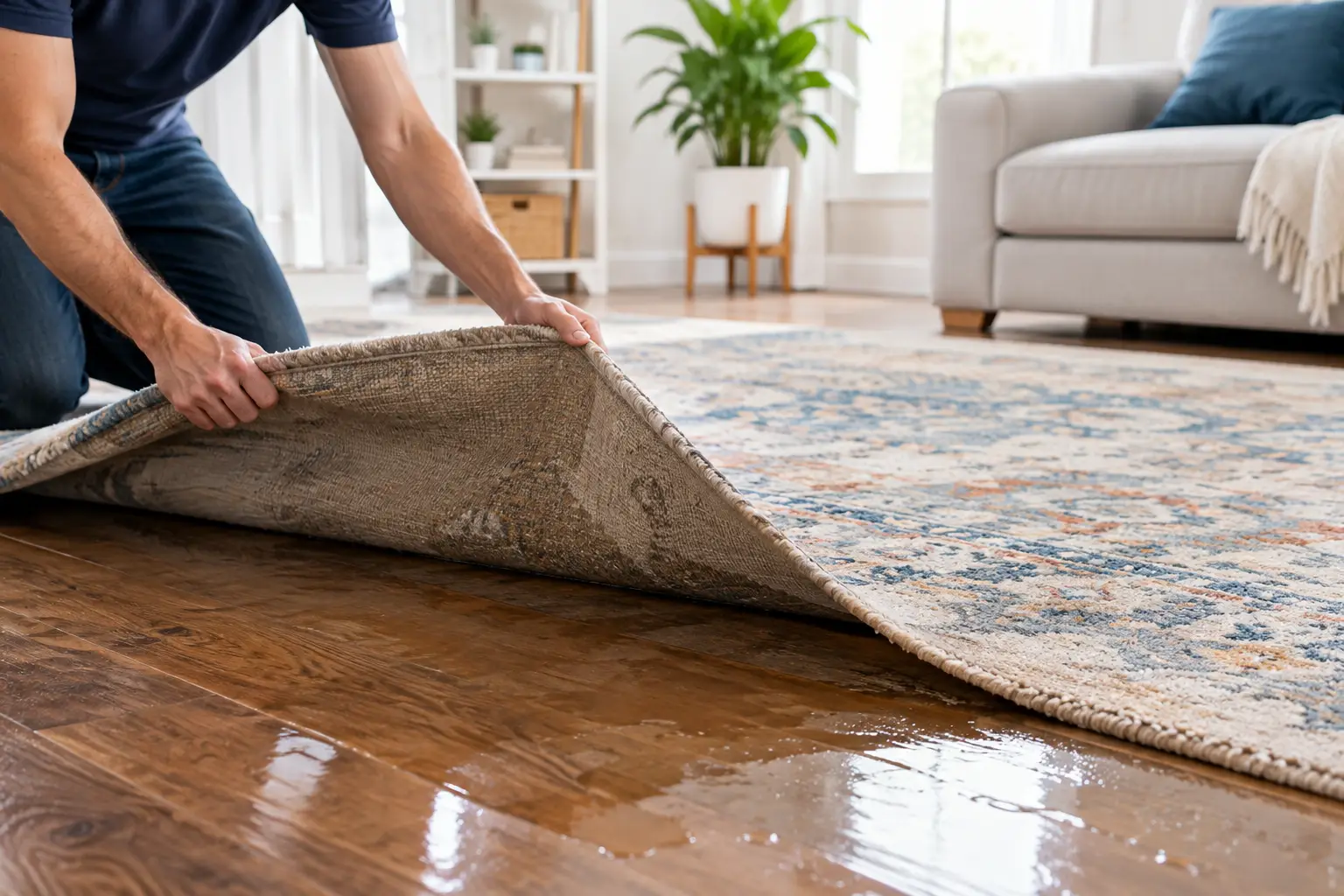
This protection is particularly useful under rugs in high-risk areas: near an exterior door, beneath a pet bed, beside a litter box, or in a family room where pets spend much of the day. It can also help protect expensive flooring from a single fresh accident that might otherwise seep through quickly.
The key word is protect. A pad can limit the path of liquid, but it does not remove urine from the rug. If an accident reaches the rug pile, urine can still travel through the face fibers and into the rug’s backing or foundation. That is where odor-causing residue often remains.
A Barrier Pad Is Not a Pet Odor Treatment
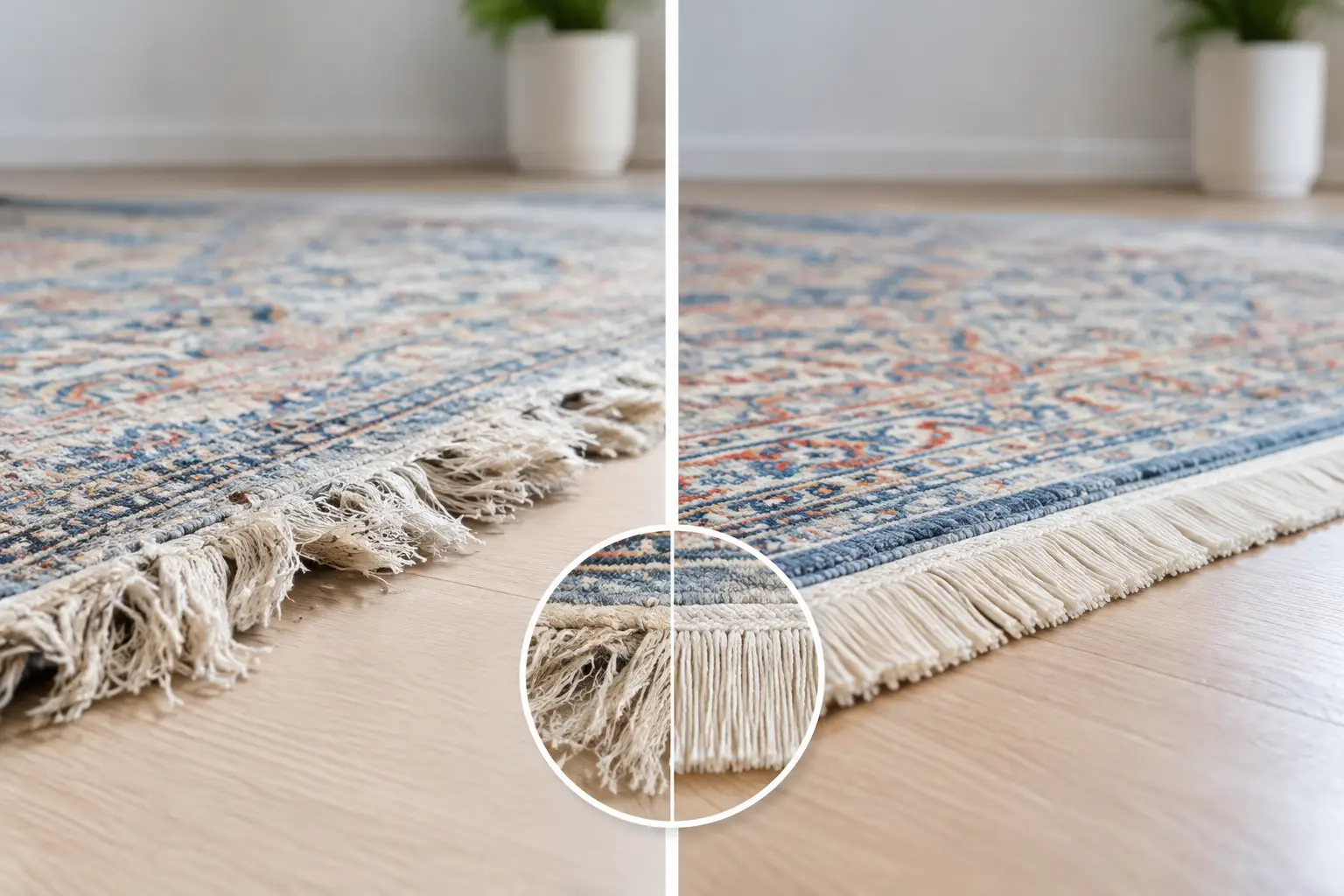
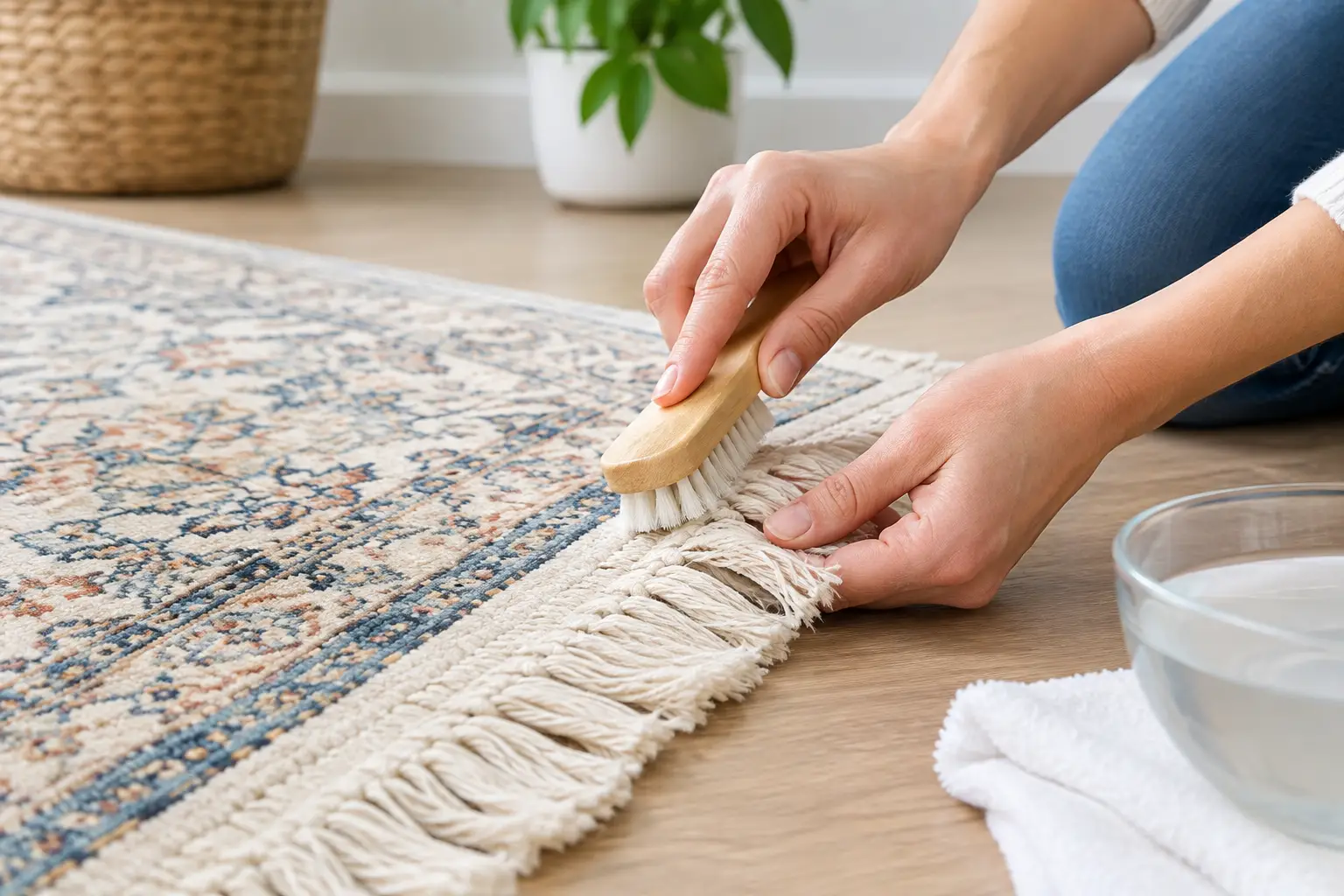
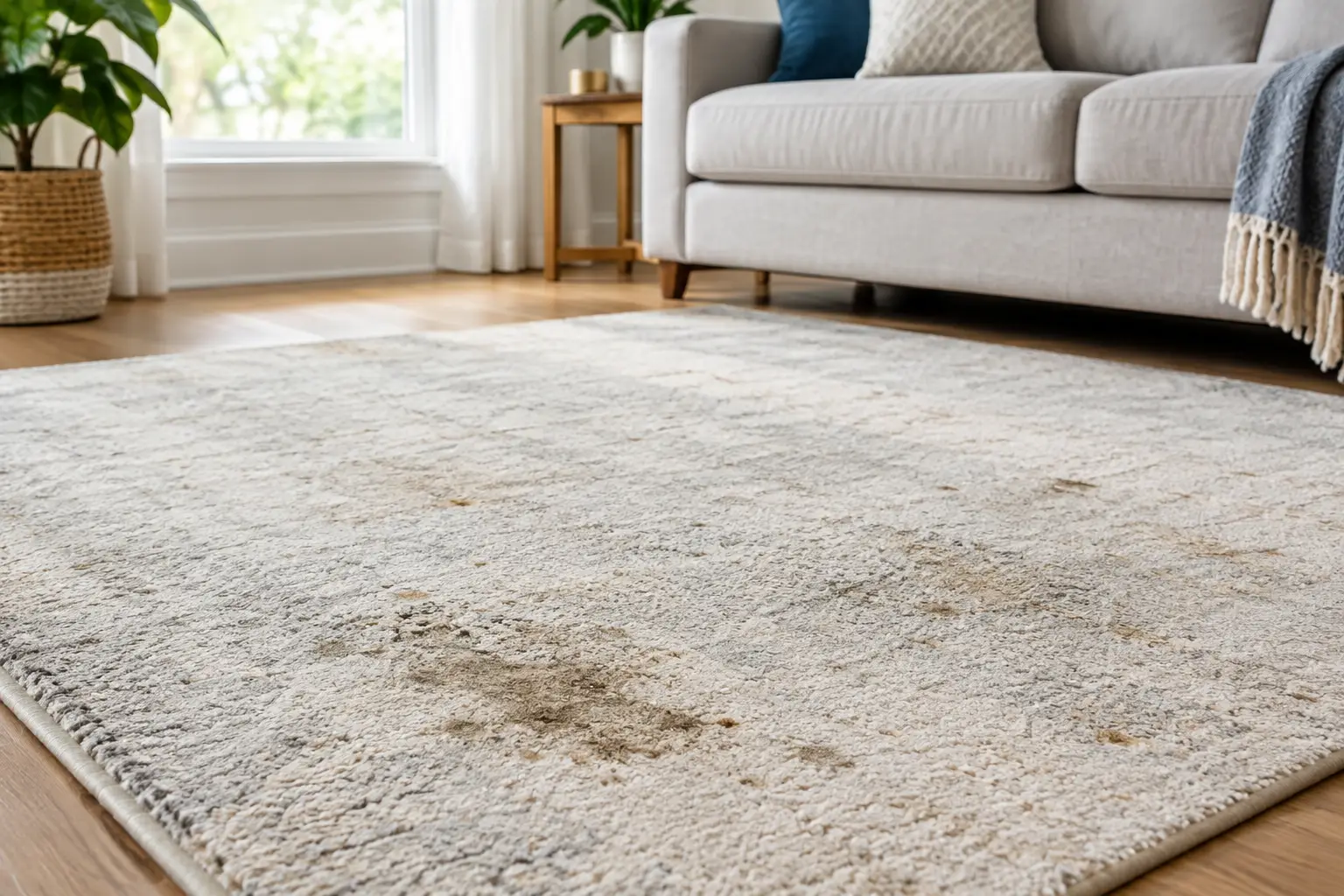
A common frustration is a rug that appears clean on the surface but develops a stronger odor on humid days. This often means urine has settled below the visible fibers. The rug may need more than spot cleaning because urine salts can remain embedded in wool, cotton foundations, backing materials, and fringe.
Household sprays may temporarily cover the odor, but fragrance is not decontamination. Likewise, steam cleaning or excessive water can drive contamination deeper into a rug if it is not followed by proper flushing and controlled drying. Fine rugs require a more measured approach, particularly antique, hand-knotted, silk, viscose, and color-sensitive pieces.
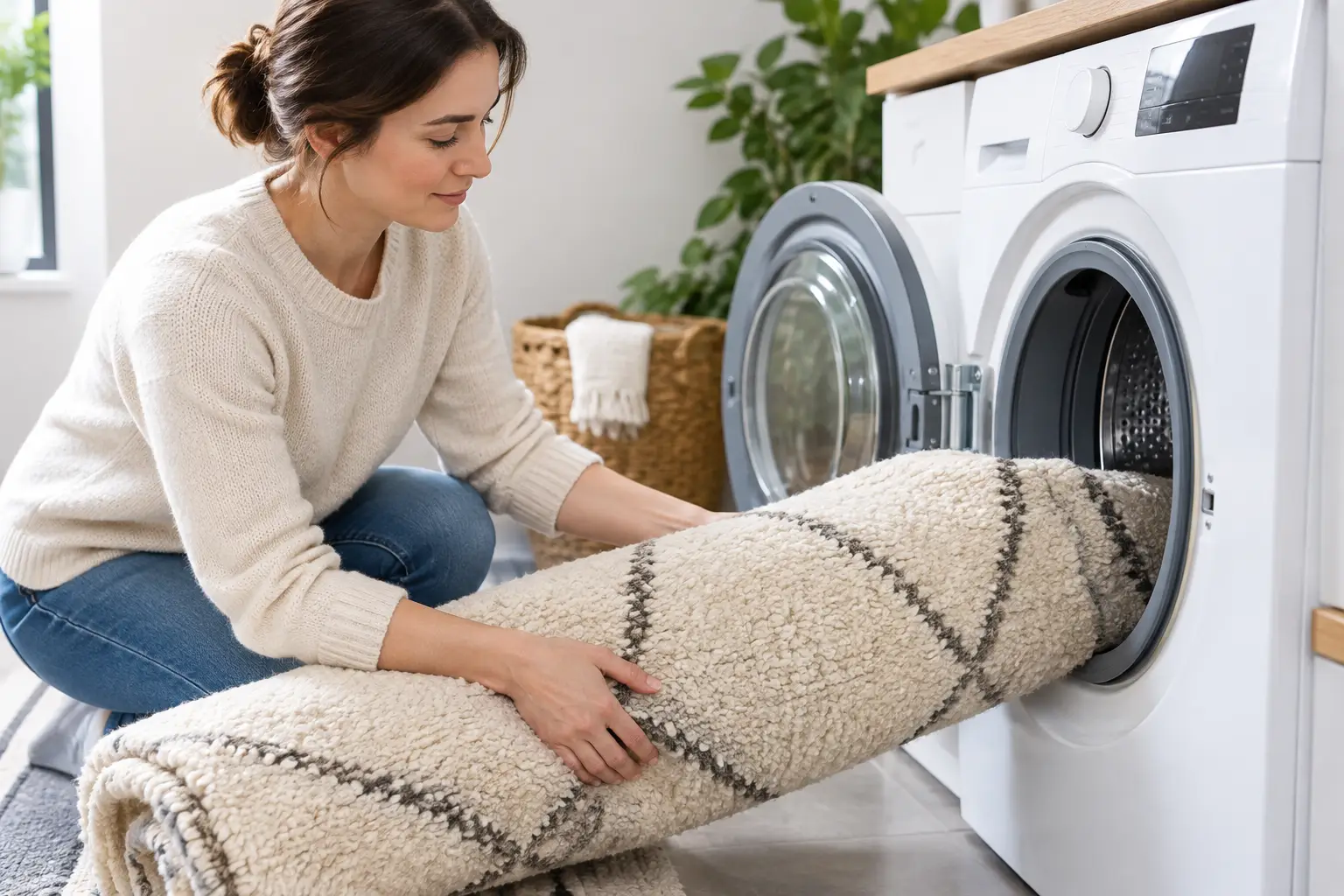
Professional pet urine treatment begins with locating affected areas and evaluating the rug’s construction, fibers, dyes, and condition. A thorough water-based washing process can flush contaminants from the rug rather than simply treating the top surface. The right process depends on the rug, because aggressive chemicals, bleaching agents, and improper drying can create a second problem while attempting to solve the first.
When a Pet Urine Barrier Pad Makes Sense
A barrier pad is a practical preventive tool when the rug is already clean, dry, and free of active odor. It is also useful after a rug has been properly washed and returned to the home. Think of it as part of a protection plan, along with routine vacuuming, prompt accident response, and keeping pets’ water bowls or beds away from delicate rugs when possible.
It is especially worth considering when a rug sits on a sensitive floor. Hardwood can darken or cup when exposed to repeated moisture. Laminate flooring may swell along seams. Some natural stone and grout can absorb staining. Even tile floors can trap odor in grout lines if urine reaches the surface repeatedly.
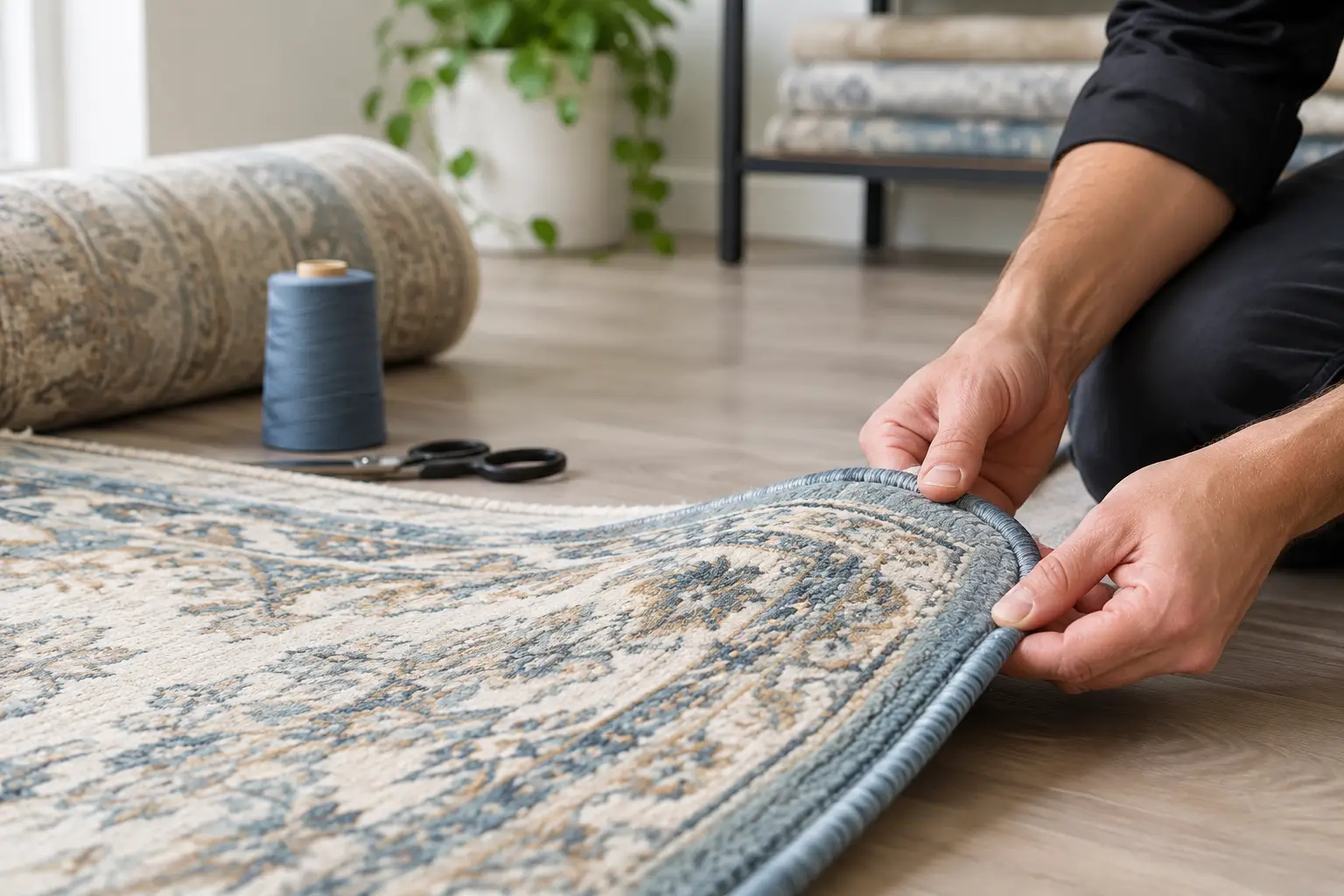
For large room-size rugs, custom-cut padding is usually the best fit. A pad should sit slightly inside the rug’s edges so it cannot be seen and so the rug lies flat. An oversized pad can create a raised edge that catches feet, while one that is too small offers less support and may allow the rug to shift.
Consider the Rug and Floor Together
Not every pad is appropriate for every floor. A pad that works well on tile may not be suitable for hardwood with a delicate finish. Some low-cost rubber, PVC, or plastic-backed products can react with floor finishes, leave marks, or trap moisture against the floor over time.
A quality rug pad should be selected for the specific flooring material, the rug’s weight, and the amount of traffic in the room. Thick cushioning may feel inviting under a living room rug, but a lower-profile pad can be safer under a dining room rug where chair legs need to move smoothly. With a fine hand-knotted rug, the pad should support the textile without creating unnecessary stress along the edges or fringe.
What to Look for in a Pet Urine Barrier Pad
The best choice is rarely the cheapest roll of padding at a big-box store. Look for a pad with a dependable moisture barrier that is appropriate for your flooring and does not rely on materials known to damage finishes. It should also provide enough grip to prevent slipping without adhering aggressively to the floor or rug.
A few details deserve attention before installation:
- The barrier should be designed to protect the floor without trapping excessive moisture underneath.
- The pad should be custom-fit slightly smaller than the rug on all sides.
- The material should be compatible with hardwood, laminate, vinyl, tile, or stone, depending on your home.
- The pad should offer the right amount of cushion for the room, without making the rug unstable or difficult to walk on.
For homes with repeated accidents, inspect beneath the rug periodically. If a pad has been exposed to urine, do not assume the barrier kept everything clean forever. Check for dampness, odor, color transfer, or changes to the floor finish. Early detection is far easier than addressing a set-in problem months later.
What to Do After an Accident
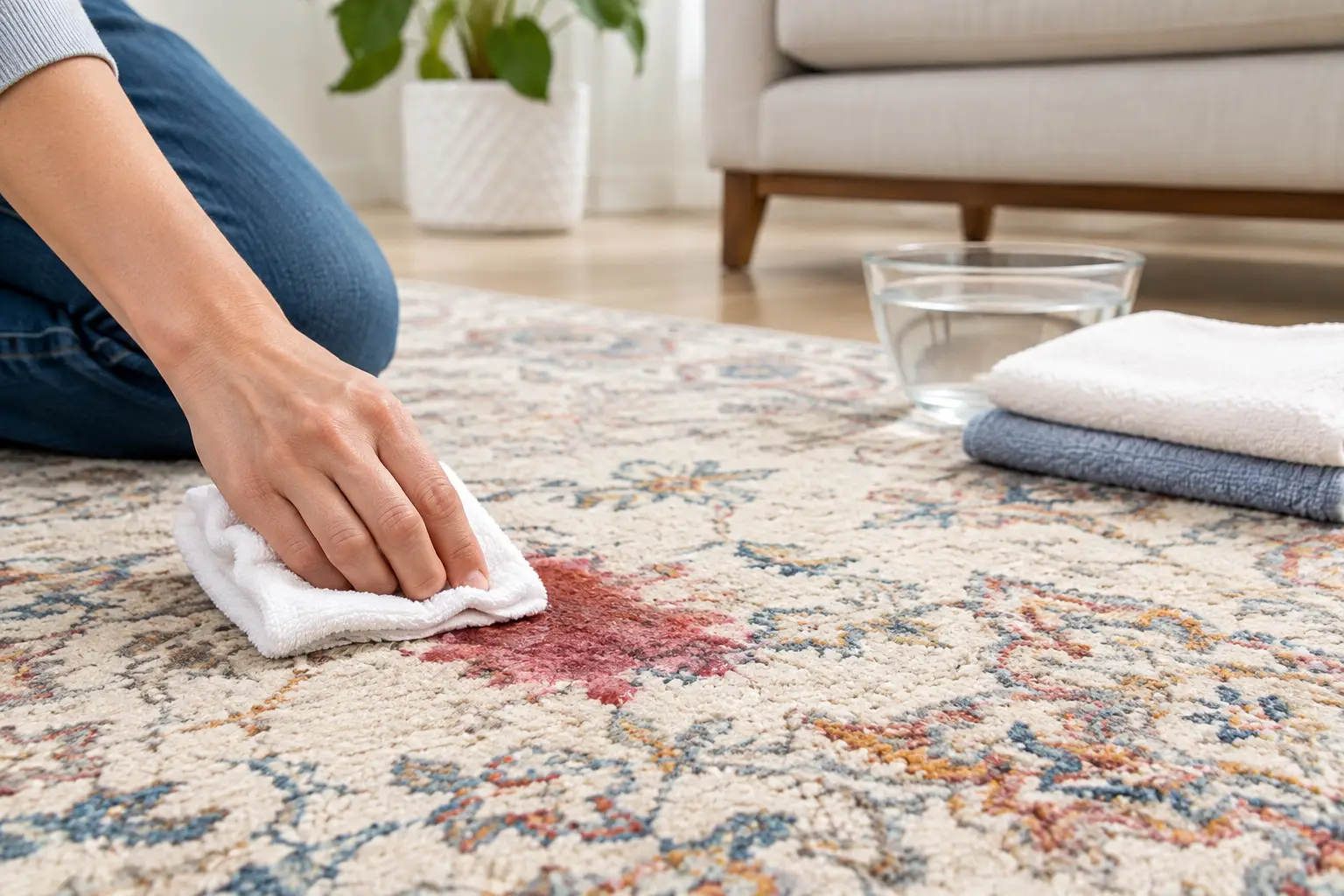
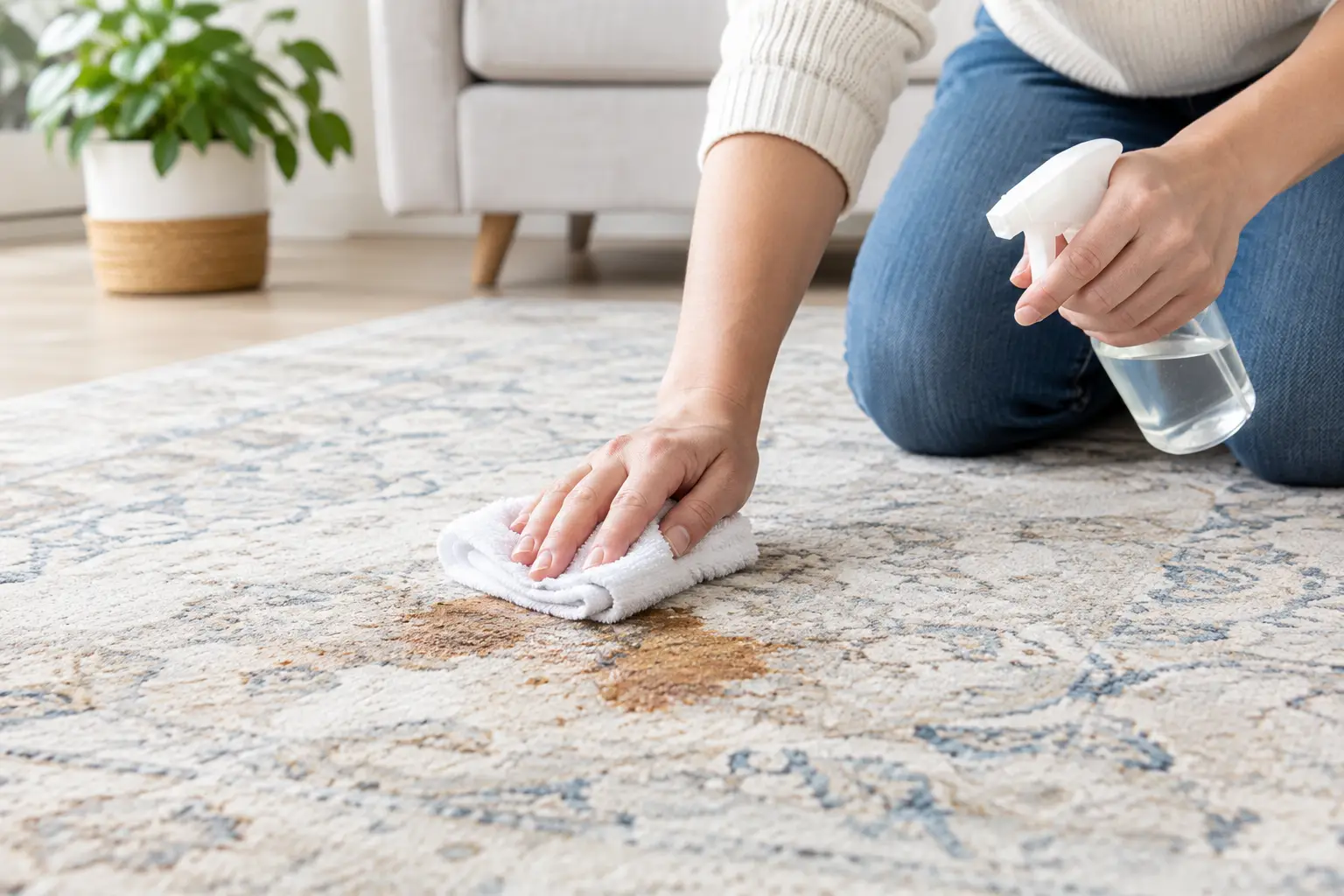
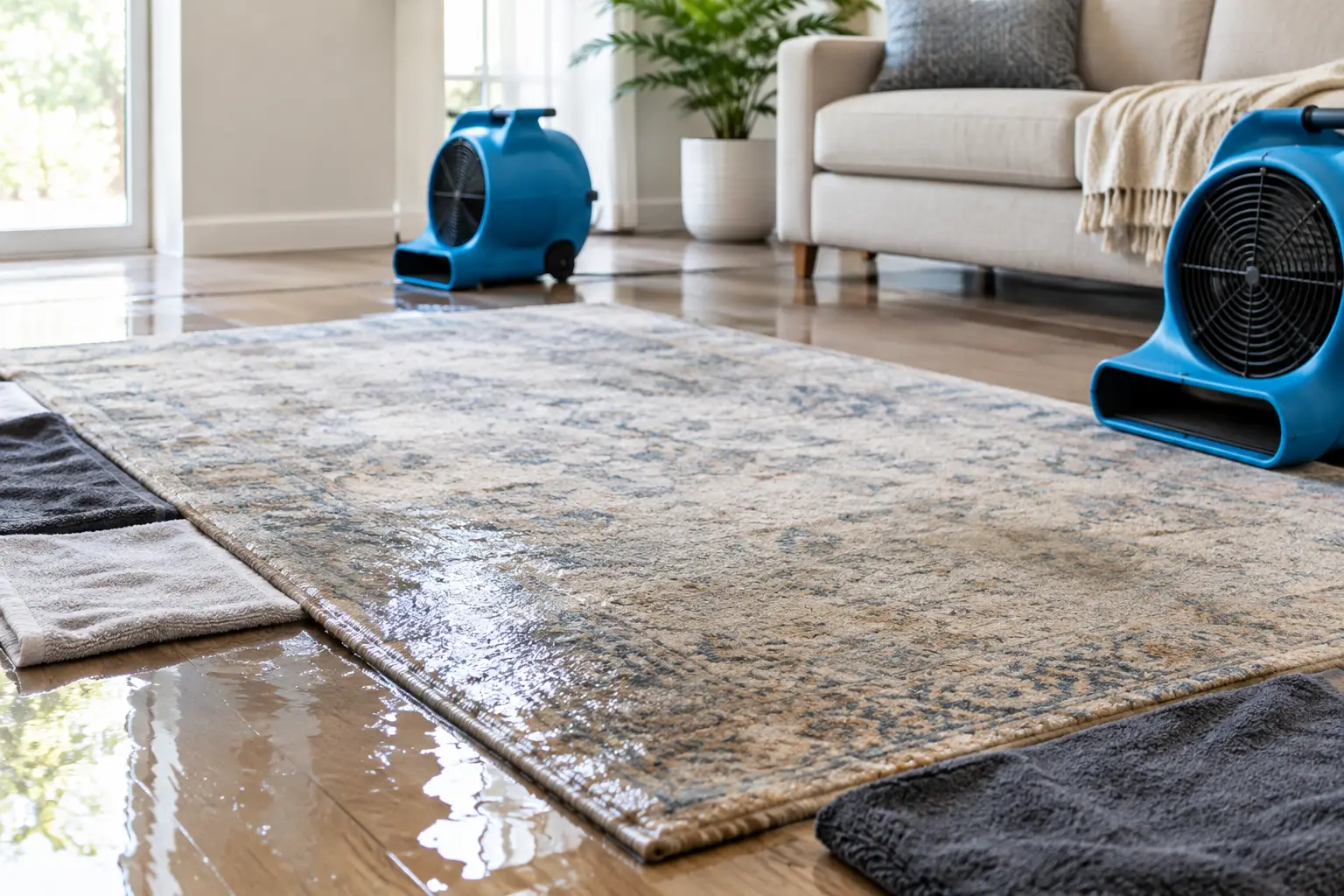
Act quickly, but avoid rubbing the spot. Blot the affected area with clean, absorbent towels, applying steady pressure to lift as much moisture as possible. If the rug is small enough to move safely, check the underside and the pad right away. Urine may spread farther below the rug than the visible stain suggests.
Do not saturate a fine rug with store-bought cleaner, vinegar, peroxide, or soap. Some products can alter dyes, leave sticky residue that attracts soil, or set the stage for browning as the rug dries. This is particularly risky with wool rugs, silk rugs, and rugs with cotton foundations.
If the accident is substantial, recurring, or accompanied by odor, remove the rug from service and arrange an evaluation. The flooring should also be inspected, particularly if the rug has been in place for a long time. A barrier pad can save a floor from direct contact, but no pad is a substitute for addressing contamination in the rug itself.
Protecting Valuable Rugs in Pet-Friendly Homes
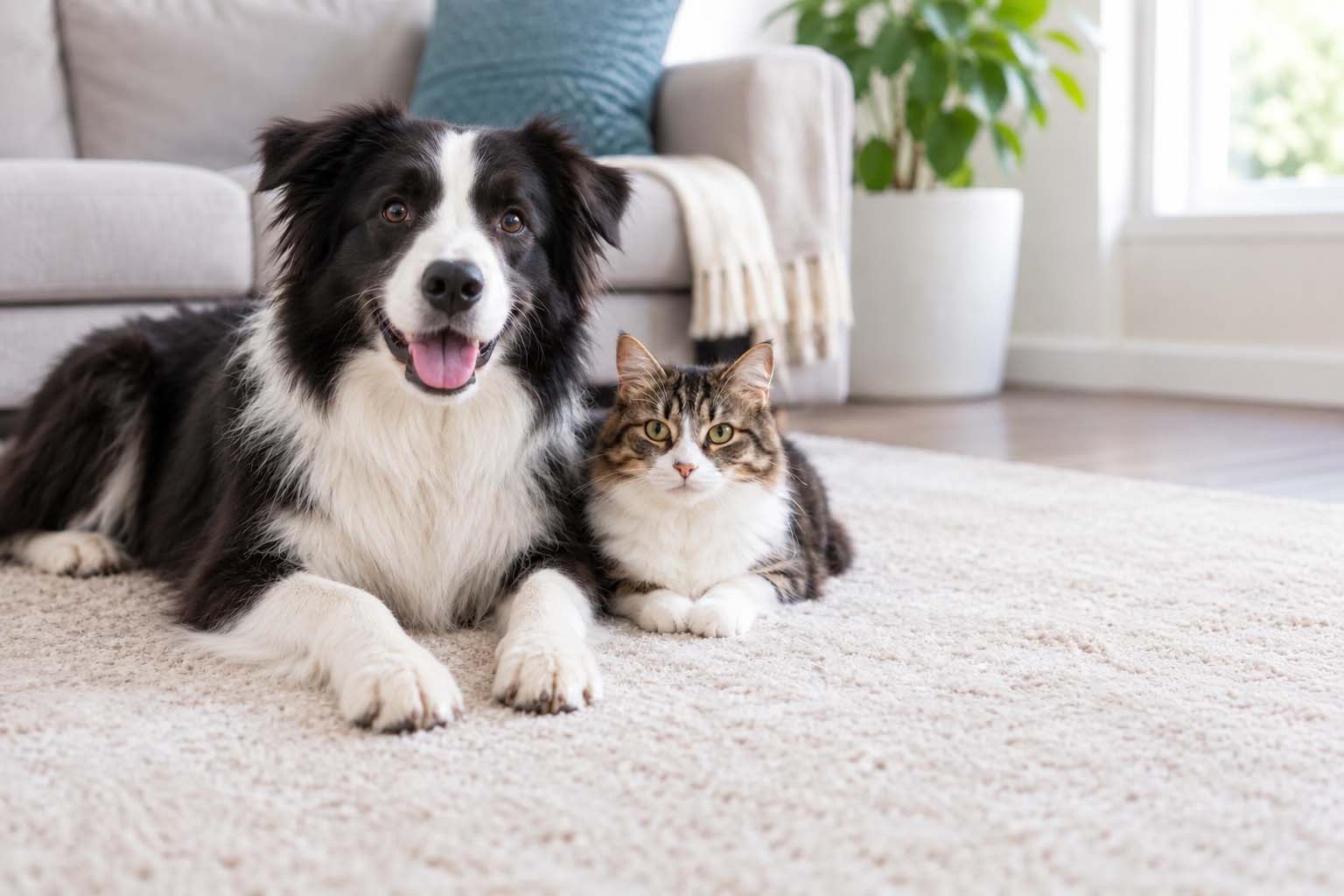
Pets and fine rugs can share a home successfully. The goal is not perfection. It is having sensible layers of protection and responding correctly when something happens. Place treasured rugs thoughtfully, use a compatible pad, keep litter boxes and feeding stations on easily cleaned surfaces, and do not wait until an odor becomes part of the room.
At 1st Impressions Oriental and Area Rug Cleaning, we see the difference that early care makes. Rugs that receive prompt attention after pet accidents are often easier to restore, while long-term odor and repeated saturation may require more extensive decontamination and careful treatment of the floor beneath.
A well-chosen pet urine barrier pad gives your rug and flooring a valuable first line of defense. Pair it with proper rug care, and your favorite room can remain comfortable for both your family and the pets who make it feel like home.