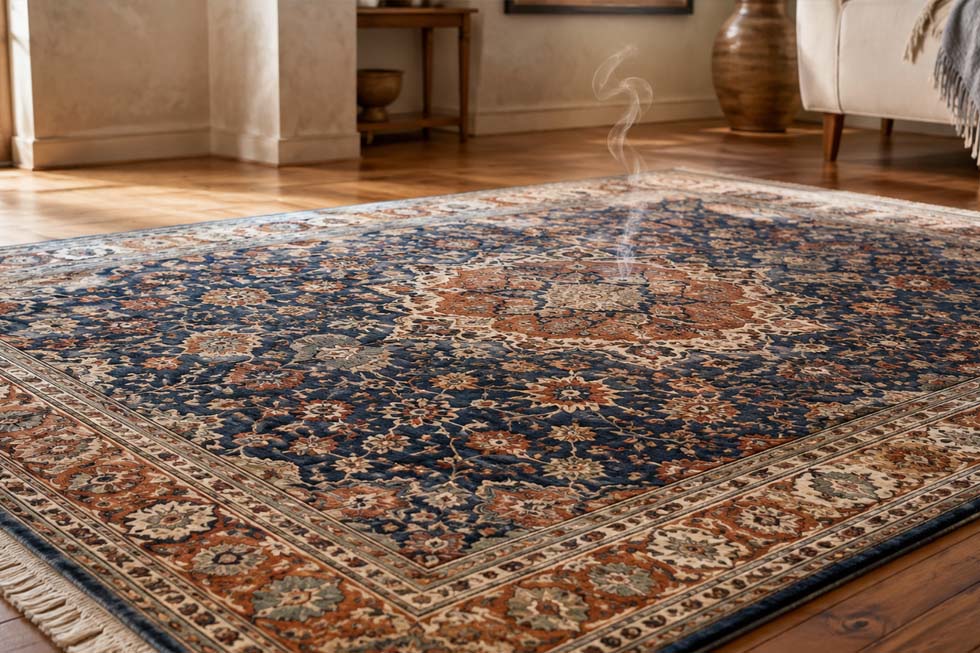
A rug can look freshly vacuumed and still make a room feel unclean the moment the door closes. That is because persistent rug odor removal is rarely a matter of adding fragrance or treating only the visible surface. When odor keeps returning after spot cleaning, the source is often deep in the rug’s fibers, foundation, backing, or pad.
For Orlando-area homeowners, humidity can make this problem especially frustrating. Warm, moist air can reactivate odors that seemed gone, while pets, spills, and everyday foot traffic add new soil to the same area. The right answer depends on what caused the smell, what the rug is made of, and whether contamination has reached beyond the face fibers.
Why Rug Odors Keep Coming Back
A lingering odor is usually a sign that residue remains behind. Perfumed sprays may cover the smell temporarily, but they do not remove the material producing it. Once the fragrance fades or humidity rises, the odor returns.
Pet urine is one of the most common examples. Urine can travel through the pile and settle into the rug’s foundation, then pass into the rug pad or the floor beneath it. As the area becomes humid, odor-causing compounds can become noticeable again. A quick surface treatment may improve the smell for a day or two, but it cannot reliably reach contamination that has soaked through several layers.
Food and drink spills can create a different kind of odor. Milk, juice, sauces, and other organic spills may leave behind sugars, proteins, or oils that attract soil and support bacterial growth. Smoke, mildew, and long-term storage odors can also become embedded in natural fibers, particularly wool, cotton, and silk.
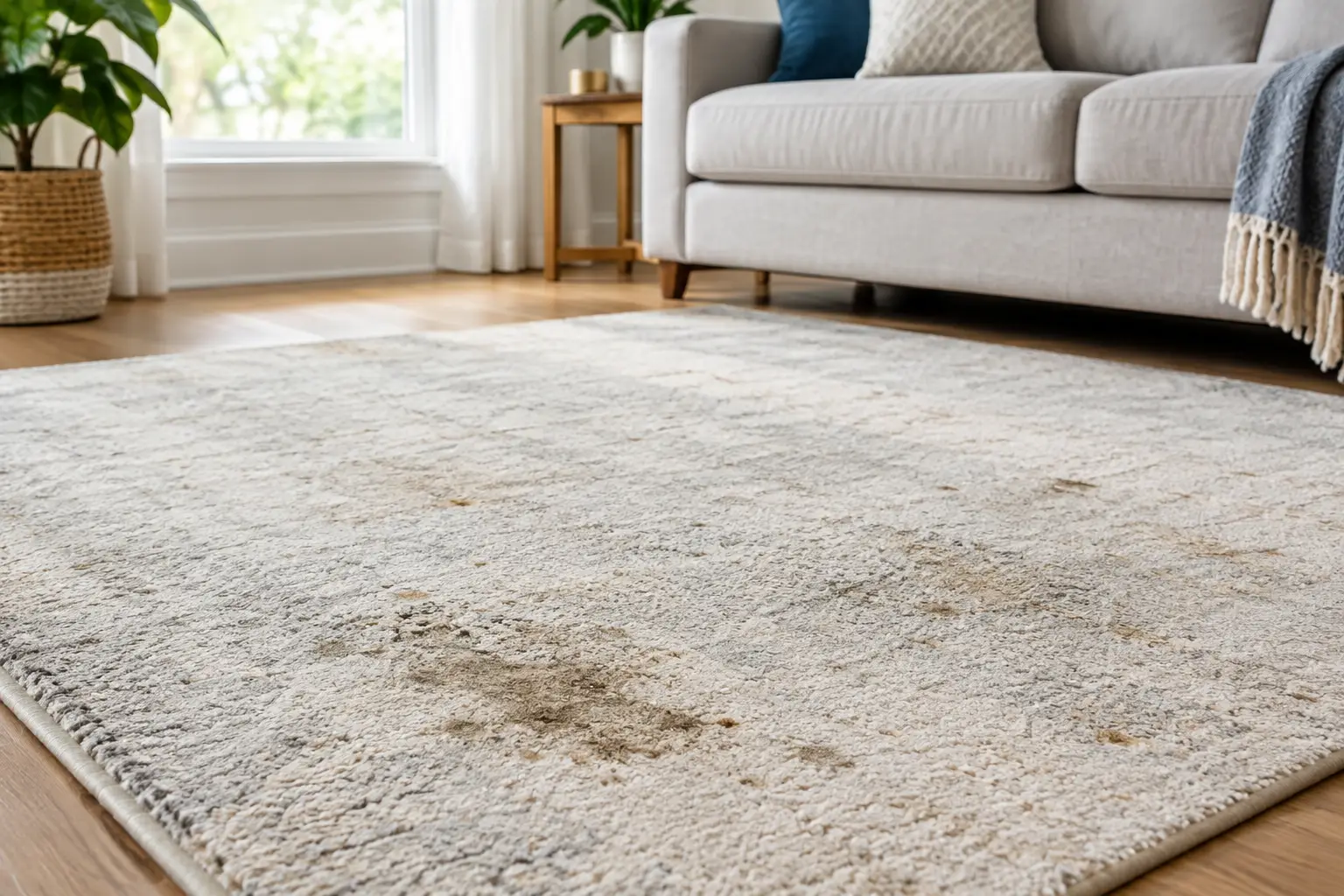
It is also possible for a rug to smell musty without obvious staining. A rug that was cleaned but not dried thoroughly, exposed to a plumbing leak, or stored in a damp garage may hold moisture in its foundation. In those cases, treating the smell without addressing the moisture history can lead to disappointing results.
Persistent Rug Odor Removal Starts With Identification
Before any washing begins, a careful rug professional considers the source and extent of the odor. This matters because a hand-knotted wool Oriental rug requires a different approach than a machine-made synthetic area rug, and both should be handled differently from a delicate silk or viscose piece.
The first questions are practical: Is the odor concentrated in one area or throughout the entire rug? Has a pet repeatedly used the same location? Is there a pad beneath the rug? Has the rug recently been wet, stored, or exposed to smoke? These details help determine whether the rug needs general washing, targeted decontamination, odor treatment, or inspection for related concerns such as color bleeding, fiber damage, or mold risk.
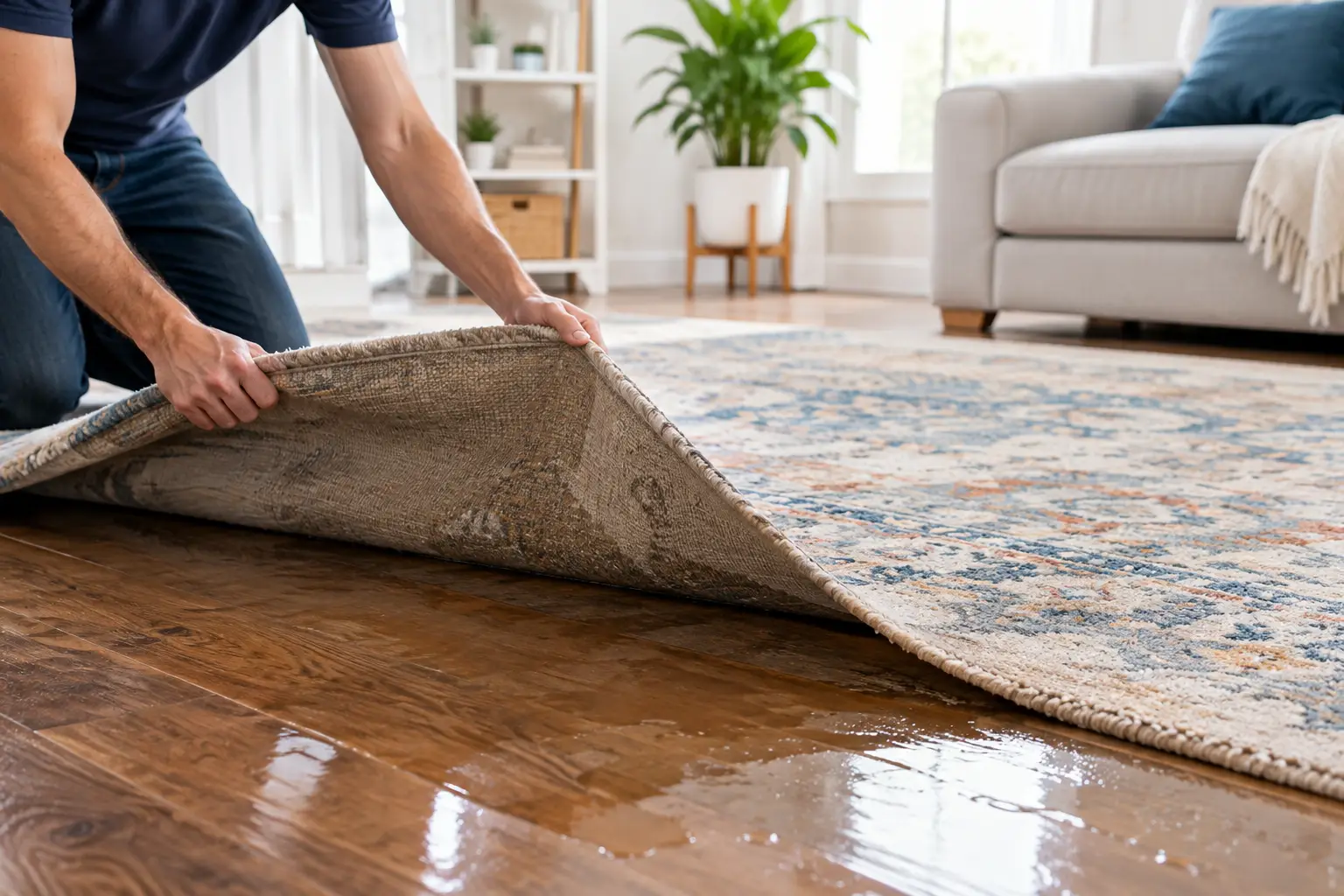
A rug pad should not be overlooked. If pet urine or a spill traveled through the rug, an affected pad can continue releasing odor even after the rug is cleaned. Depending on its material and condition, a pad may need separate treatment or replacement. The floor underneath should also be checked, especially on wood flooring where moisture and residue can be trapped against the surface.
Why Surface Cleaning Often Falls Short
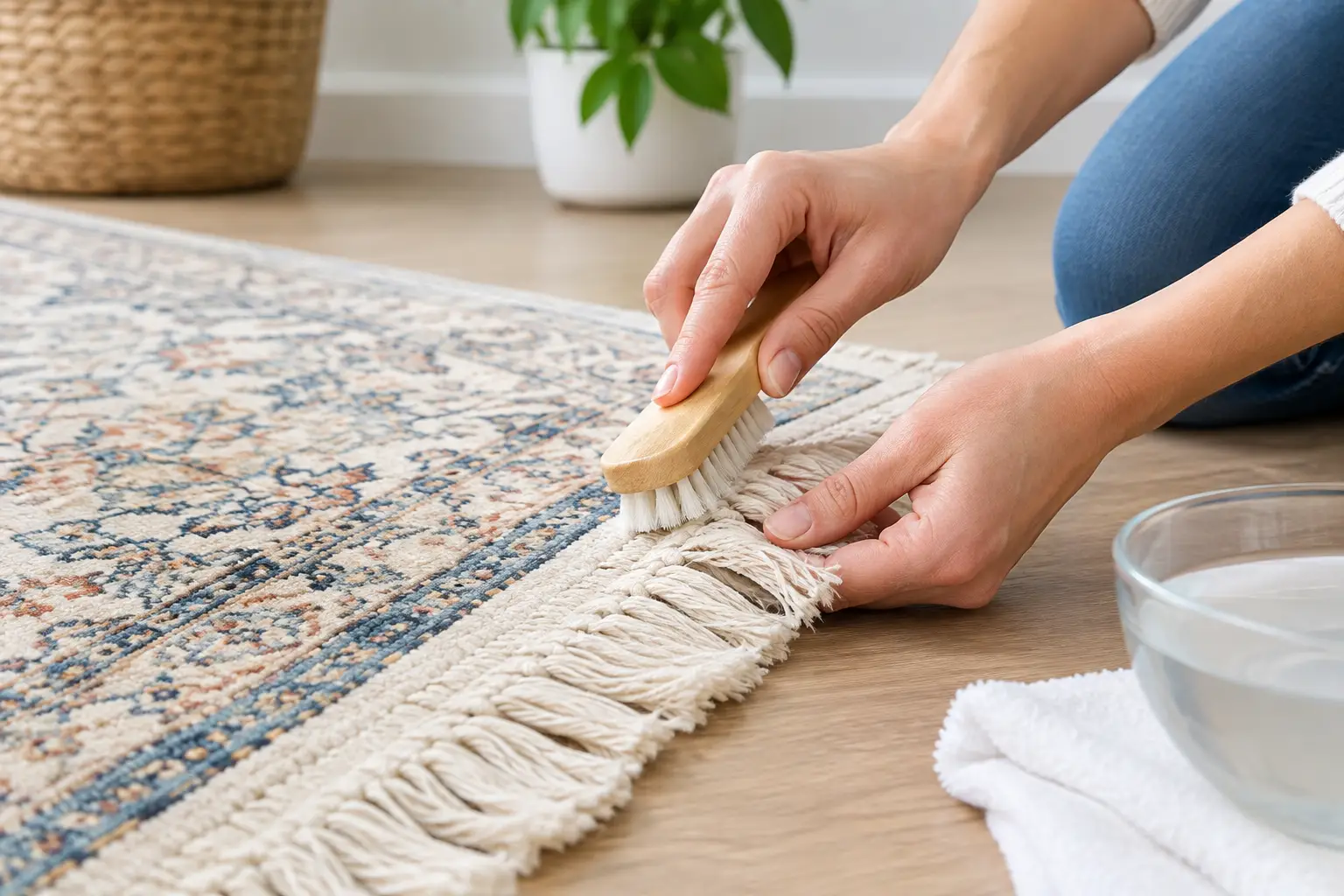
Rental machines and household carpet cleaners have a place for light maintenance, but they are not always suitable for a persistent odor problem. They typically clean from the top down and may leave moisture behind if extraction is limited. On fine rugs, overly wet cleaning, aggressive brushing, or the wrong chemistry can create additional concerns, including dye movement, texture changes, browning, or weakened fibers.
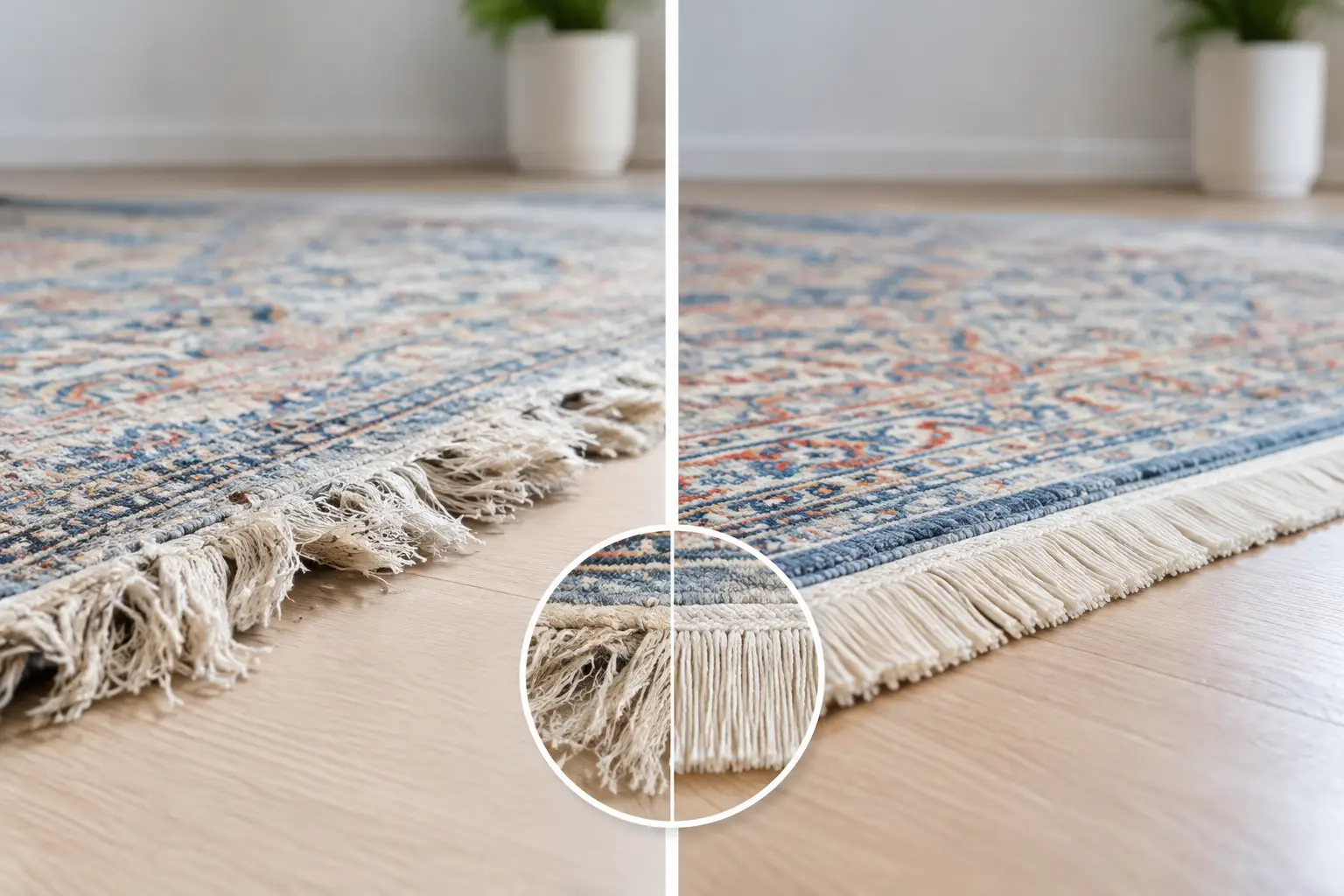
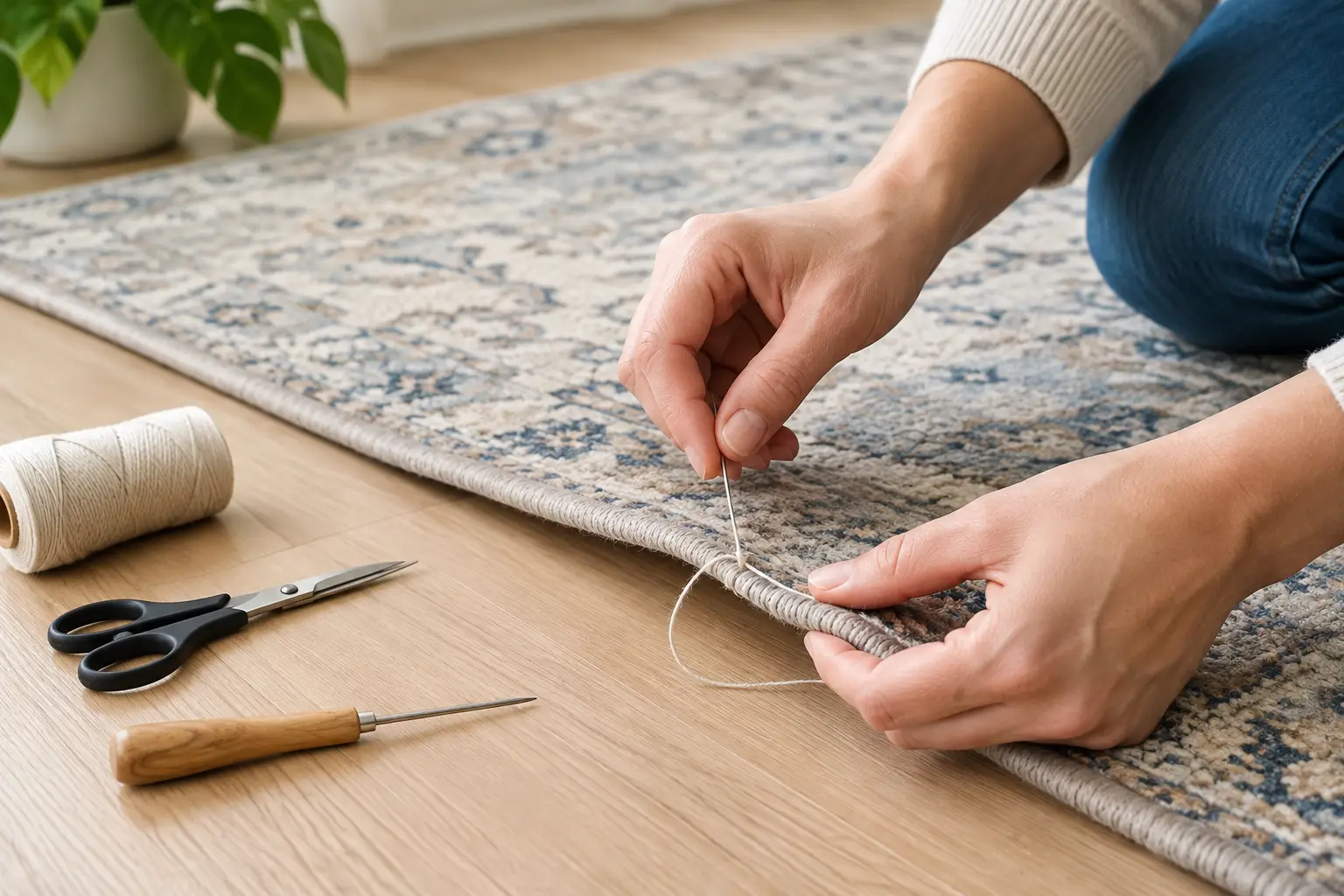
The challenge is even greater with rugs that have a substantial foundation. Oriental and handwoven rugs are not simply pieces of wall-to-wall carpet cut to size. Their pile, warps, wefts, fringe, and backing structure may hold soil and contaminants well below the visible surface. A smell that seems mysterious from above can be very clear once the rug is inspected from both sides.
Strong chemicals are not automatically the answer. Bleach, harsh deodorizers, and high-alkaline products can be risky for natural fibers and dyes. They may mask an odor while compromising the rug’s color, feel, or longevity. For a valuable, antique, designer, or sentimental rug, preserving the textile should remain part of the solution.
The Value of In-Studio Rug Washing
When odor is embedded, professional in-studio washing provides a more complete path than an in-home surface treatment. The goal is to safely flush out the soil and odor source rather than simply freshen the top fibers.
A thorough process begins with inspection and dry soil removal. Fine dust, sand, pet hair, and dry debris can settle deeply into a rug over time. Removing this material first allows the washing stage to work more effectively and prevents wet soil from becoming mud within the fibers.
The rug can then be washed with methods selected for its construction, fiber type, dyes, and condition. Water-based bathing, a process rooted in traditional Persian rug care, is especially useful when a rug needs attention throughout its full depth. Targeted pet urine decontamination may be needed before or during washing when the contamination is concentrated or severe.
Rinsing and controlled drying matter just as much as washing. If cleaning residue remains, it can attract new soil. If moisture remains too long, it can contribute to musty odors or texture issues. Proper drying helps return the rug to service clean, fresh, and ready for the home without leaving hidden dampness behind.
Results do depend on the history of the rug. A recent accident that is treated promptly is generally easier to resolve than urine that has dried and reactivated for years. Some very old or extensive contamination may have affected dyes, fibers, padding, or flooring. A trustworthy provider should explain the condition of the rug and set clear expectations before treatment.
What You Can Do Before Professional Care
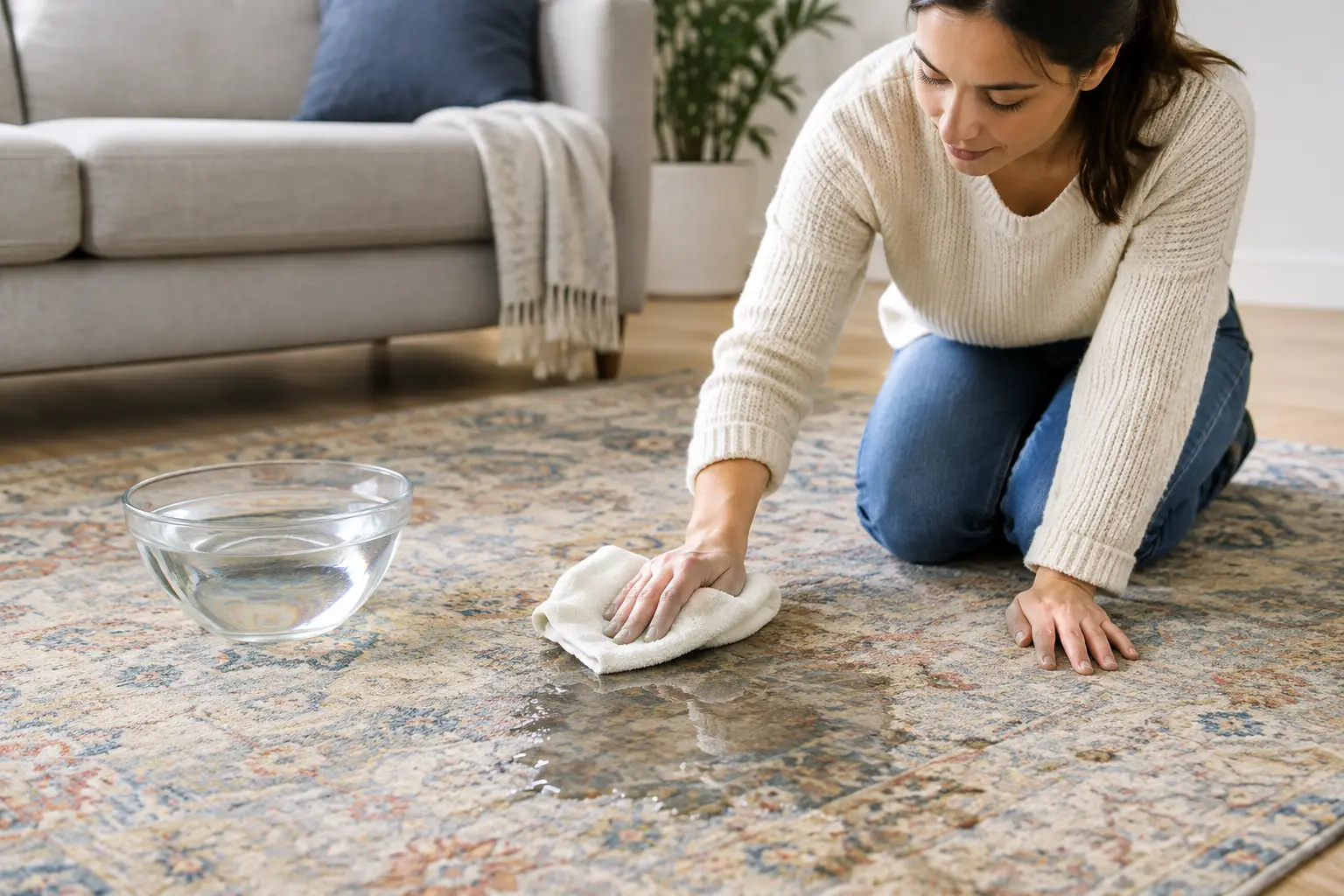
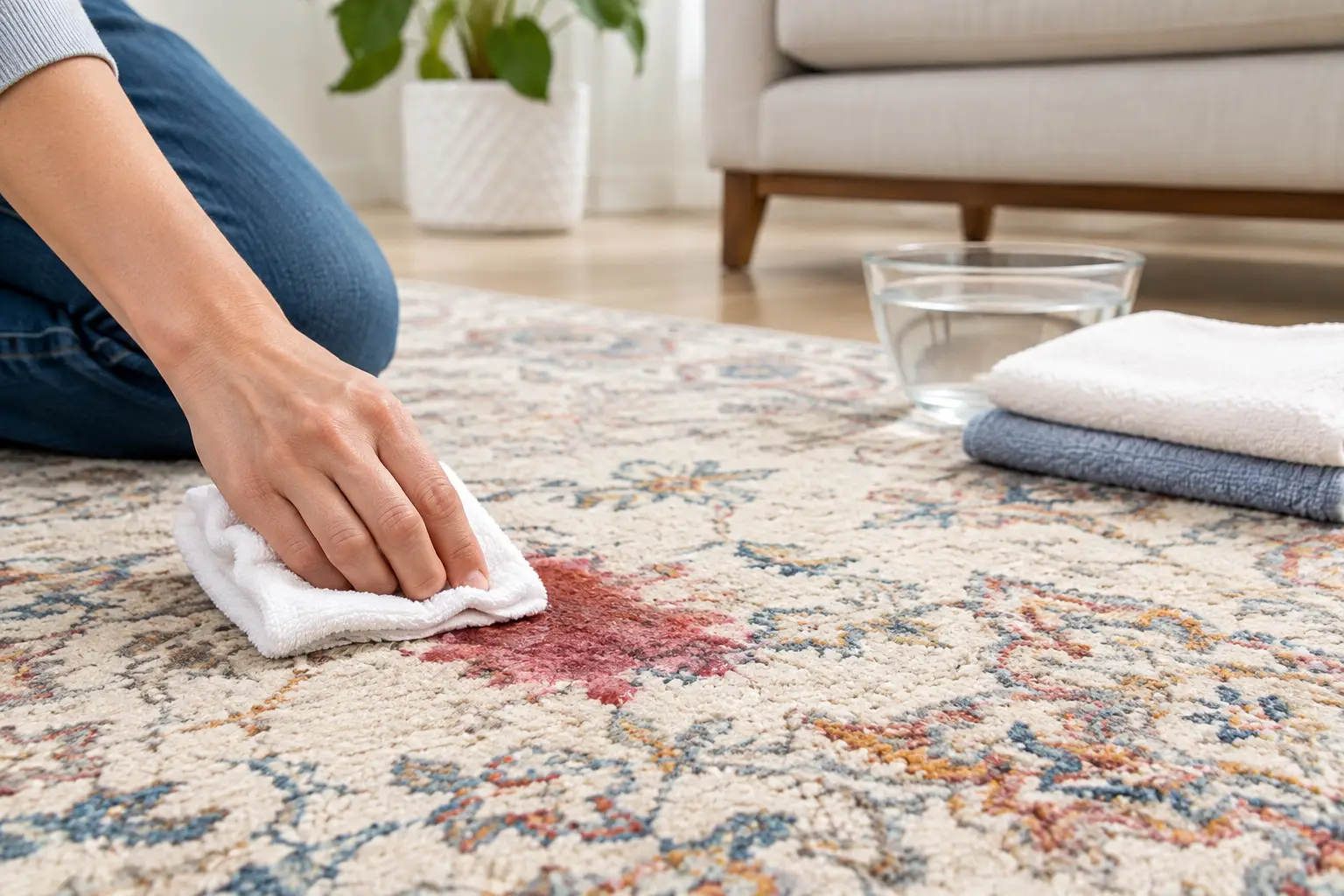
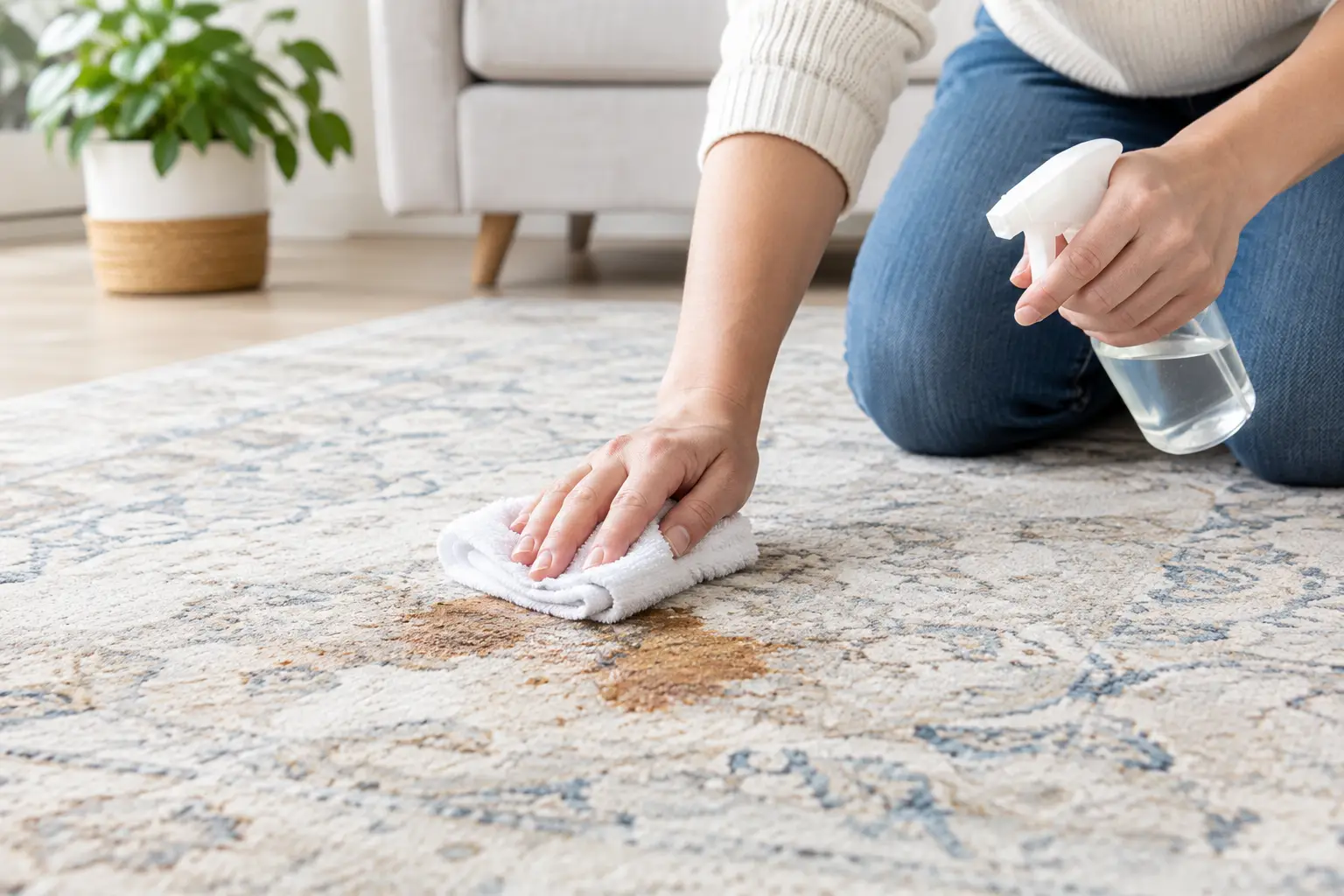
If an accident is fresh, act quickly but gently. Blot the area with clean white towels, using firm pressure rather than scrubbing. Continue until the towels pick up very little moisture. Avoid saturating the rug with household cleaners, steam, vinegar mixtures, or heavily scented products, particularly if you do not know the rug’s fiber content or dye stability.
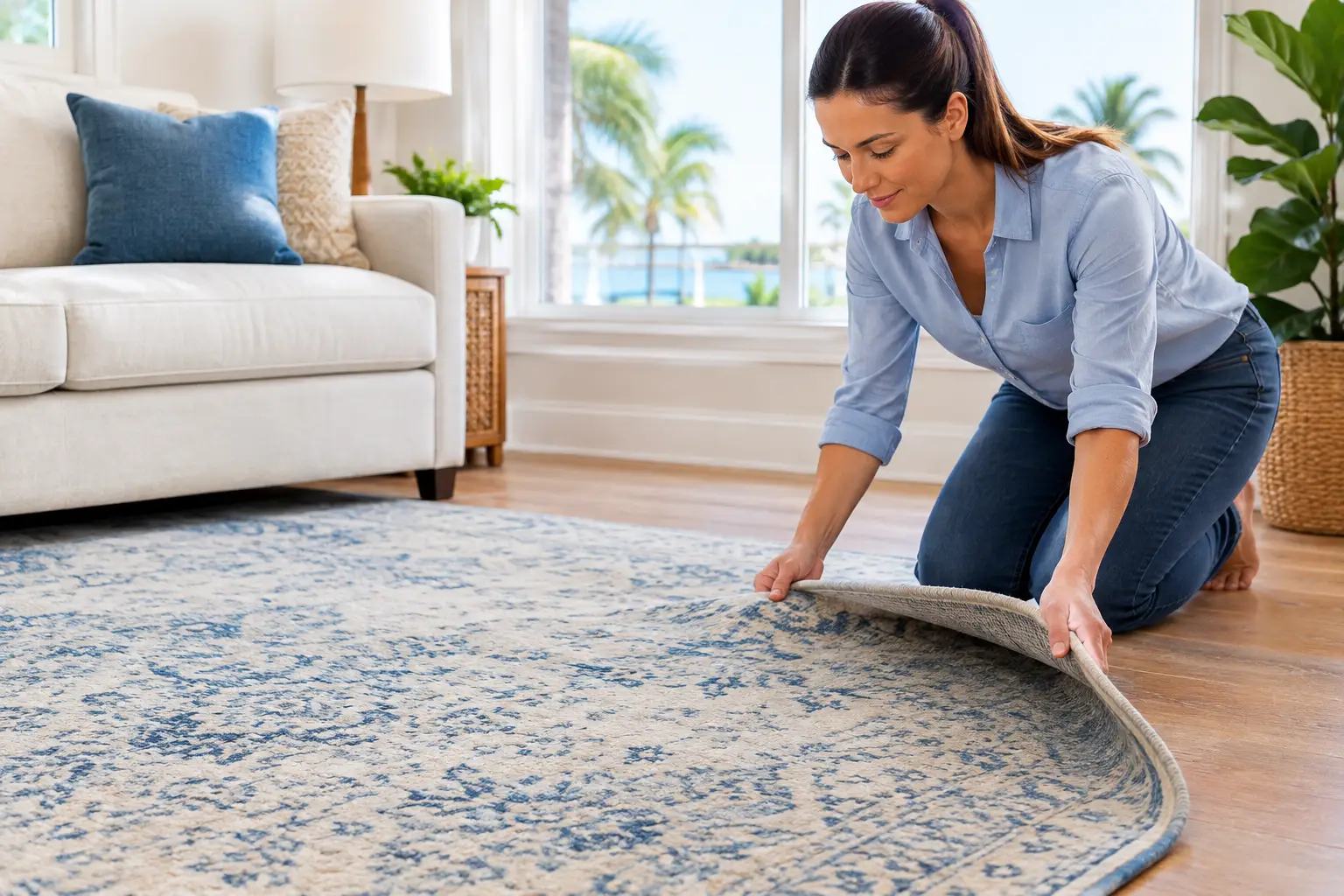
Do not fold, roll, or stack a wet rug. Keep it flat in a well-ventilated area, away from direct high heat, until it can be evaluated. If the rug is over a pad, lift it carefully if possible and allow air to reach both the rug and the floor. This simple step can reduce the chance of moisture becoming a second problem.
For ongoing pet issues, note where and how often accidents occur. That information helps identify whether the entire rug needs treatment or whether a few repeated zones require focused attention. It is also useful to mention any prior cleaning attempts, since some products can affect the washing plan.
Protecting the Rug After Odor Treatment
Once a rug has been properly cleaned, a few practical choices can help preserve the result. A quality custom-fit rug pad provides cushioning, reduces slipping, and helps protect hard-surface floors. It also creates a manageable layer between the rug and the floor, which can be valuable in homes with pets or active family rooms.
Stain protection may be appropriate for some rugs and households, particularly where children, pets, or frequent entertaining put the rug at higher risk. It is not a substitute for prompt care after a spill, but it can give you more time to respond before liquids penetrate deeply. Regular professional washing, timed to the rug’s use and exposure rather than an arbitrary schedule, also prevents gradual buildup from becoming an odor issue.
If you are unsure whether a smell is coming from the rug, pad, or floor, do not keep adding products in hopes that one will work. A clear assessment can save time, protect the rug, and prevent a small issue from becoming a lasting one.
For households in Orlando, Winter Park, Winter Garden, and nearby Central Florida communities, 1st Impressions Oriental and Area Rug Cleaning can evaluate odor concerns and recommend careful treatment for the rug’s specific construction and condition. A few photos, measurements, and details about the odor are often enough to begin a useful conversation. The most reassuring outcome is not a stronger perfume in the room, but a rug that is genuinely clean enough to enjoy again.