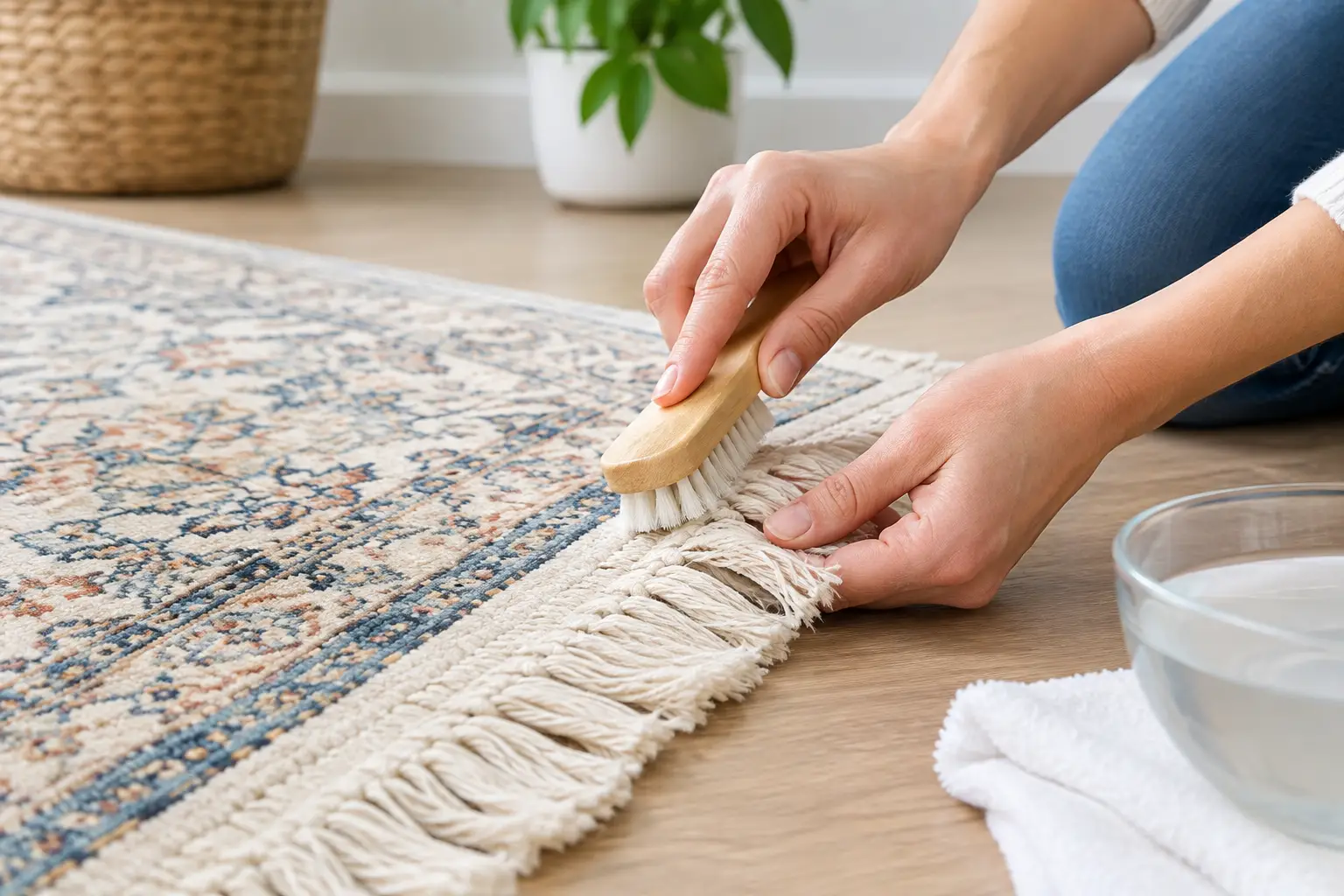
A fringe that is thinning, tangled, or coming loose can look like a small cosmetic issue. On many handwoven rugs, however, the fringe is not an add-on. It is the visible end of the rug’s foundation. Timely oriental rug fringe repair can stop a manageable problem from becoming a more involved structural restoration.
For homeowners in Orlando, Winter Park, Winter Garden, and nearby Central Florida communities, fringe damage is often made worse by everyday use: vacuum brushes catching the ends, pets chewing fibers, furniture resting on an edge, or repeated traffic pulling on weakened yarns. The right repair depends on how the rug was made, what fibers it contains, and whether the foundation itself has begun to deteriorate.
Why Fringe Matters More Than It Appears
On a traditionally hand-knotted Oriental rug, the fringe is commonly formed by the warp threads that run lengthwise through the entire piece. Those warps hold the knots in place. When they become too short, broken, or detached, the knot rows at the end of the rug can begin to loosen.
That is why simply cutting off worn fringe is rarely the right answer for a valuable or sentimental handmade rug. A short, even trim may be appropriate in limited situations, but only after examining whether enough foundation remains to secure the end. If the fringe has worn back to the first row of knots, the rug may need stabilization before additional yarn is lost.
Machine-made rugs are different. Their fringe may be sewn on as a decorative trim rather than serving as the foundation. Replacing it can improve appearance, but the repair process and urgency are not the same. A trained rug professional should identify the construction before recommending a solution.
Signs Your Rug Needs Fringe Attention
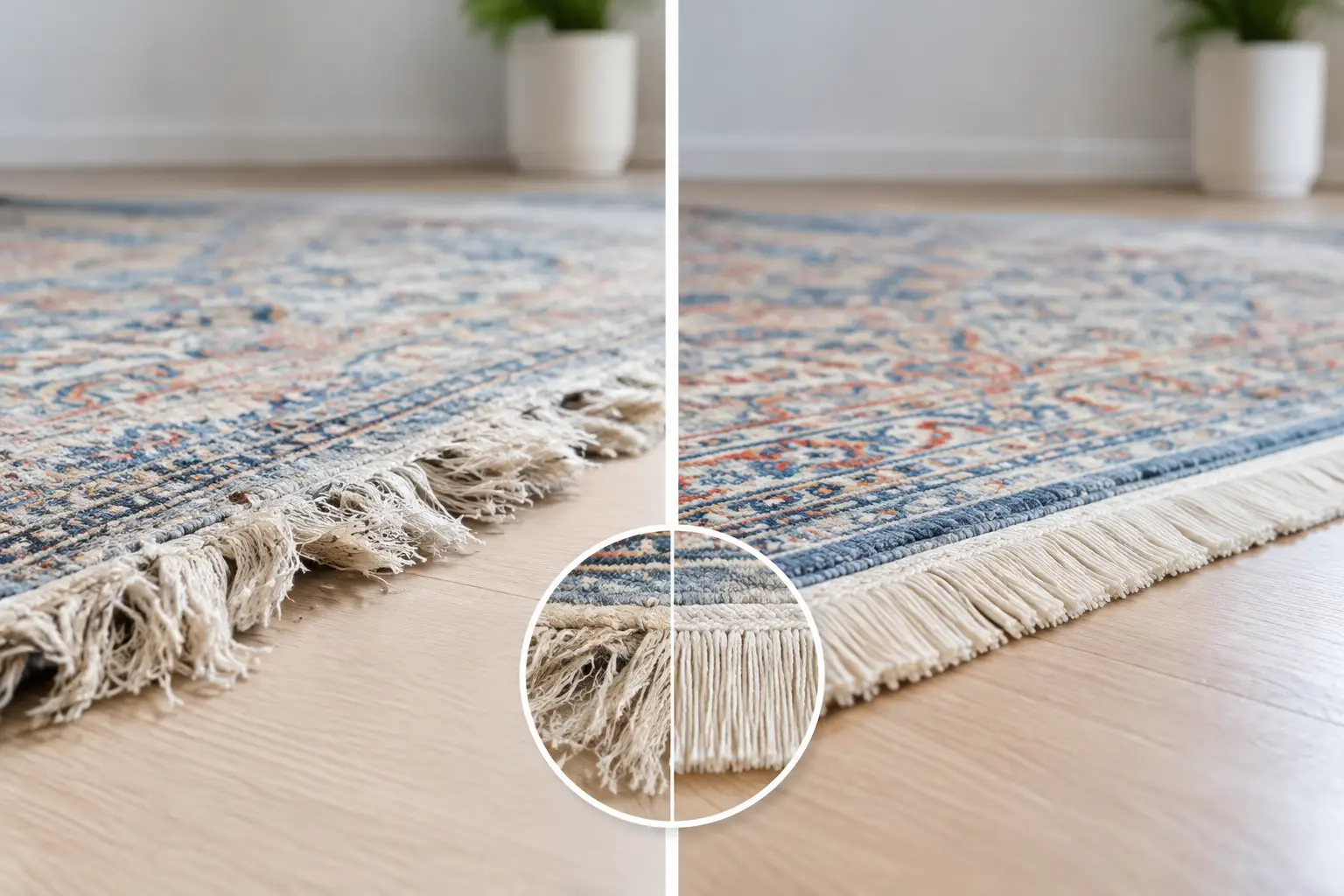
The earliest warning sign is often a fringe that no longer lies evenly. It may be yellowed, matted, noticeably shorter on one side, or knotted together after repeated vacuuming. These conditions deserve attention, but they do not always mean the rug needs new fringe.
More concerning signs include exposed or broken warp threads, a row of knots pulling away at the rug’s end, uneven gaps where fringe has detached, or a curling edge that will not lay flat. If you can see bare foundation threads or loose knots, avoid placing the rug back in a busy walkway until it has been assessed.
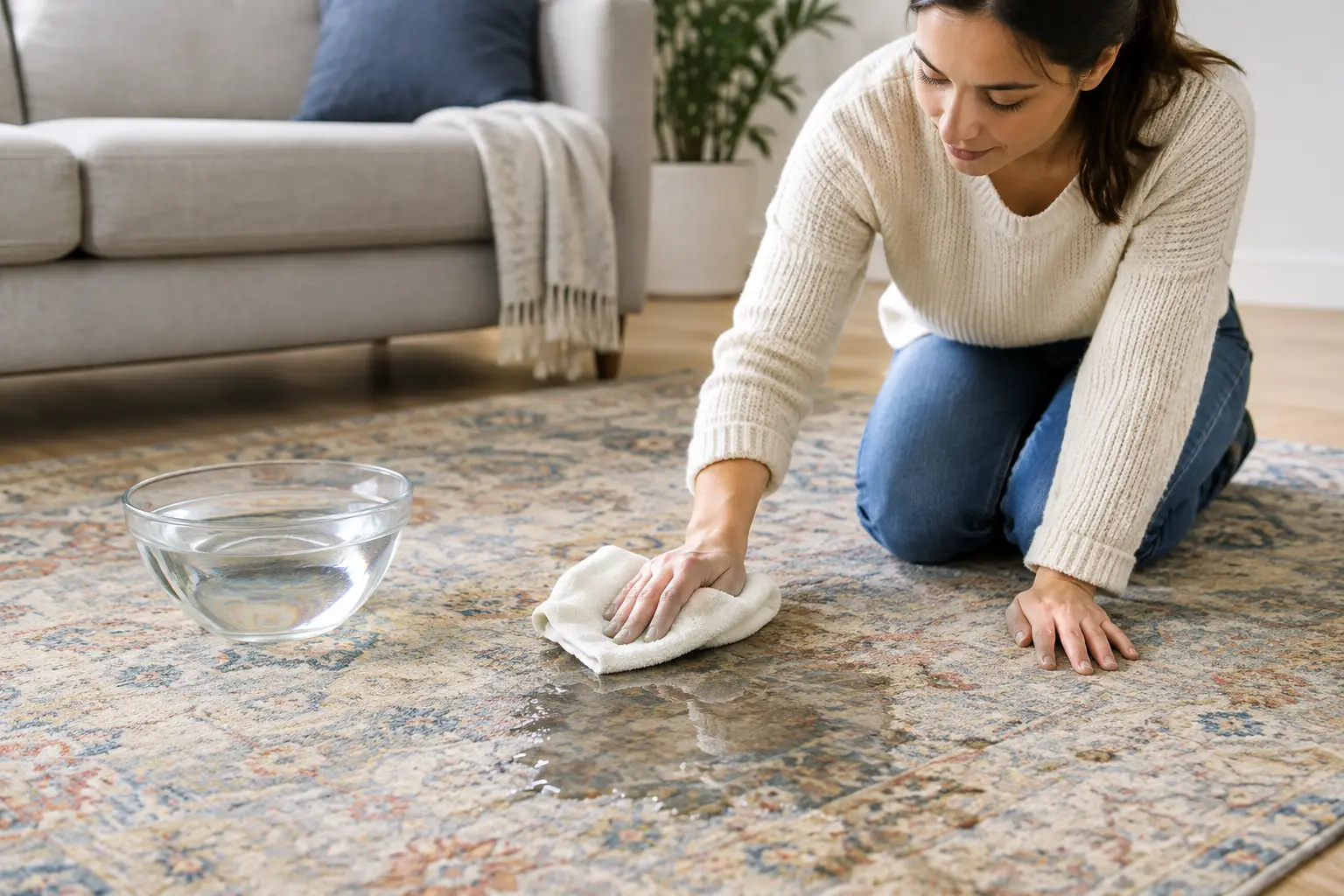
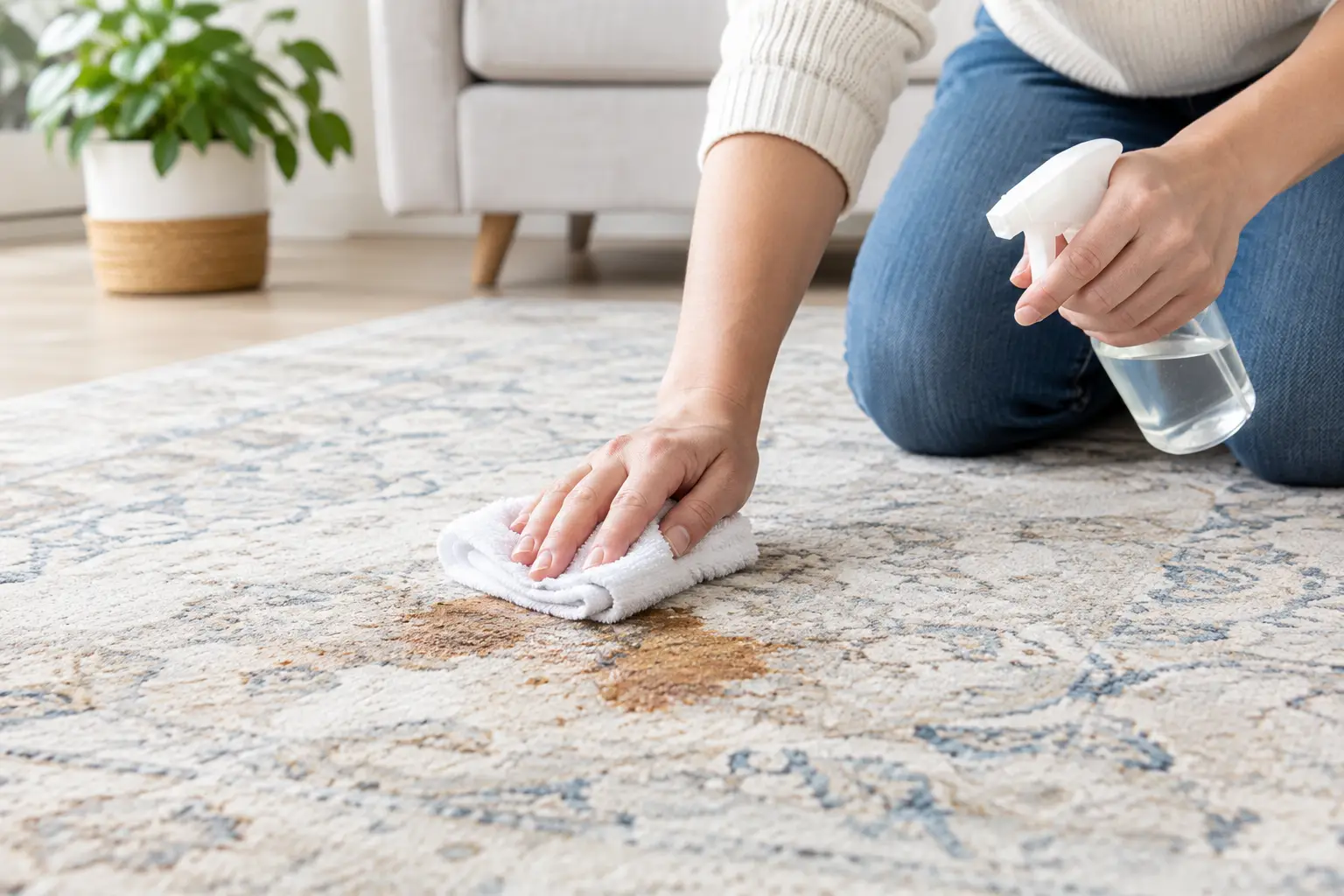
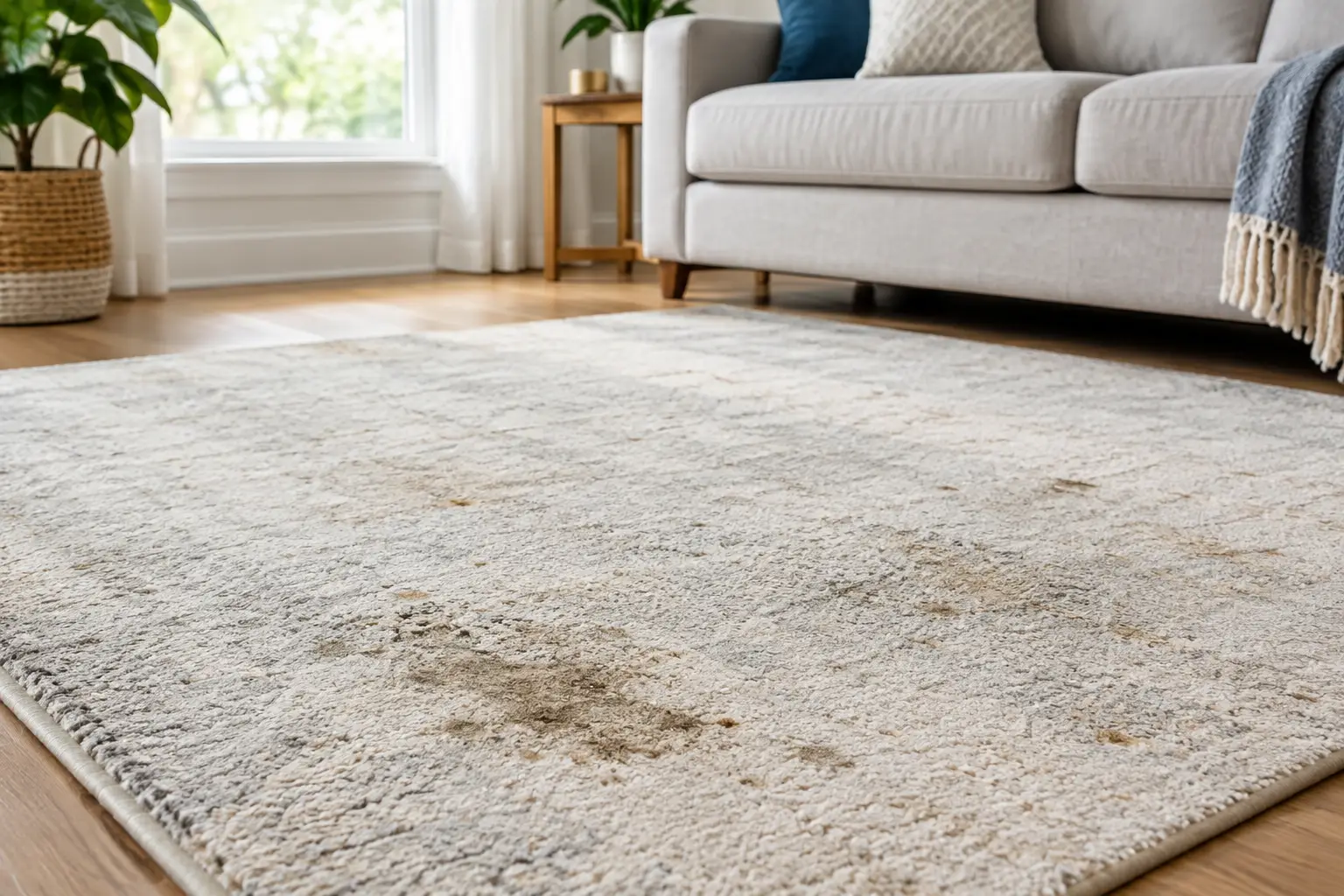
Pet damage also calls for a closer look. Chewing can remove fringe quickly, while urine contamination may weaken natural fibers and leave odor below the surface. Cleaning the affected area without addressing the damaged structure can leave the rug vulnerable to continued unraveling.
What Professional Oriental Rug Fringe Repair Can Include
There is no one-size-fits-all fringe repair. The goal is to protect the rug’s construction while making the finished edge look appropriate for its age, weave, and use.
Securing the End Before It Unravels
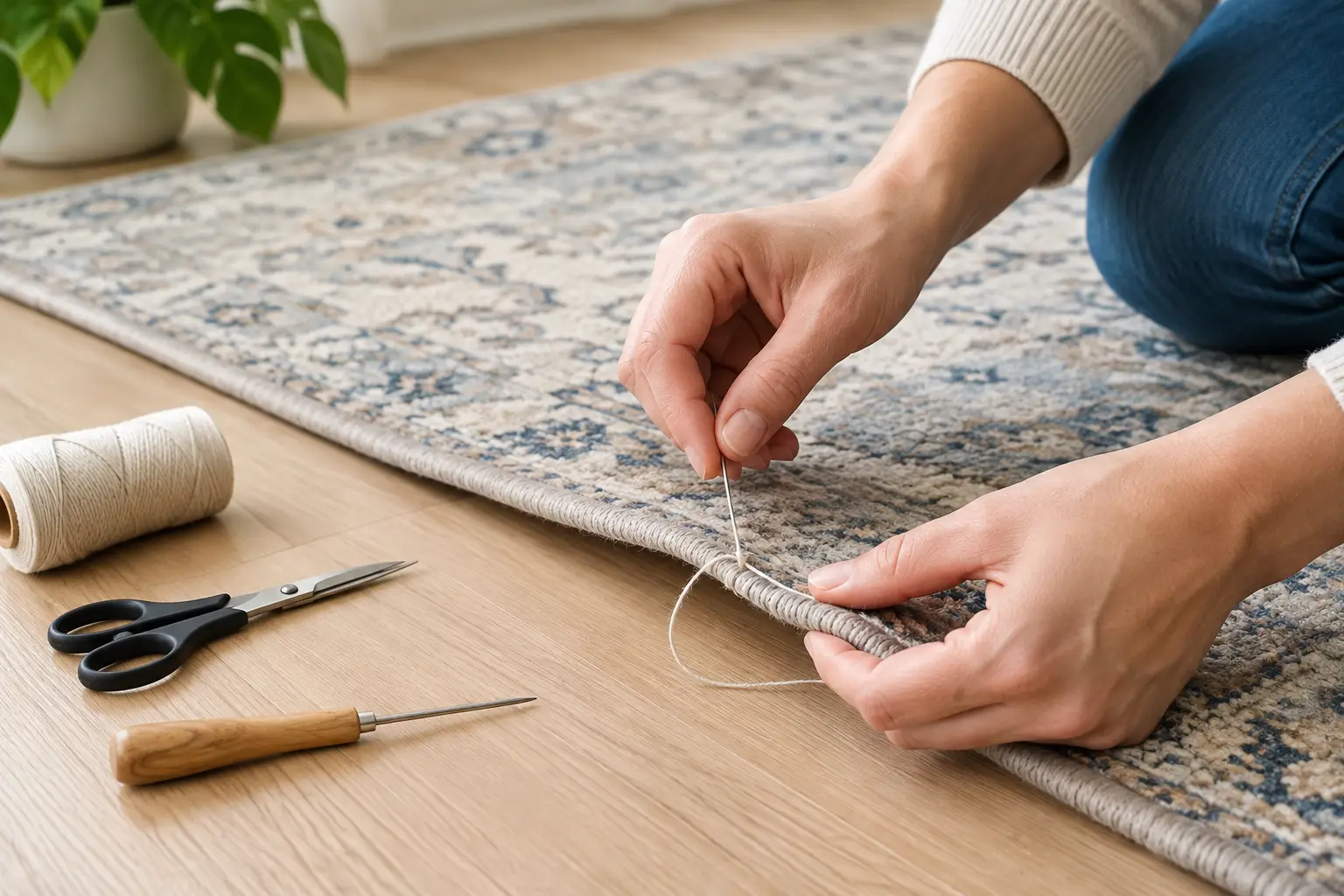
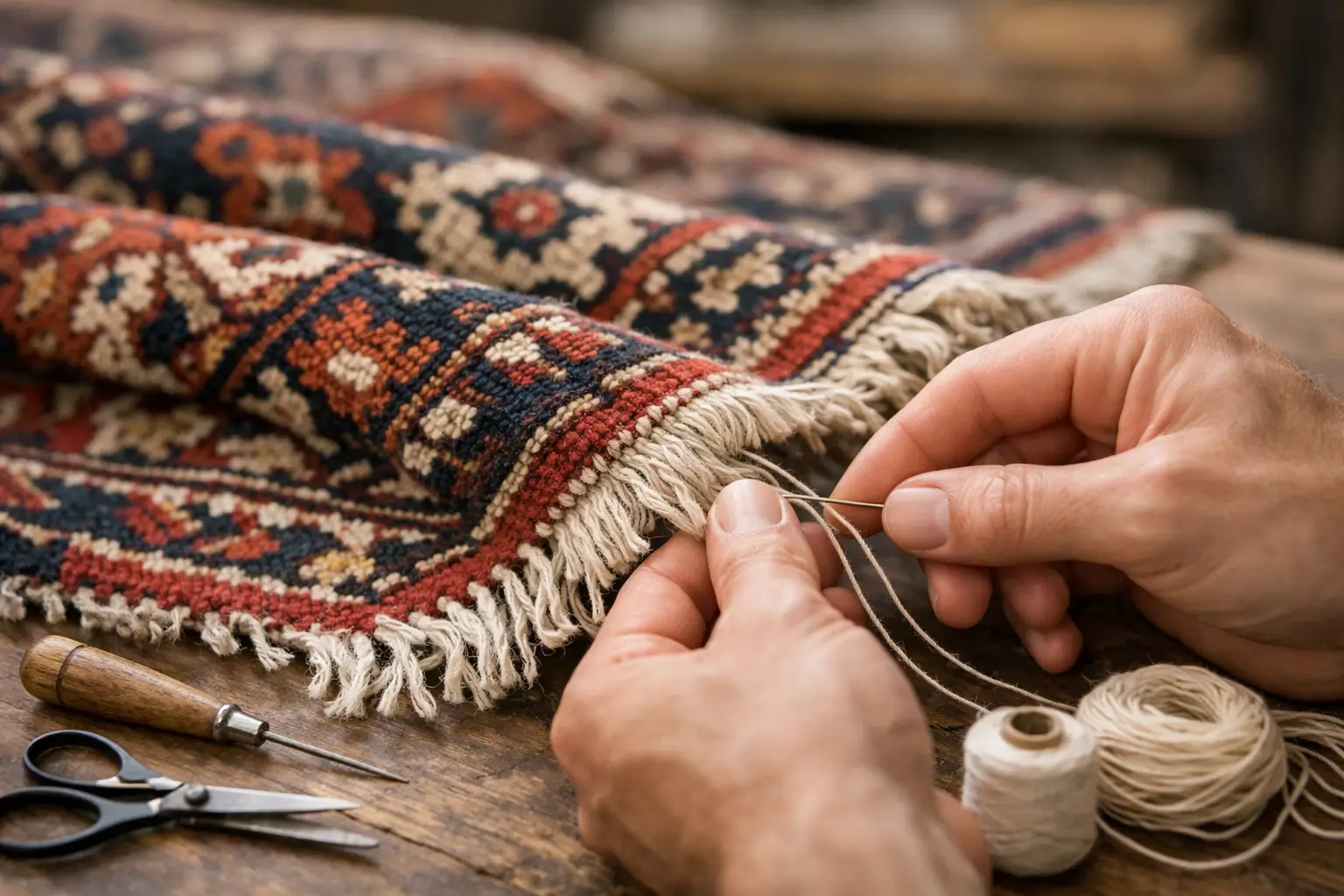
When fringe is worn but the rug still has an intact foundation, an end-stop repair may be the most practical solution. This involves securing the terminal knots or adding a stabilizing finish at the end so the weave cannot continue to open. It may preserve the remaining fringe, or it may create a clean, durable edge where fringe has become too compromised.
This approach is often a good choice for rugs that receive regular family use. It can be less costly than extensive reconstruction while addressing the structural risk that matters most.
Refringing or Rebuilding Missing Areas
If the rug has lost fringe but retains enough sound foundation, new fringe can sometimes be added and finished by hand. The color, thickness, fiber type, and length should be selected with care. Bright white cotton fringe on an older ivory-toned wool rug, for example, can look noticeably out of place.
When damage extends beyond the fringe into the end of the rug, repair may require rebuilding foundation threads and re-securing or re-knotting affected areas. This is detailed work. The amount of restoration that makes sense depends on the rug’s value, its condition overall, and whether the owner wants a display-quality result or a sound, serviceable rug for everyday use.
Cleaning Before Repair When Soil Is Involved
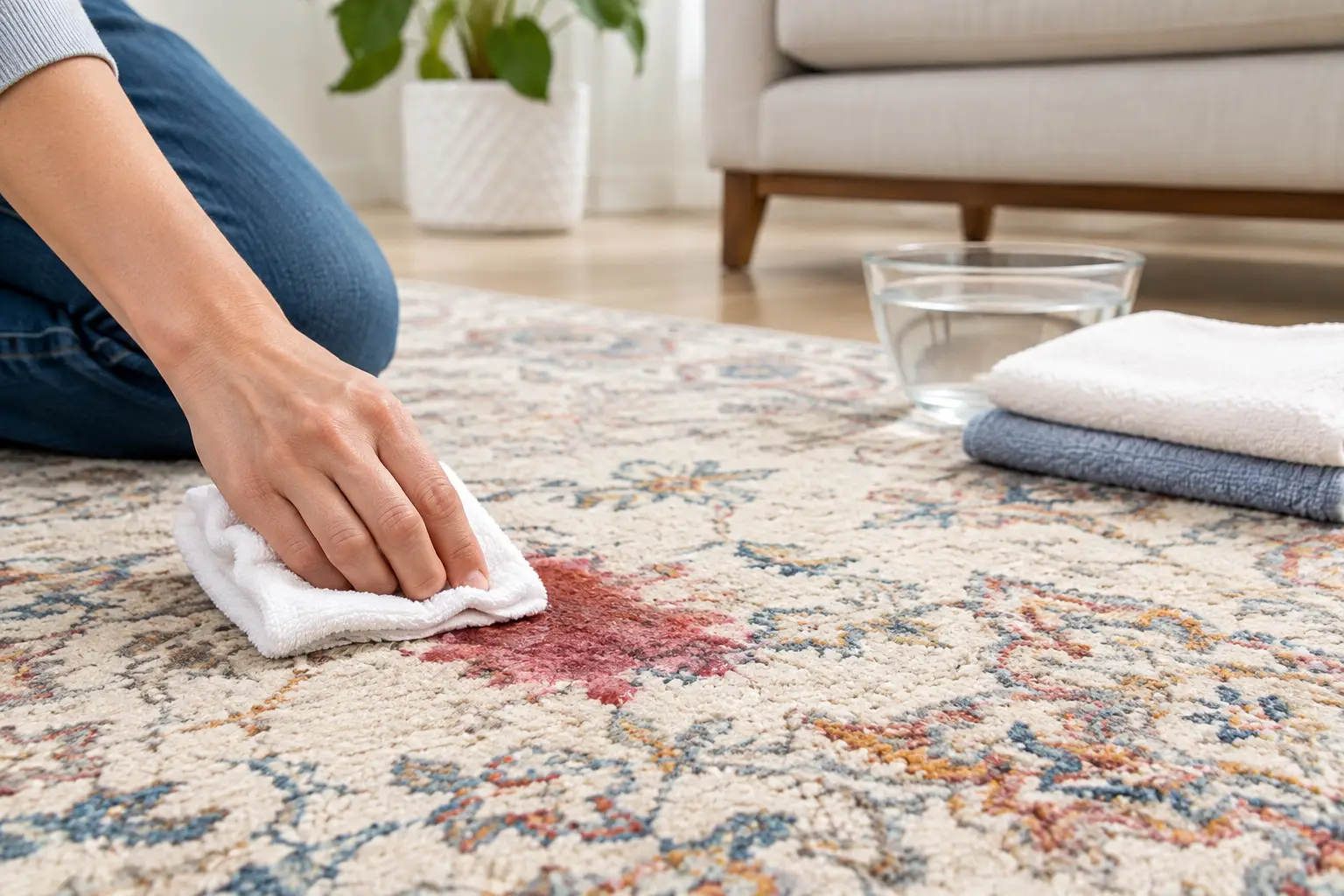
Fringe often holds more soil than the rug field because it is exposed at the edge and catches dust, pet oils, and spills. A fringe that looks gray or yellow is not necessarily permanently discolored. Proper washing can improve its appearance substantially without relying on bleach or harsh chemicals that may weaken fibers.
When a rug has odor, urine deposits, staining, or embedded soil, cleaning before structural repair is usually the better order of work. A thorough water-based bathing process allows the rug to be evaluated clean and dry, and it helps prevent soil from being trapped around newly repaired areas.
Repairs That Look Good but Create Problems
Home remedies are tempting when a few strands are loose, especially if the rug is otherwise in good shape. Unfortunately, some quick fixes can make professional repair harder later.
Do not use household glue, tape, fabric adhesive, or iron-on products at the rug’s ends. These materials can stiffen natural fibers, attract soil, discolor with age, and prevent proper handwork. Likewise, avoid tying multiple fringe strands into large knots. Knots may temporarily shorten loose fringe, but they pull on the foundation and can create uneven tension.
Vacuuming requires care, too. Do not run a beater bar directly over the fringe. Vacuum the rug body with the proper setting, then use suction only around the ends or gently lift away loose debris by hand. If fringe is already fragile, it is safer to keep the vacuum completely off that section.
Trimming should be left to a professional unless the fringe is clearly decorative on a low-value machine-made rug and there is no sign of structural damage. Once warp threads are cut too short, there is no simple way to put that original length back.
Preventing Future Fringe Damage
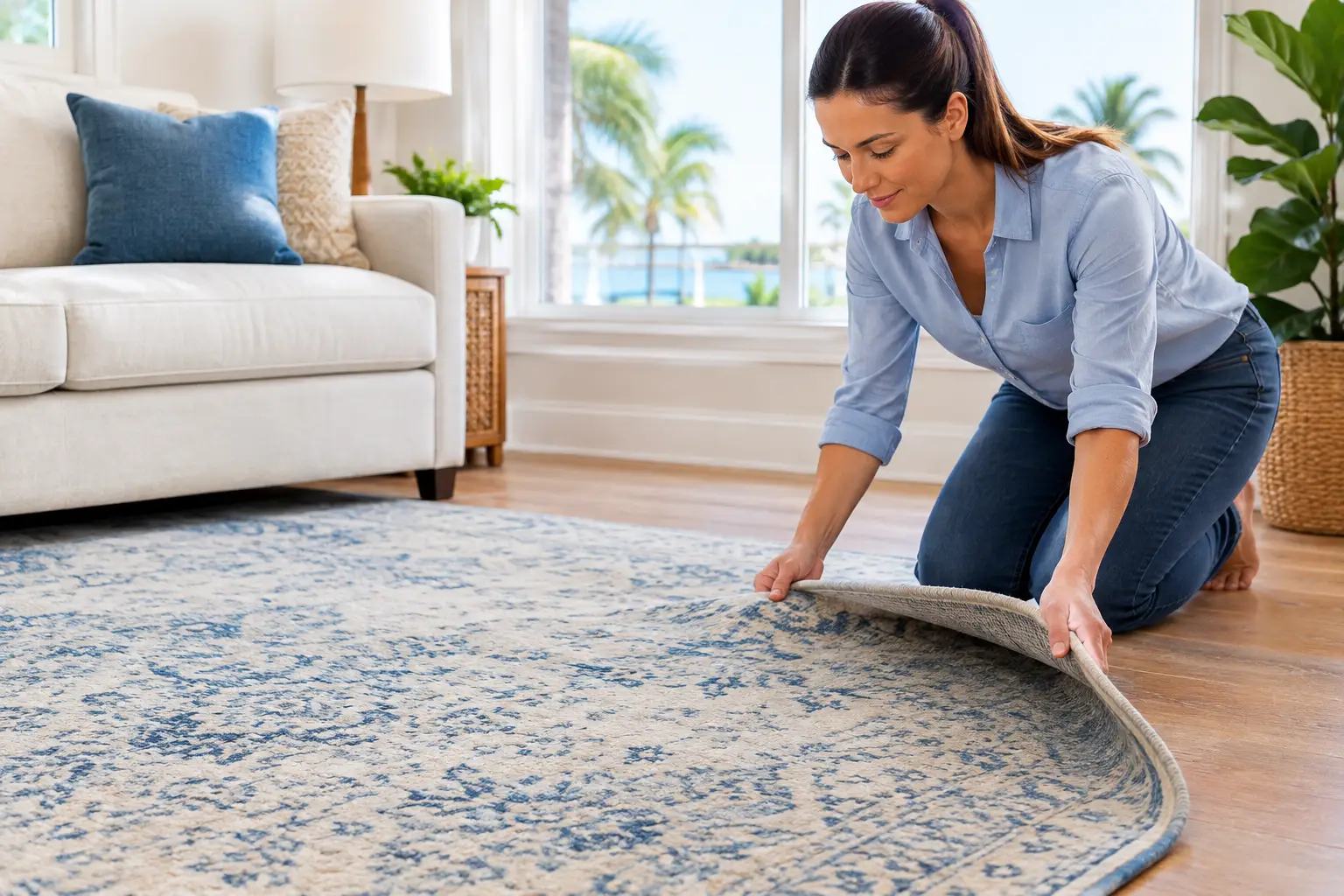
A quality rug pad does more than add comfort. It helps keep the rug from shifting, reduces stress at the edges, and cushions the foundation against hard flooring. A custom-fit pad is especially useful on tile, wood, and other smooth surfaces common in Central Florida homes.
Furniture placement matters as well. Avoid setting heavy furniture legs directly on a fringe edge, and turn the rug periodically if one end receives more sunlight or foot traffic than the other. For rugs near exterior doors, regular professional washing can remove the fine grit that works its way into fibers and accelerates wear.
If moth activity is a concern, do not assume the fringe is the only area at risk. Moths feed on animal fibers such as wool, often in quiet, dark areas beneath furniture or along rug edges. Proper inspection, cleaning, and storage practices protect more than what is visible from above.
Choosing the Right Repair Recommendation
A trustworthy evaluation should begin with the rug itself, not a preset repair package. Construction, fiber content, age, condition, and the owner’s goals all affect the recommendation. A family heirloom may warrant careful restoration, while a contemporary rug in a high-traffic room may be better served by a durable stabilization repair and a protective pad.
At 1st Impressions Oriental and Area Rug Cleaning, rugs can be assessed for cleaning, fringe work, structural repair, and practical protection as part of the same care plan. Clear photos of both rug ends, along with the rug’s dimensions and a note about pets, stains, or loose areas, can help begin a free estimate by text before pickup and delivery are arranged.
A fringe problem rarely improves with more use. If you notice loose knots or exposed foundation threads, roll the rug loosely with the pile facing inward, keep the damaged end protected, and arrange an assessment before a few missing strands become a lost section of the rug.