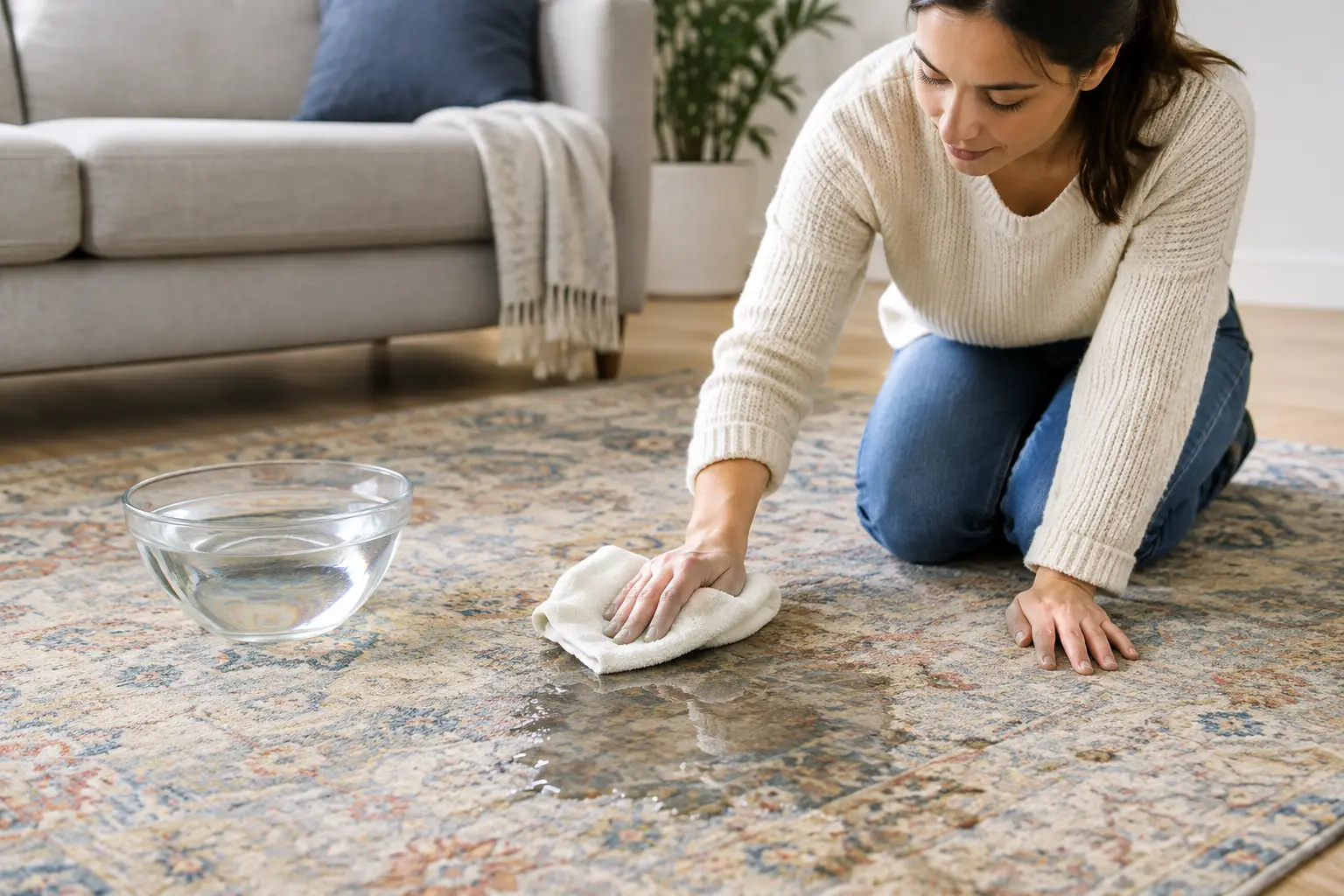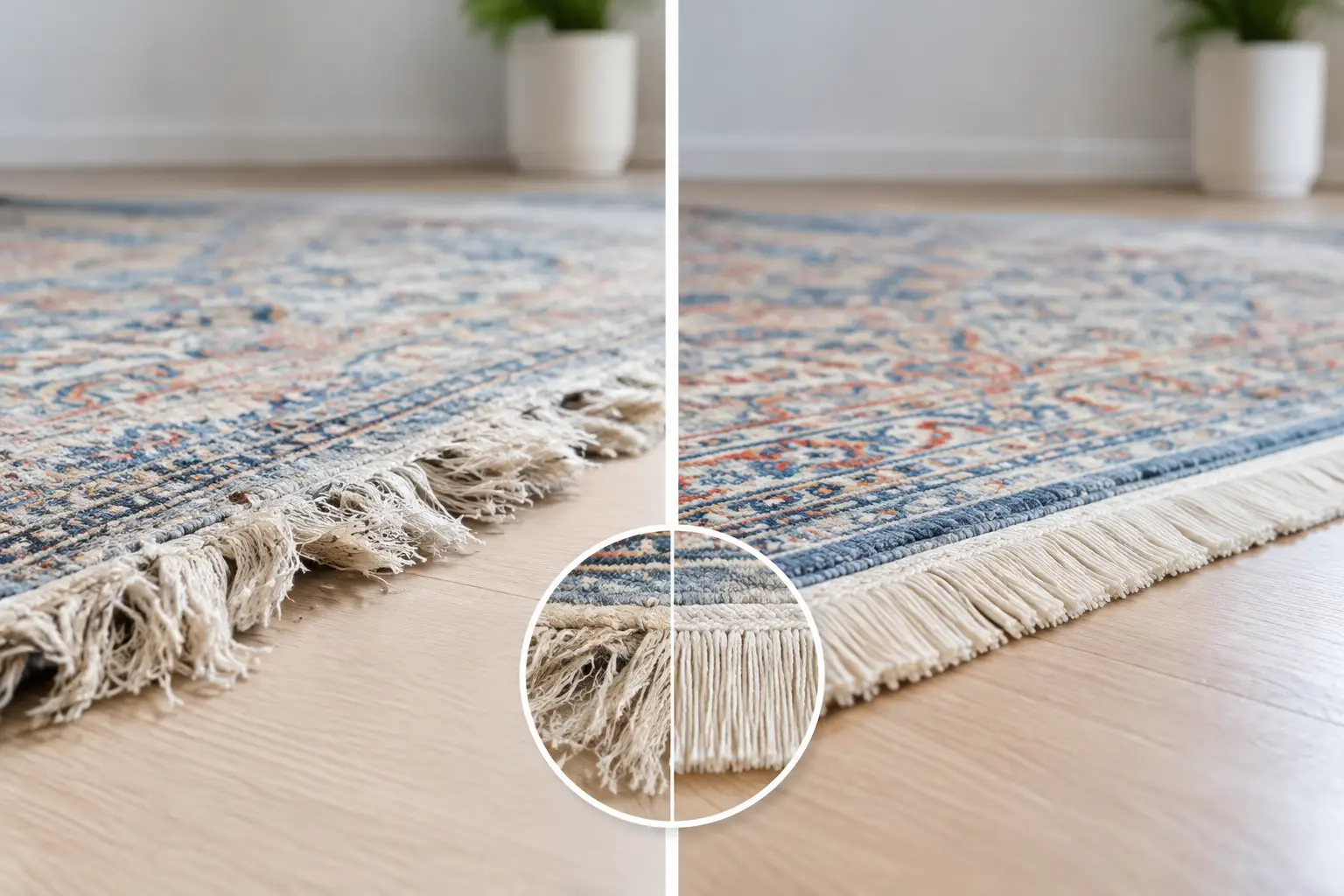
A fine rug can look clean on the surface while holding pounds of dry soil deep in its foundation. In Central Florida, sand, humidity, pet activity, and everyday foot traffic can all speed up that buildup. A proper Oriental rug cleaning process does more than freshen the pile. It addresses what has settled below the fibers while protecting the rug’s dyes, fringe, backing, and structure.
For hand-knotted Oriental rugs, heirloom pieces, silk rugs, and quality designer area rugs, cleaning should never be a one-size-fits-all service. Fiber type, construction, color stability, age, previous cleaning methods, and the source of any odor or stain all affect the right treatment.
The Oriental Rug Cleaning Process Starts With Inspection
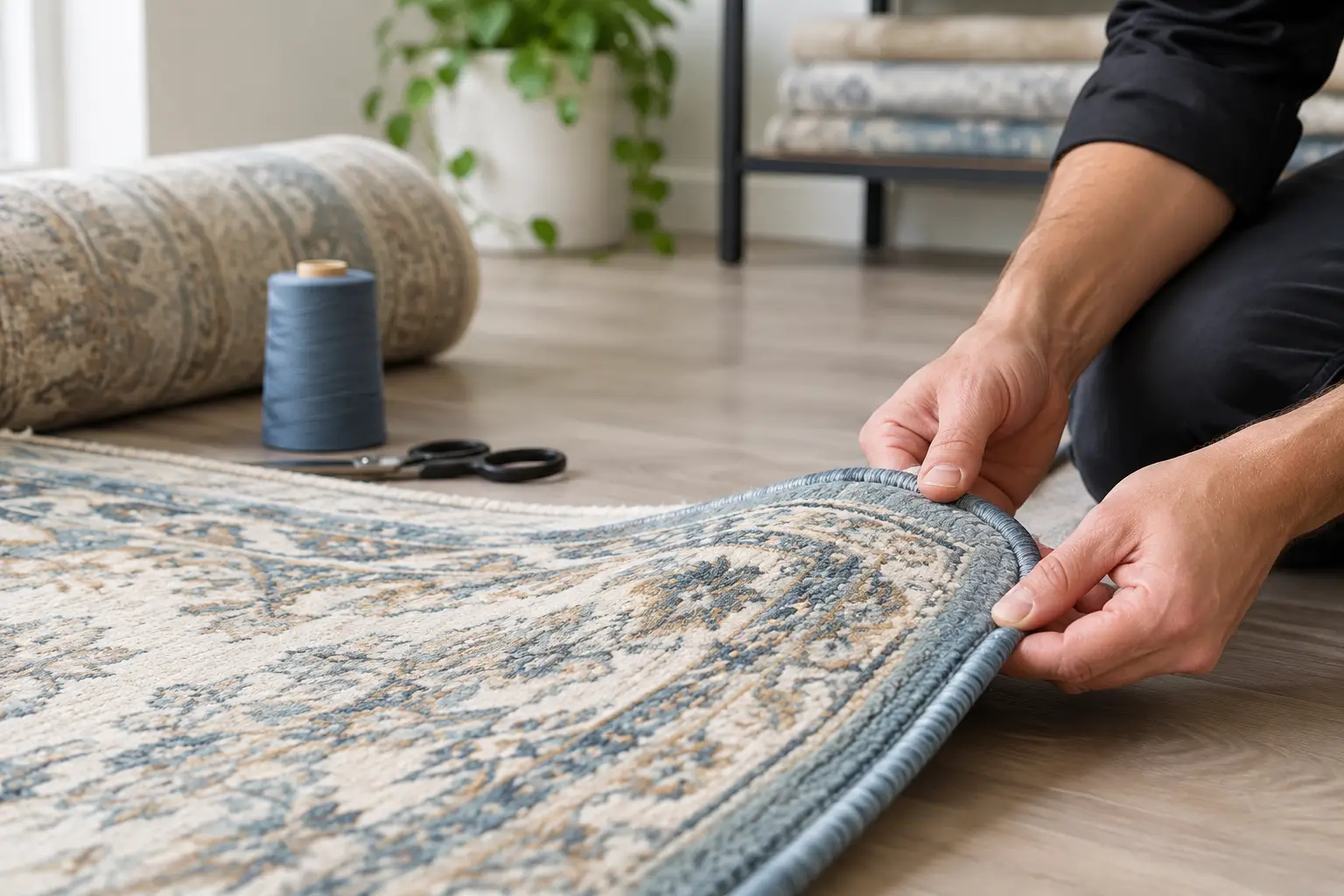
Before a rug is washed, it needs to be understood. A trained rug care professional examines both sides of the rug for fiber wear, fading, weak areas, dry rot, dye instability, fringe damage, stains, and signs of moth activity. The inspection also helps identify whether the rug is wool, cotton, silk, synthetic, or a blend, since each material reacts differently to moisture and cleaning solutions.
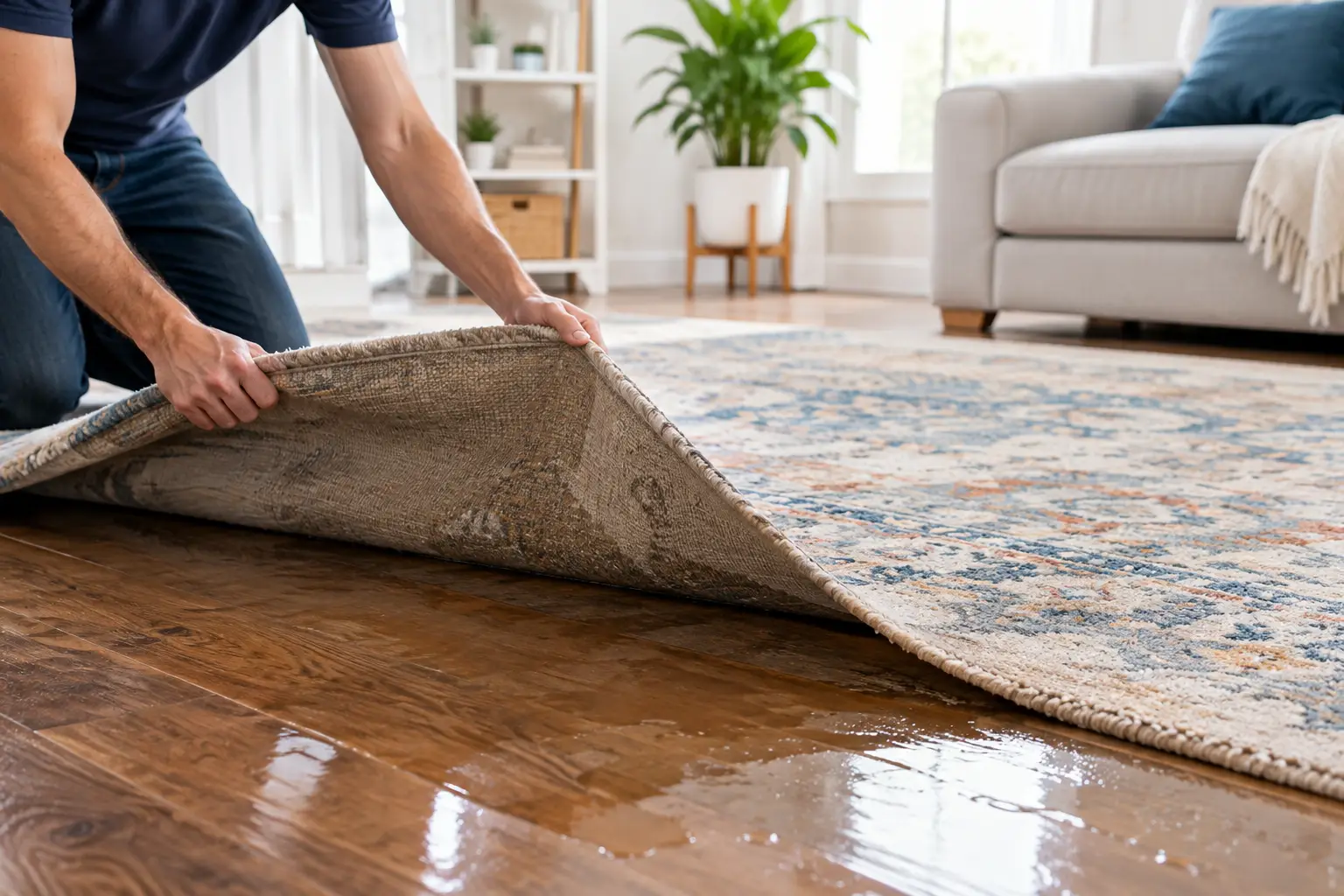
This is also when a pet accident needs a closer look. Urine often travels through the face fibers into the foundation and may reach the rug pad or floor beneath it. A surface spot treatment may make the visible stain less noticeable, but it cannot reliably remove odor-causing contamination from the layers below. For rugs with pet odor, the treatment must reach the affected areas safely and thoroughly.
At 1st Impressions Oriental and Area Rug Cleaning, customers can begin with a photo-and-measurement estimate by text. That makes it easier to discuss obvious concerns before pickup, while the in-person inspection determines the final care plan.
Removing Dry Soil Before Washing
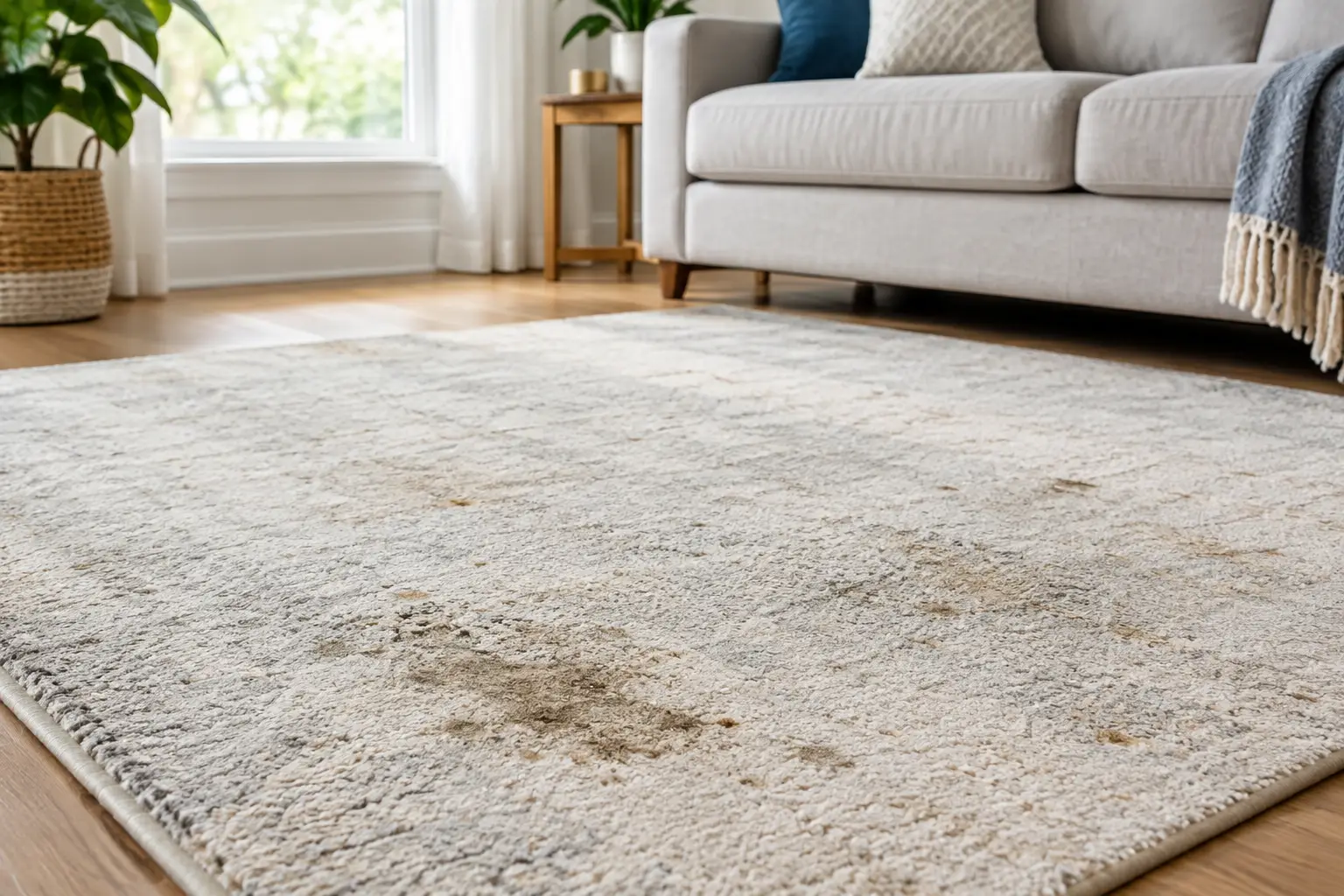
Vacuuming at home is useful maintenance, but it cannot pull out all the grit held near the base of a rug’s pile. Fine sand and dry soil work their way down with every step, where they can act like abrasives against wool fibers and foundation threads.
Professional dusting is designed to remove this embedded debris before the rug enters the wash process. This step matters because adding water to a soil-loaded rug can create mud within the fibers, making the bath less effective. A thorough dry-soil removal also helps restore the natural softness and flexibility that a rug may have lost under accumulated grit.
The amount of soil removed can be surprising, especially from rugs used in entryways, dining rooms, and homes with pets or active families. A rug does not need to look heavily soiled to benefit from this stage.
Testing Dyes and Treating Spots With Care
Many handmade rugs contain dyes that require special attention. Some colors are stable and tolerate a standard water-based wash well. Others may be more likely to bleed, particularly reds, blues, and deeply saturated colors. Dye testing helps determine how the rug should be cleaned and whether color-stabilizing measures are needed before bathing.
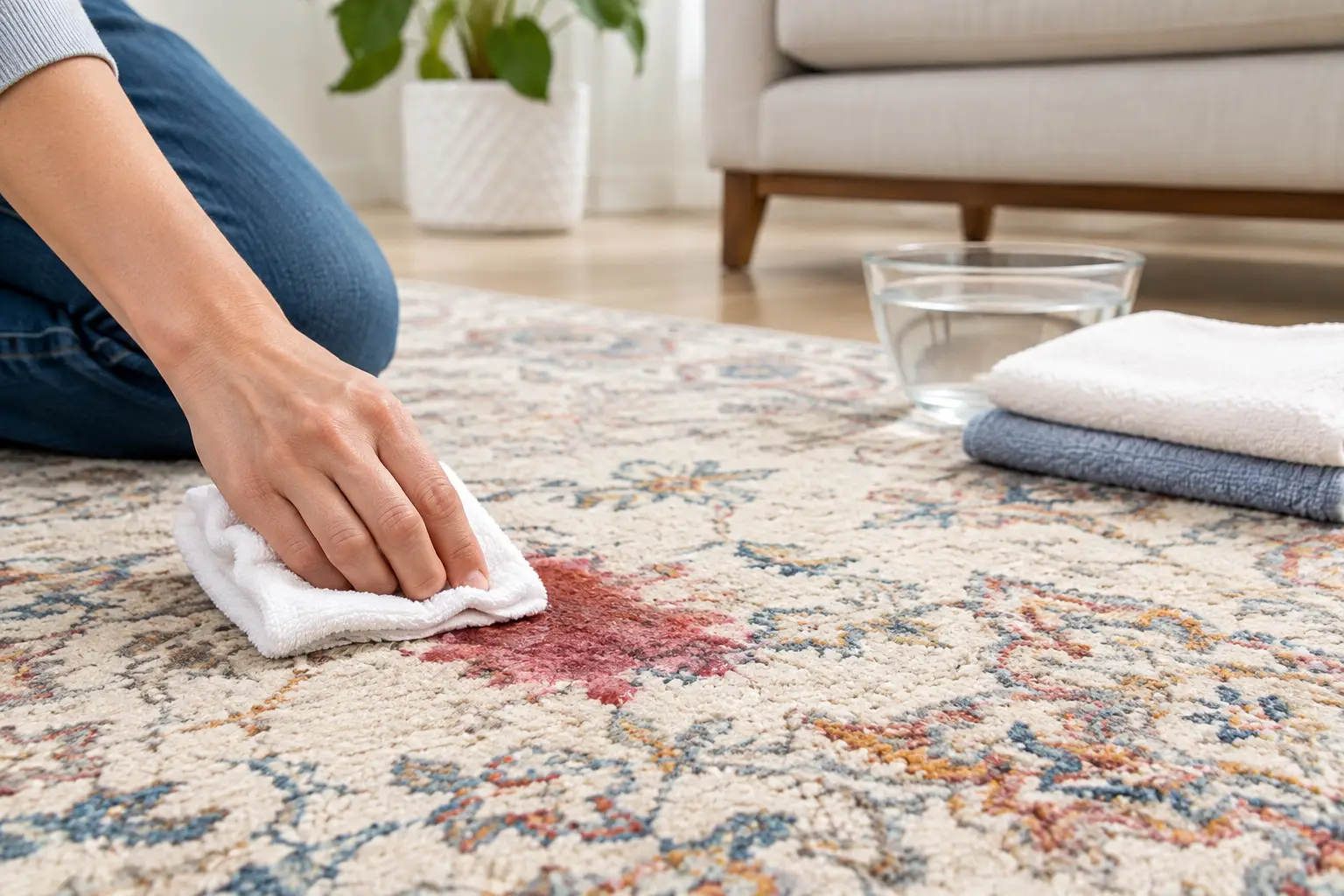
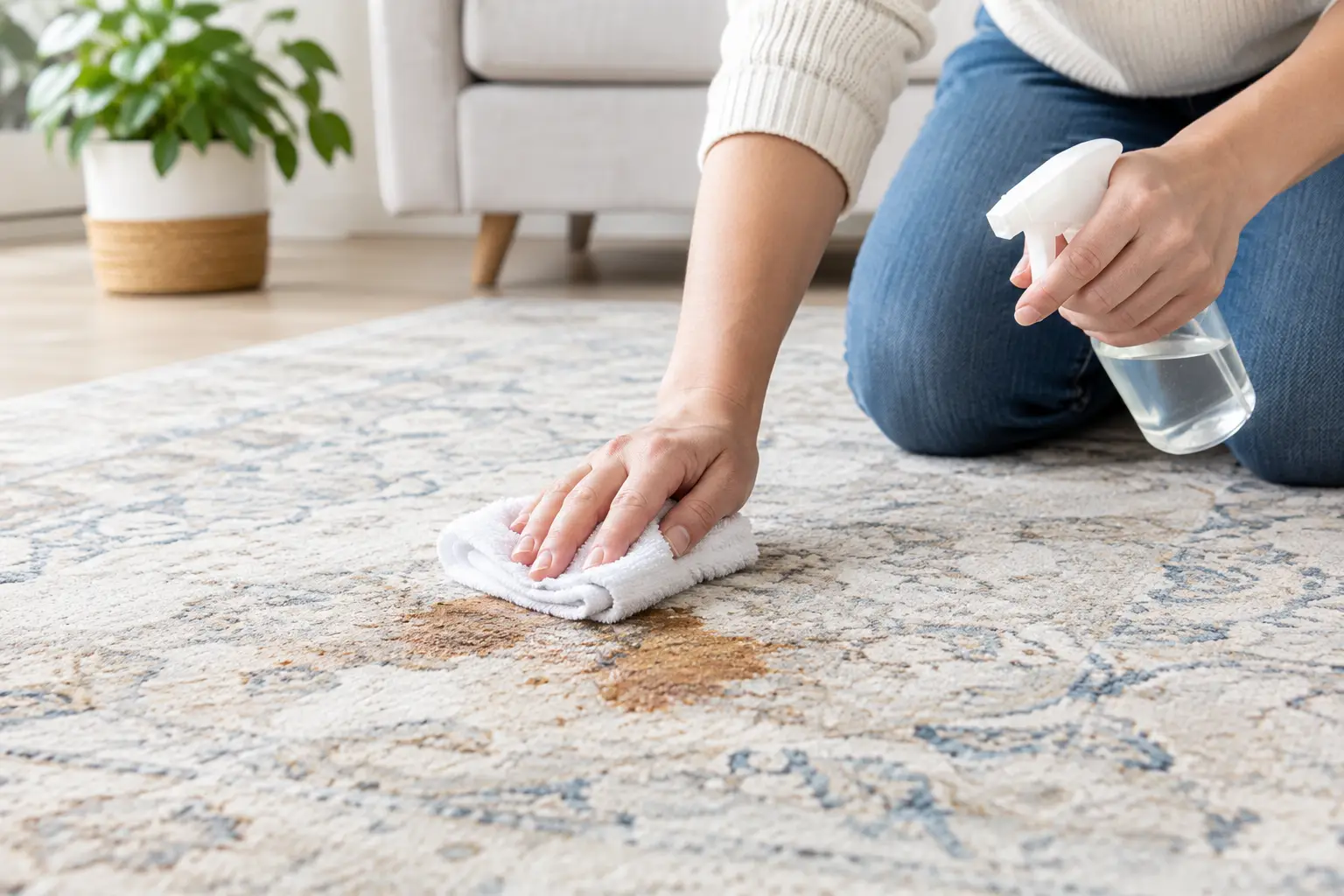
Stains are evaluated by cause, not just appearance. Food, beverages, grease, makeup, ink, and pet accidents each call for a different approach. The goal is to improve the stain without harming delicate fibers or creating color loss around the affected area.
Not every stain can be completely erased, especially if it has been heat-set, repeatedly treated at home, or left in place for a long time. Honest rug care means setting realistic expectations. Even when a permanent mark cannot disappear entirely, professional treatment can often improve its appearance, reduce odor, and prevent further fiber damage.
A Controlled Water-Based Rug Bath
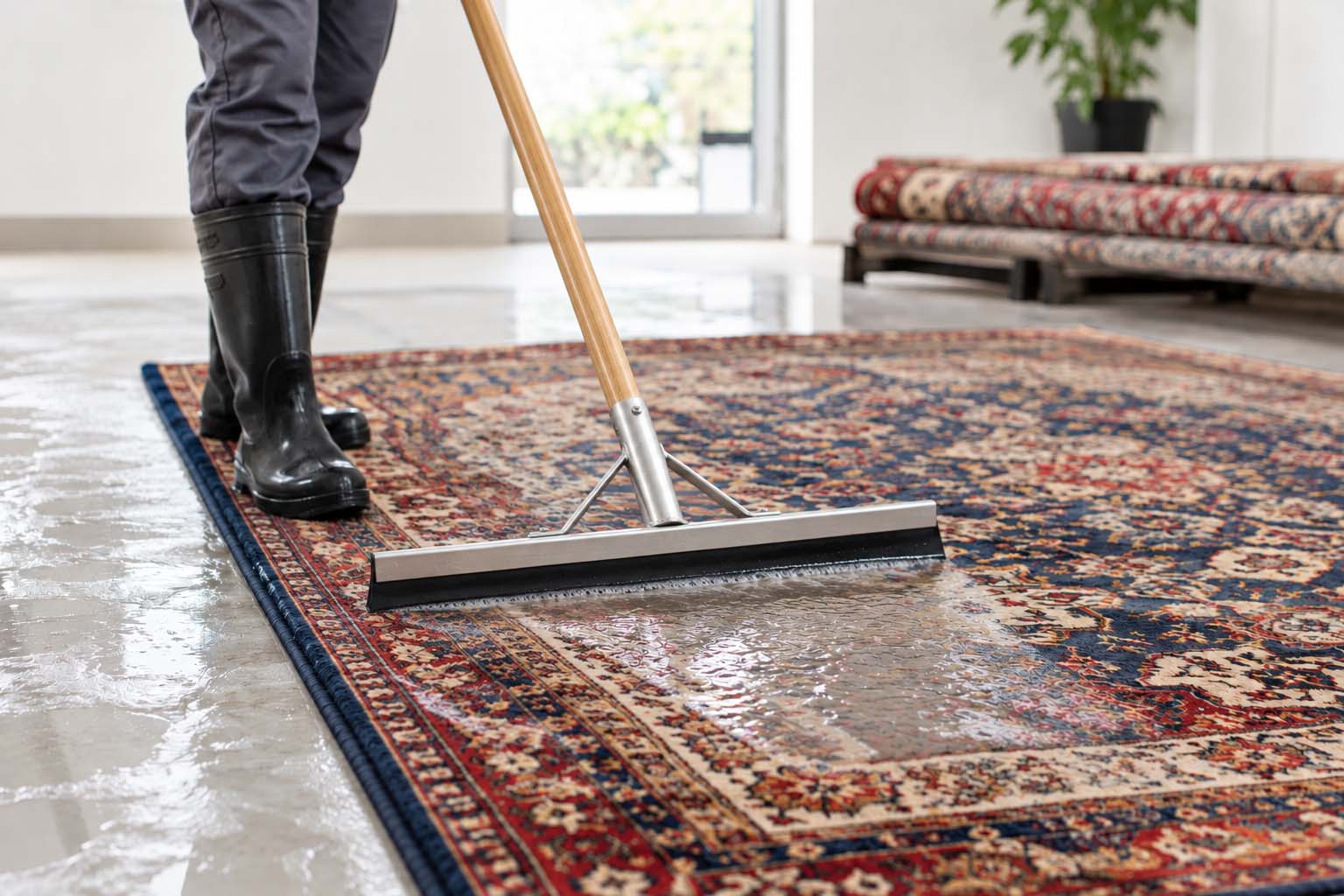
The heart of the Oriental rug cleaning process is a careful, full-submersion wash when the rug’s materials and condition allow for it. This traditional bathing approach reaches areas that surface cleaning cannot, flushing soil from the face yarns and foundation rather than simply cleaning the top layer.
The rug is washed using appropriate solutions and controlled water flow, with attention paid to its fibers, dyes, and construction. Gentle agitation helps release dirt and residues, while thorough rinsing removes the cleaning solution along with the suspended soil. For valuable rugs, harsh chemicals, bleaching agents, and hazardous materials are not a responsible shortcut.
A proper wash can make colors appear clearer because the gray film of soil is gone, not because artificial brighteners have been added. It can also help the wool pile feel more natural underfoot. That said, a rug with existing sun fading, chemical damage, or worn pile will not return to brand-new condition through cleaning alone. Cleaning preserves and improves what is there. It does not replace missing fibers or reverse every sign of age.
Pet Urine Requires More Than Deodorizer
Pet urine is one of the most common reasons homeowners seek professional rug care. The odor may seem to disappear after a spray treatment, then return on humid days or when the rug becomes damp. That happens because urine salts and bacteria remain in the rug’s deeper layers.
True decontamination focuses on flushing the affected areas and treating the source of the odor, not covering it with fragrance. Depending on the extent of contamination, treatment may also be needed for the rug pad and the floor beneath the rug. This is particularly important for wool rugs, where repeated accidents can cause dye bleeding, fiber damage, and lingering odor if left untreated.
Thorough Drying Protects the Rug’s Foundation
Drying is not an afterthought. A washed rug must be dried promptly and under controlled conditions to prevent mildew, odor, dye migration, and foundation problems. Excess water is removed first, then the rug is dried with proper airflow and monitoring.
Florida humidity makes this step especially important. Leaving a heavy rug damp in a garage, on a patio, or across a floor can create more trouble than the original spill. Professional drying helps the rug return to a stable condition before it is brushed, groomed, and prepared for delivery.
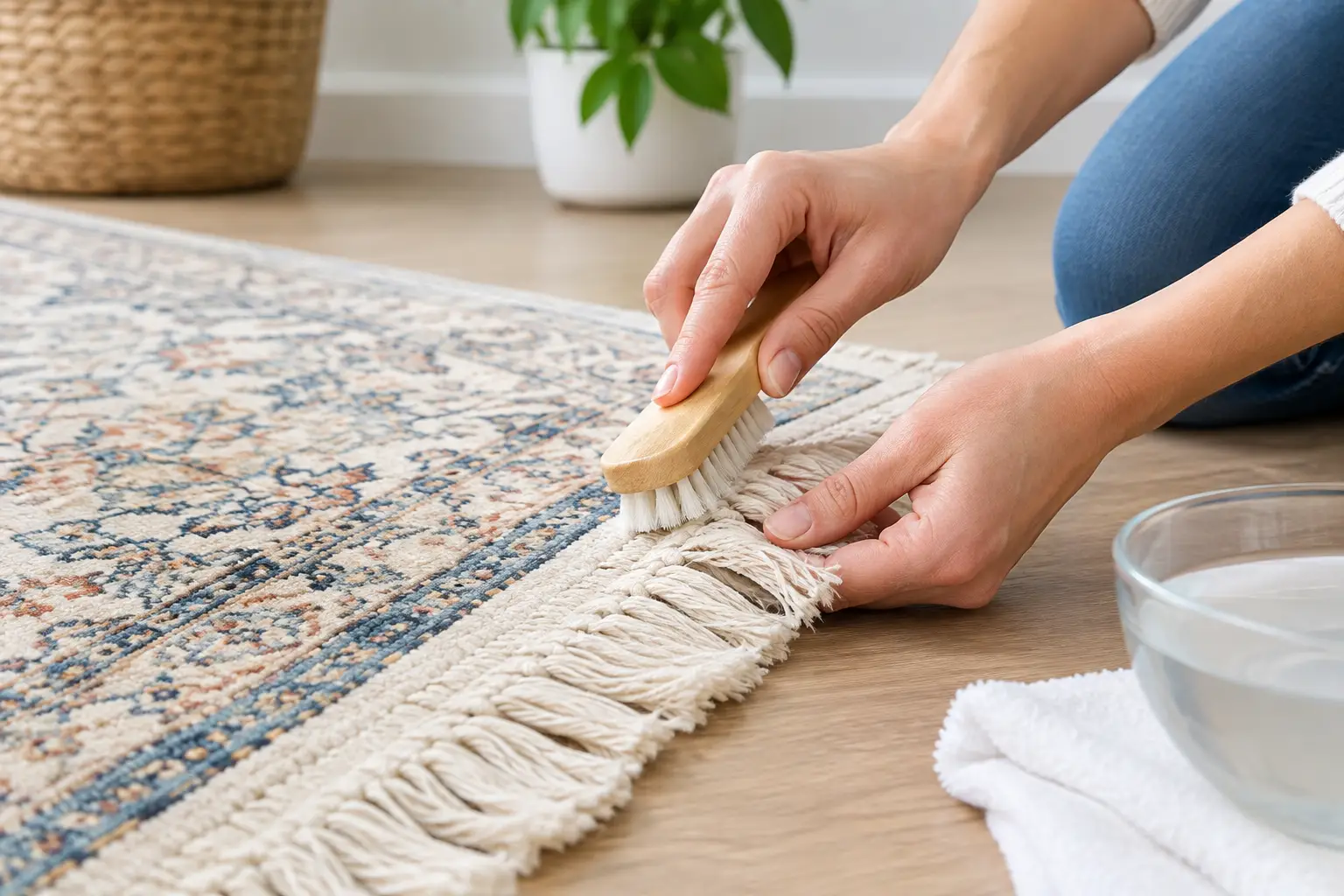
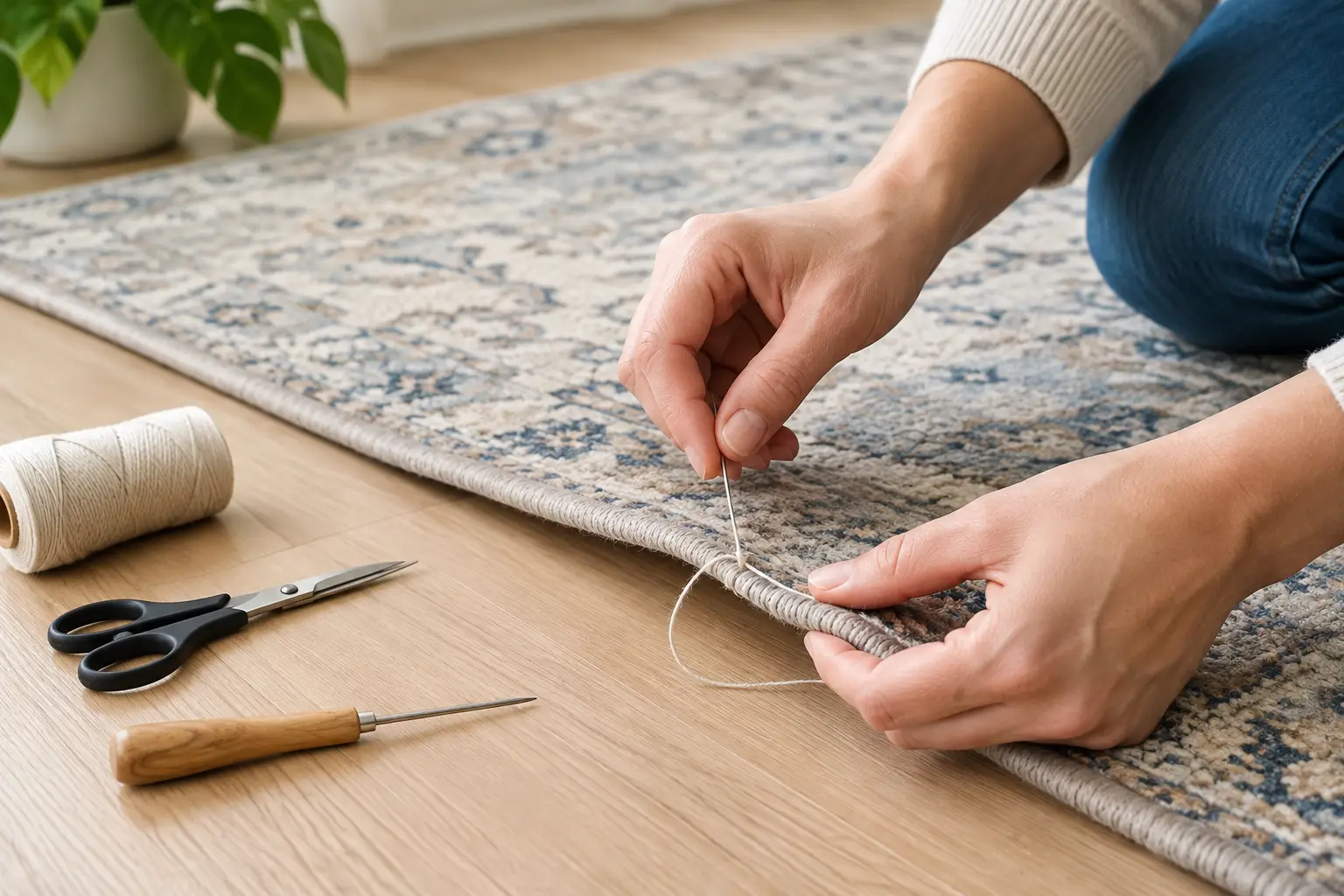
Once dry, the rug receives a final inspection. The pile is groomed in the proper direction, fringe is straightened as appropriate, and any remaining concerns are reviewed. If the inspection reveals loose binding, damaged fringe, holes, or weakened corners, repair options can be discussed before the problem spreads.
Cleaning, Repair, and Protection Work Together
A clean rug is easier to evaluate and preserve. Dirt can hide fading, loose yarns, and structural wear that becomes obvious only after washing. Addressing those issues early is often less costly than waiting until a corner unravels or a small hole grows larger.
Protective services can also make a practical difference. A custom-fit rug pad helps reduce slipping, cushions the rug, protects hard-surface floors, and limits friction that can wear the rug’s foundation. Stain protection may be suitable for certain rugs and households, although it should be selected based on the rug’s fiber and intended use. It is helpful protection, not permission to let spills sit.
For rugs that will be stored, cleaning and proper wrapping are wise first steps. Storing a soiled rug can attract moths and allow stains or odor to become more difficult to correct. A clean, dry rug that is properly wrapped has a much better chance of coming back into use in good condition.
When It Is Time to Schedule Professional Rug Care
Most rugs benefit from professional washing every few years, but the right schedule depends on where the rug lives. A lightly used formal-room rug may go longer between baths. A rug in a busy family room, near an exterior door, or in a home with pets may need attention sooner.
Do not wait for visible dirt alone. A musty smell, recurring pet odor, stiff pile, dull colors, unexplained fringe discoloration, or gritty feel underfoot are all good reasons to have the rug inspected. Prompt attention after a major spill or pet accident can also improve the outcome.
Your rug may be a valuable purchase, a family piece, or simply the part of the room that makes the space feel finished. Giving it the right care now helps preserve the fibers, colors, and craftsmanship that made you bring it home in the first place.