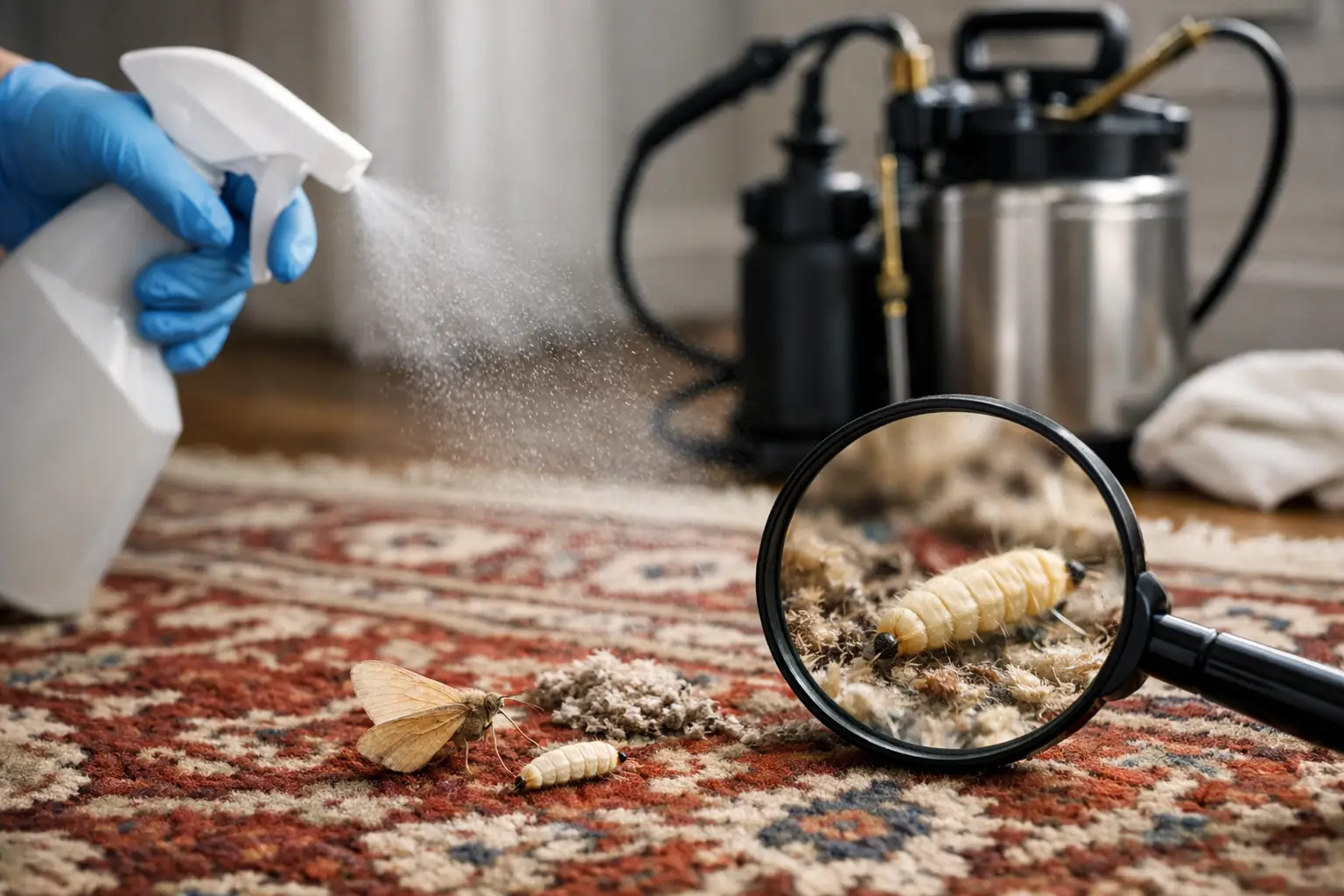
A beautiful wool rug can look perfectly fine from above while moth larvae are feeding quietly beneath the pile, along the fringe, or at the edges tucked under furniture. Effective moth treatment for rugs begins with recognizing that the adult moth is not the real threat. It is the larvae that feed on natural fibers, often leaving damage that is discovered only after it has become costly to repair.
For homeowners in Orlando, Winter Park, Winter Garden, and surrounding Central Florida communities, warm weather and indoor humidity can make preventive rug care especially worthwhile. A careful response can stop an active infestation, protect neighboring textiles, and preserve a rug that may be valuable, sentimental, or difficult to replace.
What Moth Damage Looks Like on a Rug
Clothes moths are drawn to animal-based fibers, particularly wool, silk, fur, feathers, and hair. A handmade Oriental rug with a wool foundation or pile is more vulnerable than a fully synthetic area rug, although dirt, pet hair, food residue, and natural-fiber backing can give pests a reason to linger around many types of floor coverings.
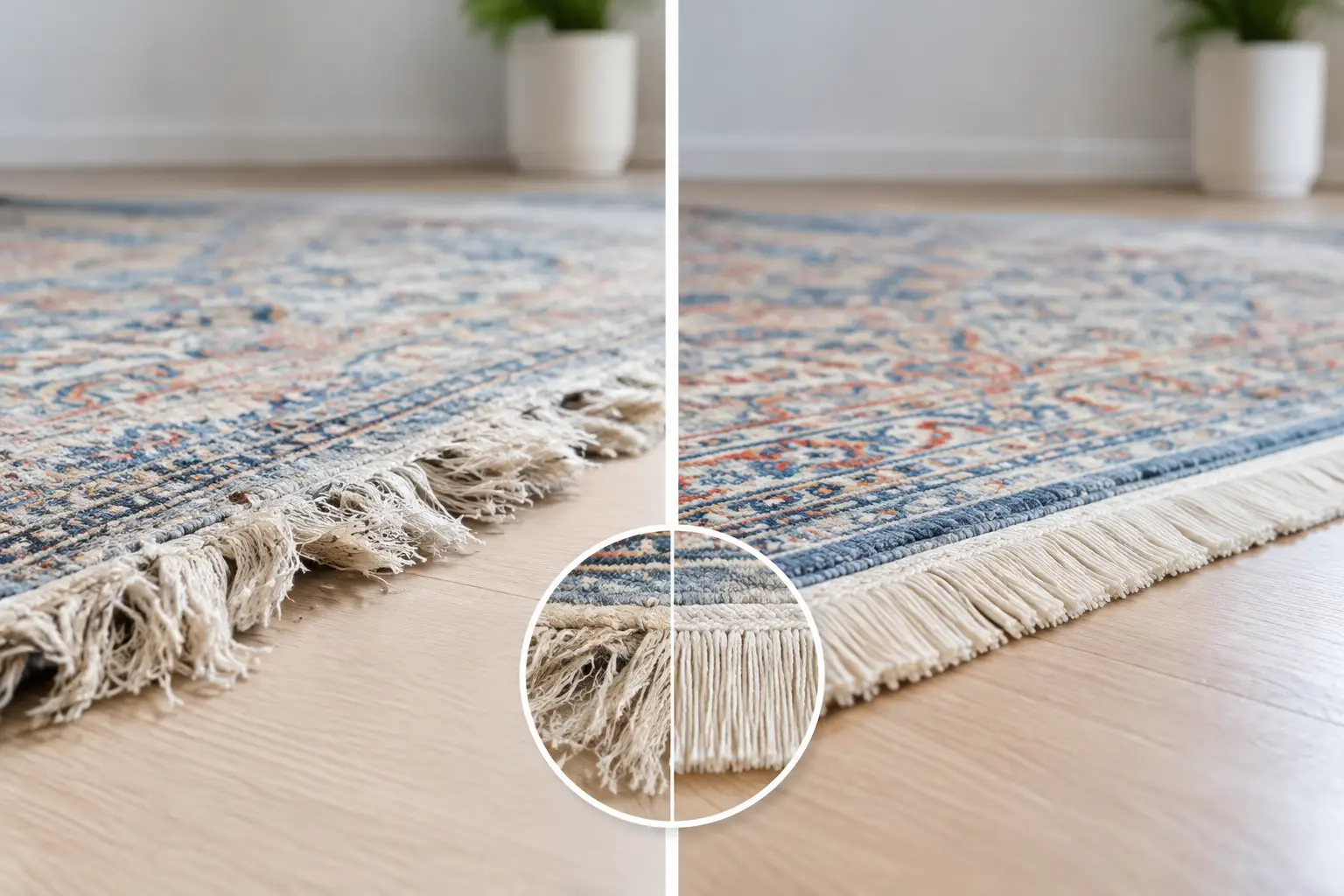
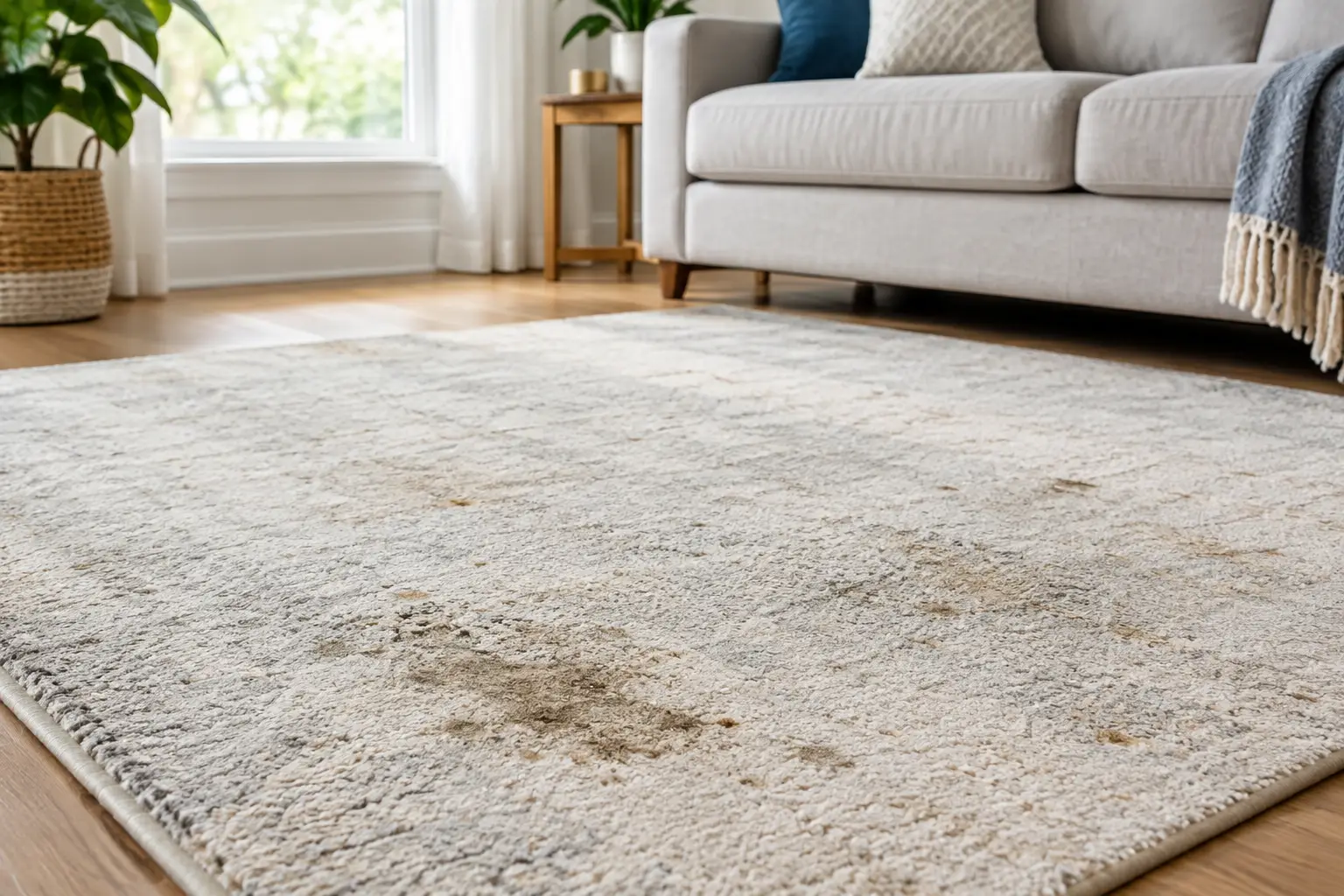
Moth damage is rarely uniform. Rather than creating one obvious large hole, larvae tend to feed in protected, undisturbed areas. Look beneath furniture, along the rug perimeter, on the underside, and near fringe. You may find thin or bare spots, missing pile, weakened fibers, small irregular holes, web-like silk casings, or tiny granular droppings. A sudden increase in loose wool fibers can also deserve a closer inspection.
Do not assume every thin area is moth damage. Foot traffic, vacuum wear, sun fading, pet activity, and previous water damage can all change a rug’s appearance. A trained examination matters because the appropriate treatment depends on whether pests are active and whether the rug has structural damage that needs repair.
Why Moth Treatment for Rugs Requires More Than Spraying
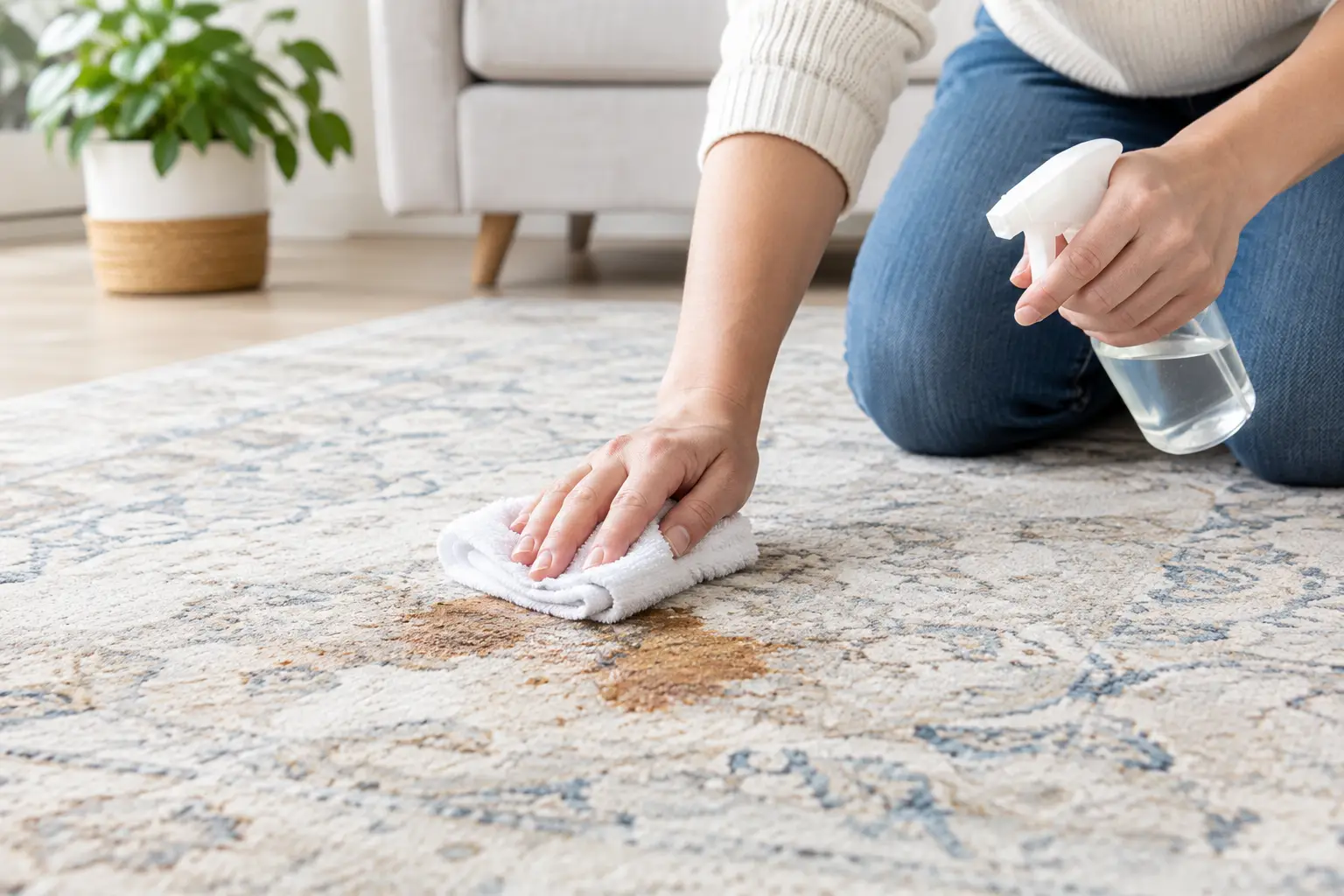
A store-bought insect spray may seem like the quickest answer, but it is often the wrong choice for a fine rug. Surface spraying may not reach eggs or larvae hidden deep in the pile and foundation. It can also leave residues, affect dye stability, create strong odors, or introduce chemicals that are not appropriate for a textile your family and pets live around.
Treatment should address the whole rug, not just the visible damage. That includes careful inspection, controlled removal of insect activity, thorough cleaning to eliminate the food sources larvae seek, and proper handling of the rug before it returns to the home. If there is a widespread household infestation, nearby wool blankets, upholstered items, closets, and stored textiles may also need inspection.
Professional care is particularly valuable for antique, hand-knotted, silk, viscose, or heavily soiled rugs. These materials do not all respond the same way to heat, moisture, agitation, or pest-control products. The goal is to remove the infestation without compromising fibers, colors, fringe, or foundation structure.
The Right First Steps When You Suspect Moths
If you find suspected moth activity, avoid shaking the rug indoors or moving it from room to room. That can spread eggs, larvae, or debris to other areas. Keep pets and children away from the affected piece until it can be assessed.
Carefully vacuum the surrounding floor, baseboards, furniture edges, and the rug surface if the rug is stable enough to vacuum. Empty the vacuum outside right away. This is helpful housekeeping, but it is not a complete treatment for an established infestation. Vacuuming cannot reliably remove activity embedded deep in a dense pile or within the rug’s foundation.
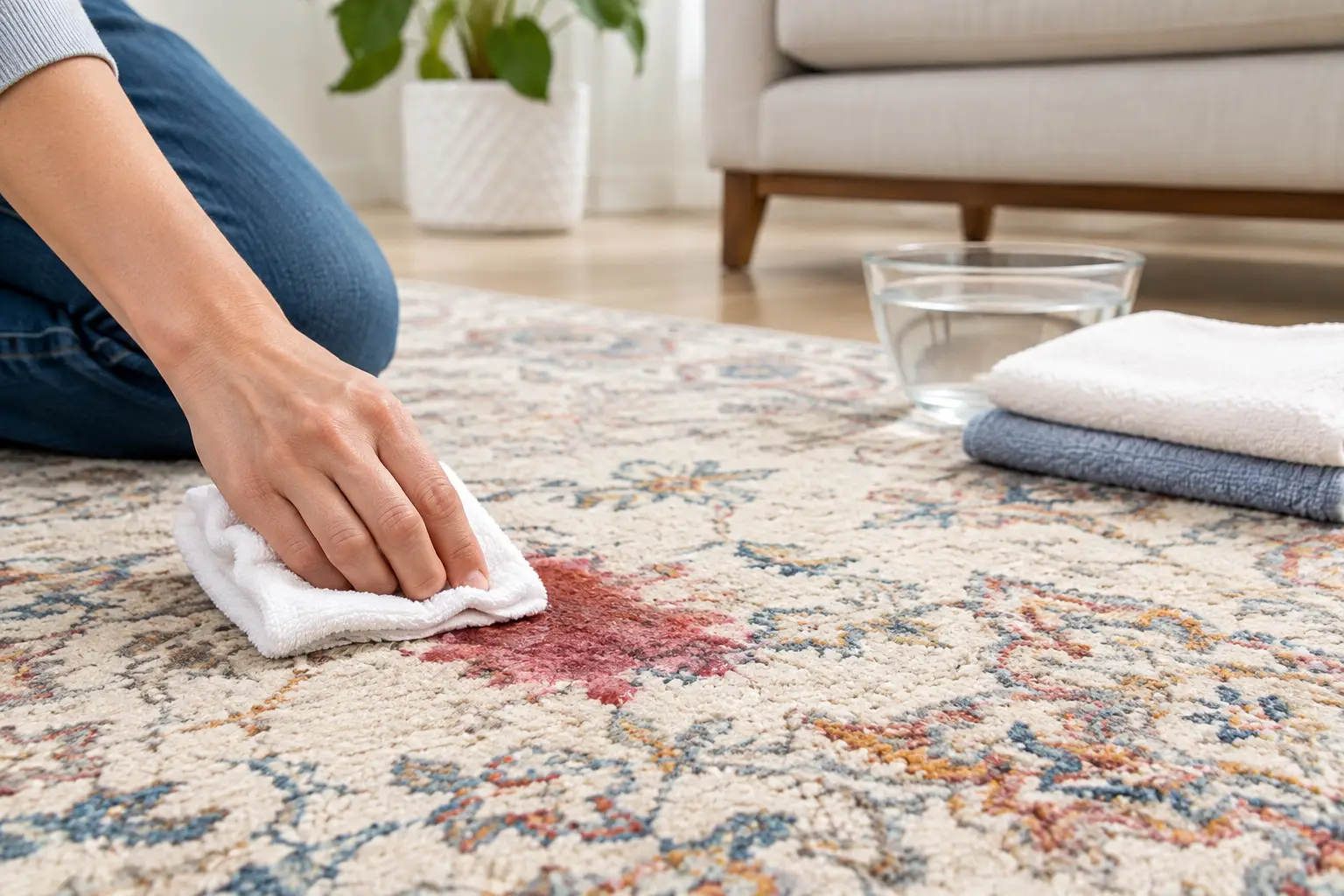
Avoid applying mothballs directly to the rug. Their odor can be difficult to remove, and they are not a suitable substitute for professional treatment and cleaning. Do not use bleach, harsh spot removers, or improvised heat treatments either. An attempt to solve the pest problem can create permanent color loss, shrinkage, or brittle fibers.
The safest next step is to have the rug evaluated before damage expands. A clear photo of the affected area, the rug’s overall size, and notes about its fiber type or age can help a rug care specialist provide an initial recommendation and estimate.
How Professional Rug Moth Treatment Works
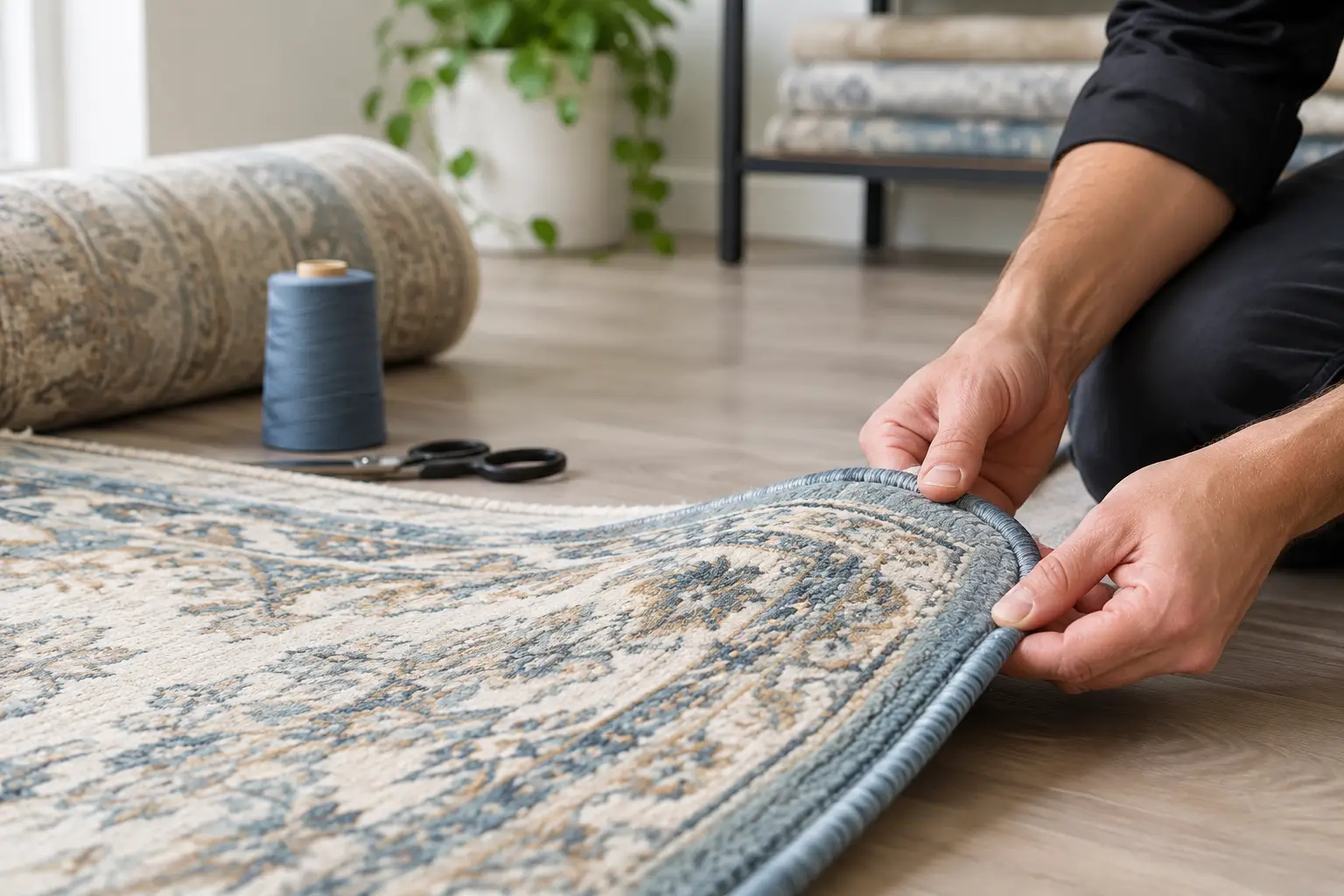
A proper treatment plan begins with an inspection of both sides of the rug. The technician looks for active insect evidence, assesses the construction and dyes, identifies existing fiber loss, and checks whether the damage has weakened the foundation. This step is important because a rug can be pest-free but still need fringe work, reweaving, or stabilization to prevent a small damaged area from unraveling.
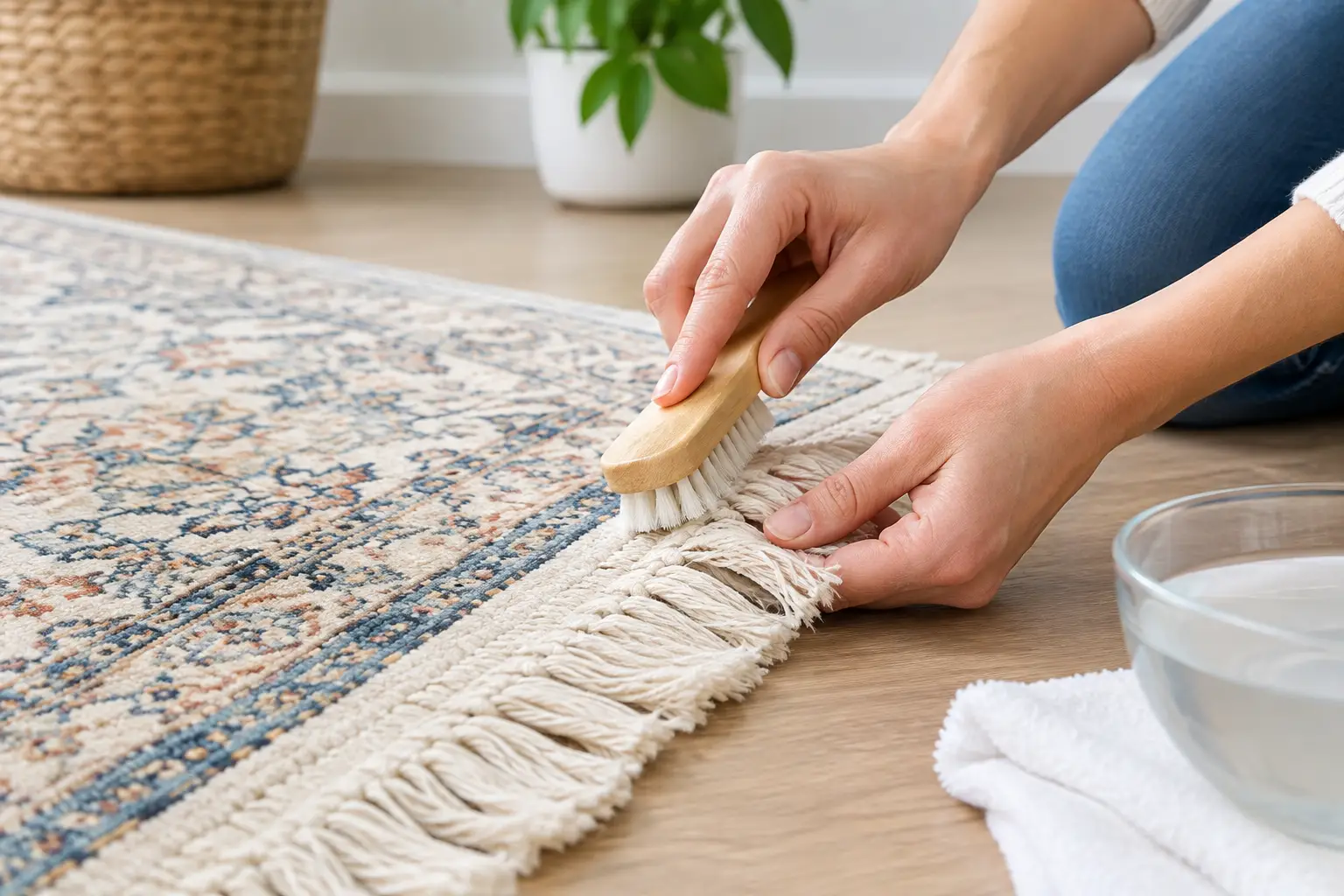
The rug is then handled in a controlled environment rather than treated casually in the home. At 1st Impressions Oriental and Area Rug Cleaning, fine rugs receive specialized care designed around their fibers, condition, and cleaning needs. Thorough washing can remove embedded soil, pet hair, food particles, and other organic material that makes a rug more attractive to moth larvae.
After cleaning and treatment, the rug should be completely dried before return or storage. Moisture left in a rug can invite a different set of problems, including odors and mildew. If moth damage has exposed or weakened the foundation, repairs are best completed before the rug goes back into regular use. Addressing structural concerns early is usually less involved than waiting until a hole grows or fringe begins to detach.
Preventing Moths After Treatment
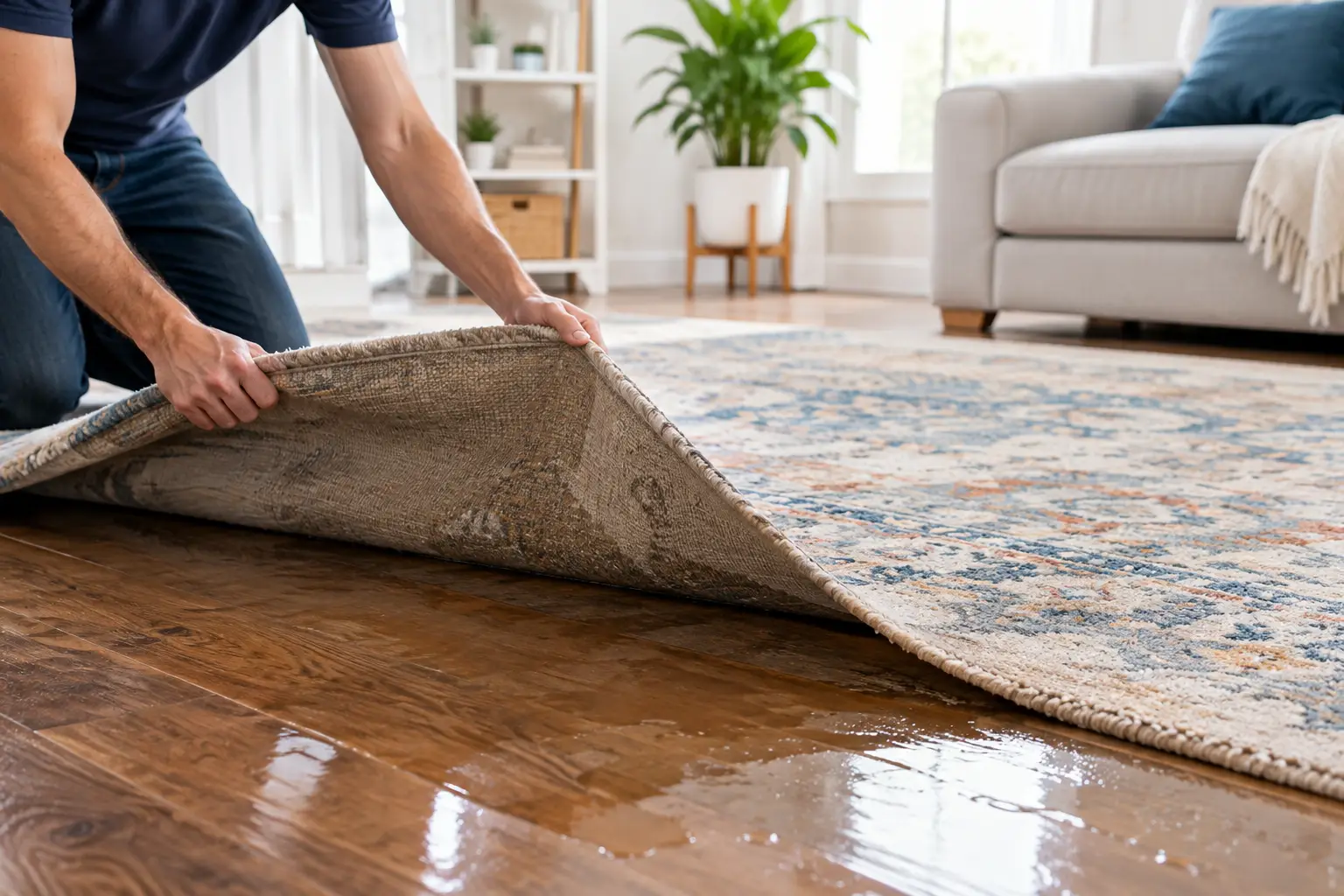
The best prevention is regular attention to the places rugs are easy to forget. Rugs in formal dining rooms, guest rooms, seasonal homes, closets, and low-traffic corners are common targets because they remain undisturbed for long periods. Moving furniture occasionally and checking underneath a rug can reveal concerns before feeding becomes extensive.
Routine professional washing is also preventive care, not merely cosmetic cleaning. Soil and pet-related residue settle below the surface where home vacuuming cannot fully reach. Removing that buildup helps keep wool rugs cleaner and less appealing to insects while supporting the life of the fibers.
For rugs that will be stored, cleanliness and preparation matter. Never put away a rug with food residue, pet odor, moisture, or active pest concerns. Have it cleaned, treated if necessary, thoroughly dried, and wrapped appropriately. Storage should be clean, dry, and periodically checked, particularly in garages, attics, sheds, or other spaces with temperature swings and pest access.
A rug pad can help as well. A quality custom-fit pad supports the rug, reduces shifting and abrasion, and makes it easier to lift the rug for periodic inspection. It is not a moth barrier, but it helps homeowners notice changes beneath the rug before they become a larger preservation issue.
When Repair Is Part of the Solution
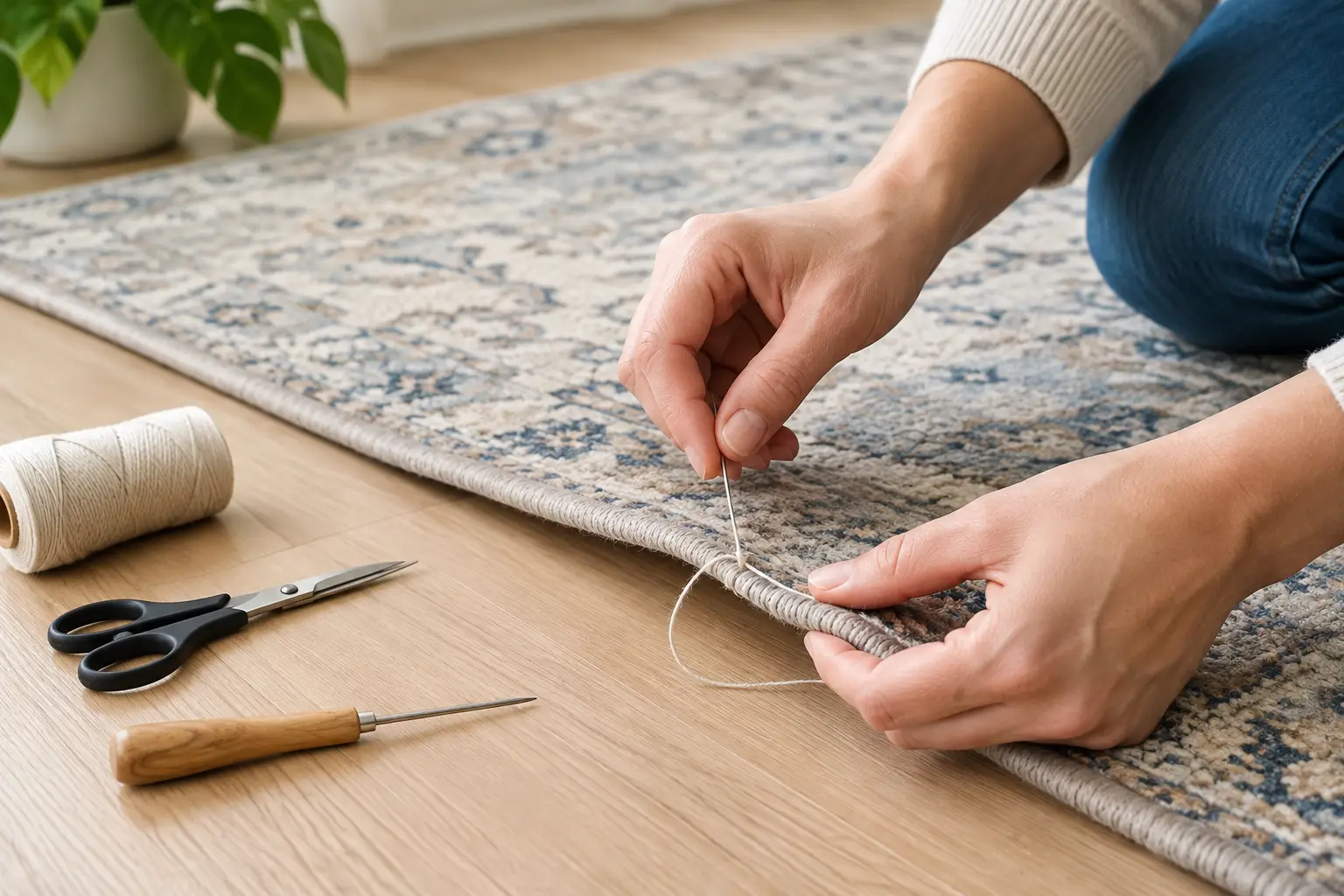
Moth treatment stops further feeding, but it cannot replace wool that has already been eaten away. Whether repair is worthwhile depends on the location and severity of damage, the rug’s construction, and its financial or personal value. A small area near an edge may be stabilized or rewoven so it does not spread. Damage in a highly visible central field may require more detailed color and pile matching.
Handmade rugs often justify careful restoration because their patterns, wool quality, and craftsmanship are difficult to duplicate. On the other hand, extensive damage to a low-value machine-made rug may make replacement the more practical decision. An honest assessment should explain those trade-offs clearly, including what a repair can improve and what it cannot make invisible.
If you notice thinning pile, tiny holes, or evidence of larvae, acting early gives your rug the best chance of a straightforward treatment and limited repair. A prompt professional inspection can turn a hidden problem into a manageable part of long-term rug care.