A fine rug can look clean from across the room while holding months of embedded grit, pet residue, spills, and allergens deep in its foundation. That is why local fine rug specialists are not simply a convenience for Orlando-area homeowners. They provide the informed handling that delicate fibers, unstable dyes, hand-knotted construction, and meaningful family pieces require.
A rug is not treated correctly just because a stain disappears. Proper care considers the fiber, weave, dyes, backing, age, condition, and the source of the soil before any washing begins. For an Oriental rug, a designer wool area rug, or a handmade piece with sentimental value, that difference can protect both its appearance and its useful life.
Why Fine Rugs Need More Than Surface Cleaning
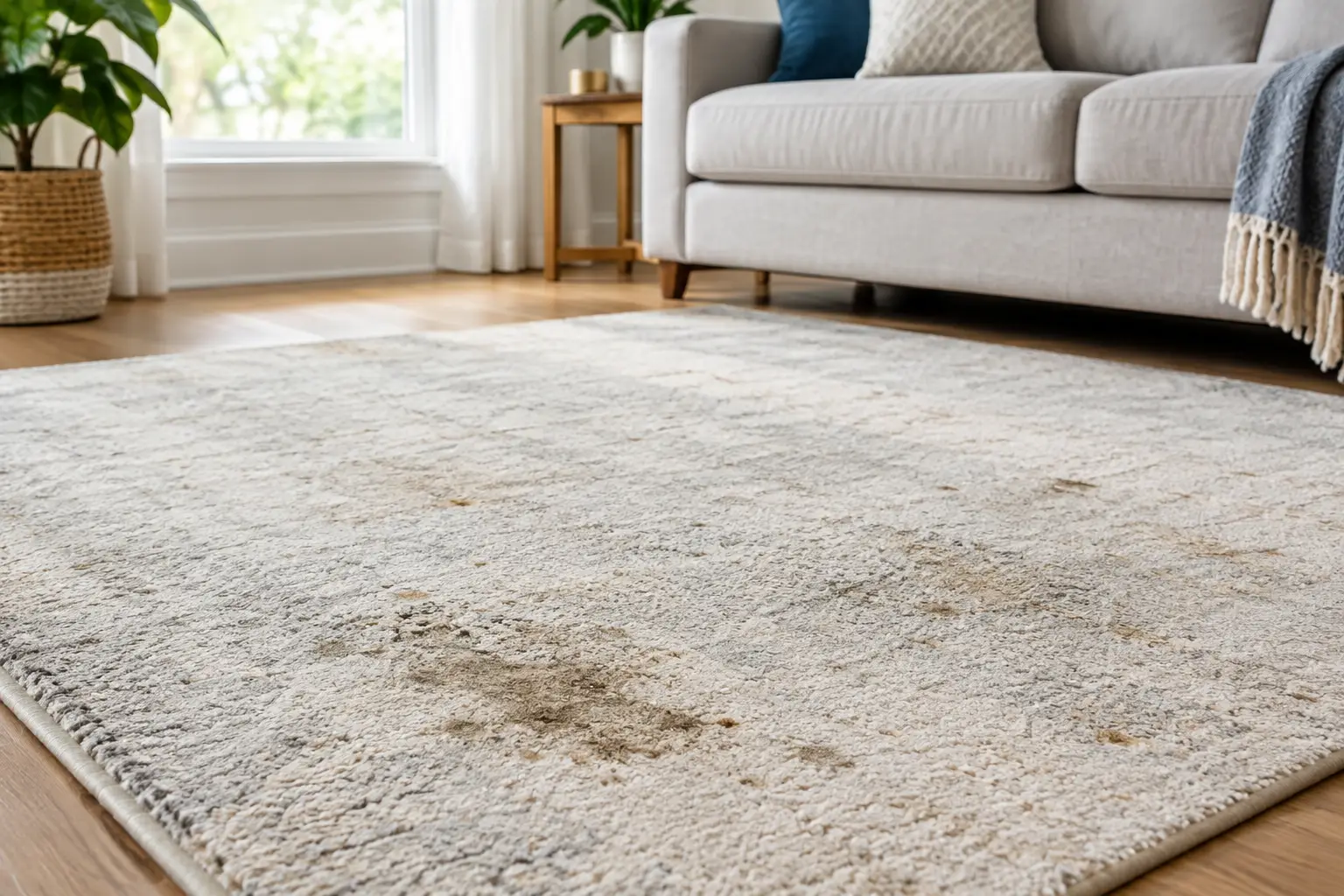
Vacuuming is an essential part of routine rug care, but it cannot remove compacted soil from the base of a rug. Fine rugs act like filters. Dust, sand, pet dander, tracked-in soil, and dry particulate matter settle below the pile over time. In Central Florida, humidity can also make odors and old spills more noticeable, particularly in homes with pets.
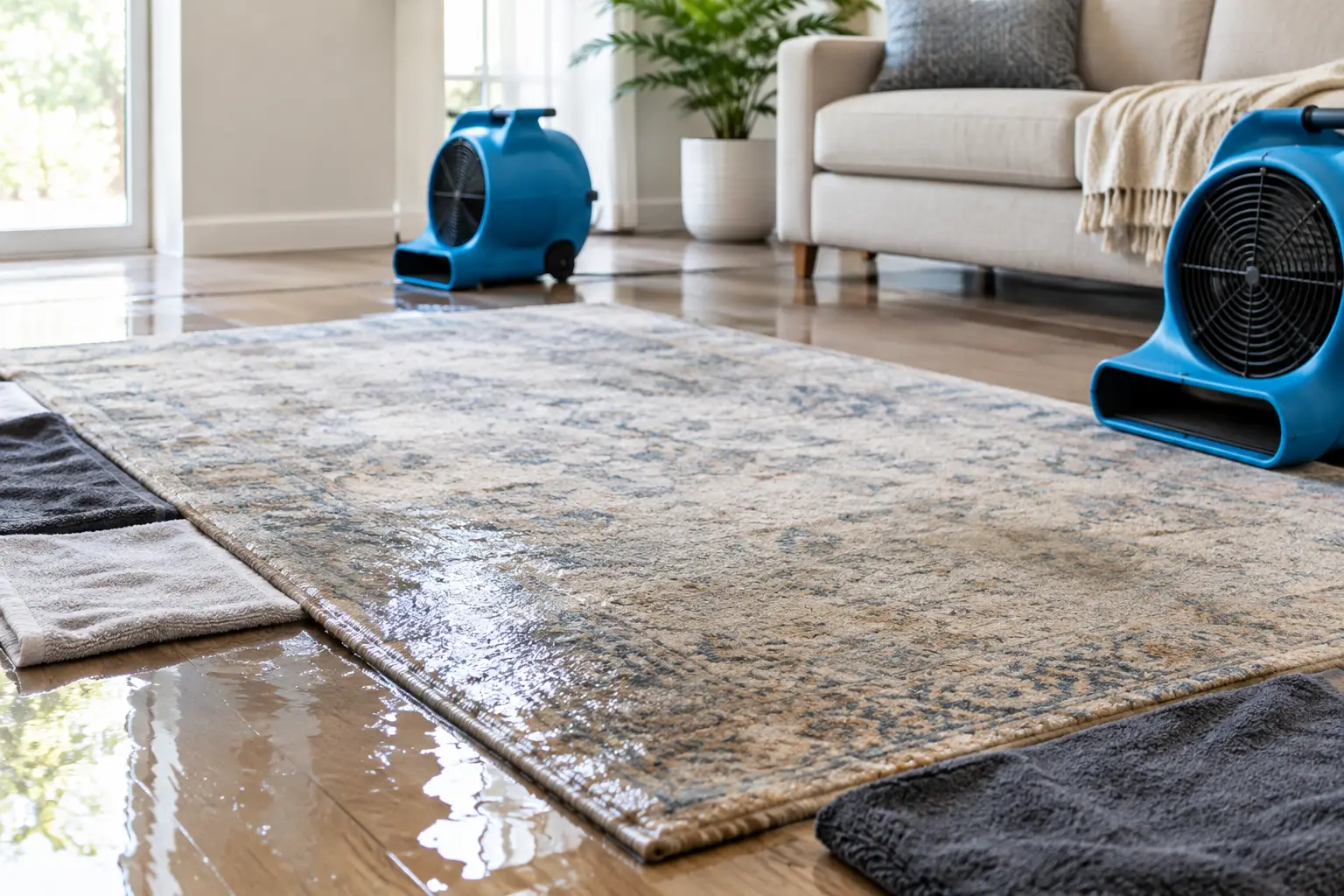
Using the wrong cleaning method can create a second problem. Excessive moisture left in a rug may lead to odor or distortion. Strong chemicals can alter dyes, weaken natural fibers, or leave a residue that attracts new soil. Bleaching agents may brighten one area while permanently changing another. A rug that is heavily soiled, valuable, old, or handwoven deserves an individual assessment rather than a one-method approach.
Professional rug washing is especially valuable when a rug feels stiff, looks dull after vacuuming, has a lingering odor, or seems to soil again quickly. These are often signs that contamination remains underneath the visible surface.
What Local Fine Rug Specialists Look For First
The most careful work happens before the cleaning begins. A trained rug professional examines the rug’s construction and condition, looking for concerns that affect how it can be safely treated. Fiber identification matters because wool, silk, cotton, viscose, synthetics, and blends respond differently to moisture, cleaning solutions, agitation, and drying.
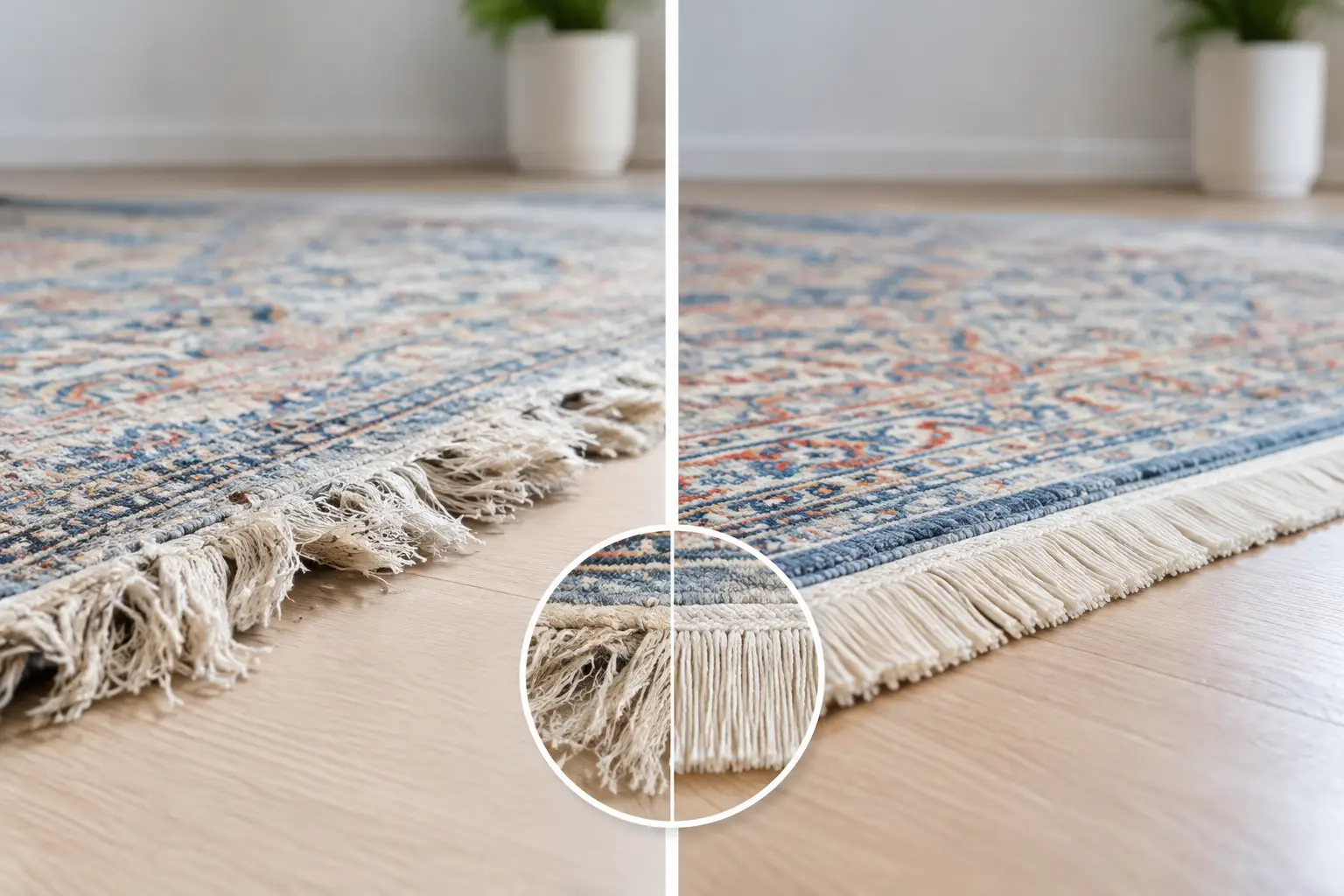
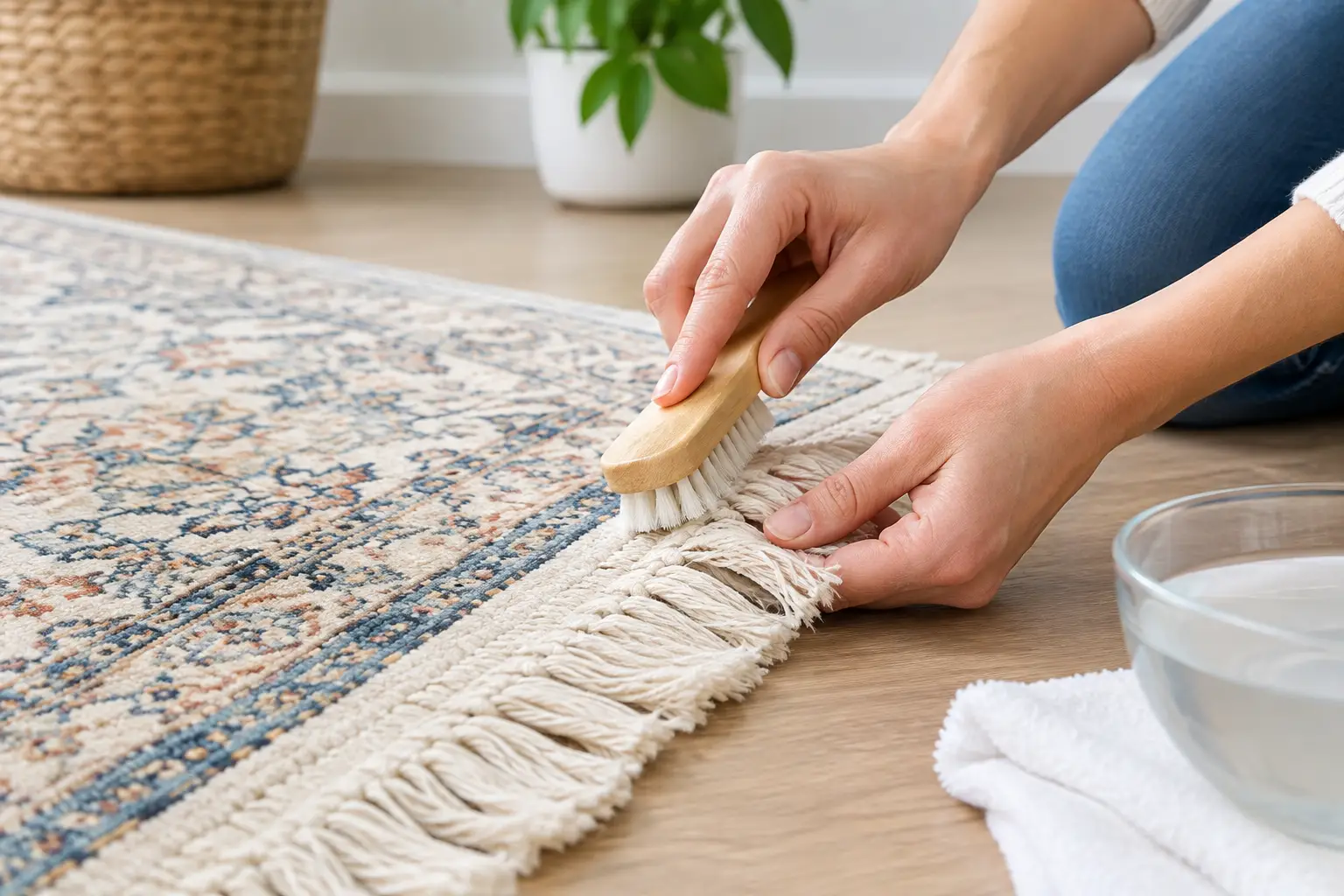
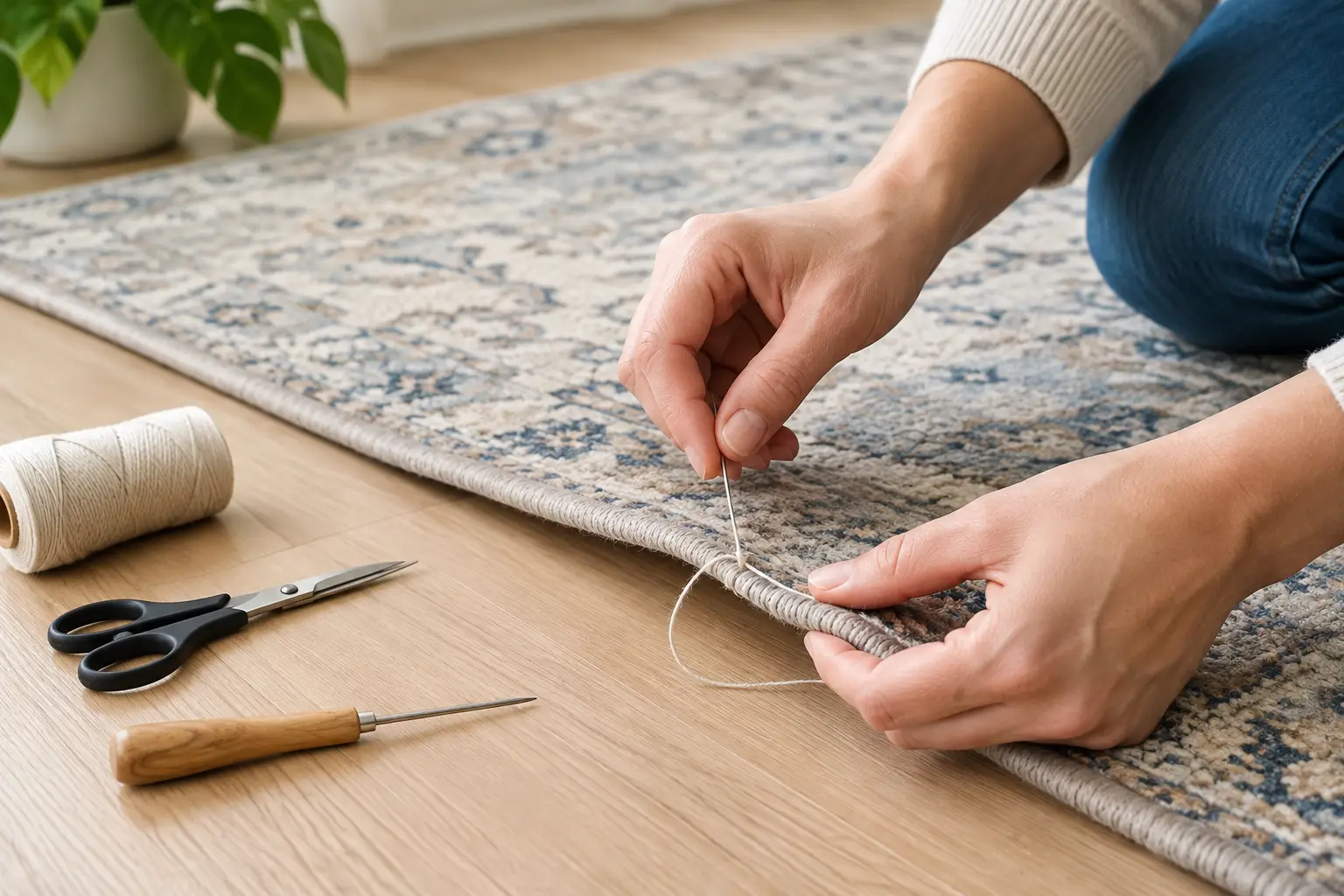
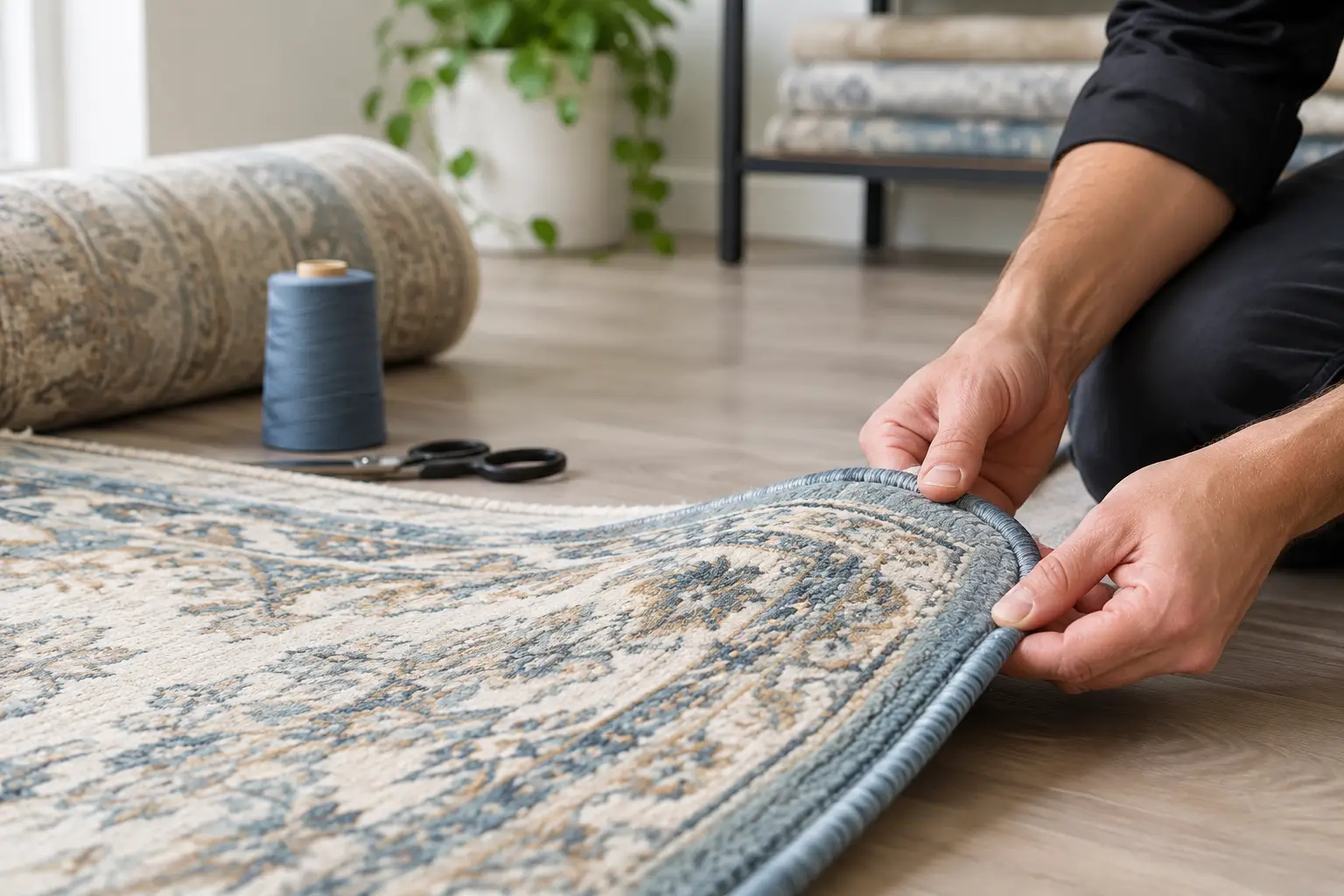
Color testing is equally important. Some dyes are stable; others can bleed when exposed to water or the wrong product. Fringe needs its own attention because it is often an extension of the rug’s foundation, not a decorative add-on. A frayed edge, loose binding, worn corner, or small hole may worsen during handling if it is not identified and addressed first.
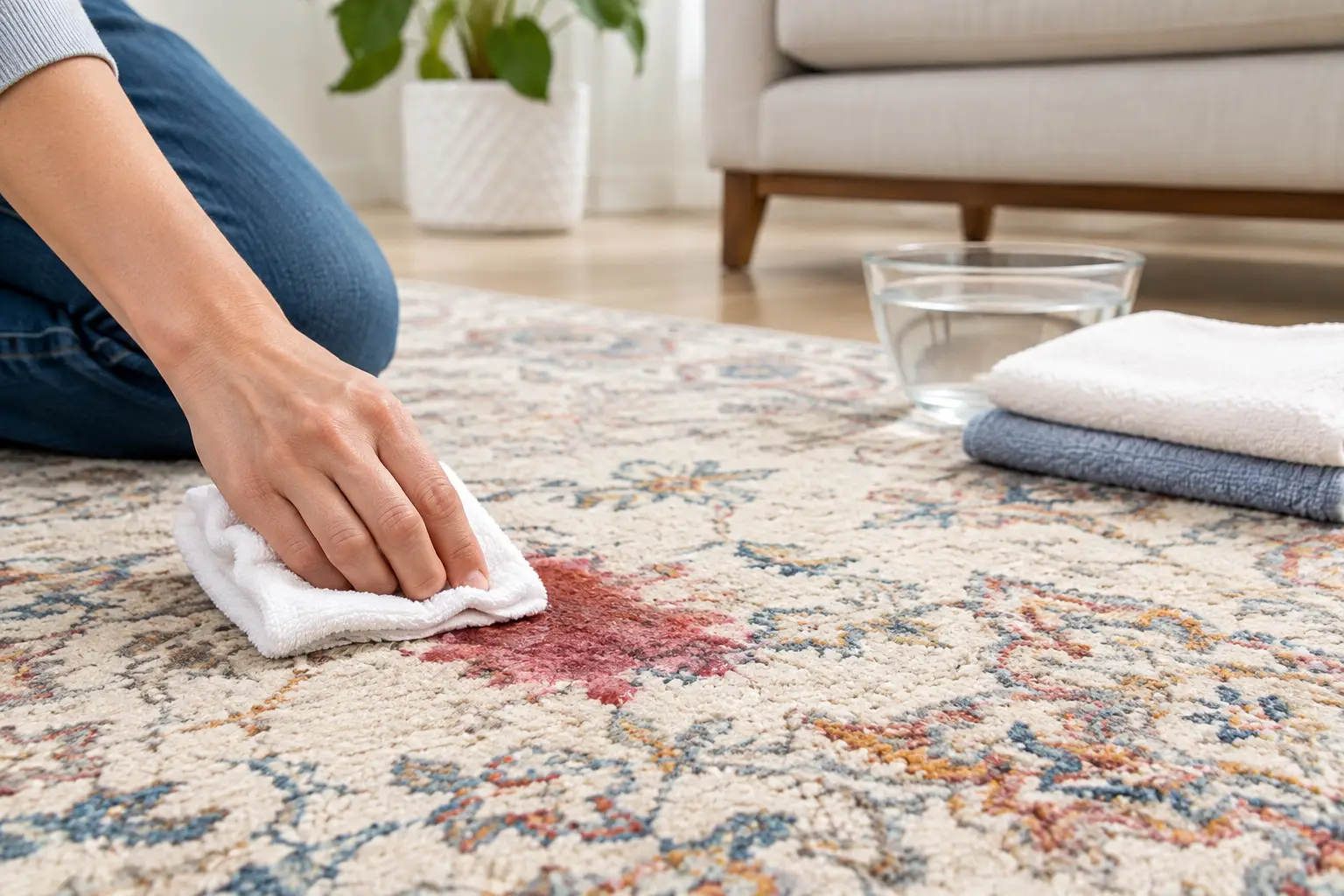
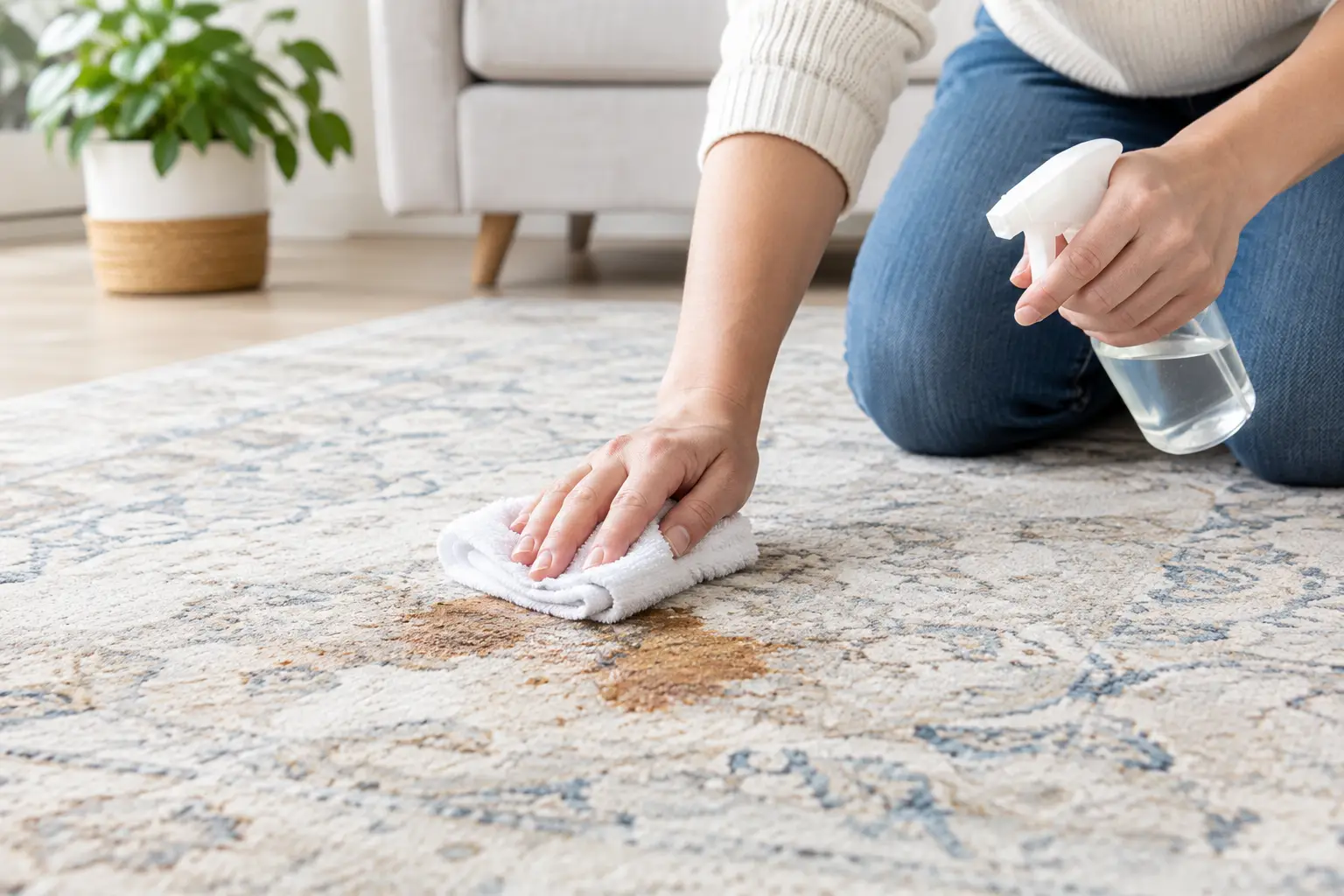
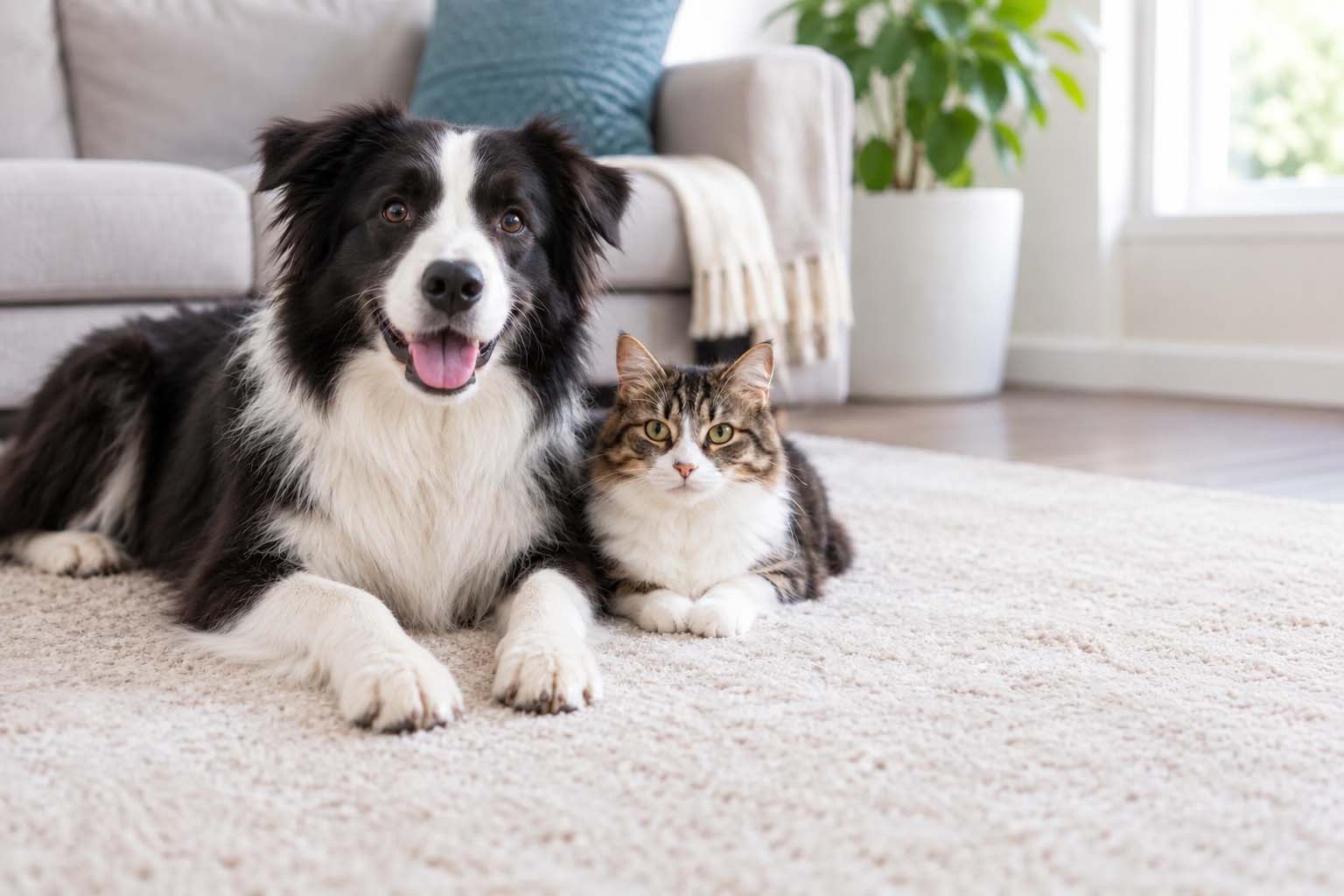
The source of staining also changes the plan. A food spill, red wine mark, ink spot, water damage, and pet accident do not call for the same treatment. With pet urine, the odor is not limited to what is visible on top. Urine can travel into the fibers and foundation, where crystals and bacteria contribute to persistent odor. Covering it with fragrance is not decontamination.
Cleaning and Restoration Are Different Services
Cleaning removes soil and addresses many common spots and odors. Restoration is more involved. It may include fringe repair, reweaving, binding repair, color correction, moth treatment, or work to stabilize damaged sections. An honest specialist will explain which results are realistic and when a repair is worth making.
Not every old rug needs restoration, and not every stain can disappear completely without risk. The right recommendation depends on the rug’s material, condition, value, and role in your home. A cherished heirloom may justify careful restoration. A heavily worn utility rug may be better served by thorough cleaning and protective measures instead.
The Value of a True Rug Bathing Process
Fine rugs benefit from a process designed for rugs, not upholstery or wall-to-wall carpet. Traditional Persian rug care has long relied on controlled washing to flush soil from the structure of the textile. Modern professional equipment and drying practices can support that same principle while giving delicate materials the care they need.
At 1st Impressions Oriental and Area Rug Cleaning, each rug is evaluated before being treated through a thorough water-based bathing process appropriate to its condition. The goal is to remove embedded soil rather than merely freshen the surface. Careful rinsing matters because leftover detergent can make a rug feel stiff and attract dirt after it returns home.
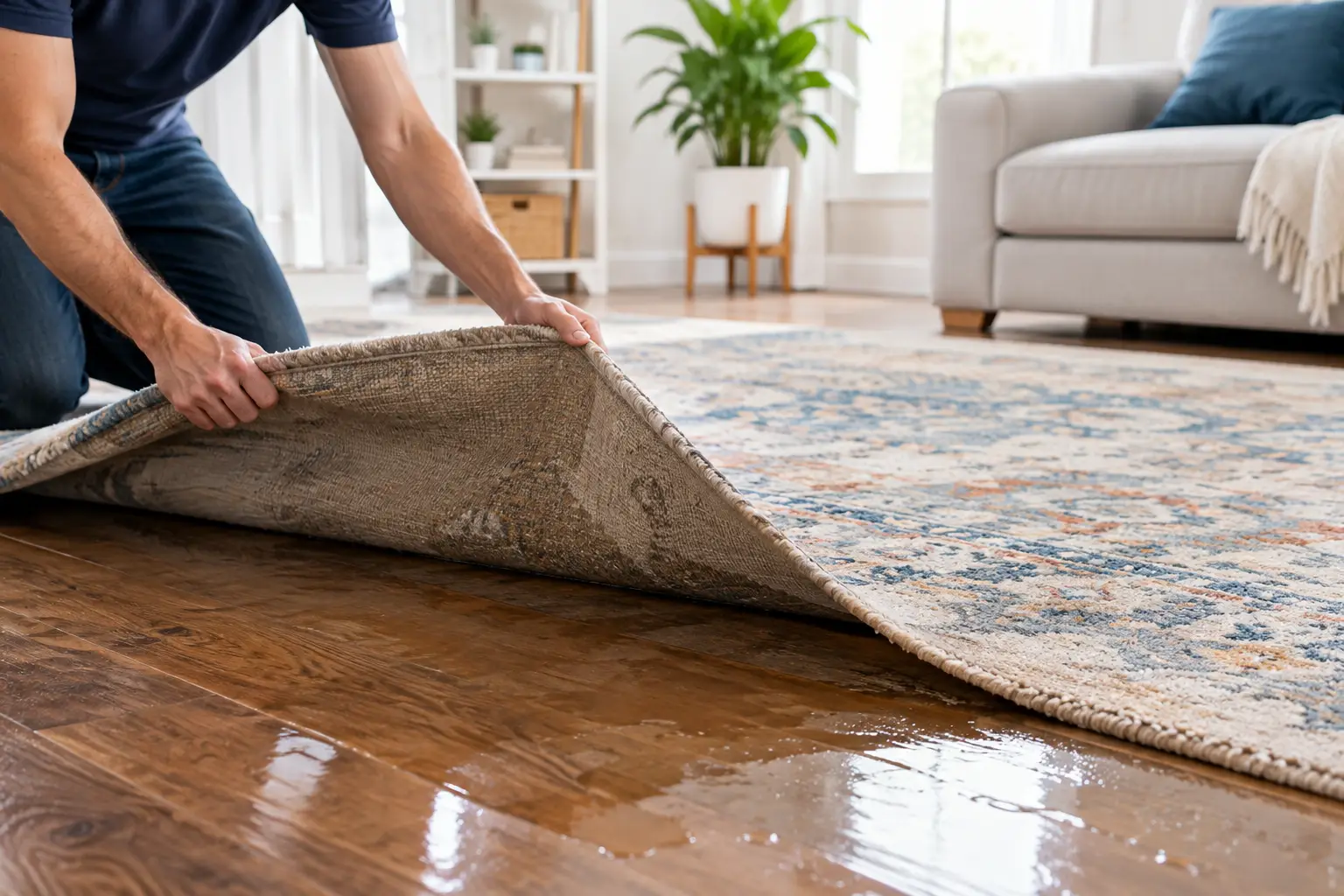
Drying is also a critical stage. A rug should be dried thoroughly and properly before it is returned to your floor. This helps prevent musty odors and protects the rug from the problems associated with prolonged moisture. The exact process may vary for a wool Oriental rug, a silk-blend designer rug, or a machine-made area rug, which is precisely why individualized handling matters.
When Pickup and Delivery Make Sense
A large rug can be difficult to move safely, and folding or dragging it through a home can strain weak edges and fringes. Pickup and delivery can remove that burden while keeping the process convenient for busy households in Orlando, Winter Park, Winter Garden, and surrounding Central Florida communities.
It is also useful when the rug has pet contamination, substantial staining, or a strong odor. Bringing the rug to a dedicated care setting allows for more complete washing, controlled drying, and a closer inspection than most in-home cleaning methods can provide. In-home service has a place for certain textiles and circumstances, but it is not automatically the best answer for every fine rug.
Before scheduling service, taking a few clear photos and measuring the rug can help you receive a more accurate estimate. Include the full rug, close-ups of stains or damaged areas, and the fringe or edges if they are a concern. Mention odors, pet accidents, previous cleaning attempts, and whether the rug has sentimental or financial value. Those details help a specialist plan safely from the start.
Protection After Cleaning Matters
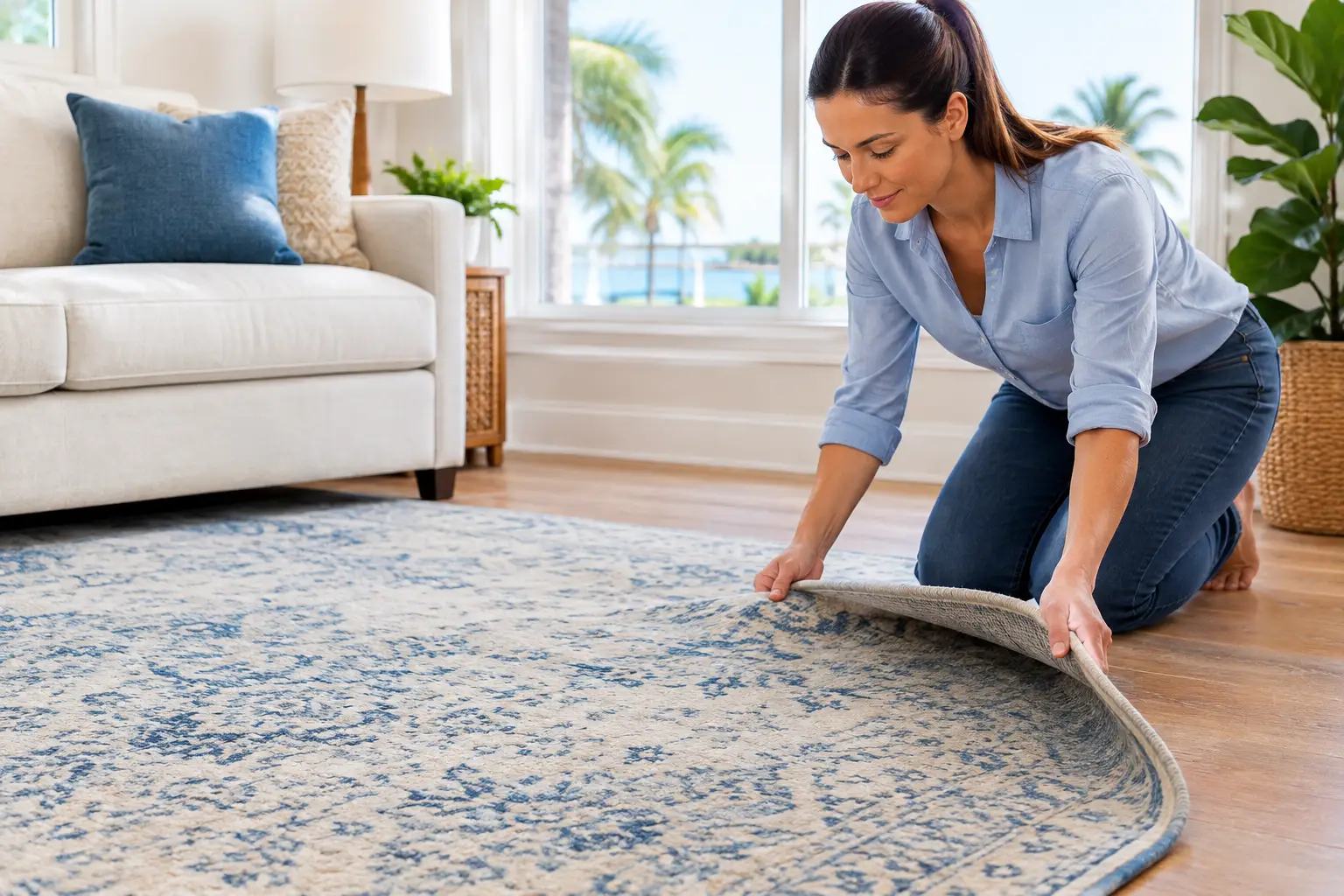
The best time to think about protection is before a clean rug goes back into daily use. A properly sized rug pad does more than make a rug feel softer underfoot. It helps prevent slipping, reduces wear from foot traffic, supports the rug’s structure, and can protect hard-surface flooring from abrasion or dye transfer.
Stain protection may also be appropriate for some rugs, especially in dining areas, family rooms, and homes with children or pets. It is not a license to ignore spills, and it will not make every fiber equally resistant to staining. Still, the right protection can give you more time to blot a spill and reduce the chance that everyday accidents become permanent marks.
For seasonal rugs or pieces being removed during a move or renovation, professional wrapping and storage can help limit risks from dust, pests, moisture, and improper folding. Moths are another concern for wool rugs. If you notice thinning areas, loose fibers, or damage in quiet, undisturbed sections of a rug, arrange an inspection rather than assuming normal wear is the cause.
Questions Worth Asking Before You Choose a Specialist
Ask how the company identifies fibers and tests dyes, whether they perform washing in a dedicated rug-care setting, and how they handle pet urine below the surface. You should also ask whether repairs are assessed before cleaning and how the rug will be dried. Clear answers are a good sign that the provider understands the difference between a fine textile and a standard floor covering.
Price matters, but the lowest estimate is not always the lowest-cost decision. A bargain service that uses harsh chemicals, overwets a rug, or ignores color stability can leave you with a more expensive problem later. Look for a local team that explains its recommendations plainly, respects your home during pickup and delivery, and treats your rug as an item worth preserving.
If a rug has become dull, smells after a humid day, shows wear at the fringe, or has endured a pet accident, do not wait for the issue to become harder to correct. A few photos, accurate measurements, and an early conversation with a qualified local specialist can be the first careful step toward keeping a rug beautiful for many more years.