A beautiful rug can change the feel of a room, but what sits beneath it often determines how well it performs over time. Custom fit rug pads give area rugs the support they need to stay in place, feel better underfoot, and protect the floor below. For homeowners with Oriental rugs, designer rugs, and treasured family pieces, the right pad is not an afterthought. It is part of proper long-term rug care.
A pad that is too small, too thick, or made from the wrong material can create problems that are easy to miss at first. Rugs may creep across tile, buckle at the edges, show uneven wear, or leave marks on certain floor finishes. A properly measured pad helps prevent those issues while adding comfort and stability where your family walks every day.
Why Custom Fit Rug Pads Make a Difference
A rug pad should sit just inside the edges of the rug, usually about one inch smaller on all sides. That small setback keeps the pad from showing while allowing the rug’s border to rest naturally against the floor. It also helps avoid a raised edge that can become a tripping point.
Pre-cut pads sold in standard sizes can work in limited situations, but many rooms and rugs are not standard. An 8-by-10 rug may measure slightly larger or smaller than its label. Antique and handmade rugs can have subtle variations in shape, while hallway runners, entry rugs, and custom-sized room rugs often need more precise trimming. Custom fitting creates a cleaner appearance and more dependable support.
The benefit is especially noticeable on hard flooring. Orlando-area homes commonly have tile, luxury vinyl, hardwood, stone, or laminate floors, each with different needs. A rug that shifts on smooth tile can become a safety concern. On wood or laminate, the wrong backing can trap moisture, discolor the finish, or react with the floor’s protective coating. The best choice depends on both the rug and the surface beneath it.
Protection for Rugs and Floors
A quality rug pad reduces friction between the rug and the floor. Without one, the rug takes the full impact of footsteps, furniture pressure, and repeated movement. Over time, that stress can contribute to thinning pile, worn foundation fibers, distorted corners, and frayed edges.
Padding also provides a layer of shock absorption. This is valuable for hand-knotted Oriental rugs, fine wool rugs, silk-blend rugs, and other pieces that deserve careful handling. Even a thin pad can help soften the impact of daily use without making a rug feel overly thick or unstable.
The floor benefits as well. Dirt and grit can work their way under a rug, particularly near doors, kitchens, pet areas, and busy walkways. As the rug moves, that debris can act like sandpaper against the floor finish. A pad helps limit movement and creates a protective buffer. It does not replace regular vacuuming or professional washing, but it supports the overall care plan.
Choosing the Right Pad for Your Floor
There is no single rug pad that is right for every home. The material, thickness, and grip should match the floor type, rug construction, room use, and household needs.
For hardwood, laminate, and luxury vinyl floors, look for a pad specifically labeled safe for those finishes. Some low-quality rubber or PVC-backed materials may stain, yellow, or adhere to certain floors over time. A quality felt-and-rubber pad made for hard surfaces often provides a good balance of cushioning and grip, but the floor manufacturer’s recommendations should always be considered.
Tile and stone floors generally benefit from a non-slip pad that keeps the rug from sliding while adding some cushion. In a busy kitchen, foyer, or hallway, stability is often the priority. For a living room or bedroom, a thicker felt layer may be more comfortable if doors clear the rug and the added height does not create a trip hazard.
Carpeted rooms require a different approach. A rug placed over wall-to-wall carpet can wrinkle or creep if the pad is too slick. A pad designed for carpet-on-carpet use helps hold the area rug in place without damaging the carpet beneath it. It should be firm enough to prevent bunching, especially under furniture.
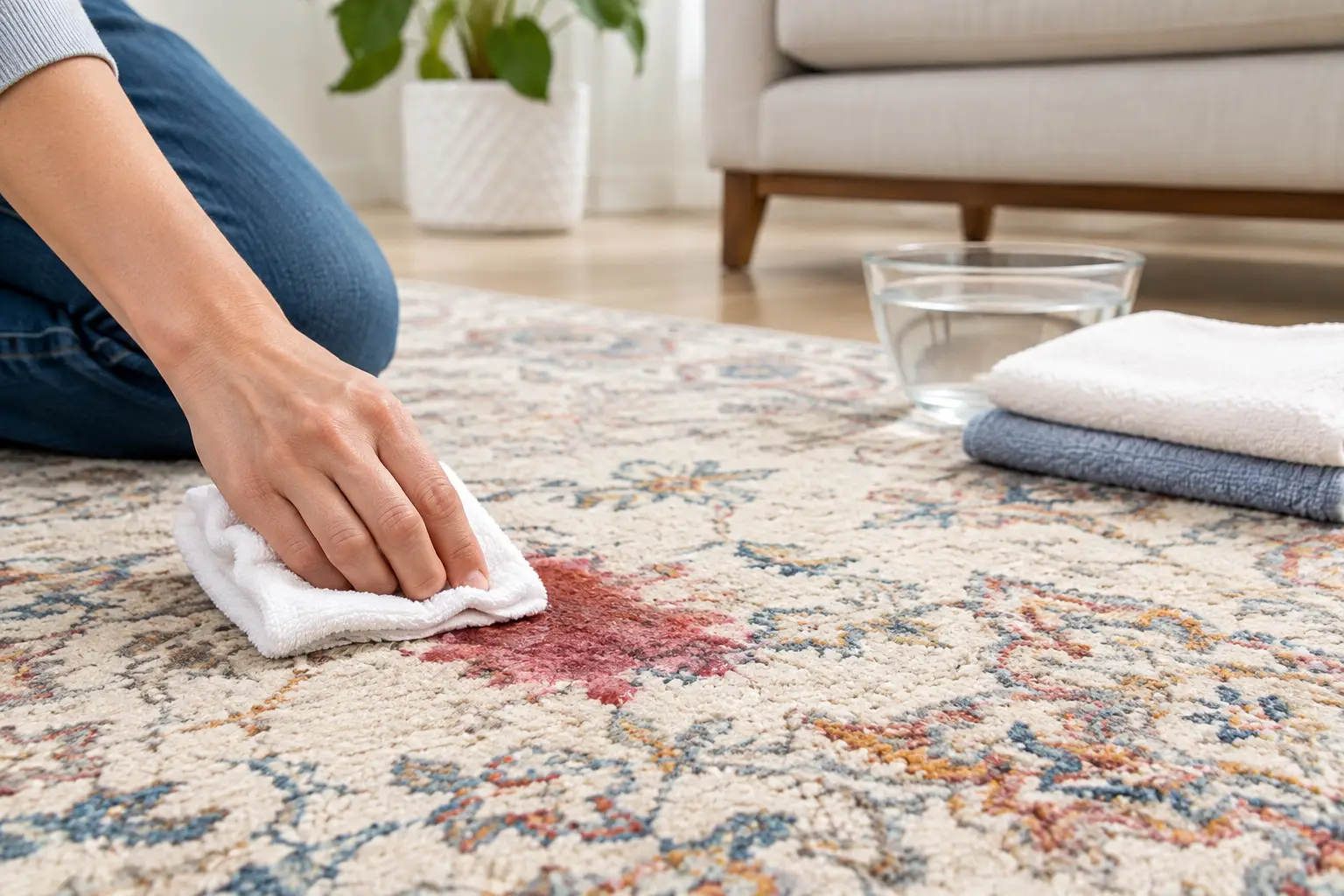
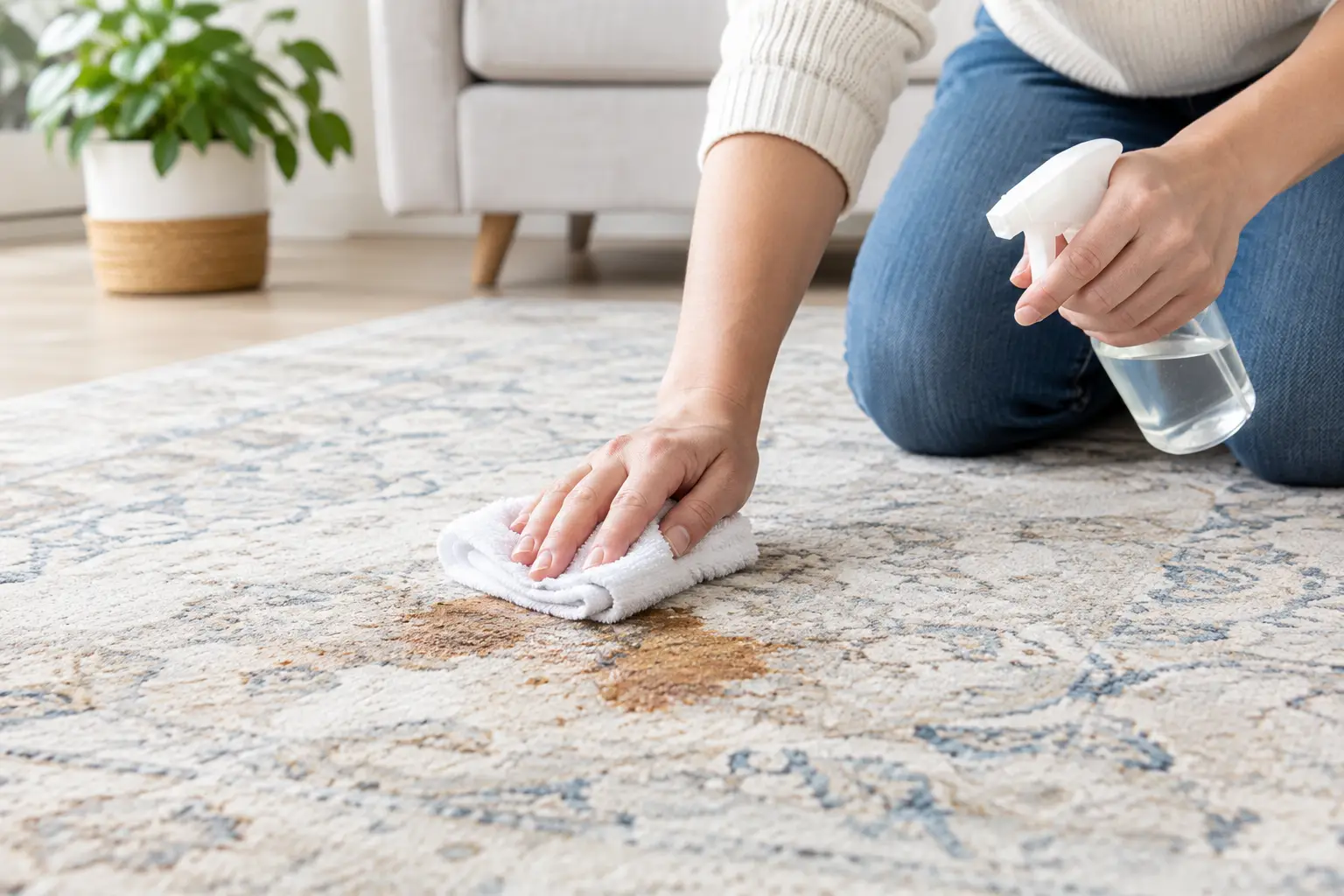
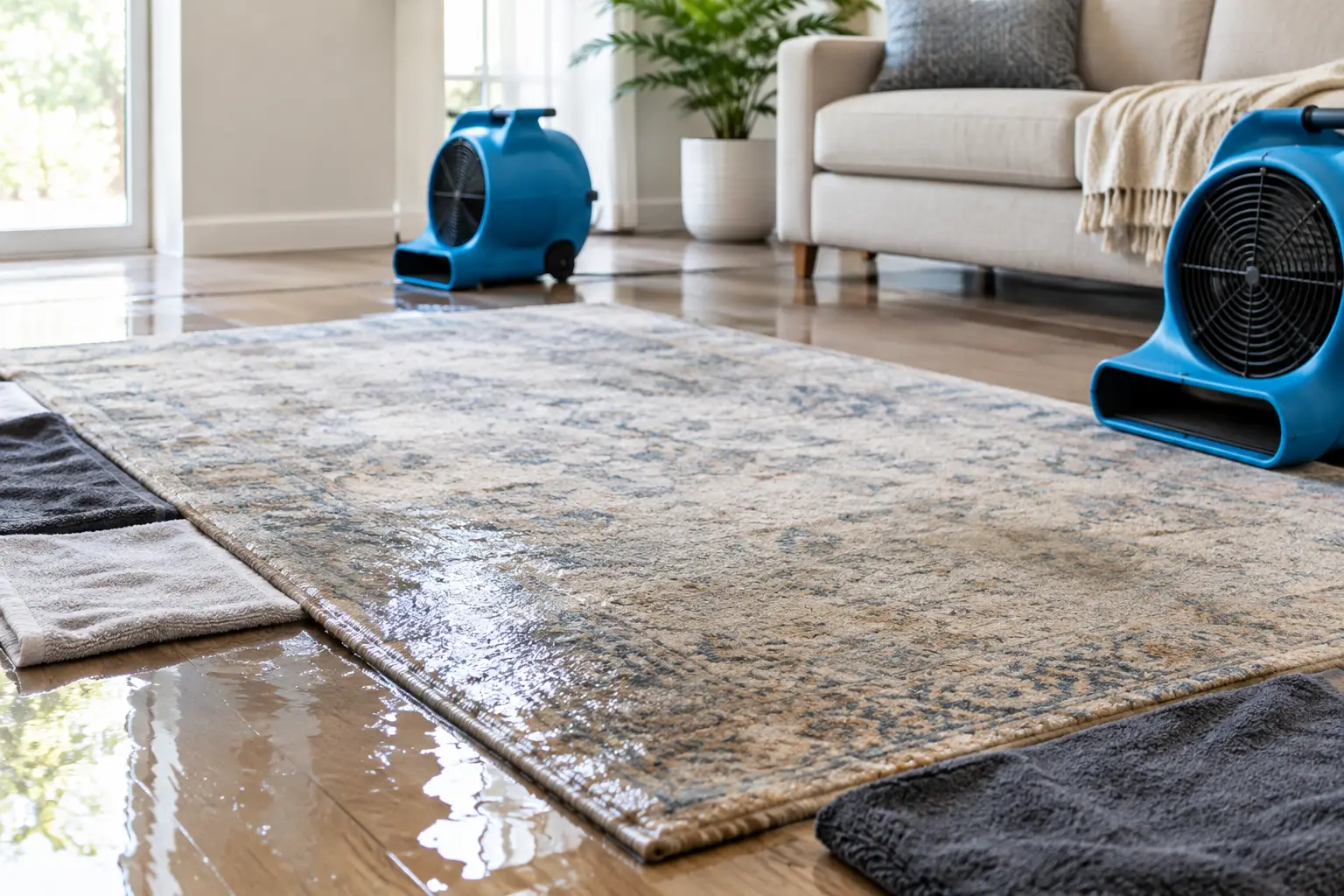
For homes with pets or young children, avoid treating a rug pad as a solution for accidents. Pads can absorb moisture depending on their construction, and urine or spills that reach the pad may create lingering odor concerns. When an accident occurs, prompt attention matters. Proper pet urine decontamination may involve treating the rug and evaluating whether the pad also needs cleaning or replacement.
Thickness Is a Practical Decision
Thicker is not automatically better. A plush pad can make a rug feel luxurious in a bedroom or sitting area, but too much thickness can interfere with doors, create an unstable walking surface, or make furniture wobble. Thin, dense padding is often the better choice for entryways, runners, dining rooms, and rugs placed near doors.
Furniture placement also matters. Heavy tables, sofas, and beds can compress soft padding over time. In those areas, a denser pad may offer more consistent support. If a rug is holding a dining table and chairs, consider how chair legs move across the rug. The pad should help the rug stay flat without making chairs difficult to pull in and out.
The goal is not simply extra softness. It is a stable foundation that supports the rug’s use in that particular room.
When a Rug Pad Needs Attention
Rug pads do not last forever. Heat, humidity, foot traffic, compressed fibers, spills, and normal aging can all affect their performance. Central Florida’s humidity makes it especially wise to check beneath rugs periodically, particularly in rooms with limited airflow or near exterior doors.
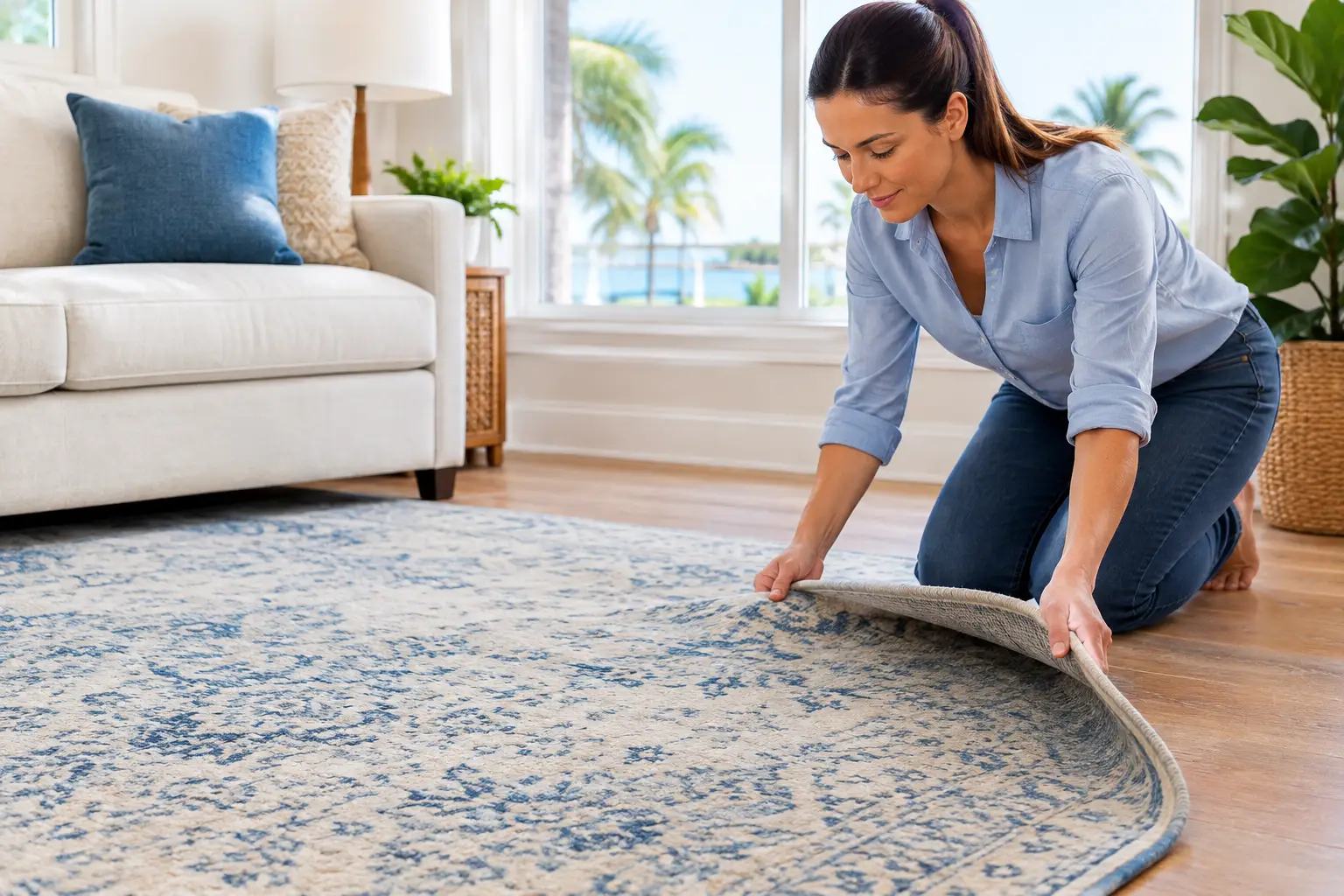
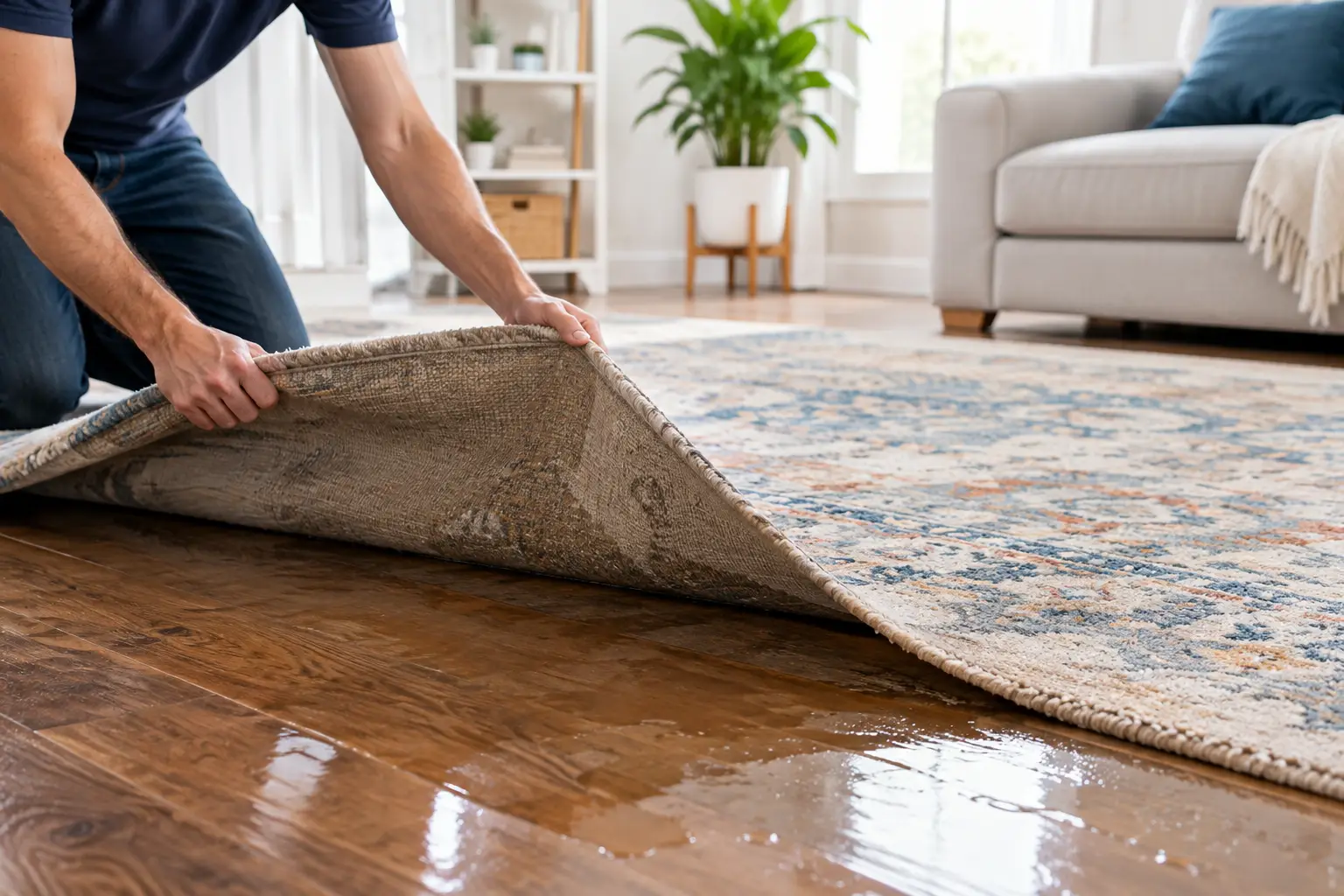
Lift the rug occasionally and look for signs of trouble: a sticky feel, powdery residue, discoloration on the floor, flattened sections, moisture, or an odor that seems stronger underneath than on top. If the rug has begun sliding, curling, or feeling uneven, the pad may no longer be providing the support it should.
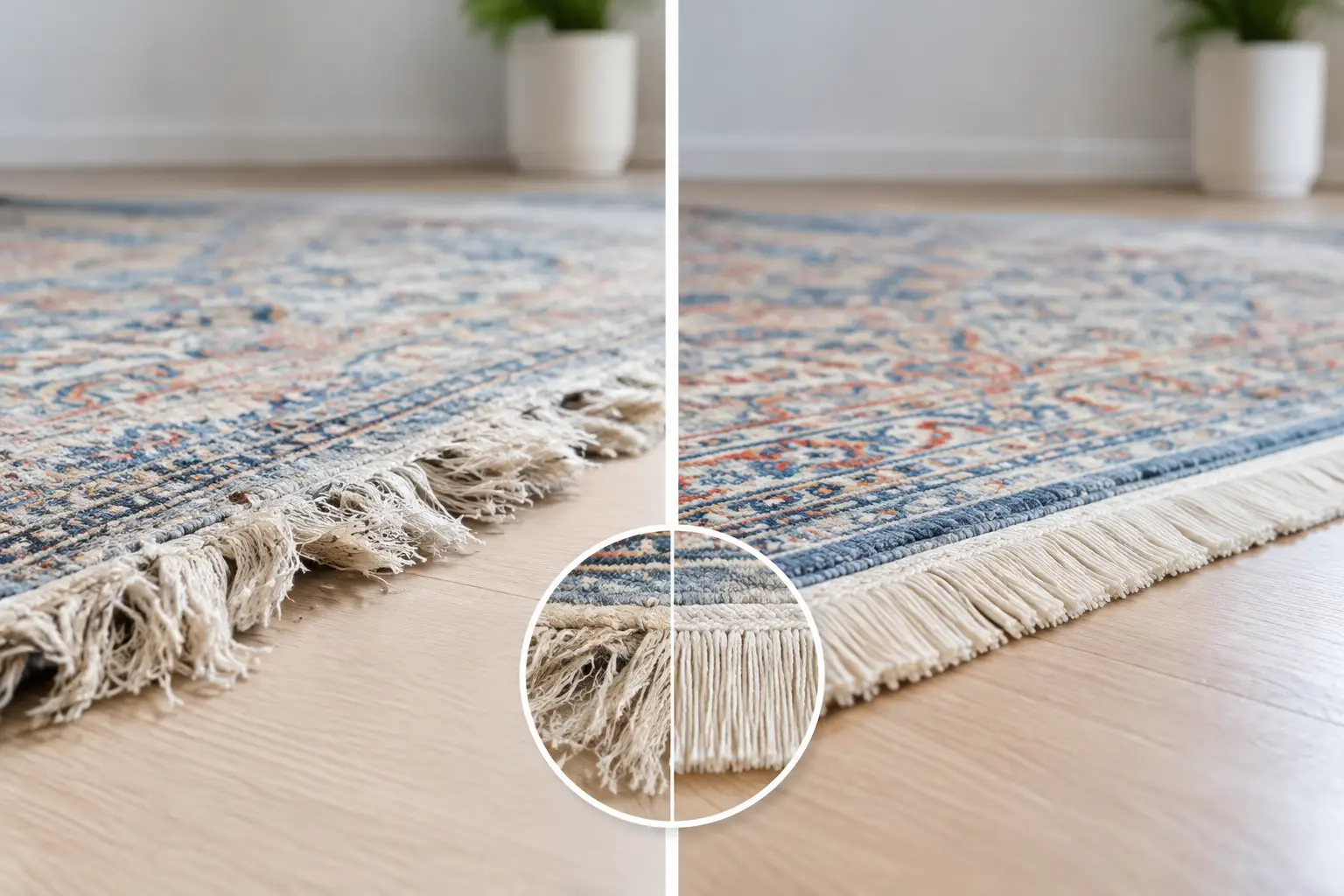
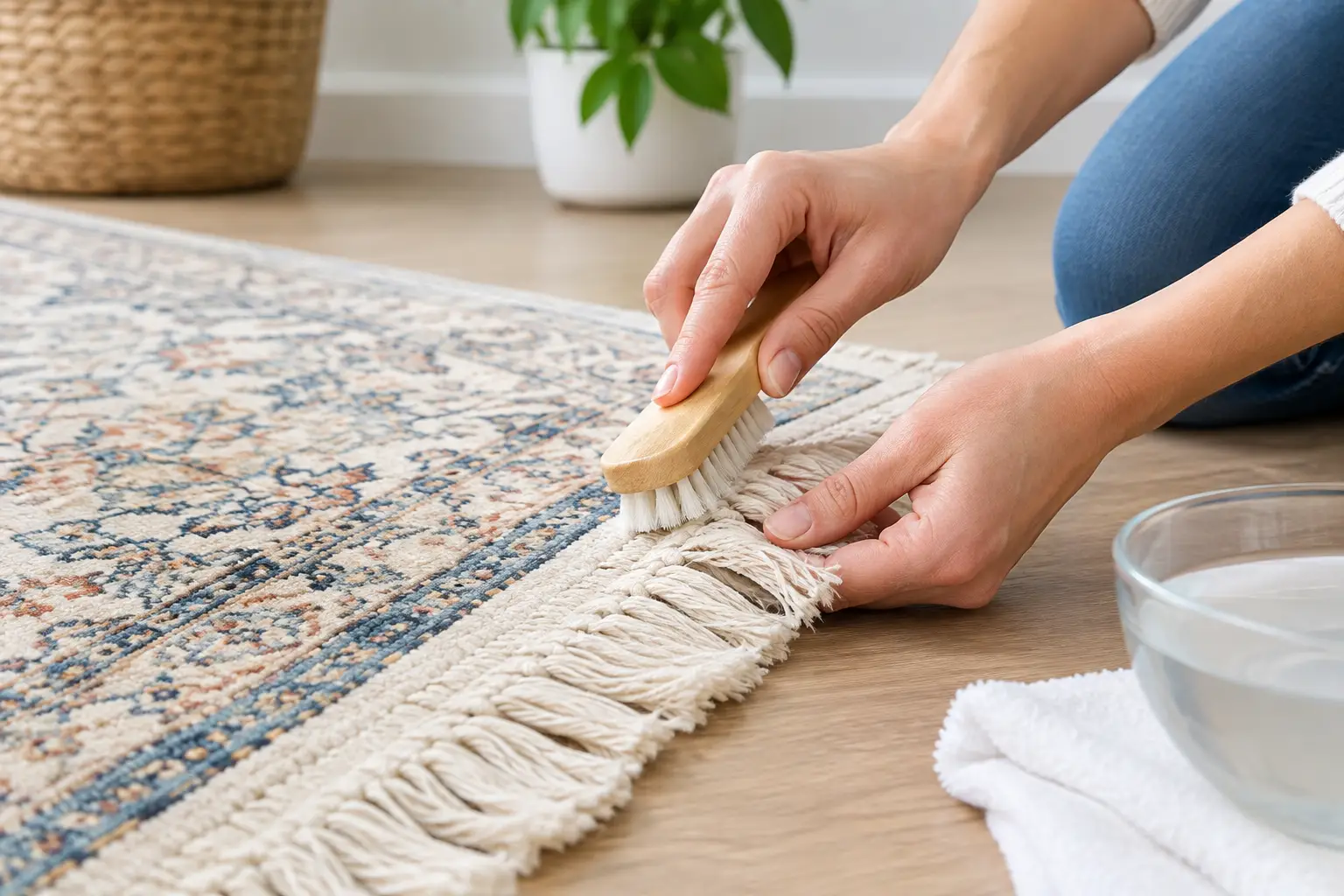
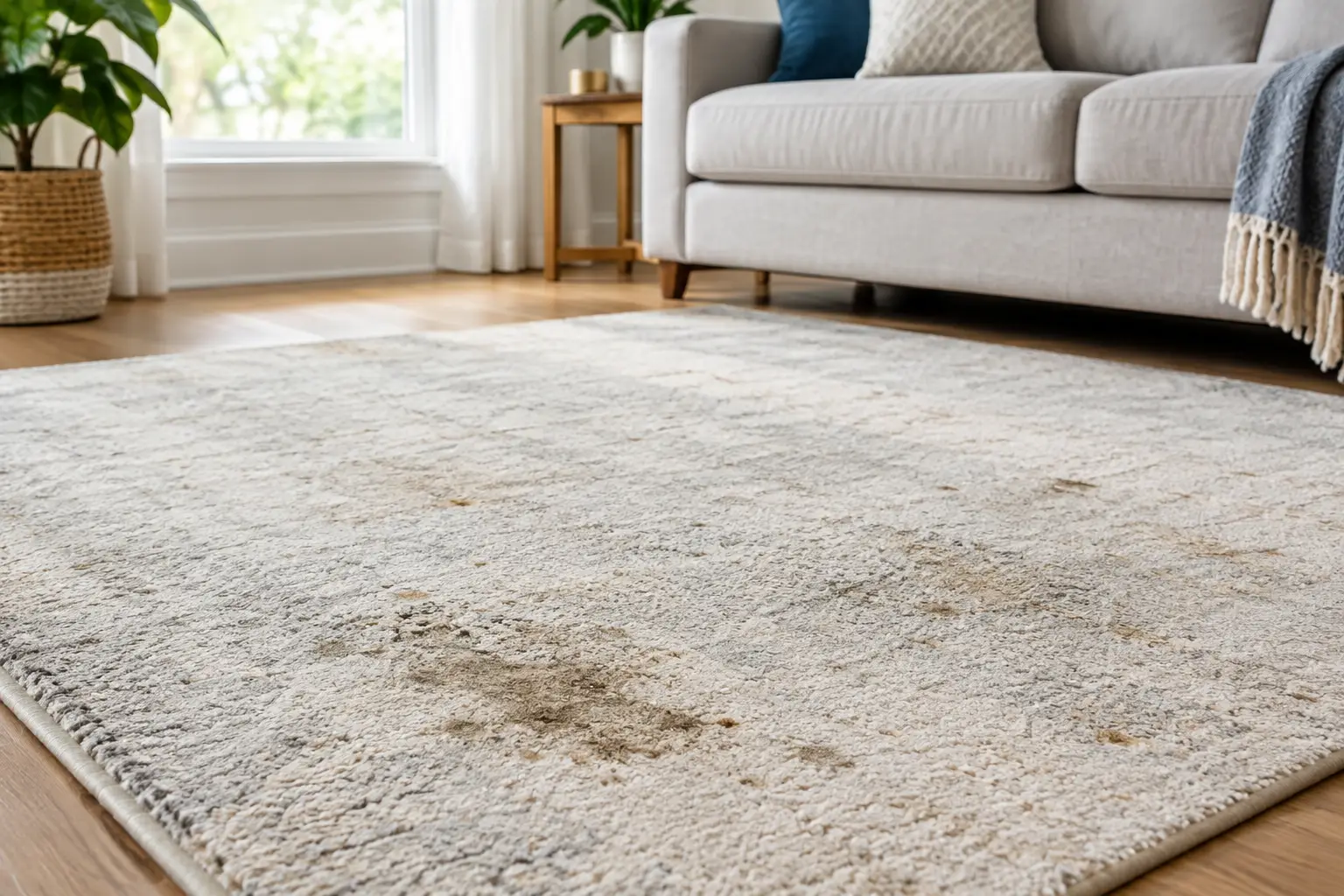
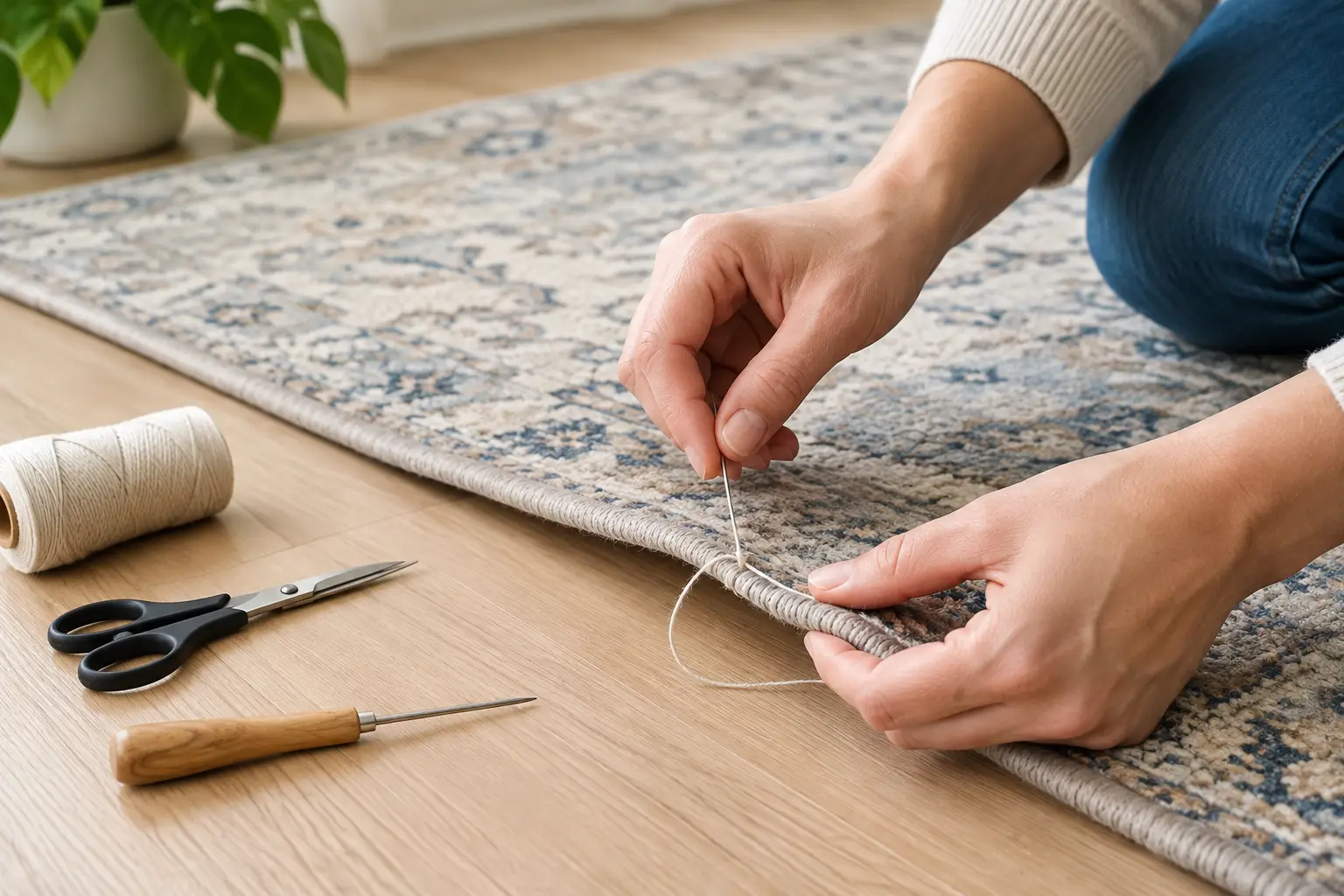
This is also a good time to inspect the rug itself. Worn fringe, loose edges, moth activity, color changes, and pet-related odor are easier to address when caught early. Waiting until a small issue becomes a structural repair usually means more work and more disruption later.
A Better Fit Starts With Accurate Measurements
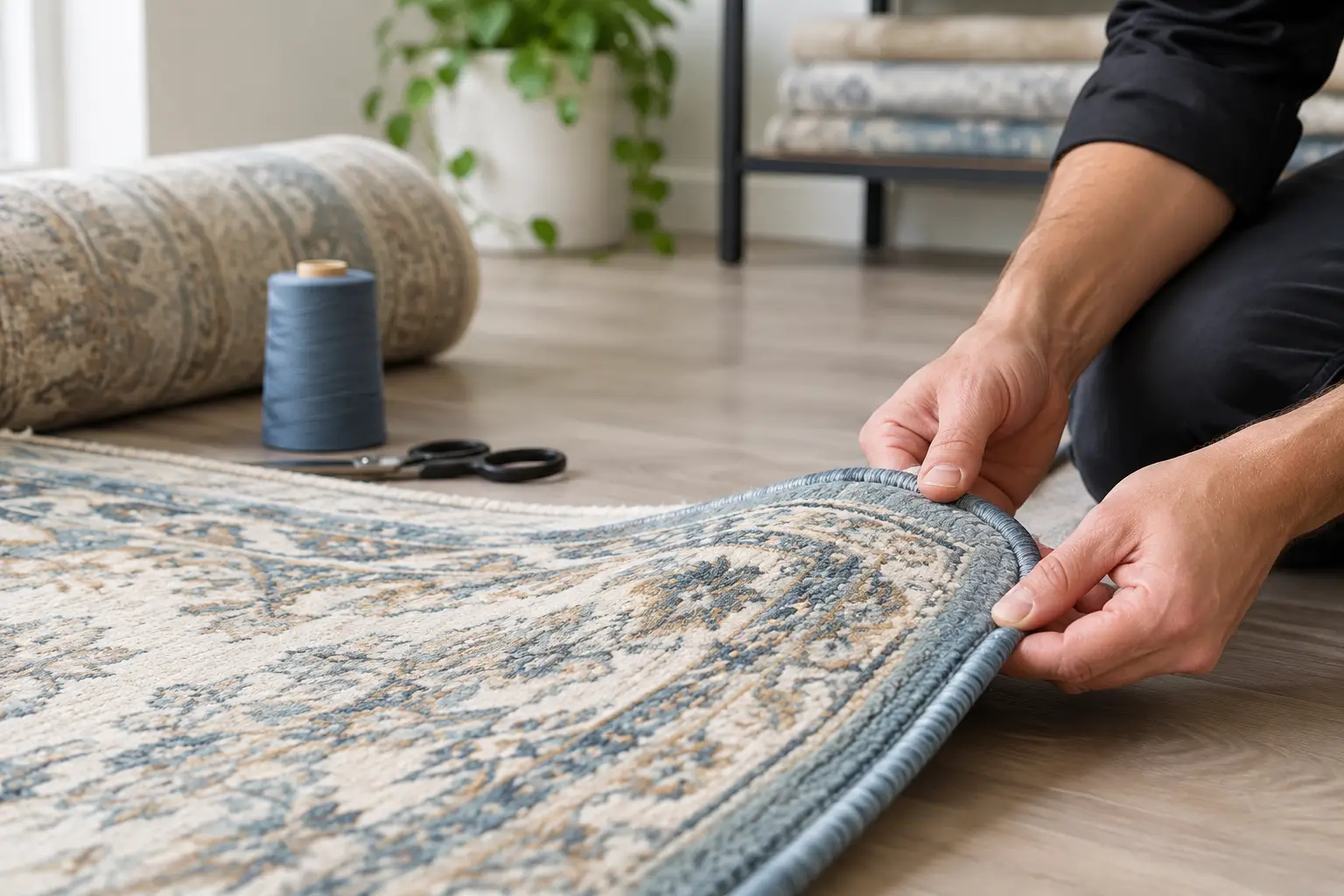
Measuring for a custom pad is straightforward, but accuracy matters. Measure the rug itself rather than relying only on the size printed on a tag. If the rug has an irregular shape, such as an oval, round, or handmade piece with slight variations, measure the widest points and note the shape.
A custom pad is then trimmed to sit just inside the rug perimeter. For runners and narrow rugs, this careful sizing is particularly useful because even a small amount of exposed pad can look untidy or catch a shoe. For large room-size rugs, a correctly fitted pad helps the entire rug lie flatter and feel more secure.
If you are uncertain about the right material or thickness, take a few photos of the rug and the floor where it will be placed. Include the room, nearby door clearances, and any areas of concern. A knowledgeable rug care professional can help match the pad to the rug’s construction and your home’s flooring.
At 1st Impressions Oriental and Area Rug Cleaning, custom padding is considered part of protecting the rug, not just keeping it from moving. That same careful approach applies whether a rug needs washing, odor treatment, fringe repair, storage preparation, or a properly fitted pad before it returns to your home.
A rug pad is hidden from view, but its value shows up in quieter ways: a rug that stays square, a floor that remains protected, and a favorite piece that feels as good underfoot years from now as it does today.