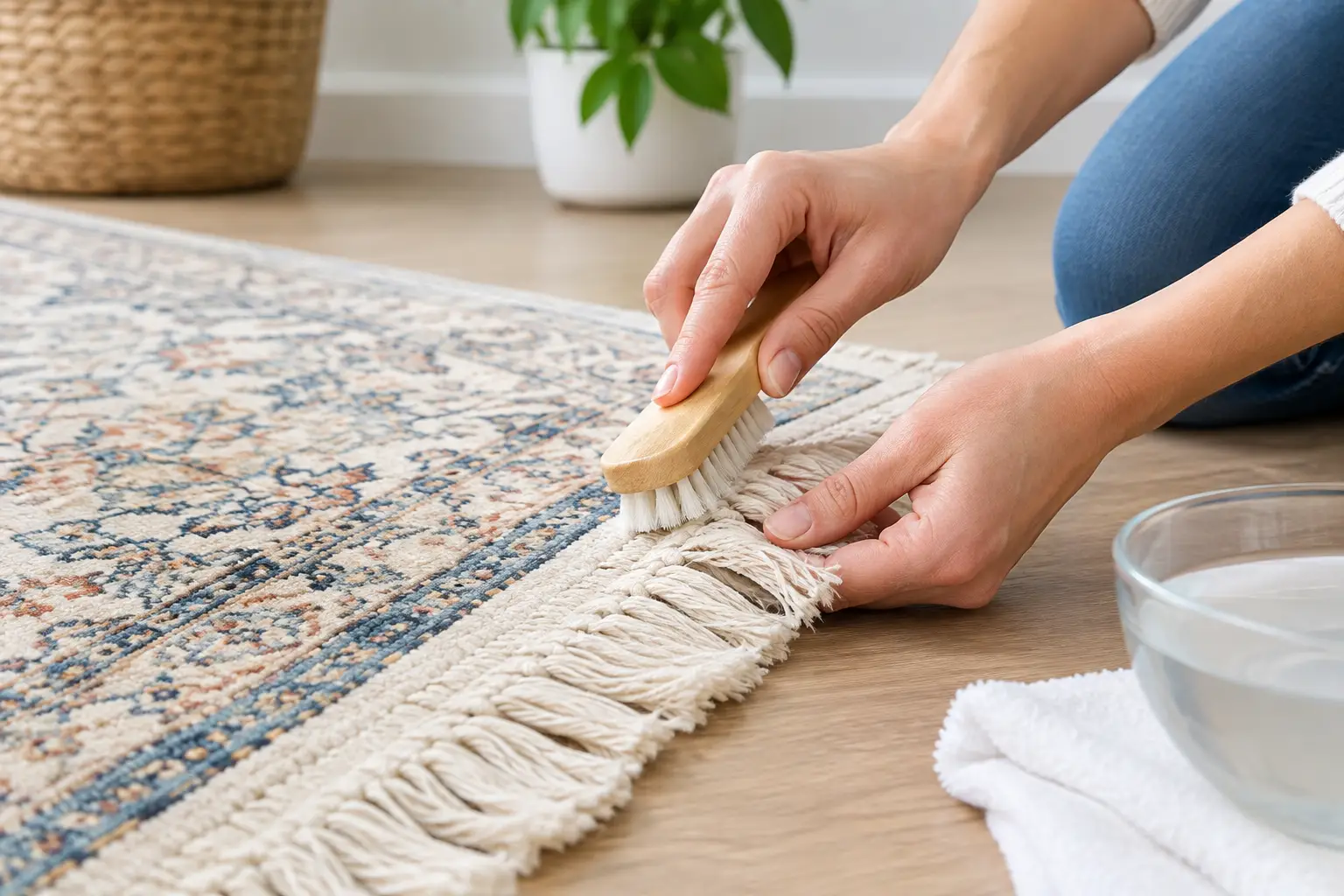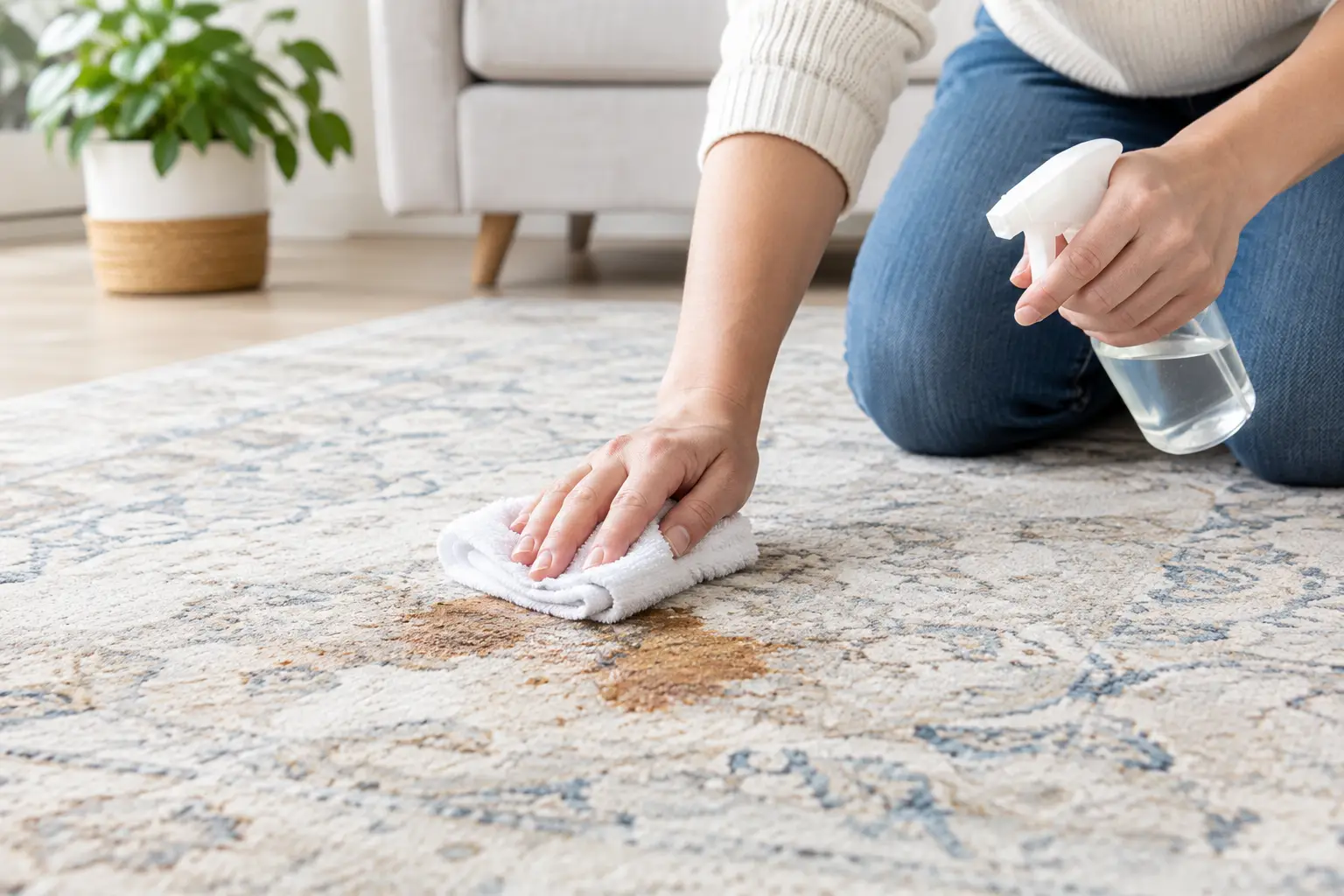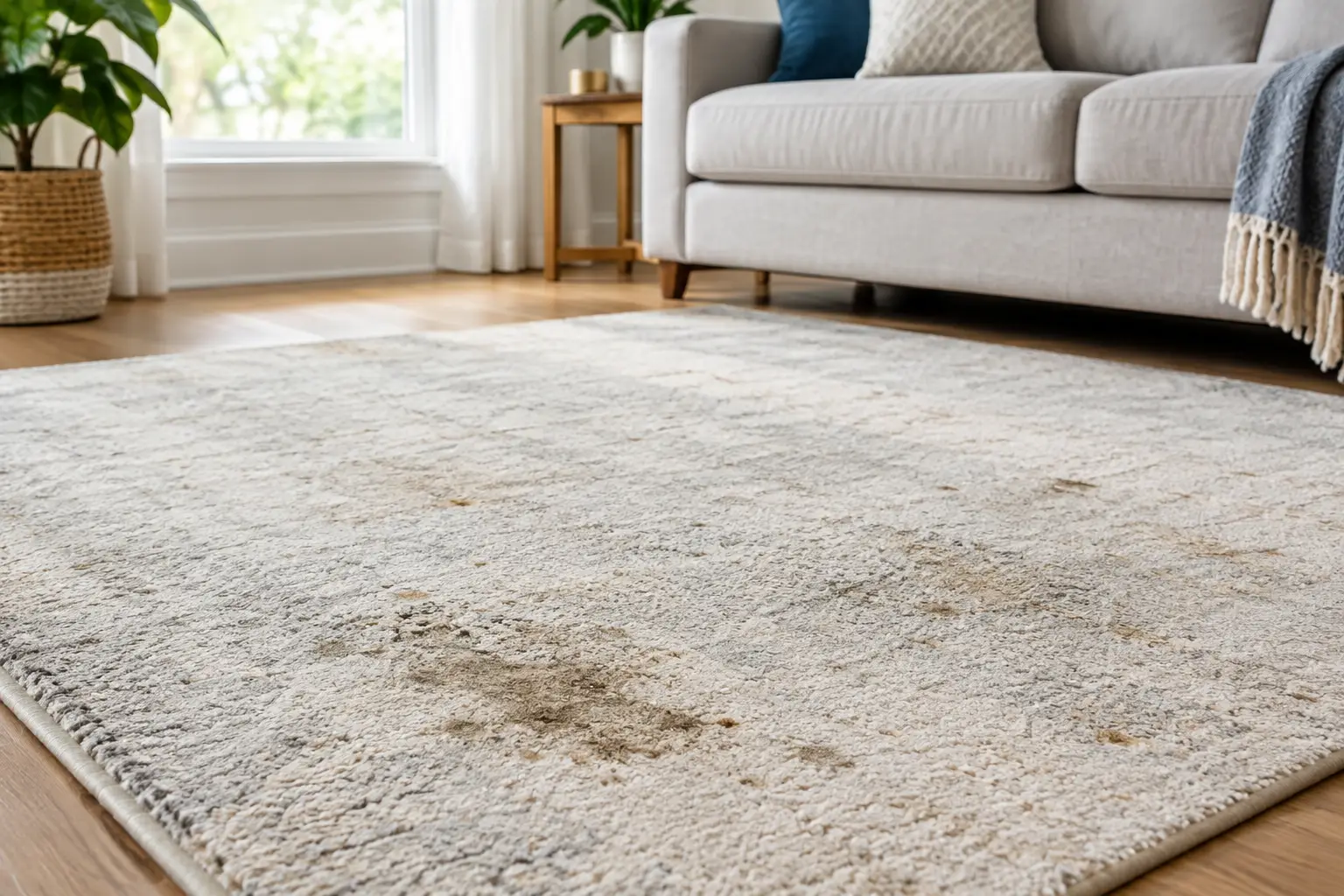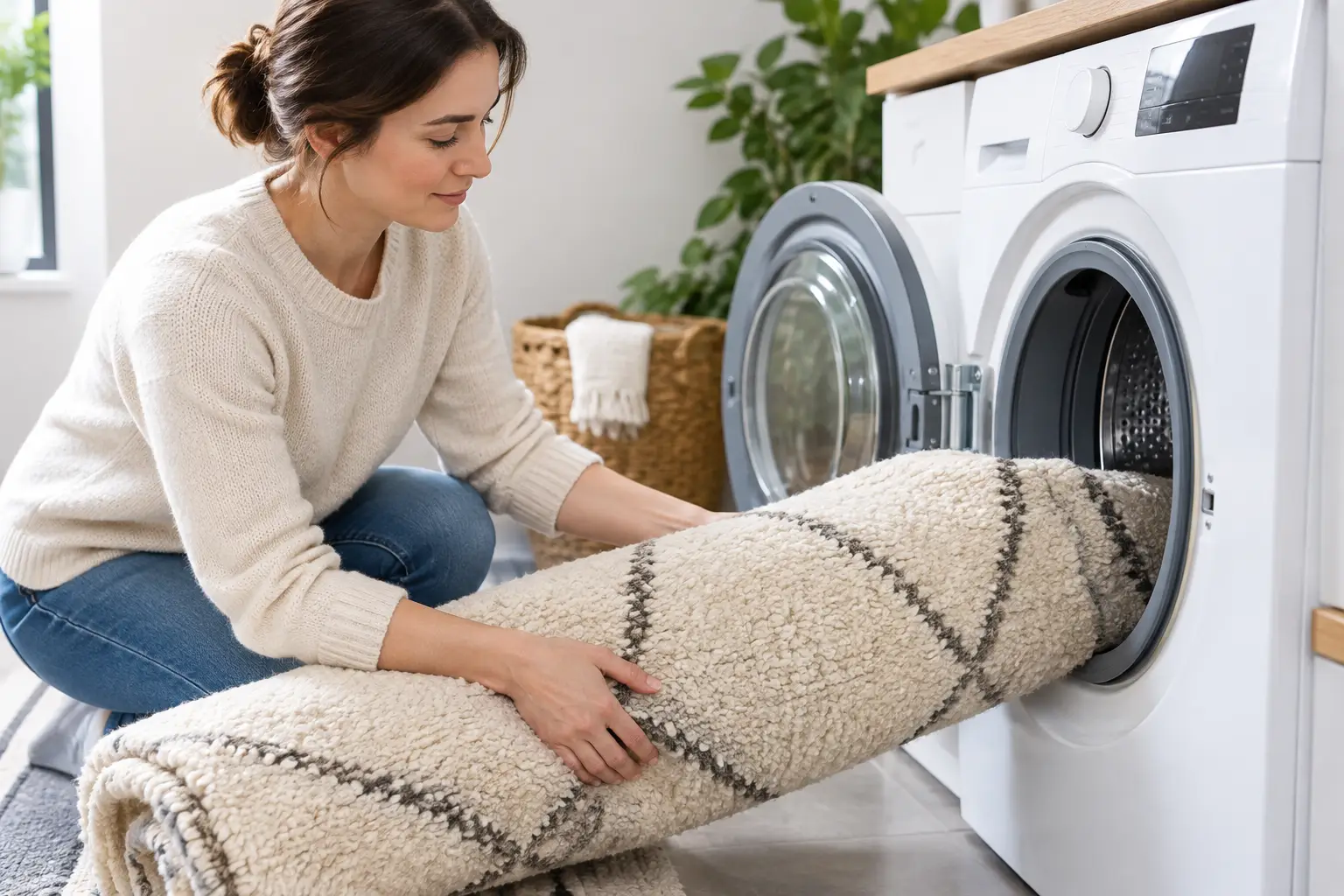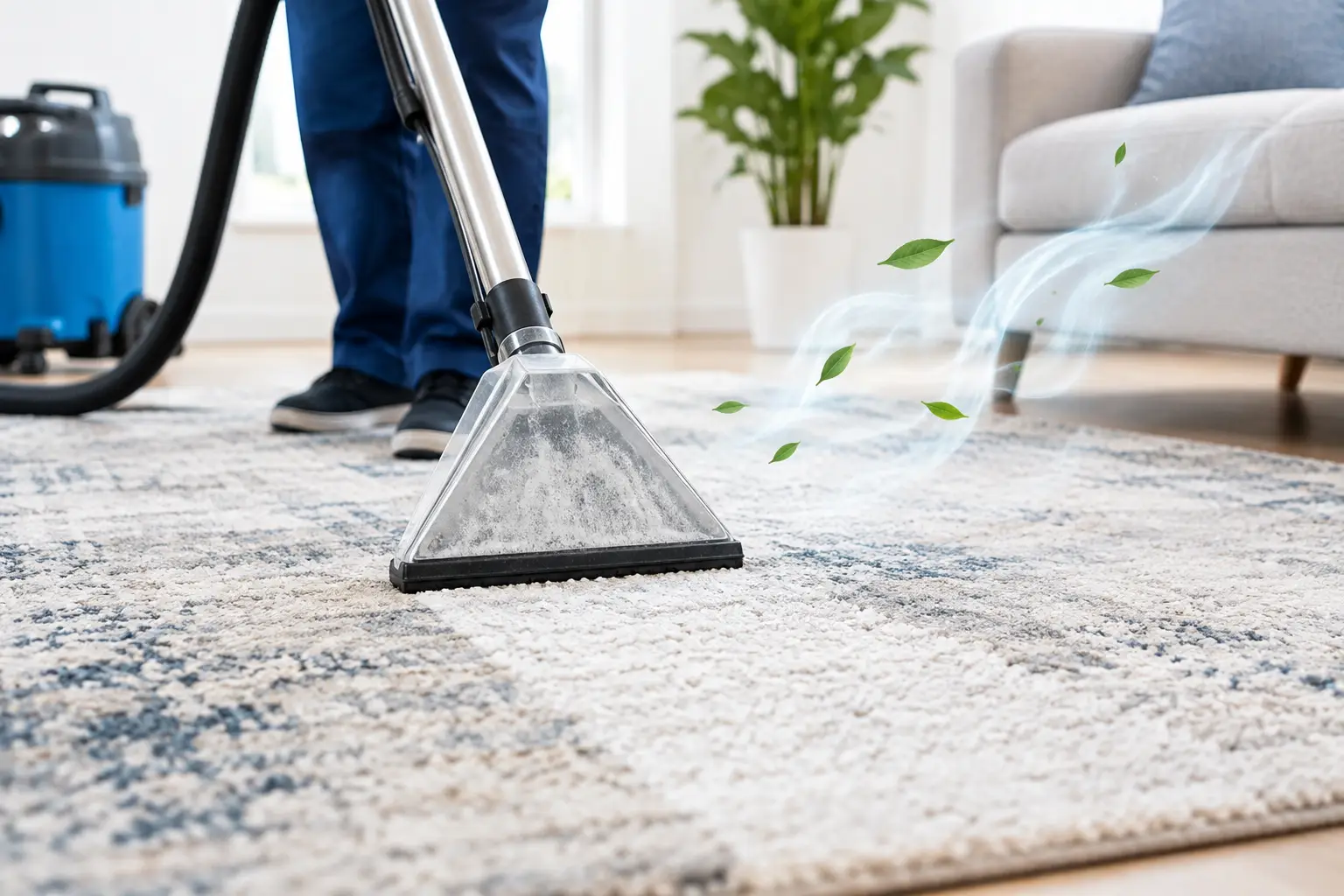
A rug can look clean from across the room and still hold an odor that returns whenever Central Florida humidity rises. Pet accidents, damp shoes, food spills, and ordinary household soil can settle below the pile and into the foundation. So, can rug washing remove odors? In many cases, yes – but only when the washing process reaches the source rather than simply masking the smell at the surface.
For valuable Oriental rugs, designer area rugs, and sentimental household pieces, the goal is not to cover an odor with fragrance. It is to carefully remove the odor-causing material while respecting the rug’s fibers, dyes, fringe, and structure.
Can Rug Washing Remove Odors Permanently?
Professional rug washing can remove or greatly reduce odors when the source is inside the rug and the rug is properly treated, rinsed, and dried. The key word is properly. A quick topical spray or rental-machine cleaning may freshen the face fibers, but it often cannot flush contaminants out of the rug’s backing, foundation yarns, or dense pile.
Odors tend to linger because the substance causing them has not been removed. Pet urine, for example, can travel through the pile to the back of the rug and sometimes into the rug pad or flooring below. As moisture in the air activates residue left behind, the odor may become noticeable again. This is why a rug that seemed better after a light cleaning can smell again days or weeks later.
A thorough water-based bathing process is designed to address this deeper contamination. Depending on the fiber type, construction, dyes, and condition, a trained rug care professional may dust out dry soil, pre-treat affected areas, wash the rug, rinse it thoroughly, and dry it under controlled conditions. Each step matters. Leaving soil or cleaning residue behind can contribute to a stiff feel, rapid resoiling, or recurring odors.
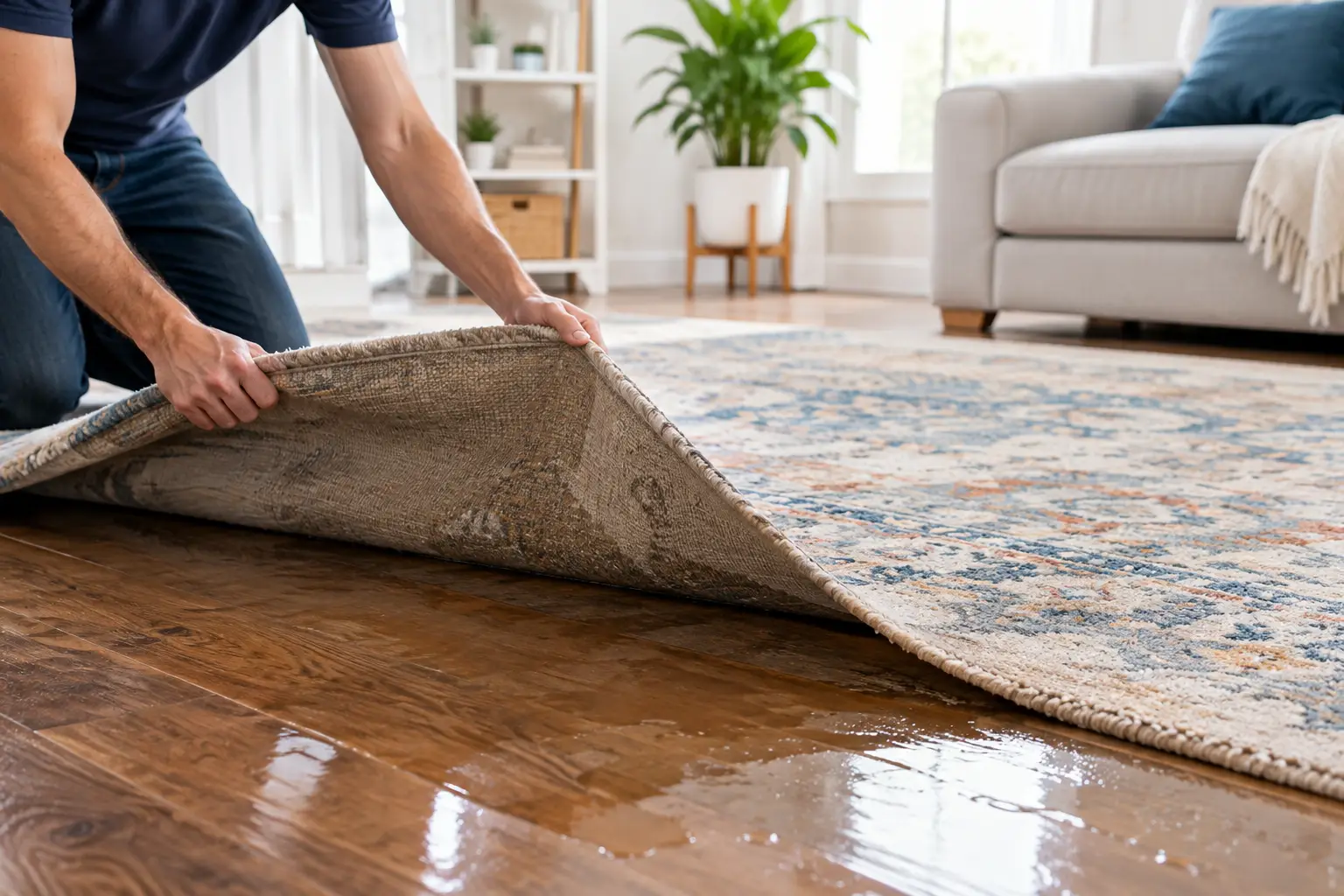
That said, permanent odor removal depends on where the odor has traveled. If urine or moisture reached the pad, hardwood, carpet beneath the rug, or subfloor, those materials may need attention as well. Washing the rug is still an essential step, but it cannot correct contamination that remains under it.
What Kind of Odors Can Rug Washing Treat?
Most household rug odors come from organic residue, moisture, or deeply embedded soil. A professional evaluation helps determine whether washing is appropriate and what level of treatment the rug needs.
Pet urine and pet odors
Pet urine is one of the most challenging rug concerns because it is rarely limited to what is visible. Even after the wet spot disappears, urine salts and proteins can remain in the fibers and foundation. They may attract moisture and release odor again, particularly on humid days.
Effective pet urine decontamination often requires more than spot cleaning. The rug may need targeted flushing and a full wash so contaminants can be moved out of the textile rather than pushed farther into it. A careful professional also considers whether the dyes are stable and whether the rug has wool, silk, cotton, viscose, or synthetic fibers before selecting a treatment.
Mildew and musty odors
A musty smell often points to a moisture issue. Rugs stored in garages, left on damp floors, exposed to a plumbing leak, or rolled up before they were completely dry can develop a stale odor. Washing can help remove the affected soil and residue, but the rug must also be dried thoroughly and promptly.
If mildew is extensive, the fiber condition needs to be assessed first. Natural fibers can weaken when they remain damp for too long, and a strong musty odor can indicate that the problem is more than superficial.
Food, beverage, and smoke odors
Spilled milk, cooking grease, wine, and other food residues can create odors as they break down in the rug. Smoke can also cling to fibers, particularly in wool rugs with a dense pile. A full wash is often more effective than deodorizing products because it removes the particles carrying the odor.
The result depends on age, prior cleaning attempts, and the type of residue. Older contamination may require additional work, especially if it has bonded to fibers or caused color changes.
General “old rug” odor
Sometimes a rug simply smells dusty, stale, or enclosed after years of use. This is often a combination of embedded dry soil, natural oils, pet dander, and household debris. Proper washing can make a dramatic difference, restoring a cleaner, fresher feel without relying on harsh perfumes.
Why Surface Cleaning Often Falls Short
Area rugs are not built like wall-to-wall carpet. Many fine rugs have distinct face fibers, foundation threads, side bindings, fringe, and layers of handwoven or machine-made construction. Dirt and odor-producing residue can settle below the visible pile, where a surface-only method does little to remove it.
Over-wetting a rug in the home can create another problem. If a rug is soaked but not thoroughly extracted and dried, moisture can remain in the foundation and encourage mustiness. Aggressive chemicals can also damage delicate fibers, strip color, or leave a residue that attracts soil.
This is why valuable rugs should not be treated like ordinary carpeting. A careful wash process takes the individual rug into account. Wool often responds beautifully to proper washing, but silk, viscose, antique rugs, unstable dyes, and rugs with existing damage require a more cautious approach.
Signs Your Rug Needs More Than Deodorizer
A deodorizing product may be useful for a mild, temporary smell, but it is not a substitute for cleaning a contaminated rug. Consider professional washing when an odor returns after vacuuming or spot treatment, becomes stronger during humid weather, or is accompanied by visible staining, tackiness, discoloration, or stiffness.
You should also take action if pets repeatedly use the same area of the rug, if the rug was exposed to flooding or a leak, or if it smells worse after a do-it-yourself cleaning attempt. The sooner odor-causing material is addressed, the better the chances of preserving the rug and avoiding damage to the floor beneath it.
Protecting the Rug and the Floor Underneath
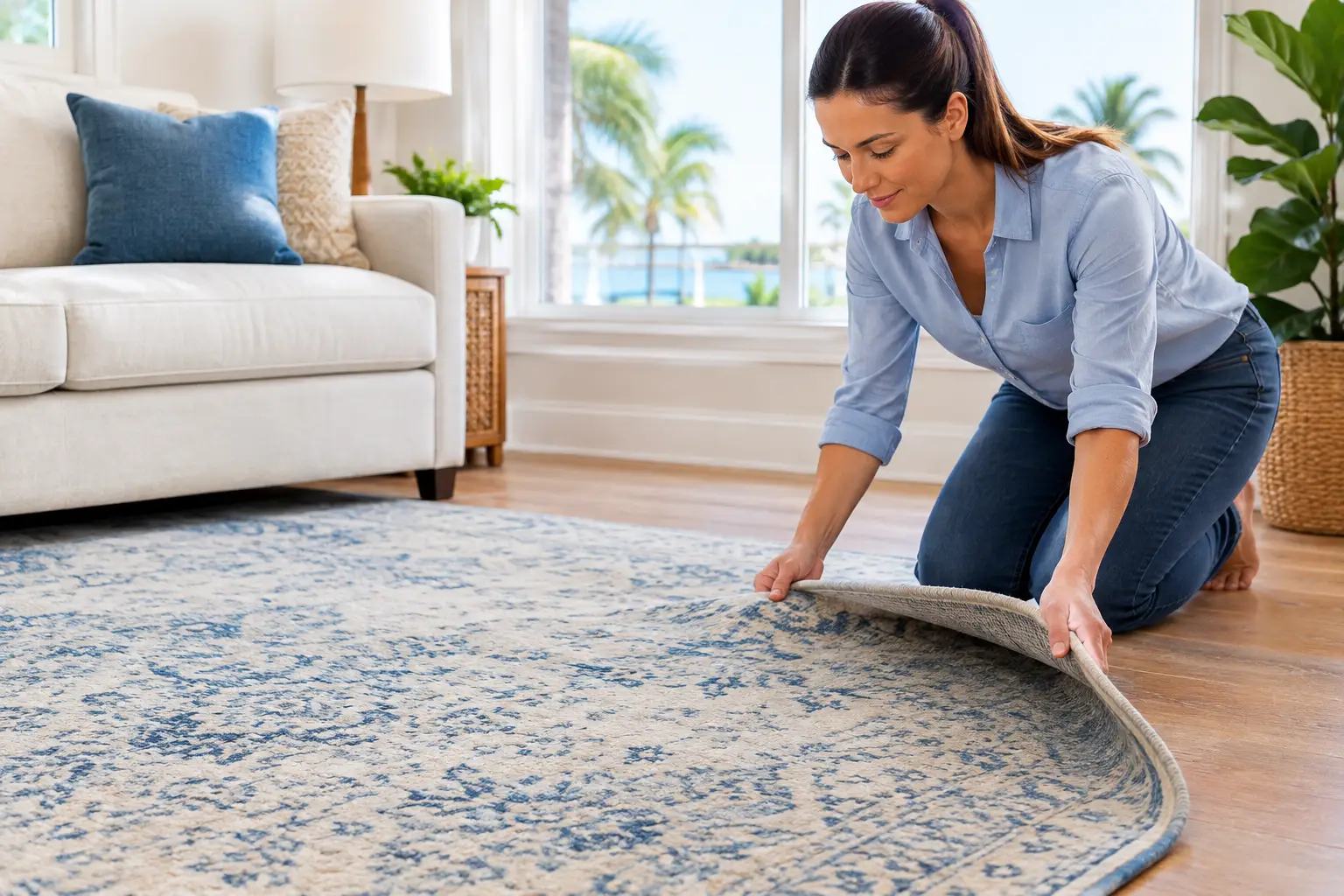
After odor treatment, prevention makes a meaningful difference. A quality custom-fit rug pad helps keep the rug in place, adds cushioning, and creates a layer between the rug and hard-surface flooring. It can also make it easier to identify and address future accidents before they reach the floor.
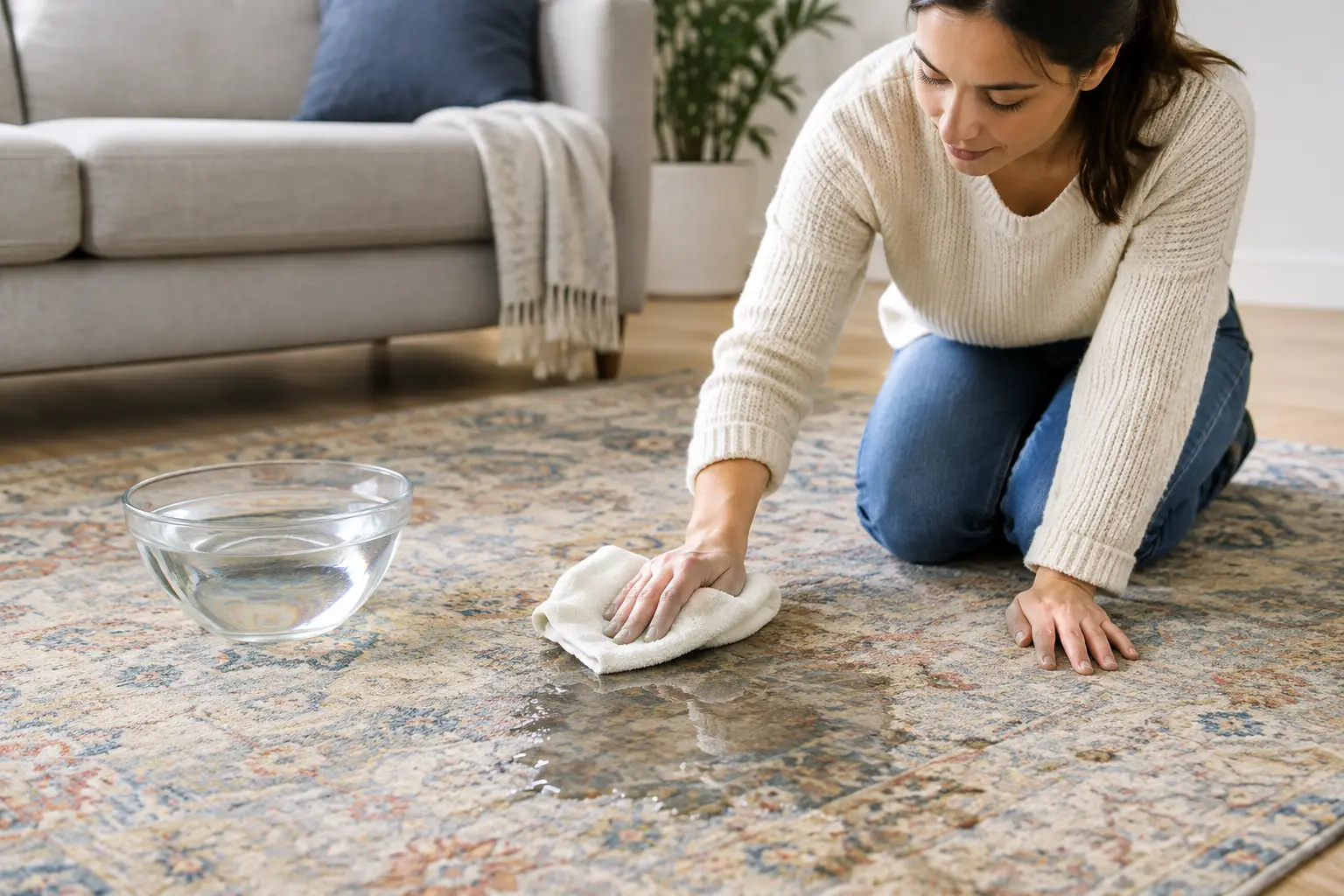
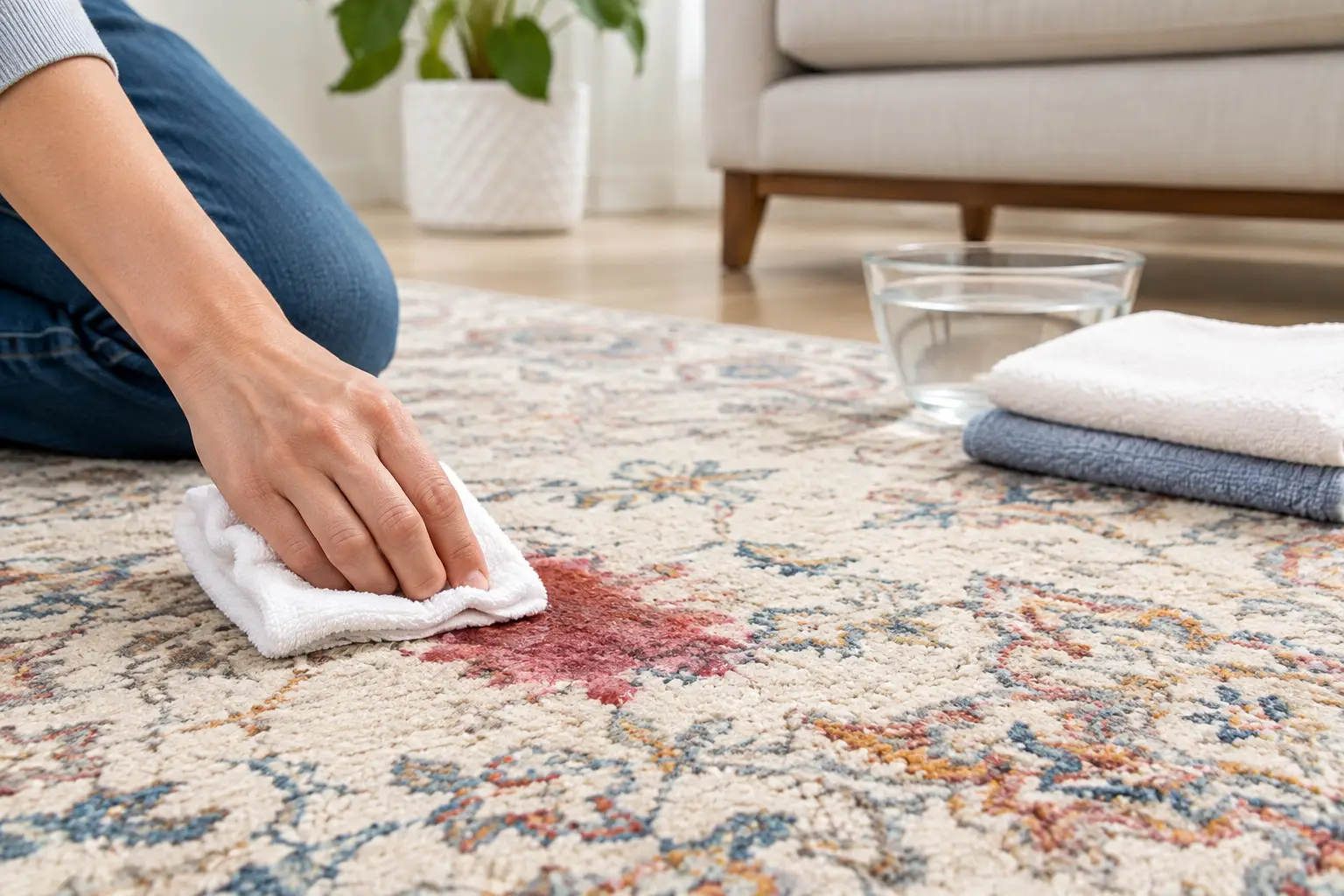
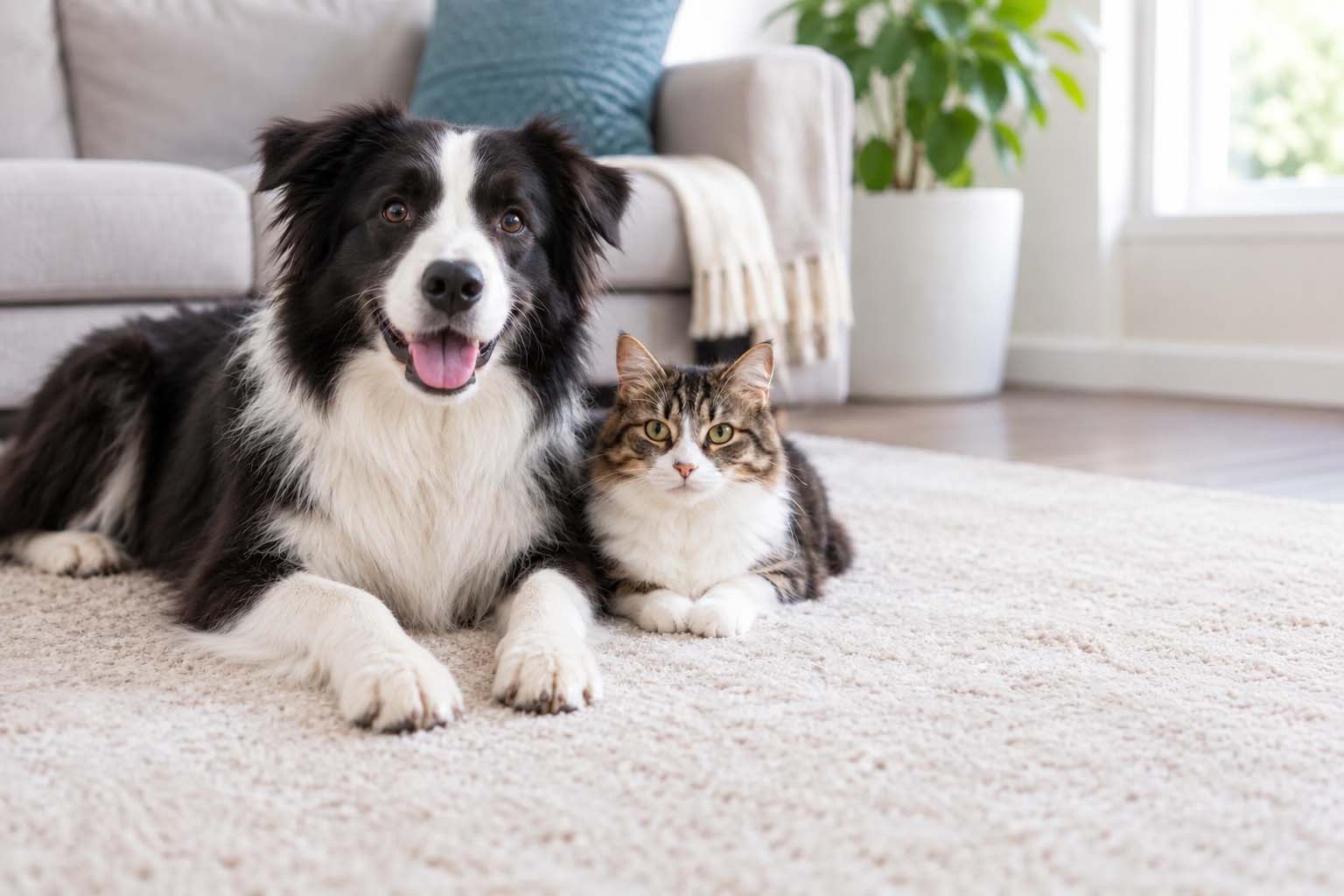
For pet households, blot accidents promptly with clean towels and avoid rubbing. Do not use bleach, strong household cleaners, or heavily fragranced products on a fine rug. These products may alter dyes, weaken fibers, or make later professional treatment more difficult. If a spill reaches the back of the rug, lift the rug when it is safe to do so and check the pad and floor below.
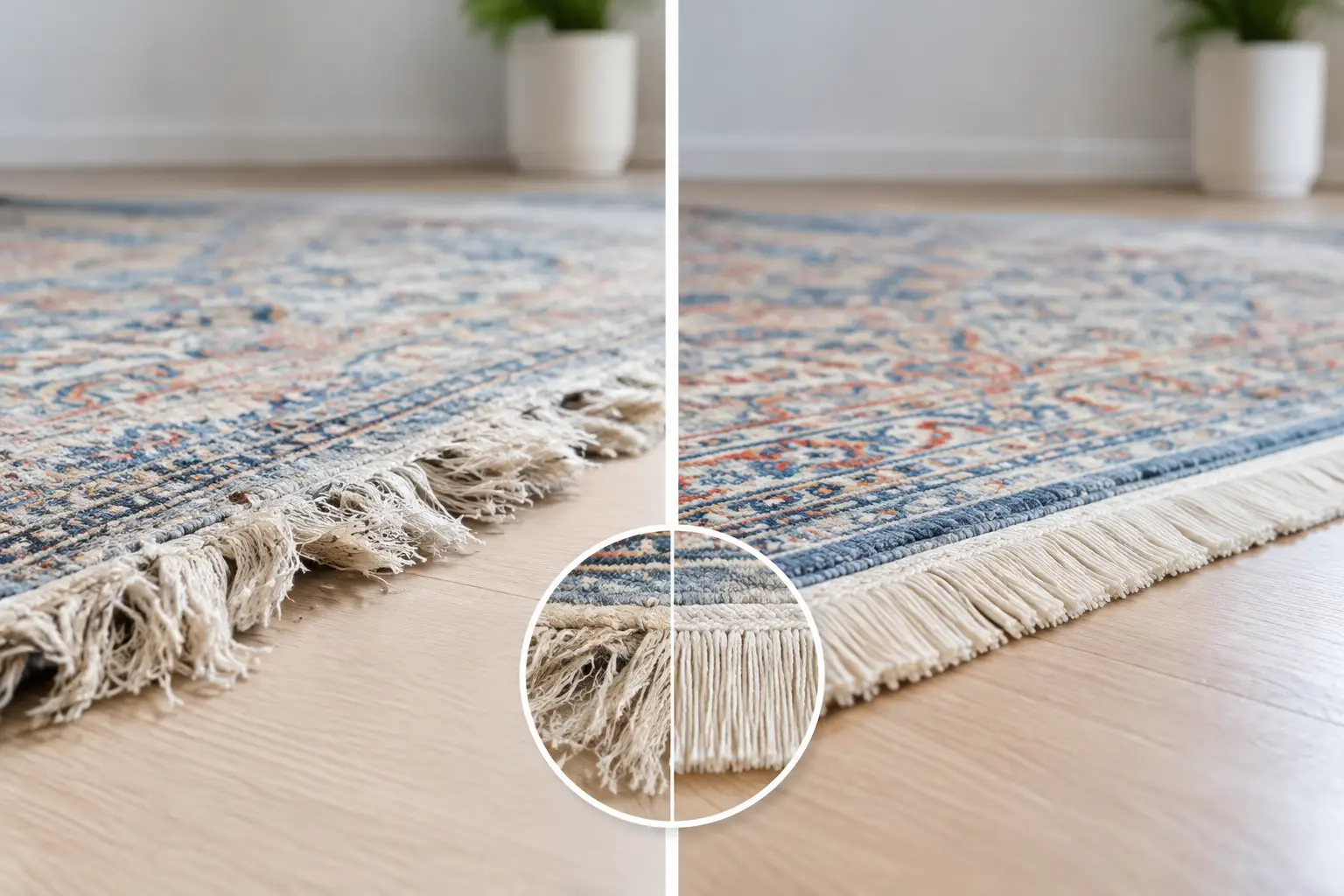
Regular vacuuming also helps by removing the dry soil that works its way down into the pile. Be gentle around fringe and avoid using a beater bar on delicate rugs. Routine care will not eliminate the need for occasional professional washing, but it can reduce the amount of embedded debris that contributes to dullness and odor.
When a Rug Needs Specialized Odor Care
Every rug tells a different story. A washable synthetic runner with a recent food spill may need a straightforward cleaning, while a hand-knotted wool Oriental rug with years of pet urine needs a more deliberate plan. The rug’s age, fiber content, dye stability, construction, condition, and odor source all affect the recommended treatment.
At 1st Impressions Oriental and Area Rug Cleaning, rugs are handled as individual textiles, not as interchangeable floor coverings. A photo-and-measurement estimate can help identify whether the rug needs washing alone, pet urine decontamination, repair attention, a new pad, or a closer inspection before any work begins.
A clean-smelling rug changes more than a room’s appearance. It lets you enjoy the piece again without wondering what is hiding beneath the fibers, and it gives a well-loved textile the careful attention it deserves.